

Free Himara Travel Guide & Mobile App
Explore Himara with free travel guides. Discover regional history, expert tips, proposed trips, and audio guides on web or mobile app.


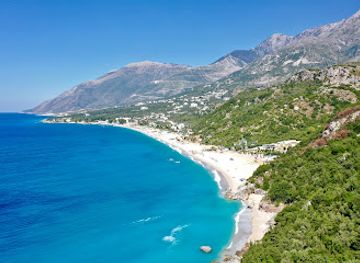
Explore Himara in Albania for Ionian beaches, stone villages, hilltop ruins, seafood and mountain-framed coastal scenery.
Read more about Himara
When is the best time to visit Himara?
Best: June–July, September · 25–29°C| Month | High (°C) | Rainfall (mm) |
|---|---|---|
| January | 13 | 100 |
| February | 14 | 90 |
| March | 15 | 80 |
| April | 18 | 70 |
| May | 22 | 60 |
| June (best) | 26 | 50 |
| July (best) | 29 | 40 |
| August | 29 | 40 |
| September (best) | 25 | 50 |
| October | 21 | 60 |
| November | 17 | 70 |
| December | 14 | 90 |
Getting to and around Himara
How to get there
Transportation
Top city travel guides in Himara
The cities of Himara, and the easiest places to base yourself.

Swipe for more cities
Destinations in Himara
Resorts, valleys and scenic spots worth a trip of their own.
-

-


Swipe for more destinations
Best attractions in Himara
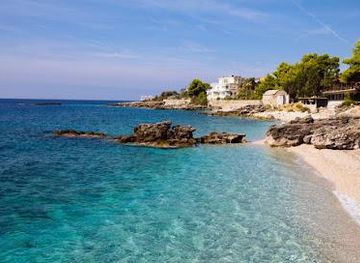
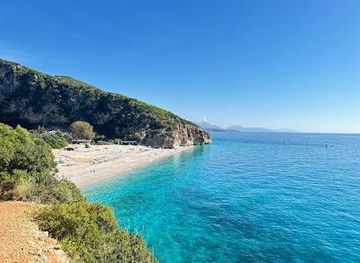
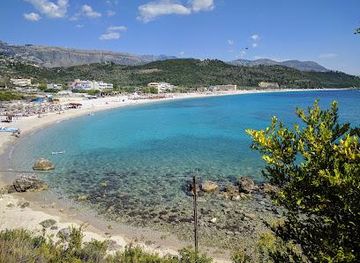
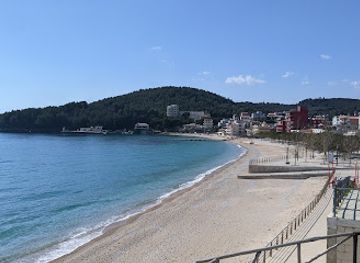
Himara’s attractions are spread across a narrow coastal corridor where beaches, villages and historic sites are closely linked but rarely flat or quick to reach. Himarë’s waterfront provides the region’s most convenient swimming and dining base, while Livadhi, Jale, Gjipe and the beaches around Dhërmi offer different settings, from broad coves to more secluded stretches reached by foot, boat or rough access roads. Gjipe is particularly associated with a dramatic gorge opening onto the sea and is best approached with suitable footwear and water. Inland and uphill, the old villages of Dhërmi, Vuno and Qeparo reveal stone houses, churches and lanes shaped by centuries of mountain settlement. The Himara Castle area provides historic context and wide coastal views, while Porto Palermo combines a sheltered bay with a prominent fortress. Borsh adds a long beach, olive-growing countryside and the remains of a hilltop castle. Walking, swimming, boat trips, photography and village exploration are the main activities; organised facilities vary considerably, so visitors should not expect the same services at every beach.
-
National park
Llogara National Park
Discover Llogara National Park: Where dramatic mountains meet the stunning Albanian Riviera, offering breathtaking views and diverse ecosystems.
-
Beach
Dhërmiu Beach
Discover Dhërmiu Beach: where crystal-clear waters meet dramatic cliffs on the enchanting Albanian Riviera, offering a perfect escape for relaxation and adventure.
-
Beach
Gjipe Beach
Discover Gjipe Beach: A secluded Albanian Riviera paradise with turquoise waters, dramatic canyons, and a tranquil escape from the crowds.
-
Tourist attraction
Livadhi Beach
Discover Livadhi Beach in Himarë: turquoise waters, golden sands, and a vibrant atmosphere make it a perfect Albanian Riviera escape.

Best landmarks in Himara
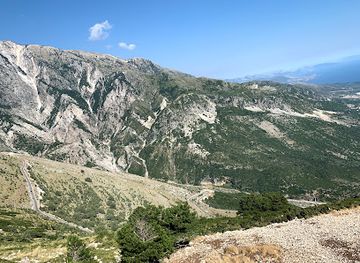
Himara Castle is the region’s most important historic landmark, occupying a hill above the modern town on the site of the old settlement. Its churches, stone remains and elevated position illustrate the defensive logic of coastal mountain communities, while the views connect the ancient and modern town below. Porto Palermo Castle stands on a small peninsula in a sheltered bay and is one of Himara’s most recognisable structures; its strong triangular form and association with Ali Pasha reflect the military competition that shaped the southern coast. Borsh Castle, also known as Sopot Castle, crowns a hill above the village and beach, offering a reminder of the area’s medieval and Ottoman-era strategic importance. The old stone villages of Dhërmi, Vuno and Qeparo are landmarks in their own right, with narrow lanes, traditional houses and Orthodox churches that express the region’s distinctive architectural heritage. The Ceraunian mountain backdrop and the sharply folded Ionian coastline complete Himara’s visual identity.
-
National park
Llogara National Park
Discover Llogara National Park: Where the Ceraunian Mountains meet the Albanian Riviera, offering stunning views and outdoor adventures.
-
Beach
Dhërmiu Beach
Experience the allure of Dhërmi Beach: turquoise waters, vibrant nightlife, and stunning mountain views on the Albanian Riviera.
-
Seafood
Lefteri's Tavern
Experience authentic Albanian flavors at Himarë's oldest tavern, serving fresh seafood and traditional dishes since 1998.
-
 Greek
GreekTo Steki sti Gonia
Experience authentic Greek flavors with breathtaking sea views at To Steki sti Gonia, a culinary gem in the heart of Himarë, Albania.
Explore Himara on the map
Plan your trip on one map. See where the top cities, national parks and sights are, and book hotels and experiences in a few clicks.
Best hotels in Himara
Best restaurants in Himara
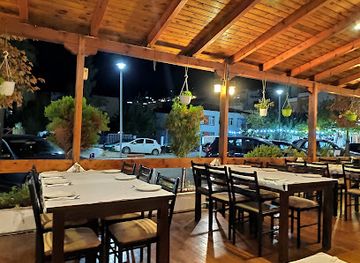
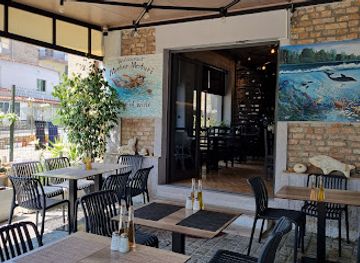
Dining in Himara combines southern Albanian cooking with the produce of the Ionian coast. Seafood, grilled fish, prawns, mussels where available, octopus, salads, aubergines, peppers, beans, olives and locally pressed olive oil appear widely, while mountain villages add yoghurt, fresh cheeses, herbs and slow-cooked meat dishes. Restaurants along the waterfront and near busy beaches cater to summer visitors, whereas village tavernas and family-run establishments often offer a more limited, seasonal menu. Albanian specialities such as byrek, tavë and grilled meats sit alongside dishes influenced by the culinary traditions of southern Albania and neighbouring Epirus. Local wine, raki and fruit preserves are worth seeking out, although quality and provenance vary between producers. In July and August, evening tables in popular coastal areas can fill quickly; outside the main season, some restaurants reduce their hours or operate only when demand is sufficient.
-
Seafood
Lefteri's Tavern
Experience authentic Albanian seafood at Lefteri's Tavern in Himarë - where freshness meets tradition by the sea.
-
Restaurant
Restaurant "Merkur Merkuri"
Discover authentic Albanian flavors at Merkur Merkuri in Himarë - where tradition meets taste in every dish.
-
Greek
To Steki sti Gonia
Experience authentic Greek cuisine at To Steki sti Gonia in Himarë – where every meal is a celebration of Mediterranean flavors.
-
Mediterranean
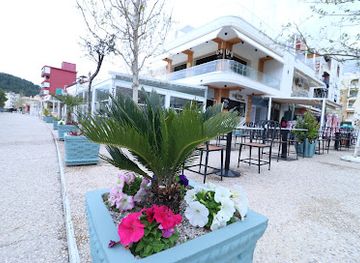
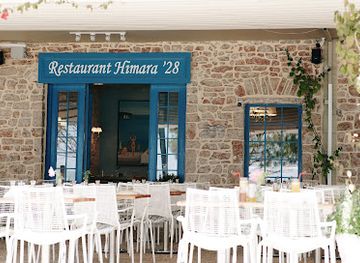
Himara ‘28 Restaurant
Discover exquisite Mediterranean flavors at Himara ‘28 Restaurant in picturesque Himarë, Albania—where every meal is a celebration of taste.
Best bars in Himara
Himara’s evening life is concentrated around the waterfront, beach promenades and the larger coastal settlements rather than forming a single extensive nightlife district. Himarë offers relaxed cafés, bars and restaurants where evenings often begin with coffee, a drink or seafood, while Dhërmi and nearby beach areas attract a younger, more seasonal crowd with late-night music and occasional club-oriented venues during the summer. Smaller villages such as Vuno, Qeparo and Borsh are generally quieter, with evenings centred on tavernas, family restaurants and traditional cafés. Nightlife changes substantially outside July and August, when some seasonal venues close or operate less frequently. Visitors should follow local noise expectations near homes and accommodation, and should arrange transport in advance if returning from a remote beach or village after dark.
-
Seafood
Lefteri's Tavern
Experience the best of Albanian seafood at Lefteri's Tavern in Himarë, where tradition meets flavor in a scenic setting.
-
Greek
To Steki sti Gonia
Experience the authentic taste of Greece with stunning sea views at To Steki sti Gonia, a must-visit restaurant in Himarë, Albania.
-
Mediterranean
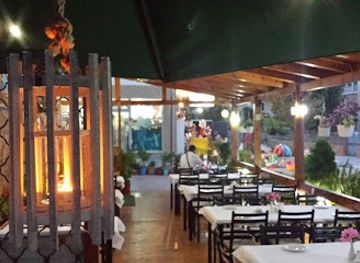
Himara ‘28 Restaurant
Experience the best of Mediterranean cuisine at Himara ‘28 Restaurant, a culinary delight in the heart of Himarë, Albania.
-
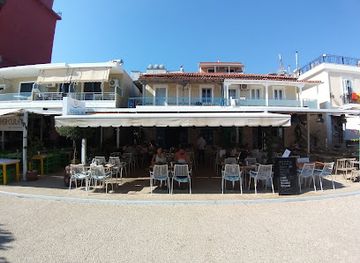
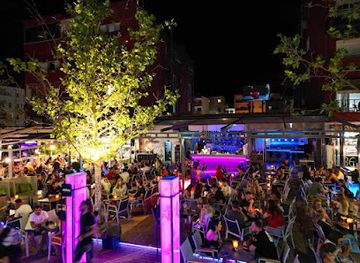
Cocktail bar
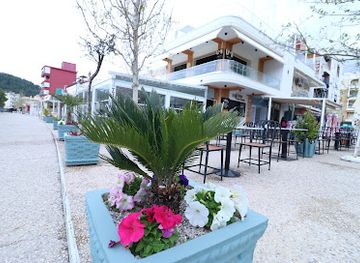
Mojo Cocktails Bar
Experience the best of Himarë at Mojo Cocktails Bar, where creativity meets flavor in every cocktail.
Best nightclubs in Himara
Himara’s evening life is concentrated around the waterfront, beach promenades and the larger coastal settlements rather than forming a single extensive nightlife district. Himarë offers relaxed cafés, bars and restaurants where evenings often begin with coffee, a drink or seafood, while Dhërmi and nearby beach areas attract a younger, more seasonal crowd with late-night music and occasional club-oriented venues during the summer. Smaller villages such as Vuno, Qeparo and Borsh are generally quieter, with evenings centred on tavernas, family restaurants and traditional cafés. Nightlife changes substantially outside July and August, when some seasonal venues close or operate less frequently. Visitors should follow local noise expectations near homes and accommodation, and should arrange transport in advance if returning from a remote beach or village after dark.
-
Cocktail bar
Mojo Cocktails Bar
Experience the vibrant cocktail scene at Mojo Cocktails Bar in Himarë, Albania, where creativity meets refreshing flavors.
-
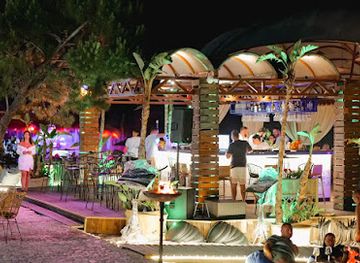
Beach club
Havana Beach Club
Experience the vibrant atmosphere of Havana Beach Club in Dhërmi, where sun, fun, and unforgettable memories await along the Albanian Riviera.
-
Night club
Salinas Beach Bar
Experience the vibrant nightlife and relaxing beach vibes at Salinas Beach Bar in Dhërmi, Albania, where music and shisha create unforgettable moments.
-
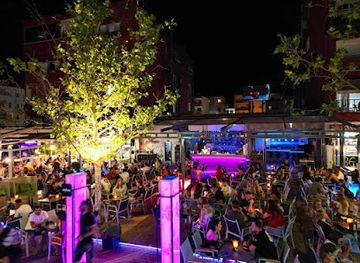
Cocktail bar
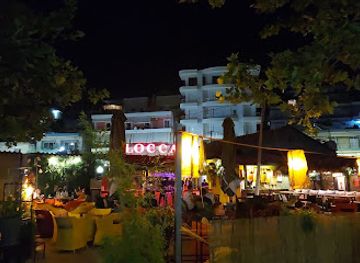
Locca Rooftop
Discover the exquisite cocktails and mesmerizing views at Locca Rooftop in Himarë, Albania's premier cocktail bar and restaurant experience.

Best shops in Himara
Shopping in Himara is modest and local in character, with small food shops, beach retailers, minimarkets, pharmacies and souvenir stalls concentrated in the main coastal settlements. Markets and shops offer olive oil, olives, honey, herbs, preserves, dried fruit, wine and raki, although visitors should ask about origin and production rather than assuming that every labelled product comes from Himara. Independent craft and souvenir shops may stock ceramics, woven items, carved objects, religious articles and lightweight beach goods, while village visits provide opportunities to buy produce directly from small sellers when available. Himarë has the broadest everyday selection, whereas Dhërmi, Borsh and the smaller villages are better suited to browsing local food and seasonal goods than to extensive retail shopping. For larger supermarkets, specialist purchases or a wider choice of clothing, visitors generally need to use a larger town outside the immediate region.
-
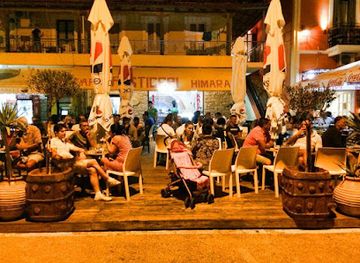
Cafe
Kafe Pasticceria Himara 1928
Discover the sweet flavors of Albania at Kafe Pasticceria Himara 1928, a charming cafe and pastry shop along the stunning Himarë coastline.
-
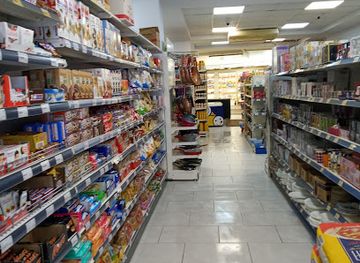
Supermarket
Alpha Supermarket
Explore diverse products at Alpha Supermarket, your convenient stop for local goods and Albanian specialties in Himarë.
-
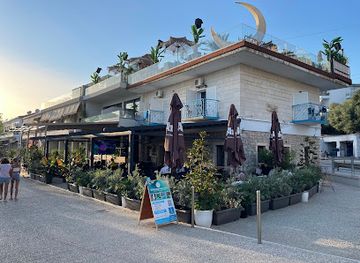
Coffee shop
San GIORGIO
Discover San Giorgio in Himarë, Albania - a delightful coffee shop and cocktail bar offering a cozy atmosphere and exquisite beverages.
-
Grocery store
Market Himara
Discover local flavors and vibrant produce at Market Himara, your go-to grocery store in the heart of Himara, Albania.
Get your free copy of our complete guide to Himara, delivered straight to you.
Everything on this page, from attractions and restaurants to essentials and local phrases, in one PDF you can read offline, print or share.
Already have an account? Sign in
Your Himara guide is ready.
We'll send it to · Not you? Sign out

Getting your guide ready…
We are putting together a fresh copy of the Himara guide. This can take up to a minute.
This can take a few moments. If your browser asks, choose Allow so the download can start. You'll find the guide in your Downloads folder.
Nothing happened? Download it again
Sorry, the guide is taking longer than usual. Please try again in a minute, or get it by email instead.
Himara essentials
Currency and Payment
Safety
Emergency Situations
Do's and Don'ts
Local Tips
From Eve
Local phrases worth knowing
You don't need to get them perfect. A few words go a long way, and locals appreciate the effort.
Basics
| English | Local | Say it |
|---|---|---|
| Hello | Përshëndetje | [Për-shen-de-te] |
| Goodbye | Mirupafshim | [Mi-ru-paf-shim] |
| Yes | Po | [Po] |
| No | Jo | [Yo] |
| Please/You're welcome | Të lutem | [Të lu-tem] |
| Thank you | Faleminderit | [Fa-le-min-de-rit] |
| Excuse me/Sorry | Më fal | [Më fal] |
| How are you? | Si je? | [Si ye?] |
| Fine. And you? | Mirë. Ti? | [Mirë. Ti?] |
| Do you speak English? | A flet anglisht? | [A flet an-glisht?] |
| I don't understand | Nuk kuptoj | [Nuk kup-toj] |
Eating & Drinking
| English | Local | Say it |
|---|---|---|
| I'd like to see the menu, please | Do doja të shihja menu, të lutem | [Do do-ja të shi-hja me-nu, të lu-tem] |
| I don't eat meat | Nuk ha mish | [Nuk ha mish] |
| Cheers! | Gëzuar! | [Gë-zu-ar] |
| I would like to pay, please | Do doja të paguaja, të lutem | [Do do-ja të pa-gu-a-ja, të lu-tem] |
Emergencies
| English | Local | Say it |
|---|---|---|
| Help! | Ndihmë! | [Ndi-hmë] |
| Go away! | Shkoi larg! | [Shkoi larg!] |
| Call the Police! | Thirrni Policinë! | [Thir-rni Po-li-ci-në!] |
| Call a doctor! | Thirrni një doktor! | [Thir-rni një dok-tor!] |
| I'm lost | Jam humbur | [Jam hum-bur] |
| I'm ill | Jam i sëmurë | [Jam i së-murë] |
Shopping
| English | Local | Say it |
|---|---|---|
| I'd like to buy... | Do doja të blija... | [Do do-ja të bli-ja...] |
| I'm just looking | Po shikoj vetëm | [Po shi-koy ve-tëm] |
| How much is it? | Sa kushton? | [Sa kushton?] |
| That's too expensive | Kjo është shumë e shtrenjtë | [Kjo është shumë e shtrenjtë] |
| Can you lower the price? | A mund të ulni çmimin? | [A mund të ul-ni çmi-min?] |
Time & Numbers
| English | Local | Say it |
|---|---|---|
| What time is it? | Sa është ora? | [Sa është o-ra?] |
| It's one o'clock | Është një orë | [Është një o-rë] |
| Half past (10) | Gjashtë e gjysmë | [Gjashtë e gjys-më] |
| Morning | Mëngjes | [Mëng-jes] |
| Afternoon | Pasdite | [Pas-di-te] |
| Evening | Mbrëmje | [Mbrëm-je] |
| Yesterday | Dje | [Dje] |
| Today | Sot | [Sot] |
| Tomorrow | Nesër | [Ne-sër] |
| 1 | Një | [Një] |
| 2 | Dy | [Dy] |
| 3 | Tre | [Tre] |
| 4 | Kater | [Ka-ter] |
| 5 | Pesë | [Pe-së] |
| 6 | Gjashtë | [Gjashtë] |
| 7 | Shtatë | [Shta-të] |
| 8 | Tetë | [Te-të] |
| 9 | Nëntë | [Nën-të] |
| 10 | Dhjetë | [Dhi-e-të] |
Transport & Directions
| English | Local | Say it |
|---|---|---|
| Where's a/the...? | Ku është një...? | [Ku është një...?] |
| What's the address? | Cili është adresa? | [Ci-li është a-dre-sa?] |
| Can you show me (on the map)? | A mund të më tregoni (në hartë)? | [A mund të më tre-goni (në har-të)?] |
| When's the next (bus)? | Kur është autobusi tjetër? | [Kur është au-to-bu-si tjet-ër?] |
| A ticket (to ....) | Një biletë (për....) | [Një bi-le-të (për....)] |
History of Himara
Chaonian and Illyrian Antiquity
The Himara area formed part of ancient Chaonia, a region associated with the Chaonians, one of the principal tribes of Epirus. Settlements occupied defensible hills and coastal positions, linking inland communities with maritime routes across the Ionian Sea. Archaeological remains are more fragmentary here than at major classical sites elsewhere in Albania, but the landscape of fortified heights, agricultural terraces and coastal passages reflects a long-established pattern of settlement. Ancient communities cultivated olives and other Mediterranean crops while maintaining connections with neighbouring parts of Epirus and the wider Greek world.
Byzantine Christianity and Medieval Fortifications
During the Byzantine period and the centuries that followed, Christianity shaped Himara’s settlement pattern and cultural landscape. Churches and monasteries served communities spread across mountain slopes and coastal valleys, while hilltop sites offered protection during periods of political instability. The old settlement of Himara developed around a fortified acropolis, now known as Himara Castle, where churches and stone houses remain visible. Medieval powers controlling Epirus and the Albanian coast competed for influence in a region whose position made it strategically important despite its difficult terrain.
Venetian and Ottoman Rivalries
From the late medieval period into the early modern era, the Ionian coast was influenced by rival Venetian, Ottoman and local powers. Himara’s mountains and maritime connections helped local communities preserve a degree of autonomy and negotiate with successive authorities. Coastal fortifications, including the strategically positioned site at Porto Palermo, belong to a wider history of controlling bays and sea routes. Ottoman administration eventually became dominant, although the region retained distinctive local institutions, religious practices and links with neighbouring Greek-speaking communities.
Ali Pasha and Porto Palermo
In the late eighteenth and early nineteenth centuries, Ali Pasha of Tepelena expanded his influence across much of southern Albania and Epirus. The fortress at Porto Palermo is traditionally connected with his rule and is commonly associated with the first decade of the nineteenth century. Its triangular plan and position on a small peninsula demonstrate the military value of the sheltered bay. Whether viewed through the history of Ali Pasha or the older strategic importance of the harbour, the fortress illustrates how Himara’s coastline served defensive and maritime purposes.
National Awakening and the Modern Albanian State
The nineteenth and early twentieth centuries brought competing national, religious and political projects to southern Albania. Himara’s communities maintained strong local identities, Orthodox institutions and cultural connections across the Ionian region, while the wider Albanian national movement sought to establish education and political authority in Albanian. After the creation of the Albanian state in 1912, Himara became part of the country’s southern coastal territories. The region’s villages, churches and bilingual cultural influences continue to reflect this layered period rather than a single, simple national narrative.
Communist Isolation and Coastal Transformation
Under Albania’s communist regime, travel and contact with the outside world were tightly restricted, and the coast was not developed as an international holiday destination. Fishing, agriculture and small-scale local economies remained important, while military concerns influenced parts of the shoreline. After the early 1990s, improved access, private enterprise and international tourism transformed Himara’s beaches and accommodation sector. The change has brought new prosperity and infrastructure but also pressure on water supplies, roads, building traditions and the fragile balance between coastal development and older village landscapes.
Himara in Photos
Browse through our photo collection highlighting the charm and character of the destination.
Neighbouring regions of Himara
The closest regions to Himara, if you have time for more than one.
-

-

-

-

-


Swipe for more regions
Explore more

Explore more of Albania
Discover Albania: A land of untamed beauty, rich history, and warm hospitality, offering stunning beaches, rugged mountains, and vibrant cities.
Explore Albania