

Free Gramsh Travel Guide & Mobile App
Explore Gramsh with free travel guides. Discover regional history, expert tips, proposed trips, and audio guides on web or mobile app.


Explore Gramsh in central Albania for limestone canyons, mountain waterfalls, Banjë Lake, historic villages and quiet rural landscapes.
Read more about Gramsh
When is the best time to visit Gramsh?
Best: May–June, September · 23–27°C| Month | High (°C) | Rainfall (mm) |
|---|---|---|
| January | 9 | 90 |
| February | 10 | 80 |
| March | 15 | 70 |
| April | 19 | 60 |
| May (best) | 23 | 50 |
| June (best) | 27 | 40 |
| July | 30 | 30 |
| August | 30 | 30 |
| September (best) | 26 | 40 |
| October | 20 | 50 |
| November | 14 | 60 |
| December | 10 | 80 |
Getting to and around Gramsh
How to get there
Transportation
Top city travel guides in Gramsh
The cities of Gramsh, and the easiest places to base yourself.

Swipe for more cities
Destinations in Gramsh
Resorts, valleys and scenic spots worth a trip of their own.

Swipe for more destinations
Best attractions in Gramsh
Gramsh's attractions are primarily natural and rural rather than concentrated in a single monumental centre. Holta Canyon is the municipality's best-known outdoor site, with limestone walls and river passages that appeal to walkers and adventure-minded visitors; access and difficulty vary with weather, so it should not be treated as a casual urban stroll. The Sotira Waterfall provides a shorter nature excursion through a wooded mountain setting, while the upper valleys offer quieter walks, views and opportunities to observe traditional settlement patterns. Banjë Lake brings a different scale to the landscape, with open water and reservoir scenery along the Devoll valley. Historic and cultural interest is found in villages such as Grabovë e Sipërme, where stone buildings and Orthodox heritage reflect the area's mountain communities. Gramsh town supplies cafés, local services and a useful starting point for excursions, while the surrounding countryside reveals agriculture, grazing and remnants of twentieth-century infrastructure. Visitors should expect limited interpretation, signage and visitor facilities outside the town; the appeal lies in combining landscape observation, village visits and self-directed exploration with realistic preparation.
-
Castle
Berat Castle
Discover the enchanting Berat Castle, a UNESCO World Heritage site that showcases Albania's rich history and breathtaking views of the Osum River.
-
Bridge
Gorica Bridge
Cross the historic Gorica Bridge in Berat, Albania, for stunning views, Ottoman past, and unique architectural charm. A must-see landmark!
-
Winery
Alpeta Agritourism & Winery (Alpeta Agroturizem)
Experience Albanian wine and tradition at Alpeta Agritourism & Winery in Roshnik, with vineyard tours, local cuisine, and stunning mountain views.
-
Art museum
Muzeu Kombëtar Ikonografik Onufri
Discover a remarkable collection of Byzantine art and iconography by the renowned Albanian painter Onufri in the historic Berat Castle.


Best landmarks in Gramsh
The Devoll valley and Banjë Lake are Gramsh's most recognisable geographical landmarks, marking the relationship between the municipality's river system, hydroelectric development and surrounding hills. Holta Canyon is a more dramatic natural landmark, where pale rock walls compress the river into a narrow passage and reveal the region's limestone geology. Sotira Waterfall is identified with the mountain landscape near the village of Sotirë and has become one of the municipality's principal visual symbols. In the uplands, Grabovë e Sipërme is notable for its traditional stone character and religious heritage, representing the historic communities that developed beyond the main valley. Gramsh town's bridges, river approaches and post-war civic landscape are less monumental but help explain its role as a service centre between rural districts. These places are best understood as parts of a dispersed landscape rather than as a compact circuit of formal monuments; roads, weather and walking conditions strongly influence how many can be visited in one day.
-
Castle
Berat Castle
Explore the historical wonders of Berat Castle, a UNESCO World Heritage site in Albania, offering stunning views and rich cultural heritage.
-
Bridge
Gorica Bridge
Cross the iconic Gorica Bridge in Berat, Albania, for stunning views, rich history, and a connection to the city's UNESCO-listed cultural heritage.
-
National park
Tomorri Mountain National Park
Discover Albania's majestic Tomorri Mountain National Park: Hike scenic trails, explore sacred sites, and immerse yourself in stunning natural beauty.
-
Orthodox church
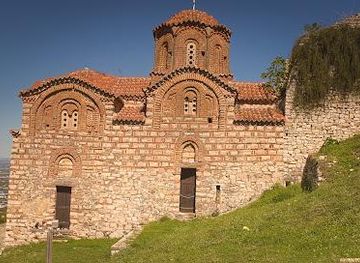
Holy Trinity Church
Discover the Holy Trinity Church in Berat Castle: A stunning Byzantine treasure with panoramic views and rich history.


Explore Gramsh on the map
Plan your trip on one map. See where the top cities, national parks and sights are, and book hotels and experiences in a few clicks.
Best hotels in Gramsh
Best restaurants in Gramsh
Dining in Gramsh is rooted in the straightforward cooking of central Albania and its mountain hinterland. Small restaurants, cafés and family-run establishments in and around the town commonly serve grilled meat, chicken, seasonal vegetables, beans, rice dishes, soups, salads, bread and dairy products. Rural households and village eateries may offer homemade yoghurt, cheese, preserves and savoury pies, although availability is seasonal and menus are not always formal. The surrounding uplands support livestock keeping, so fresh dairy and meat are more characteristic than elaborate seafood cooking. Banjë and the Devoll valley may provide simple meals for travellers, but visitors heading towards waterfalls or canyon routes should carry provisions rather than rely on finding food at the site. Albanian coffee culture is an important part of everyday town life, and a café stop is often more dependable than a late meal in a remote village. Vegetarian choices can usually be arranged, but explaining requirements clearly is useful.
-
Restaurant
Restorant DeviselD
Experience authentic Albanian cuisine at Restorant DeviselD in Elbasan - where every dish tells a story of tradition and flavor.
-
Restaurant
BioFarm Gramsh
Experience authentic Albanian cuisine surrounded by nature at BioFarm Gramsh – where every meal tells a story of sustainability.
-
Restaurant
Bar - Restorant "Gjahtari®"
Experience authentic Albanian flavors at Bar - Restorant Gjahtari®, where tradition meets modern dining in Librazhd.
-
Restaurant
Bar Restorant Osumi
Experience authentic Albanian cuisine at Bar Restorant Osumi in Uznova – where flavor meets tradition in every dish.


Best bars in Gramsh
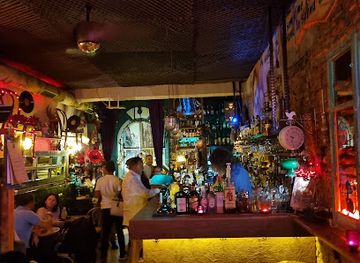
Gramsh's evening life is modest and centred on cafés, restaurants and traditional bars in the town rather than a dedicated nightclub district. Local venues are places for coffee, conversation, televised sport and drinks, with activity generally strongest in the early evening and at weekends. Beer, Albanian spirits and coffee are widely available, while nightlife in the surrounding villages is much quieter and usually linked to family restaurants or seasonal gatherings rather than commercial entertainment. Visitors seeking a late-night club scene should look to larger Albanian cities rather than expect one in Gramsh. In rural areas, arrange transport back to town in advance, as taxis and public transport may be limited after dark. The most rewarding evening may be a meal and a relaxed walk through the town, followed by an early start for the mountains.
-
Restaurant
Bar Restorant Etjoni
Experience authentic Albanian cuisine in a charming setting at Bar Restorant Etjoni in Gramsh, perfect for food lovers and travelers.
-
Restaurant
Restaurant Altini
Savor authentic Albanian cuisine in the heart of Gramsh at Restaurant Altini, where every meal is a celebration of local flavors.
-
Bar
Pizzeri Tre Stelle
Discover the vibrant flavors of Italy at Pizzeri Tre Stelle in Gramsh, Albania, offering delicious pizzas and a lively bar atmosphere.
-
Cafe
Bar Mateo
Experience the warmth of Bar Mateo, a cozy cafe in Gramsh, Albania, offering delicious coffee and local treats in a welcoming setting.


Best nightclubs in Gramsh
Gramsh's evening life is modest and centred on cafés, restaurants and traditional bars in the town rather than a dedicated nightclub district. Local venues are places for coffee, conversation, televised sport and drinks, with activity generally strongest in the early evening and at weekends. Beer, Albanian spirits and coffee are widely available, while nightlife in the surrounding villages is much quieter and usually linked to family restaurants or seasonal gatherings rather than commercial entertainment. Visitors seeking a late-night club scene should look to larger Albanian cities rather than expect one in Gramsh. In rural areas, arrange transport back to town in advance, as taxis and public transport may be limited after dark. The most rewarding evening may be a meal and a relaxed walk through the town, followed by an early start for the mountains.
-
Jazz
Hemingway Bar Tirana
Experience the vibrant nightlife of Tirana at Hemingway Bar, where live jazz meets expertly crafted cocktails in a chic ambiance.
-
Night club
Living Room Antik
Discover the heart of Tirana's nightlife at Living Room Antik, a lively night club celebrating music, drinks, and the spirit of Albania.
-
Night club
Cinco Cavalli Premium Club
Dive into the heart of Albania's nightlife at Cinco Cavalli Premium Club, where unforgettable nights and electrifying music await.
-
Night club
Sky Club
Experience Tirana's vibrant nightlife at Sky Club, where stunning views and electrifying entertainment create unforgettable memories.


Best shops in Gramsh
Shopping in Gramsh is practical and local, with the main opportunities concentrated in town rather than in a purpose-built visitor retail district. Small food shops, bakeries, cafés and market traders provide everyday supplies, while local stores may carry seasonal fruit and vegetables, dairy products, honey, preserves and other Albanian staples. These products are more useful and regionally representative souvenirs than mass-produced merchandise. Visitors may also find handmade textiles, knitted goods or village produce through informal local contacts, although availability changes and there is no guarantee of a permanent craft market. The town's shops are the best place to buy water, snacks and picnic provisions before travelling into the mountain districts. Rural settlements have few retail services, and card payments may not be available, so cash in lek is useful. For a broader selection of Albanian crafts, antiques, books and contemporary goods, travellers generally need to continue to larger towns outside the municipality.
-
Souvenir store
Marigo - sklep z pamiątkami
Discover authentic Albanian souvenirs at Marigo, a charming store in Durrës offering unique gifts and local craftsmanship.
-
Vintage clothing store
The Vintage God
Discover unique vintage clothing treasures at The Vintage God in Tirana, perfect for fashion lovers and souvenir seekers.
-
Souvenir store
Souvenir Albania
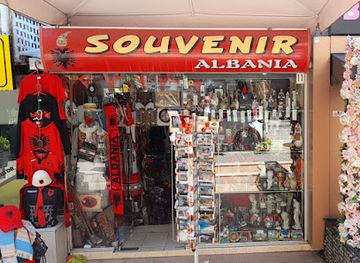
Explore a treasure trove of authentic Albanian souvenirs and crafts at Souvenir Albania in the heart of Tirana.
-
Gift basket store
Porcelan Studio Seferi
Explore Porcelan Studio Seferi in Tirana for exquisite handmade gifts and local treasures that capture the essence of Albanian culture.



Get your free copy of our complete guide to Gramsh, delivered straight to you.
Everything on this page, from attractions and restaurants to essentials and local phrases, in one PDF you can read offline, print or share.
Already have an account? Sign in
Your Gramsh guide is ready.
We'll send it to · Not you? Sign out

Getting your guide ready…
We are putting together a fresh copy of the Gramsh guide. This can take up to a minute.
This can take a few moments. If your browser asks, choose Allow so the download can start. You'll find the guide in your Downloads folder.
Nothing happened? Download it again
Sorry, the guide is taking longer than usual. Please try again in a minute, or get it by email instead.
Gramsh essentials
Currency and Payment
Safety
Emergency Situations
Do's and Don'ts
Local Tips
From Eve
Local phrases worth knowing
You don't need to get them perfect. A few words go a long way, and locals appreciate the effort.
Basics
| English | Local | Say it |
|---|---|---|
| Hello | Përshëndetje | [Për-shëndet-ye] |
| Goodbye | Mirupafshim | [Mee-roo-paf-sheem] |
| Yes | Po | [Po] |
| No | Jo | [Yo] |
| Please/You're welcome | Të lutem/Faleminderit | [Të loo-tem/Fa-le-mind-e-rit] |
| Thank you | Faleminderit | [Fa-le-mind-e-rit] |
| Excuse me/Sorry | Më falni/Më vjen keq | [Më fal-nee/Më vyen kech] |
| How are you? | Si jeni? | [See yen-ee?] |
| Fine. And you? | Mirë. Edhe ti? | [Meer. Edhe tee?] |
| Do you speak English? | A flisni anglisht? | [A flees-nee an-glisht?] |
| I don't understand | Nuk kuptoj | [Nook koop-toy] |
Eating & Drinking
| English | Local | Say it |
|---|---|---|
| I'd like to see the menu, please | Do doja të shihja menunë, të lutem | [Do do-ya të shee-ha me-nu-në, të loo-tem] |
| I don't eat meat | Nuk ha mish | [Nook ha meesh] |
| Cheers! | Gëzuar! | [Gë-zoo-ar!] |
| I would like to pay, please | Do doja të paguaja, të lutem | [Do do-ya të pa-goo-ya, të loo-tem] |
Emergencies
| English | Local | Say it |
|---|---|---|
| Help! | Ndihmë! | [Ndee-më!] |
| Go away! | Shkoni! | [Shko-nee!] |
| Call the Police! | Thirrni policinë! | [Theer-nee po-lee-tsee-në!] |
| Call a doctor! | Thirrni një doktor! | [Theer-nee nye dok-tor!] |
| I'm lost | Jam i humbur | [Yam ee hoom-bur] |
| I'm ill | Jam i sëmurë | [Yam ee sëmoo-rë] |
Shopping
| English | Local | Say it |
|---|---|---|
| I'd like to buy... | Do doja të bleja... | [Do do-ya të bleh-ya...] |
| I'm just looking | Po shikoj vetëm | [Po shee-koy vet-em] |
| How much is it? | Sa kushton? | [Sa koosh-ton?] |
| That's too expensive | Kjo është shumë e shtrenjtë | [Kyo esht shoom e shtrayn-të] |
| Can you lower the price? | A mund të ulni çmimin? | [A moond të ool-nee chmee-min?] |
Time & Numbers
| English | Local | Say it |
|---|---|---|
| What time is it? | Sa është ora? | [Sa esht ora?] |
| It's one o'clock | Është një orë | [Esht nye orë] |
| Half past (10) | Pjesë e gjysmë (10) | [Pye-së e joo-sëm (10)] |
| Morning | Mëngjes | [Mëng-yess] |
| Afternoon | Pasdite | [Pas-dee-te] |
| Evening | Mbrëmje | [Mbrëm-ye] |
| Yesterday | Dje | [Dye] |
| Today | Sot | [Sot] |
| Tomorrow | Nesër | [Nes-er] |
| 1 | Një | [Nye] |
| 2 | Dy | [Dye] |
| 3 | Tre | [Tre] |
| 4 | Katër | [Ka-tër] |
| 5 | Pesë | [Pe-së] |
| 6 | Gjashtë | [Jasht] |
| 7 | Shtatë | [Shta-të] |
| 8 | Tetë | [Te-të] |
| 9 | Nëntë | [Nën-të] |
| 10 | Dhjetë | [Dhee-të] |
Transport & Directions
| English | Local | Say it |
|---|---|---|
| Where's a/the...? | Ku është një...? | [Ku esht nye...?] |
| What's the address? | Cila është adresa? | [See-la esht a-dre-së?] |
| Can you show me (on the map)? | A mund të më tregoni (në hartë)? | [A moond të më treh-goni (në har-te)?] |
| When's the next (bus)? | Kur është autobusi tjetër? | [Kur esht au-to-boo-si tee-tër?] |
| A ticket (to ....) | Një biletë (për ....) | [Nye bee-le-të (për ....)] |
History of Gramsh
Illyrian and Ancient Mountain Settlement
The region around modern Gramsh formed part of the interior landscape of ancient Illyria, where settlement was shaped by river valleys, defensible hills and routes crossing central Albania. Large urban remains are less prominent here than in the country's better-known archaeological centres, but the area's valleys connected communities between the Shkumbin basin and the eastern uplands. Ancient movement through such terrain was important for exchange, grazing and communication, even when it left limited monumental evidence. The rugged geography continued to influence settlement patterns long after the ancient period.
Roman and Medieval Routes
Roman power brought the wider central Albanian region into a more integrated system of roads, administration and trade. Gramsh did not become a major Roman city, but its river corridors occupied a useful position between the Shkumbin valley and routes leading inland. During the medieval centuries, the area remained a landscape of small settlements and religious foundations rather than a dominant political centre. Orthodox Christian traditions became particularly visible in several upland communities, with churches and local sacred sites preserving elements of the region's medieval cultural history.
Ottoman Administration and Rural Communities
From the late medieval period, Gramsh and its surrounding villages were incorporated into the Ottoman administrative and economic sphere. Mountain communities combined cultivation, livestock keeping and local trade, adapting their activities to steep terrain and seasonal conditions. The Ottoman period also shaped patterns of landholding, taxation, settlement and movement that lasted for centuries. Older routes through the valleys and uplands helped link Gramsh with Elbasan, Berat and neighbouring interior districts, although travel remained difficult and largely dependent on pack animals and local knowledge.
Independence and the Formation of Modern Albania
The upheavals surrounding Albanian independence in 1912 affected Gramsh through changes in administration, insecurity and the gradual establishment of national institutions. The area remained predominantly rural, with limited infrastructure and a dispersed population. Over the decades that followed, roads, schools and public services increasingly connected the town with the rest of Elbasan County. Gramsh's position between the Shkumbin valley and the interior made improved communications especially important for trade, education and access to markets.
War and Socialist Transformation
During the Second World War, the mountains and valleys around Gramsh formed part of the wider setting for resistance activity, military movement and political conflict in Albania. After 1945, the socialist state reorganised rural life through collectivised agriculture, state enterprises and large public works. New roads, electricity networks and administrative facilities changed the relationship between Gramsh town and its hinterland. The period also brought major intervention in the Devoll valley, including the development of hydroelectric infrastructure and reservoirs that altered both the landscape and local economic geography.
Post-Communist Change and Rural Tourism
After the end of communist rule, Gramsh experienced the economic and demographic pressures seen across much of rural Albania, including migration, changing agricultural practices and greater dependence on road links to larger towns. At the same time, the municipality's canyons, waterfalls, mountain villages and reservoir landscapes gained attention from hikers and domestic visitors. Contemporary Gramsh combines remnants of socialist infrastructure with older village traditions and a developing interest in nature-based travel. Tourism remains modest, so services and access should be planned rather than assumed.
Gramsh in Photos
Browse through our photo collection highlighting the charm and character of the destination.
Neighbouring regions of Gramsh
The closest regions to Gramsh, if you have time for more than one.
-

-
-

-

-


Swipe for more regions
Explore more

Explore more of Albania
Discover Albania: A land of untamed beauty, rich history, and warm hospitality, offering stunning beaches, rugged mountains, and vibrant cities.
Explore Albania