

Free Lunda Plateau Travel Guide & Mobile App
Explore Lunda Plateau with free travel guides. Discover regional history, expert tips, proposed trips, and audio guides on web or mobile app.


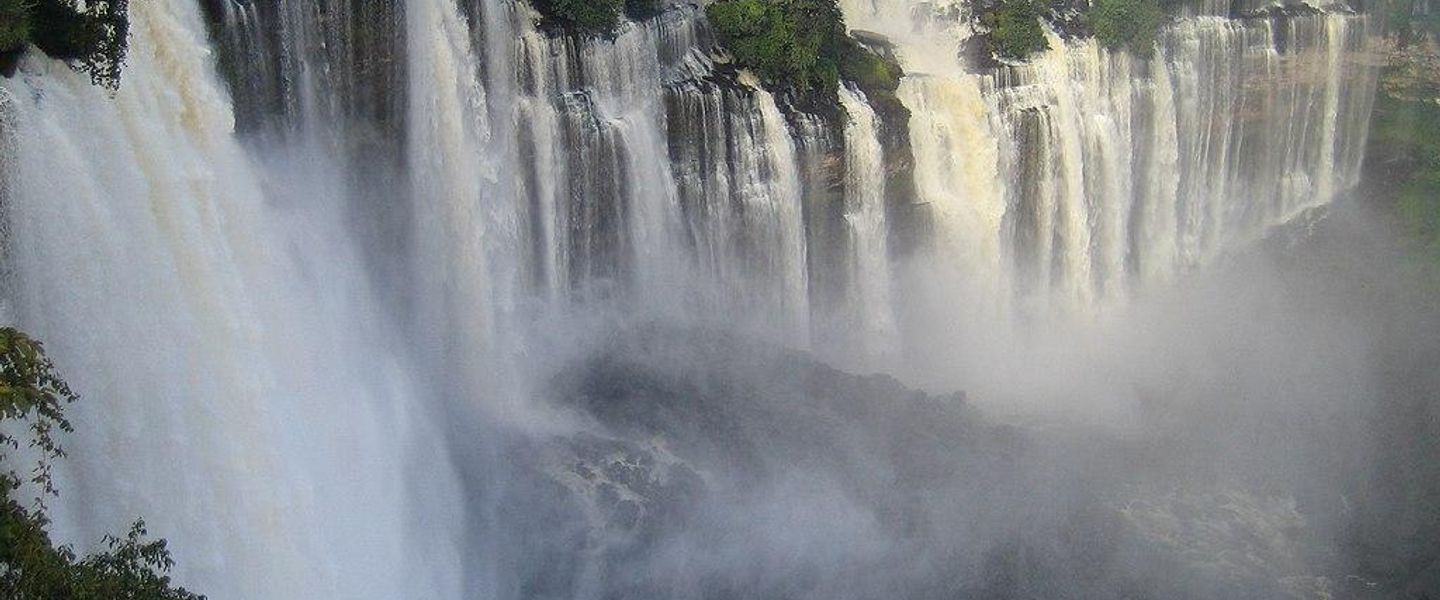


Explore Angola’s Lunda Plateau for Chokwe culture, diamond-country history, woodland landscapes and the museums of Saurimo and Dundo.
Read more about Lunda Plateau
When is the best time to visit Lunda Plateau?
Best: July–September · 21–23°C| Month | High (°C) | Rainfall (mm) |
|---|---|---|
| January | 25 | 200 |
| February | 25 | 170 |
| March | 25 | 150 |
| April | 24 | 110 |
| May | 23 | 70 |
| June | 21 | 30 |
| July (best) | 21 | 10 |
| August (best) | 21 | 15 |
| September (best) | 23 | 40 |
| October | 25 | 80 |
| November | 25 | 130 |
| December | 25 | 170 |
Getting to and around Lunda Plateau
How to get there
Transportation
Best attractions in Lunda Plateau
The Lunda Plateau’s attractions are dispersed and primarily cultural, historical and environmental rather than built for mass tourism. In Dundo, the Museu do Dundo is the region’s most important cultural institution, with collections that illuminate Lunda and Chokwe art, social life and the colonial history of collecting. The surrounding former diamond-company landscape adds context to the museum, although industrial and administrative sites may have restricted access. Saurimo offers an urban base for learning about Lunda Sul and arranging excursions into the surrounding countryside. Beyond the towns, the plateau is characterised by miombo woodland, seasonal rivers, sandy roads and wetlands. Lagoa Carumbo in Lunda Norte is a notable natural destination, but its remoteness means that visitors need transport, supplies and local guidance rather than expecting developed visitor infrastructure. Birdwatching, landscape photography and community-based cultural encounters are possible when arranged respectfully. Archaeological and artistic heritage is best approached through museums, local specialists and recognised cultural institutions, since isolated sites may be poorly marked and vulnerable to damage. The region rewards slow, carefully organised travel more than a checklist of attractions.
-
Fortress
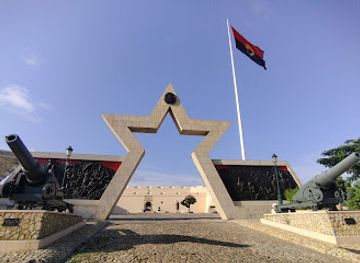
Fortress of São Miguel
Explore Angola's colonial past at the Fortress of São Miguel, a historic landmark offering panoramic views of Luanda Bay and a glimpse into the nation's military history.
-
Observatory
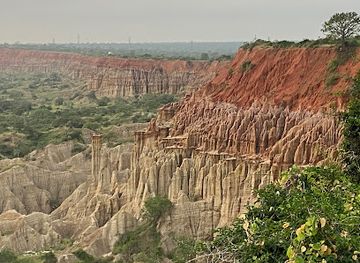
Viewpoint of the Moon
Discover the lunar-like landscape of Miradouro da Lua in Angola, a breathtaking geological wonder sculpted by erosion, offering stunning panoramic views.
-
National park
Parque Nacional do Quicama
Discover Angola's natural beauty at Quiçama National Park: a haven for wildlife, diverse landscapes, and vital conservation efforts close to Luanda.
-
Tourist attraction
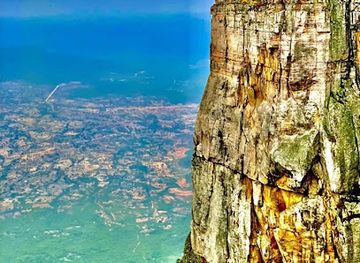
Tundavala Gap
Experience the breathtaking Tundavala Gap near Lubango, Angola: panoramic views, geological wonders, and a cultural landscape you won't forget.


Explore Lunda Plateau on the map
Plan your trip on one map. See where the top cities, national parks and sights are, and book hotels and experiences in a few clicks.
Best hotels in Lunda Plateau
Best restaurants in Lunda Plateau
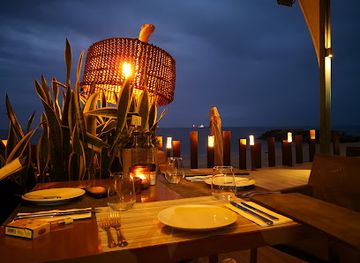
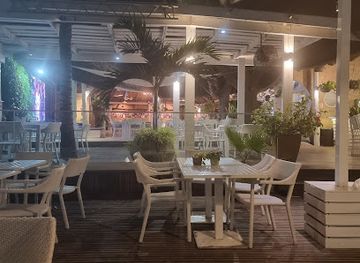
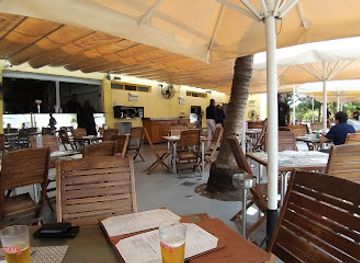
Dining on the Lunda Plateau is centred on straightforward Angolan cooking, with cassava, maize, beans, rice, greens, grilled meat and freshwater fish appearing according to local availability. In Saurimo and Dundo, hotels, cafés and independent restaurants provide the broadest choice, including Portuguese-influenced dishes and familiar national specialities such as funge served with fish, chicken or meat sauces. Rural food is more dependent on seasonal produce and local hospitality, and visitors travelling beyond the provincial capitals should carry snacks and drinking water. Markets are useful for seeing cassava products, fruit, vegetables and other staples, although food hygiene standards vary and unpeeled or uncooked items require care. The region is not widely known for a separate restaurant cuisine, but its food reflects the convergence of Angolan, Lunda and Chokwe cultural landscapes. Expect simple service, limited menus and changing availability rather than a developed fine-dining scene.
-
Restaurant
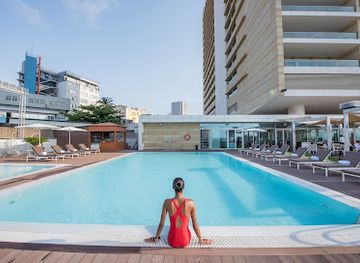
EPIC SANA Luanda Hotel
Discover luxury and entertainment at EPIC SANA Luanda Hotel - your ultimate getaway in Angola's vibrant capital.
-
Restaurant
Restaurante Café Del Mar
Experience exquisite Angolan cuisine with stunning ocean views at Restaurante Café Del Mar in Luanda.
-
Restaurant
Miami Beach
Discover Miami Beach: A Culinary Haven in Luanda Offering Delicious Local & International Dishes Amidst Vibrant Atmosphere.
-
Restaurant
O Convés
Experience authentic Angolan cuisine at O Convés in Luanda - where flavors meet culture in a warm and inviting setting.
Best bars in Lunda Plateau
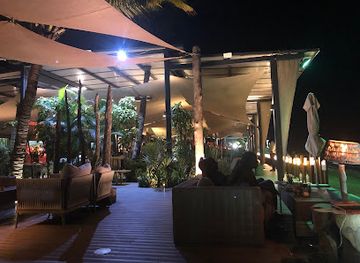
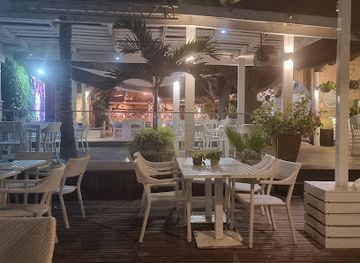
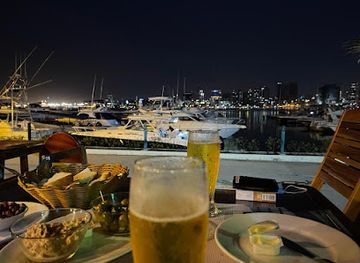
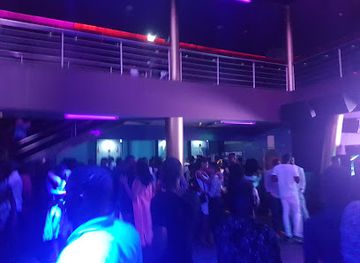
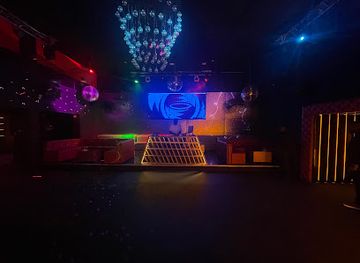
Evening life on the Lunda Plateau is concentrated in Saurimo and Dundo, where hotel lounges, local bars, restaurants and informal music venues provide the main social settings. Traditional neighbourhood bars are generally more important than a large, organised nightclub circuit, while evenings in smaller settlements tend to revolve around family gatherings, community events or modest eating and drinking venues. Portuguese-language music and Angolan popular styles may be heard alongside local repertories, but programmes and opening arrangements can change without notice. Visitors should use established venues, arrange transport back to their accommodation and avoid walking unfamiliar roads late at night. In rural areas, darkness, distance and limited electricity make the evening landscape quiet rather than entertainment-focused. Drinking is not necessary to engage with local culture; conversation, food and music are equally central to social life.
-
Bar
EPIC SANA Luanda Hotel
Indulge in luxury, comfort, and vibrant nightlife at the EPIC SANA Luanda Hotel, a premier destination in Angola's capital.
-
Restaurant
Restaurante Café Del Mar
Experience exquisite dining at Café Del Mar, Luanda's premier seaside restaurant, offering fresh seafood and stunning ocean views.
-
Restaurant
Miami Beach
Experience the vibrant flavors of Angola at Miami Beach, a culinary haven in Luanda offering a fusion of local and international cuisines.
-
Restaurant
O Convés
Experience the flavors of Angola at O Convés, where delicious cuisine meets stunning coastal views in Luanda.
Best nightclubs in Lunda Plateau
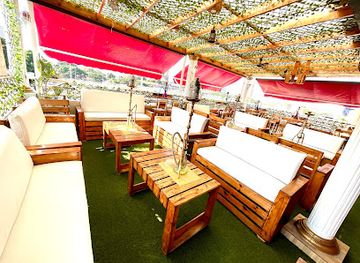
Evening life on the Lunda Plateau is concentrated in Saurimo and Dundo, where hotel lounges, local bars, restaurants and informal music venues provide the main social settings. Traditional neighbourhood bars are generally more important than a large, organised nightclub circuit, while evenings in smaller settlements tend to revolve around family gatherings, community events or modest eating and drinking venues. Portuguese-language music and Angolan popular styles may be heard alongside local repertories, but programmes and opening arrangements can change without notice. Visitors should use established venues, arrange transport back to their accommodation and avoid walking unfamiliar roads late at night. In rural areas, darkness, distance and limited electricity make the evening landscape quiet rather than entertainment-focused. Drinking is not necessary to engage with local culture; conversation, food and music are equally central to social life.
-
Lounge
Tudilu Royal Lounge & Bar
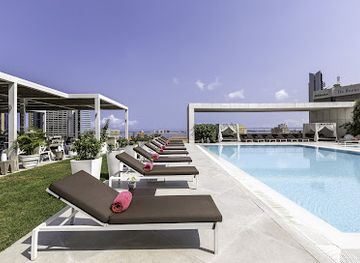
Discover a stylish retreat at Tudilu Royal Lounge & Bar in Luanda, offering exquisite drinks, stunning views, and a lively atmosphere for all.
-
Night club
Restaurante Switch
Discover Luanda's vibrant nightlife and culinary delights at Restaurante Switch, a premier night club and restaurant in the heart of the city.
-
Disco club
WKLUB
Discover the vibrant nightlife of Luanda at WKLUB, a disco club where music, dance, and culture converge for an unforgettable experience.
-
Night club
The Déjàvu Club Luanda
Discover the vibrant nightlife of Luanda at The Déjàvu Club, where music and dance come alive in an electric atmosphere.

Best shops in Lunda Plateau
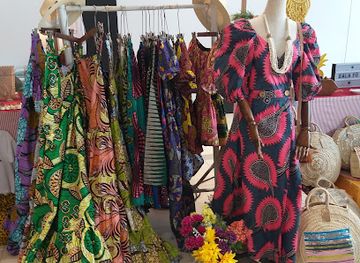
Shopping in the Lunda Plateau is primarily practical and local, with Saurimo and Dundo offering the widest selection of markets, small shops, food stalls and independent traders. Visitors can find cassava and other staple foods, seasonal fruit, household goods, clothing and locally traded produce, while larger hotels or specialist cultural outlets may occasionally offer books or craft items. Chokwe-inspired carvings, masks and other artworks can be culturally significant, but buyers should ask about provenance and avoid purchasing archaeological objects, sacred items or anything suspected to have been removed from a museum or community. Market bargaining may be customary for some goods, but it should remain courteous and proportionate. The region is not a major luxury-shopping destination; its most meaningful purchases are likely to be responsibly sourced art, textiles or food products obtained through reputable local channels. Keep receipts and check export rules before taking cultural objects or natural materials out of Angola.
-
Shopping mall
Belas Shopping
Explore Belas Shopping in Luanda, a premier shopping destination blending local culture, diverse cuisine, and entertainment for an unforgettable experience.
-
Shopping mall
Shopping Avennida
Explore Shopping Avennida - Luanda's premier shopping mall offering a mix of local and international brands, dining, and vibrant local culture.
-
Fortress
Fortress of São Miguel
Explore the Fortress of São Miguel, a historic landmark in Luanda, offering breathtaking views and a rich glimpse into Angola's past.
-
Shopping mall
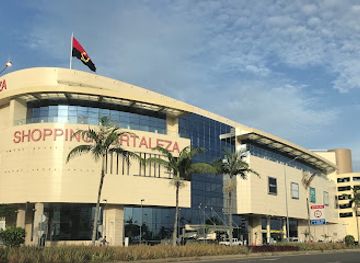
Shopping Fortaleza
Explore Shopping Fortaleza in Luanda, a vibrant shopping mall offering diverse stores, delightful dining, and family-friendly entertainment for an unforgettable experience.

Get your free copy of our complete guide to Lunda Plateau, delivered straight to you.
Everything on this page, from attractions and restaurants to essentials and local phrases, in one PDF you can read offline, print or share.
Already have an account? Sign in
Your Lunda Plateau guide is ready.
We'll send it to · Not you? Sign out

Getting your guide ready…
We are putting together a fresh copy of the Lunda Plateau guide. This can take up to a minute.
This can take a few moments. If your browser asks, choose Allow so the download can start. You'll find the guide in your Downloads folder.
Nothing happened? Download it again
Sorry, the guide is taking longer than usual. Please try again in a minute, or get it by email instead.
Lunda Plateau essentials
Currency and Payment
Safety
Emergency Situations
Do's and Don'ts
Local Tips
From Eve
Local phrases worth knowing
You don't need to get them perfect. A few words go a long way, and locals appreciate the effort.
Basics
| English | Local | Say it |
|---|---|---|
| Hello | Olá | [Oh-lah] |
| Goodbye | Até logo | [Ah-teh loh-go] |
| Yes | Sim | [Seem] |
| No | Não | [Nown] |
| Please/You're welcome | Por favor | [Poor fah-vor] |
| Thank you | Obrigado | [Oh-bree-gah-do] |
| Excuse me/Sorry | Desculpe | [Deh-skool-peh] |
| How are you? | Como você está? | [Koh-moh voh-seh es-tah] |
| Fine. And you? | Bem. E você? | [Behm. Ee voh-seh] |
| Do you speak English? | Você fala inglês? | [Voh-seh fah-lah een-glays] |
| I don't understand | Não entendo | [Nown en-tendo] |
Eating & Drinking
| English | Local | Say it |
|---|---|---|
| I'd like to see the menu, please | Gostaria de ver o cardápio, por favor | [Goh-stah-ree-ah jeh vehr oh kar-dah-pee-oh, poor fah-vor] |
| I don't eat meat | Não como carne | [Nown koh-moh kar-nee] |
| Cheers! | Saúde! | [Sah-oo-deh] |
| I would like to pay, please | Gostaria de pagar, por favor | [Goh-stah-ree-ah jeh pah-gar, poor fah-vor] |
Emergencies
| English | Local | Say it |
|---|---|---|
| Help! | Socorro! | [So-koh-roh] |
| Go away! | Vá embora! | [Vah em-boh-rah] |
| Call the Police! | Chame a polícia! | [Sha-meh ah poh-lee-syah] |
| Call a doctor! | Chame um médico! | [Sha-meh oom meh-jee-co] |
| I'm lost | Estou perdido | [Es-toh pehr-jee-do] |
| I'm ill | Estou doente | [Es-toh doh-en-teh] |
Shopping
| English | Local | Say it |
|---|---|---|
| I'd like to buy... | Gostaria de comprar... | [Goh-stah-ree-ah jeh kohm-prahr] |
| I'm just looking | Estou apenas olhando | [Es-toh ah-peh-nas oh-lyan-do] |
| How much is it? | Quanto custa? | [Kwan-toh koos-tah] |
| That's too expensive | Isso é muito caro | [Ee-soh eh mwee-toh kah-ro] |
| Can you lower the price? | Você pode baixar o preço? | [Voh-seh poh-jee bye-shar oh preh-so] |
Time & Numbers
| English | Local | Say it |
|---|---|---|
| What time is it? | Que horas são? | [Keh oh-ras sah-o] |
| It's one o'clock | É uma hora | [Eh oo-mah oh-rah] |
| Half past (10) | Dez e meia | [Dez ee may-ah] |
| Morning | Manhã | [Mahn-yah] |
| Afternoon | Tarde | [Tahr-deh] |
| Evening | Noite | [Noy-teh] |
| Yesterday | Ontem | [On-tem] |
| Today | Hoje | [Oh-zheh] |
| Tomorrow | Amanhã | [Ah-mahn-yah] |
| 1 | Um | [Oom] |
| 2 | Dois | [Doy-ees] |
| 3 | Três | [Trehs] |
| 4 | Quatro | [Kwah-tro] |
| 5 | Cinco | [Seen-ko] |
| 6 | Seis | [Says] |
| 7 | Sete | [Seh-teh] |
| 8 | Oito | [Oy-toh] |
| 9 | Nove | [Noh-veh] |
| 10 | Dez | [Dehz] |
Transport & Directions
| English | Local | Say it |
|---|---|---|
| Where's a/the...? | Onde está um/a...? | [On-deh es-tah oom/ah] |
| What's the address? | Qual é o endereço? | [Kwahl eh oh en-deh-reh-so] |
| Can you show me (on the map)? | Você pode me mostrar (no mapa)? | [Voh-seh poh-jee meh mos-trar (noh mah-pah)] |
| When's the next (bus)? | Quando é o próximo (ônibus)? | [Kwan-doh eh oh proh-see-mo (oh-nee-boos)] |
| A ticket (to ....) | Um bilhete (para....) | [Oom bee-lyeh-teh (pah-rah)] |
History of Lunda Plateau
Lunda Political Traditions before Colonial Rule
Before Portuguese control, the Lunda region formed part of a complex network of kingdoms, chiefdoms and trading relationships extending across what are now Angola, the Democratic Republic of the Congo and Zambia. The Lunda political tradition influenced systems of authority, tribute and succession over a wide area. Its historical legacy remains important in northeastern Angola, where memories of Lunda and related Chokwe institutions continue to inform cultural identity and customary life.
Chokwe Expansion and Artistic Culture
During the nineteenth century, Chokwe-speaking communities expanded their influence across parts of the Lunda region through trade, political alliances and military activity. This period helped spread artistic forms associated with courtly authority, initiation and ritual performance. Chokwe masks, carved figures and prestige objects later became internationally recognised, although many were collected under unequal colonial conditions. Their continuing importance is visible in regional cultural institutions and in living artistic traditions.
Portuguese Conquest and Colonial Administration
Portuguese power was imposed unevenly across northeastern Angola during the late nineteenth and early twentieth centuries. Military campaigns, taxation and administrative expansion gradually subordinated local authorities to the colonial state. The remoteness of the plateau limited direct control for many years, while trade routes and river systems connected the area to neighbouring territories. Colonial rule altered land use, labour patterns and political authority, leaving legacies that continued after independence.
Diamonds and the Diamang Era
Diamond discoveries in the Lunda region transformed its economic and demographic history. The Companhia de Diamantes de Angola, commonly known as Diamang and established in 1917, developed mining operations, roads, settlements and administrative systems around the diamond fields. Dundo became closely associated with this company world. Mining brought infrastructure and international investment, but also coercive labour practices, displacement and strict company control. The diamond economy remains one of the defining forces in Lunda’s modern identity.
The Museu do Dundo and Colonial Collecting
Founded during the Diamang period, the Museu do Dundo assembled extensive collections of ethnographic objects, archaeological material and works of African art. It became a major institution for the study and display of the cultures of northeastern Angola, but its collecting and presentation took place within a colonial system. Its holdings therefore have both scholarly value and a difficult historical context. The museum is central to understanding how Lunda’s cultural heritage was interpreted, preserved and sometimes removed from its original settings.
Independence and Civil War
Angola became independent from Portugal in 1975, followed by a prolonged civil war that affected transport, administration and economic life across much of the country. Northeastern provinces experienced insecurity, population movement and disruption to mining and public services. Many roads and facilities deteriorated during the conflict. The later peace settlement allowed reconstruction to proceed, although the region still bears the effects of uneven infrastructure and the long separation of rural communities from public institutions.
Post-war Reconstruction and Contemporary Mining
Since the end of the civil war, investment in roads, airports, provincial capitals and diamond production has reshaped the Lunda Plateau. Saurimo and Dundo have expanded as administrative and commercial centres, while mining remains economically significant. Reconstruction has improved connections in some corridors but has not removed the practical difficulties of reaching remote areas. Contemporary Lunda is consequently marked by the simultaneous importance of mineral wealth, rural livelihoods, customary authority and cultural revitalisation.
Lunda Plateau in Photos
Browse through our photo collection highlighting the charm and character of the destination.
Neighbouring regions of Lunda Plateau
The closest regions to Lunda Plateau, if you have time for more than one.
-

-

-

-

-


Swipe for more regions
Explore more

Explore more of Angola
Discover Angola's vibrant cities, stunning coastlines, and rich cultural heritage. An African destination that combines urban excitement with natural wonders.
Explore Angola