

Nelson's Dockyard Travel Guide - Free Web & App
Your ultimate guide to Nelson's Dockyard. Discover top landmarks, proposed trips, and local tips. Free on the web or via the Evendo companion app.


Nelson's Dockyard in Antigua and Barbuda blends Georgian naval heritage, English Harbour scenery, historic trails, sailing, island culture and walks.
A Georgian Dockyard in the Caribbean
Nelson's Dockyard occupies the sheltered shores of English Harbour on Antigua's south-east coast, where restored Georgian naval buildings line a waterfront still closely associated with sailing. Established as a British naval base in the eighteenth century, the dockyard was designed to support warships in the eastern Caribbean and later became linked with Admiral Horatio Nelson, who served here as a young officer. Today, its stone warehouses, officers' quarters, workshops and storehouses form the centrepiece of Nelson's Dockyard National Park and Antigua and Barbuda's only UNESCO World Heritage Site.Read more about Nelson's Dockyard
History, Harbour and Hills
Exploring the National Park
When is the best time to visit Nelson's Dockyard?
Best: May–July · 31–32°C| Month | High (°C) | Rainfall (mm) |
|---|---|---|
| January | 28 | 63 |
| February | 28 | 47 |
| March | 29 | 38 |
| April | 30 | 30 |
| May (best) | 31 | 17 |
| June (best) | 31 | 8 |
| July (best) | 32 | 8 |
| August | 32 | 11 |
| September | 31 | 16 |
| October | 31 | 30 |
| November | 30 | 44 |
| December | 29 | 64 |
Getting to and around Nelson's Dockyard
How to get there
Transportation
Best attractions in Nelson's Dockyard
The principal attraction is the restored dockyard itself, where the Dockyard Museum, former storehouses, officers' quarters and waterfront buildings explain how a British naval base functioned in the Caribbean. The harbour remains active with yachts, visiting vessels and marine businesses, creating a direct link between the historic complex and its present identity. Clarence House, set above English Harbour, provides a contrasting view of colonial domestic architecture and the site's later history. Within Nelson's Dockyard National Park, the road to Shirley Heights leads to broad views over English Harbour, Falmouth Harbour and the southern coastline, while Fort Berkeley occupies the harbour entrance as part of the former defensive system. The surrounding hills and coastal paths offer walking opportunities, though terrain and access conditions vary. Falmouth Harbour, immediately north of English Harbour, adds a contemporary yachting and dining atmosphere, while nearby coves and beaches extend the destination beyond its buildings into Antigua's maritime landscape.
-
Tour operator
Scooter Snorkeling Antigua
Explore Antigua's underwater beauty effortlessly with sea scooters! Guided tours to reefs & wrecks. Fun for all ages!
-
Hiking area
Jones Valley Trail
Hike through lush forests and discover historical sites on the way to breathtaking views at Shirley Heights in English Harbour.


Best landmarks in Nelson's Dockyard
Nelson's Dockyard is the defining landmark, its Georgian stone buildings forming a rare surviving example of a Caribbean naval dockyard still integrated with an active harbour. The Dockyard Museum occupies the former Naval Officer's House, while the waterfront warehouses and workshops show the practical architecture of ship repair, storage and administration. Above the harbour, Clarence House is a notable historic residence associated with the later colonial period and the restoration of the national park. Fort Berkeley guards the entrance to English Harbour, and the elevated position of Shirley Heights reveals how the harbour's historic defence depended on observation as well as masonry. English Harbour itself is a natural landmark whose sheltered form explains the site's naval importance. Together, these buildings, fortifications, hills and water form a connected cultural landscape rather than isolated monuments.
-
Restaurant
Shirley Heights Lookout
Experience stunning views, delicious Caribbean cuisine, and vibrant entertainment at Shirley Heights Lookout in English Harbour, a must-visit for every traveler.
-
Public beach
Galleon Beach
Discover the serene beauty of Galleon Beach in Antigua, a public beach paradise perfect for relaxation, water sports, and unforgettable sunsets.
-
Beach
Pigeon Point Beach
Discover the stunning beauty of Pigeon Point Beach in Antigua, a perfect blend of relaxation, adventure, and tropical charm.
-
Historical place
The Blockhouse
Discover the rich maritime history and stunning views at The Blockhouse in Piccadilly, a must-visit historical attraction in Nelson's Dockyard National Park.


Explore Nelson's Dockyard on the map
Plan your trip on one map. See where the top attractions, landmarks, restaurants and hotels are, and book hotels and experiences in a few clicks.
Best hotels in Nelson's Dockyard
Best restaurants in Nelson's Dockyard
Dining in and around Nelson's Dockyard reflects the area's historic buildings, sailing culture and concentration of visitors. Restaurants and cafés operate from restored dockyard premises, where meals can be combined with views across English Harbour and an atmosphere shaped by yachts and marine activity. English Harbour and neighbouring Falmouth Harbour provide the broadest choice, ranging from casual food and drinks to more formal menus, while traditional village establishments and small food businesses elsewhere in the parish offer a more local setting. Menus commonly draw on Caribbean ingredients alongside international dishes suited to the area's cosmopolitan sailing community; fresh fish, seafood, tropical fruit and rum-based drinks are familiar regional features, though availability changes. Visitors staying in self-catering accommodation can find provisions in nearby settlements, but food shopping is more limited within the historic dockyard itself, making planning useful for longer excursions.
-
Restaurant
Shirley Heights Lookout
Experience breathtaking views, local cuisine, and vibrant culture at Shirley Heights Lookout overlooking English Harbour.
-
French
Catherines Café
Experience authentic French cuisine at Catherines Café in Piccadilly - where every dish tells a story.
-
Restaurant
Cloggy's
Experience the flavors of the Caribbean at Cloggy's in Falmouth’s stunning Catamaran Marina - where delicious seafood meets breathtaking views.
-
Caribbean
Trappas
Experience authentic Caribbean cuisine at Trappas on Dockyard Drive - where every meal is infused with island flavors and charm.


Best bars in Nelson's Dockyard
Evenings around Nelson's Dockyard are generally sociable and maritime rather than centred on a large nightclub scene. Restored dockyard buildings and nearby English Harbour venues provide places for dinner, rum drinks, conversation and views over boats moored in the harbour, with the atmosphere varying according to the sailing calendar and season. The best-known organised evening tradition is the Sunday gathering at Shirley Heights, where music, food and sunset views attract visitors and residents; arrangements can change, so local confirmation is advisable. Falmouth Harbour adds further bars and restaurants within a short drive, while smaller nearby communities are quieter. Entertainment is often informal and weather-dependent, and visitors should not expect continuous late-night activity once the main dining and event venues have closed.
-
Italian
Abracadabra
Discover Abracadabra in English Harbour, where exquisite Italian cuisine meets vibrant nightlife in a captivating atmosphere.
-
Restaurant
Boom Restaurant
Experience authentic Caribbean cuisine with stunning views at Boom Restaurant in English Harbour.
-
Bar
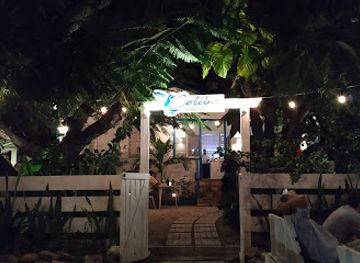
Colibri Bistro Bar Lounge
Experience the flavors of Antigua at Colibri Bistro Bar Lounge, where exquisite dining meets vibrant nightlife in a stunning Caribbean setting.
-
French
La Brasserie d'Antigua
Discover the flavors of France at La Brasserie d'Antigua, a delightful French restaurant and bakery in the heart of English Harbour.


Best nightclubs in Nelson's Dockyard
Evenings around Nelson's Dockyard are generally sociable and maritime rather than centred on a large nightclub scene. Restored dockyard buildings and nearby English Harbour venues provide places for dinner, rum drinks, conversation and views over boats moored in the harbour, with the atmosphere varying according to the sailing calendar and season. The best-known organised evening tradition is the Sunday gathering at Shirley Heights, where music, food and sunset views attract visitors and residents; arrangements can change, so local confirmation is advisable. Falmouth Harbour adds further bars and restaurants within a short drive, while smaller nearby communities are quieter. Entertainment is often informal and weather-dependent, and visitors should not expect continuous late-night activity once the main dining and event venues have closed.
-
Italian
Abracadabra
Experience the magic of Italian cuisine at Abracadabra, where every dish tells a story amidst the vibrant vibes of English Harbour.
-
Bar
Colibri Bistro Bar Lounge
Experience the vibrant nightlife and exquisite dining at Colibri Bistro Bar Lounge, a hidden gem in Antigua's stunning coastal landscape.
-
Grill
Loose Cannon Beach Bar
Experience the best of Caribbean beach dining at Loose Cannon Beach Bar, where culinary delights meet breathtaking ocean views.
-
Bar
Garrot Blacks Bar & Lounge
Experience vibrant nightlife at Garrot Blacks Bar & Lounge in English Harbour, where cocktails meet Caribbean charm and entertainment.


Best shops in Nelson's Dockyard
Shopping is concentrated within the restored dockyard and the nearby English Harbour and Falmouth Harbour areas rather than in a large commercial centre. Small galleries, craft outlets and independent businesses offer souvenirs, artwork, jewellery, clothing, sailing-related goods and locally themed gifts, while restaurants and marine services occupy many of the historic premises. Regional products may include rum, spices, sauces, tropical preserves and other Caribbean food items, although selection varies between shops and seasons. Falmouth Harbour has additional retail aimed at residents, boat crews and visitors, including practical marine and outdoor goods. For everyday provisions, visitors generally have more choice in larger Antiguan settlements than inside the national park. Ask sellers about the origin of craft and food products, particularly when looking for items genuinely made on Antigua rather than imported souvenirs.
-
Supermarket
The Covent Garden Supermarket
Discover local flavors and fresh produce at The Covent Garden Supermarket in English Harbour, a culinary hub for tourists and locals alike.
-
Grocery store
C.E.Bailey Supermarket
Discover local flavors and essential groceries at C.E.Bailey Supermarket in Piccadilly, your go-to shopping destination while visiting Antigua.
-
Cell phone store
Can i Talk Mobile
Discover Can I Talk Mobile in English Harbor for all your cell phone needs while enjoying the beautiful island of Antigua.
-
Marine supply store
Budget Marine Antigua English Harbour
Explore the best marine supplies in Antigua at Budget Marine, your one-stop shop for boating and water adventures.


Get your free copy of our complete guide to Nelson's Dockyard, delivered straight to you.
Everything on this page, from attractions and restaurants to essentials and local phrases, in one PDF you can read offline, print or share.
Already have an account? Sign in
Your Nelson's Dockyard guide is ready.
We'll send it to · Not you? Sign out

Getting your guide ready…
We are putting together a fresh copy of the Nelson's Dockyard guide. This can take up to a minute.
This can take a few moments. If your browser asks, choose Allow so the download can start. You'll find the guide in your Downloads folder.
Nothing happened? Download it again
Sorry, the guide is taking longer than usual. Please try again in a minute, or get it by email instead.
Nelson's Dockyard essentials
Currency and Payment
Safety
Emergency Situations
Do's and Don'ts
Local Tips
From Eve
Local phrases worth knowing
You don't need to get them perfect. A few words go a long way, and locals appreciate the effort.
Basics
| English | Local | Say it |
|---|---|---|
| Hello | Wadadli | [wah-dahd-lee] |
| Goodbye | Leh we meet back | [lay we meet back] |
| Yes | Yeah man | [yah man] |
| No | Nah man | [nah man] |
| Please/You're welcome | Leh mek | [lay mek] |
| Thank you | Tank yuh | [tank yuh] |
| Excuse me/Sorry | Pardon me | [pahr-dun me] |
| How are you? | How yuh stay? | [how yuh stay] |
| Fine. And you? | Ah deh yah. An yuh? | [ah deh yah. an yuh] |
| Do you speak English? | Yuh speak English? | [yuh speak English] |
| I don't understand | Me nah comprehend | [meh nah com-pre-hend] |
Eating & Drinking
| English | Local | Say it |
|---|---|---|
| I'd like to see the menu, please | Lemme see di menu, please | [leh-mi see dee menu, please] |
| I don't eat meat | Me nah eat meat | [meh nah eat meat] |
| Cheers! | Cheers! | [Cheers] |
| I would like to pay, please | Lemme pay, please | [leh-mi pay, please] |
Emergencies
| English | Local | Say it |
|---|---|---|
| Help! | Help! | [Help] |
| Go away! | Go way! | [go way] |
| Call the Police! | Call di Police! | [call dee Police] |
| Call a doctor! | Call a docta! | [call a dok-ta] |
| I'm lost | Me lost | [meh lost] |
| I'm ill | Me sick | [meh sick] |
Shopping
| English | Local | Say it |
|---|---|---|
| I'd like to buy... | Lemme buy... | [leh-mi buy...] |
| I'm just looking | Me just looking | [meh just looking] |
| How much is it? | How much dat deh? | [how much dat deh] |
| That's too expensive | Dat too dear | [dat too dear] |
| Can you lower the price? | Yuh cyaan drop di price? | [yuh kyan drop dee price] |
Time & Numbers
| English | Local | Say it |
|---|---|---|
| What time is it? | A wah time it be? | [ah wah time it bee] |
| It's one o'clock | It one o'clock | [it one o'clock] |
| Half past (10) | Haaf past ten | [haaf past ten] |
| Morning | Mawnin | [maw-nin] |
| Afternoon | Aftanoon | [af-ta-noon] |
| Evening | Eevinin | [ee-vee-nin] |
| Yesterday | Yestiday | [yes-ti-day] |
| Today | Today | [to-day] |
| Tomorrow | Tomorra | [to-mor-ra] |
| 1 | One | [wun] |
| 2 | Two | [too] |
| 3 | Tree | [tree] |
| 4 | Fo' | [faw] |
| 5 | Fi' | [fye] |
| 6 | Six | [siks] |
| 7 | Seven | [sev-en] |
| 8 | Eight | [ayt] |
| 9 | Nine | [nyne] |
| 10 | Ten | [ten] |
Transport & Directions
| English | Local | Say it |
|---|---|---|
| Where's a/the...? | Whey di... | [way dee] |
| What's the address? | Wah di address? | [wah dee address] |
| Can you show me (on the map)? | Yuh kyan show me (pan di map)? | [yuh kyan show me (pan dee map)] |
| When's the next (bus)? | When di nex (bus)? | [when dee neks (bus)] |
| A ticket (to ....) | A tikkit (tu ...) | [a tik-it (to)] |
History of Nelson's Dockyard
A Sheltered Harbour Takes Shape
English Harbour's value derived from its naturally protected inlet, which offered naval vessels shelter from Atlantic weather and a secure base from which Britain could operate in the Lesser Antilles. European settlement and plantation colonisation transformed Antigua from the seventeenth century, while the harbour developed within a wider landscape of sugar estates, enslaved labour and British imperial administration. The dockyard's location was practical rather than ornamental: ships could be repaired, supplied and provisioned away from the open sea, and the surrounding heights offered defensive advantages.
The Georgian Naval Dockyard
The naval establishment expanded during the eighteenth century as Britain and France contested influence in the Caribbean. Buildings were added for storage, sailmaking, carpentry, administration and the accommodation of officers and workers. The surviving architecture reflects the requirements of a working naval base, with thick masonry, practical layouts and direct relationships between workshops, stores and the water. The complex also depended on the labour of enslaved and free people whose work sustained the dockyard and the wider colonial economy, an aspect essential to understanding its history beyond the careers of naval officers.
Nelson and the British Caribbean
Horatio Nelson served at English Harbour from 1784 to 1787 as a young naval officer, during a period when Britain was attempting to enforce commercial regulations in its Caribbean colonies. His association gave the dockyard a name that later became internationally recognised, although the complex's operation depended on a much broader network of naval personnel, local workers, merchants and plantation interests. English Harbour continued to support British naval activity through the era of imperial rivalry, and its fortifications formed part of a defensive system protecting the anchorage.
Decline, Abandonment and Restoration
As naval technology and imperial priorities changed, the dockyard gradually lost its former strategic importance. Parts of the complex fell into disrepair after the British naval presence diminished, while the buildings remained embedded in the landscape of English Harbour. twentieth-century restoration, associated with the preservation of the historic structures and the growth of Antigua's yachting economy, gave the site a new public and commercial life. The dockyard's revived role has not erased its earlier history: restaurants, galleries and marine businesses now occupy buildings first designed for naval logistics.
World Heritage and Living Heritage
Nelson's Dockyard and its surrounding historic landscape were inscribed on the UNESCO World Heritage List in 2016 as part of a cultural property representing a former British naval dockyard and its related fortifications. Conservation has focused on retaining the character of the buildings and harbour setting while accommodating visitors, residents and maritime activity. Nelson's Dockyard National Park now links the dockyard with surrounding hills, defensive sites and coastal landscapes, making the area both a protected historic environment and a living part of Antigua's tourism, sailing and community economy.
Nelson's Dockyard in Photos
Browse through our photo collection highlighting the charm and character of the destination.
Cities in Nelson's Dockyard
The towns and cities of Nelson's Dockyard, and the easiest places to base yourself.

Swipe for more cities
Neighbouring destination travel guides
The closest destinations to Nelson's Dockyard, if you have time for more than one.
-

-

-

-

-


Swipe for more destinations
Explore more
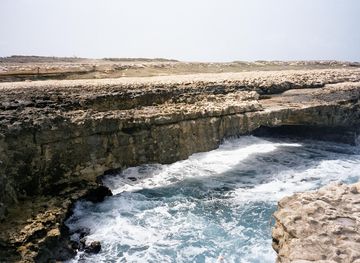
Explore more of Saint Philip
Discover Saint Philip’s Atlantic coast, coral bays, rural villages, historic estates and dramatic Devil’s Bridge in eastern Antigua.
Explore Saint Philip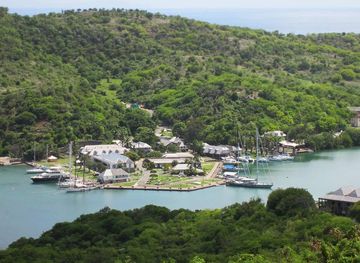
Explore more of Antigua and Barbuda
Discover Antigua and Barbuda's 365 beaches, vibrant culture, and rich history. Perfect for sun-seekers, nature lovers, and sailing enthusiasts in the Caribbean.
Explore Antigua and Barbuda