Nahuel Huapi National Park: A Patagonian Paradise
Discover Argentina's oldest national park: a breathtaking blend of lakes, mountains, and forests in the heart of Patagonia.
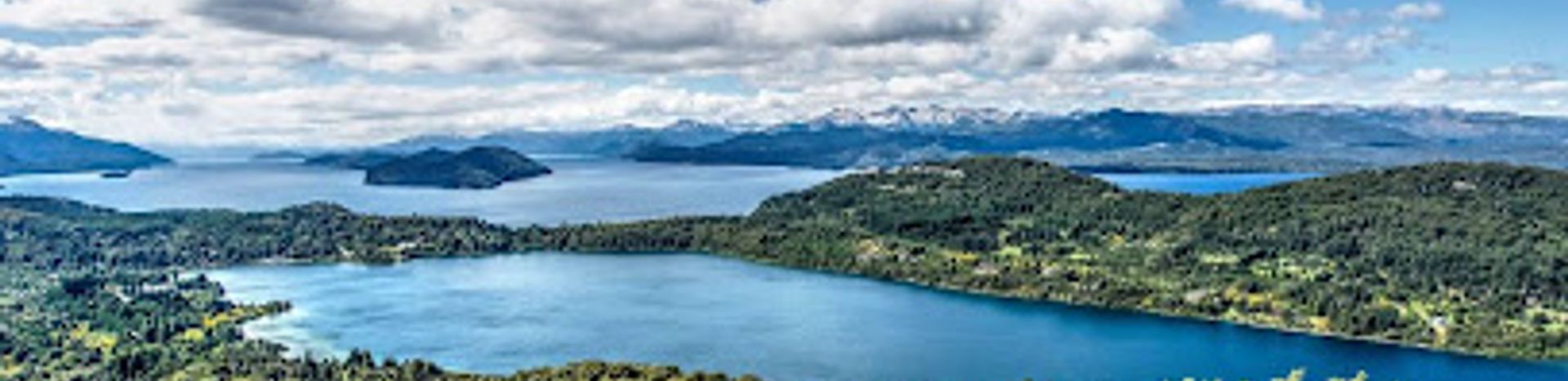
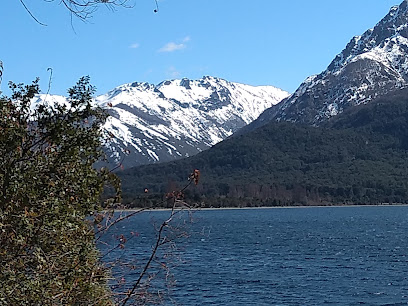
Nahuel Huapi National Park, Argentina's oldest national park, is a sprawling landscape of shimmering lakes, snow-capped mountains, and lush forests in the heart of Patagonia. Established in 1934, it offers a diverse range of outdoor activities and breathtaking scenery, attracting visitors year-round.
A brief summary to Parque Nacional Nahuel Huapi
- Av. San Martín 24 - San Carlos de Bariloche R8400ALN, Río Negro Province, AR
- +54294442-3111
- Visit website
Local tips
- Check weather conditions before heading out, as mountain weather can change rapidly. Pack layers and be prepared for wind and rain.
- Register your trek with the park authorities, especially for overnight hikes. This helps ensure your safety and allows for effective assistance in case of emergencies.
- Purchase a SUBE card for easy access to the public bus system around Bariloche and to trailheads.
- Be aware that some areas of the park require an entrance fee, payable in Argentine pesos.
- Bring cash, as some establishments and park entrances may not accept credit cards.

Getting There
-
Public Transport
From Bariloche, several bus lines provide access to different parts of Nahuel Huapi National Park. The local bus system, operated by Mi Bus, requires a pre-paid SUBE card. Purchase and recharge your SUBE card at various locations in Bariloche. * **Cerro Catedral (Bus 55):** This bus takes you to the popular ski resort and trailhead for hikes like Refugio Frey. * **Llao Llao (Bus 20):** This route goes to the Llao Llao Hotel and the trailhead for Cerro Llao Llao. * **Colonia Suiza (Bus 10):** This bus will drop you off near Colonia Suiza, where you can enjoy local crafts and access hiking trails. * **Pampa Linda (Tourist Bus):** During the summer months, tourist buses run daily from Bariloche to Pampa Linda, the gateway to Cerro Tronador. A single bus fare within Bariloche costs approximately ARS 100-200, but prices may vary. Check the Mi Bus website or the Bariloche Tourist Information Center for the most up-to-date schedules and fares.
-
Taxi/Ride-Share
Taxis and ride-sharing services are readily available in Bariloche and can be a convenient way to reach trailheads and other locations within Nahuel Huapi National Park. A taxi ride from downtown Bariloche to Cerro Catedral, for example, will cost approximately ARS 2000-3000. Always confirm the fare with the driver before starting your journey.
-
Driving
Driving offers flexibility to explore Nahuel Huapi National Park. From Bariloche, National Route 40 and National Route 231 are the main access roads. * **To Cerro Tronador/Pampa Linda:** Take Route 40 south, then Route 82 towards Pampa Linda. Be aware that the last 30km to Pampa Linda can be rough. Entry to the park in this area is ARS 20,000 per person. * **To Villa La Angostura/San Martin de los Andes:** Take Route 40 north along the scenic Seven Lakes Route. Parking is available at most trailheads and attractions, but it can fill up quickly during peak season. Parking fees, if applicable, typically range from ARS 100-300 per hour.
Discover more about Parque Nacional Nahuel Huapi
Iconic landmarks you can’t miss

Arauco Hué - zona Llao LLao - Alojamiento, cabaña, bungalow en Bariloche
4.8 km
Experience Bariloche's Llao Llao from the comfort of Arauco Hué's charming bungalows, surrounded by stunning natural beauty and close to top attractions.
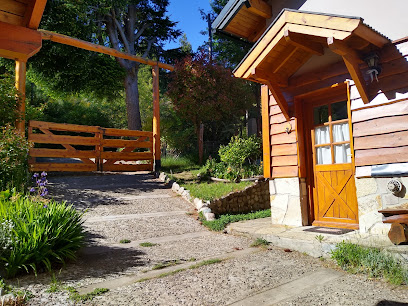
Posada Los Juncos
6.0 km
Experience tranquility at Posada Los Juncos in Bariloche: Lakeside charm, personalized service, and unforgettable Patagonian adventures await.

Inicio de sendero a Llao Llao y Villa Tacul
6.3 km
Discover stunning trails and breathtaking views at the gateway to Llao Llao and Villa Tacul, near Bariloche, Argentina.
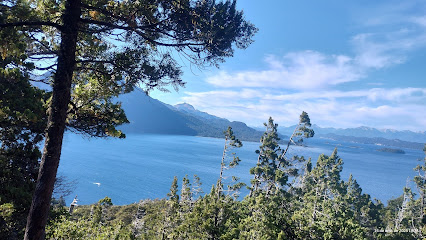
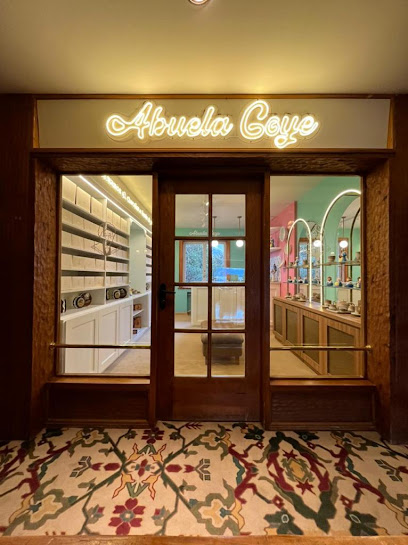
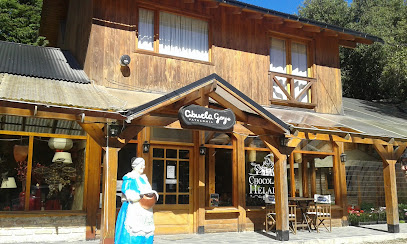
Llao Llao Abuela Goye
6.4 km
Indulge in artisanal chocolates and Patagonian sweets at this charming Llao Llao cafe, a Bariloche tradition for over 40 years.
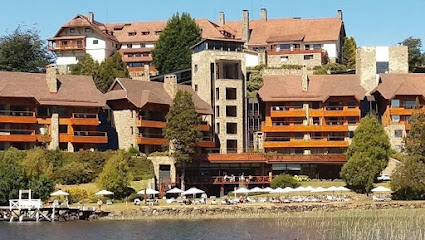
Llao Llao Hotel
6.5 km
Experience luxury amidst Patagonia's stunning landscapes at the iconic Llao Llao Hotel, offering golf, spa, and breathtaking views.
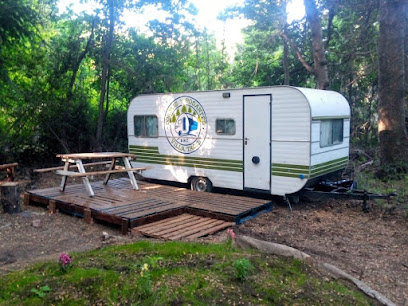
Villa Tacul Dormis y Rodantes proveeduría
6.9 km
Experience nature at its finest with lakeside camping and outdoor adventures in Bariloche's stunning Villa Tacul.
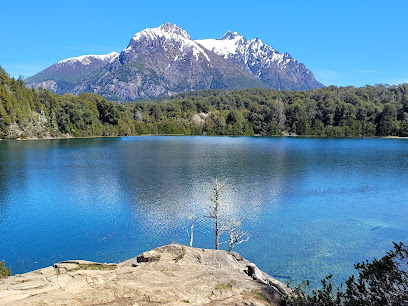
Mirador Lago Moreno
7.4 km
Experience breathtaking panoramic views of Lake Moreno and the Andes Mountains from this serene observation deck in Bariloche, Argentina.
Puente Romano
7.4 km
Experience the breathtaking beauty and historical significance of Puente Romano, a key landmark in San Carlos de Bariloche, Argentina.
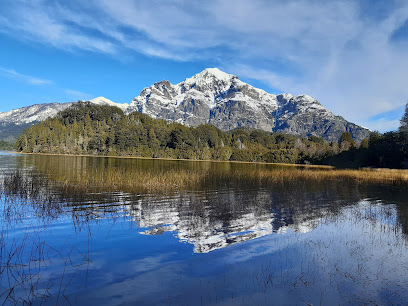
Chiado Restaurante & Casa de Te
7.5 km
Experience the charm of Chiado Restaurante & Casa de Te in San Carlos de Bariloche, where gourmet dining meets a tranquil tea house ambiance amidst stunning natural beauty.
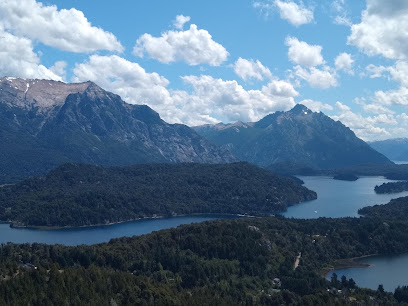
Bungalows del Trebol
7.8 km
Experience tranquility at Bungalows del Trebol in Bariloche, offering cozy lakeside retreats and easy access to Patagonia's natural wonders.
Cerveza Patagonia - Cerveceria Bariloche
8.2 km
Experience Patagonia's best craft beer with breathtaking views at Cerveza Patagonia, a must-visit brewpub on Bariloche's scenic Circuito Chico.
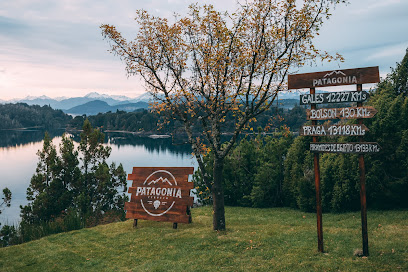
Confitería del Cerro Campanario
8.2 km
Discover the breathtaking views and delectable offerings at Confitería del Cerro Campanario, a must-visit café in San Carlos de Bariloche.
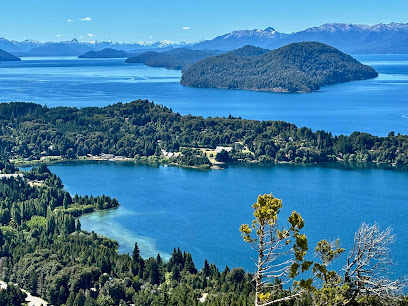
Estación Llao Llao
10.8 km
Savor Patagonian flavors with stunning views at Estación Llao Llao, near the iconic Llao Llao Hotel in Bariloche.
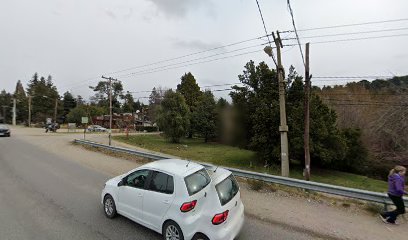
Parador de los Arrayanes ok
10.8 km
Discover the serene beauty of Parador de los Arrayanes, a tranquil campground in San Carlos de Bariloche surrounded by stunning mountains and lakes.
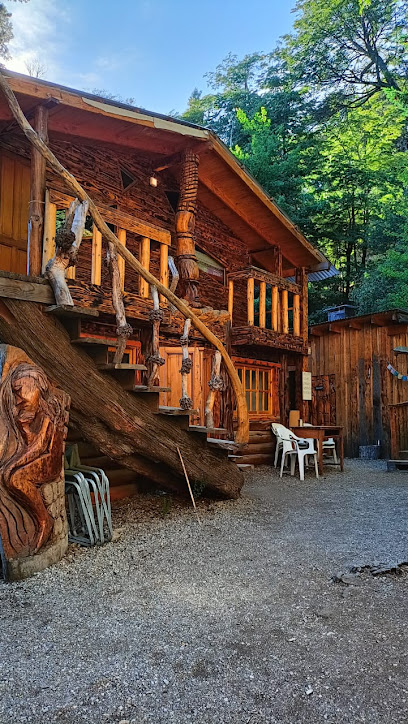
EL CASCO ART HOTEL
13.1 km
Discover the elegance of El Casco Art Hotel, where luxury meets artistry in the heart of Patagonia's stunning landscapes.
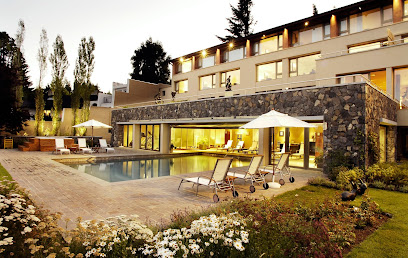
Unmissable attractions to see

Playa Del Toro
3.6 km
Experience the breathtaking tranquility and natural beauty of Playa Del Toro in Parque Nacional Nahuel Huapi, a true paradise for nature lovers.
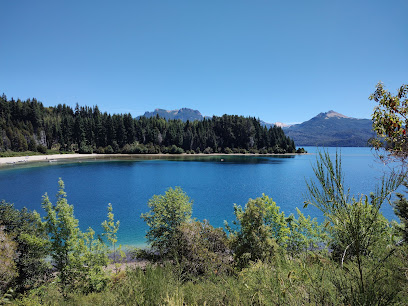
Puerto Anchorena, Isla Victoria
4.1 km
Explore the breathtaking beauty of Puerto Anchorena, Isla Victoria, a serene paradise in Neuquén Province, perfect for nature lovers and adventure seekers.
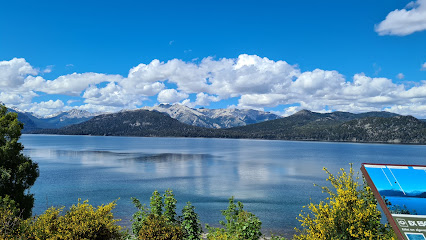
Mirador de los Navegantes
5.9 km
Experience breathtaking panoramic views of Nahuel Huapi Lake and the Llao Llao Peninsula from this scenic observation deck near Bariloche.
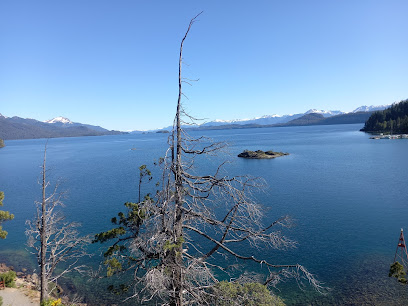
Puerto Pañuelo
6.0 km
Discover Patagonia's beauty at Puerto Pañuelo: boat tours, stunning views, and outdoor adventures await on Lake Nahuel Huapi in Bariloche.
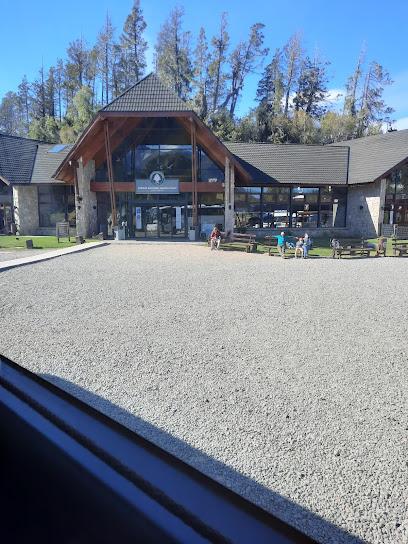
Parroquia San Eduardo
6.0 km
Discover the tranquil beauty of Parroquia San Eduardo, a stunning church nestled in Llao Llao's breathtaking landscapes, perfect for reflection and appreciation.
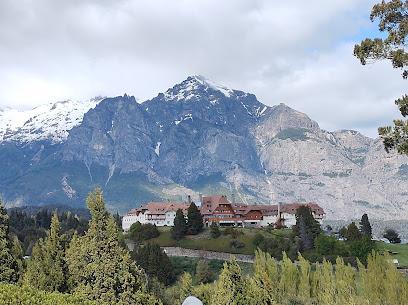
Ente Autarquico Llao Llao (Parque Llao Llao)
6.3 km
Explore the stunning landscapes and diverse wildlife of Llao Llao Park in Bariloche, a nature lover's paradise for hiking and outdoor adventures.
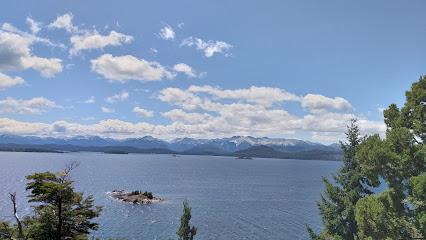
Sendero de los Arrayanes
6.3 km
Discover the breathtaking Sendero de los Arrayanes, a scenic hiking trail in Bariloche, lined with unique trees and stunning views of Lake Nahuel Huapi.
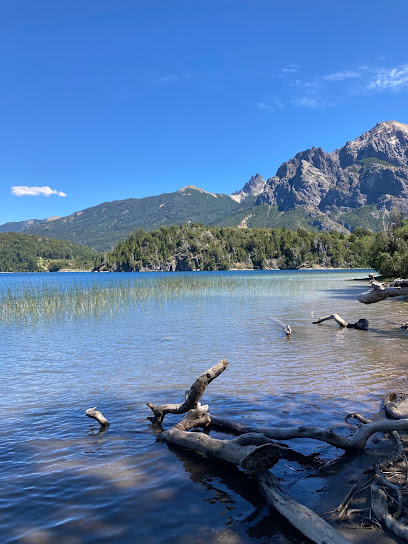
Lago Morenito
6.3 km
Discover the enchanting Lago Morenito in Bariloche, a serene lake surrounded by stunning landscapes and perfect for relaxation and outdoor adventures.
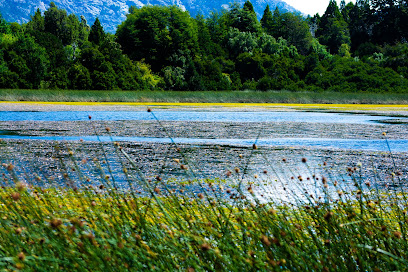
Cerro Llao Llao
6.5 km
Hike Cerro Llao Llao for breathtaking views of Bariloche's lake district. Easy trails, stunning vistas, and unforgettable Patagonian scenery await!
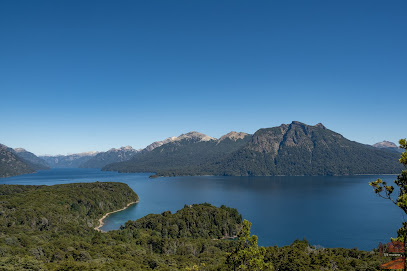
Playa Sin Viento
7.6 km
Discover Playa Sin Viento in Bariloche: A serene lakeside escape with calm waters, perfect for swimming, kayaking, and family fun on Lago Moreno.
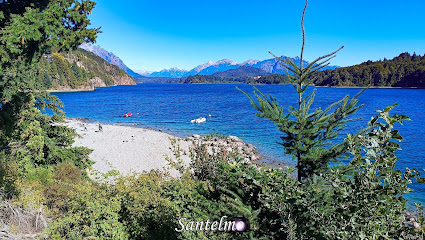
Punto Panorámico - Circuito Chico
7.7 km
Experience Patagonia's Majestic Beauty: Unforgettable panoramic views of Bariloche's lakes and mountains from this iconic Circuito Chico viewpoint.
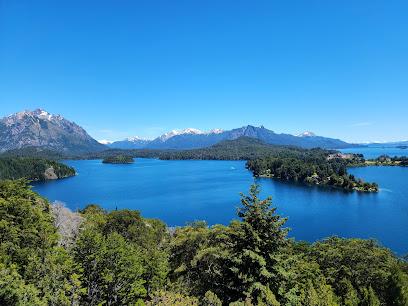
Aerosilla Cerro Campanario
7.8 km
Experience Bariloche's best views from Cerro Campanario: chairlift rides, hiking trails, and panoramic vistas await!
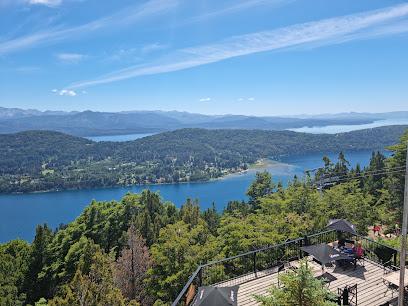
Cerro Campanario
8.2 km
Experience Bariloche's beauty from above: hike or ride to Cerro Campanario's summit for breathtaking 360° views of lakes and mountains.
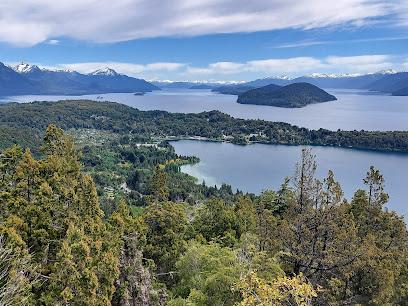
Parque Nahuelito
8.3 km
Discover the enchanting Parque Nahuelito in Bariloche, where dinosaurs come to life amidst breathtaking Andean landscapes.
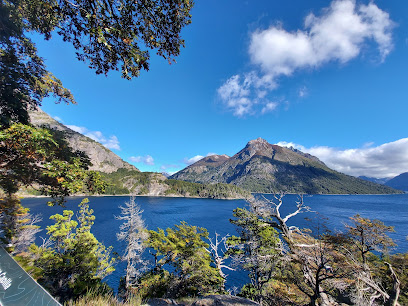
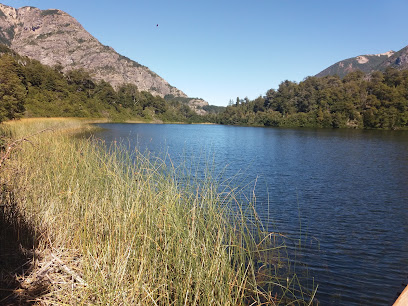
Muelle Lago Escondido
8.3 km
Experience the breathtaking views and tranquility of Muelle Lago Escondido in Río Negro, Argentina – a natural paradise for every traveler.
Essential places to dine

Il Gabbiano
5.2 km
Experience authentic Italian cuisine amidst breathtaking Patagonian landscapes at Il Gabbiano in San Carlos de Bariloche.
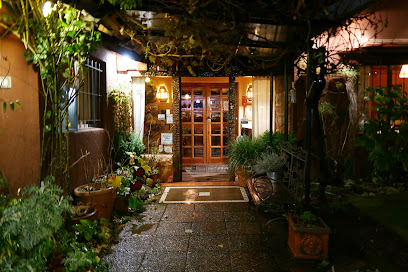
Restaurante Del Bosque
5.5 km
Experience authentic Argentine cuisine surrounded by stunning landscapes at Restaurante Del Bosque in San Carlos de Bariloche.
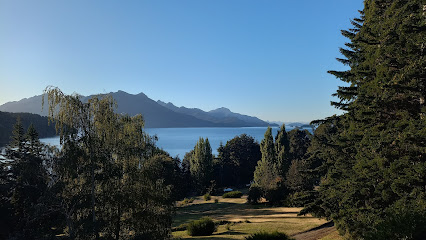
Tearoom Hotel Amancay
5.6 km
Experience tranquility at Tearoom Hotel Amancay in Bariloche – where exquisite teas meet stunning natural beauty.
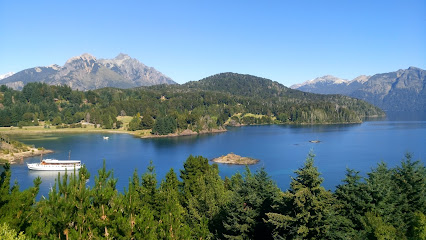
Confitería El Tronador
5.9 km
Discover traditional Argentine flavors at Confitería El Tronador in beautiful Río Negro - a must-visit dining experience amidst stunning landscapes.
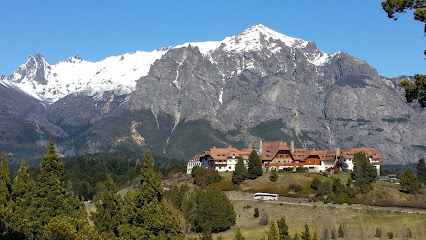
Madurado resto
6.0 km
Experience authentic Argentine cuisine at Madurado Resto in Bariloche, where breathtaking views meet exquisite flavors.
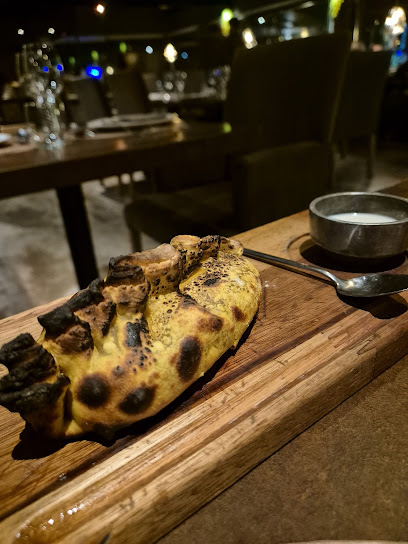
Lumbre Patagonia Argentina
6.0 km
Discover authentic Argentine cuisine at Lumbre Patagonia in Bariloche, where local flavors meet breathtaking views.
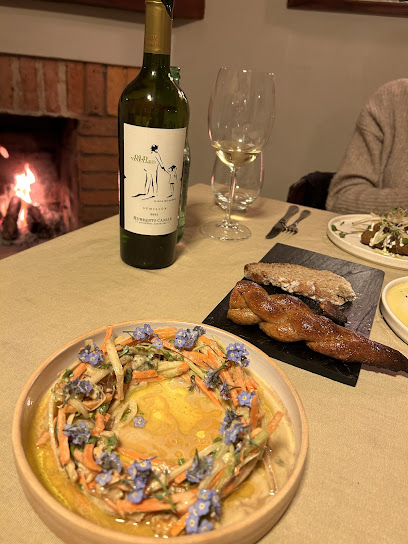
Restaurante Il Ritorno
6.1 km
Discover the flavors of Patagonia at Restaurante Il Ritorno in San Carlos de Bariloche - where exquisite cuisine meets breathtaking views.
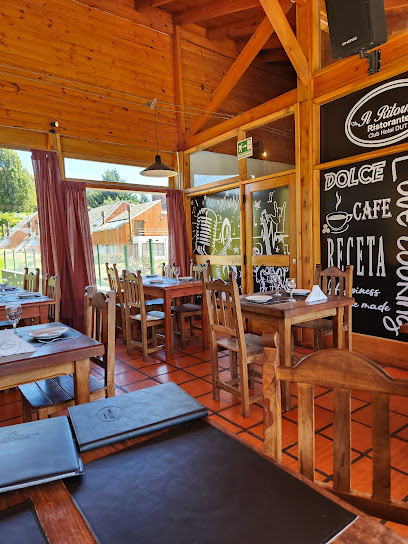
Quiven Patagonia
6.2 km
Experience the flavors of Patagonia at Quiven Patagonia – where culinary creativity meets breathtaking scenery.
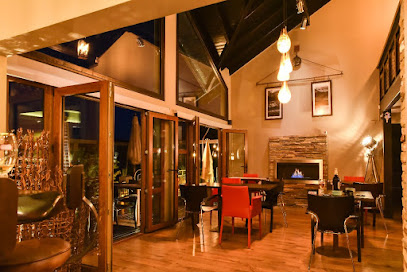
Winter Garden
6.5 km
Discover Winter Garden in Llao Llao - A delightful restaurant offering local flavors amidst breathtaking natural beauty.
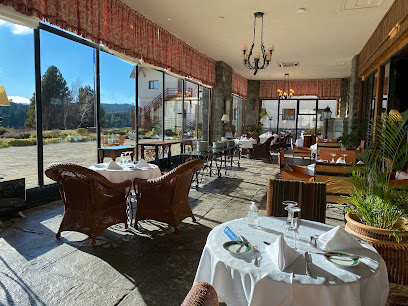
Restaurante Patagonia (Hotel Llao Llao)
6.5 km
Discover exquisite Argentine cuisine amidst breathtaking views at Restaurante Patagonia in Villa Llao Llao.
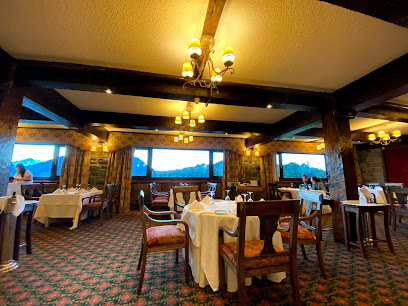
Restó Las Copas
7.4 km
Experience exquisite Argentine cuisine with stunning mountain views at Restó Las Copas in San Carlos de Bariloche.
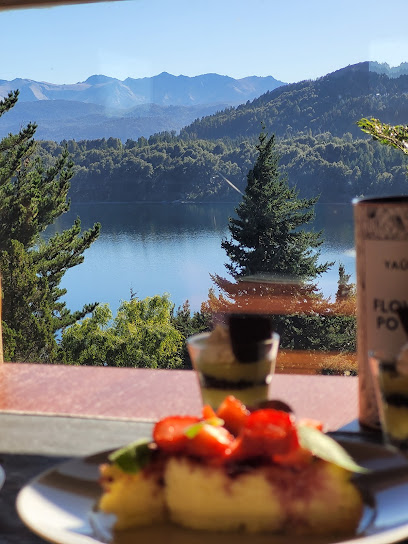
Ãnima
7.4 km
Discover Anima in Bariloche – where authentic Argentine cuisine meets stunning natural beauty for an unforgettable dining experience.
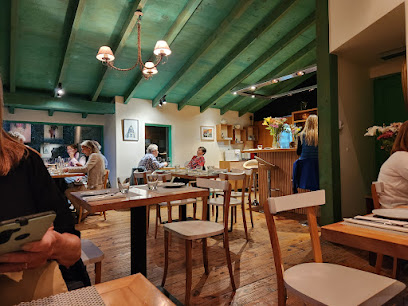
Restaurant Punto Panorámico
8.0 km
Experience exquisite Argentine cuisine with stunning views at Restaurant Punto Panorámico in San Carlos de Bariloche.
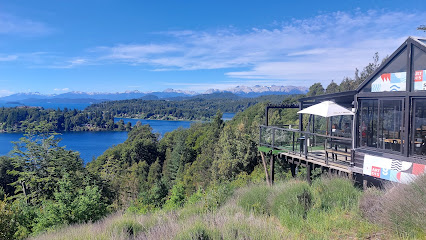
MONTANA Grill House
8.3 km
Experience authentic Argentine cuisine with breathtaking mountain views at MONTANA Grill House in San Carlos de Bariloche.
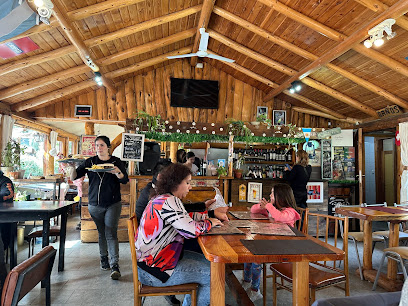
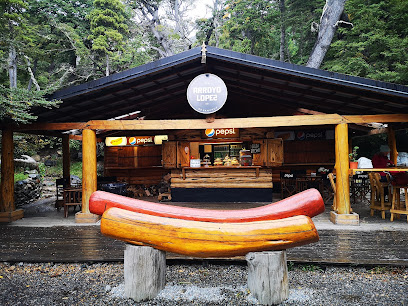
Compañía General de Panchos del Arroyo López
9.7 km
Discover the delicious world of gourmet hot dogs at Compañía General de Panchos del Arroyo López in stunning San Carlos de Bariloche.
Markets, malls and hidden boutiques

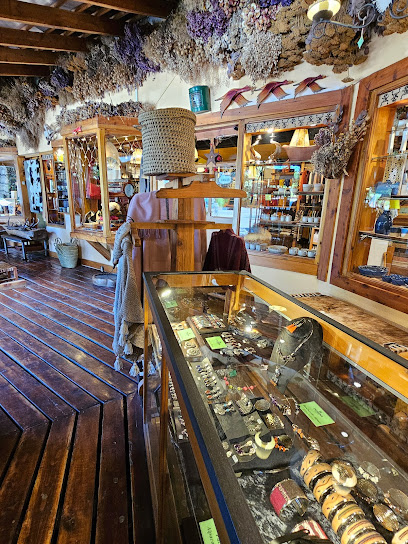
Morena Llao Llao
5.4 km
Discover the vibrant spirit of Patagonia at Morena Llao Llao, the ultimate clothing store for fashionable travelers in San Carlos de Bariloche.
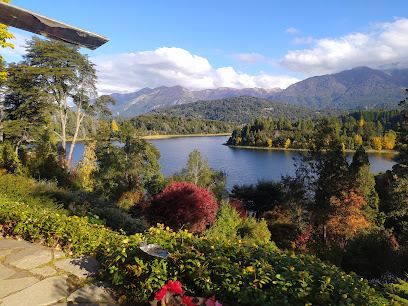
Bellevue
5.7 km
Experience the serene beauty of San Carlos de Bariloche at Bellevue, a charming coffee shop and tea house with breathtaking views and delightful brews.
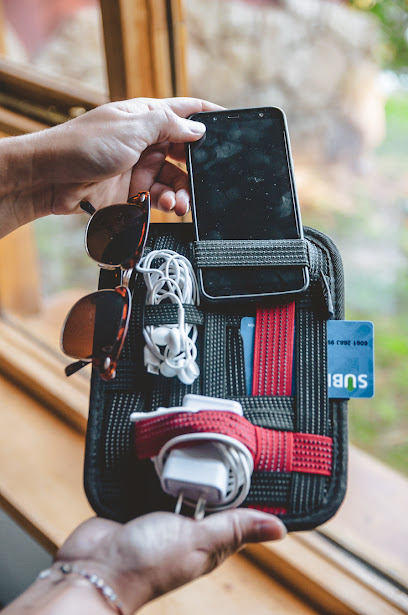
Petit Travel Market
6.0 km
Explore Petit Travel Market in San Carlos de Bariloche for unique souvenirs and local crafts that capture the charm of Patagonia.
Ranchito Patagonia
6.1 km
Explore Ranchito Patagonia, a charming gift shop in San Carlos de Bariloche offering unique handicrafts, clothing, and children's books that embody the spirit of the region.
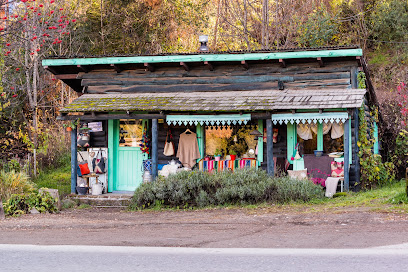
Ahumadero Weiss
6.1 km
Discover the culinary delights of Ahumadero Weiss, a gourmet grocery store in Bariloche specializing in organic foods and local delicacies.
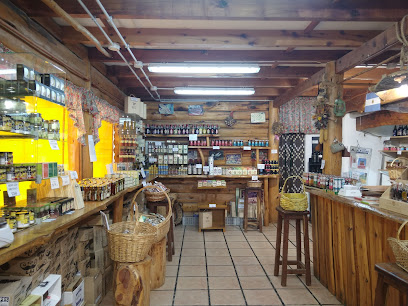
Paila Co Salón de Tè
8.1 km
Discover the serene ambiance of Paila Co Salón de Té in Bariloche, where exquisite teas and delightful pastries await in a picturesque setting.
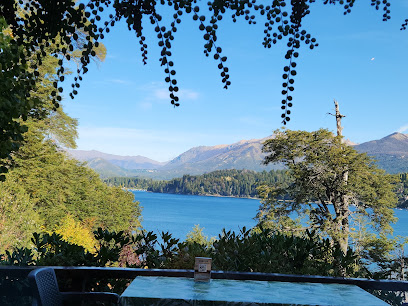
La Tienda de los Kilómetros
8.3 km
Explore a captivating antique store in San Carlos de Bariloche, offering a unique glimpse into Argentina's rich history and craftsmanship.
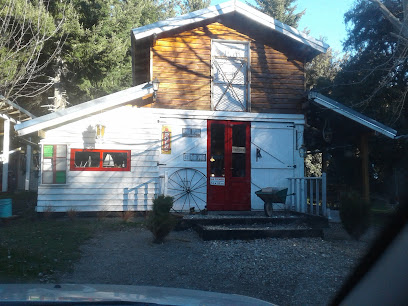
Handicrafts The Coihue
9.6 km
Explore Handicrafts The Coihue in Bariloche for unique artisanal gifts and cake decorating supplies, reflecting rich local craftsmanship.
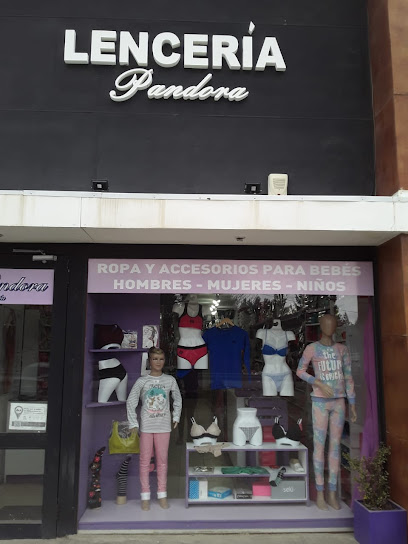
Pandora
11.8 km
Discover exquisite lingerie and intimate apparel at Pandora, a charming boutique in San Carlos de Bariloche, perfect for your shopping cravings.
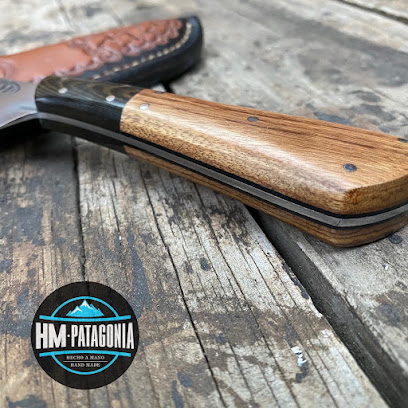
HM Patagonia - Cuchillos Hechos a Mano / HandMade Knives
12.2 km
Explore the artistry of handmade knives at HM Patagonia, where each piece reflects the unique culture and craftsmanship of the region.
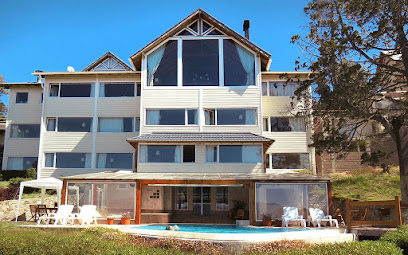
Sol del Nahuel
17.0 km
Sol del Nahuel: A Boutique Hotel Experience Amidst the Breathtaking Landscapes of San Carlos de Bariloche.
Gift Box Bariloche
17.9 km
Discover authentic Patagonian crafts at Gift Box Bariloche, the perfect spot for unique souvenirs and local artistry.
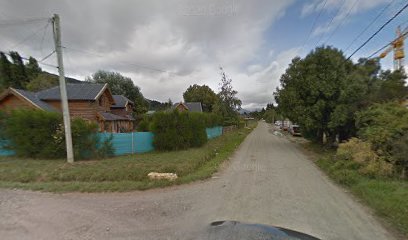
Bäckerei
18.6 km
Experience the taste of Argentina at Bäckerei, a bakery in San Carlos de Bariloche offering delicious pastries and a cozy atmosphere.
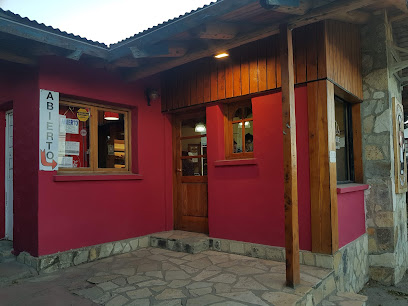
Valum Chivim. Tienda para el Alma
18.8 km
Discover the charm of Valum Chivim in San Carlos de Bariloche, offering exquisite gifts and jewelry that capture the essence of local craftsmanship.
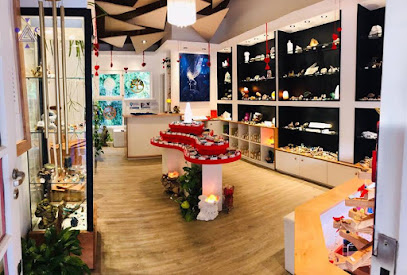
Galería La Placita
18.8 km
Explore Galería La Placita: A vibrant shopping mall in San Carlos de Bariloche offering unique local products and delightful cuisine.
Essential bars & hidden hideouts

Bechamel Club House
6.0 km
Experience the finest pastries and espresso at Bechamel Club House, nestled in the scenic beauty of San Carlos de Bariloche, Argentina.
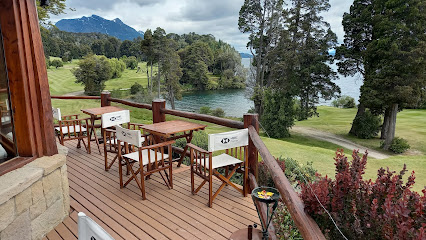
Espacio Lago Moreno
6.5 km
Experience the lively ambiance and exquisite local brews at Espacio Lago Moreno, a must-visit beer hall in the heart of Villa Llao Llao.
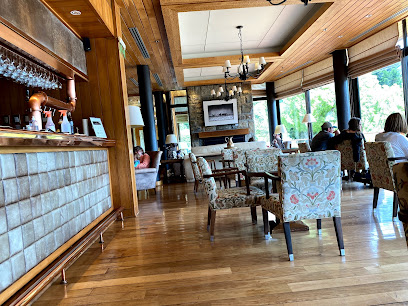
Aldebarán Hotel & Spa
7.2 km
Experience luxury and nature at Aldebarán Hotel & Spa, a serene getaway in the heart of Patagonia, San Carlos de Bariloche.
Cervecería y Restaurante Gilbert
8.1 km
Experience the best of Bariloche at Cervecería y Restaurante Gilbert, where craft beer meets Argentine cuisine in a stunning setting.
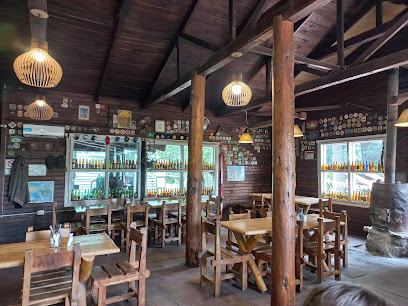
Cervecería Wesley
9.6 km
Experience the best of Bariloche at Cervecería Wesley, where craft beer meets delicious Argentine cuisine in a stunning mountain setting.
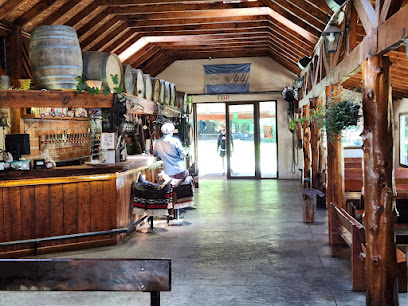
Cava Clandestina
10.8 km
Discover Cava Clandestina, a brewpub in Bariloche offering exceptional local craft beers and a cozy atmosphere amidst breathtaking landscapes.
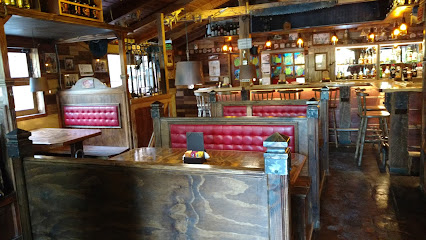
Oveja Negra KM13
11.4 km
Explore Oveja Negra KM13 in Bariloche for an exquisite mix of gourmet takeout, craft brews, and fine wines in a charming setting.
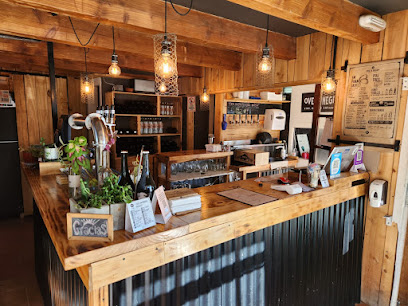
India Taproom
11.8 km
Discover the heart of Bariloche's craft beer scene at India Taproom, where passion meets flavor in every unique brew.
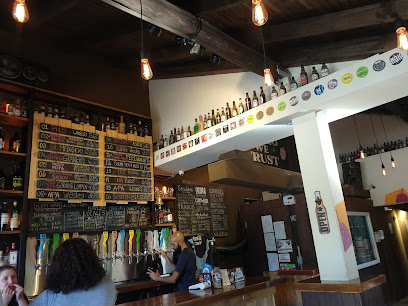
Berlina Km12
12.9 km
Discover the best of local craft beer and cuisine at Berlina Km12, a vibrant brewpub in the heart of Bariloche's stunning landscapes.
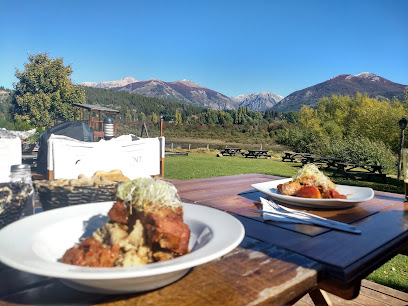
Dahna Beer House
15.1 km
Experience the charm of Dahna Beer House, a cozy brewpub in Playa Bonita, San Carlos de Bariloche, offering craft beers and delicious meals.
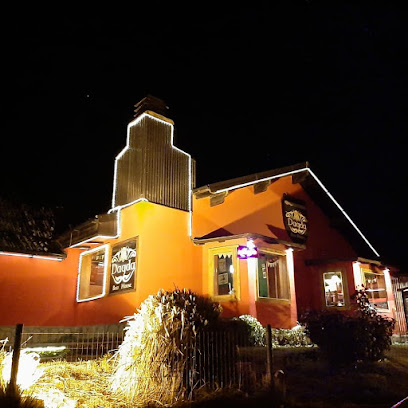
Cervecería Mandela
15.2 km
Discover Cervecería Mandela: a brewpub in San Carlos de Bariloche offering artisanal beers and local cuisine amidst stunning landscapes.
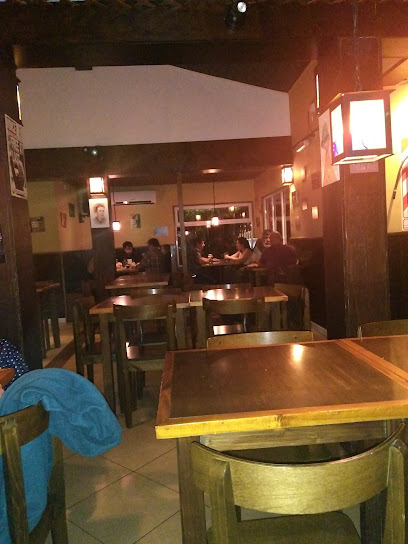
Bacanal Lake & Wine Bar
15.7 km
Experience the charm of Bacanal Lake & Wine Bar, where exquisite wines, tapas, and stunning lakeside views create unforgettable moments.
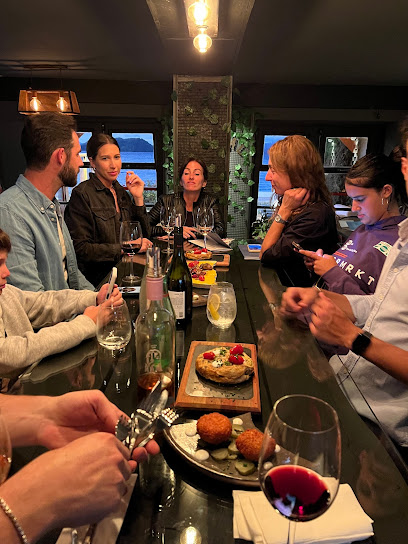
Luna Bar
15.9 km
Experience the vibrant nightlife of San Carlos de Bariloche at Luna Bar, where creative cocktails meet stunning views in a lively atmosphere.
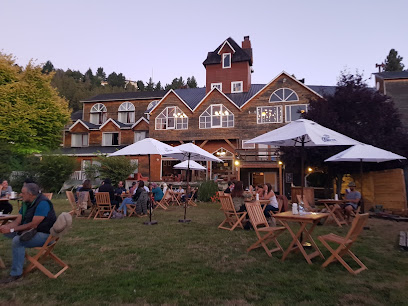
The Wine Room
16.7 km
Experience the essence of Argentine wine and cuisine at The Wine Room in San Carlos de Bariloche, where every sip tells a story.
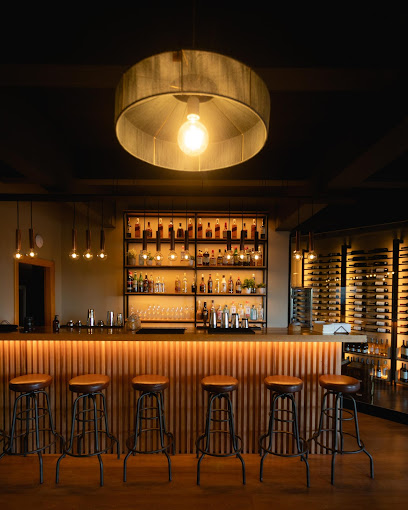
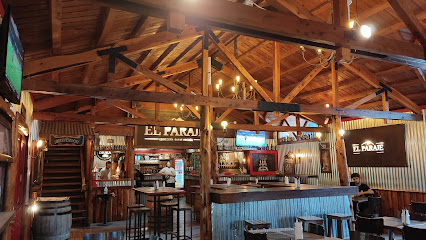
El Paraje
16.7 km
Discover the taste of Patagonia at El Paraje, a vibrant restaurant in Bariloche offering authentic Argentine flavors and a warm atmosphere.
Nightclubs & after hour spots

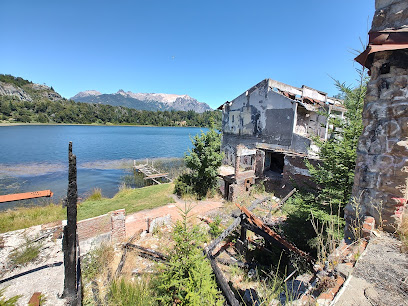
Hotel abandonado Laguna El Trébol
7.4 km
Explore the abandoned Hotel at Laguna El Trébol, where history meets nature in the breathtaking landscapes of San Carlos de Bariloche.
Playa de Mani piedra plana km 4,5
17.7 km
Discover Playa de Mani, a premier night club in San Carlos de Bariloche, where vibrant nightlife meets stunning lake views and unforgettable experiences.
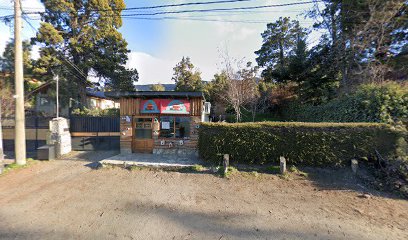
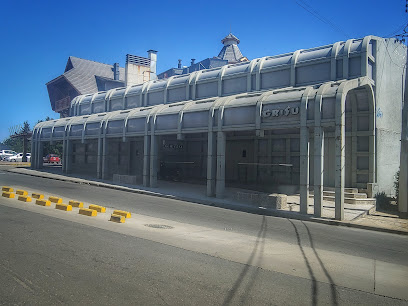
Grisú
21.0 km
Experience the electrifying nightlife of San Carlos de Bariloche at Grisú, a top night club with great music and a vibrant atmosphere.
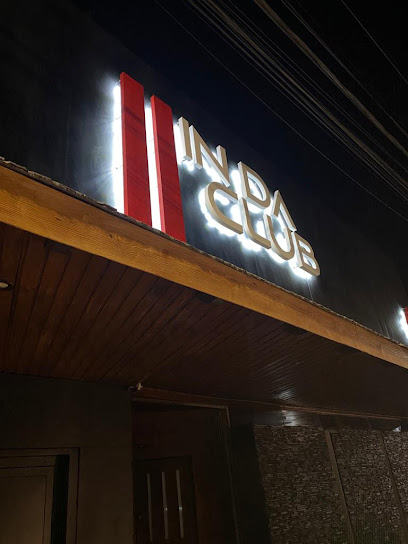
In Da Club
21.1 km
Discover the electrifying nightlife of San Carlos de Bariloche at In Da Club, where music, dancing, and unforgettable moments await.
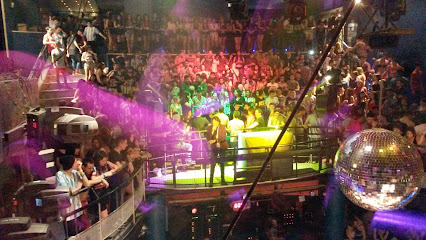
Roket.
21.2 km
Experience the electrifying nightlife of Bariloche at Roket, a premier disco club renowned for its vibrant atmosphere and top-notch DJs.
Cerebro.
21.2 km
Discover the electrifying nightlife at Cerebro in San Carlos de Bariloche, where music and dance converge for an unforgettable experience.
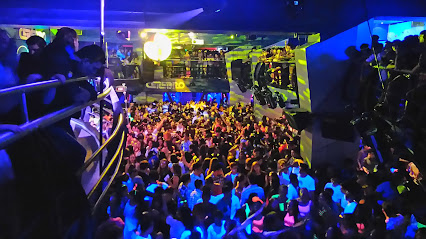
WAVE CLUB
21.3 km
Discover the vibrant nightlife at WAVE CLUB, a premier destination for dancing and entertainment in San Carlos de Bariloche.
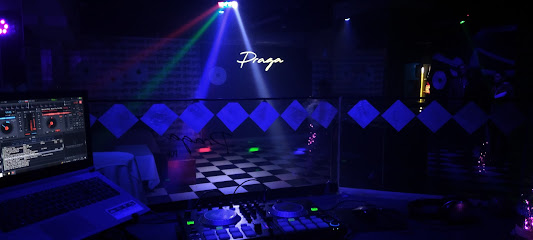
Puerto Rock
21.5 km
Experience the vibrant nightlife of Bariloche at Puerto Rock, where music, dance, and unforgettable moments await in a lively atmosphere.
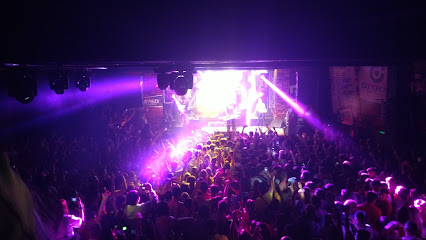
Le- Lac discoteque
21.5 km
Dance the night away at Le-Lac Discoteque, a vibrant nightlife destination in San Carlos de Bariloche, offering eclectic music and a lively atmosphere.
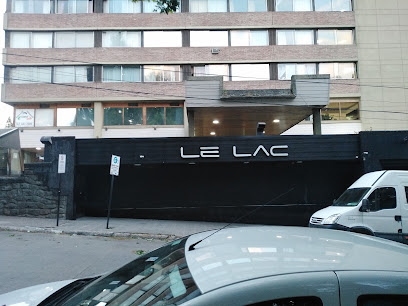
KUTRAL
21.5 km
Discover KUTRAL, a lively bar in the heart of San Carlos de Bariloche, offering a vibrant atmosphere, delicious drinks, and unforgettable nightlife.
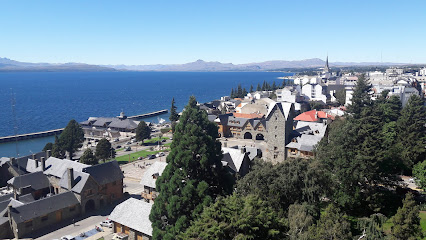
South Bar
21.7 km
Discover the electrifying nightlife of South Bar in San Carlos de Bariloche, where drinks, music, and good vibes come together.
Club Time Deja Vu
21.7 km
Unleash your inner night owl at Club Time Deja Vu, the heartbeat of San Carlos de Bariloche's nightlife with electrifying music and an unforgettable atmosphere.
By Pass
21.8 km
Discover the vibrant nightlife at By Pass, the premier nightclub in San Carlos de Bariloche, offering an exhilarating atmosphere and unforgettable experiences.

Casino De Gendarmería
23.1 km
Discover the vibrant Casino De Gendarmería in Bariloche for gaming, relaxation, and stunning mountain views.