

Free Chiricahua Mountains Travel Guide & Mobile App
Explore Chiricahua Mountains with free travel guides. Discover regional history, expert tips, proposed trips, and audio guides on web or mobile app.


Explore the Chiricahua Mountains in Arizona for volcanic rock formations, forest trails, wildlife, dark skies and the history of the Apache borderlands.
Read more about Chiricahua Mountains
When is the best time to visit Chiricahua Mountains?
Best: April–May, October · 23–28°C| Month | High (°C) | Rainfall (mm) |
|---|---|---|
| January | 13 | 35 |
| February | 16 | 30 |
| March | 19 | 35 |
| April (best) | 23 | 20 |
| May (best) | 28 | 15 |
| June | 33 | 25 |
| July | 33 | 75 |
| August | 32 | 80 |
| September | 29 | 50 |
| October (best) | 23 | 35 |
| November | 17 | 30 |
| December | 13 | 40 |
Getting to and around Chiricahua Mountains
How to get there
Transportation
Top city travel guides in Chiricahua Mountains
The cities of Chiricahua Mountains, and the easiest places to base yourself.
-
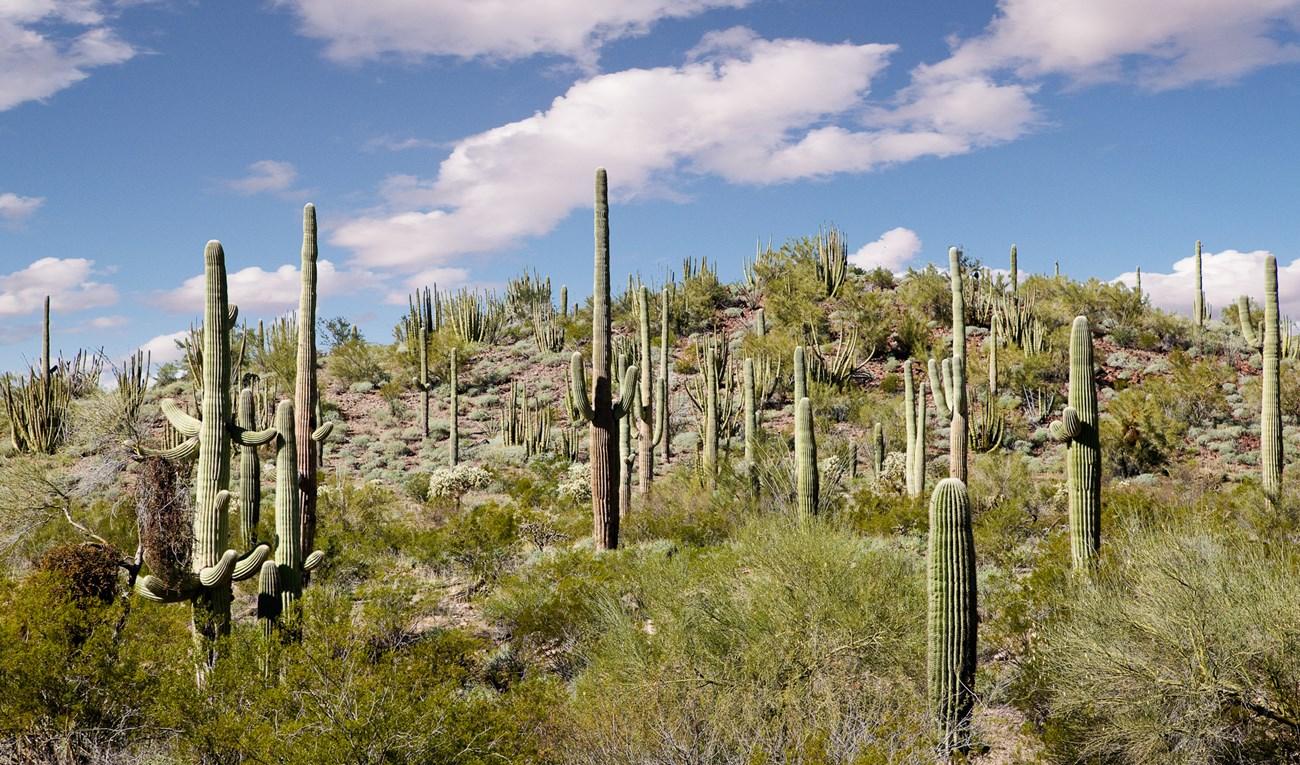 Tucson
Discover Tucson, Arizona: A desert oasis rich in cultural heritage, natural beauty, and culinary delights, perfect for explorers and food enthusiasts alike.
Tucson
Discover Tucson, Arizona: A desert oasis rich in cultural heritage, natural beauty, and culinary delights, perfect for explorers and food enthusiasts alike.
-


Swipe for more cities
Destinations in Chiricahua Mountains
Resorts, valleys and scenic spots worth a trip of their own.
-

-
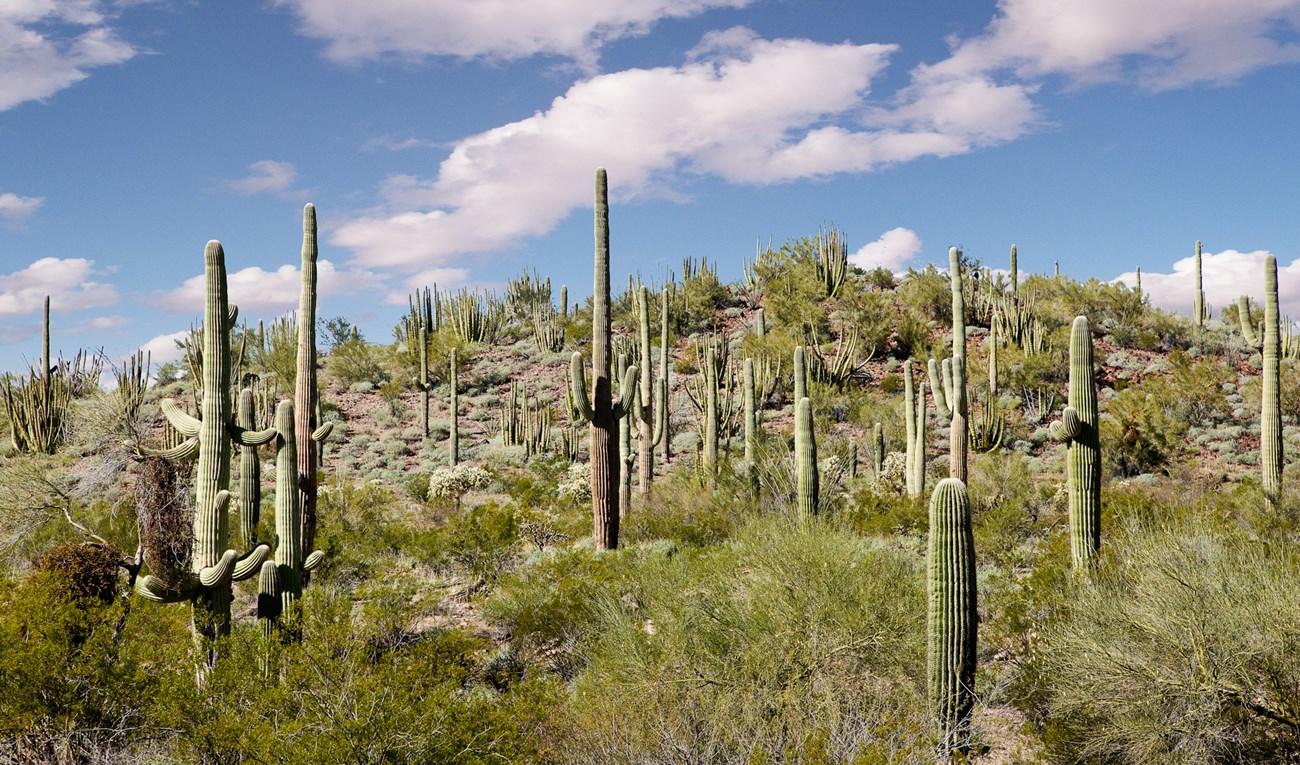 Saguaro National Park
 in Arizona reveals giant cacti, desert trails, Tucson sunsets, wildlife and Sonoran Desert heritage across two distinct districts.
Saguaro National Park
Saguaro National Park in Arizona reveals giant cacti, desert trails, Tucson sunsets, wildlife and Sonoran Desert heritage across two distinct districts.
-
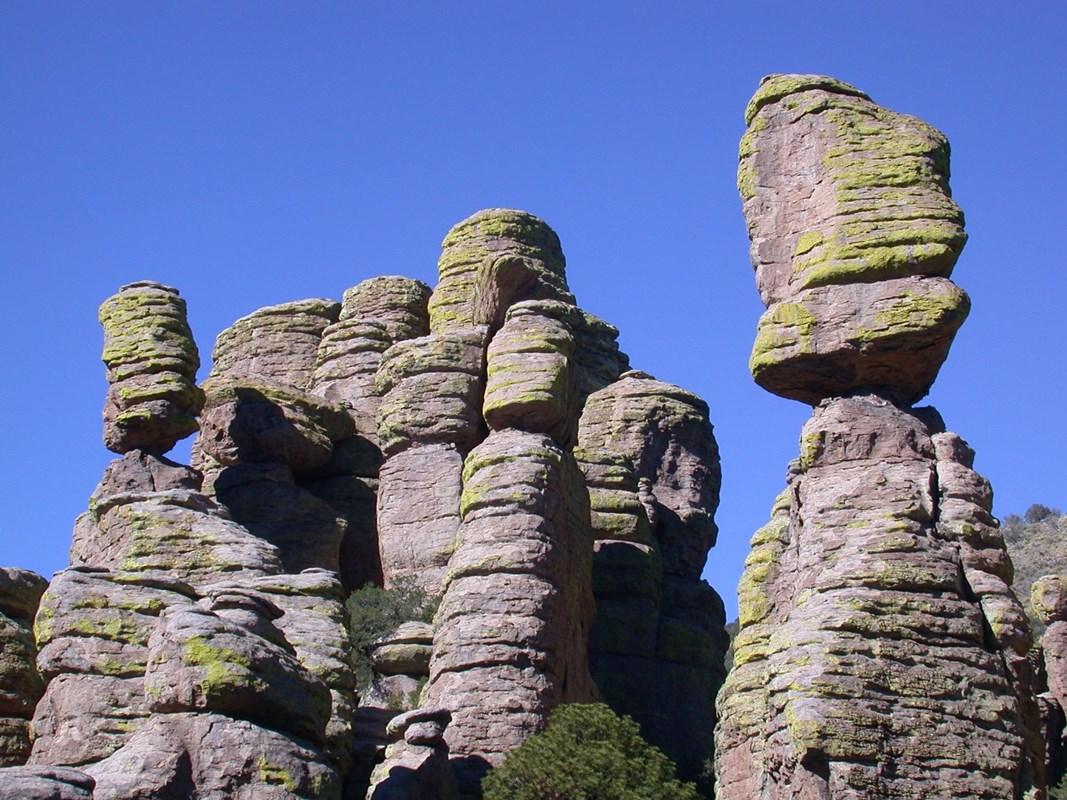 Chiricahua National Monument
 in Arizona pairs volcanic hoodoos, forested canyons, scenic drives, hiking trails and Apache heritage near Willcox.
Chiricahua National Monument
Chiricahua National Monument in Arizona pairs volcanic hoodoos, forested canyons, scenic drives, hiking trails and Apache heritage near Willcox.

Swipe for more destinations
Best attractions in Chiricahua Mountains
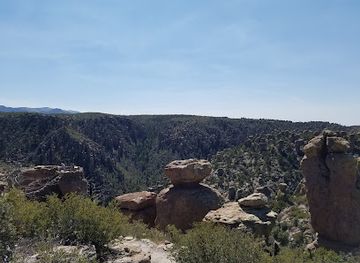
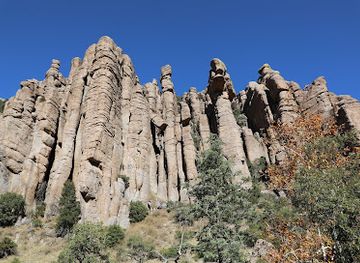
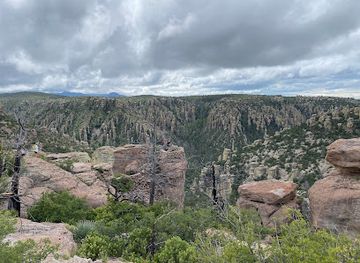
Chiricahua National Monument is the region's defining attraction, with a network of trails through the hoodoos and rhyolite pinnacles of Bonita Canyon. Echo Canyon, the Grottoes and Heart of Rocks reveal different stages of erosion, while Massai Point provides a broad view across the formations and surrounding valleys. Faraway Ranch adds a human dimension through preserved ranch buildings and an account of later settlement. Beyond the monument, the Coronado National Forest offers forest roads, campgrounds, high-elevation meadows and hiking areas around Rustler Park, Onion Saddle and Cave Creek Canyon. The mountains are part of the Madrean Archipelago, making wildlife observation particularly rewarding: birdwatchers may encounter many woodland species and seasonal hummingbirds, while larger mammals include deer, black bears and mountain lions. Dark skies, geology, photography and scenic driving are as important here as conventional sightseeing. Facilities and access vary considerably, so the protected monument and the more remote forest should be approached as distinct experiences.
-
Park
Chiricahua National Monument
Discover the majestic landscapes and rich history of Chiricahua National Monument, a hiking paradise in Arizona's stunning wilderness.
-
Visitor center
Chiricahua National Monument Visitor Center
Explore the breathtaking landscapes and unique geological formations at the Chiricahua National Monument Visitor Center in Arizona.
-
Historical place
Fort Bowie National Historic Site
Explore the historical significance of Fort Bowie National Historic Site, where the tales of the American West come alive amid stunning desert landscapes.
-
Tourist attraction
The Chiricahua Desert Museum
Explore the Chiricahua Desert Museum, where the beauty of the desert meets rich cultural heritage and captivating wildlife exhibits.
Best landmarks in Chiricahua Mountains
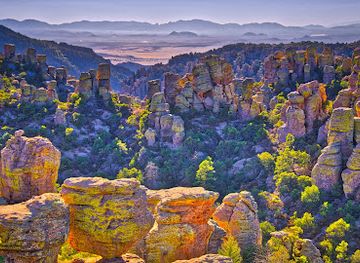
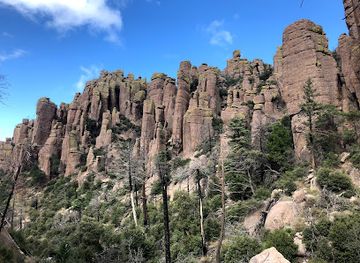
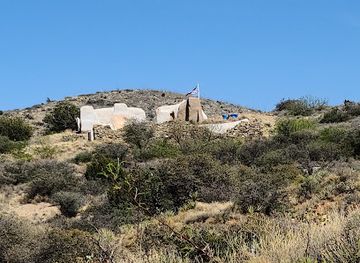
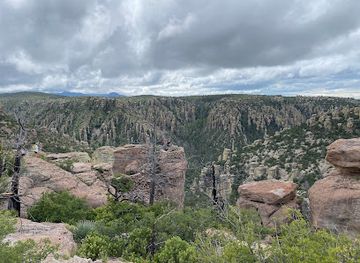
The hoodoo-filled amphitheatres of Chiricahua National Monument are the most recognisable landmarks in the range. Echo Canyon's narrow passages and towering stone columns show the scale of the volcanic formations, while the balanced rocks and clustered pinnacles around Heart of Rocks create a particularly distinctive natural skyline. Massai Point is an important viewpoint rather than a constructed monument, offering a clear sense of how the rock forest stands above the surrounding grasslands. Faraway Ranch is the principal historic landmark within the protected area, preserving buildings associated with the Erickson family and the era of ranch settlement. Outside the monument, the long wooded canyon of Cave Creek and the high passes around Onion Saddle express the range's other identity: a sky island of forest rising from arid borderlands. These places matter not only for their appearance but also for the geology, ecological isolation and layered human history they represent.
-
Park
Chiricahua National Monument
Discover a 'Wonderland of Rocks' at Chiricahua National Monument: Hike among towering rock formations and explore Arizona's volcanic past.
-
Historical place
Fort Bowie National Historic Site
Walk in the footsteps of soldiers and Apaches at this historic site in southeastern Arizona's Apache Pass.
-
Historical place
Johnny Ringo Grave
Explore the final resting place of Old West outlaw Johnny Ringo near Turkey Creek, AZ, where mystery and history converge.
-
Historical landmark
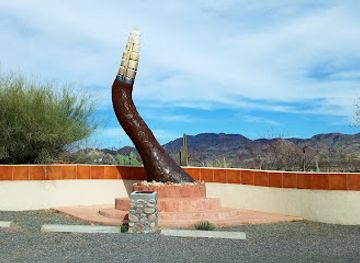
Geronimo Surrender Monument
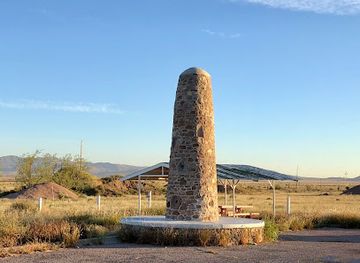
Visit the Geronimo Surrender Monument in San Simon, AZ, a landmark marking a key moment in Native American and Western history.

Explore Chiricahua Mountains on the map
Plan your trip on one map. See where the top cities, national parks and sights are, and book hotels and experiences in a few clicks.
Best hotels in Chiricahua Mountains
Best restaurants in Chiricahua Mountains
Dining in the Chiricahua Mountains is limited and closely tied to the small communities and accommodation businesses around the range rather than to a concentrated restaurant district. Portal and nearby Cave Creek Canyon offer the most relevant mountain-based options, while Willcox, outside the range, provides a wider choice of cafés, diners and supplies. Visitors should expect straightforward meals, packed lunches, picnic food and informal cooking rather than an elaborate regional restaurant scene. Arizona and south-western influences may appear in dishes such as chile-based preparations, tacos and grilled foods, but the mountains do not have a single signature cuisine of their own. Local produce, wines from the Willcox area and provisions bought before entering the forest can enrich a self-catered stay. Because distances are considerable and evening services are sparse, confirm arrangements with accommodation providers and carry food for hikes and remote campsites.
-
Park
Chiricahua National Monument
Explore Chiricahua National Monument: A stunning blend of unique geology and rich biodiversity awaits your discovery.
-
Mexican
Isabel's South of the Border
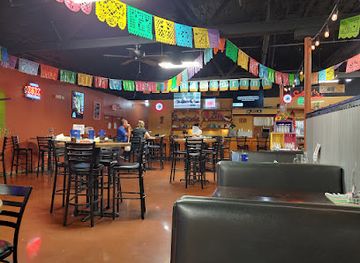
Discover the rich flavors of Mexico at Isabel's South of the Border in Willcox - where every dish tells a story!
-
Gastropub
The Quarry Bisbee
Discover The Quarry Bisbee: A unique gastropub offering delicious food, craft cocktails, and live music in the heart of Arizona's historic mining town.
-
Southwestern American
Portal Peak Lodge Store & Cafe
Experience authentic Southwestern cuisine and unique local products at Portal Peak Lodge Store & Cafe in scenic Arizona.
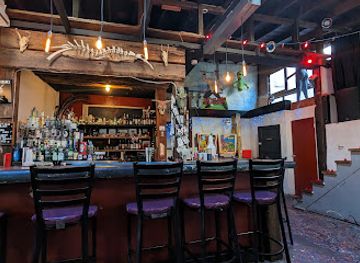
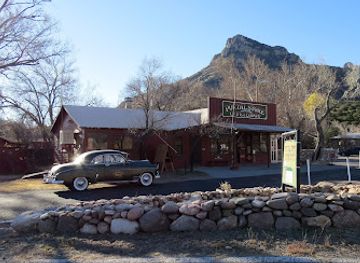
Best bars in Chiricahua Mountains
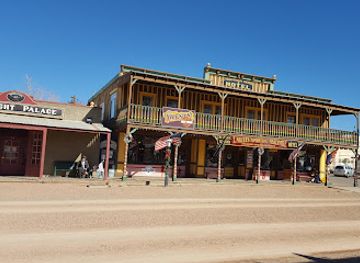
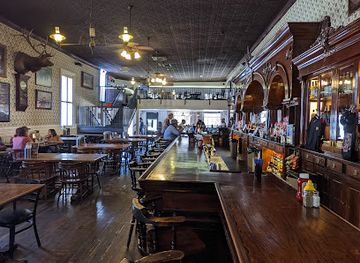
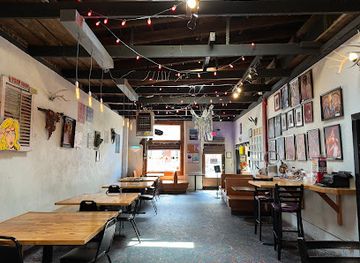
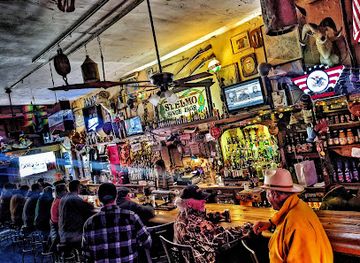
Nightlife in the Chiricahua Mountains is rural and quiet, centred on informal conversation, meals and the night sky rather than clubs. Portal and the settlements near Cave Creek Canyon have only limited evening services, while Willcox, outside the range, has more conventional bars and restaurants. Traditional American bars, casual dining rooms and occasional live-music settings are the most realistic options, but opening arrangements can be seasonal and distances make late-night driving inconvenient. Many visitors spend the evening stargazing, listening for wildlife or sitting around a permitted campfire instead. Alcohol should be handled responsibly, particularly on remote roads and forest land, where emergency assistance is not close at hand. Check local fire regulations before lighting any outdoor fire, as conditions can change rapidly during dry periods.
-
Grill
Big Nose Kate's Saloon
Discover the charm of the Old West at Big Nose Kate's Saloon, where history meets hearty food and lively entertainment in Tombstone, Arizona.
-
Bar
Crystal Palace Saloon
Experience the Wild West at the iconic Crystal Palace Saloon in Tombstone, Arizona, where history and hospitality come alive.
-
Gastropub
The Quarry Bisbee
Discover the vibrant flavors and lively entertainment at The Quarry Bisbee, the ultimate gastropub experience in the heart of Arizona.
-
Bar
St Elmo Bar
Experience the vibrant atmosphere and affordable drinks at St Elmo Bar, a historic gem in Bisbee, Arizona, perfect for locals and tourists alike.
Best nightclubs in Chiricahua Mountains
Nightlife in the Chiricahua Mountains is rural and quiet, centred on informal conversation, meals and the night sky rather than clubs. Portal and the settlements near Cave Creek Canyon have only limited evening services, while Willcox, outside the range, has more conventional bars and restaurants. Traditional American bars, casual dining rooms and occasional live-music settings are the most realistic options, but opening arrangements can be seasonal and distances make late-night driving inconvenient. Many visitors spend the evening stargazing, listening for wildlife or sitting around a permitted campfire instead. Alcohol should be handled responsibly, particularly on remote roads and forest land, where emergency assistance is not close at hand. Check local fire regulations before lighting any outdoor fire, as conditions can change rapidly during dry periods.
-
Restaurant
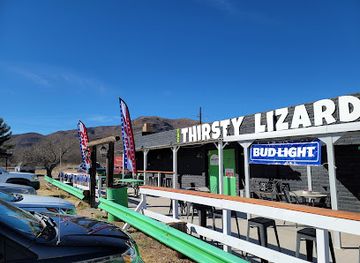
The Thirsty Lizard Bar + Grill + Events
Experience the perfect blend of delicious cuisine and vibrant entertainment at The Thirsty Lizard Bar + Grill in McNeal, Arizona.
-
Bar
Linda's Lounge
Experience the vibrant nightlife at Linda's Lounge in Sierra Vista, Arizona - your ultimate bar and night club destination for fun and relaxation.
-
Night club
JR's Bar
Discover the lively atmosphere of JR's Bar, a premier night club in Sierra Vista offering music, karaoke, and great drinks for an unforgettable night out.


Best shops in Chiricahua Mountains
Shopping in the Chiricahua Mountains is practical and small-scale rather than centred on large retail areas. Portal and the communities near Cave Creek Canyon have limited local businesses, so visitors should buy fuel, substantial groceries, camping supplies and medication in Willcox or another larger service centre before heading into the range. Small galleries, books, nature-related gifts and locally made crafts may be available through rural businesses or accommodation providers, but stock and opening arrangements can vary. Willcox offers a broader selection of food products, western-style goods, wine from the surrounding high-desert vineyards and everyday provisions. Useful souvenirs include regional field guides, locally produced food, artwork inspired by the hoodoos and responsibly sourced craft goods. Do not remove rocks, plants, archaeological material or other natural objects from public land; the landscape itself is protected and should remain intact.
-
Park
Chiricahua National Monument
Explore the stunning rock formations and diverse wildlife of Chiricahua National Monument, a hidden gem in Arizona's natural wonders.
-
Gift shop
Mt Lemmon General Store & Gift Shop
Explore a unique shopping experience in the heart of Mt. Lemmon, filled with local gifts, souvenirs, and artisanal treats.
-
Visitor center
Chiricahua National Monument Visitor Center
Explore the natural beauty and rich history of Arizona at the Chiricahua National Monument Visitor Center, your gateway to adventure.
-
Farm shop
Apple Annie's Country Store
Experience the best of local flavors at Apple Annie's Country Store in Willcox, AZ – a delightful farm shop, bakery, and lunch restaurant.

Get your free copy of our complete guide to Chiricahua Mountains, delivered straight to you.
Everything on this page, from attractions and restaurants to essentials and local phrases, in one PDF you can read offline, print or share.
Already have an account? Sign in
Your Chiricahua Mountains guide is ready.
We'll send it to · Not you? Sign out

Getting your guide ready…
We are putting together a fresh copy of the Chiricahua Mountains guide. This can take up to a minute.
This can take a few moments. If your browser asks, choose Allow so the download can start. You'll find the guide in your Downloads folder.
Nothing happened? Download it again
Sorry, the guide is taking longer than usual. Please try again in a minute, or get it by email instead.
Chiricahua Mountains essentials
Currency and Payment
Safety
Emergency Situations
Do's and Don'ts
Local Tips
From Eve
Local phrases worth knowing
You don't need to get them perfect. A few words go a long way, and locals appreciate the effort.
Basics
| English | Local | Say it |
|---|---|---|
| Hello | Yá'át'ééh | [yah-tay-eh] |
| Goodbye | Hágoónee' | [hah-goh-nee] |
| Yes | Aoo' | [ah-oh] |
| No | Dooda | [doo-dah] |
| Please/You're welcome | T'áá shoodí | [tah-ah shoh-dee] |
| Thank you | Ahéhee' | [ah-hay-hee] |
| Excuse me/Sorry | Shí éí yá'át'ééh | [shee ay yah-tay-eh] |
| How are you? | Nízhóní? | [nee-zhoh-nee] |
| Fine. And you? | T'áá shoodí. Ha'íí éí? | [tah-ah shoh-dee. hah-ee ay?] |
| Do you speak English? | Yá'át'ééh shi éí naashá? | [yah-tay-eh shee ay nah-shah] |
| I don't understand | T'áá shoodí nishłį́ | [tah-ah shoh-dee nish-lin] |
Eating & Drinking
| English | Local | Say it |
|---|---|---|
| I'd like to see the menu, please | T'áá shoodí doo yá'át'ééh menu, t'áá shoodí | [tah-ah shoh-dee doo yah-tay-eh men-oo, tah-ah shoh-dee] |
| I don't eat meat | T'áá shoodí doo nahasdzáán yih | [tah-ah shoh-dee doo nah-has-dzah-n yeeh] |
| Cheers! | Yéego! | [yeh-go] |
| I would like to pay, please | T'áá shoodí doo nihíji', t'áá shoodí | [tah-ah shoh-dee doo nee-hee-ji, tah-ah shoh-dee] |
Emergencies
| English | Local | Say it |
|---|---|---|
| Help! | Ayóó anííníshní! | [ah-yo ah-nee-nee-shnee] |
| Go away! | Dóó ch'ééh! | [doo cheh] |
| Call the Police! | Yá'át'ééh shí éí Police yáh! | [yah-tay-eh shee ay po-lees yah] |
| Call a doctor! | Yá'át'ééh shí éí bínáá'í yáh! | [yah-tay-eh shee ay bee-nah-ee yah] |
| I'm lost | Shí yá'át'ééh naashá | [shee yah-tay-eh nah-shah] |
| I'm ill | Shí biniiyéézh | [shee bee-nee-yeh] |
Shopping
| English | Local | Say it |
|---|---|---|
| I'd like to buy... | T'áá shoodí doo nááhai... | [tah-ah shoh-dee doo nah-hai] |
| I'm just looking | Shí doo hólǫ́ | [shee doo ho-lo] |
| How much is it? | Hágoónee' éí hólǫ́? | [hah-goh-nee ay ho-lo] |
| That's too expensive | T'áá shoodí hólǫ́ doo t'áá'íí | [tah-ah shoh-dee ho-lo doo tah-eh] |
| Can you lower the price? | T'áá shoodí doo naashá hólǫ́? | [tah-ah shoh-dee doo nah-shah ho-lo] |
Time & Numbers
| English | Local | Say it |
|---|---|---|
| What time is it? | Nízhóní hólǫ́? | [nee-zhoh-nee ho-lo] |
| It's one o'clock | T'áá'íí hólǫ́ | [tah-ee ho-lo] |
| Half past (10) | Naaki hólǫ́ | [nah-kee ho-lo] |
| Morning | T'ááłá'í | [tah-lah-ee] |
| Afternoon | Naayééne' | [nah-yay-neh] |
| Evening | T'ááłá'í naayééne' | [tah-lah-ee nah-yay-neh] |
| Yesterday | T'ááłá'í yéego | [tah-lah-ee yay-go] |
| Today | T'ááłá'í shí éí | [tah-lah-ee shee ay] |
| Tomorrow | T'ááłá'í ha'íí | [tah-lah-ee hah-ee] |
| 1 | T'áá'íí | [tah-ee] |
| 2 | Naakí | [nah-kee] |
| 3 | T'áá'í naakí | [tah-ee nah-kee] |
| 4 | Naakidí | [nah-kee-dee] |
| 5 | T'áá'í naakidí | [tah-ee nah-kee-dee] |
| 6 | Naakidí shí éí | [nah-kee-dee shee ay] |
| 7 | Naakidí naakí | [nah-kee-dee nah-kee] |
| 8 | Naakidí naakidí | [nah-kee-dee nah-kee-dee] |
| 9 | Naakidí naakidí shí éí | [nah-kee-dee nah-kee-dee shee ay] |
| 10 | Naakidí naakidí naakí | [nah-kee-dee nah-kee-dee nah-kee] |
Transport & Directions
| English | Local | Say it |
|---|---|---|
| Where's a/the...? | Dóó hágoónee' ...? | [doo hah-goh-nee] |
| What's the address? | Hágoónee' éí address? | [hah-goh-nee ay address] |
| Can you show me (on the map)? | T'áá shoodí go hágoónee' (yéego)? | [tah-ah shoh-dee go hah-goh-nee yay-go] |
| When's the next (bus)? | T'áá shoodí ha'íí (bus) hólǫ́? | [tah-ah shoh-dee hah-ee bus ho-lo] |
| A ticket (to ....) | Ticket (do ...) | [ticket do] |
History of Chiricahua Mountains
Ancestral Apache homeland
The Chiricahua Mountains form part of the ancestral homeland of the Chiricahua Apache, whose communities used the wider mountain-and-desert landscape for residence, travel, hunting and gathering. The range's springs, wooded canyons and high meadows provided valuable resources in an otherwise arid borderlands environment. Apache history cannot be reduced to the military conflicts later recorded by United States sources: it also includes established social networks, knowledge of seasonal landscapes and movement across what is now the United States–Mexico border. Visitors should understand the mountains as a living cultural landscape rather than merely a setting for frontier stories.
Spanish and Mexican borderlands
Spanish exploration and later Mexican administration brought the Chiricahua region into wider colonial and national borderland systems, but settlement remained limited because of the rugged terrain, scarce water and strong Apache resistance to outside control. After Mexican independence in 1821, the area remained part of northern Mexico until the mid-nineteenth-century territorial changes that followed the Mexican–American War and the Gadsden Purchase. The modern international boundary lies south of the mountains, yet the range's ecology, trade routes and human history remain closely connected to northern Mexico.
Apache Wars and Geronimo's era
During the nineteenth century, increasing American settlement and military campaigns brought prolonged conflict between the United States and Apache groups. The Chiricahua Mountains were part of the wider landscape associated with leaders including Cochise and Geronimo, although the movements and events of the Apache Wars extended across a very large area of south-eastern Arizona and northern Mexico. Cochise's surrender in 1872 and Geronimo's final surrender in 1886 marked major stages in the loss of Apache autonomy. The subsequent forced removal and confinement of Chiricahua people remain central to the region's historical meaning.
Ranching and Faraway Ranch
As Apache resistance was suppressed and American settlement expanded, ranching became an important influence on the Chiricahua landscape. Faraway Ranch, within what is now Chiricahua National Monument, began with Swedish immigrants Neil and Emma Erickson in the late nineteenth century and was later developed by their daughter Lillian and her husband, Hilary. The ranch reflects the transition from frontier settlement to a more organised ranching and guest-oriented economy. Its buildings and orchards preserve a tangible record of domestic life, agricultural work and tourism in the mountain environment.
National monument and conservation
Chiricahua National Monument was established in 1924 to protect the range's remarkable rhyolite formations and associated landscape. Federal conservation gradually shifted the area from a working and settlement frontier towards a public landscape valued for scenery, geology and recreation. Roads, trails and visitor facilities were developed over subsequent decades, including work associated with the Civilian Conservation Corps during the New Deal era. The monument now protects a compact portion of the mountains, while much of the surrounding range remains managed by the Coronado National Forest.
Sky-island science and modern stewardship
Twentieth- and twenty-first-century research has highlighted the Chiricahua Mountains as a biological island surrounded by deserts and grasslands. Their range of elevations creates habitats for species more commonly associated with Mexico, the Rocky Mountains or the Sonoran and Chihuahuan deserts. Conservation work now addresses wildlife corridors, fire, drought, invasive species and climate change, while astronomers and birdwatchers value the region's relatively dark skies and exceptional diversity. Modern stewardship increasingly recognises that protecting the mountains requires cooperation between public land agencies, residents, researchers and neighbouring communities.
Chiricahua Mountains in Photos
Browse through our photo collection highlighting the charm and character of the destination.
Neighbouring regions of Chiricahua Mountains
The closest regions to Chiricahua Mountains, if you have time for more than one.
-

-
-

-

-


Swipe for more regions
Explore more

Explore more of Arizona
Discover Arizona: From the majestic Grand Canyon and red rocks of Sedona to the vibrant cities of Phoenix and Scottsdale, explore the diverse beauty and culture of the Grand Canyon State.
Explore Arizona