

Free Lower Delta Travel Guide & Mobile App
Explore Lower Delta with free travel guides. Discover regional history, expert tips, proposed trips, and audio guides on web or mobile app.


Explore Lower Delta Arkansas for Lake Chicot, river landscapes, cotton-country history, heritage sites, Southern cooking and spacious rural roads.
Read more about Lower Delta
Getting to and around Lower Delta
How to get there
Transportation
Top city travel guides in Lower Delta
The cities of Lower Delta, and the easiest places to base yourself.
-
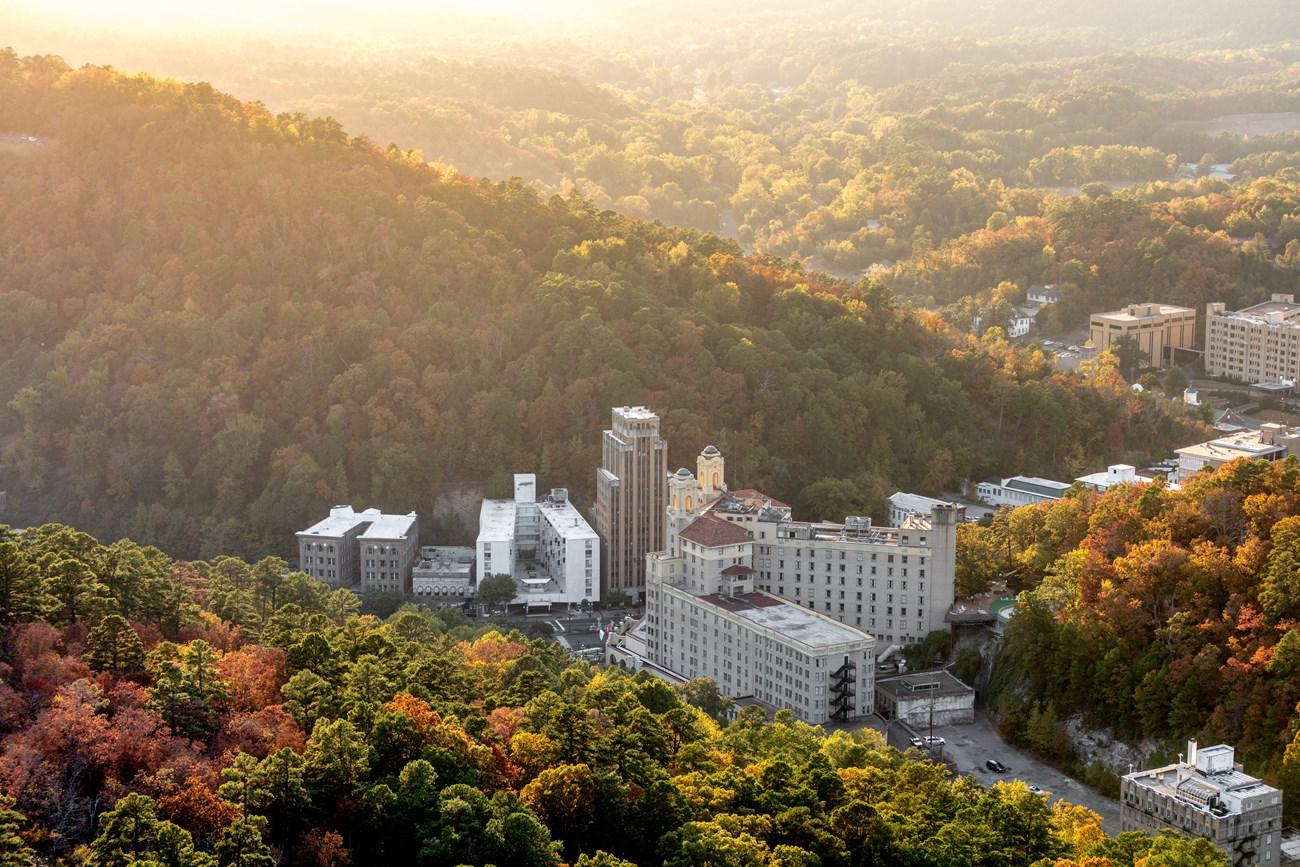 Hot Springs
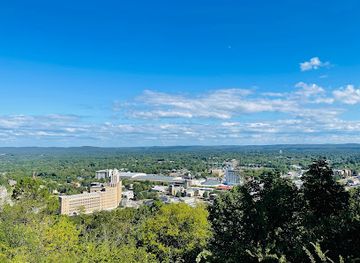
, Arkansas blends thermal waters, Bathhouse Row, mountain scenery, historic architecture, arts, racing and lively Southern cuisine and arts.
-

-

-

-

-


Swipe for more cities
Destinations in Lower Delta
Resorts, valleys and scenic spots worth a trip of their own.
-
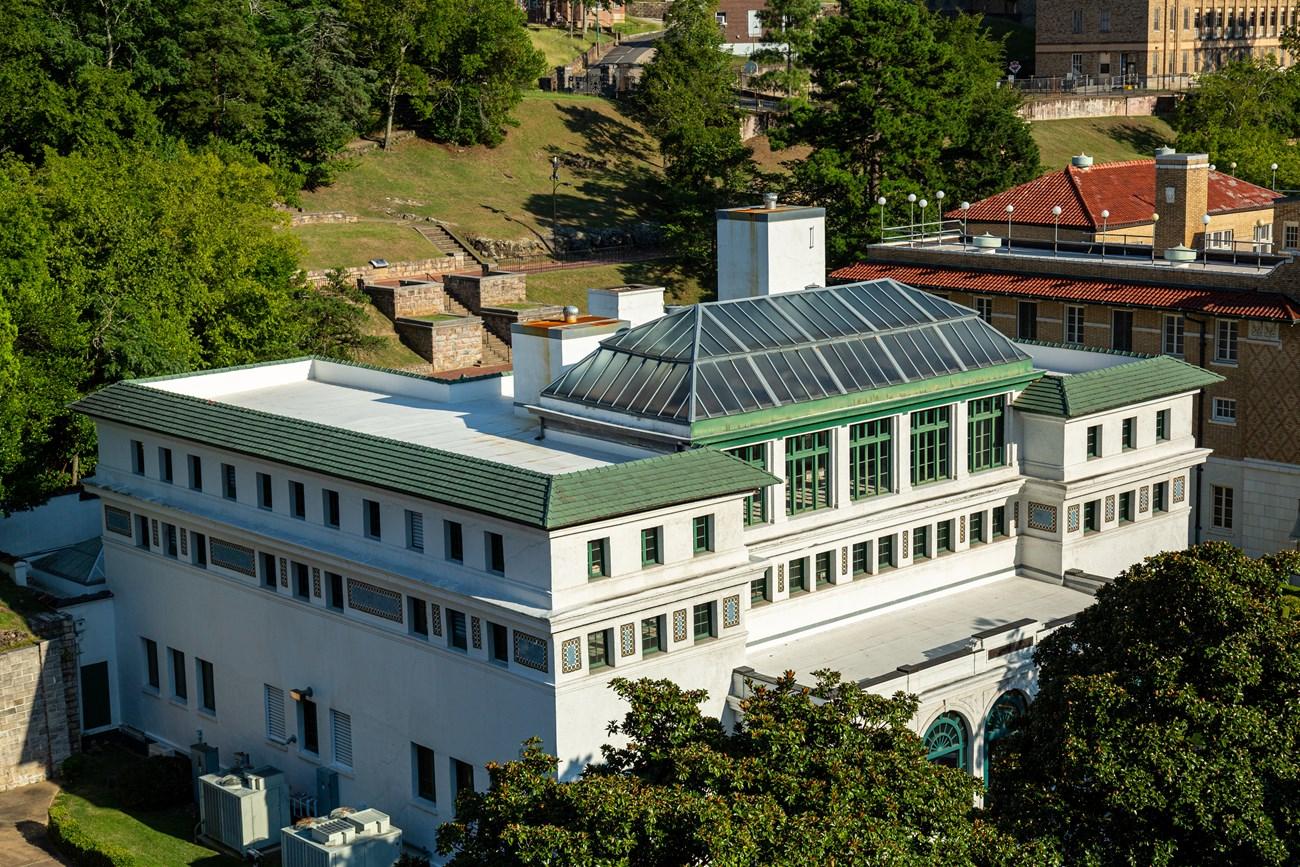 Hot Springs National Park
 in Arkansas pairs historic Bathhouse Row with thermal waters, forested Ouachita trails, scenic drives and American spa heritage.
-


Swipe for more destinations
Best attractions in Lower Delta
Lower Delta attractions are dispersed across a landscape of water, farmland and small towns. Lake Chicot State Park near Lake Village is the region's principal outdoor destination, offering access to the state's largest natural lake for boating, fishing, swimming, picnicking and wildlife observation. The surrounding Mississippi floodplain is especially appealing to visitors interested in birdwatching and changing river landscapes. Heritage travellers can visit Lakeport Plantation, whose house, grounds and interpretation illuminate plantation life, slavery and the agricultural economy of the nineteenth century. Around McGehee, the Rohwer Heritage Site and the World War II Japanese American Internment Museum present the history of incarceration in Arkansas through memorials, exhibits and preserved landscapes. Local museums, historic courthouses, churches and downtown buildings add smaller-scale cultural interest in towns such as Dumas, Dermott, Monticello, Hamburg and Crossett. Outdoor interests range from angling and boating to photography, wildlife watching and quiet drives along the levees and back roads, always subject to public access and local conditions.
-
State park
Prairie Grove Battlefield State Park
Explore a preserved Civil War battlefield with historic homes, interactive exhibits, and immersive tours in Prairie Grove, Arkansas.
-
State park
Davidsonville Historic State Park
Step back in time at Davidsonville Historic State Park, where Arkansas's frontier past comes to life through history and outdoor exploration.
-
State park
Louisiana Purchase State Park
Walk the boardwalk through history at the Louisiana Purchase State Park, marking the origin of the Louisiana Purchase survey.
-
Tourist attraction
AGFC Delta Rivers Nature Center
Explore Arkansas's Delta region with interactive exhibits, native wildlife, and scenic trails at this family-friendly nature center.
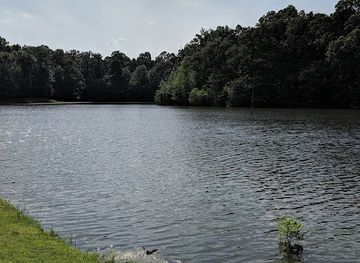
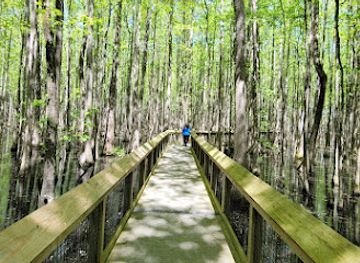
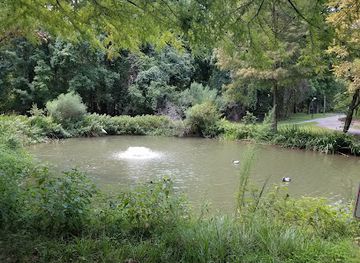
Best landmarks in Lower Delta
Lake Chicot is the Lower Delta's defining natural landmark, a broad oxbow lake formed from an old course of the Mississippi River and now central to the identity of Lake Village and the surrounding floodplain. Lakeport Plantation near Lake Village is one of the region's most significant historic structures: its Greek Revival house and surviving landscape convey the scale, wealth and human cost of antebellum cotton production. At Rohwer, the cemetery, memorial and remaining landscape features mark the former Japanese American incarceration centre and give physical presence to a national history of wartime civil-rights violations. The Mississippi River levee system is another important, if functional, landmark, expressing the continuing effort to manage water in a flood-prone agricultural plain. In the towns, courthouse squares, early commercial blocks, churches and historic homes provide a less monumental but equally revealing record of settlement, segregation, commerce and community life in southeastern Arkansas.
-
National park
Hot Springs National Park
Explore the enchanting beauty and rich history of Hot Springs National Park, where nature and culture blend seamlessly in Arkansas.
-
Casino
Oaklawn Racing Casino Resort
Discover the ultimate entertainment experience at Oaklawn Racing Casino Resort, where thrilling horse racing meets vibrant casino gaming in Hot Springs, Arkansas.
-
Historical place
Fort Smith National Historic Site
Explore frontier justice, military history, and Native American heritage at this significant National Historic Site in Fort Smith, Arkansas.
-
Park
Craighead Forest Park
Discover the tranquility and outdoor adventures of Craighead Forest Park in Jonesboro, Arkansas, a perfect retreat for families and nature enthusiasts alike.


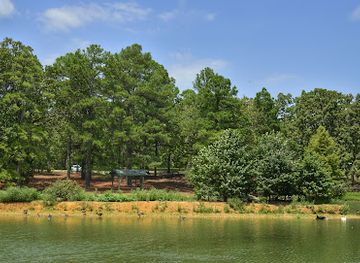
Explore Lower Delta on the map
Plan your trip on one map. See where the top cities, national parks and sights are, and book hotels and experiences in a few clicks.
Best hotels in Lower Delta
Best restaurants in Lower Delta
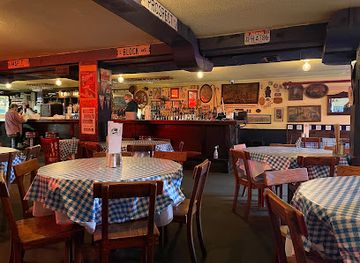
Lower Delta dining reflects the agricultural and African American food traditions of the wider Arkansas Delta, with catfish, fried fish, barbecue, chicken, rice, beans, greens, cornbread and sweet desserts appearing in family restaurants, cafés and informal community settings. Rice is particularly appropriate to the landscape, where irrigated fields are a defining part of the agricultural economy, while catfish connects local menus with the region's ponds, rivers and aquaculture industry. Lake Village, McGehee, Monticello, Dumas and Hamburg offer the broadest choice of everyday dining, including diners, takeaway counters and Southern-style restaurants; smaller communities may have limited hours and fewer alternatives. Farmers' markets and seasonal roadside stands can provide fruit, vegetables and preserves, though availability follows the growing season. Visitors should expect generous, practical cooking rather than a concentrated restaurant district, and should check opening arrangements before making a long journey to a rural establishment.
-
Hamburger
Hugo's
Discover the vibrant culinary scene at Hugo's in Fayetteville – where gourmet burgers meet an inviting atmosphere.
-
Pub
Pedaler's Pub
Experience the best of Bentonville at Pedaler's Pub—where delicious pizza meets refreshing drinks in a vibrant atmosphere.
-
Restaurant
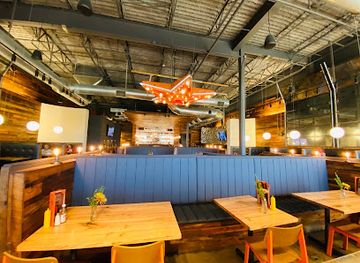
Big Orange : Rogers
Discover gourmet burgers and unique drinks at Big Orange in Rogers - the ultimate dining destination for food lovers.
-
American
Gaston's Restaurant
Discover exquisite American cuisine and breathtaking river views at Gaston's Restaurant in Lakeview, Arkansas – a culinary treasure not to be missed.


Best bars in Lower Delta
Evening life in Lower Delta is centred on traditional bars, neighbourhood pubs, restaurants, community events and informal gatherings rather than a large nightclub scene. Monticello, with the University of Arkansas at Monticello, has the region's most substantial concentration of youthful and cultural activity, while Lake Village, McGehee, Dumas and Hamburg provide local restaurants, casual drinking places and occasional live music. In smaller towns, venues may serve as social meeting places as much as nightlife destinations, and closing times and entertainment schedules can vary. Some restaurants and bars highlight Arkansas beers or Southern spirits, but alcohol is not necessary to engage with the region's evening culture. Visitors should arrange transport before travelling between rural communities, as taxis and late-night public transport are limited and roads can be dark and isolated.
-
Bar
Flying Saucer Draught Emporium
Experience the best of craft beer and American cuisine at Flying Saucer Draught Emporium in Little Rock, Arkansas - a must-visit for beer lovers!

Best nightclubs in Lower Delta
Evening life in Lower Delta is centred on traditional bars, neighbourhood pubs, restaurants, community events and informal gatherings rather than a large nightclub scene. Monticello, with the University of Arkansas at Monticello, has the region's most substantial concentration of youthful and cultural activity, while Lake Village, McGehee, Dumas and Hamburg provide local restaurants, casual drinking places and occasional live music. In smaller towns, venues may serve as social meeting places as much as nightlife destinations, and closing times and entertainment schedules can vary. Some restaurants and bars highlight Arkansas beers or Southern spirits, but alcohol is not necessary to engage with the region's evening culture. Visitors should arrange transport before travelling between rural communities, as taxis and late-night public transport are limited and roads can be dark and isolated.
-
Night club
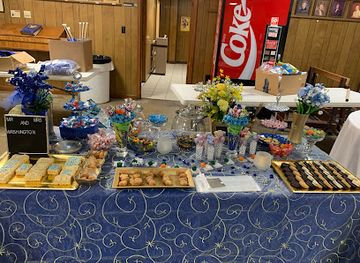
Delta Shrine Club
Discover the Delta Shrine Club, a vibrant night club in West Memphis, perfect for unforgettable celebrations and exciting nightlife.
Best shops in Lower Delta
Shopping in Lower Delta is concentrated in the high streets and commercial areas of Monticello, Hamburg, Lake Village, McGehee and Dumas rather than in a single regional retail district. Independent shops, practical local businesses, antique dealers, bookshops and small galleries appear alongside national retailers, while courthouse-square areas can contain the strongest concentration of older architecture and locally owned commerce. Farmers' markets and roadside stands offer seasonal produce, preserves and other food products when operating, and local restaurants or food shops may sell regional specialities such as rice, sauces and sweets. Visitors interested in heritage can look for books on Delta history, African American history, plantation life and Japanese American incarceration, although stock varies considerably. Craft and antique shopping is usually best approached as part of a wider town visit, with opening days and hours checked before travelling between widely spaced communities.
-
Truck stop
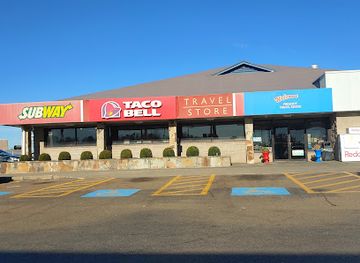
TA Travel Center
Discover the TA Travel Center in Prescott, a comprehensive truck stop offering convenience, fuel, and repair services for all travelers.
-
Truck stop
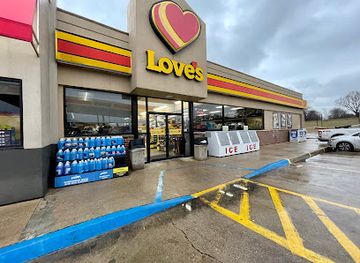
Love's Travel Stop
Explore Love's Travel Stop in Prescott, Arkansas for 24/7 convenience, quality food, and essential supplies for every traveler.
-
Animal feed store
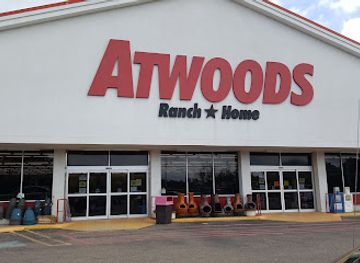
Atwoods
Discover Atwoods in Hope, Arkansas – your go-to destination for animal feed, hardware, home goods, and Western apparel.
-
Flea market
Junk-Shun Barn Flea Market
Explore unique antiques and crafts at Junk-Shun Barn Flea Market, a treasure trove for collectors and tourists in Harrison, Arkansas.

Get your free copy of our complete guide to Lower Delta, delivered straight to you.
Everything on this page, from attractions and restaurants to essentials and local phrases, in one PDF you can read offline, print or share.
Already have an account? Sign in
Your Lower Delta guide is ready.
We'll send it to · Not you? Sign out

Getting your guide ready…
We are putting together a fresh copy of the Lower Delta guide. This can take up to a minute.
This can take a few moments. If your browser asks, choose Allow so the download can start. You'll find the guide in your Downloads folder.
Nothing happened? Download it again
Sorry, the guide is taking longer than usual. Please try again in a minute, or get it by email instead.
Lower Delta essentials
Currency and Payment
Safety
Emergency Situations
Do's and Don'ts
Local Tips
From Eve
Local phrases worth knowing
You don't need to get them perfect. A few words go a long way, and locals appreciate the effort.
Basics
| English | Local | Say it |
|---|---|---|
| Hello | Howdy | [hau-dee] |
| Goodbye | See ya later | [see ya lay-ter] |
| Yes | Yep | [yehp] |
| No | Nope | [nohp] |
| Please/You're welcome | Please/No problem | [pleez/no prob-lum] |
| Thank you | Thanks a bunch | [thangs a bunch] |
| Excuse me/Sorry | Excuse me/Sorry 'bout that | [ex-kyoos mee/sor-ree 'bout that] |
| How are you? | How ya doin'? | [how ya doin'?] |
| Fine. And you? | I'm good. You? | [I'm good. You?] |
| Do you speak English? | Ya speakin' English? | [ya speekin' ing-glish?] |
| I don't understand | I ain't followin' | [I ain't fol-lowin'] |
Eating & Drinking
| English | Local | Say it |
|---|---|---|
| I'd like to see the menu, please | Can I see the menu, please? | [can I see the men-yoo, pleez?] |
| I don't eat meat | I don't eat no meat | [I don't eet no meet] |
| Cheers! | Cheers! | [cheers] |
| I would like to pay, please | I wanna pay, please | [I wanna pay, pleez] |
Emergencies
| English | Local | Say it |
|---|---|---|
| Help! | Help! | [help] |
| Go away! | Get outta here! | [get outta here] |
| Call the Police! | Call the cops! | [call the cops] |
| Call a doctor! | Get a doctor! | [get a doc-tor] |
| I'm lost | I’m lost | [I'm lost] |
| I'm ill | I'm feelin' sick | [I'm feelin' sick] |
Shopping
| English | Local | Say it |
|---|---|---|
| I'd like to buy... | I wanna buy... | [I wanna buy...] |
| I'm just looking | Just lookin' | [just look-in'] |
| How much is it? | What’s it cost? | [what's it cost?] |
| That's too expensive | That's too pricey | [that's too pry-see] |
| Can you lower the price? | Can ya knock down the price? | [can ya knock down the pryce?] |
Time & Numbers
| English | Local | Say it |
|---|---|---|
| What time is it? | What time ya got? | [what time ya got?] |
| It's one o'clock | It's one o'clock | [it's one o'clock] |
| Half past (10) | Half past ten | [half past ten] |
| Morning | Mornin' | [mornin'] |
| Afternoon | Afternoon | [af-ter-noon] |
| Evening | Evenin' | [evenin'] |
| Yesterday | Yest'day | [yest-day] |
| Today | Today | [to-day] |
| Tomorrow | Tomorra | [to-morra] |
| 1 | One | [one] |
| 2 | Two | [two] |
| 3 | Three | [three] |
| 4 | Four | [four] |
| 5 | Five | [five] |
| 6 | Six | [six] |
| 7 | Seven | [seven] |
| 8 | Eight | [eight] |
| 9 | Nine | [nine] |
| 10 | Ten | [ten] |
Transport & Directions
| English | Local | Say it |
|---|---|---|
| Where's a/the...? | Where's the...? | [where's the...?] |
| What's the address? | What’s the address? | [what's the ad-dress?] |
| Can you show me (on the map)? | Can ya show me on the map? | [can ya show me on the map?] |
| When's the next (bus)? | When's the next bus? | [when's the next bus?] |
| A ticket (to ....) | A ticket to... | [a tick-et to...] |
History of Lower Delta
Indigenous Landscapes and River Settlement
Long before Arkansas became a state, the Mississippi and Arkansas river lowlands supported Indigenous communities whose lives were organised around waterways, seasonal resources and fertile floodplain soils. The Quapaw are especially important to the history of the lower Arkansas River and southeastern region, while earlier peoples left archaeological traces across the wider Delta. Rivers were routes of movement, exchange and communication, but they could also shift course and transform settlement patterns. Present-day landscape features such as bayous, natural levees and former channels are part of this much older human geography.
Plantation Agriculture and Enslavement
During the nineteenth century, cotton cultivation expanded across the Lower Delta, supported by enslaved African American labour and access to river transport. Large plantations and smaller farms altered wetlands, forests and settlement patterns, while cotton wealth shaped the architecture and commercial life of communities such as Lake Village and surrounding river towns. Lakeport Plantation, built in the 1850s near Lake Village, remains an important surviving witness to this period. Its history is inseparable from the enslaved people whose labour made plantation production possible and from the profound disruption caused by emancipation and the Civil War.
The Civil War and the Mississippi River
The Lower Delta's rivers and agricultural resources made it strategically important during the American Civil War. Control of the Mississippi and Arkansas waterways affected military movement, trade and the protection of Confederate supply networks. Fortifications, troop movements and wartime disruption reached communities across the lowlands, while enslaved people used the upheaval to seek freedom and redefine their lives. Although many physical wartime traces have disappeared, the period remains central to the interpretation of plantation landscapes, river settlements and the transformation of Arkansas from a slave state to a state shaped by emancipation and Reconstruction.
Reconstruction, Cotton and the Delta Economy
After the Civil War, the Lower Delta economy was rebuilt around cotton, tenancy and sharecropping rather than an immediate transformation of land ownership. African American communities established churches, schools, businesses and political networks despite discriminatory laws and violence. Railways and river landings helped connect isolated farming districts with markets, while later mechanisation reduced the need for agricultural labour and accelerated population change. The resulting landscape of extensive fields, small communities and dispersed historic buildings reflects both the productivity of Delta agriculture and the social inequalities that accompanied it.
Japanese American Incarceration at Rohwer and Jerome
During the Second World War, the United States government forcibly removed Japanese Americans from the West Coast and confined many of them in inland camps. The Rohwer War Relocation Center in Desha County operated from 1942 to 1945, and the Jerome Relocation Center in southeastern Arkansas operated nearby in Drew County. Thousands of people lived under military restrictions in barracks surrounded by agricultural land and barbed wire. The Rohwer site, cemetery and memorial landscape preserve a difficult national history of wartime racism, citizenship and civil liberties, and are among the Lower Delta's most significant historical places.
Mechanisation, Migration and Contemporary Change
From the mid-twentieth century, tractors, mechanical cotton harvesting and changes in agricultural organisation transformed the Lower Delta. Fewer farm workers were required, contributing to the Great Migration of African Americans to cities elsewhere in the United States, while many rural towns lost population and commercial activity. At the same time, rice, soybeans, timber and other crops became increasingly important alongside cotton. Contemporary Lower Delta communities retain strong agricultural, African American and river cultures, while museums, historic properties and heritage projects work to interpret the region's complicated past.
Lower Delta in Photos
Browse through our photo collection highlighting the charm and character of the destination.
Neighbouring regions of Lower Delta
The closest regions to Lower Delta, if you have time for more than one.
-

-
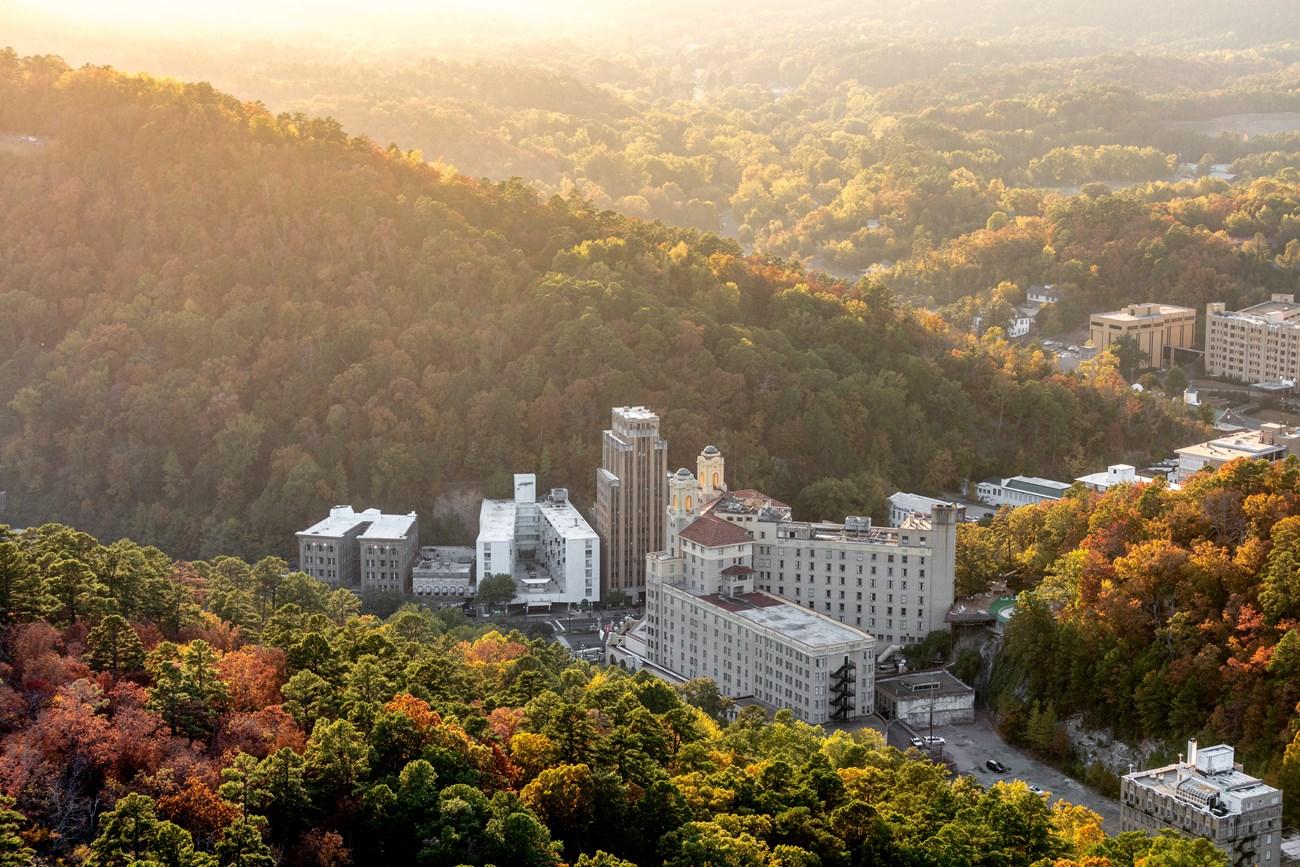 Timberlands
Explore Timberlands in southern Arkansas for pine forests, oil-boom history, historic towns, quiet waterways and authentic regional food.
-
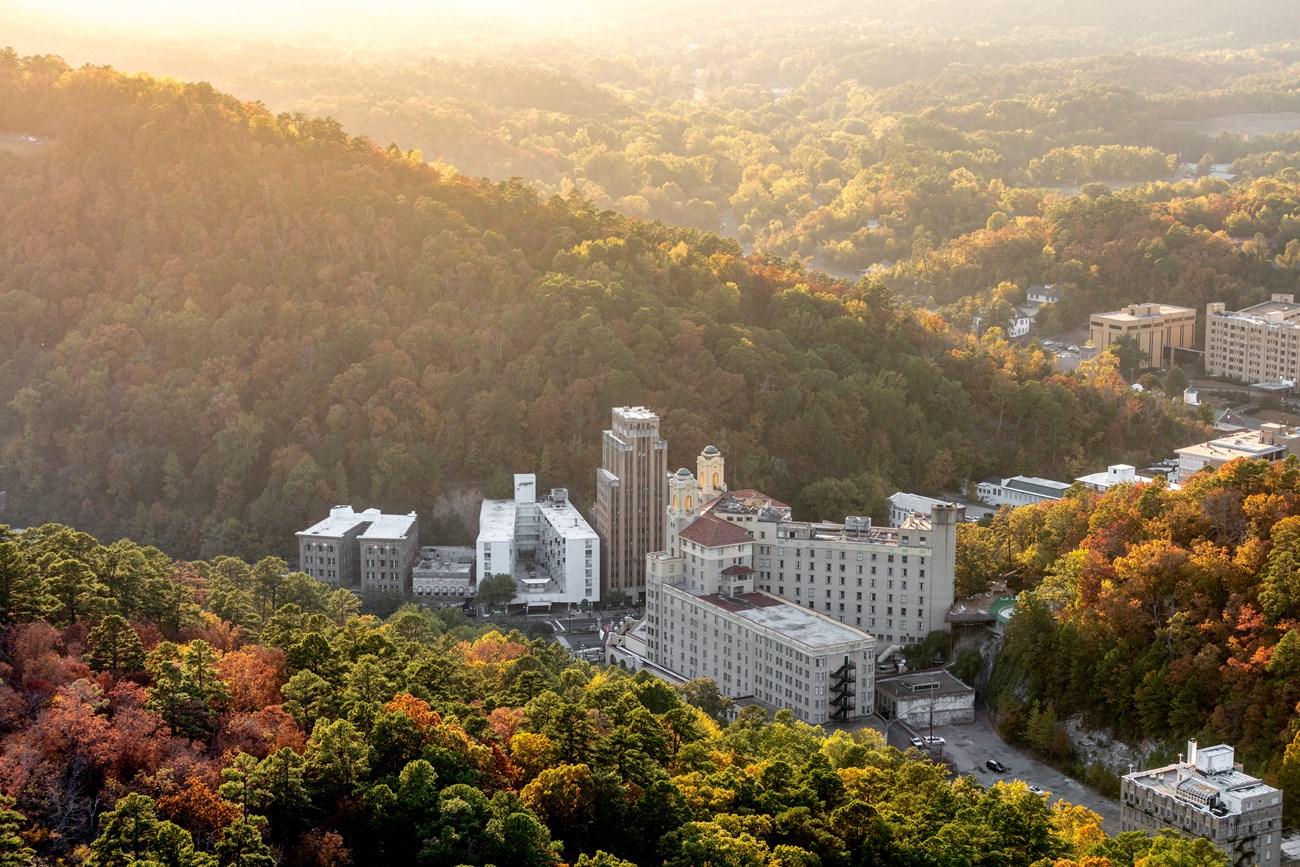 Arkansas Timberlands
Explore Arkansas Timberlands for pine forests, Delta waterways, historic towns, fishing lakes and the layered heritage of south-eastern Arkansas.
-

-
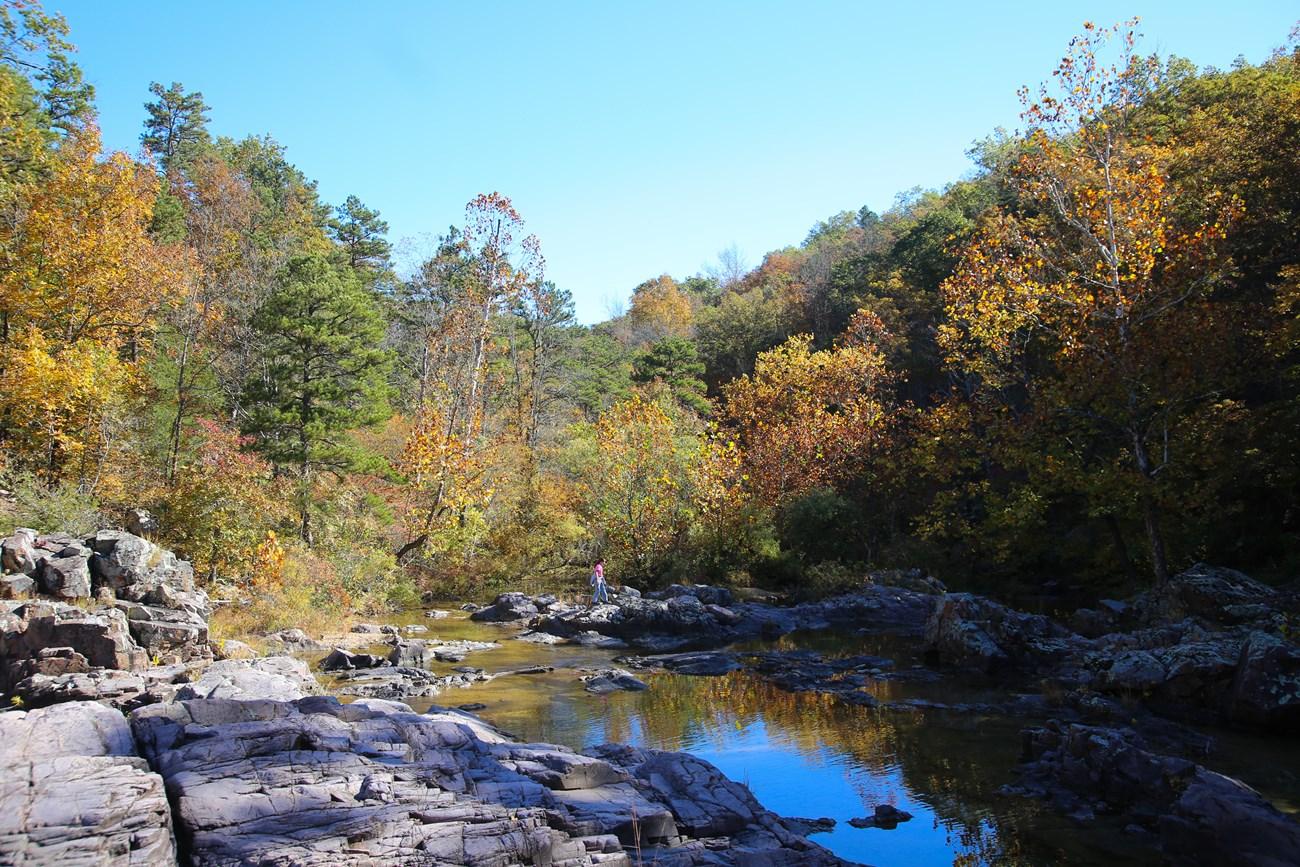 Mississippi Alluvial Plain
Explore Arkansas's Mississippi Alluvial Plain for river towns, Delta history, rice country, blues heritage, wildlife refuges and quiet waterways.


Swipe for more regions
Explore more

Explore more of Arkansas
Explore Arkansas: The Natural State with its stunning landscapes, rich history, and vibrant cultural experiences. Perfect for adventurers and culture seekers alike.
Explore Arkansas