

Free Central Arkansas Travel Guide & Mobile App
Explore Central Arkansas with free travel guides. Discover regional history, expert tips, proposed trips, and audio guides on web or mobile app.


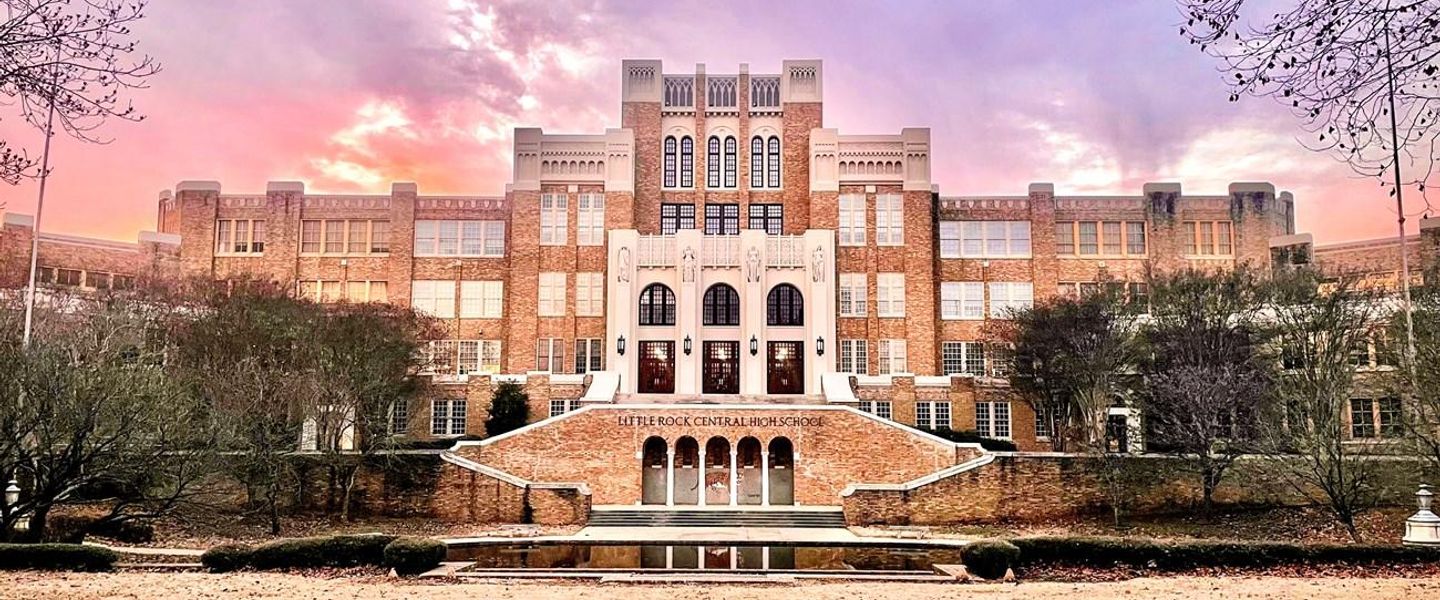


Central Arkansas combines Little Rock museums, civil-rights history, river trails, wooded parks, Southern food and easy access to the state's interior.
Read more about Central Arkansas
Getting to and around Central Arkansas
How to get there
Transportation
Top city travel guides in Central Arkansas
The cities of Central Arkansas, and the easiest places to base yourself.
-
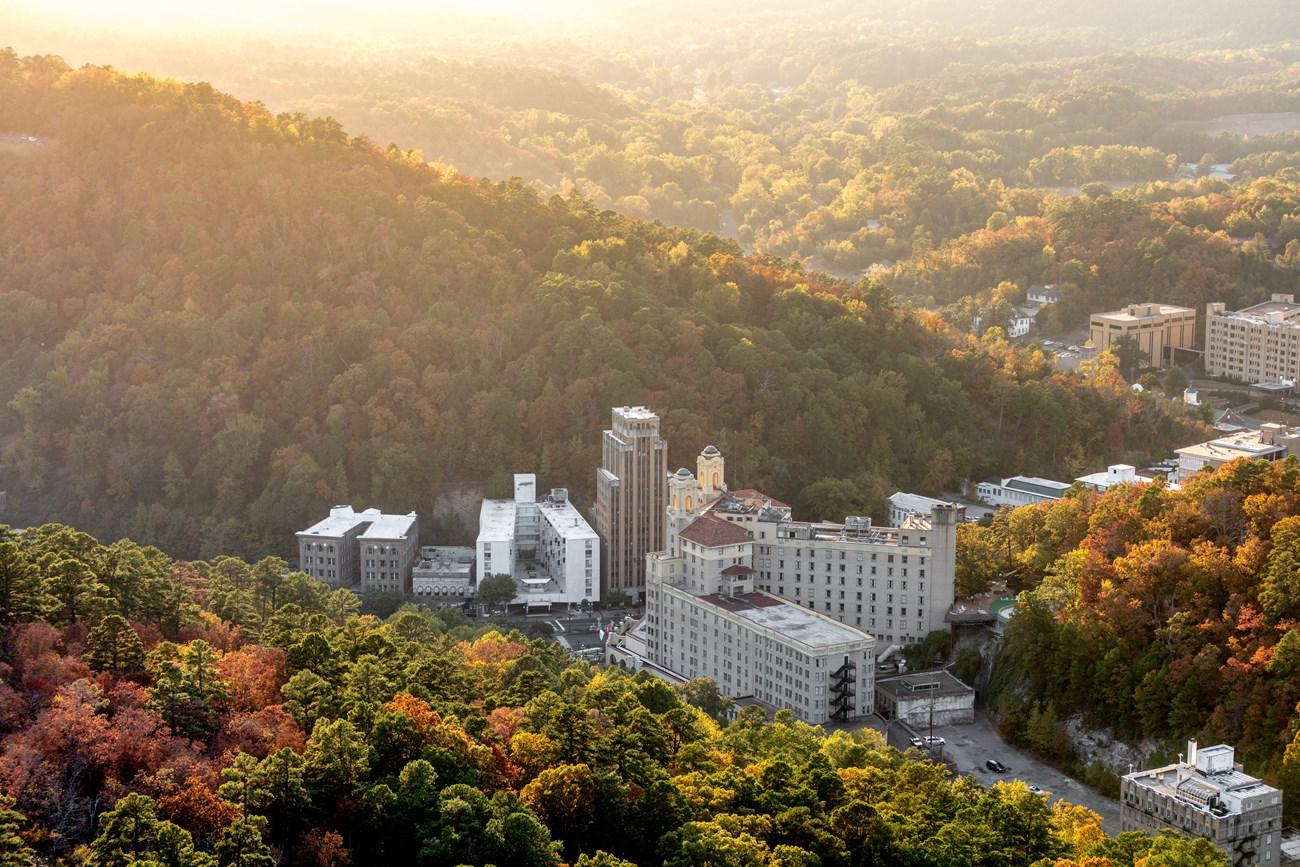 Hot Springs
, Arkansas blends thermal waters, Bathhouse Row, mountain scenery, historic architecture, arts, racing and lively Southern cuisine and arts.
-

-

-

-

-


Swipe for more cities
Destinations in Central Arkansas
Resorts, valleys and scenic spots worth a trip of their own.
-
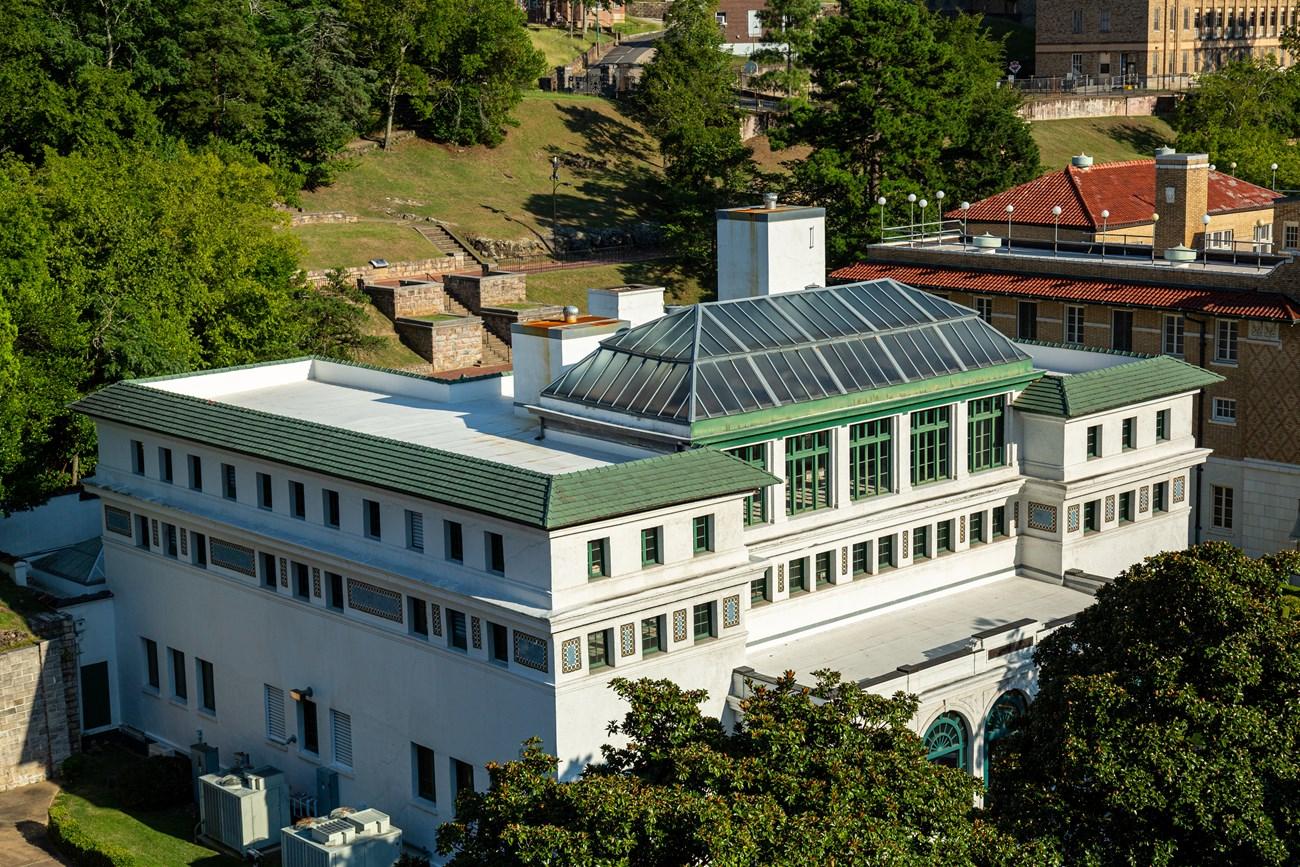 Hot Springs National Park
 in Arkansas pairs historic Bathhouse Row with thermal waters, forested Ouachita trails, scenic drives and American spa heritage.
-

-

-


Swipe for more destinations
Best attractions in Central Arkansas
Central Arkansas's attractions combine the museums and civic institutions of Little Rock with riverfront recreation, historic neighbourhoods and accessible countryside. The Central High School National Historic Site is essential for understanding the 1957 school-integration crisis, while the Old State House, Arkansas State Capitol, Museum of Discovery, Arkansas Museum of Fine Arts and Clinton Presidential Center offer different perspectives on politics, science, art and recent national history. Across the Arkansas River, the Arkansas Inland Maritime Museum preserves the submarine USS Razorback and the tugboat Hoga. Outdoor options include the Arkansas River Trail, Pinnacle Mountain State Park, Lake Maumelle and wooded areas near the metropolitan edge. Historic houses, military collections, live-performance venues and family-oriented museums broaden the cultural programme, while Conway and the communities south and east of Little Rock provide smaller-town settings and access to lakes, farms and open landscapes.
-
National park
Hot Springs National Park
Experience the unique blend of thermal springs, historic bathhouses, and scenic beauty in the heart of Hot Springs National Park, Arkansas.
-
State park
Petit Jean State Park
Discover Arkansas's first state park: breathtaking views, historic sites, and outdoor adventures await at Petit Jean State Park.
-
State park
Crater of Diamonds State Park
Discover the thrill of diamond hunting at Crater of Diamonds State Park, the only place in the world where you can dig for real diamonds.
-
Tourist attraction
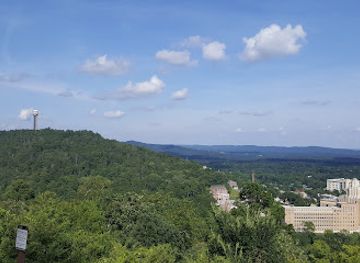
Hot Springs Mountain Tower
Reach new heights at Hot Springs Mountain Tower for unmatched views of Hot Springs National Park and the Ouachita Mountains.


Best landmarks in Central Arkansas
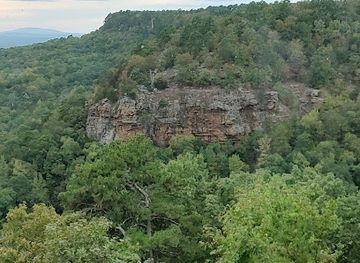
Little Rock Central High School is Central Arkansas's most internationally significant landmark: its broad 1920s façade and still-functioning school embody the confrontation over desegregation in 1957. The Arkansas State Capitol, modelled in part on Washington's Capitol, gives the capital a formal civic focus, while the Old State House preserves the earlier seat of Arkansas government. In the historic Quapaw Quarter, late-nineteenth- and early-twentieth-century houses illustrate the city's residential growth and architectural variety. The Little Rock Arsenal buildings in MacArthur Park connect the city to its military history, and the Clinton Presidential Center is a prominent modern addition beside the river. Outside the central city, Pinnacle Mountain is the region's defining natural landmark, rising above surrounding forests, Lake Maumelle and the Arkansas River Valley with distinctive east and west summits.
-
National park
Hot Springs National Park
Explore the healing waters and breathtaking trails of Hot Springs National Park, a unique blend of nature and history in Arkansas.
-
Historical landmark
The Old Mill
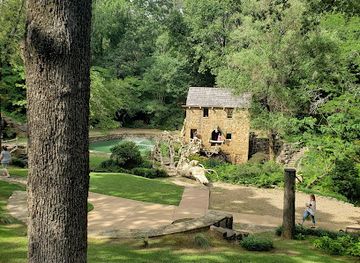
Step back in time at The Old Mill in North Little Rock, a picturesque landmark featured in 'Gone With the Wind'. A unique blend of art, history, and nature.
-
State park
Lake Catherine State Park
Experience the serenity of Lake Catherine State Park in Arkansas, where nature meets adventure in stunning mountain landscapes.
-
Historical place
Fort Smith National Historic Site
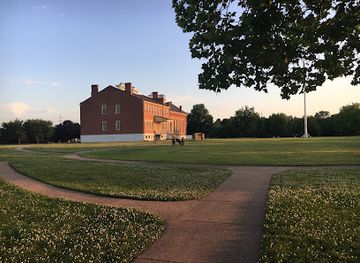
Explore frontier justice and military history at Fort Smith National Historic Site, where the past comes alive on the edge of the American West.


Explore Central Arkansas on the map
Plan your trip on one map. See where the top cities, national parks and sights are, and book hotels and experiences in a few clicks.
Best hotels in Central Arkansas
Best restaurants in Central Arkansas
Central Arkansas dining reflects Southern traditions without being limited to them. Barbecue, fried catfish, biscuits, cornbread, greens and seasonal produce are widely represented, while local restaurants also draw on the state's rice-growing and agricultural economy. Little Rock and North Little Rock have the region's broadest choice, from independent cafés and food halls to contemporary American, Mexican, Vietnamese, Mediterranean and other international kitchens. Conway, Benton and Bryant add neighbourhood restaurants, bakeries and casual dining, while rural roads lead to family-run eateries and traditional country cooking. Farmers' markets and specialist food shops are useful places to find Arkansas produce, preserves and baked goods when operating. Local breweries commonly provide food alongside their beers, and Southern hospitality is reflected in the importance of breakfast, brunch and relaxed, generous portions.
-
Buffet
Golden Corral Buffet & Grill
Experience the best of American cuisine at Golden Corral Buffet & Grill in North Little Rock – perfect for families and food lovers alike.
-
Sports bar
Twin Peaks
Experience American cuisine with a sports twist at Twin Peaks in Little Rock - where great food meets lively entertainment.
-
American
Black Bear Diner North Little Rock
Experience Southern hospitality at Black Bear Diner in North Little Rock—where hearty breakfasts meet mouthwatering American classics.
-
American
Cracker Barrel Old Country Store
Experience authentic Southern cuisine at Cracker Barrel Old Country Store in North Little Rock - where comfort food meets charming decor.


Best bars in Central Arkansas
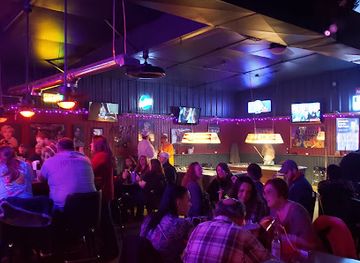
Evening life is concentrated in Little Rock and North Little Rock, where downtown streets, the River Market area, Argenta and nearby neighbourhoods offer pubs, cocktail bars, breweries, wine bars, restaurants and live-music venues. The city has a more substantial cultural and late-evening choice than the surrounding towns, including theatre, concerts and occasional larger events, although it is not a major national clubbing centre. Conway has a youthful bar and restaurant scene connected with its universities, while Benton, Bryant and other communities tend towards local pubs, breweries, live music and early-evening dining. In rural Central Arkansas, evenings are generally quieter and car-dependent. Check current arrangements for venues and events, as opening patterns can change, and do not drink and drive.
-
Sports bar
Twin Peaks
Experience the ultimate sports bar ambiance at Twin Peaks in Little Rock, where delicious American food and exciting games come together for a perfect outing.
-
Bar
Ohio Club
Experience the vibrant history, delicious American cuisine, and live music at The Ohio Club in Hot Springs National Park, a must-visit bar and grill.
-
Grill
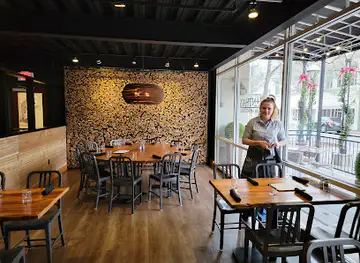
Samantha's Tap Room & Wood Grill
Experience the tantalizing flavors of wood-grilled dishes and craft beverages at Samantha's Tap Room & Wood Grill in Little Rock.
-
American
Bubba Brews - On Lake Hamilton
Experience the perfect blend of American cuisine and breathtaking views at Bubba Brews on Lake Hamilton, a top dining destination in Hot Springs, Arkansas.



Best nightclubs in Central Arkansas
Evening life is concentrated in Little Rock and North Little Rock, where downtown streets, the River Market area, Argenta and nearby neighbourhoods offer pubs, cocktail bars, breweries, wine bars, restaurants and live-music venues. The city has a more substantial cultural and late-evening choice than the surrounding towns, including theatre, concerts and occasional larger events, although it is not a major national clubbing centre. Conway has a youthful bar and restaurant scene connected with its universities, while Benton, Bryant and other communities tend towards local pubs, breweries, live music and early-evening dining. In rural Central Arkansas, evenings are generally quieter and car-dependent. Check current arrangements for venues and events, as opening patterns can change, and do not drink and drive.
-
Comedy club
Loony Bin Comedy Club
Discover the hilarity and vibrant nightlife at Loony Bin Comedy Club in Little Rock, Arkansas, where laughter and great drinks await.
-
Lake
Lake Ouachita
Experience the breathtaking beauty and diverse outdoor activities at Lake Ouachita, Arkansas' largest man-made lake, perfect for nature lovers and adventurers.
-
Event venue
Club 27
Discover the vibrant nightlife and dance culture at Club 27, Little Rock's premier event venue and dance club.
-
Karaoke bar
Jimmy Ray's Karaoke and Dance Club
Discover the rhythm of North Little Rock at Jimmy Ray's Karaoke and Dance Club - where every night is a chance to sing, dance, and connect.


Best shops in Central Arkansas
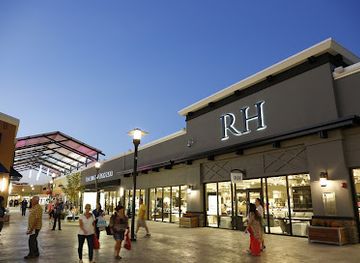
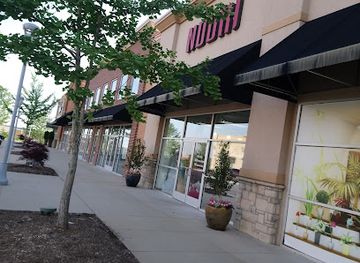
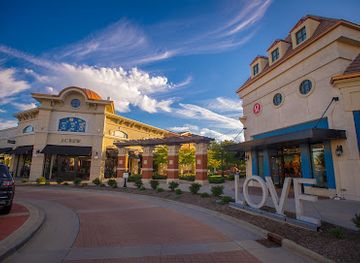
Shopping in Central Arkansas ranges from urban independent retail to practical suburban centres and small-town main streets. Little Rock's neighbourhoods and downtown districts contain boutiques, bookshops, galleries, gift shops, design stores and specialist food retailers, while North Little Rock's Argenta area combines local businesses with restaurants and cultural venues. Conway, Benton and Bryant offer further independent shops and everyday retail, although the character is more local and community-oriented than metropolitan luxury shopping. Farmers' markets, when in season, are useful for Arkansas-grown produce, preserves, baked goods and locally made products. Visitors can also look for regional art, handmade pottery, woodwork, textiles and books on Arkansas history. For distinctive purchases, prioritise work by local artists and producers rather than generic souvenirs; market dates and individual traders vary throughout the year.
-
Outlet mall
Outlets of Little Rock
Discover unbeatable deals and a diverse shopping experience at the Outlets of Little Rock, Arkansas's premier outlet mall for fashion and fun.
-
Shopping mall
Shackleford Crossings
Explore Shackleford Crossings, your go-to shopping destination in Little Rock, filled with diverse stores, delicious dining, and vibrant entertainment options.
-
Shopping mall
Promenade At Chenal
Explore the Promenade At Chenal, a premier shopping and dining destination in Little Rock, blending style, flavor, and fun in an inviting outdoor setting.
-
Shopping mall
Park Avenue Shopping Center
Explore the vibrant Park Avenue Shopping Center in Little Rock, Arkansas, your ultimate shopping and dining destination for an enjoyable day out.
Get your free copy of our complete guide to Central Arkansas, delivered straight to you.
Everything on this page, from attractions and restaurants to essentials and local phrases, in one PDF you can read offline, print or share.
Already have an account? Sign in
Your Central Arkansas guide is ready.
We'll send it to · Not you? Sign out

Getting your guide ready…
We are putting together a fresh copy of the Central Arkansas guide. This can take up to a minute.
This can take a few moments. If your browser asks, choose Allow so the download can start. You'll find the guide in your Downloads folder.
Nothing happened? Download it again
Sorry, the guide is taking longer than usual. Please try again in a minute, or get it by email instead.
Central Arkansas essentials
Currency and Payment
Safety
Emergency Situations
Do's and Don'ts
Local Tips
From Eve
Local phrases worth knowing
You don't need to get them perfect. A few words go a long way, and locals appreciate the effort.
Basics
| English | Local | Say it |
|---|---|---|
| Hello | Howdy | [hau-dee] |
| Goodbye | See ya | [see yah] |
| Yes | Yep | [yehp] |
| No | Nope | [nohp] |
| Please/You're welcome | Please/No problem | [pleez/no prob-lum] |
| Thank you | Thanks | [thangs] |
| Excuse me/Sorry | Excuse me/Sorry | [ex-kyoos mee/sor-ree] |
| How are you? | How ya doin'? | [hau yah doin'?] |
| Fine. And you? | I'm good. How 'bout you? | [I'm good. Hau 'bout yoo?] |
| Do you speak English? | Do ya speak English? | [doo yah speek ing-glish?] |
| I don't understand | I ain't followin' | [I aynt fol-lin'] |
Eating & Drinking
| English | Local | Say it |
|---|---|---|
| I'd like to see the menu, please | Can I see the menu, please? | [kan I see thuh men-yoo, pleez?] |
| I don't eat meat | I don’t eat meat | [I dohnt eet meet] |
| Cheers! | Cheers! | [cheerz] |
| I would like to pay, please | Can I get the check, please? | [kan I get thuh chek, pleez?] |
Emergencies
| English | Local | Say it |
|---|---|---|
| Help! | Help! | [help] |
| Go away! | Get outta here! | [get outta heer!] |
| Call the Police! | Call the cops! | [call thuh cops!] |
| Call a doctor! | Get a doc! | [get a dok!] |
| I'm lost | I’m lost | [I’m lost] |
| I'm ill | I ain't feelin' good | [I aynt feelin' gud] |
Shopping
| English | Local | Say it |
|---|---|---|
| I'd like to buy... | I wanna buy... | [I wanna buy...] |
| I'm just looking | I’m just lookin' | [I’m just lookin'] |
| How much is it? | How much this cost? | [How much this kost?] |
| That's too expensive | That's too pricey | [That's too pry-see] |
| Can you lower the price? | Can ya lower the price? | [kan yah loh-er thuh pryce?] |
Time & Numbers
| English | Local | Say it |
|---|---|---|
| What time is it? | What time is it? | [what taim iz it?] |
| It's one o'clock | It's one o'clock | [its wun uh-clock] |
| Half past (10) | Half past ten | [haf past ten] |
| Morning | Morning | [mor-ning] |
| Afternoon | Afternoon | [af-ter-noon] |
| Evening | Evening | [eev-ning] |
| Yesterday | Yesterday | [yes-ter-day] |
| Today | Today | [to-day] |
| Tomorrow | Tomorrow | [to-mor-row] |
| 1 | One | [wun] |
| 2 | Two | [too] |
| 3 | Three | [three] |
| 4 | Four | [for] |
| 5 | Five | [fiv] |
| 6 | Six | [siks] |
| 7 | Seven | [sev-en] |
| 8 | Eight | [ate] |
| 9 | Nine | [nyn] |
| 10 | Ten | [ten] |
Transport & Directions
| English | Local | Say it |
|---|---|---|
| Where's a/the...? | Where's a...? | [wher's a...?] |
| What's the address? | What's the address? | [wut's the ad-dress?] |
| Can you show me (on the map)? | Can ya show me on the map? | [kan yah sho mee on thuh map?] |
| When's the next (bus)? | When's the next bus? | [wenz thuh nekst bus?] |
| A ticket (to ....) | A ticket to... | [a tik-it too...] |
History of Central Arkansas
Indigenous Arkansas River Communities
Long before Arkansas became a United States state, the lower Arkansas River and surrounding central uplands were inhabited and used by Indigenous peoples, including the Quapaw, Caddo and Osage in different periods and areas. These communities maintained agricultural, hunting and trading traditions linked to the river system. European and American newcomers later imposed treaties, land transfers and settlement patterns that profoundly disrupted Indigenous life. The names of rivers and places preserve only part of this history, which is presented in greater depth at museums and heritage institutions in and around Little Rock.
Little Rock and the Territorial Capital, 1821–1836
Little Rock became the capital of Arkansas Territory in 1821, replacing the earlier territorial seat at Arkansas Post. Its position on the Arkansas River made it a practical centre for government, trade and transport, while the prominent riverbank outcrop known as the Little Rock gave the settlement its name. The Old State House, begun in the 1830s, reflects the town's emergence as a permanent political centre. Arkansas entered the Union as a state in 1836, confirming Little Rock's importance in the developing interior South.
River Trade, Railways and Urban Growth
During the nineteenth century, the Arkansas River connected central Arkansas to wider commercial networks, although navigation was affected by changing channels and seasonal conditions. Steamboat trade, cotton agriculture, timber and regional commerce supported Little Rock's growth, while railways later strengthened connections with Memphis, the Mississippi Valley and Texas. Towns such as Conway and Benton expanded as agricultural, educational and commercial centres. The resulting landscape of depots, warehouses, civic buildings and residential districts remains visible in parts of Central Arkansas, even though modern highways have altered the region's patterns of movement.
Civil War and Reconstruction
During the American Civil War, Arkansas left the Union and Little Rock became an important Confederate administrative centre before Union forces captured the capital in September 1863. The conflict disrupted plantations, trade and transportation throughout the central part of the state. Federal occupation and the post-war Reconstruction period brought political conflict, emancipation and major changes in labour and civic life. The Little Rock Arsenal area, now associated with MacArthur Park and the MacArthur Museum of Arkansas Military History, helps interpret the region's military past within the broader history of the conflict.
The New Deal and the Growth of Public Institutions
The economic crisis of the 1930s left deep marks on Arkansas, where poverty, agricultural insecurity and unemployment were widespread. New Deal programmes helped fund roads, public buildings, conservation work and rural improvements, while state and local institutions continued to expand in Little Rock. After the Second World War, suburban development, federal employment, education and improved highways transformed the capital region. These changes helped establish Central Arkansas as the state's principal administrative, commercial and cultural hub.
The Little Rock Central High Crisis, 1957
In September 1957, nine Black students attempted to integrate Little Rock Central High School after the Supreme Court had ruled that segregated public education was unconstitutional. Arkansas Governor Orval Faubus used the National Guard to block their entry, and President Dwight D. Eisenhower federalised the Guard and sent US Army troops to enforce the court order. The students, known as the Little Rock Nine, eventually attended the school under military protection. Central High, still an operating school, and the nearby National Historic Site interpret the crisis and its national significance.
Modern Little Rock and Regional Diversification
From the late twentieth century onwards, Central Arkansas broadened beyond government, agriculture and river commerce. Healthcare, education, finance, technology, logistics and cultural tourism became important parts of the regional economy, while suburban growth connected Little Rock with North Little Rock, Conway, Benton, Bryant and other communities. Major institutions such as the Clinton Presidential Center added to the capital's visitor profile, and riverfront trails, museums, breweries and creative businesses supported a more diverse contemporary identity.
Central Arkansas in Photos
Browse through our photo collection highlighting the charm and character of the destination.
Neighbouring regions of Central Arkansas
The closest regions to Central Arkansas, if you have time for more than one.
-

-

-

-
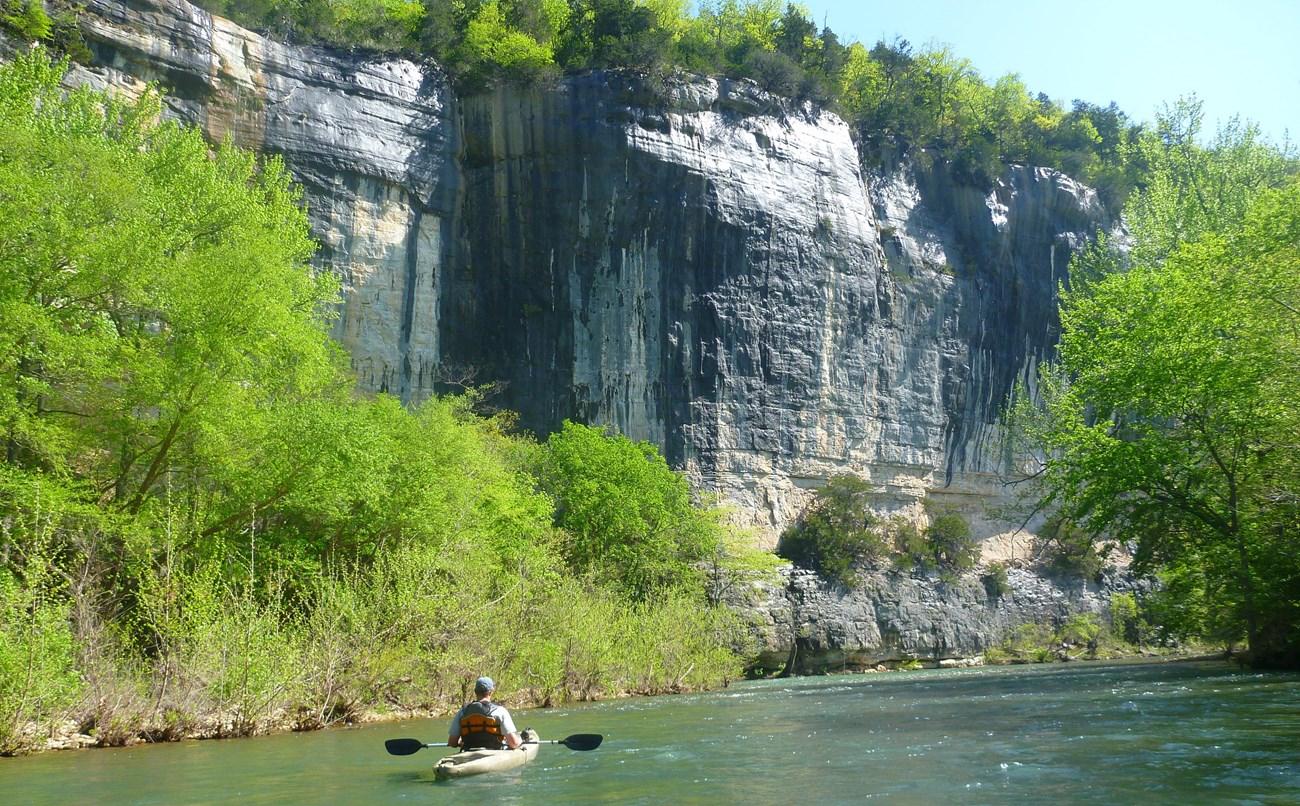 Ozark Mountains
Explore Arkansas's Ozark Mountains for limestone bluffs, clear rivers, forest trails, historic towns and enduring music traditions.
-
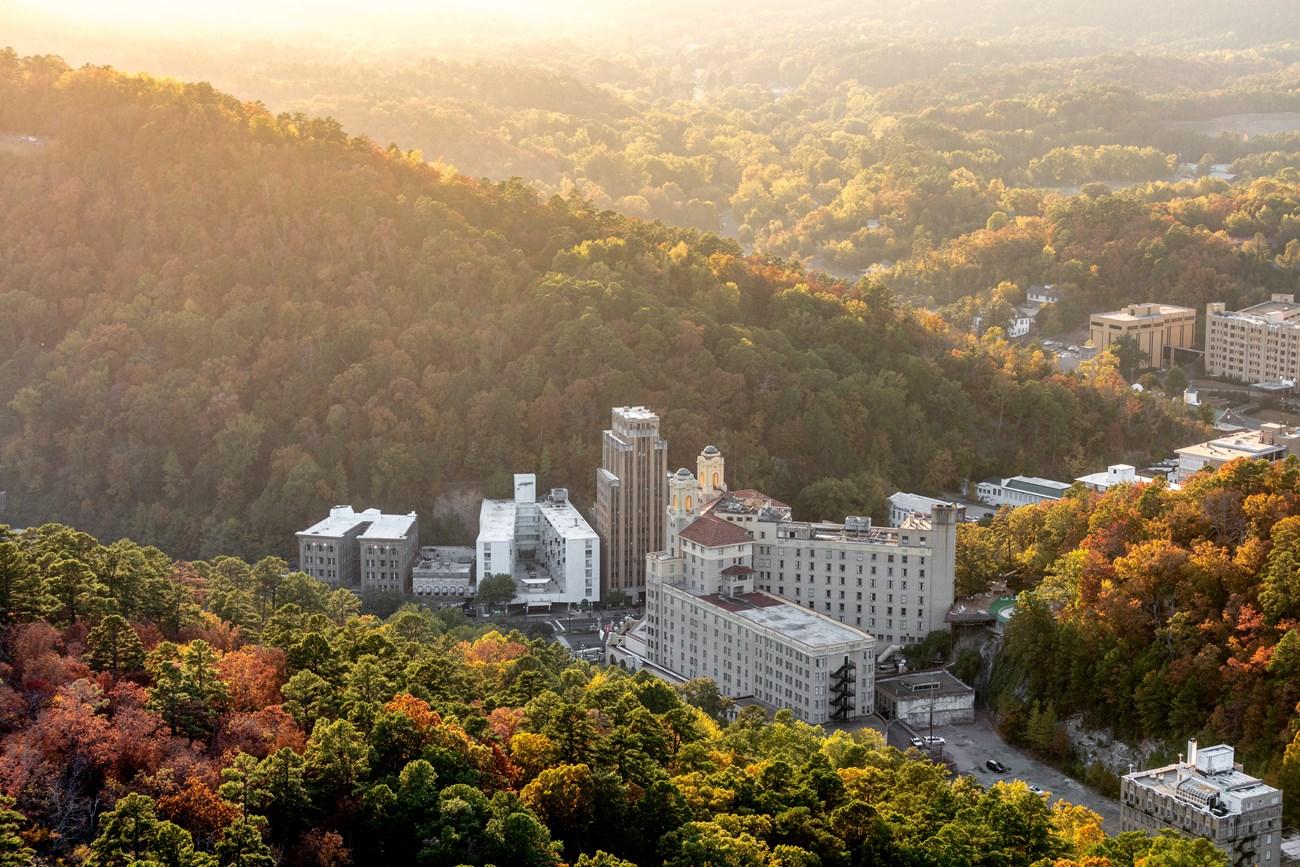 Timberlands
Explore Timberlands in southern Arkansas for pine forests, oil-boom history, historic towns, quiet waterways and authentic regional food.


Swipe for more regions
Explore more

Explore more of Arkansas
Explore Arkansas: The Natural State with its stunning landscapes, rich history, and vibrant cultural experiences. Perfect for adventurers and culture seekers alike.
Explore Arkansas