

Free Arkansas Timberlands Travel Guide & Mobile App
Explore Arkansas Timberlands with free travel guides. Discover regional history, expert tips, proposed trips, and audio guides on web or mobile app.


Explore Arkansas Timberlands for pine forests, Delta waterways, historic towns, fishing lakes and the layered heritage of south-eastern Arkansas.
Read more about Arkansas Timberlands
When is the best time to visit Arkansas Timberlands?
Best: April–May, October · 24–28°C| Month | High (°C) | Rainfall (mm) |
|---|---|---|
| January | 13 | 90 |
| February | 15 | 95 |
| March | 19 | 110 |
| April (best) | 24 | 115 |
| May (best) | 28 | 130 |
| June | 32 | 110 |
| July | 35 | 90 |
| August | 35 | 95 |
| September | 31 | 105 |
| October (best) | 25 | 100 |
| November | 18 | 105 |
| December | 13 | 110 |
Getting to and around Arkansas Timberlands
How to get there
Transportation
Top city travel guides in Arkansas Timberlands
The cities of Arkansas Timberlands, and the easiest places to base yourself.
-
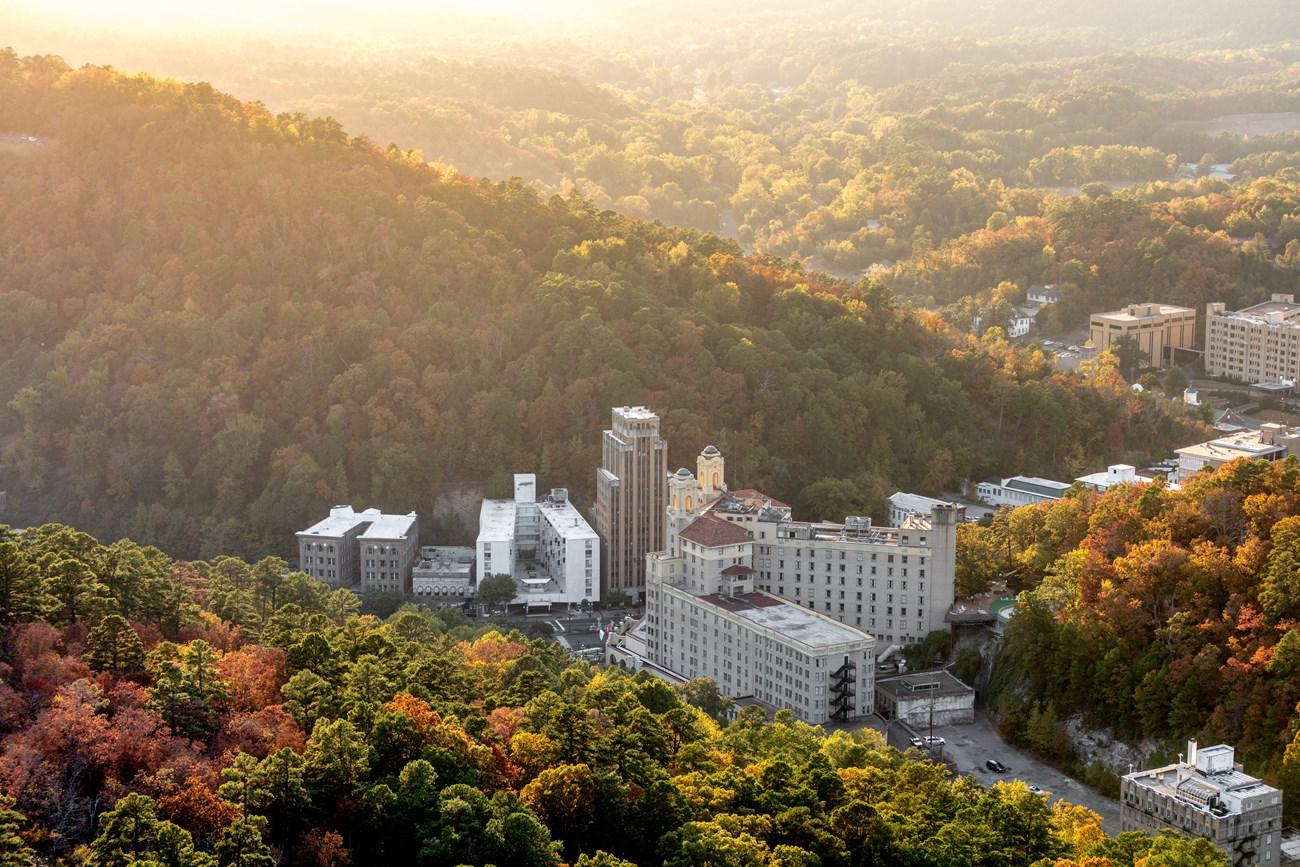 Hot Springs
, Arkansas blends thermal waters, Bathhouse Row, mountain scenery, historic architecture, arts, racing and lively Southern cuisine and arts.
-

-

-

-

-


Swipe for more cities
Destinations in Arkansas Timberlands
Resorts, valleys and scenic spots worth a trip of their own.
-

-
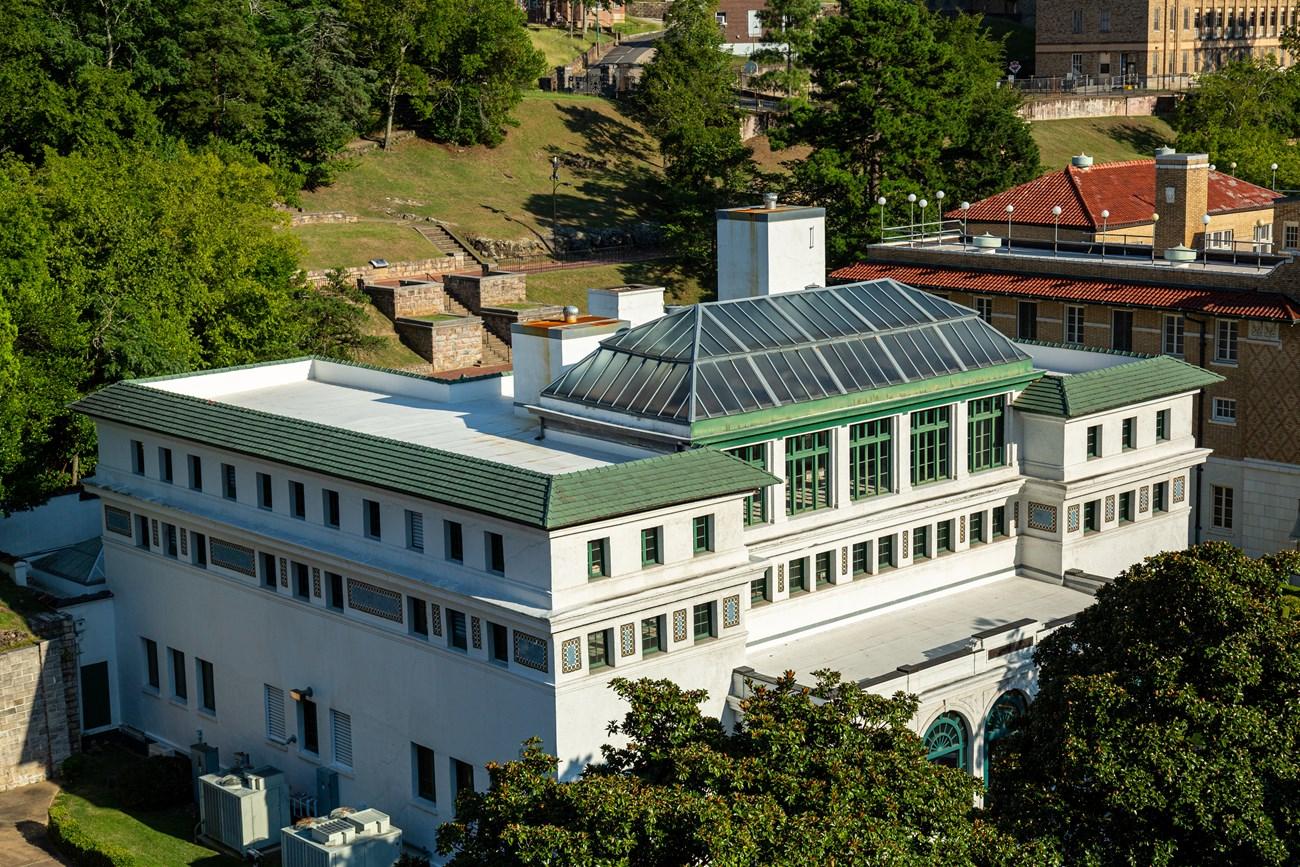 Hot Springs National Park
 in Arkansas pairs historic Bathhouse Row with thermal waters, forested Ouachita trails, scenic drives and American spa heritage.
-

-

-

-


Swipe for more destinations
Best attractions in Arkansas Timberlands
Arkansas Timberlands offers a dispersed attraction landscape built around water, forest, agriculture and local history. Lake Chicot State Park is the region's best-known large-scale recreation setting, with opportunities for boating, fishing, camping, birdwatching and walks beside a former Mississippi River channel. Cane Creek State Park near Star City combines woodland, wetlands and a reservoir suited to paddling, fishing, hiking and cycling, while Moro Bay State Park provides access to a cypress-lined wetland environment. The Delta Heritage Trail follows a former railway route through low-lying agricultural country and is especially appealing for walkers and cyclists. Small-town museums, county historical collections and historic courthouse squares add human context, particularly in Monticello, Hamburg and Warren. The former Rohwer and Jerome incarceration-camp sites offer important, reflective heritage visits rather than conventional sightseeing. Across the region, wildlife observation, seasonal hunting, boating and scenic rural drives complement the formal attractions, but conditions and facilities vary, so visitors should check access arrangements before travelling.
-
Tourist attraction
Hot Springs Mountain Tower
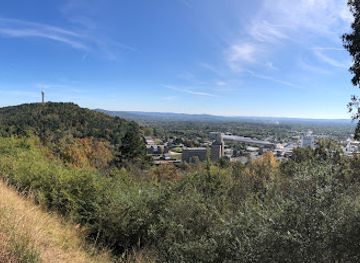
Experience breathtaking panoramic views of Hot Springs National Park and the Ouachita Mountains from the iconic Hot Springs Mountain Tower.
-
Tourist attraction
Blanchard Springs Caverns
Discover a breathtaking underground world in the Ozarks at Blanchard Springs Caverns, a living cave with stunning formations and year-round beauty.
Best landmarks in Arkansas Timberlands
The most recognisable landmarks of Arkansas Timberlands are closely tied to water, forest and memory. Lake Chicot is both a major geographical feature and a visible reminder of the shifting course of the Mississippi River, creating a broad water landscape unlike the inland pine country. The cypress-lined channels of Moro Bay and the reservoir and woodland setting of Cane Creek are defining natural landmarks as well as recreation areas. The Delta Heritage Trail is a linear historic landmark, preserving the route of a former railway through the flat agricultural landscape. In the towns, historic county courthouses, compact commercial streets and civic buildings in places such as Hamburg, Warren and Monticello express the region's long-established county-seat culture. The Rohwer and Jerome camp sites carry a different significance: their quiet fields and memorials mark the forced incarceration of Japanese Americans during the Second World War. Together these places show how Arkansas Timberlands is shaped not by one monumental cityscape but by connected landscapes of rivers, railways, timber, farming and remembrance.
-
National park
Hot Springs National Park
Discover thermal springs, historic bathhouses, and scenic trails in America's oldest national park, nestled in the heart of Hot Springs, Arkansas.
-
State park
Crater of Diamonds State Park
Discover your own treasure at Crater of Diamonds State Park, the world's only public diamond mine! A unique Arkansas adventure.
-
Historical landmark
The Old Mill
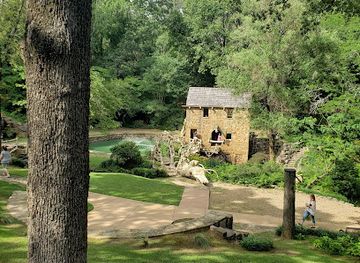
Step back in time at The Old Mill in North Little Rock, a historic landmark featured in 'Gone With the Wind' offering art, nature, and serene beauty.
-
Tourist attraction
Blanchard Springs Caverns
Discover a world of glistening formations and underground beauty at Blanchard Springs Caverns in the Ozark-St. Francis National Forest.

Explore Arkansas Timberlands on the map
Plan your trip on one map. See where the top cities, national parks and sights are, and book hotels and experiences in a few clicks.
Best hotels in Arkansas Timberlands
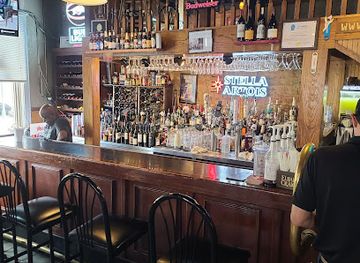
Best restaurants in Arkansas Timberlands
Dining in Arkansas Timberlands reflects the wider foodways of south-eastern Arkansas and the Mississippi Delta, with catfish, barbecue, fried chicken, beans, greens, cornbread and rice-based dishes appearing in local restaurants and community cooking. Small-town cafés and family-run diners are often the most useful places to encounter everyday regional food, while rural restaurants and traditional pubs may serve generous plates suited to a working agricultural community. Seasonal produce, including vegetables, melons and other crops from the Delta, features in homes, markets and informal food stalls when available. Seafood is generally freshwater rather than coastal, with farm-raised or locally sourced catfish a familiar regional choice. Monticello, Hamburg, Warren and other county seats provide the broadest selection of cafés, takeaways and sit-down dining, while visitors staying at state parks should plan supplies in advance. Food traditions are shared with the wider American South, but the combination of agricultural Delta produce, timberland communities and local family recipes gives the region its own everyday character.
-
Seafood
Fisherman's Wharf Steak & Seafood
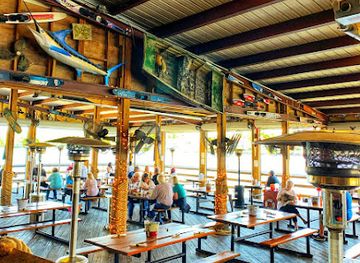
Experience the best seafood and steaks at Fisherman's Wharf Steak & Seafood in Hot Springs - where every meal is a celebration of flavor.
-
American
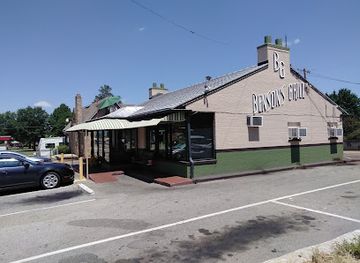
Benson's Grill
Discover the flavors of America at Benson's Grill in Fort Smith – where hearty breakfasts meet friendly service.
-
German
Steinhaus Keller
Discover the heart of Germany in Hot Springs at Steinhaus Keller - where authentic flavors meet warm hospitality.
-
Brewery
Superior Bathhouse Brewery
Experience unique craft beers brewed with thermal spring water at Superior Bathhouse Brewery in Hot Springs National Park.

Best bars in Arkansas Timberlands
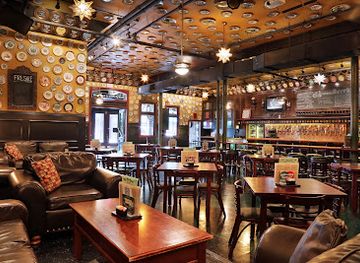
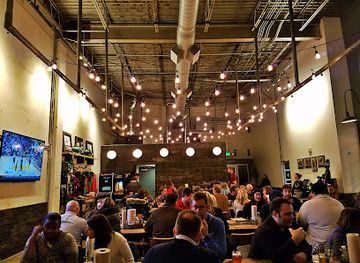
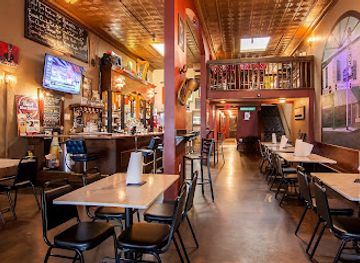
Evening life in Arkansas Timberlands is concentrated in small-town restaurants, traditional bars, breweries where available, community events and occasional live-music performances rather than a large nightclub circuit. Monticello, Hamburg, Warren and Crossett have the greatest concentration of places to eat or meet after dark, while smaller communities tend to close earlier and offer a quieter social rhythm. Historic downtown areas and county-seat commercial streets may contain locally oriented bars or cafés, but opening arrangements can change and should be checked locally. Outdoor recreation is also a major part of the evening experience: visitors may fish at permitted locations, watch the sunset over a lake or attend seasonal community gatherings. Alcohol is regulated under Arkansas law, and remote areas require particular planning for a safe journey back to accommodation, with designated driving especially important where taxis and rideshare services are limited.
-
Bar
Ohio Club
Discover the Ohio Club: A historic bar and grill in Hot Springs National Park, offering American cuisine, craft drinks, and live music in a vibrant atmosphere.
-
Bar
Flying Saucer Draught Emporium
Discover over 200 beers at Flying Saucer Draught Emporium, the ultimate destination for beer lovers in Little Rock, Arkansas.
-
Brewery
Lost Forty Brewing
Discover the best of Arkansas craft beer at Lost Forty Brewing, where tradition meets innovation in every pour.
-
Grill
Four Quarter Bar
Discover a unique dining experience at Four Quarter Bar in North Little Rock, where delicious grilled food meets a lively bar atmosphere.

Best nightclubs in Arkansas Timberlands
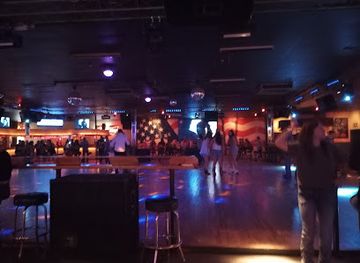
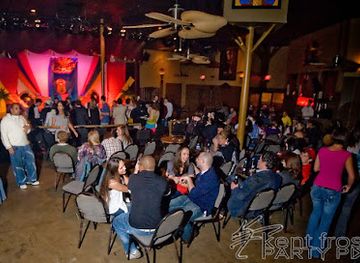
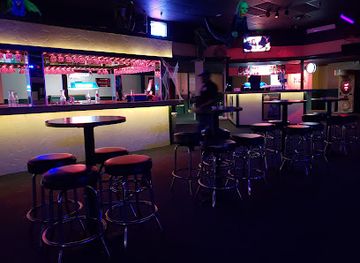
Evening life in Arkansas Timberlands is concentrated in small-town restaurants, traditional bars, breweries where available, community events and occasional live-music performances rather than a large nightclub circuit. Monticello, Hamburg, Warren and Crossett have the greatest concentration of places to eat or meet after dark, while smaller communities tend to close earlier and offer a quieter social rhythm. Historic downtown areas and county-seat commercial streets may contain locally oriented bars or cafés, but opening arrangements can change and should be checked locally. Outdoor recreation is also a major part of the evening experience: visitors may fish at permitted locations, watch the sunset over a lake or attend seasonal community gatherings. Alcohol is regulated under Arkansas law, and remote areas require particular planning for a safe journey back to accommodation, with designated driving especially important where taxis and rideshare services are limited.
-
Night club
C4 Nightclub & Lounge
Experience the vibrant nightlife of Fayetteville at C4 Nightclub & Lounge, where music, dancing, and a welcoming atmosphere await every night.
-
Night club
Electric Cowboy
Experience the electrifying nightlife at Electric Cowboy, Little Rock's top nightclub featuring great music, dancing, and an unforgettable atmosphere.
-
Night club
Discovery Night Club
Unleash your nightlife spirit at Discovery Night Club, where dance, music, and fun come together in Little Rock's premier late-night venue.
-
Night club
Electric Cowboy Fort Smith
Experience the pulse of Fort Smith nightlife at Electric Cowboy, where dancing, drinks, and excitement await every weekend!

Best shops in Arkansas Timberlands
Shopping in Arkansas Timberlands is centred on practical town services, independent businesses, local food and small-scale crafts rather than major retail districts. The main streets and commercial areas of Monticello, Hamburg, Warren and Crossett are useful for cafés, books, gifts, clothing, antiques and everyday supplies, while smaller communities offer a more limited but locally focused selection. Farmers' markets and seasonal community markets may provide produce, preserves, baked goods and handmade items, although dates and availability vary through the year. Visitors interested in the region's identity can look for Arkansas-made foods, hunting and fishing equipment, locally produced art, pottery, woodwork and souvenirs connected with the Delta and timber country. Antique shops and estate-sale outlets are particularly associated with rural American shopping culture, but stock changes constantly. State-park gift shops and museum shops can be useful for books, maps and interpretive material, especially when visiting Lake Chicot, Cane Creek or the region's historical sites.
-
Sporting goods store
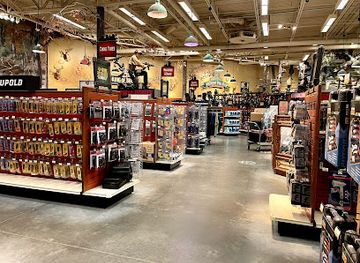
Bass Pro Shops
Discover the ultimate outdoor adventure destination at Bass Pro Shops in Little Rock, Arkansas, where gear meets experience in a vibrant, nature-inspired setting.
-
Department store
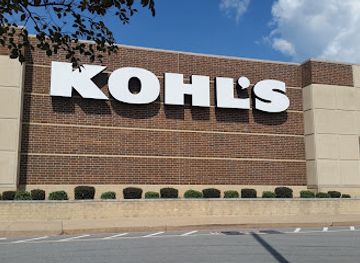
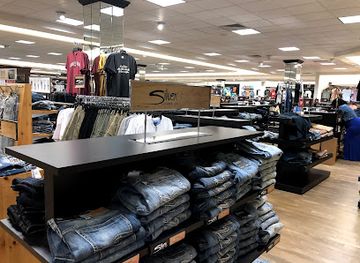
Kohl's
Explore Kohl's Sherwood for unbeatable deals on apparel and home goods in a family-friendly environment.
-
Department store
Dillard's
Explore the upscale shopping experience at Dillard's in Fayetteville, Arkansas, featuring fashion, home goods, and beauty essentials for every taste.
-
Boot store
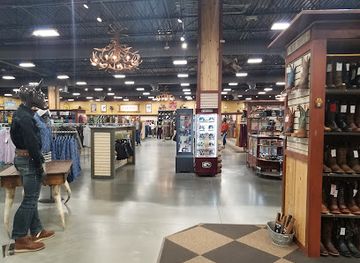
Cavender's Western Outfitter
Explore authentic western apparel and footwear at Cavender's Western Outfitter, your gateway to cowboy culture in Little Rock.
Get your free copy of our complete guide to Arkansas Timberlands, delivered straight to you.
Everything on this page, from attractions and restaurants to essentials and local phrases, in one PDF you can read offline, print or share.
Already have an account? Sign in
Your Arkansas Timberlands guide is ready.
We'll send it to · Not you? Sign out

Getting your guide ready…
We are putting together a fresh copy of the Arkansas Timberlands guide. This can take up to a minute.
This can take a few moments. If your browser asks, choose Allow so the download can start. You'll find the guide in your Downloads folder.
Nothing happened? Download it again
Sorry, the guide is taking longer than usual. Please try again in a minute, or get it by email instead.
Arkansas Timberlands essentials
Currency and Payment
Safety
Emergency Situations
Do's and Don'ts
Local Tips
From Eve
Local phrases worth knowing
You don't need to get them perfect. A few words go a long way, and locals appreciate the effort.
Basics
| English | Local | Say it |
|---|---|---|
| Hello | Howdy | [How-dee] |
| Goodbye | See ya later | [See ya lay-ter] |
| Yes | Yep | [Yep] |
| No | Nah | [Nah] |
| Please/You're welcome | Please/No problem | [Pleez/No prob-lem] |
| Thank you | Thank ya | [Thank ya] |
| Excuse me/Sorry | Pardon me/Sorry | [Par-don me/Sor-ree] |
| How are you? | How ya doin'? | [How ya doin'?] |
| Fine. And you? | I'm good. You? | [I'm good. You?] |
| Do you speak English? | Can ya talk English? | [Can ya talk English?] |
| I don't understand | I ain't gettin' it | [I ain't gettin' it] |
Eating & Drinking
| English | Local | Say it |
|---|---|---|
| I'd like to see the menu, please | Can I see the menu, please? | [Can I see the men-oo, pleez?] |
| I don't eat meat | I don't eat no meat | [I don't eat no meat] |
| Cheers! | Cheers! | [Cheers!] |
| I would like to pay, please | I wanna pay, please | [I wanna pay, pleez] |
Emergencies
| English | Local | Say it |
|---|---|---|
| Help! | Help! | [Help!] |
| Go away! | Get outta here! | [Get outta here!] |
| Call the Police! | Call the cops! | [Call the cops!] |
| Call a doctor! | Get a doctor! | [Get a doc-tor!] |
| I'm lost | I’m lost | [I'm lost] |
| I'm ill | I ain't feelin' good | [I ain't feelin' good] |
Shopping
| English | Local | Say it |
|---|---|---|
| I'd like to buy... | I wanna buy... | [I wanna buy...] |
| I'm just looking | I'm just browsin' | [I'm just brow-zin'] |
| How much is it? | How much is this here? | [How much is this he-er?] |
| That's too expensive | That's too pricey | [That's too pry-see] |
| Can you lower the price? | Can ya bring the price down? | [Can ya bring the pryce down?] |
Time & Numbers
| English | Local | Say it |
|---|---|---|
| What time is it? | What time is it? | [What time is it?] |
| It's one o'clock | It's one o'clock | [It's one o'clock] |
| Half past (10) | Half past ten | [Half past ten] |
| Morning | Mornin' | [Mornin'] |
| Afternoon | Afternoon | [Af-ter-noon] |
| Evening | Evenin' | [Evenin'] |
| Yesterday | Yestiddy | [Yes-tiddy] |
| Today | Today | [To-day] |
| Tomorrow | Tomorra' | [To-mor-ra] |
| 1 | One | [One] |
| 2 | Two | [Two] |
| 3 | Three | [Three] |
| 4 | Four | [Four] |
| 5 | Five | [Five] |
| 6 | Six | [Six] |
| 7 | Seven | [Seven] |
| 8 | Eight | [Eight] |
| 9 | Nine | [Nine] |
| 10 | Ten | [Ten] |
Transport & Directions
| English | Local | Say it |
|---|---|---|
| Where's a/the...? | Where's a...? | [Where's a...?] |
| What's the address? | What's the addy? | [What's the addy?] |
| Can you show me (on the map)? | Can ya show me on the map? | [Can ya show me on the map?] |
| When's the next (bus)? | When's the next bus? | [When's the next bus?] |
| A ticket (to ....) | A ticket to... | [A ticket to...] |
History of Arkansas Timberlands
Indigenous Homelands and the Mississippi Lowlands
Before European settlement, the lowlands and waterways of south-eastern Arkansas were used by Indigenous peoples including the Quapaw, whose historic homeland extended across parts of the lower Arkansas and Mississippi region. Earlier communities left archaeological evidence in the broader Delta landscape, including earthworks, settlement traces and artefacts associated with long-established river cultures. Bayous, lakes and seasonal floodplains shaped movement, fishing and agriculture. European-American settlement later transformed landownership and river use, but the region's waterways and place names still reflect a much older geography than the modern county system.
Cotton Agriculture and Plantation Settlement
During the nineteenth century, cotton became the dominant commercial crop across the Delta-facing parts of Arkansas Timberlands. Enslaved African Americans performed much of the agricultural labour before emancipation, and Black communities continued to form the foundation of the region's workforce, culture and civic life after the Civil War. Towns developed around county seats, river landings and trade routes, while drainage and levee construction gradually altered the floodplain. The wealth generated by cotton was unevenly distributed, leaving a legacy of large landholdings, racial inequality and enduring agricultural traditions.
Civil War Upheaval and Reconstruction
The region's forests, roads and river corridors were affected by the American Civil War, as Union and Confederate forces competed for control of Arkansas and the lower Mississippi approaches. The Battle of Marks' Mills took place in Cleveland County in 1864 during the Camden Expedition, while the Battle of Jenkins' Ferry occurred in neighbouring Grant County. Reconstruction brought difficult political and economic changes, including the reorganisation of labour and local government after emancipation. Although many battlefield landscapes are modest in appearance today, the conflict helped shape the region's population patterns and historic memory.
Railways, Timber and the Rise of Mill Towns
From the late nineteenth century, railways and industrial logging connected the pine forests of south-eastern Arkansas with national markets. Crossett became especially associated with large-scale timber and paper production, while other towns gained sawmills, rail depots and related businesses. Logging changed the landscape, stimulated migration and created company-centred communities, but it also brought exhausting and dangerous work. Reforestation, improved forest management and continuing paper production later replaced much of the original virgin timber economy. The region's roads, settlement pattern and industrial identity still bear the imprint of this era.
The Rohwer and Jerome Internment Camps
During the Second World War, the United States government incarcerated Japanese Americans at two camps in south-eastern Arkansas: Jerome, in Drew County, and Rohwer, in Desha County. Thousands of people were removed from their homes on the West Coast and held behind barbed wire in remote agricultural country. The camps operated from 1942 until 1945, and conditions included poor housing, heat, mud and restrictions on movement, despite the varied lives and contributions of those imprisoned there. Memorials, interpretive material and surviving traces make the sites important places for understanding wartime civil liberties and the history of Japanese Americans.
Mechanised Agriculture and Rural Change
After the Second World War, mechanisation, improved roads, agricultural chemicals and changes in commodity markets transformed farming across Arkansas Timberlands. Cotton remained important, but rice, soybeans, corn, timber and other crops also shaped the economy. Mechanisation reduced the need for agricultural labour and contributed to population movement towards larger towns and cities. At the same time, conservation practices, reservoirs and public recreation areas created new ways of using former timber and agricultural landscapes. Today the region combines highly productive commercial farms with small communities, forest industries and outdoor tourism.
Contemporary Delta and Timberland Communities
Modern Arkansas Timberlands is defined by the coexistence of working landscapes and heritage preservation. County museums, historic courthouses, local festivals, churches and family businesses maintain community traditions, while state parks and trail projects promote fishing, paddling, cycling and wildlife observation. The region also continues to confront the economic pressures faced by many rural American areas, including population loss and dependence on fluctuating agricultural and forest-product markets. Its contemporary story is therefore not simply nostalgic: it is an ongoing negotiation between environmental stewardship, industrial work, agriculture and cultural memory.
Arkansas Timberlands in Photos
Browse through our photo collection highlighting the charm and character of the destination.
Neighbouring regions of Arkansas Timberlands
The closest regions to Arkansas Timberlands, if you have time for more than one.
-
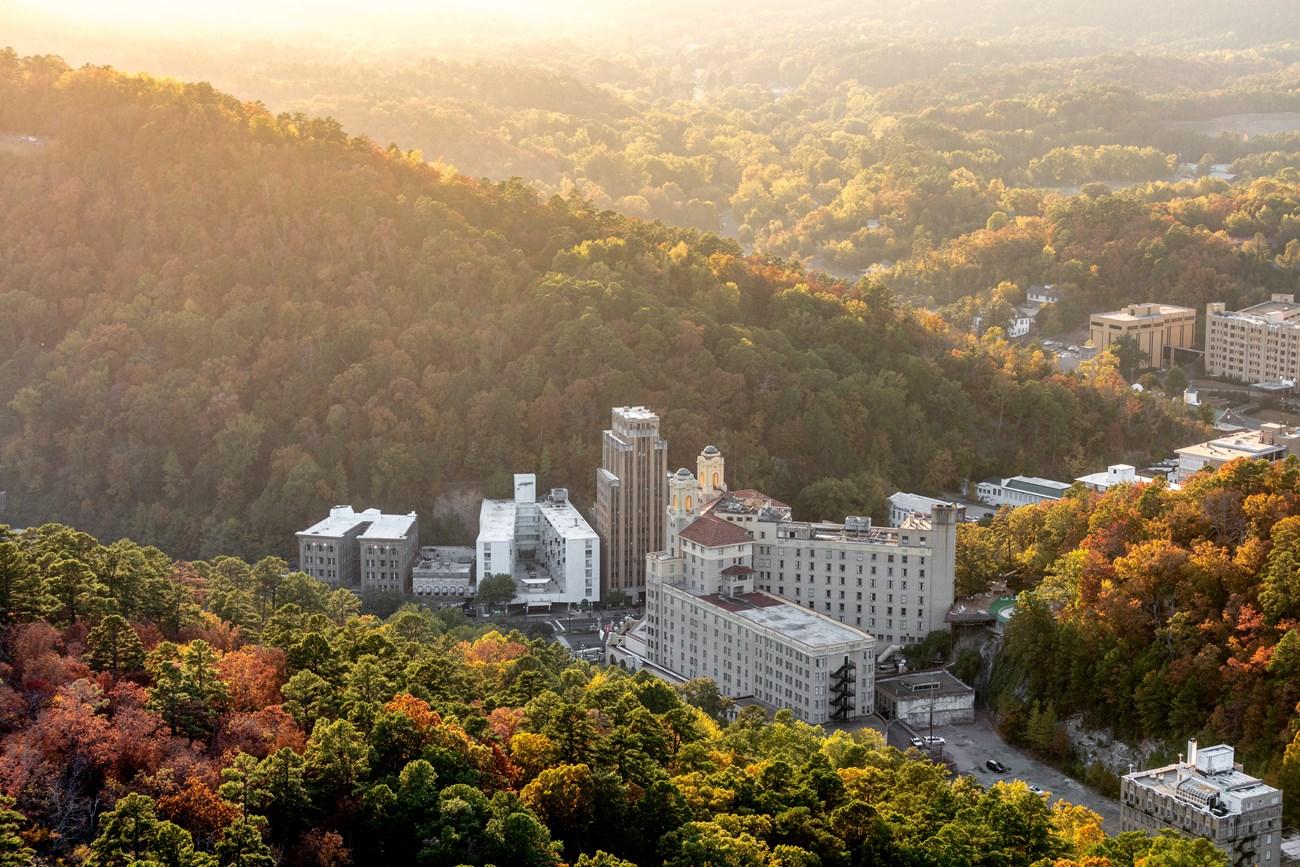 Timberlands
Explore Timberlands in southern Arkansas for pine forests, oil-boom history, historic towns, quiet waterways and authentic regional food.
-
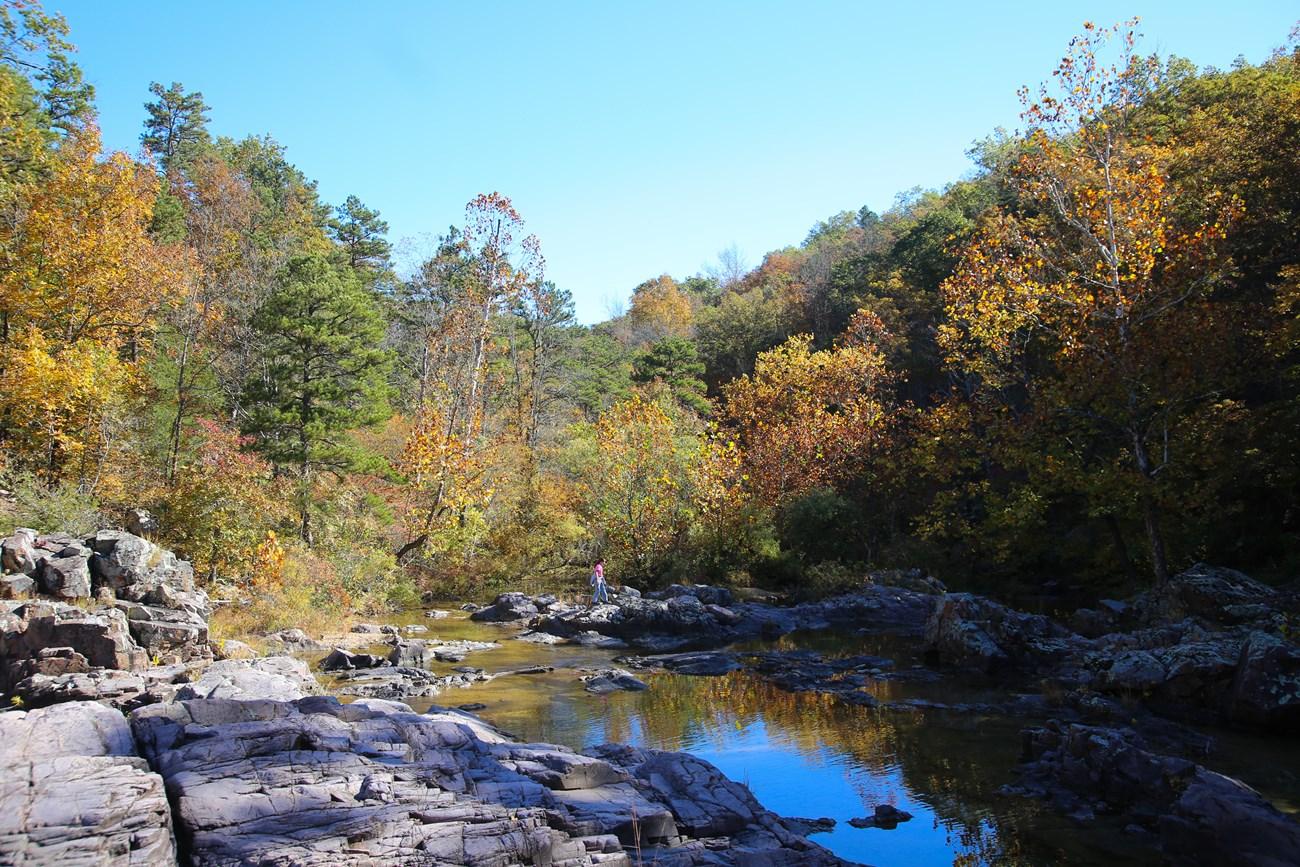 Mississippi Alluvial Plain
Explore Arkansas's Mississippi Alluvial Plain for river towns, Delta history, rice country, blues heritage, wildlife refuges and quiet waterways.
-
-

-


Swipe for more regions
Explore more

Explore more of Arkansas
Explore Arkansas: The Natural State with its stunning landscapes, rich history, and vibrant cultural experiences. Perfect for adventurers and culture seekers alike.
Explore Arkansas