

Free Mississippi Alluvial Plain Travel Guide & Mobile App
Explore Mississippi Alluvial Plain with free travel guides. Discover regional history, expert tips, proposed trips, and audio guides on web or mobile app.


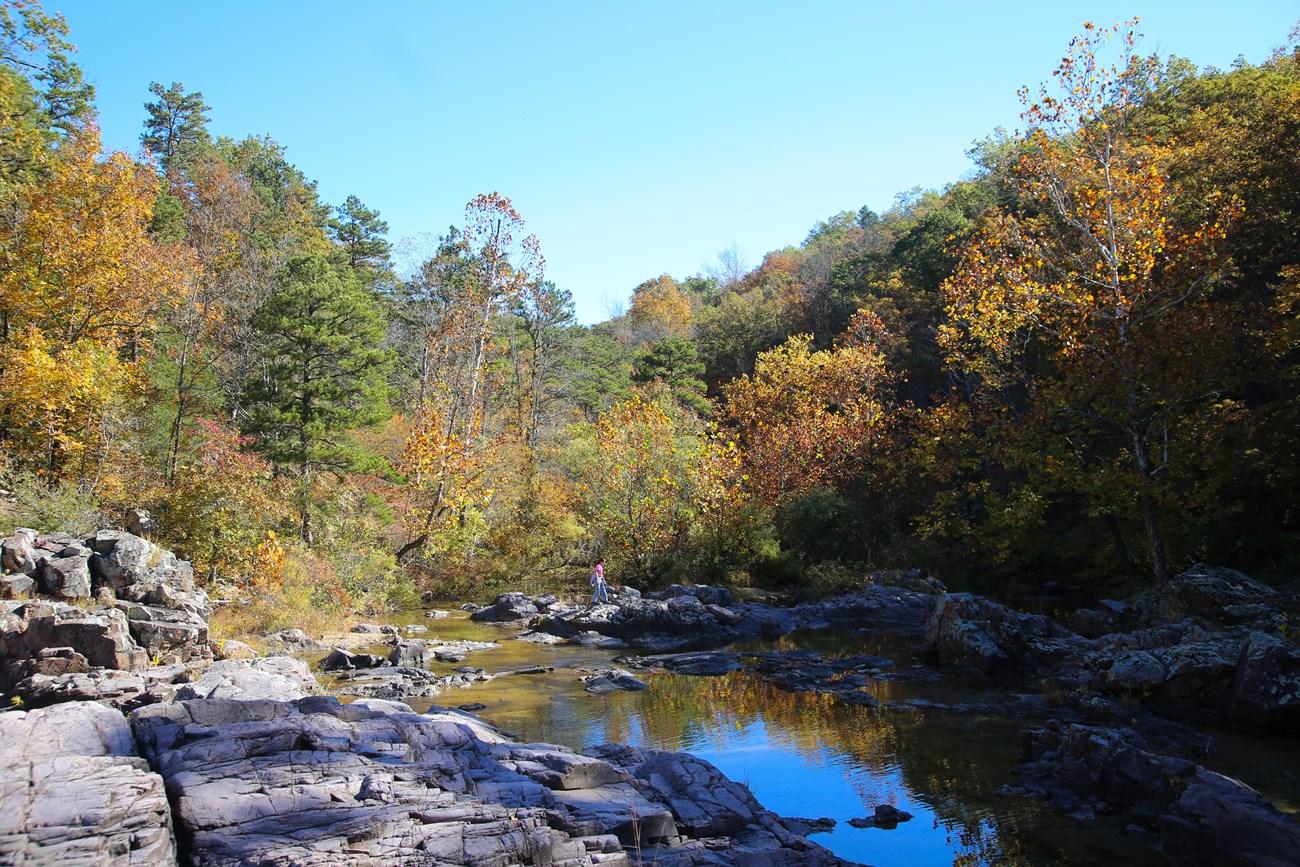


Explore Arkansas's Mississippi Alluvial Plain for river towns, Delta history, rice country, blues heritage, wildlife refuges and quiet waterways.
Read more about Mississippi Alluvial Plain
When is the best time to visit Mississippi Alluvial Plain?
Best: April, September–October · 24–30°C| Month | High (°C) | Rainfall (mm) |
|---|---|---|
| January | 12 | 89 |
| February | 14 | 85 |
| March | 19 | 112 |
| April (best) | 24 | 114 |
| May | 29 | 120 |
| June | 33 | 95 |
| July | 34 | 90 |
| August | 34 | 80 |
| September (best) | 30 | 86 |
| October (best) | 25 | 99 |
| November | 18 | 103 |
| December | 13 | 108 |
Getting to and around Mississippi Alluvial Plain
How to get there
Transportation
Top city travel guides in Mississippi Alluvial Plain
The cities of Mississippi Alluvial Plain, and the easiest places to base yourself.
-
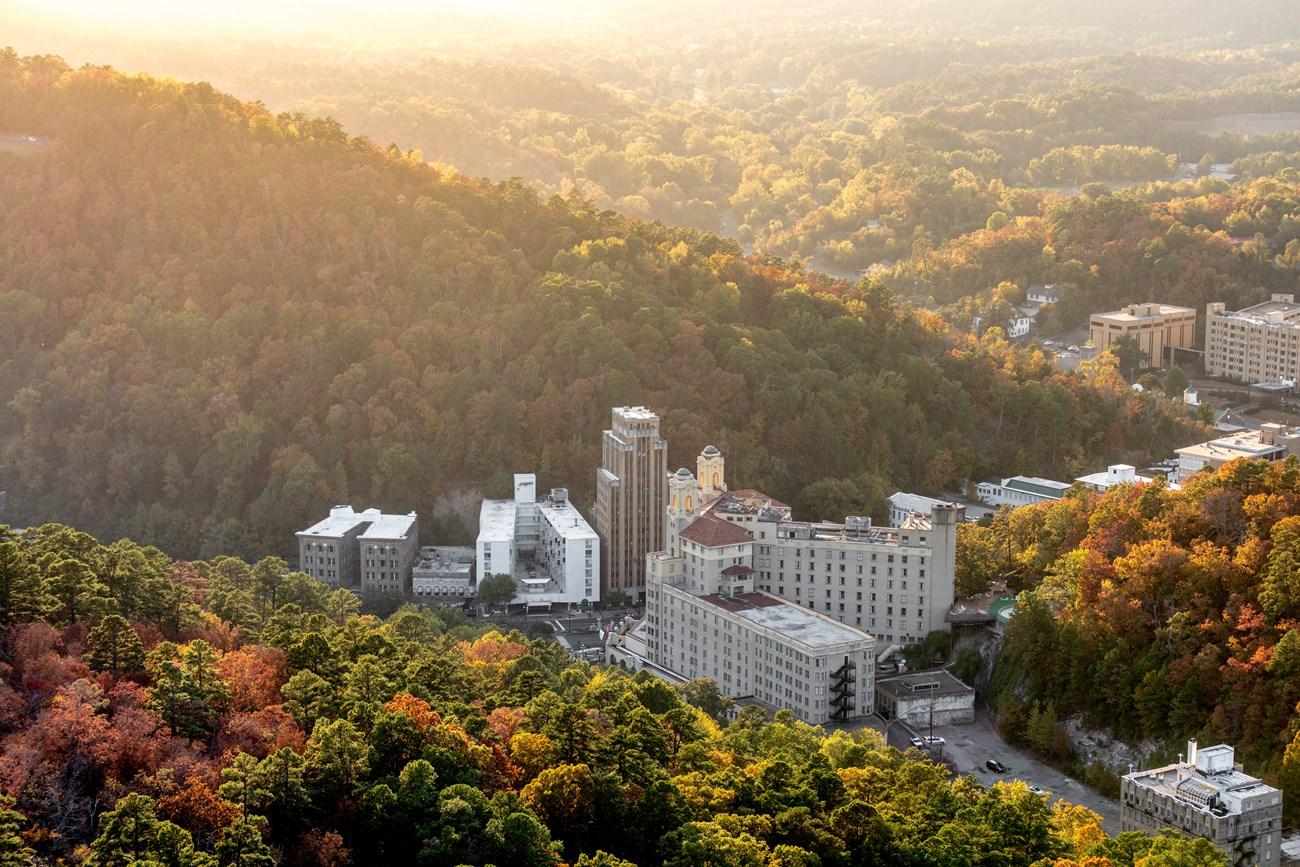 Hot Springs
, Arkansas blends thermal waters, Bathhouse Row, mountain scenery, historic architecture, arts, racing and lively Southern cuisine and arts.
Hot Springs
Hot Springs, Arkansas blends thermal waters, Bathhouse Row, mountain scenery, historic architecture, arts, racing and lively Southern cuisine and arts.
-

-

-

-

-


Swipe for more cities
Destinations in Mississippi Alluvial Plain
Resorts, valleys and scenic spots worth a trip of their own.
-
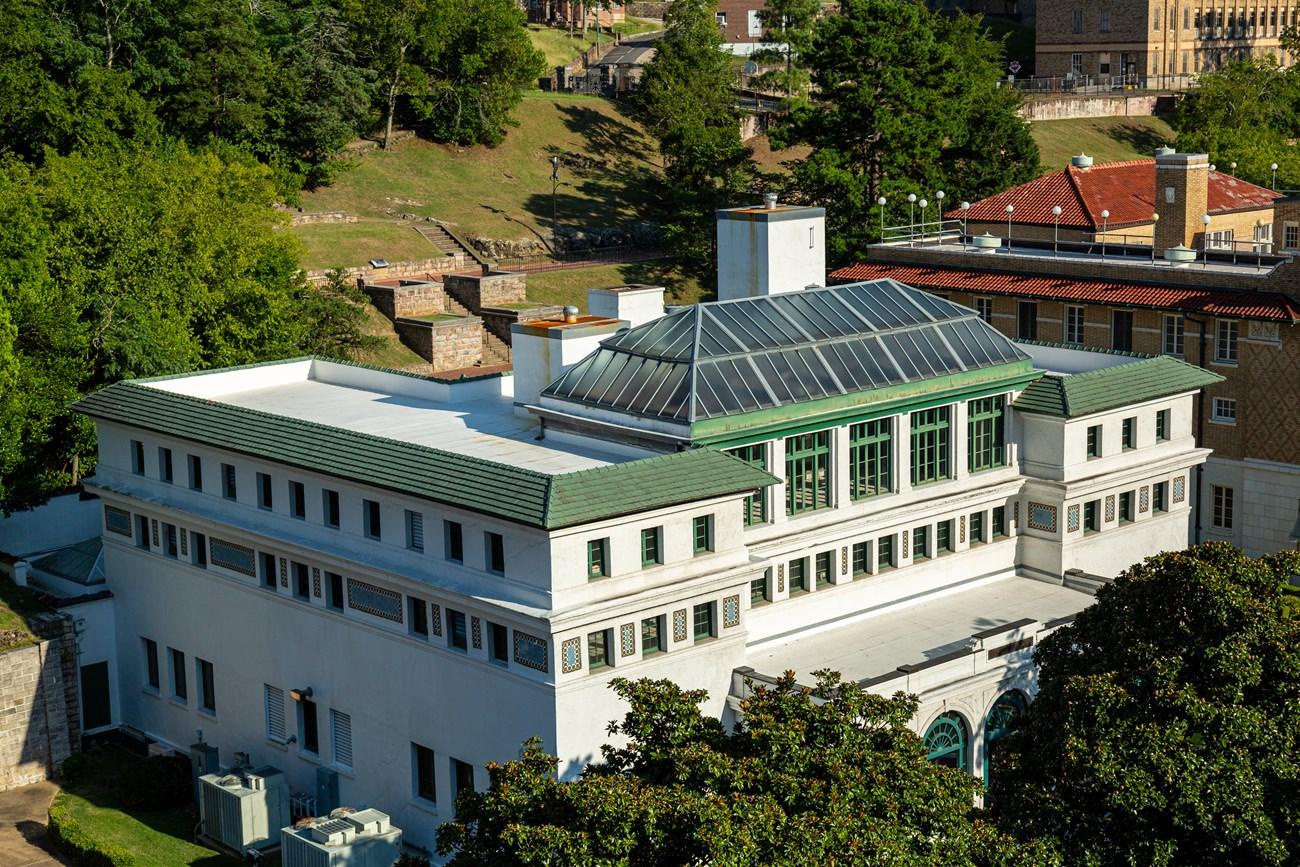 Hot Springs National Park
 in Arkansas pairs historic Bathhouse Row with thermal waters, forested Ouachita trails, scenic drives and American spa heritage.
Hot Springs National Park
Hot Springs National Park in Arkansas pairs historic Bathhouse Row with thermal waters, forested Ouachita trails, scenic drives and American spa heritage.
-

-

-


Swipe for more destinations
Best attractions in Mississippi Alluvial Plain
-
National park
Hot Springs National Park
Experience the healing waters and stunning landscapes of Hot Springs National Park, a unique natural retreat in Arkansas.
-
Tourist attraction
Oaklawn Racing Casino Resort
Experience the thrill of horse racing and casino gaming at Oaklawn Racing Casino Resort, Hot Springs' premier entertainment destination.
-
National forest
Ouachita National Forest
Explore the Ouachita National Forest: A historic and scenic destination for hiking, camping, and outdoor adventures in Arkansas and Oklahoma.
-
Tourist attraction
Hot Springs Mountain Tower
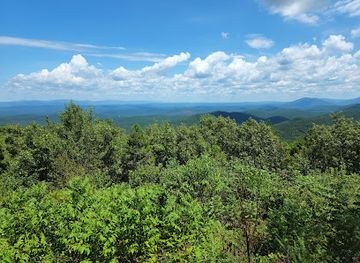
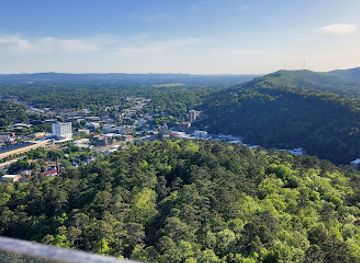
Experience breathtaking panoramic views of Hot Springs National Park and the Ouachita Mountains from the iconic Hot Springs Mountain Tower.

Best landmarks in Mississippi Alluvial Plain
The Mississippi River is the region's defining natural landmark, forming a long eastern edge and explaining the location of river ports, levees, settlements and cotton-trading communities. Lake Chicot, an old Mississippi River channel in the southern plain, is another major geographical feature, its curved waters and wooded margins illustrating how dramatically the river has changed course. Arkansas Post National Memorial marks the site of a strategically important colonial and territorial settlement near the Arkansas River. In Helena-West Helena, the restored downtown and riverfront setting convey the importance of commerce, migration and music along the Mississippi. Lakeport Plantation near Lake Village is a significant surviving antebellum house whose architecture and interpretation address both plantation wealth and the lives of enslaved people. The Delta Cultural Center is an important cultural landmark rather than a monumental structure, preserving stories of African American communities, blues and regional change. Across the plain, levees, bayous, cypress-lined waterways and broad rice fields form a distinctive working landscape that is itself central to the region's identity.
-
Historical landmark
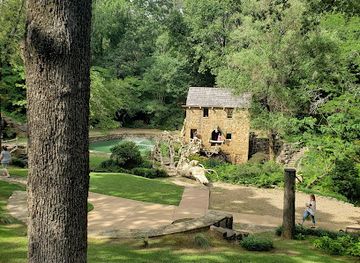
The Old Mill
Experience the timeless beauty and rich history of The Old Mill in North Little Rock, Arkansas, a picturesque landmark perfect for all ages.
-
Historical place
Fort Smith National Historic Site
Explore frontier justice and Native American history at this National Historic Site, where the Old West comes to life on the Arkansas River.
-
State park
Prairie Grove Battlefield State Park
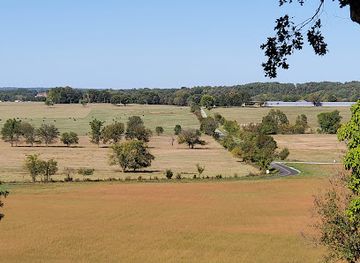
Explore a pivotal Civil War battlefield, preserved in time. Discover Arkansas's role in American history at Prairie Grove State Park.
-
Historical landmark
Little Rock Central High School National Historic Site
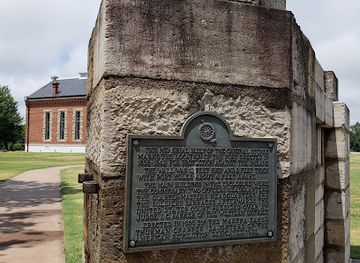
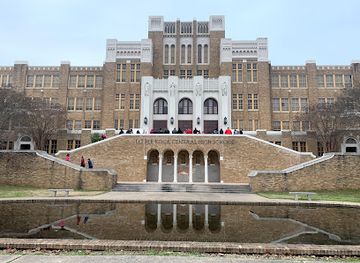
Explore a pivotal landmark of the Civil Rights Movement at Little Rock Central High School, where the struggle for desegregation unfolded in 1957.
Explore Mississippi Alluvial Plain on the map
Plan your trip on one map. See where the top cities, national parks and sights are, and book hotels and experiences in a few clicks.
Best hotels in Mississippi Alluvial Plain
Best restaurants in Mississippi Alluvial Plain
Dining in the Mississippi Alluvial Plain reflects Arkansas Delta agriculture and the broader culinary traditions of the American South. Catfish, rice, fried or smoked meats, greens, beans, cornbread, biscuits and seasonal vegetables are common reference points, with local cafés, barbecue restaurants, fish houses and family-run diners providing much of the region's everyday food culture. Stuttgart and other farming communities are particularly associated with rice country, while river and lake districts bring freshwater fish and outdoor cooking traditions into the local food landscape. Helena-West Helena and Pine Bluff offer a broader choice of casual restaurants, cafés and contemporary Southern cooking. Farmers' markets and roadside stands may feature produce, preserves and baked goods when in season. Visitors should distinguish between dishes with specifically local connections and foods shared throughout Arkansas and the wider South; the region's culinary identity lies as much in agricultural ingredients and community cooking as in formally defined recipes.
-
American
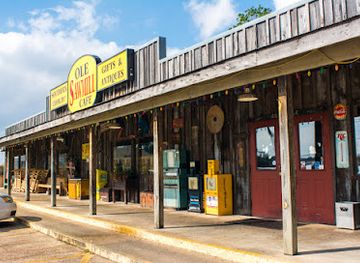
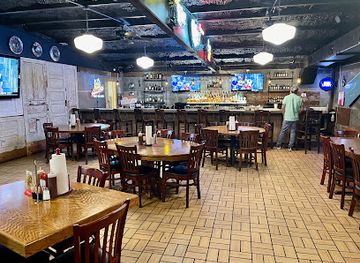
Ole Sawmill Cafe
Experience Southern hospitality at Ole Sawmill Cafe with delicious American comfort food in the heart of Forrest City.
-
Grill
Hoots BBQ & Steaks
Experience authentic Arkansas flavors at Hoots BBQ & Steaks—where every bite is a celebration of Southern cuisine.
-
American
Gaston's Restaurant
Experience exquisite American cuisine and fresh seafood at Gaston's Restaurant in Lakeview, AR—where stunning views meet exceptional dining.
-
Seafood
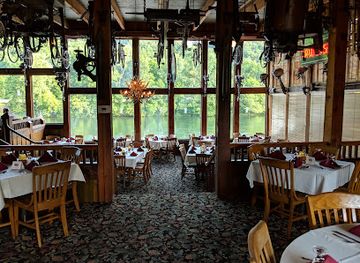
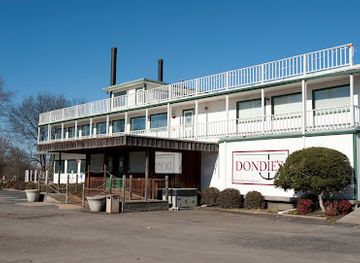
Dondie's White River Princess
Discover Dondie's White River Princess: A unique seafood restaurant designed like a riverboat in Des Arc, Arkansas offering fresh local flavors.
Best bars in Mississippi Alluvial Plain
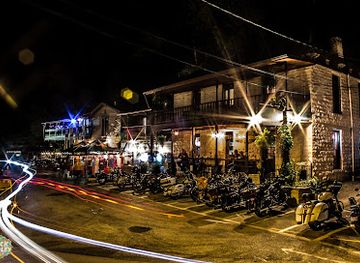
Evening entertainment in the Mississippi Alluvial Plain is generally low-key and community-based rather than centred on a large nightclub industry. Helena-West Helena has the strongest association with live music and the Delta's blues heritage, while restaurants, traditional pubs and locally oriented bars provide social spaces in the larger towns. Elsewhere, evenings may revolve around family restaurants, community events, church gatherings, seasonal festivals or informal music performances. Some establishments serve locally brewed or nationally distributed beer, but nightlife varies considerably by town and day of the week. Rural areas become quiet early, and distances between communities make driving after drinking particularly important to plan responsibly. The region is best approached through its music history, food culture and local venues rather than expectations of a concentrated entertainment district.
-
Bar
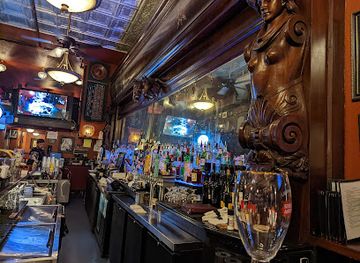
Ohio Club
Experience the vibrant atmosphere of The Ohio Club, a historic bar and grill in Hot Springs National Park, featuring live music and delicious American cuisine.
-
Bar
Flying Saucer Draught Emporium
Discover a craft beer haven at Flying Saucer Draught Emporium, where local brews and American cuisine create a perfect pairing in Little Rock.
-
Grill
Hoots BBQ & Steaks
Experience the taste of authentic barbecue and steaks at Hoots BBQ & Steaks, where flavor meets fun in McGehee, Arkansas.
-
Pub
Pied Piper Pub & Inn and The Cat House Lounge
Discover the unique charm of Pied Piper Pub & Inn and The Cat House Lounge in Eureka Springs, where hospitality meets local flavor.

Best nightclubs in Mississippi Alluvial Plain
Evening entertainment in the Mississippi Alluvial Plain is generally low-key and community-based rather than centred on a large nightclub industry. Helena-West Helena has the strongest association with live music and the Delta's blues heritage, while restaurants, traditional pubs and locally oriented bars provide social spaces in the larger towns. Elsewhere, evenings may revolve around family restaurants, community events, church gatherings, seasonal festivals or informal music performances. Some establishments serve locally brewed or nationally distributed beer, but nightlife varies considerably by town and day of the week. Rural areas become quiet early, and distances between communities make driving after drinking particularly important to plan responsibly. The region is best approached through its music history, food culture and local venues rather than expectations of a concentrated entertainment district.
-
Event venue
Club 27
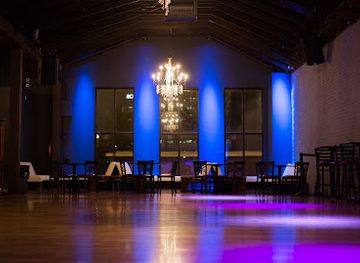
Discover the pulse of Little Rock's nightlife at Club 27, a premier event venue with an electrifying dance floor and diverse entertainment.
-
Night club
C4 Nightclub & Lounge
Explore Fayetteville's vibrant nightlife at C4 Nightclub & Lounge, a welcoming spot for dancing, drinks, and unforgettable entertainment.
-
Night club
Electric Cowboy
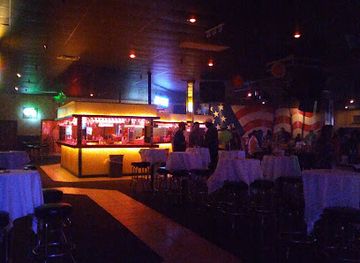
Experience the electrifying atmosphere of Electric Cowboy, where vibrant nightlife, great music, and friendly crowds create unforgettable moments in Little Rock.
-
Night club
Discovery Night Club
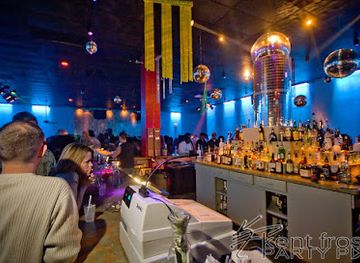
Experience the vibrant nightlife and electrifying atmosphere at Discovery Night Club in Little Rock, Arkansas, where unforgettable memories are made.

Best shops in Mississippi Alluvial Plain
Shopping in the Mississippi Alluvial Plain is focused on practical high streets, independent retailers, antiques, local food and regional crafts rather than large-scale luxury districts. Helena-West Helena, Pine Bluff, Stuttgart and other county seats provide the broadest selection of shops, cafés, books, gifts and services, while smaller towns have compact commercial streets shaped by local trade. Farmers' markets and seasonal produce stands may offer rice, vegetables, preserves, baked goods and other products connected with Delta agriculture. Museum shops and heritage centres are useful places to look for books on Arkansas history, blues, civil rights and the Mississippi River. Antiques, handmade goods, Southern-style kitchen items and locally themed artwork can be more distinctive souvenirs than generic merchandise. Retail hours and market schedules vary, especially in rural communities, so visitors should avoid assuming that every town has late-opening shops or weekend services.
-
Pottery store
McCarty's Pottery
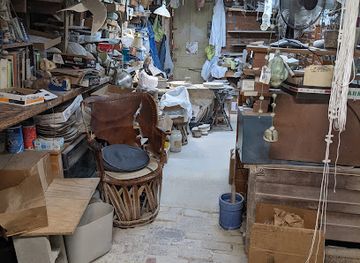
Discover unique handcrafted ceramics at McCarty's Pottery in Merigold, Mississippi, where tradition meets artistry in every stunning piece.
-
Antique store
Moonstruck Flea Market
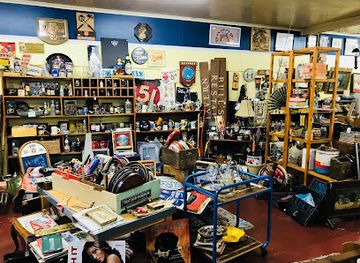
Explore the eclectic charm of Moonstruck Flea Market in Cleveland, MS – your destination for antiques, vintage clothing, and unique collectibles.
-
Store
Backgate Store
Experience local charm at Backgate Store, your go-to destination for delicious deli meals and unique Arkansas finds.
-
Grocery store
Mellwood Grocery
Experience local charm and Southern hospitality at Mellwood Grocery, your go-to spot for fresh produce and local goods in Mellwood, Arkansas.

Get your free copy of our complete guide to Mississippi Alluvial Plain, delivered straight to you.
Everything on this page, from attractions and restaurants to essentials and local phrases, in one PDF you can read offline, print or share.
Already have an account? Sign in
Your Mississippi Alluvial Plain guide is ready.
We'll send it to · Not you? Sign out

Getting your guide ready…
We are putting together a fresh copy of the Mississippi Alluvial Plain guide. This can take up to a minute.
This can take a few moments. If your browser asks, choose Allow so the download can start. You'll find the guide in your Downloads folder.
Nothing happened? Download it again
Sorry, the guide is taking longer than usual. Please try again in a minute, or get it by email instead.
Mississippi Alluvial Plain essentials
Currency and Payment
Safety
Emergency Situations
Do's and Don'ts
Local Tips
From Eve
Local phrases worth knowing
You don't need to get them perfect. A few words go a long way, and locals appreciate the effort.
Basics
| English | Local | Say it |
|---|---|---|
| Hello | Howdy | [Ha-dee] |
| Goodbye | See ya later | [See ya lay-ter] |
| Yes | Yep | [Yep] |
| No | Nope | [Nope] |
| Please/You're welcome | Please/No problem | [Pleez/No prob-lem] |
| Thank you | Thank ya | [Thank ya] |
| Excuse me/Sorry | Pardon me/Sorry 'bout that | [Par-don me/Sor-ree 'bout that] |
| How are you? | How ya doin'? | [How ya doin'?] |
| Fine. And you? | I’m good. How 'bout you? | [I'm good. How 'bout you?] |
| Do you speak English? | You speakin' English? | [You speakin' English?] |
| I don't understand | I don't get it | [I don't get it] |
Eating & Drinking
| English | Local | Say it |
|---|---|---|
| I'd like to see the menu, please | Can I see the menu, please? | [Can I see the men-yu, pleez?] |
| I don't eat meat | I don’t eat no meat | [I don’t eat no meat] |
| Cheers! | Cheers! | [Cheers!] |
| I would like to pay, please | I'd like to settle up, please | [I'd like to set-tle up, pleez] |
Emergencies
| English | Local | Say it |
|---|---|---|
| Help! | Help! | [Help!] |
| Go away! | Leave me be! | [Leave me bee!] |
| Call the Police! | Call the cops! | [Call the cops!] |
| Call a doctor! | Get a doctor! | [Get a doc-tor!] |
| I'm lost | I'm lost | [I'm lost] |
| I'm ill | I'm sick | [I'm sick] |
Shopping
| English | Local | Say it |
|---|---|---|
| I'd like to buy... | I wanna buy... | [I wanna buy...] |
| I'm just looking | Just lookin' | [Just lookin'] |
| How much is it? | How much's that? | [How much's that?] |
| That's too expensive | That's a bit pricey | [That's a bit pry-see] |
| Can you lower the price? | Can ya bring the price down? | [Can ya bring the pryce down?] |
Time & Numbers
| English | Local | Say it |
|---|---|---|
| What time is it? | What time is it? | [What time is it?] |
| It's one o'clock | It's one o'clock | [It's one o'clock] |
| Half past (10) | Half past ten | [Half past ten] |
| Morning | Mornin' | [Mornin'] |
| Afternoon | Afternoon | [Af-ter-noon] |
| Evening | Evenin' | [Evenin'] |
| Yesterday | Yestiddy | [Yes-tiddy] |
| Today | Today | [To-day] |
| Tomorrow | Tomorra | [To-morra] |
| 1 | One | [One] |
| 2 | Two | [Two] |
| 3 | Three | [Three] |
| 4 | Four | [Four] |
| 5 | Five | [Five] |
| 6 | Six | [Six] |
| 7 | Seven | [Seven] |
| 8 | Eight | [Eight] |
| 9 | Nine | [Nine] |
| 10 | Ten | [Ten] |
Transport & Directions
| English | Local | Say it |
|---|---|---|
| Where's a/the...? | Where's a...? | [Where's a...?] |
| What's the address? | What’s the address? | [What’s the ad-dress?] |
| Can you show me (on the map)? | Can ya show me on the map? | [Can ya show me on the map?] |
| When's the next (bus)? | When's the next bus? | [When's the next bus?] |
| A ticket (to ....) | A ticket to... | [A ticket to...] |
History of Mississippi Alluvial Plain
Indigenous River and Mound-Building Communities
Long before Arkansas became part of the United States, the Mississippi Alluvial Plain supported Indigenous communities that used the river, wetlands and fertile soils for fishing, hunting, gathering and agriculture. Earlier mound-building societies left earthworks and settlement traces across the wider Mississippi Valley, while historic peoples including the Quapaw maintained important connections with the Arkansas and Mississippi river systems. Seasonal flooding shaped movement and food production, and waterways served as communication and trading routes. This deep Indigenous history remains an essential part of understanding the region, even where later agriculture has altered the visible landscape.
Arkansas Post and Colonial River Competition
Arkansas Post was established by the French in 1686 near the Arkansas River, making it one of the earliest European settlements in the lower Mississippi Valley and the first European settlement in what became Arkansas. Its position changed as river channels shifted, but the post served successive French, Spanish and American interests as a trading, military and administrative outpost. The river corridor connected the interior with New Orleans and the wider Mississippi system. Arkansas Post National Memorial preserves and interprets this history in the alluvial landscape of eastern Arkansas.
Cotton, Enslavement and Plantation Agriculture
During the nineteenth century, fertile alluvial soils and expanding river transport encouraged the growth of cotton agriculture across the Arkansas Delta. Enslaved African Americans performed much of the labour that generated plantation wealth, while towns and landings developed around the movement of cotton by river and later by rail. Emancipation transformed the legal order but did not end the region's dependence on agricultural labour. Freedpeople established families, churches and communities, while landowners sought new systems of control through contracts, debt and political restriction.
Civil War and Reconstruction on the Delta Frontier
The Mississippi River and its tributaries gave the region considerable military importance during the American Civil War. Control of river transport, plantations and strategic landings affected Union and Confederate operations, while enslaved people used the disruption of war to seek freedom and support Union forces. After the conflict, Reconstruction brought constitutional change and political competition, but white resistance and economic dependency severely limited African American citizenship and landownership. River towns, rural plantations and transport routes all carried the physical and social effects of wartime upheaval.
Elaine and the Crisis of Sharecropping, 1919
In October 1919, a dispute involving African American sharecroppers and white landowners near Elaine in Phillips County led to widespread violence. Federal troops were sent into the area, and numerous African Americans were killed; the event later became a major case in the legal history of racial violence when the United States Supreme Court overturned convictions of several Black defendants in Moore v. Dempsey. The Elaine massacre exposed the coercive conditions surrounding cotton labour, racial power and the justice system in the Arkansas Delta.
Mechanisation, the Great Migration and Cultural Change
From the twentieth century onwards, tractors, mechanical cotton pickers, improved drainage and large-scale farming transformed the labour economy of the plain. Mechanisation reduced the need for farm workers and contributed to the Great Migration, as many African Americans left the rural South for cities elsewhere in the United States. Communities that remained developed strong traditions of gospel, blues, church life and civic activism. Rice, soybeans, cotton, catfish and other agricultural enterprises continued to shape the modern economy, while museums and cultural institutions preserve memories of a rapidly changing Delta.
Mississippi Alluvial Plain in Photos
Browse through our photo collection highlighting the charm and character of the destination.
Neighbouring regions of Mississippi Alluvial Plain
The closest regions to Mississippi Alluvial Plain, if you have time for more than one.
-
 Timberlands
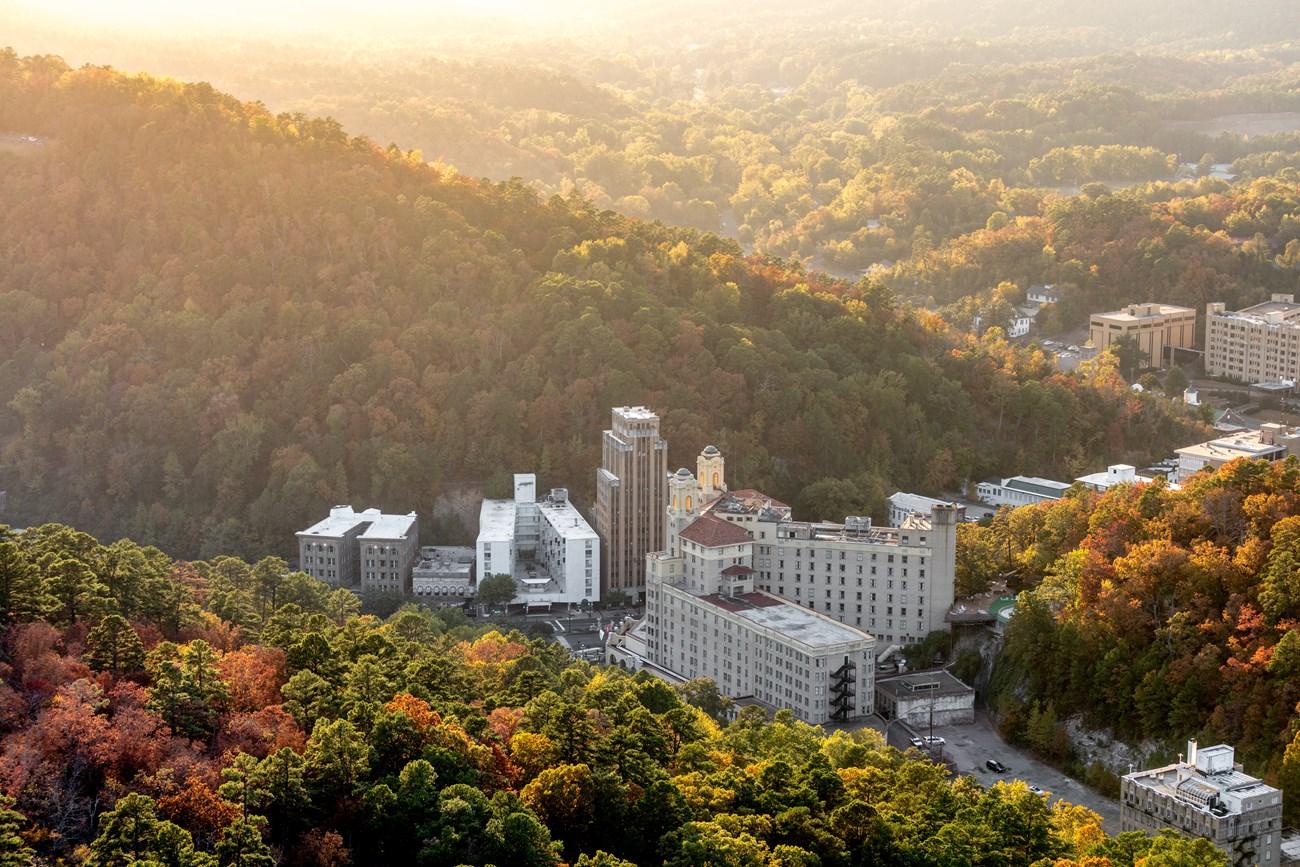
Explore Timberlands in southern Arkansas for pine forests, oil-boom history, historic towns, quiet waterways and authentic regional food.
Timberlands
Explore Timberlands in southern Arkansas for pine forests, oil-boom history, historic towns, quiet waterways and authentic regional food.
-
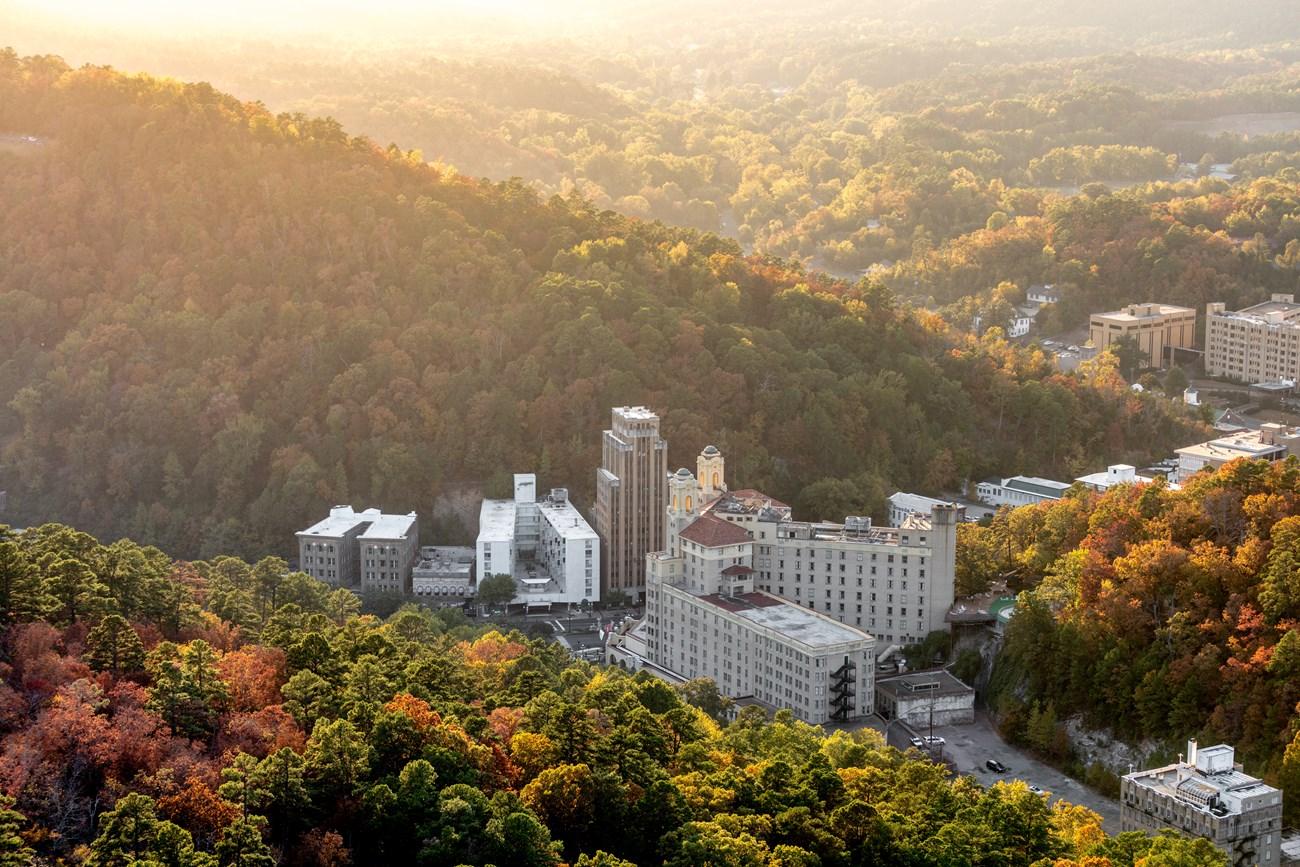 Arkansas Timberlands
Explore Arkansas Timberlands for pine forests, Delta waterways, historic towns, fishing lakes and the layered heritage of south-eastern Arkansas.
Arkansas Timberlands
Explore Arkansas Timberlands for pine forests, Delta waterways, historic towns, fishing lakes and the layered heritage of south-eastern Arkansas.
-

-

-


Swipe for more regions
Explore more

Explore more of Arkansas
Explore Arkansas: The Natural State with its stunning landscapes, rich history, and vibrant cultural experiences. Perfect for adventurers and culture seekers alike.
Explore Arkansas