

Free Tavush Travel Guide & Mobile App
Explore Tavush with free travel guides. Discover regional history, expert tips, proposed trips, and audio guides on web or mobile app.


Explore Tavush in Armenia for forested mountain valleys, medieval monasteries, Dilijan, Lake Parz and outdoor adventures near the Georgian border.
Read more about Tavush
When is the best time to visit Tavush?
Best: June–August · 23–25°C| Month | High (°C) | Rainfall (mm) |
|---|---|---|
| January | 4 | 35 |
| February | 5 | 30 |
| March | 9 | 40 |
| April | 14 | 45 |
| May | 18 | 50 |
| June (best) | 23 | 45 |
| July (best) | 25 | 35 |
| August (best) | 24 | 30 |
| September | 19 | 35 |
| October | 14 | 40 |
| November | 9 | 45 |
| December | 4 | 40 |
Getting to and around Tavush
How to get there
Transportation
Top city travel guides in Tavush
The cities of Tavush, and the easiest places to base yourself.
-

-

-

-

-


Swipe for more cities
Destinations in Tavush
Resorts, valleys and scenic spots worth a trip of their own.
-

-


Swipe for more destinations
Best attractions in Tavush
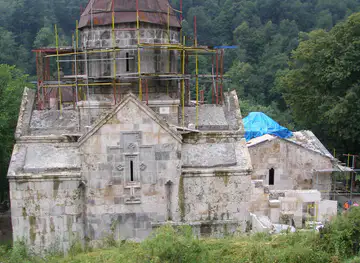
Tavush’s attractions combine forest, medieval architecture and outdoor activity rather than concentrating in a single urban centre. Dilijan National Park provides the region’s main setting for walking, birdwatching, mountain biking and quiet excursions, with Lake Parz among its best-known woodland destinations. Near Yenokavan, the Lastiver area is noted for forest paths, waterfalls, caves and dramatic rock scenery, while the surrounding uplands support horse riding and other adventure activities. The monasteries of Haghartsin, Goshavank, Jukhtakvank and Makaravank offer a very different experience, with carved stone churches and chapels set among valleys, hills and farmland. Dilijan’s historic quarter introduces traditional building forms and the town’s modern resort history, while Ijevan provides museums, craft traditions and access to the Aghstev valley. Rural villages, seasonal produce and quieter mountain roads complete the attraction landscape. Visitors should plan carefully: sites are spread across the province, public transport is limited in remote areas, and weather can change quickly on forest trails.
-
Monastery
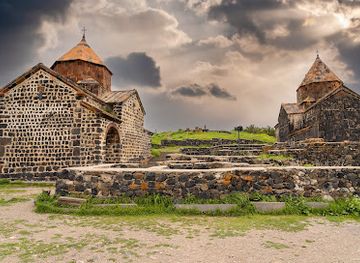
Sevanavank Monastery
Discover Sevanavank Monastery: A historic Armenian treasure offering stunning lake views and a glimpse into the nation's rich spiritual heritage.
-
National park
Dilijan National Park
Discover Haghartsin Monastery in Dilijan National Park: a medieval architectural gem amidst Armenia's stunning natural beauty and serene landscapes.
-
Monastery
Goshavank Monastery
Discover Goshavank Monastery, a 12th-century Armenian architectural gem and former center of learning, nestled in the scenic Tavush Province.
-
Monastery
Makaravank Monastery Complex
Discover the medieval beauty of Makaravank Monastery, a stunning 10th-13th century Armenian architectural gem nestled in the Tavush region.


Best landmarks in Tavush
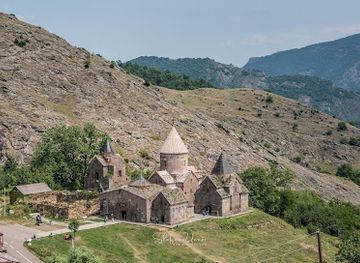
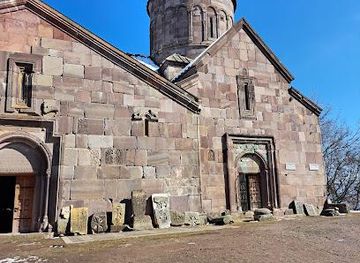
The most recognisable landmarks of Tavush are its medieval monasteries and the forested settings that frame them. Haghartsin Monastery, in a wooded valley near Dilijan, is a major complex of churches and chapels whose carved façades and domes reflect the architectural achievements of medieval Armenia. Goshavank, founded by Mkhitar Gosh in the late twelfth century, is notable for its churches, educational history and finely worked stone decoration. Makaravank, near Achajur, occupies an elevated position overlooking the surrounding landscape and preserves several stages of medieval construction. The remains of Tavush Fortress represent the region’s defensive past, although access and local conditions should be checked before visiting. Dilijan’s historic quarter is a more recent landmark, with restored traditional-style buildings associated with the town’s resort identity. In natural terms, Lake Parz and the wooded ravines around Lastiver are among the province’s most recognisable places, expressing the close relationship between Tavush’s geography, settlement history and visitor experience.
-
Monastery
Khor Virap Monastery
Discover Armenia's spiritual heart at Khor Virap Monastery, with stunning views of Mount Ararat and a glimpse into the nation's Christian origins.
-
 Armenian church
Geghard Monastery
Discover Armenia's spiritual heart: Geghard Monastery, a UNESCO site carved into the cliffs of the Azat Valley, blending history and nature.
-
Monastery
Sevanavank
Discover the ancient beauty and spiritual serenity of Sevanavank, a historic monastery overlooking the stunning Lake Sevan in Armenia.
-
Monastery
Noravank
Explore Noravank Monastery, a historic gem in Armenia surrounded by stunning red cliffs and rich cultural heritage.

Explore Tavush on the map
Plan your trip on one map. See where the top cities, national parks and sights are, and book hotels and experiences in a few clicks.
Best hotels in Tavush
Best restaurants in Tavush
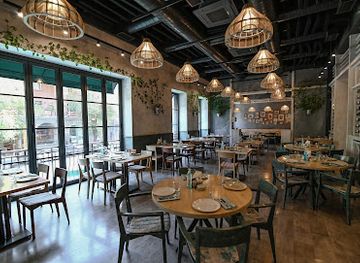
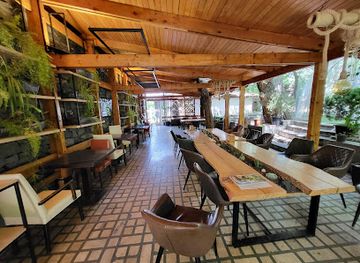
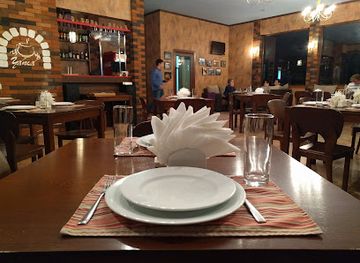
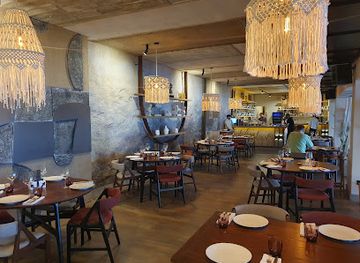
Dining in Tavush is rooted in Armenian home cooking, with local character derived from the forested environment and mountain agriculture. Restaurants, guesthouses and family-run dining rooms commonly serve grilled meats, khorovats, dolma, soups, salads, lavash, cheeses and dairy products, alongside herbs, walnuts, honey, berries and seasonal preserves. Forest mushrooms and wild greens may appear when locally available, although their availability is seasonal rather than guaranteed. Dilijan has the widest choice of cafés, restaurants and contemporary Armenian menus, while Ijevan combines everyday eateries with regional food traditions and locally produced drinks. In villages, advance arrangements at a guesthouse can provide a more personal meal than relying on a formal restaurant. Armenian wine and brandy are available across the region, and Ijevan has a longstanding association with wine production. Markets and roadside stalls are useful for fruit, dried produce, honey and snacks, but visitors should choose clean, reputable sellers and carry cash for small purchases.
-
Armenian
Lavash Restaurant
Discover the rich flavors of Armenia at Lavash Restaurant in Yerevan - where tradition meets taste.
-
Restaurant
EL Garden
Experience the flavors of Armenia at EL Garden - where tradition meets culinary excellence in the heart of Yerevan.
-
Restaurant
Kchuch Restaurant
Discover authentic Armenian flavors at Kchuch Restaurant in Dilijan – where every meal tells a story.
-
Restaurant
Yasaman Sevan's Restaurant
Experience authentic Armenian cuisine with stunning views at Yasaman Sevan's Restaurant by Lake Sevan.
Best bars in Tavush
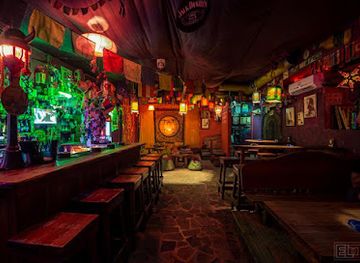
Tavush has a modest evening scene focused on restaurants, cafés, hotel lounges and traditional pubs rather than large-scale clubbing. Dilijan is the principal centre for relaxed evening drinks, with seasonal outdoor seating and venues aimed at both residents and visitors, while Ijevan provides a more local town atmosphere. In smaller settlements, evenings generally revolve around guesthouses, family meals and occasional live music rather than dedicated nightlife venues. Local wine, Armenian brandy, beer and fruit-based drinks are widely available, but alcohol is not necessary to engage with the region’s cultural life. Opening arrangements can change, particularly outside the summer season, so visitors should ask accommodation hosts about current options and arrange transport before travelling between rural locations at night.
-
Brewpub
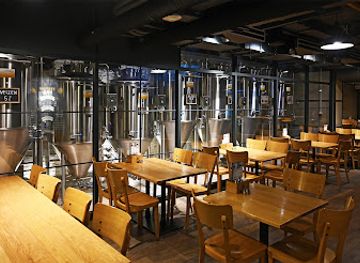
Dargett Craft Beer
Discover the vibrant craft beer culture at Dargett in Yerevan, where artisan brews meet delicious cuisine in a lively atmosphere.
-
Pub
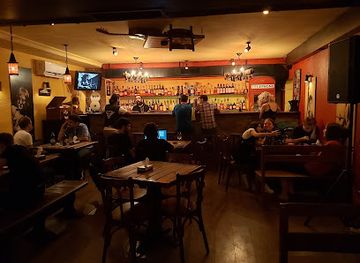
Beatles Pub Yerevan
Discover the vibrant Beatles Pub in Yerevan, where local culture meets international flair in a lively pub atmosphere.
-
Musical club
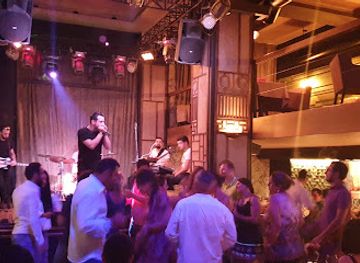
Kami Club
Experience the heartbeat of Yerevan's nightlife at Kami Club, where live music and vibrant energy unite for an unforgettable evening.
-
Pub
Calumet Ethnic Lounge Bar
Immerse yourself in Yerevan's nightlife at Calumet Ethnic Lounge Bar, a vibrant pub offering local drinks, snacks, and live entertainment.
Best nightclubs in Tavush
Tavush has a modest evening scene focused on restaurants, cafés, hotel lounges and traditional pubs rather than large-scale clubbing. Dilijan is the principal centre for relaxed evening drinks, with seasonal outdoor seating and venues aimed at both residents and visitors, while Ijevan provides a more local town atmosphere. In smaller settlements, evenings generally revolve around guesthouses, family meals and occasional live music rather than dedicated nightlife venues. Local wine, Armenian brandy, beer and fruit-based drinks are widely available, but alcohol is not necessary to engage with the region’s cultural life. Opening arrangements can change, particularly outside the summer season, so visitors should ask accommodation hosts about current options and arrange transport before travelling between rural locations at night.
-
Jazz
Club 12
Discover the perfect blend of live jazz, Armenian cuisine, and a vibrant atmosphere at Club 12 in the heart of Yerevan.
-
Rock music club
Stop Club
Discover Yerevan's vibrant rock music scene at Stop Club, where talented artists bring unforgettable nights alive with electrifying performances.
-
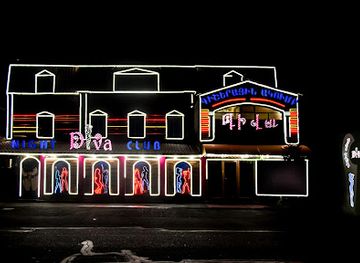
Night club
Diva
Experience Yerevan's vibrant nightlife at Diva, a premier night club featuring great music and a lively atmosphere.
-
Night club
Nightclub Cabaret Charlotte
Discover the enchanting blend of music, dance, and entertainment at Nightclub Cabaret Charlotte in Yerevan, where nightlife comes alive.



Best shops in Tavush
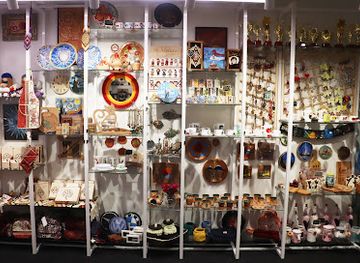
Shopping in Tavush is more closely tied to local produce, craft and small-town markets than to large retail centres. Dilijan’s historic quarter and central streets contain galleries, craft outlets and independent shops where visitors may find ceramics, woodwork, textiles, artworks and Armenian-made souvenirs. Ijevan offers everyday shopping alongside regional wine, preserves, honey, dried fruit, herbs and other food products, while market stalls and village sellers are useful for seasonal produce when operating. Handicrafts should be assessed for quality and provenance, particularly if a seller presents an item as traditionally made. Guesthouses and small producers can be good places to buy honey, jams, cheese or dried goods, although packaging and transport considerations matter for international travellers. Larger towns have better access to shops and ATMs; rural areas offer more distinctive local products but fewer predictable opening arrangements. Carrying dram is advisable for markets, farm-gate sales and independent craft purchases.
-
Gift shop
4U.AM
Explore 4U.AM in Yerevan for unique gifts and stunning flowers, perfect for every occasion and cherished memories.
-
Shopping mall
Tashir Street Shopping Centre
Discover the ultimate shopping experience at Tashir Street Shopping Centre, Yerevan’s go-to destination for fashion, food, and fun.
-
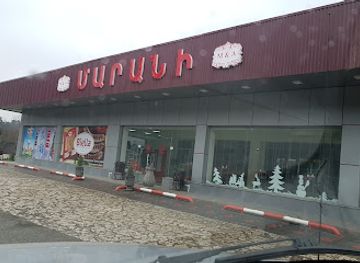
Supermarket
Supermarket
Discover the local flavors and essentials at Ijevan's premier supermarket, where convenience meets cultural immersion.
-
Shopping mall
Multi Magic Mall
Experience shopping at its finest at Multi Magic Mall, a vibrant hub for retail, dining, and entertainment in Verin Ptghni, Armenia.

Get your free copy of our complete guide to Tavush, delivered straight to you.
Everything on this page, from attractions and restaurants to essentials and local phrases, in one PDF you can read offline, print or share.
Already have an account? Sign in
Your Tavush guide is ready.
We'll send it to · Not you? Sign out

Getting your guide ready…
We are putting together a fresh copy of the Tavush guide. This can take up to a minute.
This can take a few moments. If your browser asks, choose Allow so the download can start. You'll find the guide in your Downloads folder.
Nothing happened? Download it again
Sorry, the guide is taking longer than usual. Please try again in a minute, or get it by email instead.
Tavush essentials
Currency and Payment
Safety
Emergency Situations
Do's and Don'ts
Local Tips
From Eve
Local phrases worth knowing
You don't need to get them perfect. A few words go a long way, and locals appreciate the effort.
Basics
| English | Local | Say it |
|---|---|---|
| Hello | Բարև | [Barev] |
| Goodbye | Ց见 | [Ts'ye] |
| Yes | Այո | [Ayo] |
| No | Ոչ | [Voch] |
| Please/You're welcome | Խնդրում եմ/Խնդրում եմ | [Khndrum yem/Khndrum yem] |
| Thank you | Շնորհակալություն | [Shnorhakalut'yun] |
| Excuse me/Sorry | Ներողություն | [Neroghut'yun] |
| How are you? | Ինչպե՞ս եք | [Inch'pes ek?] |
| Fine. And you? | Լավ եմ։ Իսկ դուք? | [Lav yem. Isk duk?] |
| Do you speak English? | Դուք անգլերեն խոսո՞ւմ եք | [Duk angleren khos'um ek?] |
| I don't understand | Ես չեմ հասկանում | [Yes chem haskanum] |
Eating & Drinking
| English | Local | Say it |
|---|---|---|
| I'd like to see the menu, please | Կցանկանայի տեսնել մենյուն, խնդրում եմ | [K'tsankanayi tesnel menyun, khndrum yem] |
| I don't eat meat | Ես միս չեմ ուտում | [Yes mis chem utum] |
| Cheers! | Առողջություն! | [Arroghut'yun!] |
| I would like to pay, please | Կցանկանայի վճարել, խնդրում եմ | [K'tsankanayi vjchar'el, khndrum yem] |
Emergencies
| English | Local | Say it |
|---|---|---|
| Help! | Օգնեք! | [Ogn'ek!] |
| Go away! | Հեռացեք! | [Herats'ek!] |
| Call the Police! | Զանգահարեք ոստիկանությանը! | [Zangaharek vostikanut'yun!] |
| Call a doctor! | Զանգահարեք բժիշկի! | [Zangaharek bjishki!] |
| I'm lost | Ես կորած եմ | [Yes korats yem] |
| I'm ill | Ես հիվանդ եմ | [Yes hivand yem] |
Shopping
| English | Local | Say it |
|---|---|---|
| I'd like to buy... | Կցանկանայի գնել... | [K'tsankanayi gnel...] |
| I'm just looking | Ես պարզապես նայում եմ | [Yes parzapes nayum yem] |
| How much is it? | Քանի՞ է դա | [K'ani? e da] |
| That's too expensive | Այն շատ թանկ է | [Ayn shat t'ank e] |
| Can you lower the price? | Կարող եք իջեցնել գինը? | [Karogh ek ijetsnel giny?] |
Time & Numbers
| English | Local | Say it |
|---|---|---|
| What time is it? | Որ ժամն է? | [Vor zhamn e?] |
| It's one o'clock | Ժամը մեկ է | [Zhame mek e] |
| Half past (10) | Տասը կես է | [T'as@ kes e] |
| Morning | Առավոտ | [Aravot] |
| Afternoon | Ճանապարհի կեսը | [Janaparhi kes@] |
| Evening | Երեկո | [Yereko] |
| Yesterday | Երեկ | [Yerek] |
| Today | Այսօր | [Aysor] |
| Tomorrow | Վաղը | [Vaghy] |
| 1 | 1 | [1] |
| 2 | 2 | [2] |
| 3 | 3 | [3] |
| 4 | 4 | [4] |
| 5 | 5 | [5] |
| 6 | 6 | [6] |
| 7 | 7 | [7] |
| 8 | 8 | [8] |
| 9 | 9 | [9] |
| 10 | 10 | [10] |
Transport & Directions
| English | Local | Say it |
|---|---|---|
| Where's a/the...? | Որտե՞ղ է ... | [Vortegh e ...?] |
| What's the address? | Ինչ է հասցեն? | [Inch e hascen?] |
| Can you show me (on the map)? | Կարող եք ցույց տալ (քարտեզի վրա)? | [Karogh ek ts'uyts tal (k'artezi vra)?] |
| When's the next (bus)? | Երբ է հաջորդը (ավտոբուսը)? | [Yerbn e haxord@ (avtobusy)?] |
| A ticket (to ....) | Մի տոմս (մի ....) | [Mi toms (mi ...)] |
History of Tavush
Early settlement and ancient frontier landscapes
Tavush has long been shaped by its position between the Armenian uplands and the routes leading towards the southern Caucasus. Archaeological evidence from northeastern Armenia records settlement and metalworking traditions dating from prehistoric times, while later communities used the forested valleys, river corridors and defensible hills for agriculture and movement. The region’s eastern and northern position also made it a zone where political influence could shift between neighbouring powers. Although much of the visible heritage is medieval, the landscape’s settlement history is substantially older than the monasteries that now define its tourism identity.
Medieval Armenian principalities
During the medieval period, the valleys of modern Tavush formed part of the changing political world of Armenian kingdoms and principalities, including territories associated with the Bagratid era and later local noble families. Fortified sites and monastic foundations developed along routes linking settlements in northern Armenia with Georgia and the interior. The remains of Tavush Fortress, near the village of Tavush, reflect the strategic importance of controlling movement through the region. The combination of forests, narrow valleys and high ground offered both natural protection and access to timber, water and cultivable land.
Monasteries, learning and medieval culture
From the tenth to the thirteenth centuries, Tavush became an important setting for religious architecture, manuscript culture and scholarship. Haghartsin grew into a substantial monastic complex in a forested valley, while Goshavank was founded in 1188 by Mkhitar Gosh, an influential Armenian scholar whose legal and literary work had a lasting impact. Makaravank and other monasteries similarly combined worship, education and artistic production. Their carved stone decoration, churches, chapels and surviving inscriptions provide some of the clearest evidence of the region’s medieval intellectual and architectural life.
Periods of imperial rule and changing borders
From the later medieval period onwards, Tavush experienced the political pressures that affected much of eastern Armenia, including rule or influence from Persian and Ottoman powers before the incorporation of the area into the Russian Empire in the nineteenth century. The borderland position became increasingly significant as administrative frontiers were formalised between imperial territories. Roads, settlements and economic connections were reorganised during this period, while Armenian village life, church traditions and agricultural practices continued within a changing political framework.
Soviet development of Ijevan and Dilijan
Under Soviet rule, Tavush’s towns acquired new administrative, industrial and recreational roles. Ijevan developed as a provincial centre with woodworking, food production and wine-related activity, while Dilijan was promoted as a health resort and cultural town because of its forested setting and comparatively mild mountain climate. Public buildings, sanatoria and planned urban development altered both towns, even as older churches and traditional building forms remained visible. The period also brought improved roads and public services, connecting the region more closely with Yerevan and other parts of Armenia.
Post-independence heritage and nature tourism
Since Armenia regained independence in 1991, Tavush has increasingly presented its monasteries, forests and rural landscapes as a regional tourism asset. Dilijan National Park and the restored religious complexes around Dilijan have become central to this effort, while Yenokavan has developed a profile linked to outdoor recreation. The region continues to balance tourism with agriculture, forestry, local manufacturing and the practical realities of living near international borders. Conservation, trail management and responsible access are important to preserving both the woodland environment and the historic buildings that attract visitors.
Tavush in Photos
Browse through our photo collection highlighting the charm and character of the destination.
Neighbouring regions of Tavush
The closest regions to Tavush, if you have time for more than one.
-

-
-
-

-


Swipe for more regions
Explore more

Explore more of Armenia
Explore Armenia's ancient wonders, vibrant cities, and breathtaking landscapes. From historic monasteries to delicious cuisine, there's something for every traveler.
Explore Armenia