
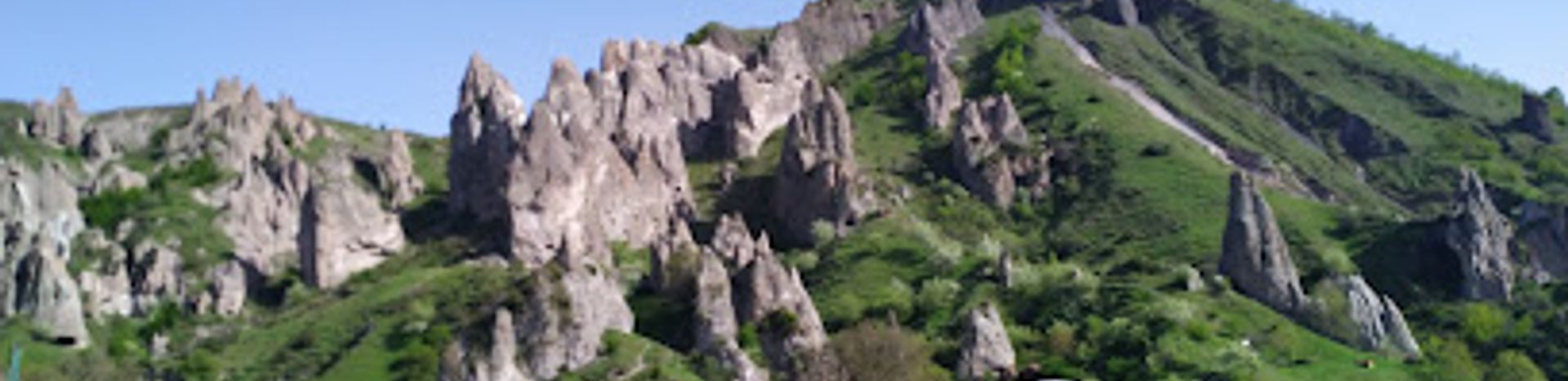
Medieval Goris Cave Dwellings: Echoes of Armenia's Past
Discover ancient cave dwellings in Goris, Armenia, a journey through history and stunning landscapes. Explore medieval homes carved into volcanic rock.
Explore the Medieval Goris Cave Dwellings, ancient cave homes carved into the volcanic rock. Inhabited since the 4th century, these dwellings showcase early Christian and medieval Armenian life, offering a glimpse into a unique blend of history and natural beauty.
A brief summary to Medieval Goris Cave Dwellings
- G944+QJC, Goris, AM
Local tips
- Wear comfortable walking shoes as the terrain can be uneven and requires some hiking.
- Visit during late spring or early autumn for pleasant weather ideal for exploring the outdoor attractions.
- Explore beyond the main trails to discover hidden caves and enjoy panoramic views of Goris.
- Combine your visit with a trip to other nearby attractions like Tatev Monastery or Khndzoresk Cave Village.

Getting There
-
Walking
From the center of Goris, the cave dwellings are accessible by foot. The walk takes approximately 15-20 minutes, though the path can be steep in places. Follow the road heading east from the city center, towards the mountains. Look for signs indicating 'Old Goris' or 'Cave Dwellings'. There are no entrance fees for simply walking up to the dwellings.
-
Taxi
Taxis are readily available in Goris and can take you to the base of the hill leading to the cave dwellings. A short taxi ride from the city center will cost approximately 500-700 AMD. From the drop-off point, there is a short uphill walk to reach the caves. There are no parking fees.
Discover more about Medieval Goris Cave Dwellings
Iconic landmarks you can’t miss

Antica Goris.
0.1 km
Explore Antica Goris: Discover ancient cave dwellings and stunning rock formations in Armenia's historic Syunik region.
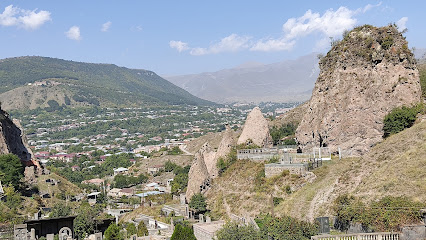
Grigor Tatevatsi Square
1.1 km
Discover Grigor Tatevatsi Square in Goris: A historical landmark celebrating Armenian culture and the legacy of a renowned philosopher.
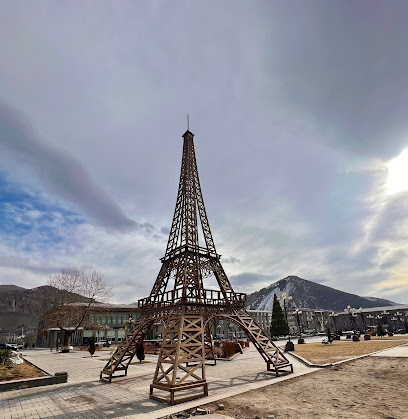
Museum of Regional Studies
1.1 km
Explore the vibrant history and culture of Goris at the Museum of Regional Studies—an enriching experience for every traveler.
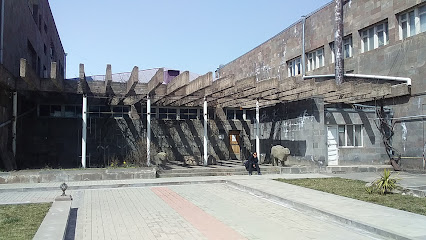
Goris Town Viewpoint
1.1 km
Discover breathtaking views and tranquil scenery at Goris Town Viewpoint, the perfect spot for nature lovers and photographers in Armenia.
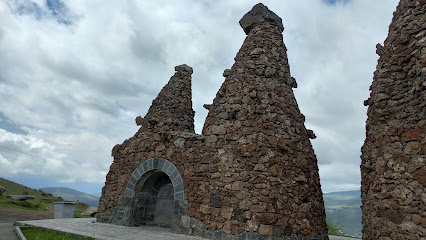
Khoreayi Dzor
1.4 km
Experience exceptional hospitality and authentic Armenian cuisine at Khoreayi Dzor, your perfect retreat in the heart of Goris.

Mirhav Hotel
1.7 km
Experience comfort and culture at Mirhav Hotel, your gateway to exploring the historical and natural wonders of Goris, Armenia.
Garegin Nzhdeh Square
1.7 km
Discover Garegin Nzhdeh Square in Goris: a vibrant hub of Armenian culture, history, and community life, surrounded by stunning architecture.
Khachik's B&B
1.7 km
Experience Armenian hospitality at Khachik's B&B in Goris. Comfortable rooms, friendly hosts, and a perfect base for exploring Syunik.
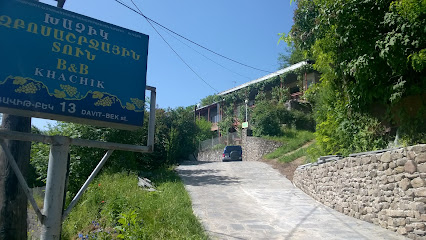
Փոսիկի աղբյուր
1.9 km
Explore the breathtaking landscapes, rich history, and vibrant culture of Goris, Armenia, a hidden gem in the heart of the Caucasus.
Stone-pyramids
2.0 km
Discover the breathtaking Stone Pyramids of Goris, a stunning natural wonder perfect for photography and exploration in Armenia's picturesque landscape.
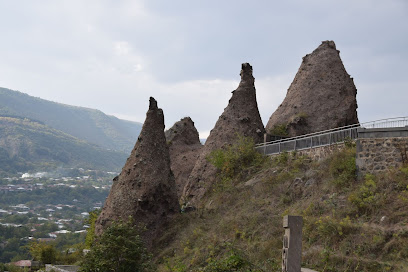
Ttenut
2.5 km
Discover the beauty of Goris with Ttenut, your premier outdoor activity organizer for unforgettable adventures in Armenia's stunning landscapes.
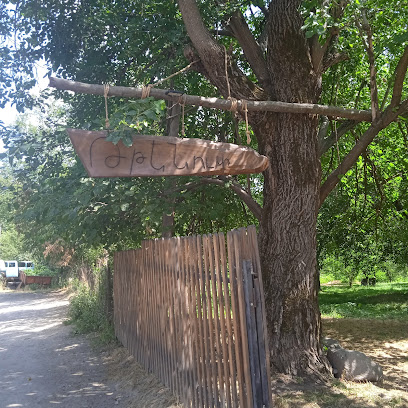
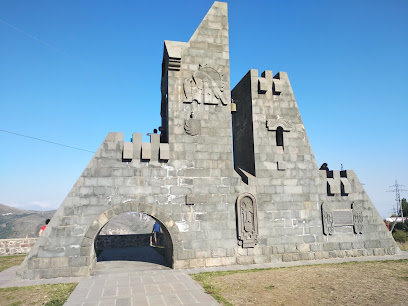
Goris Entry Monument
2.6 km
Discover the Goris Entry Monument: A cultural landmark embodying Armenia's heritage and welcoming visitors to a picturesque town.
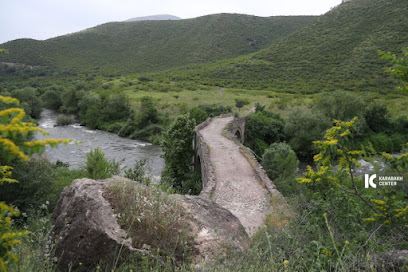
Laləzar Körpüsü
11.7 km
Discover Lalazar Bridge, a historic Azerbaijani architectural monument over the Bargushad River, showcasing unique bridge-building techniques from 1867.
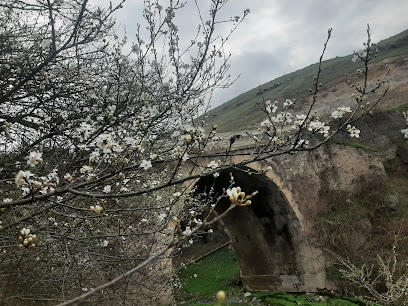
Harzhis caravanserai
12.8 km
Explore the historical Harzhis Caravanserai, an ancient Silk Road stop in Armenia, showcasing medieval architecture and cultural heritage.
Մելիքի կամուրջ
13.0 km
Explore the stunning historical landmark in Tegh, Armenia, where rich culture meets breathtaking architecture in a serene landscape.
Unmissable attractions to see

Արմենի սար
0.4 km
Hike to panoramic views from "Prince's Mountain" near Goris, Armenia, offering stunning vistas of the Syunik region's natural beauty.
Old Goris Amphitheater
0.4 km
Explore the ancient Old Goris Amphitheater in Armenia, a historical landmark offering stunning views and a glimpse into the region's rich cultural past.
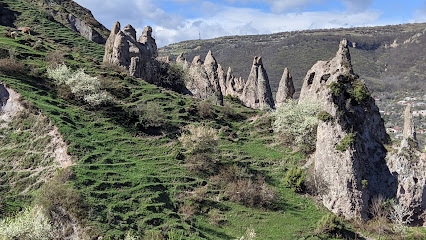
Пешерный город
0.7 km
Исследуйте древние пещерные жилища Гориса, где история и природа переплетаются в захватывающем армянском ландшафте.
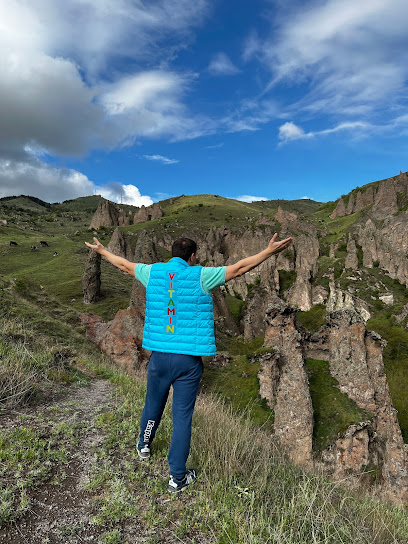
Дом с орлом
1.0 km
Discover the charm of Goris at Dom s Orlom, a unique attraction in a town celebrated for its stone architecture and stunning natural landscapes.
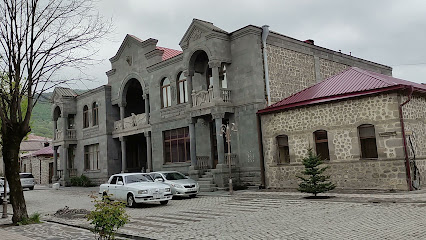
Grigor Tatevatsi Statue
1.1 km
Explore the Grigor Tatevatsi Statue in Goris, a captivating tribute to Armenian heritage, surrounded by stunning landscapes and rich history.
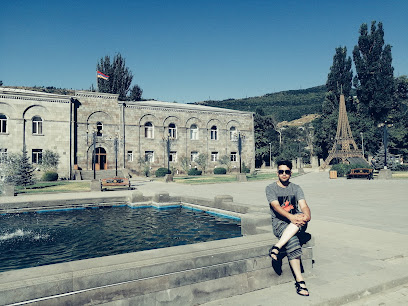
Museum-tea house Goris
1.4 km
Discover Goris's cultural heritage at the Museum-Tea House, where history comes alive with traditional Armenian tea and hospitality.
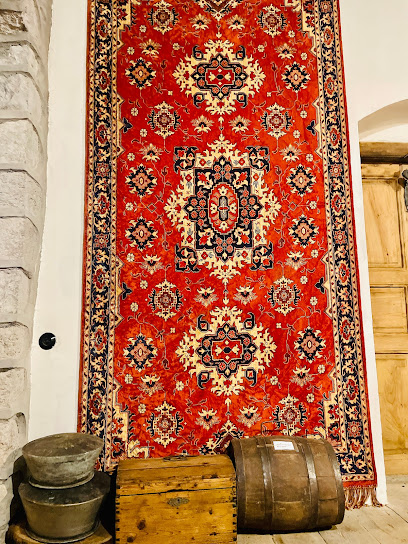
Sal qar
1.6 km
Discover the stunning landscapes and rich cultural heritage of Sal Qar, a hidden gem along the Kapan Highway in Goris, Armenia.
Էմիլի աղբյուր
2.5 km
A refreshing natural spring in Goris, Armenia, offering a tranquil escape and a taste of pure mountain water.
Rock formations
3.8 km
Discover Khndzoresk's ancient cave dwellings and stunning rock formations, a journey through Armenia's history and natural beauty. A must-see destination!
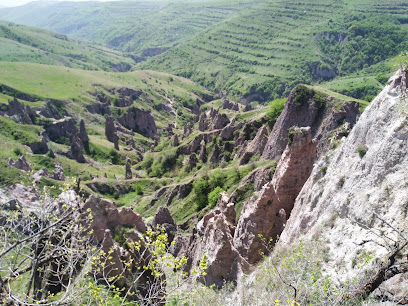
Lake sdikh
4.0 km
Discover the tranquil beauty of Lake Sdikh, a serene Armenian escape surrounded by stunning landscapes, perfect for nature lovers.
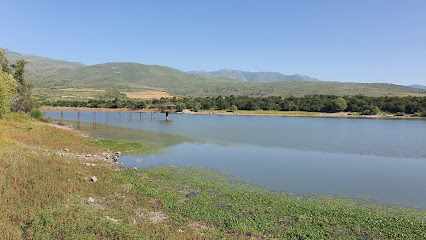
Khndzoresk
6.3 km
Discover Khndzoresk: Explore ancient cave dwellings, cross the thrilling swinging bridge, and immerse yourself in Armenia's rich history and stunning landscapes.

Khndzoresk swinging bridge
6.6 km
Experience breathtaking views and the thrill of crossing the Khndzoresk Swinging Bridge, Armenia's stunning architectural gem.
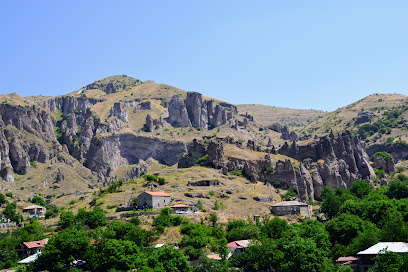
Пещерный город Хндзореск
6.6 km
Discover Khndzoresk Cave City: Explore ancient cave dwellings, cross the thrilling swinging bridge, and witness Armenia's unique history and stunning landscapes.

Old Khot
8.7 km
Explore Old Khot, Armenia's ancient village carved into the cliffs of the Vorotan Gorge, offering a unique blend of history and natural beauty.
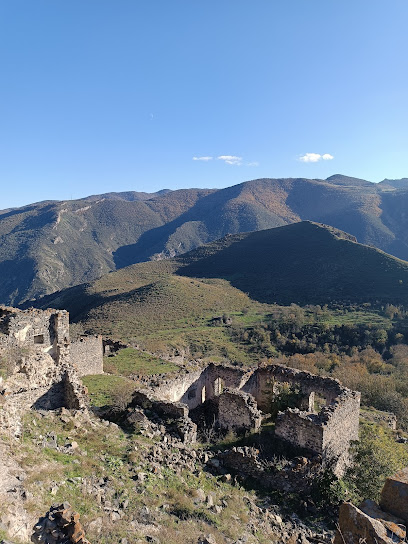
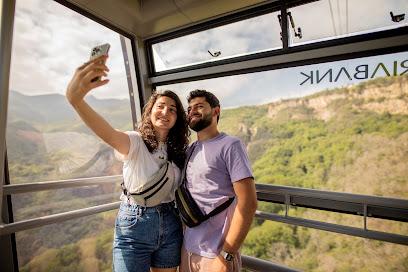
Wings of Tatev | Tatever
11.2 km
Experience Armenia from above on the world's longest reversible cable car, soaring to the historic Tatev Monastery.
Essential places to dine

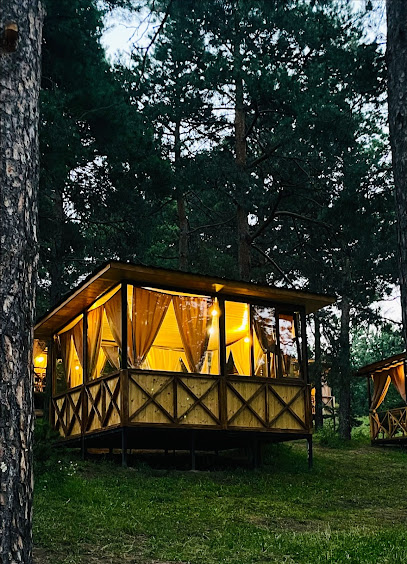
Trichk
1.1 km
Discover authentic Armenian flavors at Trichk in Goris – a cozy restaurant offering traditional dishes and local beverages.
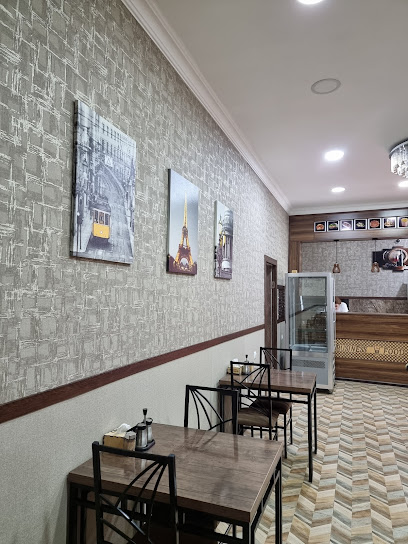
Business food
1.1 km
Experience Goris through its fast food delights; quick bites and local flavors await in this vibrant culinary hub.
ресторан у Мишы restaurant
1.1 km
Discover authentic Armenian flavors at Ресторан у Мишы in Goris - where tradition meets taste in every dish.
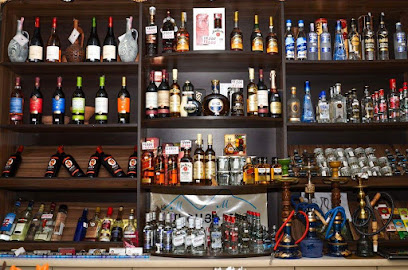
Delux
1.2 km
Discover Delux in Goris - where authentic Armenian flavors meet warm hospitality in an inviting atmosphere.
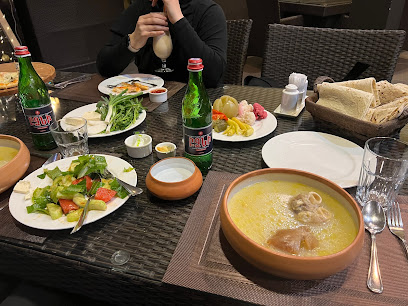
Panorama Goris Պանորամա Գորիս
1.2 km
Experience breathtaking views and delicious Armenian cuisine at Panorama Goris, the perfect blend of nature and family-friendly dining.
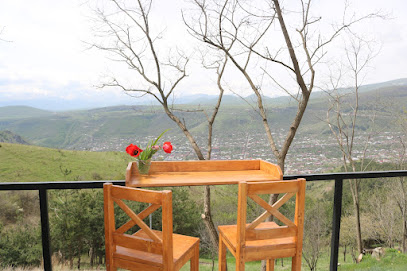
Old Goris Restaurant
1.3 km
Discover Old Goris Restaurant: A Culinary Haven for Authentic Armenian Flavors in the Heart of Goris.
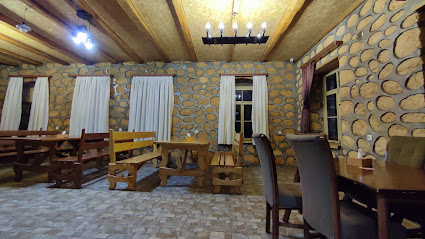
Takarik
1.3 km
Discover authentic Armenian cuisine at Takarik in Goris, where tradition meets flavor in a welcoming atmosphere.
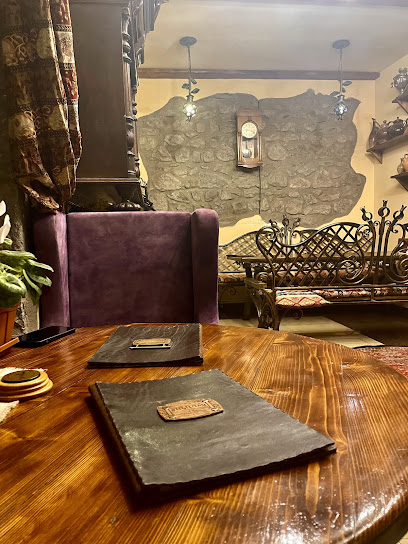
Smaylik
1.5 km
Discover the essence of Armenian cuisine at Smaylik, a family-friendly restaurant in Goris offering delicious meals in a warm atmosphere.
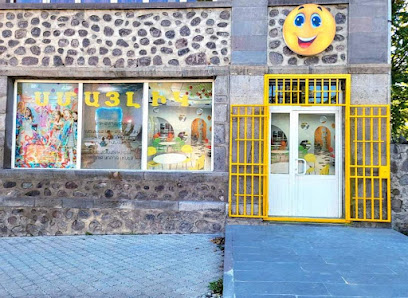
Eiffel
1.5 km
Enjoy delicious family-friendly dining at Eiffel in Goris, where culinary delights meet warm Armenian hospitality.
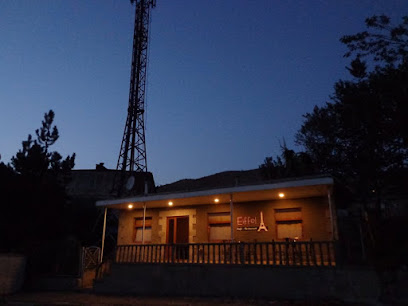
Hotel Vivas
1.6 km
Experience the warmth of Armenian hospitality at Hotel Vivas in Goris, featuring cozy accommodations and exquisite Asturian cuisine.
Wine Garden
1.6 km
Experience authentic Armenian flavors at Wine Garden in Goris – where culinary traditions meet breathtaking views.
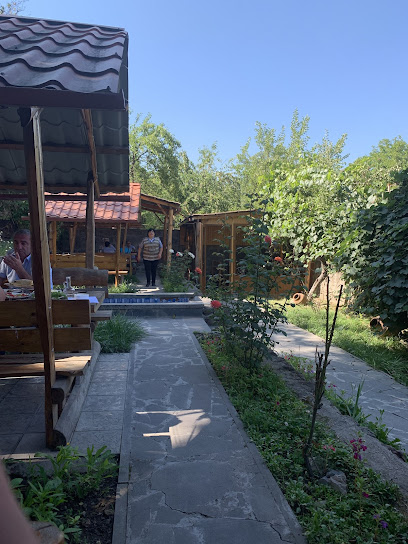
At Vaso
1.6 km
Experience authentic Armenian cuisine at At Vaso in Goris – where every meal tells a story.
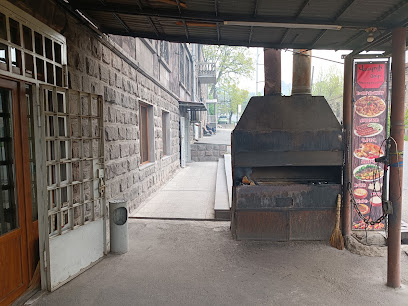
Arpi Restaurant
1.9 km
Experience authentic Armenian cuisine at Arpi Restaurant in Goris – where tradition meets flavor.
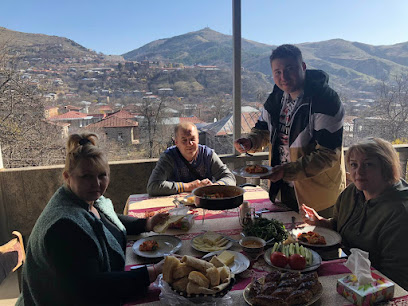
Nation Art Restaurant
2.0 km
Savor authentic Armenian cuisine in Goris at Nation Art Restaurant - where flavor meets artistry.
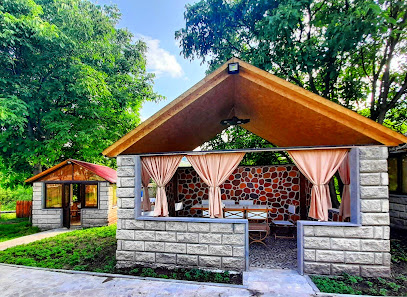
Avagyans Hotel-Restaurant
2.2 km
Discover unparalleled comfort at Avagyans Hotel-Restaurant in Goris—where breathtaking views meet warm hospitality.
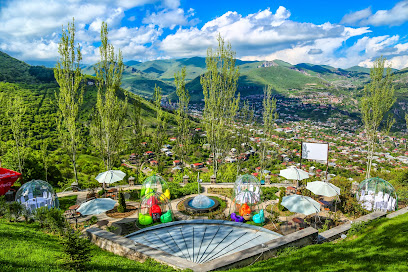
Markets, malls and hidden boutiques

OZON Goris
0.9 km
Discover OZON Goris, a vibrant store offering a diverse range of products for tourists seeking local treasures and daily essentials in Goris.
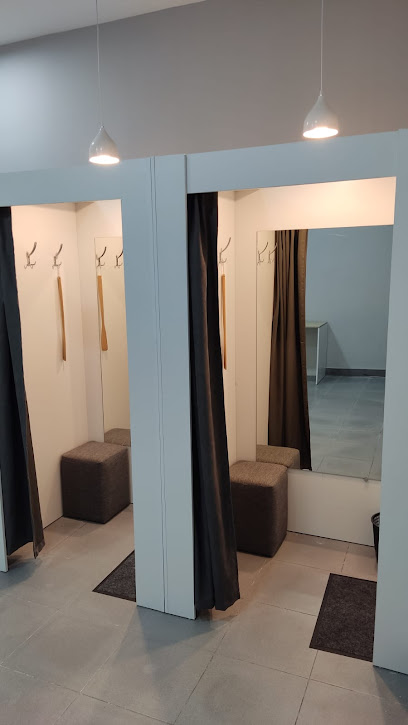
Gentleman
1.1 km
Explore Gentleman in Goris, Armenia for a unique shopping experience with a blend of traditional and modern fashion.
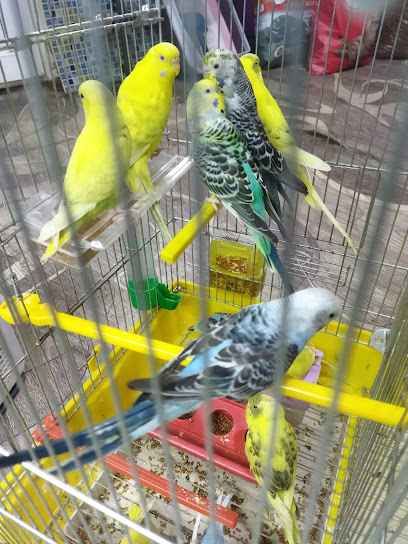
ZooMiMi
1.1 km
Discover ZooMiMi, Goris' premier pet store, offering a fantastic variety of pets and supplies for animal lovers of all ages.
dom
1.1 km
Discover the essence of freedom and adventure at Arevshat's Harley-Davidson dealer in Goris, Armenia, a hub for motorcycle enthusiasts.
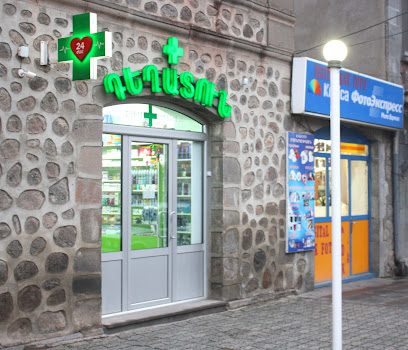
Tina Pharm
1.1 km
Explore the vibrant landscape of Goris and find essential health supplies at Tina Pharm, your trusted drug store in the heart of the city.
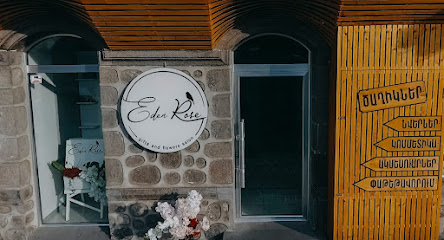
Eden Rose
1.1 km
Discover the enchanting beauty of Eden Rose in Goris, where exquisite floral arrangements meet the charm of local artistry.
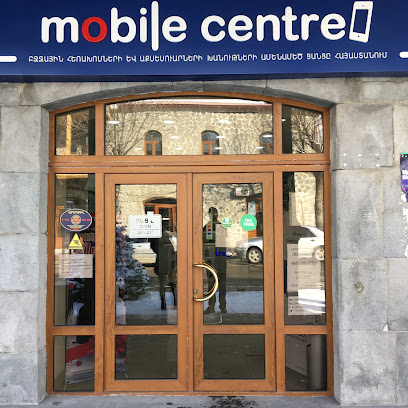
Mobile Centre
1.2 km
Discover the latest smartphones and accessories at Mobile Centre in Goris, where technology meets exceptional service.
Food store
1.2 km
Experience the rich flavors of Armenia at Goris Grocery Store, where local produce and artisanal goods come together in a vibrant shopping destination.
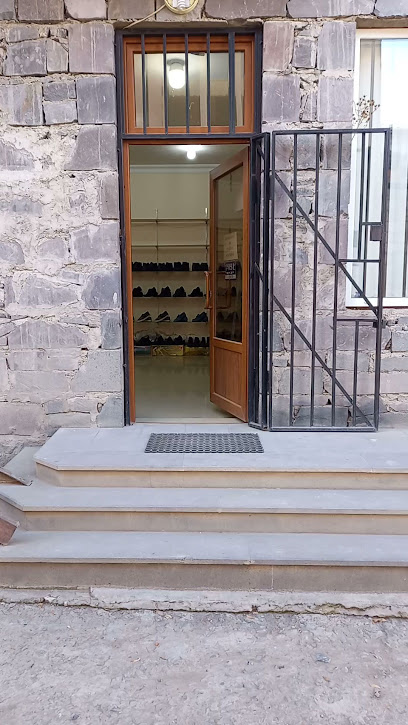
Kids shop
1.2 km
Explore the vibrant Kids Shop in Ijevan, where stylish children's clothing meets quality and creativity for a memorable shopping experience.
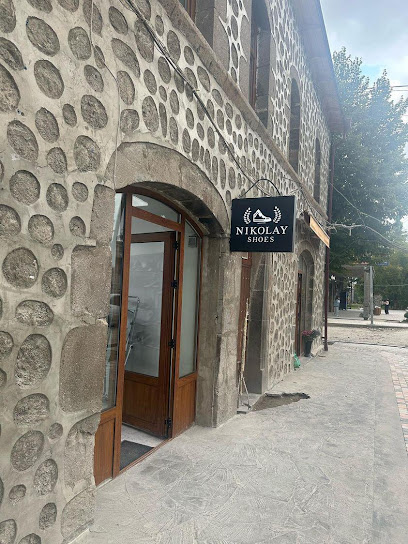
Nikolay Shoes
1.2 km
Discover Nikolay Shoes in Goris, where local craftsmanship meets style. A perfect stop for unique and comfortable footwear.
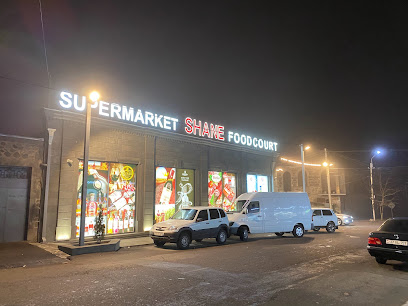
Shane Supermarket
1.2 km
Discover unbeatable prices and local flavors at Shane Supermarket, your go-to destination for groceries in Goris, Armenia.
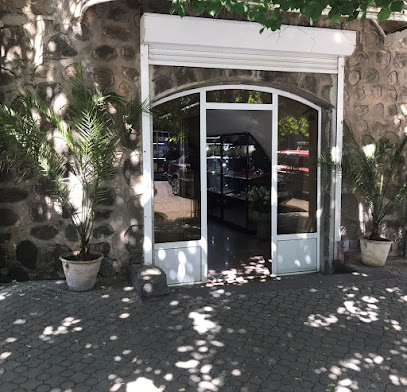
rubin jewelry
1.2 km
Explore the rich cultural heritage of Armenia through exquisite handcrafted jewelry at Rubin Jewelry in Goris.
Karandash
1.2 km
Explore Karandash in Goris, Armenia: your go-to destination for exquisite stationery, art supplies, and unique local gifts.
Angel
1.2 km
Visit Angel Grocery Store in Goris for a unique taste of local Armenian products and immerse yourself in the region's rich culinary culture.
Hagusti Ashkharh
1.2 km
Experience the charm of Armenian fashion at Hagusti Ashkharh in Goris, offering unique clothing and accessories that reflect the local culture.
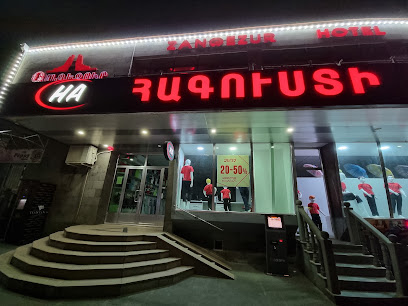
Essential bars & hidden hideouts

Cafe Tur Baza
0.8 km
Experience Armenian hospitality at Cafe Tur Baza in Goris - a cozy cafe offering authentic local cuisine and a welcoming atmosphere.
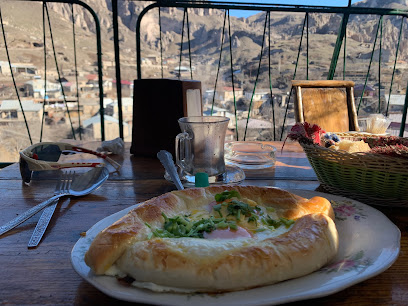
Hotel Mira
1.3 km
Discover the serene charm of Hotel Mira in Goris, where comfort meets nature in a tranquil setting.
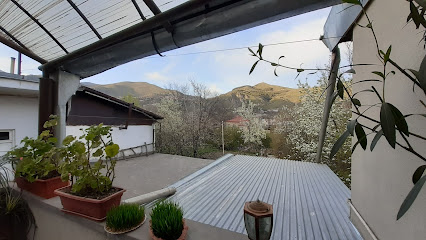
Mthnadzor Hotel
1.6 km
Discover the charm of Goris at Mthnadzor Inn, your cozy retreat with local cuisine and close access to Armenia's stunning landscapes.
Goris Guest House
2.7 km
Experience the warmth and hospitality of Goris at the Goris Guest House, where local flavors and cozy ambiance await you.
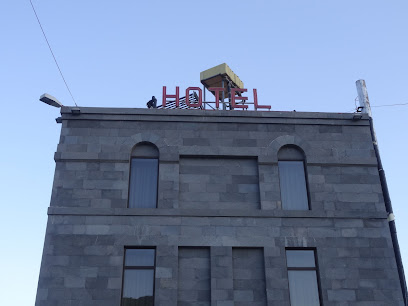
Restaurant & Cafe 555
6.2 km
Experience the charming atmosphere and culinary delights of Restaurant & Cafe 555, a perfect stop along the scenic Goris-Berdzor-Stepanakert Highway in Karashen.
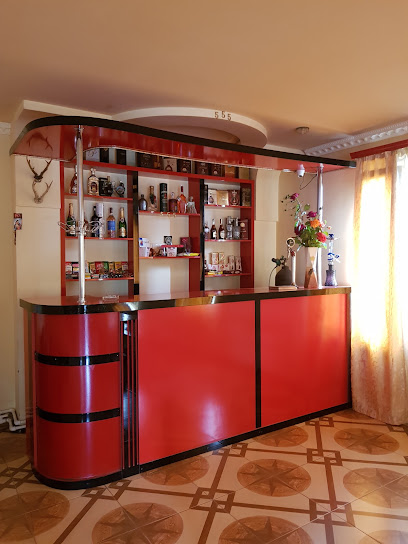
ներկայացվող տարածք
23.9 km
Experience the essence of Davit Bek at its top bar, where unique cocktails and local brews meet a vibrant atmosphere.
Հացատուն Աճանան
28.2 km
Experience the authentic taste of Armenia at Հացատուն Աճանան, a culinary gem in Kapan offering delicious local dishes and warm hospitality.
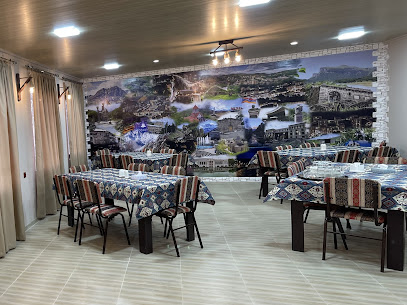
Royal Cafe
33.6 km
Discover the heart of Kapan through its flavors at Royal Cafe, where local meets international in a cozy dining experience.
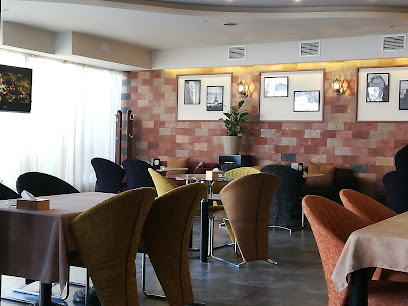
Սյունի Թոնրատուն
33.9 km
Experience authentic Armenian flavors at Suni Tonratun, Kapan's premier restaurant offering a warm ambiance and a rich culinary journey.
Restaurant Kamo
35.3 km
Savor authentic Armenian cuisine at Restaurant Kamo in Kapan, where traditional flavors meet warm hospitality in a charming setting.
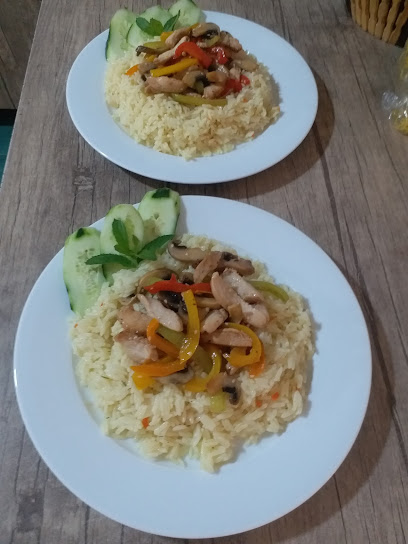
Գարեգին նժդեի 9 Ա
35.3 km
Discover the lively spirit of Nzhdeh at 1&1 Bar Caffe, where local culture meets modern flair in a perfect blend.
Vostan Ոստան
35.4 km
Experience the authentic flavors of Armenia at Vostan, Kapan's culinary jewel, where every dish tells a story of tradition and taste.
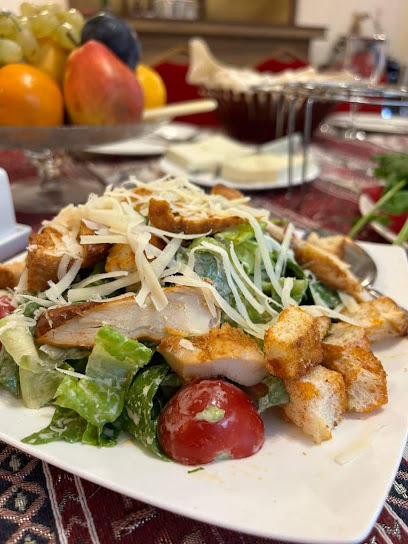
CAMELOT PAB
36.7 km
Discover the vibrant nightlife at Camelot Pab in Dağ Maşanlı, where great drinks and a lively atmosphere await every visitor.
Նավես
42.9 km
Experience authentic Armenian cuisine at Naves in Kajaran, where tradition meets flavor in a cozy dining atmosphere.
La Regina
42.9 km
Discover the flavors of Armenia at La Regina in Kajaran, where traditional cuisine meets a warm and inviting atmosphere for an unforgettable dining experience.
Nightclubs & after hour spots

Goris Press Club
1.5 km
Discover the vibrant community spirit at Goris Press Club, a cultural hub in Goris, Armenia, offering engaging events and local insights.
Fox Show Club
34.7 km
Experience the vibrant nightlife of Kapan at Fox Show Club, where music, dance, and entertainment create unforgettable memories.

ƏZİZİN VİLLASI
63.0 km
Discover the electrifying nightlife of Kulus at ƏZİZİN VİLLASI, a premier night club with vibrant music and a lively atmosphere.
Forte restaurant
68.8 km
Discover the flavors of Armenia at Forte Restaurant, where culinary excellence meets the charm of Jermuk.
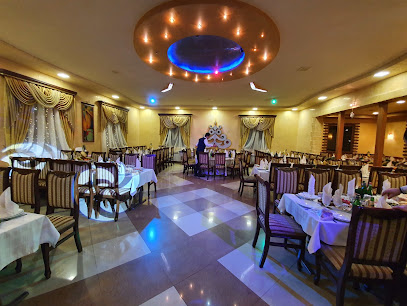
Jermuk restaurant
69.2 km
Experience authentic Armenian cuisine with stunning views at Jermuk Restaurant, a culinary treasure in the heart of Jermuk.
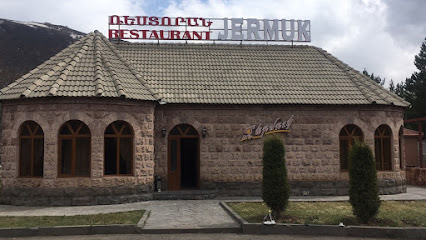
Jermuk Hotel
69.3 km
Experience luxurious relaxation and wellness at Jermuk Hotel, nestled in Armenia's breathtaking natural landscapes.
Jermuk Waterfall
69.3 km
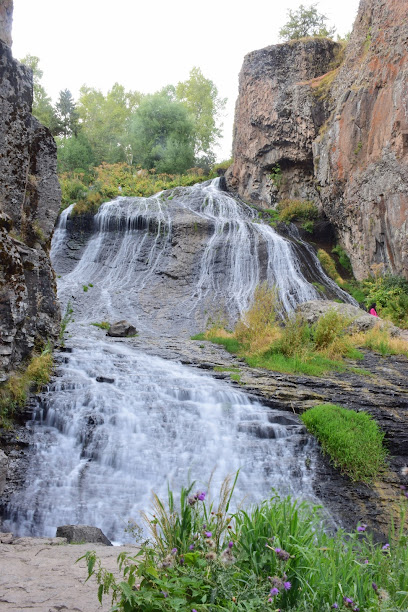
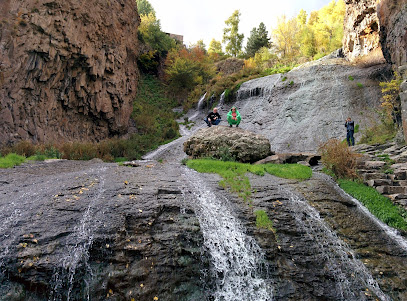
Discover the stunning Jermuk Waterfall, a natural gem in Armenia surrounded by lush landscapes and perfect for outdoor adventures.
Olympia Sanatorium
69.5 km
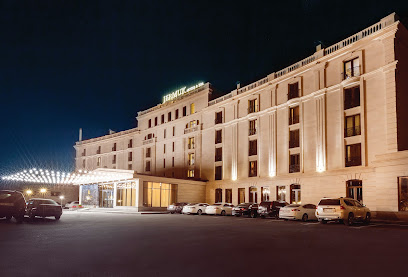
Discover holistic wellness and rejuvenation at Olympia Sanatorium, a premier health resort in Jermuk, combining nature's beauty with expert care.
Jermuk Terrace Restaurant
69.6 km
Experience authentic Armenian cuisine with breathtaking views at Jermuk Terrace Restaurant, a culinary gem in the heart of Jermuk.
Jermuk Hot Springs
70.6 km
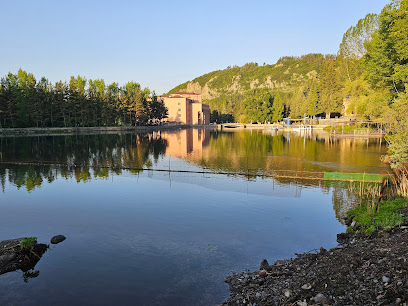
Experience the rejuvenating power of Jermuk Hot Springs, where healing waters meet stunning mountain vistas in Armenia.
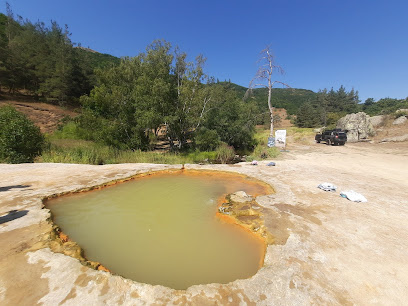
ES CAFE
80.3 km
Discover the vibrant atmosphere of ES CAFE in Vayk, where refreshing drinks and local charm meet for an unforgettable experience.
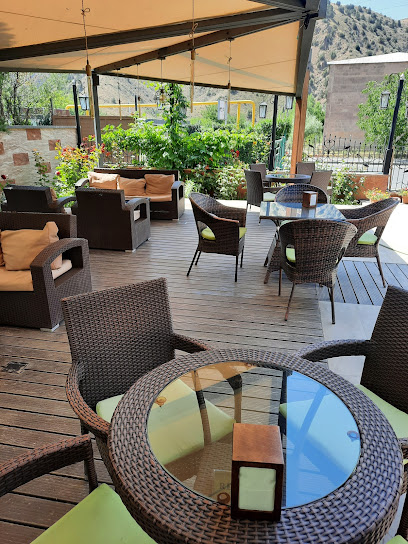
La Case De Mafia
86.3 km
Experience the vibrant nightlife of Nakhchivan at La Case De Mafia, a karaoke bar where every night is a musical celebration.
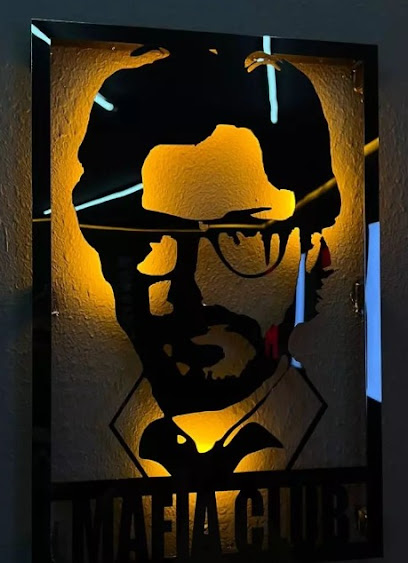
SVstudio
87.3 km
Discover the perfect blend of relaxation and local charm at SVstudio in Nakhchivan, an inviting lounge for every traveler.
Genclik Merkezi
88.1 km
Discover the cinematic charm of Nakhchivan at Genclik Merkezi, a must-visit movie theater offering diverse films and a welcoming atmosphere.
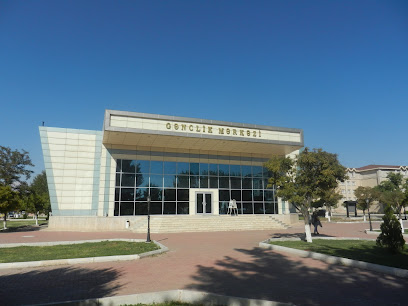
Yeghegis
90.3 km
Explore Yeghegis River in Armenia – a serene destination with stunning landscapes and rich cultural heritage, perfect for nature lovers and adventure seekers.


