

Garni Temple: Armenia's Hellenistic Jewel
Explore Armenia's only standing Greco-Roman temple, a majestic monument to a rich pagan past, offering stunning views and historical insights.
Garni Temple, located in the village of Garni, Armenia, is a classical Greco-Roman colonnaded structure. It is the only standing pagan temple in Armenia, built in the 1st century AD, likely by King Tiridates I. Dedicated to the sun god Mihr, it stands as a symbol of pre-Christian Armenia and a testament to the region's ancient ties to Greek and Roman civilizations.
A brief summary to H3
- Garni, AM

Know before you go
Hi, I'm Eve. Here are a few practical things to know before exploring H3.
- Visit early in the morning or late afternoon to avoid crowds and enjoy the best lighting for photography.
- Combine your visit with a trip to the nearby Geghard Monastery and the Symphony of Stones for a comprehensive cultural experience.
- Wear comfortable shoes, as you may want to explore the surrounding gorge and the Symphony of Stones.
- Try local Armenian cuisine at nearby eateries, such as khorovats (barbecue) and lavash.
Do you manage this location?
Take control to get all the benefits, like improved information, better appearance, and stronger visibility across AI-powered discovery. Learn more
Activate your presenceOther nearby places you may find interesting


Getting There
-
Public Transport
To reach Garni Temple from Yerevan by public transport, take bus number 266 or 284 from the Gai Bus Station, located near the Mercedes-Benz dealership on Gai Avenue. A taxi from the city center to Gai Bus Station will cost approximately 1,200 AMD - 2,000 AMD. The bus journey to Garni takes about 40-50 minutes and costs around 500 AMD. From the Garni bus stop in the village center, it's either a walk or a short taxi ride to the temple.
-
Taxi
A taxi directly from Yerevan to Garni Temple takes approximately 30-40 minutes. Using a taxi app such as GG or Yandex, the fare will be around 3,300 AMD. Street taxis may cost more, so it's best to negotiate the price beforehand. Parking is available near the temple entrance.
Discover more about H3
Explore the best of what H3 has to offer













More about Ararat
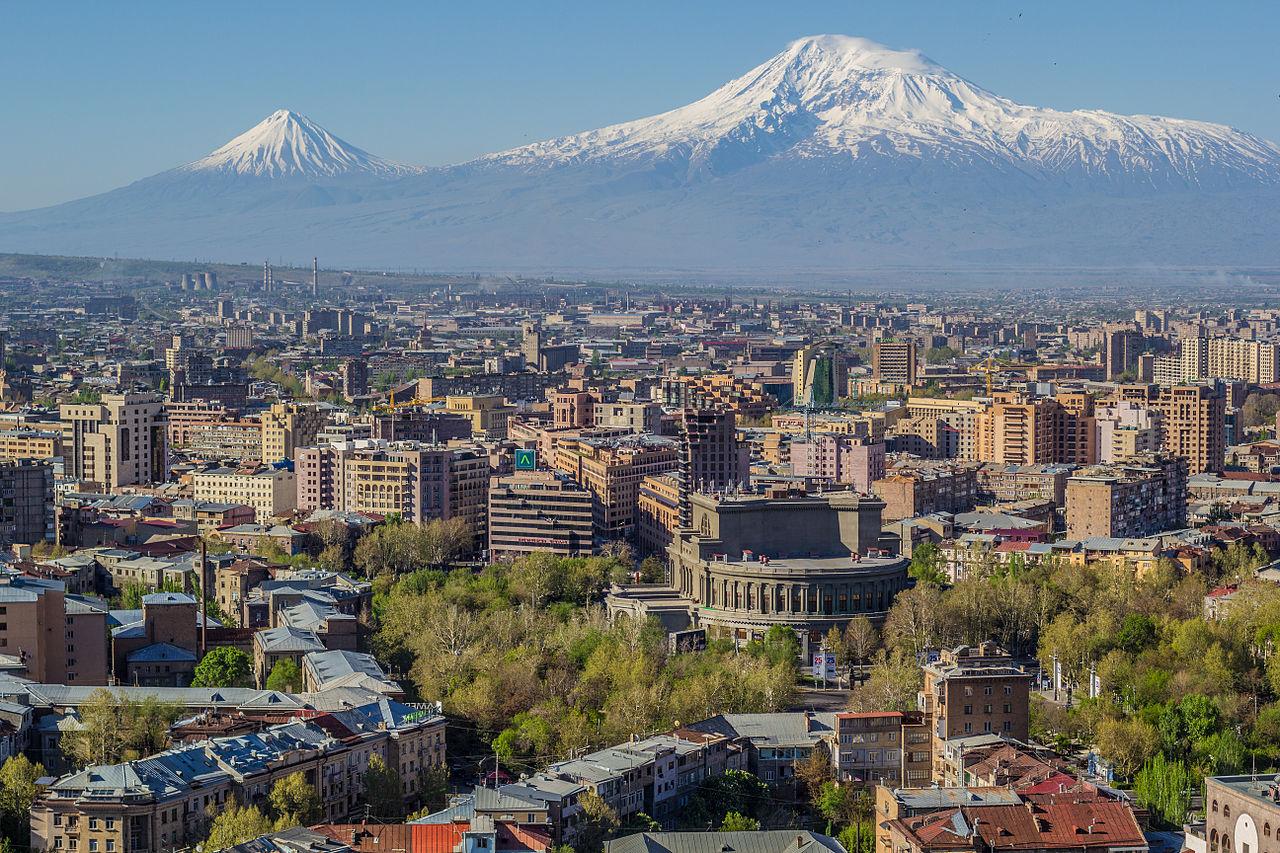
Discover the majestic Mount Ararat, a symbol of Armenia's natural beauty and rich history, offering breathtaking views, ancient monasteries, and unforgettable experiences.
Tell me more about Ararat
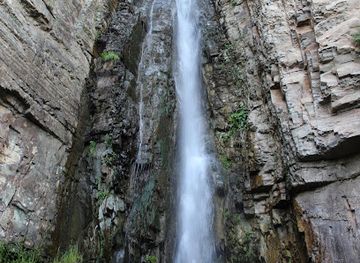
Discover the serene beauty of Armenia's Black Dragon Gorge near Garni, a perfect escape into nature's tranquility and dramatic landscapes.

Discover the ancient wonders of the Cave of Stones in Mets Gilanlar, Armenia, a mesmerizing display of geological artistry sculpted over millennia.
