

Sydney, Australia Travel Guide
Discover Sydney: A captivating blend of natural beauty, iconic landmarks, and vibrant culture that makes it Australia's premier tourist destination.
Sydney, the vibrant capital of New South Wales, is renowned for its stunning harbour, iconic landmarks, and multicultural atmosphere. As Australia's largest and most cosmopolitan city, Sydney offers a blend of natural beauty and urban sophistication that captivates visitors from around the globe. The architectural marvel of the Sydney Opera House and the imposing structure of the Sydney Harbour Bridge dominate the skyline, providing breathtaking views and photo opportunities. Take a leisurely stroll along Circular Quay, where you can hop on a ferry to explore nearby attractions like Taronga Zoo, Manly Beach, or the historic Rocks district. Beyond the harbour, Sydney's diverse neighborhoods each have their own unique charm. From the bustling streets of Chinatown and the trendy boutiques of Paddington to the relaxed vibes of Bondi Beach, there's something for everyone. Discover world-class dining, vibrant nightlife, and a rich arts scene that includes galleries, theaters, and live music venues. Nature enthusiasts will find plenty to love in Sydney as well. The Royal Botanic Garden offers a peaceful retreat with stunning views of the harbour, while the coastal walks from Bondi to Coogee provide spectacular ocean panoramas. For a truly immersive experience, venture into the nearby Blue Mountains or the beautiful national parks that surround the city.

Know before you go
Hi, I'm Eve. Here are a few practical things to know before exploring Sydney.
- Purchase an Opal card for convenient travel on public transport across the city.
- Visit the Sydney Opera House for a guided tour to learn about its history and architecture.
- Arrive early at Bondi Beach to secure a good spot, especially on weekends.
- Take a ferry ride during sunset for the best views of the Sydney Harbour.
- Explore The Rocks Market on weekends for unique souvenirs and local crafts.
- Wear comfortable walking shoes as Sydney's attractions are best explored on foot.


Explore Sydney: Things to Do, Places to Eat, Hotels & More
Handpicked recommendations for top attractions, local dining, accommodations, and more

Best attractions in Sydney
Top-rated picks
Best Attractions

Sydney Opera House
Discover the artistic essence of Sydney at the iconic Sydney Opera House, where architecture meets world-class performances in a stunning harbor setting.

Darling Harbour
Discover the heart of Sydney at Darling Harbour, a vibrant waterfront destination filled with attractions, dining, and stunning views.

Taronga Zoo Sydney
Explore Taronga Zoo Sydney, a leading animal conservation haven with breathtaking views of Sydney Harbour, perfect for family fun and education.

Royal Botanic Garden Sydney
Explore the Royal Botanic Garden Sydney, a stunning oasis with diverse plant species, breathtaking views, and a perfect escape in the heart of the city.

Best landmarks in Sydney
Top-rated picks
Best Landmarks

Sydney Opera House
Experience the iconic Sydney Opera House, a masterpiece of modern architecture and a hub of performing arts in the heart of Sydney.

Darling Harbour
Explore Darling Harbour, Sydney's vibrant waterfront, teeming with attractions, dining, and cultural experiences for every traveler.

Royal Botanic Garden Sydney
Discover the Royal Botanic Garden Sydney, a breathtaking sanctuary filled with diverse plant species and stunning views of the iconic Sydney Harbour.

Sydney Harbour Bridge
Explore the stunning Sydney Harbour Bridge, a monumental symbol of Australia, offering breathtaking views and unforgettable experiences for every traveler.

Best restaurants in Sydney
Top-rated picks
Best Restaurants

O Bar and Dining
Experience the heights of culinary excellence at O Bar and Dining, where modern Australian cuisine meets breathtaking views of Sydney's skyline.

Mr. Wong
Experience the finest Cantonese cuisine at Mr. Wong in Sydney - where tradition meets modernity in every dish.
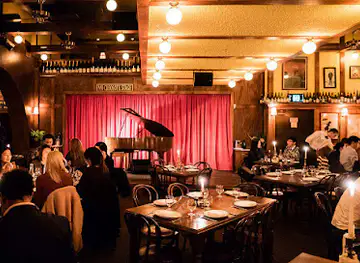
Restaurant Hubert
Indulge in modern French elegance at Restaurant Hubert - where culinary artistry meets unforgettable ambiance in the heart of Sydney.

Cafe Sydney
Experience modern Australian cuisine at Cafe Sydney with stunning views over the Harbour and exceptional service in a vibrant atmosphere.

Best bars in Sydney
Top-rated picks
Best Bars

The Baxter Inn
Discover The Baxter Inn, a hidden gem in Sydney known for its exquisite cocktails and extensive whiskey selection in a cozy atmosphere.
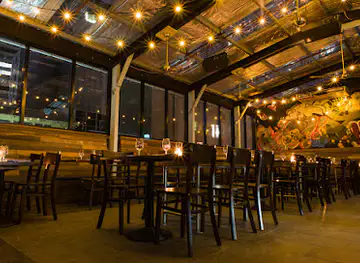
The Rook
Discover The Rook, Sydney's vibrant rooftop bar and restaurant offering stunning skyline views, exquisite cuisine, and a lively atmosphere.

Marble Bar
Discover Marble Bar: Sydney's premier cocktail destination offering live music, vibrant events, and a luxurious atmosphere for unforgettable nights.

Shady Pines Saloon
Experience the charm of Southern hospitality at Shady Pines Saloon, a unique Darlinghurst bar with craft cocktails and vibrant atmosphere.

Best nightclubs in Sydney
Top-rated picks
Best Nightclubs

Club 77
Experience the pulse of Sydney's nightlife at Club 77, where electrifying music and a vibrant atmosphere await every night.

ARQ Sydney
Dive into the vibrant nightlife of Sydney at ARQ, the iconic gay night club known for its electrifying atmosphere and unforgettable events.

Candelaria - Sydney
Discover Candelaria, Sydney's premier disco club, where electrifying DJ performances and vibrant nightlife create an unforgettable experience.

Kandy Nightclub
Dive into the heart of Sydney's nightlife at Kandy Nightclub, a lively venue offering great music and unforgettable experiences.

Best shops in Sydney
Top-rated picks
Best Shops

Queen Victoria Building
Explore the Queen Victoria Building, a stunning blend of history and shopping in the heart of Sydney, Australia.

Westfield Sydney
Explore Westfield Sydney, a premier shopping destination with a blend of luxury brands, diverse dining, and entertainment options in the heart of the city.

Paddy's Markets Haymarket
Discover the essence of Sydney at Paddy's Markets Haymarket, a vibrant marketplace filled with fresh produce, unique crafts, and local flavors.

World Square
Discover World Square, Sydney's top shopping mall, featuring over 170 stores, diverse dining options, and a vibrant atmosphere for all visitors.

Explore Sydney on the Map
A handpicked selection of must-see spots in Sydney, mapped for you.
Sydney Essentials
-
Sydney is served by Kingsford Smith International Airport (SYD), located about 8 kilometers south of the city center. The airport is well-connected to major cities worldwide. From the airport, you can reach the city center via train, taxi, rideshare services, or airport shuttle buses. The Airport Link train service is the fastest and most convenient option, taking about 15 minutes to reach Central Station.
-
Sydney has an extensive public transport system, including trains, buses, ferries, and light rail. The Opal card is a smartcard ticketing system used for all public transport services in Sydney. Taxis and rideshare services like Uber are also widely available. For those who prefer to drive, car rental services are accessible at multiple locations throughout the city. Biking is another option, with numerous bike rental services and dedicated bike lanes available.
-
The official currency in Australia is the Australian Dollar (AUD). Credit and debit cards are widely accepted in most establishments. ATMs are plentiful, and contactless payment methods, including Apple Pay and Google Pay, are also commonly used. It is advisable to carry some cash for small purchases and in case you visit areas where cards may not be accepted.
-
Sydney is generally a safe city for tourists, but it's important to take standard precautions. Be aware of your surroundings, especially in crowded places and tourist hotspots. Areas like Kings Cross and certain parts of Western Sydney have higher crime rates and should be visited with caution, particularly at night. Always keep your belongings secure and avoid displaying valuable items openly.
-
In case of an emergency, dial 000 for police, fire, or medical assistance. Hospitals and medical facilities are widely available throughout Sydney. It is recommended to have travel insurance that covers medical emergencies. For minor health issues, pharmacies are readily accessible across the city. The NSW Police Force also operates a Tourist Police Unit that can assist visitors.
-
Fashion: Do dress comfortably and appropriately for the weather. Casual wear is generally acceptable, but avoid overly revealing clothing in more conservative settings. Religion: Do respect religious sites by dressing modestly and behaving respectfully. Public Transport: Do offer your seat to elderly or disabled passengers. Don't eat or drink on public transport. Greetings: Do greet with a handshake and a friendly 'Hello' or 'G'day'. Eating & Drinking: Do try local foods and wines. Don't tip excessively; tipping is not mandatory but appreciated for exceptional service.
-
To experience Sydney like a local, visit the inner-city suburbs such as Surry Hills, Newtown, and Paddington for unique cafes, shops, and markets. Take a coastal walk from Bondi to Coogee for stunning ocean views. Spend a day at the Royal Botanic Garden and visit the Art Gallery of New South Wales. Use public transport or walk to explore different neighborhoods and hidden gems. Engage with locals, as they are generally friendly and willing to offer advice and recommendations.
When is the best time to visit Sydney?
Useful Local Phrases for Sydney
You don't need to speak the language perfectly. Even learning a few simple words can make conversations warmer—and locals usually appreciate the effort.
— Eve

Here are the phrases I use most often in Sydney. Try a few—you'll be surprised how far they go! 😊
❤️
-
- HelloG'day
[g'day] - GoodbyeSee ya
[see ya] - YesYeah
[yeah] - NoNah
[nah] - Please/You're welcomePlease/No worries
[please/no worries] - Thank youCheers
[cheers] - Excuse me/SorrySorry
[sorry] - How are you?How ya goin'?
[how ya goin'] - Fine. And you?Good. You?
[good. you?] - Do you speak English?You speak English?
[you speak English?] - I don't understandI dunno
[I dunno]
- HelloG'day
-
- I'd like to see the menu, pleaseCan I see the menu, please
[can I see the menu, please] - I don't eat meatI'm vego
[I'm vego] - Cheers!Cheers!
[cheers!] - I would like to pay, pleaseCan I pay, please
[can I pay, please]
- I'd like to see the menu, pleaseCan I see the menu, please
-
- Help!Help!
[help!] - Go away!Bugger off!
[bugger off!] - Call the Police!Call the cops!
[call the cops!] - Call a doctor!Get a doctor!
[get a doctor!] - I'm lostI'm lost
[I'm lost] - I'm illI'm sick
[I'm sick]
- Help!Help!
-
- I'd like to buy...I wanna buy...
[I wanna buy...] - I'm just lookingJust browsing
[just browsing] - How much is it?How much?
[how much?] - That's too expensiveToo pricey
[too pricey] - Can you lower the price?Can you do a deal?
[can you do a deal?]
- I'd like to buy...I wanna buy...
-
- What time is it?What's the time?
[what's the time?] - It's one o'clockIt's one
[it's one] - Half past (10)Half ten
[half ten] - MorningMornin'
[mornin'] - AfternoonArvo
[arvo] - EveningEvenin'
[evenin'] - YesterdayYesterday
[yesterday] - TodayToday
[today] - TomorrowTomorrow
[tomorrow] - 1One
[one] - 2Two
[two] - 3Three
[three] - 4Four
[four] - 5Five
[five] - 6Six
[six] - 7Seven
[seven] - 8Eight
[eight] - 9Nine
[nine] - 10Ten
[ten]
- What time is it?What's the time?
-
- Where's a/the...?Where's the...?
[where's the...?] - What's the address?What's the address?
[what's the address?] - Can you show me (on the map)?Can you show me (on the map)?
[can you show me (on the map)?] - When's the next (bus)?When's the next (bus)?
[when's the next (bus)?] - A ticket (to ....)A ticket (to ....)
[a ticket (to ....)]
- Where's a/the...?Where's the...?
History of Sydney
-
Before European settlement, the area now known as Sydney was inhabited by the Eora Nation, which included several clans such as the Gadigal, Bidjigal, and Cammeraygal. These Indigenous Australians lived sustainably off the land and sea for tens of thousands of years, developing a rich cultural heritage that includes rock carvings, engravings, and oral traditions.
-
In 1788, Captain Arthur Phillip arrived with the First Fleet, marking the beginning of European settlement in Australia. The fleet consisted of 11 ships carrying convicts, marines, and officers to establish a penal colony. Phillip named the new settlement Sydney Cove after Lord Sydney, the British Home Secretary.
-
The Rum Rebellion of 1808 was a significant event in Sydney's early history. It was the only successful overthrow of a government in Australian history, led by the New South Wales Corps against Governor William Bligh. The rebellion stemmed from Bligh’s attempts to control the trade of rum, which was used as a de facto currency.
-
The discovery of gold in New South Wales in the 1850s brought a wave of prosperity and population growth to Sydney. The influx of immigrants from around the world transformed the city, leading to rapid urban development and the construction of significant infrastructure such as roads, bridges, and public buildings.
-
On January 1, 1901, the six British colonies in Australia united to form the Commonwealth of Australia. Sydney played a crucial role in the federation movement, hosting several key meetings and celebrations. The city continued to grow as a major financial and cultural hub in the newly formed nation.
-
The iconic Sydney Harbour Bridge was officially opened on March 19, 1932. Known as 'The Coathanger' due to its distinctive arch design, the bridge became a symbol of Sydney and an engineering marvel of its time. It connects the Sydney central business district (CBD) with the North Shore.
-
The Sydney Opera House, one of the most recognizable buildings in the world, was officially opened on October 20, 1973. Designed by Danish architect Jørn Utzon, the Opera House has since become a UNESCO World Heritage site and a symbol of both Sydney and Australia’s creative and artistic spirit.
-
Sydney hosted the Summer Olympics in 2000, a landmark event that brought international attention to the city. The successful games showcased Sydney’s ability to host major events and highlighted its diverse culture, vibrant lifestyle, and stunning natural landscapes.



Cities near Sydney
The closest cities to Sydney, if you have time for more than one stop.


Your all‑in‑one travel companion app
Explore expert travel guides, compare and book tours, experiences, hotels, and more—all from the palm of your hand. Download now for seamless trip planning wherever your wanderlust takes you.


Sydney in Photos
Browse through our photo collection highlighting the charm and character of the destination.


Sydney: The Harbour City
Sydney, the vibrant capital of New South Wales, is renowned for its stunning harbour, iconic landmarks, and multicultural atmosphere. As Australia's largest and most cosmopolitan city, Sydney offers a blend of natural beauty and urban sophistication that captivates visitors from around the globe. The architectural marvel of the Sydney Opera House and the imposing structure of the Sydney Harbour Bridge dominate the skyline, providing breathtaking views and photo opportunities. Take a leisurely stroll along Circular Quay, where you can hop on a ferry to explore nearby attractions like Taronga Zoo, Manly Beach, or the historic Rocks district. Beyond the harbour, Sydney's diverse neighborhoods each have their own unique charm. From the bustling streets of Chinatown and the trendy boutiques of Paddington to the relaxed vibes of Bondi Beach, there's something for everyone. Discover world-class dining, vibrant nightlife, and a rich arts scene that includes galleries, theaters, and live music venues. Nature enthusiasts will find plenty to love in Sydney as well. The Royal Botanic Garden offers a peaceful retreat with stunning views of the harbour, while the coastal walks from Bondi to Coogee provide spectacular ocean panoramas. For a truly immersive experience, venture into the nearby Blue Mountains or the beautiful national parks that surround the city.
Explore More of Australia

Looking beyond Sydney? Discover Australia for broader travel guides, local hot-spots, and regional highlights.
Explore Australia