

Western New South Wales, Australia Travel Guide
Discover the timeless charm of Western New South Wales: Australia's vast outback with ancient history, stunning landscapes, and vibrant local culture.
Western New South Wales is an expansive region offering a unique glimpse into Australia's rugged outback. This area is known for its vast plains, striking red deserts, and historic towns that tell the stories of Australia's early settlers and indigenous cultures. As you travel through this region, you'll be greeted by wide-open spaces, stunning national parks, and an abundance of wildlife. One of the highlights of Western New South Wales is the Mungo National Park, home to the ancient Mungo Man and Mungo Lady fossils, which provide an extraordinary insight into human history dating back over 40,000 years. The surreal landscapes of the park, including the Walls of China formations, are a photographer's dream. In addition to its natural wonders, the region boasts charming towns like Broken Hill, known for its rich mining heritage and vibrant arts scene. Here, you can explore galleries, historic buildings, and even take a tour of the old mines. The Silver City Highway and the Darling River Run are iconic road trips that offer stunning views and a chance to experience the outback lifestyle. Whether you're interested in history, nature, or simply the adventure of exploring Australia’s less-traveled paths, Western New South Wales has something to offer. The region’s warm hospitality and unique attractions make it a memorable destination for any traveler.

Know before you go
Hi, I'm Eve. Here are a few practical things to know before exploring Western New South Wales.
- Pack plenty of water and snacks, as services can be sparse in remote areas.
- Visit Mungo National Park early in the morning or late in the afternoon to catch the best light for photography.
- Check road conditions before traveling, especially during the wet season when some roads may be impassable.
- Accommodations can be limited in smaller towns, so book ahead, especially during peak tourist seasons.
- Bring insect repellent and sun protection, as the outback can be harsh during the day.
- Learn about the indigenous cultures and their history, which is deeply connected to the land.
Top City Travel Guides in Western New South Wales
The cities of Western New South Wales, and the easiest places to base yourself.
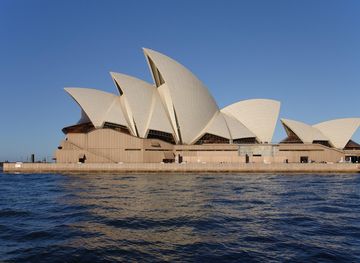

Destinations in Western New South Wales
Resorts, valleys and scenic spots worth a trip of their own.


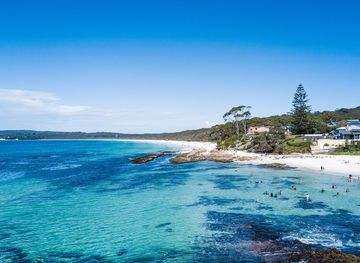
Explore Western New South Wales: Things to Do, Places to Eat, Hotels & More
Handpicked recommendations for top attractions, local dining, accommodations, and more

Top Attractions & Sightseeing in Western New South Wales
Top-rated picks
Best Attractions

Darling Harbour
Explore Darling Harbour, Sydney's vibrant waterfront hub filled with attractions, dining, shopping, and stunning views along the picturesque harbor.

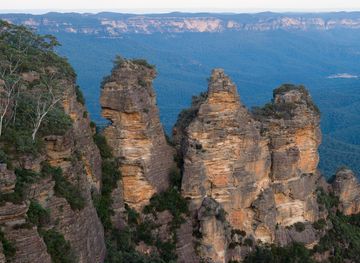
Three Sisters walk
Discover the stunning vistas and rich cultural heritage of the Three Sisters Walk in Katoomba, a top hiking destination in Australia's Blue Mountains.

Scenic World
Discover Scenic World, a breathtaking tourist attraction in Katoomba, showcasing stunning views and thrilling experiences in the enchanting Blue Mountains.

Featherdale Sydney Wildlife Park
Discover the magic of Australian wildlife at Featherdale Sydney Wildlife Park, a family-friendly destination with interactive animal experiences.

Best landmarks in Western New South Wales
Top-rated picks
Best Landmarks

Three Sisters walk
Experience the breathtaking beauty of the Three Sisters Walk in the Blue Mountains, a must-visit hiking trail for nature lovers and adventurers.

Scenic World
Experience breathtaking views and thrilling rides at Scenic World in Katoomba, the gateway to the stunning Blue Mountains of Australia.
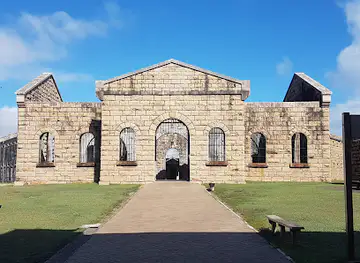
Trial Bay Gaol
Explore the rich history and stunning coastal scenery at Trial Bay Gaol, a captivating landmark in New South Wales that tells the story of Australia's past.

Vaucluse House
Explore Vaucluse House, a historical gem in New South Wales, offering a glimpse into Australia's colonial past amidst stunning gardens and exquisite architecture.

Best restaurants in Western New South Wales
Top-rated picks
Best Restaurants
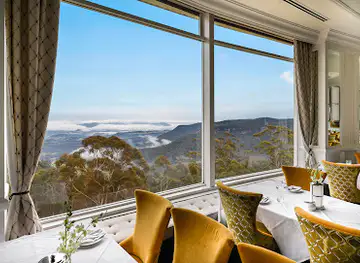
The Wintergarden Restaurant at Hydro Majestic Blue Mountains
Experience fine dining at The Wintergarden Restaurant with stunning views and exquisite Australian cuisine in the Blue Mountains.
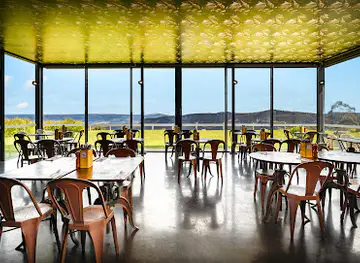
Boiler House Restaurant & Cafe at Hydro Majestic Blue Mountains
Experience exquisite dining at Boiler House Restaurant & Cafe amidst breathtaking views of Blue Mountains' natural beauty.

Monte's
Experience authentic Italian cuisine at Monte's in Blaxland - where every pizza tells a story!
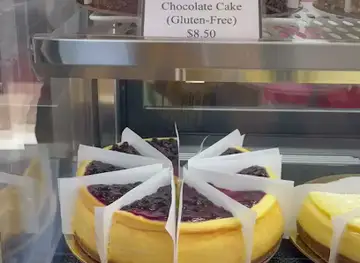
Professors Charcoal Chickens
Experience the best of fast food and desserts at Professors Charcoal Chickens in Blaxland - perfect for every traveler’s palate.

Best bars in Western New South Wales
Top-rated picks
Best Bars

The Baxter Inn
Experience the vibrant atmosphere and exquisite cocktails at The Baxter Inn, Sydney's hidden gem for cocktail lovers and nightlife enthusiasts.

Untied - Rooftop Sydney
Discover Untied, Sydney's premier rooftop bar and restaurant, where stunning harbor views meet a vibrant atmosphere and delicious cuisine.

Stitch Bar
Discover Stitch Bar in Sydney, where American diner meets cocktail sophistication in a chic and lively atmosphere, perfect for any occasion.

The Rook
Experience the vibrant nightlife of Sydney at The Rook, a rooftop bar and restaurant offering stunning views, delicious cocktails, and a lively atmosphere.

Best nightclubs in Western New South Wales
Top-rated picks
Best Nightclubs

MVP Nightclub
Discover the electric atmosphere of MVP Nightclub in Parramatta, where unforgettable nights filled with music and dancing come alive.

King Street
Discover King Street: Newcastle's ultimate nightlife destination, offering a thrilling mix of dance, cocktails, and unforgettable moments.

Tokyo Sing Song
Experience the vibrant nightlife at Tokyo Sing Song in Newtown, where karaoke meets dance in a lively atmosphere.

Thamel Nights
Dive into the electrifying nightlife of Sydney at Thamel Nights, where unforgettable dance and music converge in a vibrant atmosphere.

Best shops in Western New South Wales
Top-rated picks
Best Shops

Westfield Parramatta
Discover Westfield Parramatta: your ultimate shopping and dining destination in New South Wales, offering diverse stores, delicious eateries, and family-friendly entertainment.

Westfield Sydney
Explore Westfield Sydney: A vibrant shopping mall featuring top brands, diverse dining experiences, and entertainment options in the heart of the city.

Pitt Street Mall
Experience the bustling energy of Pitt Street Mall, Sydney's ultimate shopping destination with diverse retail and dining options in a vibrant atmosphere.

Dirty Janes Bowral
Discover a vintage paradise at Dirty Janes Bowral, where antiques, unique finds, and charming decor await every visitor.

Explore Western New South Wales on the Map
A handpicked selection of must-see spots in Western New South Wales, mapped for you.
Western New South Wales Essentials
-
Western New South Wales (NSW) is accessible by various means. The main gateway cities are Sydney and Canberra. From Sydney, you can take a domestic flight to Dubbo, Broken Hill, or Griffith. Alternatively, you can drive from Sydney, which takes approximately 5-6 hours to Dubbo. Train services are also available from Sydney to Dubbo and Broken Hill, offering a scenic journey through the countryside.
-
Within Western NSW, you can rent a car to explore the vast region at your own pace. Local bus services connect major towns, and taxis are available in larger towns like Dubbo and Broken Hill. For more remote areas, consider organizing a tour or using local shuttle services. Note that distances between attractions can be significant, so plan your travel accordingly.
-
The official currency in Australia is the Australian Dollar (AUD). Credit and debit cards are widely accepted in most establishments, including hotels, restaurants, and shops. ATMs are available in all major towns, but it's advisable to carry some cash, especially when traveling to more remote areas where card payments might not be accepted.
-
Western NSW is generally a safe region for tourists. However, it is essential to take standard precautions. Avoid walking alone at night in unfamiliar areas and keep your belongings secure. While crime rates are relatively low, some parts of larger towns like Broken Hill and Dubbo may have higher crime rates. Always stay vigilant and aware of your surroundings.
-
In case of an emergency, dial 000 for police, fire, or medical assistance. Major towns like Dubbo and Broken Hill have hospitals and medical facilities. Ensure you have travel insurance that covers medical emergencies. Pharmacies are available in most towns for minor health issues.
-
Fashion: Do dress comfortably and appropriately for the weather. In summer, wear light clothing and a hat. Don’t wear revealing clothing in public places. Religion: Do respect local customs and traditions. There are various Christian denominations in the region. Public Transport: Do be respectful to fellow passengers and the driver. Don’t eat or drink on public transport. Greetings: Do greet people with a friendly 'Hello' or 'G’day.' A handshake is common. Eating & Drinking: Do try local dishes and wines, especially in the Riverina region. Don’t refuse an offer of hospitality, as it may be considered impolite.
-
To experience Western NSW like a local, visit the regional markets in towns such as Dubbo and Griffith for fresh produce and artisan goods. Explore the outback and national parks, including Mungo National Park and Mutawintji National Park, for a taste of the natural beauty and Aboriginal heritage. Engage with locals, who are often eager to share stories about their community and history. Don't miss the opportunity to visit local wineries in the Riverina region and enjoy a wine-tasting experience.
When is the best time to visit Western New South Wales?
Useful Local Phrases for Western New South Wales
You don't need to speak the language perfectly. Even learning a few simple words can make conversations warmer—and locals usually appreciate the effort.
— Eve

Here are the phrases I use most often in Western New South Wales. Try a few—you'll be surprised how far they go! 😊
❤️
-
- HelloG'day
[guh-day] - GoodbyeSee ya
[see yah] - YesYep
[yehp] - NoNah
[nah] - Please/You're welcomeNo worries
[no wurries] - Thank youThanks mate
[thanks mate] - Excuse me/SorrySorry mate
[sorry mate] - How are you?How's it going?
[how's it goin'?] - Fine. And you?Good, you?
[good, you?] - Do you speak English?You speak English?
[you speak English?] - I don't understandI don't get it
[I don't get it]
- HelloG'day
-
- I'd like to see the menu, pleaseCan I see the menu, please?
[can I see the menu, please?] - I don't eat meatI’m a vegetarian
[I'm a vegetarian] - Cheers!Cheers!
[cheers!] - I would like to pay, pleaseCan I get the bill, please?
[can I get the bill, please?]
- I'd like to see the menu, pleaseCan I see the menu, please?
-
- Help!Help!
[help!] - Go away!Get lost!
[get lost!] - Call the Police!Ring the coppers!
[ring the coppers!] - Call a doctor!Get a doctor!
[get a doctor!] - I'm lostI'm a bit lost
[I'm a bit lost] - I'm illI’m not feeling well
[I'm not feeling well]
- Help!Help!
-
- I'd like to buy...I want to buy...
[I want to buy...] - I'm just lookingJust browsing, thanks
[just browsing, thanks] - How much is it?What’s the price?
[what’s the price?] - That's too expensiveThat’s a bit rich
[that’s a bit rich] - Can you lower the price?Can you do a better price?
[can you do a better price?]
- I'd like to buy...I want to buy...
-
- What time is it?What’s the time?
[what’s the time?] - It's one o'clockIt’s one o’clock
[it’s one o’clock] - Half past (10)Half past ten
[half past ten] - MorningMorning
[morning] - AfternoonArvo
[arvo] - EveningEvening
[evening] - YesterdayYesterday
[yesterday] - TodayToday
[today] - TomorrowTomorrow
[tomorrow] - 1One
[one] - 2Two
[two] - 3Three
[three] - 4Four
[four] - 5Five
[five] - 6Six
[six] - 7Seven
[seven] - 8Eight
[eight] - 9Nine
[nine] - 10Ten
[ten]
- What time is it?What’s the time?
-
- Where's a/the...?Where’s a...?
[where’s a...?] - What's the address?What’s the address?
[what’s the address?] - Can you show me (on the map)?Can you show me on the map?
[can you show me on the map?] - When's the next (bus)?When’s the next bus?
[when’s the next bus?] - A ticket (to ....)One ticket to...
[one ticket to...]
- Where's a/the...?Where’s a...?
History of Western New South Wales
-
Western New South Wales has been home to Indigenous Australian groups for tens of thousands of years. The Barkindji, Ngemba, and Wailwan peoples, among others, have left an indelible mark on the land with rock art, traditional practices, and stories. Sites such as Mutawintji National Park feature ancient rock carvings and paintings that offer a glimpse into the spiritual life and customs of these communities.
-
The region's European history began in the early 19th century with explorers like Charles Sturt and Thomas Mitchell venturing into the arid interior. Their expeditions mapped out rivers such as the Darling and the Murray, paving the way for subsequent settlement and development. Sturt’s journey in 1828-29 in search of an inland sea is particularly notable for pushing the boundaries of European knowledge of the Australian interior.
-
The establishment of sheep and cattle stations in the mid-19th century transformed Western New South Wales into a cornerstone of Australia's pastoral industry. Large-scale properties like the historic Kinchega Station, which once covered over 800,000 acres, played a pivotal role in the economic development of the region. These stations often served as self-sufficient communities, complete with homesteads, shearing sheds, and workers' quarters.
-
The discovery of gold in the late 19th century brought a wave of miners and fortune-seekers to the region. Towns like Hill End and Gulgong boomed almost overnight as people flocked in hopes of striking it rich. The legacy of this era can still be explored today, with many of the original buildings and mines preserved as part of historical sites and museums.
-
The Darling River has been a lifeline for the region, supporting both Indigenous communities and later European settlers. Paddle steamers once navigated its waters, transporting wool and other goods to markets. The river's significance is reflected in the town of Bourke, which was once a major river port and remains an important cultural and historical landmark.
-
Broken Hill, often referred to as 'The Silver City,' was founded in the 1880s following the discovery of one of the world's richest silver-lead-zinc ore bodies. The city's mining heritage is celebrated through various museums and heritage sites, including the iconic Line of Lode Miners Memorial. Broken Hill also has a vibrant arts scene, influenced by its unique outback setting and rich history.
-
The expansion of the railway network in the late 19th and early 20th centuries was crucial for connecting Western New South Wales to the rest of the country. The Silverton Tramway, for instance, linked Broken Hill to the port of Port Pirie, facilitating the transport of minerals. Railways also played a significant role in the development of towns like Cobar and Nyngan, contributing to their growth and prosperity.
-
During World War II, Western New South Wales played a strategic role, with several military camps and airstrips established in the region. The Parkes and Narromine airfields were vital for training pilots and serving as bases for military operations. The remnants of these wartime facilities can still be visited and provide a unique insight into the region's contribution to the war effort.
-
Today, Western New South Wales boasts a diverse cultural landscape, blending its rich Indigenous heritage with the legacies of European exploration, pastoralism, and mining. Festivals such as the Broken Hill Festival of the Desert and the Parkes Elvis Festival celebrate the region's unique identity and attract visitors from all over the world. Contemporary art galleries, cultural centers, and historical museums offer a deeper understanding of the area's past and present.
Neighbouring Regions of Western New South Wales
The closest regions to Western New South Wales, if you have time for more than one.
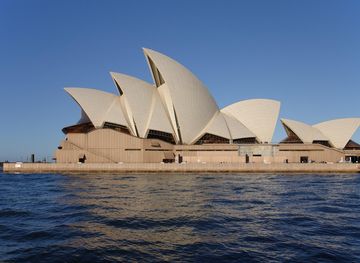

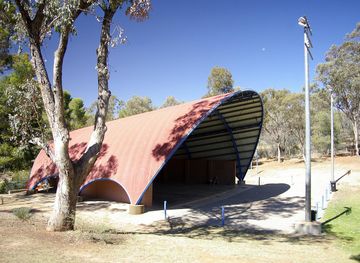


Your all‑in‑one travel companion app
Explore expert travel guides, compare and book tours, experiences, hotels, and more—all from the palm of your hand. Download now for seamless trip planning wherever your wanderlust takes you.


Explore More of Australia

Looking beyond Western New South Wales? Discover Australia for broader travel guides, local hot-spots, and regional highlights.
Explore AustraliaWestern New South Wales in Photos
Browse through our photo collection highlighting the charm and character of the destination.




Western New South Wales: A Journey Through Australia's Timeless Outback
Western New South Wales is an expansive region offering a unique glimpse into Australia's rugged outback. This area is known for its vast plains, striking red deserts, and historic towns that tell the stories of Australia's early settlers and indigenous cultures. As you travel through this region, you'll be greeted by wide-open spaces, stunning national parks, and an abundance of wildlife. One of the highlights of Western New South Wales is the Mungo National Park, home to the ancient Mungo Man and Mungo Lady fossils, which provide an extraordinary insight into human history dating back over 40,000 years. The surreal landscapes of the park, including the Walls of China formations, are a photographer's dream. In addition to its natural wonders, the region boasts charming towns like Broken Hill, known for its rich mining heritage and vibrant arts scene. Here, you can explore galleries, historic buildings, and even take a tour of the old mines. The Silver City Highway and the Darling River Run are iconic road trips that offer stunning views and a chance to experience the outback lifestyle. Whether you're interested in history, nature, or simply the adventure of exploring Australia’s less-traveled paths, Western New South Wales has something to offer. The region’s warm hospitality and unique attractions make it a memorable destination for any traveler.