

Free New South Wales Travel Guide & Mobile App
Explore New South Wales with free travel guides. Discover regional history, expert tips, proposed trips, and audio guides on web or mobile app.


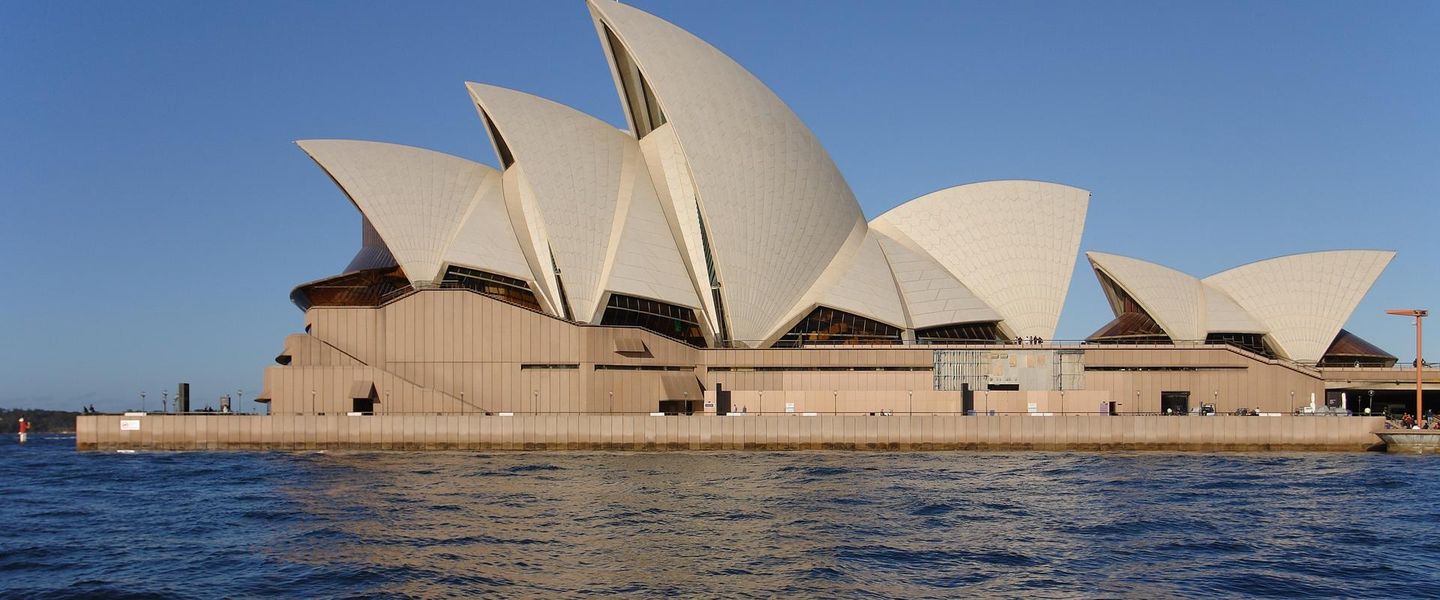


Explore New South Wales for Sydney culture, Pacific beaches, Blue Mountains walks, regional food, wine country and vast inland landscapes.
Read more about New South Wales
When is the best time to visit New South Wales?
Best: December–February · 25–26°C| Month | High (°C) | Rainfall (mm) |
|---|---|---|
| January (best) | 26 | 102 |
| February (best) | 25 | 108 |
| March | 24 | 116 |
| April | 21 | 122 |
| May | 17 | 127 |
| June | 14 | 120 |
| July | 13 | 104 |
| August | 15 | 96 |
| September | 18 | 88 |
| October | 21 | 93 |
| November | 23 | 100 |
| December (best) | 25 | 110 |
Getting to and around New South Wales
How to get there
Transportation
Top city travel guides in New South Wales
The cities of New South Wales, and the easiest places to base yourself.
-

-

-

-

-

-


Swipe for more cities
Destinations in New South Wales
Resorts, valleys and scenic spots worth a trip of their own.
-

-

-

-

-

-


Swipe for more destinations
Best attractions in New South Wales
New South Wales offers an unusually broad range of attractions, from Sydney's harbour, galleries, museums and historic neighbourhoods to the state's beaches, forests and inland heritage towns. The Blue Mountains are valued for escarpment views, eucalyptus valleys, waterfalls and walking routes, while Royal National Park and the South Coast combine coastal scenery with bushland and Aboriginal heritage. The Hunter Valley provides vineyard visits, produce-focused dining and rural landscapes, and the Northern Rivers and North Coast offer beaches, subtropical forests, waterways and wildlife experiences. Further south, Jervis Bay and the South Coast are associated with sheltered waters, marine activities and national parks, while Kosciuszko National Park brings alpine walking, skiing and high-country landscapes. Inland centres such as Bathurst, Mudgee, Dubbo, Wagga Wagga and Broken Hill provide museums, galleries, former mining or pastoral heritage and access to very different environments. Visitors should allow for considerable distances: a day in Sydney, a mountain excursion and an inland road journey represent separate travel experiences rather than interchangeable stops.
-
Tourist attraction
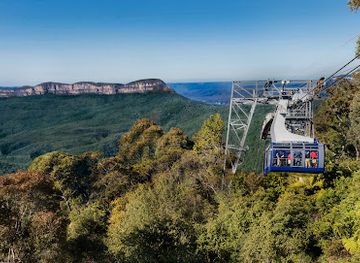
Scenic World
Explore Scenic World in Katoomba for breathtaking views and thrilling experiences in the heart of the Blue Mountains.
-
Zoo
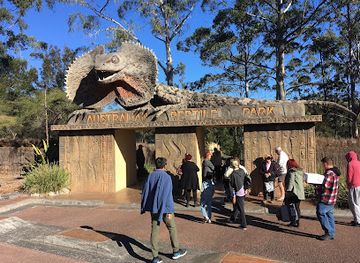
Australian Reptile Park
Explore the Australian Reptile Park, where adventure meets education in a stunning wildlife experience showcasing Australia's unique reptiles and more.
-
Park
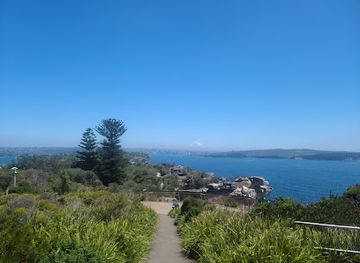
Gap Park
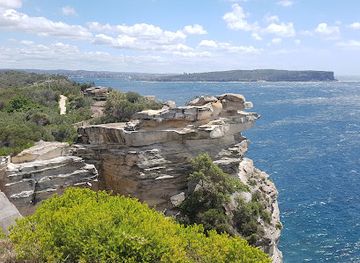
Explore Gap Park in Watsons Bay – a scenic coastal escape with breathtaking views, picnic spots, and natural wildlife.
-
Tourist attraction
Macquarie Lighthouse
Explore Macquarie Lighthouse, Australia's oldest lighthouse, offering stunning views and a rich maritime history in Vaucluse, New South Wales.
Best landmarks in New South Wales
Sydney Harbour Bridge and the Sydney Opera House are New South Wales's most recognisable modern landmarks, defining the state's principal city and its relationship with the harbour. Within the city, the sandstone buildings of The Rocks and surviving colonial streets around Macquarie Street record the early development of the British settlement, while Hyde Park Barracks preserves an important convict-era site. Beyond Sydney, the Three Sisters at Echo Point are the most familiar natural symbol of the Blue Mountains, formed by the region's layered sandstone escarpments. The old industrial and maritime character of Newcastle is reflected in its harbour, coal infrastructure and historic civic buildings, while Bathurst's heritage streets express the importance of inland expansion and the gold era. In western New South Wales, Broken Hill's mining landscape and civic heritage convey the scale of the state's mineral history. Kosciuszko's alpine ridges, including the summit area of Mount Kosciuszko, provide a contrasting natural landmark in the south.
-
Heritage museum
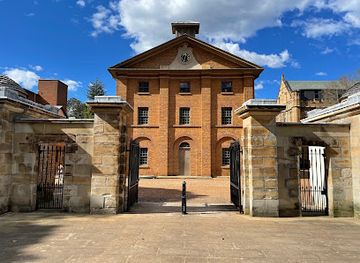
Hyde Park Barracks
Explore Australia's colonial history at Hyde Park Barracks, a UNESCO World Heritage site with captivating exhibits and stunning architecture.
-
 History museum
Vaucluse House
Explore Vaucluse House: A historic gem with stunning gardens, rich heritage, and culinary delights in the heart of New South Wales.
-
Historical landmark
Captain Cooks landing place
Discover the historic Captain Cook's Landing Place in Kurnell, a landmark that marks the first European contact with Australia and offers stunning coastal views.
-
Historical place museum
Old Government House
Explore the rich history of Australia's colonial past at Old Government House, a stunning historical museum nestled in the picturesque Parramatta.
Explore New South Wales on the map
Plan your trip on one map. See where the top cities, national parks and sights are, and book hotels and experiences in a few clicks.
Best hotels in New South Wales
Best restaurants in New South Wales
Dining in New South Wales reflects both its agricultural hinterland and its highly international population. Sydney has restaurants shaped by Chinese, Thai, Vietnamese, Filipino, Indian, Middle Eastern, Italian, Greek and many other traditions, alongside modern Australian cooking and a strong café culture. Regional menus draw on oysters and other seafood from the coast, beef and lamb from grazing districts, Riverina rice, fruit, vegetables, olives, cheese and seasonal farm produce. The Hunter Valley and Mudgee are established wine-producing areas, while the Southern Highlands and South Coast support cellar doors, country restaurants and produce markets. Country pubs, bakeries and cafés remain useful places to encounter regional cooking, especially on road journeys. Food festivals and farmers' markets vary by town and season; buying local produce is often more distinctive than seeking a single dish said to represent the entire state.
-
Modern Australian
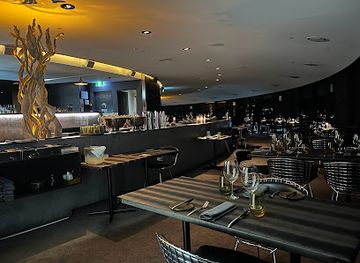
O Bar and Dining
Experience exquisite modern Australian cuisine with breathtaking views at O Bar and Dining in Sydney's iconic skyline.
-
French
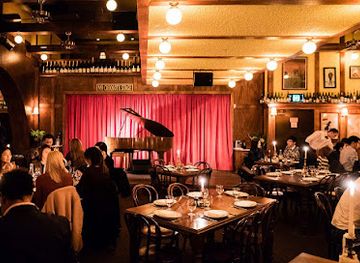
Restaurant Hubert
Discover Restaurant Hubert: A Culinary Jewel Offering Modern French Cuisine Amidst Sydney's Vibrant Dining Scene.
-
Modern Australian
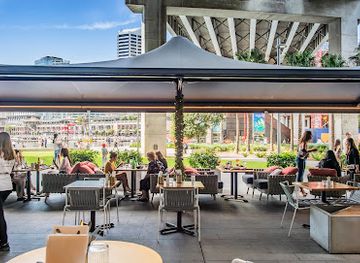
Planar Restaurant
Experience exquisite modern Australian cuisine at Planar Restaurant in Darling Harbour - where flavors meet elegance.
-
French
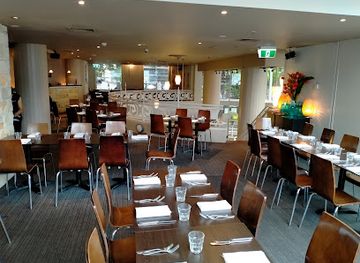
The Little Snail Restaurant
Savor authentic French cuisine at The Little Snail Restaurant in Pyrmont - an unforgettable culinary experience awaits you.
Best bars in New South Wales
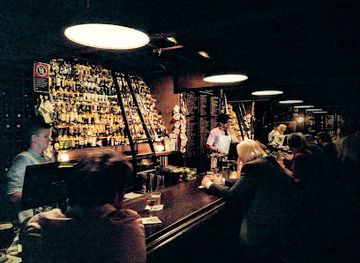
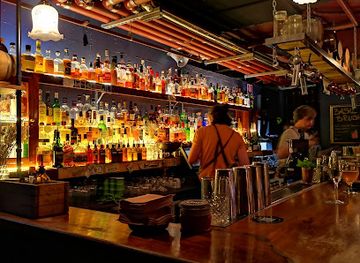
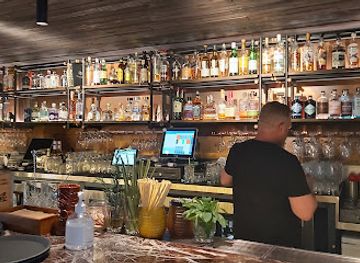
Nightlife is concentrated in Sydney, where neighbourhood bars, live-music rooms, theatres, breweries, wine bars and late venues extend across the city and surrounding suburbs, subject to changing licensing arrangements. Newcastle and Wollongong have notable evening scenes shaped by students, live music, restaurants and waterfront locations, while larger regional centres such as Byron Bay, Coffs Harbour, Bathurst and Orange offer a smaller mix of pubs, bars and entertainment. In wine regions, cellar doors and restaurants generally provide a calmer evening culture than nightclubs, and rural towns often centre social life on historic pubs, clubs and community events. Coastal towns can become busier during holiday periods, but visitors should not assume that every resort has late-night entertainment. Responsible drinking, respect for local residents and planning transport back to accommodation are important outside metropolitan areas.
-
Bar
The Baxter Inn
Experience the artistry of cocktails and an extensive whiskey selection at The Baxter Inn, Sydney's hidden bar treasure.
-
Cocktail bar
Stitch Bar
Experience the vibrant atmosphere and delicious offerings at Stitch Bar, Sydney's premier cocktail bar and American diner.
-
Bar
The Rook
Experience the vibrant atmosphere and stunning views of Sydney at The Rook, a premier rooftop bar offering delicious food and drinks.
-
Bar
Marble Bar
Discover Sydney's nightlife at Marble Bar, a stunning cocktail bar and live music venue offering unforgettable experiences in an elegant setting.

Best nightclubs in New South Wales
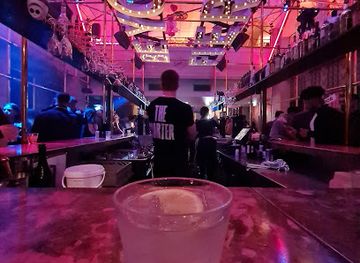
Nightlife is concentrated in Sydney, where neighbourhood bars, live-music rooms, theatres, breweries, wine bars and late venues extend across the city and surrounding suburbs, subject to changing licensing arrangements. Newcastle and Wollongong have notable evening scenes shaped by students, live music, restaurants and waterfront locations, while larger regional centres such as Byron Bay, Coffs Harbour, Bathurst and Orange offer a smaller mix of pubs, bars and entertainment. In wine regions, cellar doors and restaurants generally provide a calmer evening culture than nightclubs, and rural towns often centre social life on historic pubs, clubs and community events. Coastal towns can become busier during holiday periods, but visitors should not assume that every resort has late-night entertainment. Responsible drinking, respect for local residents and planning transport back to accommodation are important outside metropolitan areas.
-
Night club
Side Bar
Discover the vibrant nightlife at Side Bar, a premier nightclub and bar in Haymarket, Sydney, known for its lively atmosphere and diverse crowd.
-
Bar
The Carter Sydney
Experience the vibrant nightlife at The Carter Sydney, a unique bar and Asian restaurant perfect for dining and dancing.
-
Live Music
Home The Venue
Discover Sydney's vibrant nightlife and live music scene at Home The Venue, where unforgettable experiences await every night.
-
Night club
Club 77
Discover the pulse of Sydney's nightlife at Club 77, a premier night club and bar in Darlinghurst with eclectic music and vibrant atmosphere.



Best shops in New South Wales
Shopping ranges from Sydney's major retail precincts, department stores, designer arcades and multicultural neighbourhood strips to the independent high streets of regional towns. The Rocks and central Sydney are convenient for Australian design, Aboriginal art from reputable galleries and food-related gifts, but buyers should ask about provenance and authenticity when purchasing Aboriginal art or cultural products. Regional centres such as Newcastle, Wollongong, Orange, Bathurst, Mudgee and Byron Bay have combinations of boutiques, bookshops, galleries, antiques and independent cafés, while rural towns often retain traditional main-street stores and weekend markets. Wine, olive oil, honey, cheese, preserves and other farm products are practical souvenirs from agricultural districts, and vineyard cellar doors commonly sell regional produce alongside bottles. Market dates vary, so confirm arrangements locally, especially in smaller communities and during extreme weather or holiday periods.
-
Shopping mall
Westfield Sydney
Explore the ultimate shopping destination at Westfield Sydney, featuring top brands, diverse dining, and a vibrant atmosphere in the heart of the city.
-
Outlet mall
DFO Homebush
Experience unbeatable discounts and a diverse range of stores at DFO Homebush, your ultimate outlet shopping destination in New South Wales.
-
Gift shop
Sydney Duty Free
Explore unbeatable prices on luxury goods at Sydney Duty Free, your go-to destination for duty-free shopping in the heart of Sydney.
-
Shopping mall
Pitt Street Mall
Experience the vibrant atmosphere of Pitt Street Mall, Sydney’s ultimate shopping destination with a blend of fashion, food, and culture.

Get your free copy of our complete guide to New South Wales, delivered straight to you.
Everything on this page, from attractions and restaurants to essentials and local phrases, in one PDF you can read offline, print or share.
Already have an account? Sign in
Your New South Wales guide is ready.
We'll send it to · Not you? Sign out

Getting your guide ready…
We are putting together a fresh copy of the New South Wales guide. This can take up to a minute.
This can take a few moments. If your browser asks, choose Allow so the download can start. You'll find the guide in your Downloads folder.
Nothing happened? Download it again
Sorry, the guide is taking longer than usual. Please try again in a minute, or get it by email instead.
New South Wales essentials
Currency and Payment
Safety
Emergency Situations
Do's and Don'ts
Local Tips
From Eve
Local phrases worth knowing
You don't need to get them perfect. A few words go a long way, and locals appreciate the effort.
Basics
| English | Local | Say it |
|---|---|---|
| Hello | G'day | [guh-day] |
| Goodbye | See ya | [see yah] |
| Yes | Yeah | [yeh] |
| No | Nah | [nah] |
| Please/You're welcome | No worries | [no wuh-rees] |
| Thank you | Cheers | [cheers] |
| Excuse me/Sorry | Sorry | [sorry] |
| How are you? | How ya going? | [how ya goin'] |
| Fine. And you? | Good, and you? | [good, an' you?] |
| Do you speak English? | Do ya speak English? | [do ya speak English?] |
| I don't understand | I don’t get it | [I don’t get it] |
Eating & Drinking
| English | Local | Say it |
|---|---|---|
| I'd like to see the menu, please | Can I see the menu, please? | [can I see the menu, please?] |
| I don't eat meat | I'm a vegetarian | [I'm a vege-tarian] |
| Cheers! | Cheers! | [cheers] |
| I would like to pay, please | Can I get the bill, please? | [can I get the bill, please?] |
Emergencies
| English | Local | Say it |
|---|---|---|
| Help! | Help! | [help] |
| Go away! | Piss off! | [piss off] |
| Call the Police! | Call the cops! | [call the cops] |
| Call a doctor! | Get a doctor! | [get a doctor] |
| I'm lost | I'm lost | [I'm lost] |
| I'm ill | I'm not well | [I'm not well] |
Shopping
| English | Local | Say it |
|---|---|---|
| I'd like to buy... | I wanna buy... | [I wanna buy...] |
| I'm just looking | Just browsing, thanks | [just browsing, thanks] |
| How much is it? | How much is this? | [how much is this?] |
| That's too expensive | That's a bit steep | [that's a bit steep] |
| Can you lower the price? | Can you knock off a bit? | [can you knock off a bit?] |
Time & Numbers
| English | Local | Say it |
|---|---|---|
| What time is it? | What’s the time? | [what’s the time?] |
| It's one o'clock | It's one o'clock | [it's one o'clock] |
| Half past (10) | Half past ten | [half past ten] |
| Morning | Morning | [morning] |
| Afternoon | Arvo | [arvo] |
| Evening | Evening | [evening] |
| Yesterday | Yesterday | [yesterday] |
| Today | Today | [today] |
| Tomorrow | Tomorrow | [tomorrow] |
| 1 | One | [one] |
| 2 | Two | [two] |
| 3 | Three | [three] |
| 4 | Four | [four] |
| 5 | Five | [five] |
| 6 | Six | [six] |
| 7 | Seven | [seven] |
| 8 | Eight | [eight] |
| 9 | Nine | [nine] |
| 10 | Ten | [ten] |
Transport & Directions
| English | Local | Say it |
|---|---|---|
| Where's a/the...? | Where's the...? | [where's the...?] |
| What's the address? | What’s the address? | [what’s the address?] |
| Can you show me (on the map)? | Can you show me on the map? | [can you show me on the map?] |
| When's the next (bus)? | When's the next bus? | [when's the next bus?] |
| A ticket (to ....) | A ticket to... | [a ticket to...] |
History of New South Wales
Aboriginal Countries and Ancient Landscapes
Aboriginal peoples have lived across the lands now called New South Wales for tens of thousands of years. The state contains the Countries of many distinct nations, including the Dharug, Eora, Wiradjuri, Bundjalung, Gumbaynggirr, Yuin and Ngarigo peoples, among many others. Rock art, shell middens, ceremonial places, songlines and continuing cultural practice demonstrate enduring relationships with land and water. These traditions are not only archaeological evidence of the past: Aboriginal communities maintain living cultures and responsibilities to Country today.
European Arrival and the First Colony, 1788
The British established a penal colony at Sydney Cove in 1788 under Governor Arthur Phillip, beginning a period of profound dispossession, disease and conflict for Aboriginal communities. The early settlement depended on Sydney Harbour and the surrounding coastal plain before expanding through exploration, farming and military outposts. Colonial boundaries initially covered a much larger area than the present state, but administration gradually changed as new colonies and later states were created.
Inland Expansion and the Crossing of the Mountains
The Blue Mountains formed a major barrier to westward settlement, although Aboriginal people had long travelled through and understood the region. In 1813, Gregory Blaxland, William Lawson and William Charles Wentworth were credited by colonial authorities with finding a route across the range, after which roads and settlements expanded towards the inland plains. Bathurst became an important early inland centre, while pastoral occupation spread across Wiradjuri and other Aboriginal Countries, bringing conflict and lasting changes to land use.
Gold Rushes and Regional Towns
Gold discoveries from the early 1850s transformed New South Wales, attracting migrants, capital and new transport links. Bathurst, Hill End, Sofala and other settlements were affected by prospecting, although the rushes varied greatly in scale and duration. Gold helped stimulate roads, banking, newspapers and commercial services, while Chinese miners and migrants became an important part of the story despite discriminatory laws and hostility. Historic streetscapes, mine workings and museums preserve aspects of this rapidly changing period.
Railways, Agriculture and Federation
During the nineteenth century, railways connected Sydney with inland farming districts, mining communities and coastal ports, accelerating the movement of wool, wheat and other produce. Agricultural development shaped places such as the Riverina and the western slopes, while coastal shipping supported timber, dairy and fishing industries. Sydney's political importance grew as debates about uniting the Australian colonies gathered pace, culminating in Federation in 1901, when New South Wales became a state within the Commonwealth of Australia.
Migration, Industry and Metropolitan Growth
Twentieth-century New South Wales was reshaped by migration, manufacturing, infrastructure and expanding suburbs. Sydney grew into Australia's largest metropolitan centre, while Newcastle developed around coal, shipping and steelmaking, and regional cities developed distinct agricultural, industrial and educational roles. Post-war migration from Europe, Asia and the Middle East transformed neighbourhoods, food culture and civic life. The state's economy later shifted towards services, technology, tourism, education and global commerce, although mining and agriculture remain important.
Environmental Protection and Living Heritage
The creation and expansion of national parks reflected growing recognition of the value of New South Wales's forests, coastlines, alpine areas and inland ecosystems. Places including Royal National Park, established in 1879, and Kosciuszko National Park protect landscapes used for recreation, conservation and scientific research. Contemporary heritage work increasingly includes Aboriginal authority, historic industrial sites and regional stories alongside colonial monuments, offering a broader understanding of the state's past and present.
New South Wales in Photos
Browse through our photo collection highlighting the charm and character of the destination.
Neighbouring regions of New South Wales
The closest regions to New South Wales, if you have time for more than one.
-

-

-

-

-


Swipe for more regions
Explore more

Explore more of Australia
Discover the diverse landscapes, vibrant cities, and unique wildlife of Australia, a captivating destination offering endless adventures and unforgettable experiences.
Explore Australia