

Free Red Centre Travel Guide & Mobile App
Explore Red Centre with free travel guides. Discover regional history, expert tips, proposed trips, and audio guides on web or mobile app.


Explore Australia’s Red Centre for Uluru, desert ranges, Aboriginal culture, remote landscapes and memorable outback walks.
Read more about Red Centre
When is the best time to visit Red Centre?
Best: April, September–October · 23–27°C| Month | High (°C) | Rainfall (mm) |
|---|---|---|
| January | 34 | 30 |
| February | 34 | 27 |
| March | 30 | 24 |
| April (best) | 26 | 19 |
| May | 21 | 16 |
| June | 16 | 14 |
| July | 16 | 12 |
| August | 18 | 13 |
| September (best) | 23 | 15 |
| October (best) | 27 | 18 |
| November | 30 | 22 |
| December | 33 | 25 |
Getting to and around Red Centre
How to get there
Transportation
Top city travel guides in Red Centre
The cities of Red Centre, and the easiest places to base yourself.

Swipe for more cities
Best attractions in Red Centre
The Red Centre’s attractions are defined by geological scale, Aboriginal cultural meaning and the experience of travelling through remote country. Uluru-Kata Tjuta National Park is the region’s best-known destination, with cultural interpretation, guided walks, scenic lookouts and routes around Uluru and through Kata Tjuta. In and around Alice Springs, museums, art galleries, historic buildings and desert botanic collections provide context for Arrernte culture, inland settlement and the practical history of remote Australia. The West MacDonnell Ranges offer a succession of gorges, waterholes and walking areas, including Simpsons Gap, Standley Chasm and Ormiston Gorge, while the Larapinta Trail provides a demanding multi-day route through varied terrain. Watarrka National Park centres on Kings Canyon, where walks reveal sheer sandstone walls, domed formations and pockets of vegetation. Further attractions include astronomy experiences, camel rides, scenic flights, Aboriginal art and cultural tours, and the changing landscapes encountered on long road journeys. Distances and conditions matter: some places are suitable for a short stop, while others require careful preparation, early starts or several days.
-
National park
Uluṟu-Kata Tjuṯa National Park
Explore the stunning Uluṟu-Kata Tjuṯa National Park, a UNESCO World Heritage site in Australia, rich in natural beauty and cultural heritage.
-
Tourist attraction
Talinguṟu Nyakunytjaku - Uluṟu Sunrise Viewing Area
Experience the breathtaking sunrise at Talinguṟu Nyakunytjaku, the ultimate viewing area for Uluṟu's majestic colors in the heart of Australia's outback.
-
Tourist attraction
Uluṟu Sunset Viewing Area
Experience the breathtaking sunset views of Uluṟu, a sacred Australian landmark, where colors dance across the sky and culture comes alive.
-
Tourist attraction
Field of Light Uluru
Discover the captivating Field of Light at Uluru - an enchanting art installation illuminating the iconic Australian landscape with over 50,000 vibrant spheres.
Best landmarks in Red Centre
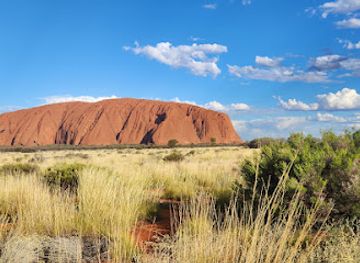
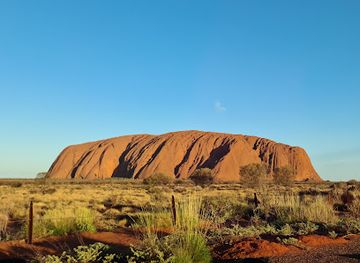
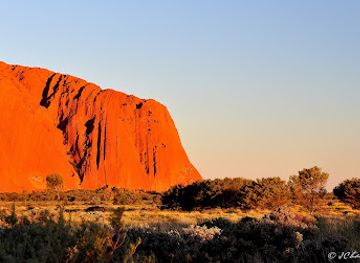
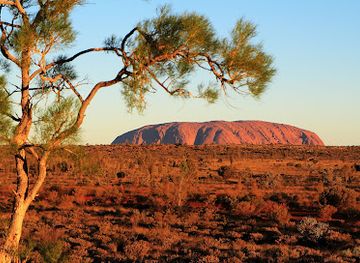
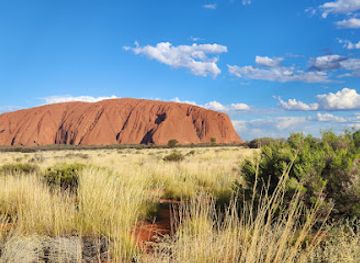
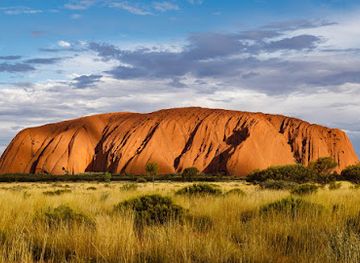
Uluru is the Red Centre’s defining natural and cultural landmark: its broad sandstone monolith rises prominently from the surrounding plain and is inseparable from Anangu Tjukurpa and continuing custodianship. Nearby Kata Tjuta forms a contrasting cluster of rounded conglomerate domes, with valleys and viewing areas that reveal the formation’s great scale. Around Alice Springs, the West MacDonnell Ranges create a long, jagged geological boundary west of town, with Simpsons Gap and Ormiston Gorge among the most recognisable features of the Tjoritja landscape. Kings Canyon is distinguished by high red sandstone walls, weathered domes and the sheltered vegetation of the Garden of Eden. The historic Alice Springs Telegraph Station marks the communications corridor that established the town’s colonial presence, while the Todd River is a defining but usually dry feature of the settlement. Together these landmarks express the region’s central themes: ancient geology, living Aboriginal culture, scarce water, long-distance communication and the adaptation of human communities to an arid environment.
-
National park
Uluṟu-Kata Tjuṯa National Park
Explore the breathtaking Uluṟu-Kata Tjuṯa National Park, where iconic landscapes and rich Indigenous culture await every traveler.
-
Rock
Uluru
Discover the breathtaking beauty and cultural significance of Uluru, Australia's iconic natural landmark and a must-visit destination for every traveler.
-
Tourist attraction
Alice Springs Desert Park
Explore the breathtaking Alice Springs Desert Park, where Australia's unique wildlife and rich Indigenous culture come to life in stunning desert landscapes.
-
Tourist attraction
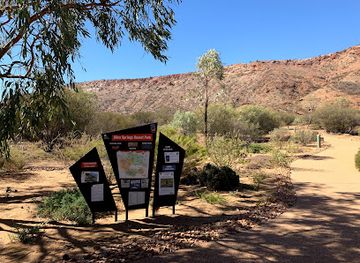
Alice Springs Telegraph Station Historical Reserve
Explore the Alice Springs Telegraph Station Historical Reserve, where history and nature intertwine in the heart of Australia's outback.
Explore Red Centre on the map
Plan your trip on one map. See where the top cities, national parks and sights are, and book hotels and experiences in a few clicks.
Best hotels in Red Centre
Best restaurants in Red Centre
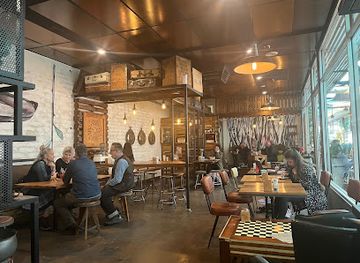
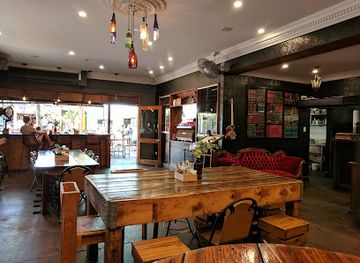
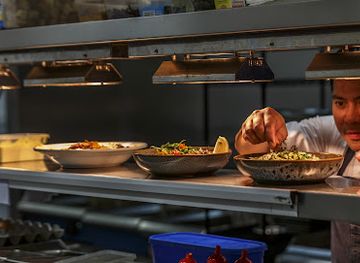
Dining in the Red Centre is concentrated in Alice Springs, the Uluru resort area, Kings Canyon accommodation and widely spaced roadhouses, with the strongest choice of cafés, pubs, casual restaurants and takeaway found in Alice Springs. Menus often combine familiar Australian fare with contemporary cooking influenced by native ingredients, including bush herbs, wattleseed and quandong, though availability varies by season and venue. Regional produce may include beef, lamb, native fruits and vegetables, while picnic supplies are important for walks and long drives. Aboriginal-owned or Aboriginal-led cultural experiences may include food knowledge, but visitors should distinguish educational bush-food interpretation from commercial claims about traditional cuisine. In the desert resorts and remote accommodation areas, meals are planned around supply logistics and may be more limited than in major cities. Markets and local producers can offer baked goods, preserves and fresh items when operating, but travellers should not rely on finding frequent food shops between settlements.
-
Cafe
Page 27 Cafe
Discover Page 27 Cafe in Alice Springs: your go-to destination for delightful breakfasts and aromatic coffee in a cozy atmosphere.
-
Restaurant
Epilogue Lounge & Rooftop Bar
Experience exquisite tapas and breathtaking views at Epilogue Lounge & Rooftop Bar in Alice Springs – where culinary delight meets stunning scenery.
-
Restaurant
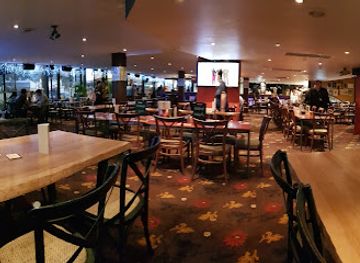
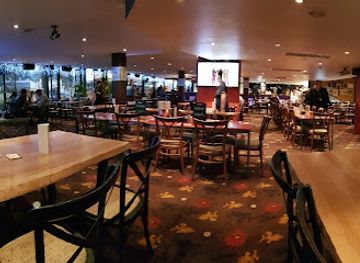
Uncles Tavern
Experience authentic Australian cuisine and vibrant nightlife at Uncle's Tavern in Alice Springs - your gateway to local flavors.
-
Cafe
Watertank Café
Experience delightful breakfasts and lunches at Watertank Café in Ciccone – where fresh flavors meet cozy vibes.

Best bars in Red Centre
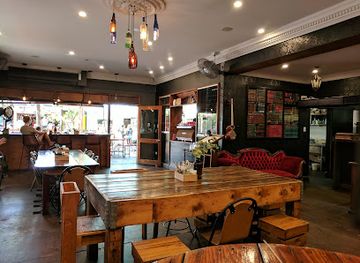
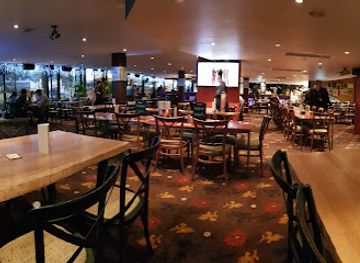
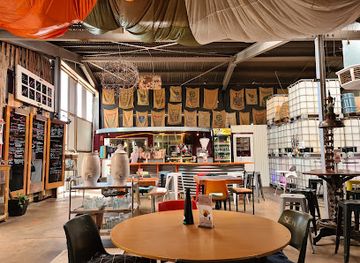
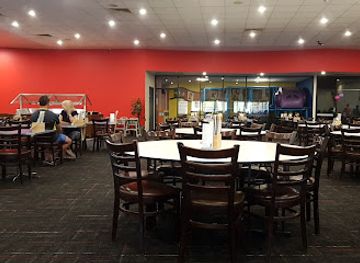
Nightlife in the Red Centre is modest and local in character rather than centred on a large club scene. Alice Springs has pubs, hotel bars, casual restaurants, live music and community events, with evening activity generally concentrated around the town centre and established accommodation areas. In smaller settlements, roadhouses and hotel venues provide practical places to eat or have a drink, while the Uluru resort area offers licensed bars, restaurants and organised evening programmes for visitors. Kings Canyon accommodation is similarly focused on dining, conversation and early nights before walks. Astronomy sessions and guided cultural or nature activities can provide an alternative to drinking. Opening arrangements, entertainment and licensed services vary seasonally, so check locally rather than assuming city-style nightlife. Drink responsibly, never drive after drinking and remember that alcohol restrictions apply in some Aboriginal communities and other areas.
-
Bar
Epilogue Lounge & Rooftop Bar
Experience the ultimate blend of relaxation and vibrant nightlife at Epilogue Lounge & Rooftop Bar in Alice Springs, featuring stunning views and delectable tapas.
-
Bar
Uncles Tavern
Experience the vibrant local culture at Uncle's Tavern in Alice Springs, where great food and drinks meet a welcoming atmosphere.
-
Cafe
Watertank Café
Experience the delightful flavors of Watertank Café in Ciccone, where every meal is a celebration of local ingredients and culinary craftsmanship.
-
Bar
Gillen club
Experience the lively ambiance of Gillen Club, a top bar and club in Northern Territory, perfect for socializing and enjoying local entertainment.
Best nightclubs in Red Centre
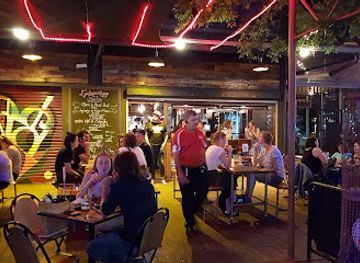
Nightlife in the Red Centre is modest and local in character rather than centred on a large club scene. Alice Springs has pubs, hotel bars, casual restaurants, live music and community events, with evening activity generally concentrated around the town centre and established accommodation areas. In smaller settlements, roadhouses and hotel venues provide practical places to eat or have a drink, while the Uluru resort area offers licensed bars, restaurants and organised evening programmes for visitors. Kings Canyon accommodation is similarly focused on dining, conversation and early nights before walks. Astronomy sessions and guided cultural or nature activities can provide an alternative to drinking. Opening arrangements, entertainment and licensed services vary seasonally, so check locally rather than assuming city-style nightlife. Drink responsibly, never drive after drinking and remember that alcohol restrictions apply in some Aboriginal communities and other areas.
-
Bar
Epilogue Lounge & Rooftop Bar
Discover the vibrant flavors and stunning views at Epilogue Lounge & Rooftop Bar in Alice Springs, the perfect spot for dining and relaxation.
-
Bar
Uncles Tavern
Experience the vibrant local culture and delicious cuisine at Uncle's Tavern, a must-visit bar and restaurant in Alice Springs.
-
Club
Gillen club
Discover the vibrant Gillen Club in Northern Territory, a perfect blend of entertainment, dining, and local culture for all visitors.
-
Pub
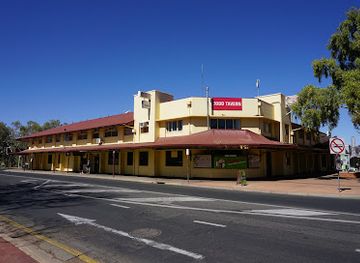
Todd Tavern
Experience the heart of Alice Springs at Todd Tavern, a lively pub offering delicious dining, comfortable lodging, and a friendly atmosphere.
Best shops in Red Centre
Shopping in the Red Centre focuses on Aboriginal art, ethically sourced cultural products, practical outback supplies and locally made crafts rather than extensive retail districts. Alice Springs has galleries, independent shops, art centres and markets where visitors may find paintings, textiles, jewellery, ceramics, books and desert-themed design. Aboriginal art should be purchased through reputable galleries, art centres or established sellers who can explain the artist, community and provenance; avoid works with unclear origins or misleading cultural claims. The Todd Mall area is the town’s central retail zone, with everyday shops alongside cafés and galleries, while seasonal markets can add local food, crafts and second-hand goods. Uluru’s visitor and resort areas offer artworks, books, souvenirs and locally relevant products, though choice is more limited than in Alice Springs. In remote areas, roadhouses are useful for fuel, basic provisions and practical travel items, but they are not dependable places for broad souvenir shopping.
-
Shopping mall
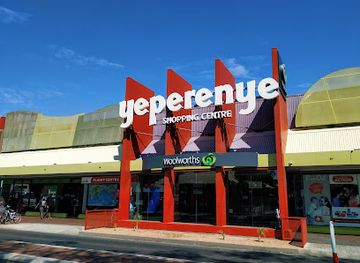
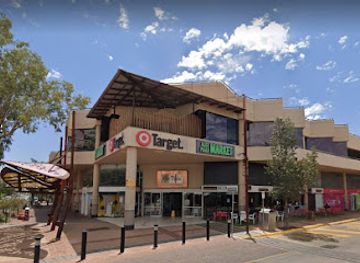
Yeperenye Shopping Centre
Experience the vibrant shopping scene at Yeperenye Shopping Centre, where retail therapy meets local culture in Alice Springs.
-
Department store
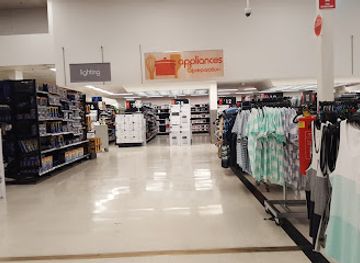
Kmart Alice Springs
Discover Kmart Alice Springs for affordable clothing, homewares, toys, and more in the heart of the Australian Outback!
-
Shopping mall
Alice Plaza
Experience shopping, dining, and local culture at Alice Plaza, the heart of retail and leisure in Alice Springs.
-
Gift shop
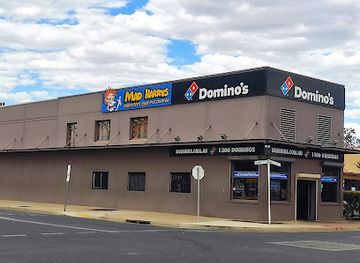
Mad Harry's
Explore Mad Harry's in Alice Springs - a vibrant hub for art supplies, crafts, and unique local gifts that capture the essence of Australian creativity.
Get your free copy of our complete guide to Red Centre, delivered straight to you.
Everything on this page, from attractions and restaurants to essentials and local phrases, in one PDF you can read offline, print or share.
Already have an account? Sign in
Your Red Centre guide is ready.
We'll send it to · Not you? Sign out

Getting your guide ready…
We are putting together a fresh copy of the Red Centre guide. This can take up to a minute.
This can take a few moments. If your browser asks, choose Allow so the download can start. You'll find the guide in your Downloads folder.
Nothing happened? Download it again
Sorry, the guide is taking longer than usual. Please try again in a minute, or get it by email instead.
Red Centre essentials
Currency and Payment
Safety
Emergency Situations
Do's and Don'ts
Local Tips
From Eve
Local phrases worth knowing
You don't need to get them perfect. A few words go a long way, and locals appreciate the effort.
Basics
| English | Local | Say it |
|---|---|---|
| Hello | G'day | [guh-day] |
| Goodbye | See ya | [see yah] |
| Yes | Yeah | [yeh] |
| No | Nah | [nah] |
| Please/You're welcome | No worries | [no wuh-rees] |
| Thank you | Cheers | [cheers] |
| Excuse me/Sorry | Sorry mate | [sorry mate] |
| How are you? | How ya goin'? | [how ya goin'?] |
| Fine. And you? | Good, thanks. You? | [good, thanks. you?] |
| Do you speak English? | Do ya speak English? | [do ya speak English?] |
| I don't understand | I don't get it | [I don't get it] |
Eating & Drinking
| English | Local | Say it |
|---|---|---|
| I'd like to see the menu, please | Can I see the menu, please? | [can I see the menu, please?] |
| I don't eat meat | I'm a vegetarian | [I'm a vegetarian] |
| Cheers! | Cheers! | [cheers] |
| I would like to pay, please | Can I get the bill, please? | [can I get the bill, please?] |
Emergencies
| English | Local | Say it |
|---|---|---|
| Help! | Help! | [help] |
| Go away! | Get lost! | [get lost] |
| Call the Police! | Call the cops! | [call the cops] |
| Call a doctor! | Get a doctor! | [get a doctor] |
| I'm lost | I'm lost | [I'm lost] |
| I'm ill | I'm not feeling well | [I'm not feeling well] |
Shopping
| English | Local | Say it |
|---|---|---|
| I'd like to buy... | I'm looking to buy... | [I'm looking to buy...] |
| I'm just looking | Just browsing, thanks | [just browsing, thanks] |
| How much is it? | What's the price? | [what's the price?] |
| That's too expensive | That's a bit steep | [that's a bit steep] |
| Can you lower the price? | Can you do a better price? | [can you do a better price?] |
Time & Numbers
| English | Local | Say it |
|---|---|---|
| What time is it? | What time is it? | [what time is it?] |
| It's one o'clock | It's one o'clock | [it's one o'clock] |
| Half past (10) | Half past ten | [half past ten] |
| Morning | Morning | [morning] |
| Afternoon | Arvo | [arvo] |
| Evening | Evening | [evening] |
| Yesterday | Yesterday | [yesterday] |
| Today | Today | [today] |
| Tomorrow | Tomorrow | [tomorrow] |
| 1 | One | [one] |
| 2 | Two | [two] |
| 3 | Three | [three] |
| 4 | Four | [four] |
| 5 | Five | [five] |
| 6 | Six | [six] |
| 7 | Seven | [seven] |
| 8 | Eight | [eight] |
| 9 | Nine | [nine] |
| 10 | Ten | [ten] |
Transport & Directions
| English | Local | Say it |
|---|---|---|
| Where's a/the...? | Where's the...? | [where's the...?] |
| What's the address? | What's the address? | [what's the address?] |
| Can you show me (on the map)? | Can you point it out on the map? | [can you point it out on the map?] |
| When's the next (bus)? | When's the next bus? | [when's the next bus?] |
| A ticket (to ....) | A ticket to ... | [a ticket to ...] |
History of Red Centre
Arrernte Country and Ancient Cultural Continuity
The Red Centre is part of the cultural landscapes of several Aboriginal peoples, including Arrernte around Mparntwe, Anangu around Uluru and Kata Tjuta, and Luritja and other communities in surrounding areas. Their connections to land, water, ancestors, law and ceremony extend across many thousands of years. At Uluru, the Tjukurpa provides a living framework of knowledge and responsibility, while Arrernte traditions continue to shape places around Alice Springs and the MacDonnell Ranges. These are not merely archaeological histories: Traditional Owners remain central to cultural interpretation, land management and decisions about respectful visitation.
European Exploration and Pastoral Expansion
European exploration of Central Australia intensified during the nineteenth century, including expeditions associated with John McDouall Stuart, whose journeys helped establish routes across the interior. Pastoralists subsequently moved into the region, using cattle stations and sparse inland water sources despite the demanding environment. The expansion of pastoralism brought lasting economic change but also dispossession, violence, labour exploitation and disruption to Aboriginal lives. Many present-day roads and settlements follow corridors first shaped by exploration, stock movement and access to water.
The Overland Telegraph Line, 1870s
The construction of the Australian Overland Telegraph Line transformed Central Australia’s place within the continent. The line reached the centre during the early 1870s and connected Adelaide with Darwin, creating a rapid land link between Australia and international telegraph networks. Alice Springs developed around the region’s telegraph station, although the settlement was initially known as Stuart. Surviving buildings and interpretive sites show how communication infrastructure, water supply and government presence established a permanent colonial foothold in what had previously been a sparsely settled inland region.
Alice Springs and the Stuart Settlement
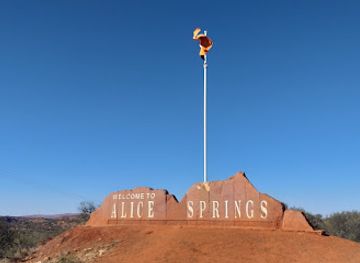
The settlement now called Alice Springs grew around the telegraph station and the Todd River corridor. It was renamed Alice Springs in the early twentieth century after the nearby waterhole associated with the telegraph service. The town became a base for pastoral administration, government services, scientific work and transport across Central Australia. Its history also includes the experiences of Aboriginal workers, missions, ration depots and families whose lives were shaped by colonial policies. Today, museums and historic sites present these overlapping histories with increasing attention to Aboriginal perspectives.
The Railway and Inland Transport
Rail transport reshaped access to Central Australia in stages. The narrow-gauge railway reached Alice Springs in the 1920s, linking the settlement to the south, while the modern standard-gauge route opened in the 1980s as part of the north-south railway system. The service now known as The Ghan made the region more accessible to long-distance travellers, though rail remains only one part of a travel network dominated by roads and air connections. Road trains, mail services and touring vehicles continue to reflect the logistical demands of the interior.
The Royal Flying Doctor Service and Remote Care
Remote medical aviation became an important part of life in Central Australia after the establishment of the Australian Inland Mission’s aerial medical service in the 1930s. The Royal Flying Doctor Service, which developed from this work, helped connect isolated stations and communities with medical care over immense distances. Alice Springs became a major base for remote health services. The organisation’s story is presented at the Alice Springs museum dedicated to the service, while its broader legacy remains visible in the practical infrastructure required to support inland communities.
Land Rights, Joint Management and Contemporary Cultural Authority
The late twentieth century brought major changes in the legal and political recognition of Aboriginal land ownership. Uluru-Kata Tjuta National Park was returned to Anangu ownership in 1985 and is jointly managed with the Australian Government under a board structure. The closure of the Uluru climb in 2019 reflected Anangu wishes and the recognition that the site is a place of cultural responsibility rather than simply a recreational summit. These developments influence visitor conduct, interpretation and conservation throughout the Red Centre.
Red Centre in Photos
Browse through our photo collection highlighting the charm and character of the destination.
Neighbouring regions of Red Centre
The closest regions to Red Centre, if you have time for more than one.
-

-

-

-

-


Swipe for more regions
Explore more

Explore more of Australia
Discover the diverse landscapes, vibrant cities, and unique wildlife of Australia, a captivating destination offering endless adventures and unforgettable experiences.
Explore Australia