

Free Northern Territory Travel Guide & Mobile App
Explore Northern Territory with free travel guides. Discover regional history, expert tips, proposed trips, and audio guides on web or mobile app.


Explore Northern Territory landscapes from Darwin's tropics to Uluru, with Aboriginal culture, national parks, wildlife and vast outback journeys.
Read more about Northern Territory
When is the best time to visit Northern Territory?
Best: June–August · 23–25°C| Month | High (°C) | Rainfall (mm) |
|---|---|---|
| January | 32 | 320 |
| February | 32 | 300 |
| March | 32 | 220 |
| April | 30 | 100 |
| May | 27 | 40 |
| June (best) | 24 | 20 |
| July (best) | 23 | 10 |
| August (best) | 25 | 10 |
| September | 28 | 20 |
| October | 31 | 60 |
| November | 32 | 120 |
| December | 32 | 220 |
Getting to and around Northern Territory
How to get there
Transportation
Top city travel guides in Northern Territory
The cities of Northern Territory, and the easiest places to base yourself.
-
-


Swipe for more cities
Destinations in Northern Territory
Resorts, valleys and scenic spots worth a trip of their own.
-

-

-

-

-


Swipe for more destinations
Best attractions in Northern Territory
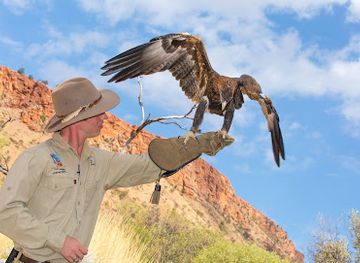
Northern Territory attractions are defined by scale, climate and living Aboriginal culture. In Darwin, the Museum and Art Gallery of the Northern Territory, waterfront areas, monsoonal gardens and markets introduce the Top End's natural and social history. Kakadu National Park combines wetlands, escarpments, wildlife and rock art, while nearby Nitmiluk National Park is known for gorge cruises, walking routes and canoeing when conditions permit. Litchfield National Park offers accessible waterfalls, magnetic termite mounds and sandstone country, though individual sites can close seasonally. Arnhem Land provides a more culturally directed experience through permits, community visits and Indigenous-run activities. Further south, Tennant Creek's mining history and the granite boulders of Karlu Karlu, also known as the Devils Marbles, create a striking inland contrast. Alice Springs opens into the MacDonnell Ranges, desert art centres and the wider Red Centre, while Uluru-Kata Tjuta National Park presents monumental landforms in a landscape governed by Anangu cultural knowledge. Wildlife encounters range from birds and crocodiles in Top End wetlands to desert-adapted species, but sightings are never guaranteed.
-
Tourist attraction
Crocosaurus Cove
Discover the thrill of Crocosaurus Cove in Darwin, where you can encounter giant crocodiles and learn about Australia's unique wildlife.
-
Tourist attraction
Alice Springs Desert Park
Explore Alice Springs Desert Park: A captivating fusion of wildlife, ecosystems, and Indigenous culture in the heart of Australia's desert.
-
Wildlife park
Territory Wildlife Park
Discover the natural beauty and diverse wildlife of Australia at Territory Wildlife Park, a captivating destination for nature enthusiasts and families.
-
Tourist attraction
ANZAC Hill
Discover ANZAC Hill in Alice Springs - a stunning viewpoint steeped in history, offering breathtaking panoramas and insights into Australia’s wartime legacy.



Best landmarks in Northern Territory
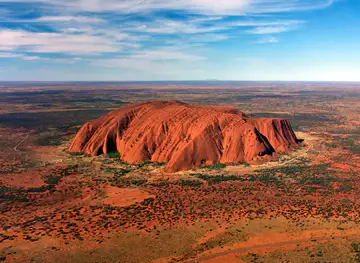
Uluru is Northern Territory's most recognisable landmark, but its importance is cultural as well as geological: it is a sacred Anangu place whose stories, access arrangements and appropriate behaviour should guide every visit. The nearby domes of Kata Tjuta form another defining Red Centre silhouette. In the Top End, the sandstone escarpments and rock-art shelters of Kakadu express the long relationship between Aboriginal communities and country, while Nitmiluk Gorge cuts through the Arnhem Land Plateau near Katherine in a series of dramatic river corridors. Karlu Karlu, or the Devils Marbles, consists of large rounded granite boulders scattered through the Tennant Creek region and is a significant Warumungu and Warumungu-related cultural landscape. Darwin's historic structures and harbour memorials recall the city's colonial development and wartime bombing, while the Overland Telegraph stations and remnants along the central route mark the infrastructure that connected northern Australia with the outside world. In Alice Springs, the MacDonnell Ranges provide a geological and visual frame for the town and the wider desert country.
-
Tourist attraction
Alice Springs Telegraph Station Historical Reserve
Explore the Alice Springs Telegraph Station, a historic gem that reveals the communication legacy of Australia’s outback.
-
Tourist attraction
ANZAC Hill
Explore ANZAC Hill in Alice Springs: A stunning tribute to Australia's war heroes with breathtaking views of the Red Centre.
-
 Resort hotel
El Questro Emma Gorge Resort
Experience luxury and adventure at El Questro Emma Gorge Resort, where breathtaking landscapes meet unparalleled comfort in the heart of the Kimberley.
-
Historical place museum
Fannie Bay Gaol
Explore the haunting history of Fannie Bay Gaol, a captivating museum that reveals the past of Australia's penal system in Darwin.


Explore Northern Territory on the map
Plan your trip on one map. See where the top cities, national parks and sights are, and book hotels and experiences in a few clicks.
Best hotels in Northern Territory
Best restaurants in Northern Territory
Northern Territory dining reflects tropical produce, Asian influence, pastoral foodways and Aboriginal ingredients, with the widest choice in Darwin. Restaurants and market stalls commonly draw on seafood, barramundi, mud crab, prawns, tropical fruit and Southeast Asian flavours, reflecting Darwin's long connections with nearby Asian countries and its diverse population. The city's outdoor markets are useful for sampling prepared food, while cafés and restaurants provide settings ranging from casual meals to contemporary Australian cooking. Katherine, Alice Springs and remote service towns have a smaller but varied selection of cafés, pubs, bakeries and roadhouses, with menus shaped by local supply and seasonal access. Bush foods such as lemon myrtle, wattleseed and native fruits appear in some dishes, but their cultural context matters and they should not be treated as interchangeable novelty ingredients. Around Uluru and other major visitor centres, dining is generally linked to accommodation complexes and organised tourism. Carrying provisions remains sensible for long drives, as food options between settlements may be limited.
-
Irish pub
Shenannigans
Experience authentic Irish hospitality at Shenannigans in Darwin City – where great food meets lively entertainment.
-
Pub
Berry Springs Tavern
Discover authentic Australian cuisine and refreshing drinks at Berry Springs Tavern in Northern Territory's beautiful landscape.
-
North African
Moorish Cafe
Discover the exotic flavors of North Africa and Spain at Moorish Cafe – a top dining destination in Darwin City.
-
Restaurant
Pee Wee's at the Point
Discover an exquisite dining experience at Pee Wee's at the Point with breathtaking views and exceptional cuisine in East Point.


Best bars in Northern Territory
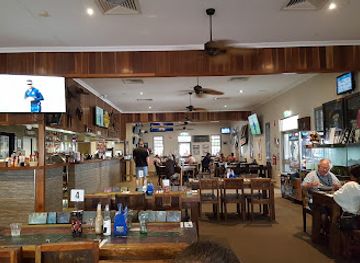
Nightlife in the Northern Territory is concentrated in Darwin and, to a lesser extent, Alice Springs, rather than spread evenly across the vast region. Darwin offers waterfront dining, traditional pubs, modern bars, live music and seasonal outdoor events, with a social atmosphere that changes between the dry and wet seasons. The city also has venues associated with the broader Australian pub and club scene, but opening arrangements and individual businesses can change. Alice Springs has pubs, bars, restaurants and occasional live entertainment serving residents, visitors and the arts community. In Katherine, Tennant Creek and remote centres, evenings generally revolve around hotel bars, club facilities, restaurants and quiet time at accommodation rather than a large nightclub circuit. Breweries, local drinks and relaxed meals are available in some towns, while national parks and camping areas have their own rules about alcohol, fires and quiet hours. Plan transport after drinking, particularly where taxis and ride services are limited.
-
Pub
Daly Waters Pub
Discover the unique charm of Daly Waters Pub, an iconic outback destination known for its vibrant atmosphere, delicious local cuisine, and rich history.
-
Irish pub
Shenannigans
Experience the charm of Ireland in Darwin at Shenannigans, where delicious food, great drinks, and lively entertainment await!
-
Pub
Berry Springs Tavern
Experience the local flavor and vibrant atmosphere at Berry Springs Tavern, a must-visit pub and restaurant in the Northern Territory.
-
Bar
Monsoons Darwin
Discover Monsoons Darwin: A dynamic bar, cafe, and live music venue offering a taste of Northern Territory's vibrant nightlife.



Best nightclubs in Northern Territory
Nightlife in the Northern Territory is concentrated in Darwin and, to a lesser extent, Alice Springs, rather than spread evenly across the vast region. Darwin offers waterfront dining, traditional pubs, modern bars, live music and seasonal outdoor events, with a social atmosphere that changes between the dry and wet seasons. The city also has venues associated with the broader Australian pub and club scene, but opening arrangements and individual businesses can change. Alice Springs has pubs, bars, restaurants and occasional live entertainment serving residents, visitors and the arts community. In Katherine, Tennant Creek and remote centres, evenings generally revolve around hotel bars, club facilities, restaurants and quiet time at accommodation rather than a large nightclub circuit. Breweries, local drinks and relaxed meals are available in some towns, while national parks and camping areas have their own rules about alcohol, fires and quiet hours. Plan transport after drinking, particularly where taxis and ride services are limited.
-
Live Music
Happy Yess
Discover the heart of Darwin's arts scene at Happy Yess, a lively venue for music and comedy that guarantees an unforgettable night out.
-
Night club
Discovery Darwin
Immerse yourself in the energetic nightlife of Darwin at Discovery Darwin, the city's premier nightclub with an electrifying atmosphere.
-
Adult entertainment club
Fantasy Lounge - Darwin's Premier Strip Club
Discover the electrifying nightlife of Darwin at Fantasy Lounge, the ultimate destination for adult entertainment and unforgettable performances.
-
Night club
Motel Loco
Experience the vibrant nightlife of Darwin at Motel Loco, where electrifying beats and warm hospitality create unforgettable nights out.


Best shops in Northern Territory
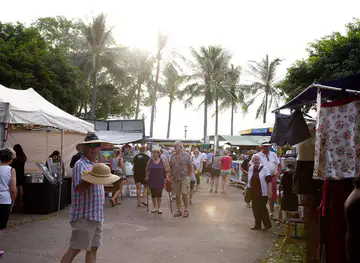
Shopping in the Northern Territory is strongest in Darwin and Alice Springs, with smaller selections in Katherine, Tennant Creek and major visitor centres. Darwin's markets and independent outlets offer tropical produce, food products, clothing, books, crafts and Aboriginal art, while galleries provide access to works sourced through recognised art centres and artists. Visitors should buy Indigenous art through reputable sellers who can explain provenance and artist payments rather than treating cultural work as an anonymous souvenir. Alice Springs is an important centre for central Australian art, with galleries and community-linked outlets representing a wide range of artists and styles. Around Uluru, shops focus on art, books, locally connected crafts and practical travel goods. Remote community stores and roadhouses are primarily for essentials, not extensive retail. Useful regional purchases can include packaged bush-food products, locally made crafts and high-quality books about Aboriginal culture, landscape and natural history; check customs and biosecurity rules before carrying food or plant material out of Australia.
-
Shopping mall
Casuarina Square
Discover a shopping paradise at Casuarina Square, featuring diverse retail stores, dining options, and family-friendly experiences in Northern Territory.
-
Shopping mall
Gateway Shopping Centre
Explore the vibrant Gateway Shopping Centre in Yarrawonga, where shopping, dining, and community events come together for an unforgettable experience.
-
Farmers' market
Parap Village Markets
Discover Parap Village Markets: a vibrant farmers' market in Northern Territory, blending local produce, crafts, and culinary delights in a lively setting.
-
Shopping mall
Palmerston Shopping Centre
Explore the Palmerston Shopping Centre for a unique blend of retail and dining experiences in Palmerston City.


Get your free copy of our complete guide to Northern Territory, delivered straight to you.
Everything on this page, from attractions and restaurants to essentials and local phrases, in one PDF you can read offline, print or share.
Already have an account? Sign in
Your Northern Territory guide is ready.
We'll send it to · Not you? Sign out

Getting your guide ready…
We are putting together a fresh copy of the Northern Territory guide. This can take up to a minute.
This can take a few moments. If your browser asks, choose Allow so the download can start. You'll find the guide in your Downloads folder.
Nothing happened? Download it again
Sorry, the guide is taking longer than usual. Please try again in a minute, or get it by email instead.
Northern Territory essentials
Currency and Payment
Safety
Emergency Situations
Do's and Don'ts
Local Tips
From Eve
Local phrases worth knowing
You don't need to get them perfect. A few words go a long way, and locals appreciate the effort.
Basics
| English | Local | Say it |
|---|---|---|
| Hello | G'day | [guh-day] |
| Goodbye | See ya | [see yah] |
| Yes | Yeah | [yeh] |
| No | Nah | [nah] |
| Please/You're welcome | No worries | [no wohr-eez] |
| Thank you | Thanks mate | [thangs mayt] |
| Excuse me/Sorry | Sorry mate | [sor-ee mayt] |
| How are you? | How ya goin'? | [how yah goin'?] |
| Fine. And you? | Good, you? | [gud, you?] |
| Do you speak English? | Can ya talk English? | [can yah talk ing-glish?] |
| I don't understand | I dunno | [i duh-noh] |
Eating & Drinking
| English | Local | Say it |
|---|---|---|
| I'd like to see the menu, please | Can I see the menu? | [can i see the men-yoo?] |
| I don't eat meat | I don't eat meat | [i dont eet meet] |
| Cheers! | Cheers! | [cheerz] |
| I would like to pay, please | Can I pay, please? | [can i pay, pleez?] |
Emergencies
| English | Local | Say it |
|---|---|---|
| Help! | Help! | [help] |
| Go away! | Go away! | [go away] |
| Call the Police! | Call the coppers! | [call the cop-pers] |
| Call a doctor! | Get a doctor! | [get a doc-tor] |
| I'm lost | I'm lost | [im lost] |
| I'm ill | I'm crook | [im crook] |
Shopping
| English | Local | Say it |
|---|---|---|
| I'd like to buy... | I wanna buy... | [i wanna buy...] |
| I'm just looking | Just lookin' | [just lookin'] |
| How much is it? | How much? | [how much?] |
| That's too expensive | That's too pricey | [thats too pry-see] |
| Can you lower the price? | Can ya lower the price? | [can yah loh-er the price?] |
Time & Numbers
| English | Local | Say it |
|---|---|---|
| What time is it? | What's the time? | [whats the time?] |
| It's one o'clock | It's one o'clock | [its one o'clock] |
| Half past (10) | Half past ten | [half past ten] |
| Morning | Morning | [mor-ning] |
| Afternoon | Arvo | [ar-vo] |
| Evening | Evening | [eev-ning] |
| Yesterday | Yesterday | [yes-ter-day] |
| Today | Today | [to-day] |
| Tomorrow | Tomorrow | [to-mor-row] |
| 1 | One | [wun] |
| 2 | Two | [too] |
| 3 | Three | [three] |
| 4 | Four | [for] |
| 5 | Five | [fiv] |
| 6 | Six | [siks] |
| 7 | Seven | [sev-en] |
| 8 | Eight | [ate] |
| 9 | Nine | [nine] |
| 10 | Ten | [ten] |
Transport & Directions
| English | Local | Say it |
|---|---|---|
| Where's a/the...? | Where's the...? | [wheres the...?] |
| What's the address? | What's the address? | [whats the address?] |
| Can you show me (on the map)? | Can ya show me on the map? | [can yah show me on the map?] |
| When's the next (bus)? | When's the next bus? | [whens the next bus?] |
| A ticket (to ....) | A ticket to ... | [a tik-it to ...] |
History of Northern Territory
Aboriginal occupation and living cultural landscapes
Aboriginal peoples have lived across the lands now called Northern Territory for tens of thousands of years, developing detailed knowledge of water, seasons, plants, animals and travel routes. The territory contains hundreds of language and cultural groups, each with its own connections to country and law. Rock art at places such as Kakadu and Arnhem Land records long artistic and ceremonial traditions, while contemporary communities continue to maintain cultural responsibilities. These are not merely archaeological traces: many landscapes remain active cultural places, and Indigenous knowledge continues to shape conservation, art, tourism and land management.
Macassan voyages and northern exchange
For centuries before European settlement, trepangers from Makassar in present-day Indonesia travelled seasonally to the northern Australian coast, including areas now associated with Arnhem Land. They collected sea cucumbers and exchanged goods, technologies and ideas with Aboriginal communities. Evidence of this contact survives in oral histories, material culture, loanwords and depictions of foreign vessels in rock art. The voyages demonstrate that the northern coast was connected to wider maritime networks long before the establishment of colonial towns, and they remain an important part of the region's shared Indigenous and Asian history.
Exploration, settlement and the Overland Telegraph
European exploration intensified during the nineteenth century, with John McDouall Stuart's crossings helping establish a route through the interior. The Overland Telegraph Line, completed across Australia in 1872, linked the continent with international communications through a chain of stations and preceded more permanent colonial infrastructure. Palmerston, later renamed Darwin, developed as the principal northern port, while pastoral expansion spread across parts of the Top End and interior. These developments brought dispossession, violence and disruptive changes to Aboriginal societies, whose histories must be considered alongside the colonial narrative.
Pastoralism, mining and inland towns
Cattle pastoralism became a major force in the territory, particularly across the tropical savannah and northern interior, although difficult distances, harsh seasons and limited infrastructure constrained operations. Mining also shaped settlement and transport: gold drew prospectors to Tennant Creek in the 1930s, and later mineral developments contributed to the growth of remote communities and service centres. Alice Springs expanded as a railway, administrative and supply hub for central Australia. Roads, air services and improved communications gradually connected these settlements while leaving large areas sparsely populated.
Darwin and the Second World War
Darwin became a major Allied military base during the Second World War. On 19 February 1942, Japanese aircraft attacked the town and harbour in the first and most destructive of many raids on northern Australia. The bombing caused deaths, destruction and the evacuation of much of the civilian population, while military infrastructure expanded across the Top End. The experience remains visible through museums, memorials and surviving sites, and it permanently altered Darwin's urban development and its place in Australia's national history.
Self-government and contemporary Northern Territory
The Northern Territory received self-government in 1978, after a long period administered by the Commonwealth. The territory's modern identity has been shaped by debates over land rights, Indigenous governance, remote service delivery, conservation, mining and the relationship between Darwin and widely dispersed communities. The Aboriginal Land Rights (Northern Territory) Act 1976 established an important legal framework for land claims and communal ownership, although questions of recognition and economic opportunity remain complex. Today, cultural authority, environmental management and regional development continue to influence how the territory is visited and understood.
Northern Territory in Photos
Browse through our photo collection highlighting the charm and character of the destination.
Neighbouring regions of Northern Territory
The closest regions to Northern Territory, if you have time for more than one.
-

-

-

-

-


Swipe for more regions
Explore more

Explore more of Australia
Discover the diverse landscapes, vibrant cities, and unique wildlife of Australia, a captivating destination offering endless adventures and unforgettable experiences.
Explore Australia