

Free Alice Springs Travel Guide & Mobile App
Plan your Alice Springs trip with Evendo. Get free guides to top attractions, restaurants, hotels, and bars. Web access or download the mobile app.


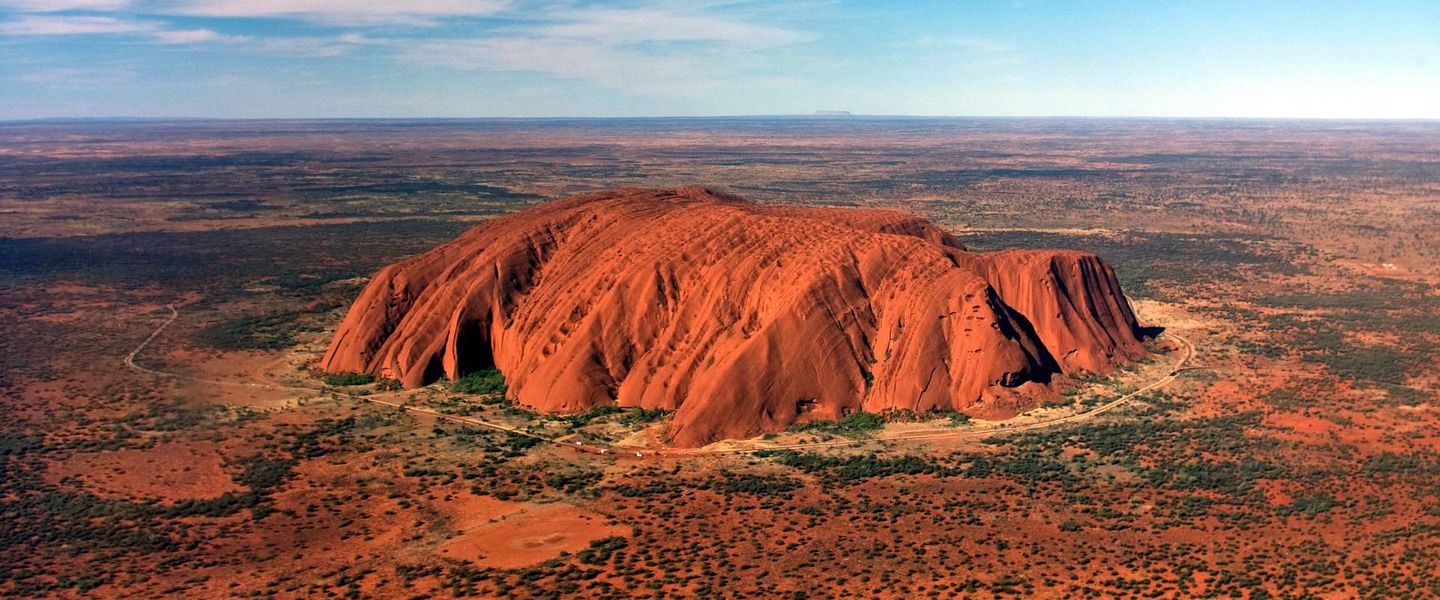


Alice Springs reveals Central Australia's red-earth landscapes, Arrernte culture, pioneering history, desert wildlife and memorable outback experiences.
Country at the Centre
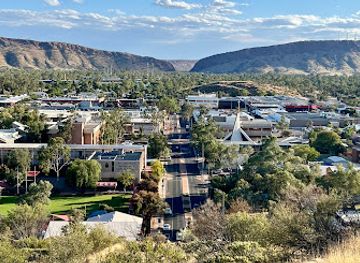
Alice Springs lies near the geographical centre of Australia, on Arrernte Country and beside the usually dry Todd River. The town is framed by the West MacDonnell Ranges, whose rugged ridgelines, granite gaps and pale riverbeds give the surrounding landscape its defining scale. Its streets form a practical base for exploring the Red Centre, while the low-rise town centre retains an unhurried outback character shaped by hot summers, wide skies and the rhythms of desert life.Read more about Alice Springs
Arrernte Culture and Outback Heritage
Life in a Desert Town
When is the best time to visit Alice Springs?
Best: June–August · 22–25°C| Month | High (°C) | Rainfall (mm) |
|---|---|---|
| January | 42 | 35 |
| February | 40 | 31 |
| March | 39 | 27 |
| April | 34 | 18 |
| May | 28 | 12 |
| June (best) | 22 | 6 |
| July (best) | 23 | 4 |
| August (best) | 25 | 4 |
| September | 30 | 7 |
| October | 35 | 14 |
| November | 39 | 21 |
| December | 41 | 27 |
Getting to and around Alice Springs
How to get there
Transportation
Best attractions in Alice Springs
Alice Springs Desert Park introduces the plants, animals and landscapes of Central Australia through native habitats, interpretive displays and presentations, while the historic Telegraph Station traces the town's origins beside the Overland Telegraph Line. At the Araluen Arts Centre, Aboriginal and contemporary Australian art provides a cultural perspective on the region, and the nearby Museum of Central Australia explores natural history and local heritage. Olive Pink Botanic Garden offers a quieter walk among arid-zone plants with views towards the ranges. The Royal Flying Doctor Service Alice Springs Tourist Facility explains the pioneering medical service's role in remote Australia, while the National Road Transport Hall of Fame follows the vehicles and routes that opened up the inland. The Todd River itself is often a broad sandy channel rather than flowing water, but its riverbed and bridges are closely tied to the town's geography and public life.
-
Tourist attraction
Alice Springs Desert Park
Explore the enchanting Alice Springs Desert Park, a unique blend of wildlife, culture, and breathtaking landscapes in the heart of Australia's Red Centre.
15 min drive · 5.0 km from city centre
-
Tourist attraction
Alice Springs Telegraph Station Historical Reserve
Discover the birthplace of Alice Springs and experience Australia's outback history at the best-preserved Overland Telegraph Line station.
9 min drive · 3.0 km from city centre
-
Tourist attraction
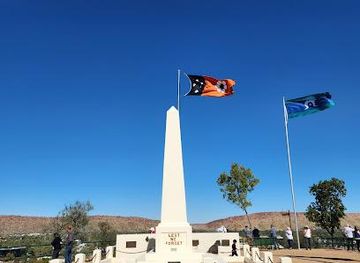
ANZAC Hill
Experience panoramic views and pay tribute to Australian service members at this iconic Alice Springs landmark.
5 min walk · 0.4 km from city centre
-
Tourist attraction
Alice Springs Reptile Centre
Discover the fascinating world of Australian reptiles at the Alice Springs Reptile Centre. Get up close with over 100 species!
8 min walk · 0.6 km from city centre



Best landmarks in Alice Springs
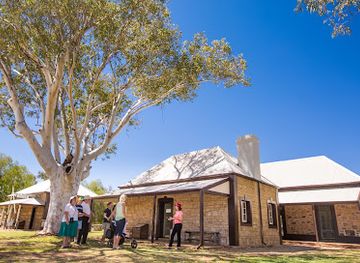
The Alice Springs Telegraph Station is the town's defining historic landmark, preserving the setting and buildings associated with the 1872 Overland Telegraph Line and the establishment of a permanent European outpost. The John McDouall Stuart statue in the town centre commemorates the explorer whose inland expeditions helped shape later European mapping, though the wider landscape was already known and inhabited by Arrernte people. The Todd Mall forms Alice Springs' civic and commercial spine, with public art and pedestrian space connecting shops and cultural venues. The Adelaide House Museum, a former medical and administrative building, recalls early town life, while the Flynn Memorial Church is associated with Reverend John Flynn and the development of the Royal Flying Doctor Service. Together these sites show how communications, transport, medicine and public institutions shaped the settlement.
-
Tourist attraction
Alice Springs Desert Park
Explore the heart of Australia's desert: native animals, ancient culture, and stunning landscapes await at Alice Springs Desert Park.
15 min drive · 5.0 km from city centre
-
Tourist attraction
Alice Springs Telegraph Station Historical Reserve
Explore the rich history of Australia at the Alice Springs Telegraph Station Historical Reserve, a must-visit destination in the heart of the Outback.
9 min drive · 3.0 km from city centre
-
Tourist attraction
ANZAC Hill
Discover ANZAC Hill in Alice Springs, where breathtaking views meet rich historical significance, perfect for every traveler seeking beauty and remembrance.
5 min walk · 0.4 km from city centre
-
Tourist attraction
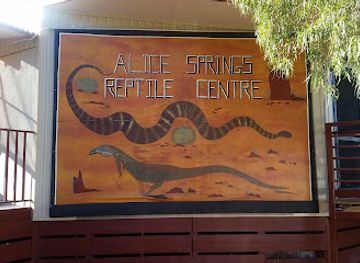
Alice Springs Reptile Centre
Discover the fascinating world of Australian reptiles at Alice Springs Reptile Centre: See snakes, lizards, and Terry the saltwater crocodile!
8 min walk · 0.6 km from city centre
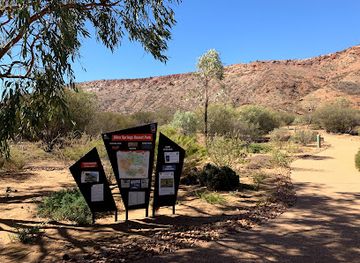
Explore Alice Springs on the map
Plan your Alice Springs trip on one map. See where the top attractions, landmarks, restaurants, bars and hotels are, find what's near where you're staying, and book hotels and experiences in a few clicks.
Best hotels in Alice Springs
Best restaurants in Alice Springs
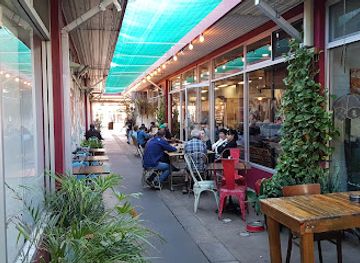
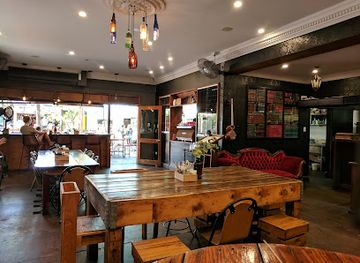
Alice Springs dining reflects its position as a regional centre rather than a single defined cuisine. Cafes and restaurants in and around the town centre serve familiar Australian fare alongside Asian, Mediterranean and contemporary dishes, while bakeries and casual eateries cater to residents, workers and travellers preparing for long drives. Menus may feature Australian ingredients such as native herbs, bush tomato or quandong, though availability varies and these ingredients are not exclusive to Alice Springs. Aboriginal food culture is best approached through reputable cultural experiences that explain the seasonal knowledge and traditions behind native foods, rather than through assumptions about a single 'outback' menu. Supermarkets and local shops are useful for picnic supplies before heading into the ranges, where dining options become sparse. Evening meals are generally relaxed and early by big-city standards, with the town centre providing the broadest choice.
-
Cafe
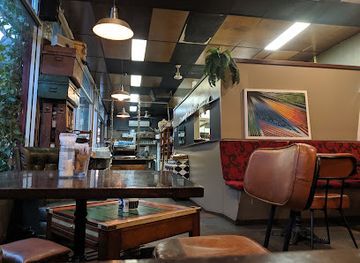
Page 27 Cafe
Discover Page 27 Cafe in Alice Springs – where delicious breakfasts and premium coffee meet warm hospitality in a cozy setting.
5 min walk · 0.4 km from city centre
-
Restaurant
Epilogue Lounge & Rooftop Bar
Experience culinary delights at Epilogue Lounge & Rooftop Bar in Alice Springs - where stunning views meet exquisite flavors.
4 min walk · 0.3 km from city centre
-
Restaurant
Uncles Tavern
Experience the vibrant culinary scene at Uncle's Tavern in Alice Springs – where delicious food meets friendly service in a lively atmosphere.
4 min walk · 0.3 km from city centre
-
 Restaurant
Stay at Alice Springs Hotel
Discover comfort and delightful dining at Stay at Alice Springs Hotel in the heart of Alice Springs - your gateway to Northern Territory adventures.
5 min walk · 0.4 km from city centre
Best bars in Alice Springs
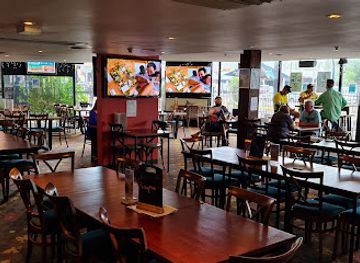
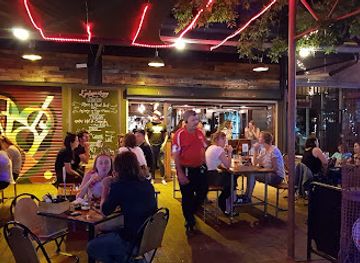
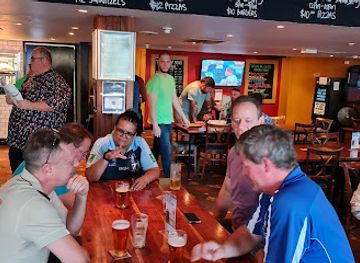
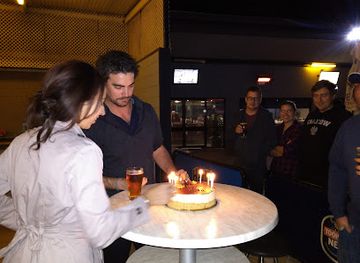
Alice Springs has a modest nightlife scene shaped by its size, working population and distance from other cities. The town centre contains pubs, hotel bars and casual venues where residents and visitors gather for a meal or drink, while some establishments present live music or community entertainment when scheduled. Evening activity is more social and low-key than club-focused, and choices can vary with the season, local events and venue operations. The Desert Mob exhibition period, festivals and arts programming may bring additional cultural activity, including performances and public events. Visitors should follow venue rules, arrange transport after drinking and take extra care walking after dark, when the town's wide spaces and limited pedestrian activity can make distances feel greater.
-
Cafe
Page 27 Cafe
Discover the vibrant flavors of Alice Springs at Page 27 Cafe, a cozy spot for breakfast and artisan coffee in the heart of the Outback.
5 min walk · 0.4 km from city centre
-
Bar
Epilogue Lounge & Rooftop Bar
Experience the vibrant atmosphere and stunning views at Epilogue Lounge & Rooftop Bar in Alice Springs, where local flavors meet modern comfort.
4 min walk · 0.3 km from city centre
-
Bar
Uncles Tavern
Experience the vibrant atmosphere and delicious cuisine at Uncle's Tavern, Alice Springs' favorite bar and restaurant in the heart of the Outback.
4 min walk · 0.3 km from city centre
-
Bar
Gillen club
Experience the vibrant nightlife at Gillen Club, where local culture meets an exciting bar and club atmosphere in the heart of Gillen.
5 min drive · 1.8 km from city centre
Best nightclubs in Alice Springs
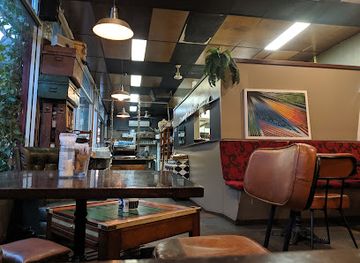
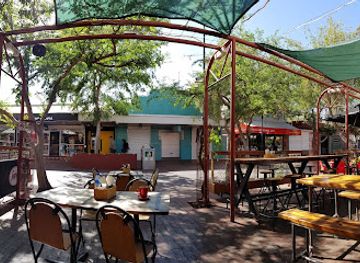
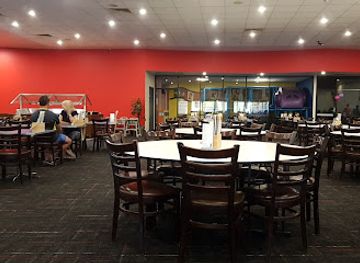
Alice Springs has a modest nightlife scene shaped by its size, working population and distance from other cities. The town centre contains pubs, hotel bars and casual venues where residents and visitors gather for a meal or drink, while some establishments present live music or community entertainment when scheduled. Evening activity is more social and low-key than club-focused, and choices can vary with the season, local events and venue operations. The Desert Mob exhibition period, festivals and arts programming may bring additional cultural activity, including performances and public events. Visitors should follow venue rules, arrange transport after drinking and take extra care walking after dark, when the town's wide spaces and limited pedestrian activity can make distances feel greater.
-
Bar
Epilogue Lounge & Rooftop Bar
Discover the vibrant atmosphere of Epilogue Lounge & Rooftop Bar, where stunning views and delicious cuisine meet in Alice Springs.
4 min walk · 0.3 km from city centre
-
Bar
Uncles Tavern
Discover Uncle's Tavern in Alice Springs: a vibrant bar and restaurant offering delicious food, refreshing drinks, and a lively atmosphere.
4 min walk · 0.3 km from city centre
-
Club
Gillen club
Experience the vibrant atmosphere of the Gillen Club, a perfect blend of dining, nightlife, and local culture in the heart of Gillen.
5 min drive · 1.8 km from city centre
-
Bar
Monte's Lounge
Monte's Lounge in Alice Springs offers a lively atmosphere with delicious food, drinks, and live music, perfect for tourists looking for a memorable night out.
7 min walk · 0.5 km from city centre

Best shops in Alice Springs
Shopping in Alice Springs centres on Todd Mall and the surrounding central streets, where visitors find galleries, Aboriginal art centres, clothing, books, souvenirs, cafes and practical supplies for travel. The town is an important place to encounter art from Central Australian Aboriginal communities, but buyers should look for reputable galleries and clear artist and community provenance rather than treating Indigenous art as a generic souvenir. Local products may include prints, paintings, woven works, jewellery, bush-food products and outback-themed goods, with styles and materials varying widely between artists. Larger shopping centres and supermarkets serve everyday needs, while markets and seasonal community events can add locally made crafts and produce. Because Alice Springs is remote, specialist outdoor equipment, fuel and provisions can be as relevant to shopping plans as gifts and decorative goods.
-
Cafe
Page 27 Cafe
Discover the vibrant flavors of Alice Springs at Page 27 Cafe, your go-to spot for exceptional coffee and delightful breakfast options in the heart of the Northern Territory.
5 min walk · 0.4 km from city centre
-
Supermarket
Coles Alice Springs
Discover the vibrant flavors of Australia at Coles Alice Springs, your local supermarket for fresh produce and unique essentials.
2 min walk · 0.2 km from city centre
-
Restaurant
Epilogue Lounge & Rooftop Bar
Discover the charm of Alice Springs at Epilogue Lounge & Rooftop Bar, where delightful food meets stunning views in a vibrant atmosphere.
4 min walk · 0.3 km from city centre
-
Shopping mall
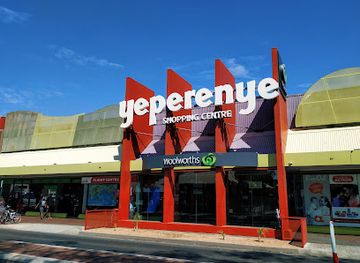
Yeperenye Shopping Centre
Discover the heart of Alice Springs at Yeperenye Shopping Centre, a vibrant hub of retail and dining experiences in the Northern Territory.
2 min walk · 0.2 km from city centre

Get your free copy of our complete guide to Alice Springs, delivered straight to you.
Everything on this page, from attractions and restaurants to essentials and local phrases, in one PDF you can read offline, print or share.
Already have an account? Sign in
Your Alice Springs guide is ready.
We'll send it to · Not you? Sign out

Getting your guide ready…
We are putting together a fresh copy of the Alice Springs guide. This can take up to a minute.
This can take a few moments. If your browser asks, choose Allow so the download can start. You'll find the guide in your Downloads folder.
Nothing happened? Download it again
Sorry, the guide is taking longer than usual. Please try again in a minute, or get it by email instead.
Alice Springs essentials
Currency and Payment
Safety
Emergency Situations
Do's and Don'ts
Local Tips
From Eve
Local phrases worth knowing
You don't need to get them perfect. A few words go a long way, and locals appreciate the effort.
Basics
| English | Local | Say it |
|---|---|---|
| Hello | G'day | [G'day] |
| Goodbye | See ya | [See ya] |
| Yes | Yeah | [Yeah] |
| No | Nah | [Nah] |
| Please/You're welcome | Please/No worries | [Please/No worries] |
| Thank you | Cheers | [Cheers] |
| Excuse me/Sorry | Sorry | [Sorry] |
| How are you? | How ya goin'? | [How ya goin'?] |
| Fine. And you? | Good. And you? | [Good. And you?] |
| Do you speak English? | Ya speak English? | [Ya speak English?] |
| I don't understand | I don't get ya | [I don't get ya] |
Eating & Drinking
| English | Local | Say it |
|---|---|---|
| I'd like to see the menu, please | Can I check the menu, mate? | [Can I check the menu, mate?] |
| I don't eat meat | I don't eat meat, thanks | [I don't eat meat, thanks] |
| Cheers! | Cheers! | [Cheers!] |
| I would like to pay, please | I'll pay now, mate | [I'll pay now, mate] |
Emergencies
| English | Local | Say it |
|---|---|---|
| Help! | Help! | [Help!] |
| Go away! | Bugger off! | [Bugger off!] |
| Call the Police! | Ring the cops! | [Ring the cops!] |
| Call a doctor! | Get a doctor! | [Get a doctor!] |
| I'm lost | I'm lost | [I'm lost] |
| I'm ill | I'm sick | [I'm sick] |
Shopping
| English | Local | Say it |
|---|---|---|
| I'd like to buy... | I wanna buy... | [I wanna buy...] |
| I'm just looking | Just browsing, mate | [Just browsing, mate] |
| How much is it? | How much? | [How much?] |
| That's too expensive | That's dear, mate | [That's dear, mate] |
| Can you lower the price? | Can you do it cheaper? | [Can you do it cheaper?] |
Time & Numbers
| English | Local | Say it |
|---|---|---|
| What time is it? | What's the time? | [What's the time?] |
| It's one o'clock | It's one o'clock | [It's one o'clock] |
| Half past (10) | Half ten | [Half ten] |
| Morning | Mornin' | [Mornin'] |
| Afternoon | Arvo | [Arvo] |
| Evening | Evenin' | [Evenin'] |
| Yesterday | Yesty | [Yesty] |
| Today | Today | [Today] |
| Tomorrow | Tomorra | [Tomorra] |
| 1 | One | [One] |
| 2 | Two | [Two] |
| 3 | Three | [Three] |
| 4 | Four | [Four] |
| 5 | Five | [Five] |
| 6 | Six | [Six] |
| 7 | Seven | [Seven] |
| 8 | Eight | [Eight] |
| 9 | Nine | [Nine] |
| 10 | Ten | [Ten] |
Transport & Directions
| English | Local | Say it |
|---|---|---|
| Where's a/the...? | Where's the...? | [Where's the...?] |
| What's the address? | What's the addy? | [What's the addy?] |
| Can you show me (on the map)? | Can you point it out? | [Can you point it out?] |
| When's the next (bus)? | When's the next (bus)? | [When's the next (bus)?] |
| A ticket (to ....) | A ticket to ... | [A ticket to ...] |
History of Alice Springs
Arrernte Country Before the Town
The Alice Springs area is part of Arrernte Country, with Mparntwe being the Arrernte name for the town and its surrounding cultural landscape. Arrernte people developed detailed knowledge of the ranges, waterholes, plants and animals of the region, maintaining connections to country through ceremony, law and story. These traditions long predate European settlement and remain central to the identity of Central Australia. The Todd River and nearby springs were important features within a wider network of water sources, travel routes and significant places. Contemporary Alice Springs stands within this living cultural landscape, rather than on land whose history began with the town's later European institutions.
The Overland Telegraph Arrives
European development accelerated when the Overland Telegraph Line reached the area in 1872, linking Adelaide with Darwin and creating a communications route between Australia and international networks. The Alice Springs Telegraph Station was established beside a permanent water source on the Todd River, and the settlement became an important outpost for telegraph operators, travellers and stockmen. The waterhole was named Alice Springs in honour of Alice Todd, wife of Charles Todd, the South Australian superintendent associated with the line. The surviving station buildings and landscape now form one of the town's clearest links with the era of inland communications and colonial expansion.
A Remote Telegraph Settlement
For decades the settlement around the Telegraph Station remained small and isolated, dependent on long supply routes and the knowledge of Aboriginal guides, pastoral workers and transport teams. European pastoral expansion altered the surrounding region and brought conflict, dislocation and profound damage to Arrernte communities, as elsewhere in central Australia. The town's early economy was connected to cattle, government administration, communications and the movement of people across the interior. Its remote position also made reliable water, transport and medical assistance decisive concerns. The Telegraph Station precinct preserves traces of this period, although its interpretation must be understood alongside the enduring presence and rights of Arrernte people.
Railway, Aviation and Growth
The arrival of the Central Australia Railway in 1929 strengthened Alice Springs as a regional service centre and helped reshape the movement of goods and passengers through the interior. The town expanded as transport, pastoral administration and government services developed, while the railway also made Central Australia more accessible to visitors. Aviation became equally significant: remote communities and stations depended on aircraft for supplies and medical assistance, and the Royal Flying Doctor Service established a lasting association with the town. During the Second World War, Alice Springs gained further strategic importance as a major inland transport and logistics point.
A Contemporary Central Australian Centre
Post-war development expanded Alice Springs into the principal service, administrative and cultural centre of Central Australia. Improved roads, air connections and later railway infrastructure brought more visitors, artists, researchers and residents, while the town became an important base for reaching Uluru, the West MacDonnell Ranges and other inland destinations. Institutions such as the Araluen Arts Centre and Alice Springs Desert Park reflect the region's artistic, environmental and cultural significance. Contemporary identity remains shaped by the relationship between Arrernte culture, Aboriginal art, outback industries, tourism, public services and the demanding desert environment.
Travel experiences inspired by this city
-
 15 Day Trip
Family Adventure in the Heart of Australia's Outback
Explore the vibrant culture and stunning landscapes of Alice Springs with our family, staying at the cozy Elkira Court Motel for a memorable outback adventure.
15 Day Trip
Family Adventure in the Heart of Australia's Outback
Explore the vibrant culture and stunning landscapes of Alice Springs with our family, staying at the cozy Elkira Court Motel for a memorable outback adventure.
 10 Jan 2026
By Juan Quispe -
 13 Day Trip
Solo Exploration of Alice Springs’ Cultural and Natural Wonders
Embark on a solo journey through Alice Springs, exploring its rich cultural heritage and breathtaking desert landscapes in the heart of Australia's outback.
13 Day Trip
Solo Exploration of Alice Springs’ Cultural and Natural Wonders
Embark on a solo journey through Alice Springs, exploring its rich cultural heritage and breathtaking desert landscapes in the heart of Australia's outback.
 2 Dec 2025
By Maryam Al Shehhi
Swipe for more travel diaries
Alice Springs in Photos
Browse through our photo collection highlighting the charm and character of the destination.
Cities near Alice Springs
The closest cities to Alice Springs, if you have time for more than one stop.
-
-

-

-

-


Swipe for more cities
Explore more

Explore more of Australia
Discover the diverse landscapes, vibrant cities, and unique wildlife of Australia, a captivating destination offering endless adventures and unforgettable experiences.
Explore Australia