

Free Pinzgau Travel Guide & Mobile App
Explore Pinzgau with free travel guides. Discover regional history, expert tips, proposed trips, and audio guides on web or mobile app.


Explore Pinzgau in Salzburg for alpine lakes, Hohe Tauern valleys, mountain villages, waterfalls, skiing and Austrian regional food.
Read more about Pinzgau
When is the best time to visit Pinzgau?
Best: June–August · 21–24°C| Month | High (°C) | Rainfall (mm) |
|---|---|---|
| January | 1 | 60 |
| February | 3 | 50 |
| March | 8 | 70 |
| April | 12 | 80 |
| May | 18 | 90 |
| June (best) | 21 | 110 |
| July (best) | 24 | 120 |
| August (best) | 23 | 120 |
| September | 19 | 90 |
| October | 13 | 80 |
| November | 6 | 70 |
| December | 3 | 60 |
Getting to and around Pinzgau
How to get there
Transportation
Top city travel guides in Pinzgau
The cities of Pinzgau, and the easiest places to base yourself.
-

-

-


Swipe for more cities
Destinations in Pinzgau
Resorts, valleys and scenic spots worth a trip of their own.
-

-

-

-

-

-


Swipe for more destinations
Best attractions in Pinzgau
Pinzgau offers a broad mixture of alpine scenery, outdoor activity and cultural interpretation. Around Zell am See, Lake Zell provides opportunities for swimming, boating and lakeside walking, while the Schmittenhöhe gives access to high mountain views and marked trails. Kaprun combines the Kitzsteinhorn glacier area with the Sigmund-Thun Gorge and the high-altitude reservoirs, where the engineering history of the power scheme is part of the visit. The Hohe Tauern National Park dominates the southern valleys, with hiking, wildlife observation and education at the National Park Worlds in Mittersill. Krimml Waterfalls is one of the region's most prominent natural attractions, while the valleys of Rauris, Uttendorf and Hollersbach offer quieter routes through meadows and forest. In the north, Saalfelden, Leogang and Maria Alm are bases for cycling, climbing, skiing and walking beneath the Steinernes Meer and Leoganger Steinberge. Museums, historic churches, mining heritage and farm-based experiences add cultural depth, making Pinzgau's attractions as much about landscapes and working traditions as about individual ticketed sites.
-
 Observation deck
Gipfelwelt 3000
Alpine summit meets geological classroom: 3,000-meter views and subterranean science in the Austrian Alps.
-
Ski resort
Kitzsteinhorn
Explore the majestic Kitzsteinhorn in Austria, a year-round destination for skiing, hiking, and breathtaking panoramic views of the Alps.
-
Tourist attraction
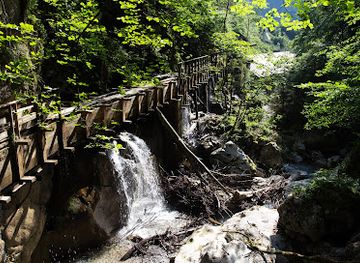
Seisenbergklamm
Experience the breathtaking beauty of Seisenbergklamm, a stunning gorge in Austria ideal for hiking, wildlife watching, and enjoying nature's tranquility.
-
Museum
Hohe Tauern National Park Information Centre
Explore Austria's stunning Hohe Tauern National Park at the Information Centre, your gateway to breathtaking landscapes and rich cultural heritage.

Best landmarks in Pinzgau
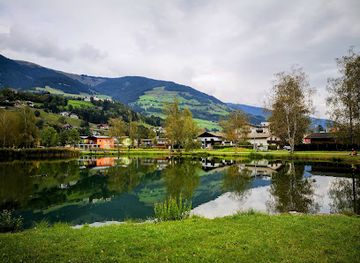
Lake Zell is Pinzgau's defining natural landmark, an enclosed alpine lake whose water, mountain backdrop and compact lakeside town give the central district much of its visual character. Above Kaprun, the high reservoirs of the Glockner-Kaprun power complex form a remarkable twentieth-century industrial landscape beneath the glaciated peaks. The Kitzsteinhorn, with its glacier and high viewing areas, is another recognisable feature of the Kaprun skyline. In the southern district, Krimml Waterfalls descends in a long sequence through the valley and is among the most important natural landmarks in the Austrian Alps. The Hohe Tauern's glaciers and peaks create the setting for landmark mountain routes, including the Grossglockner High Alpine Road, which passes through Pinzgau before continuing beyond the district. The medieval and later churches of Zell am See, Saalfelden and many valley villages provide a contrasting human scale, while the stone ramparts and historic fabric of Mittersill reflect its long role as a regional settlement. Together these places express Pinzgau's relationship with water, altitude, transport and settlement.
-
Castle
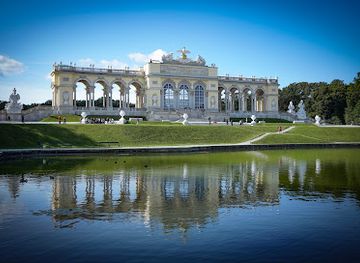
Schönbrunn Palace
Explore the opulent Schönbrunn Palace in Vienna, a UNESCO World Heritage site with stunning Baroque architecture and vast gardens, steeped in imperial history.
-
Cathedral
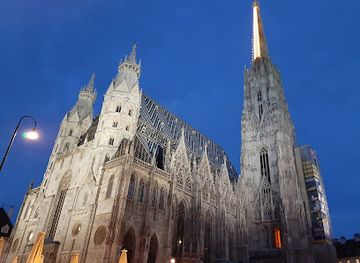
St. Stephen's Cathedral
Explore Vienna's iconic Gothic cathedral: climb the towers, discover the catacombs, and admire the colorful tiled roof.
-
Museum
Belvedere Palace
Explore Austrian art and Baroque architecture at the Belvedere Palace, home to Gustav Klimt's "The Kiss," in the heart of Vienna.
-
Fortress
Fortress Hohensalzburg
Explore the majestic Fortress Hohensalzburg, a medieval landmark offering history, culture, and panoramic views of Salzburg.
Explore Pinzgau on the map
Plan your trip on one map. See where the top cities, national parks and sights are, and book hotels and experiences in a few clicks.
Best hotels in Pinzgau
Best restaurants in Pinzgau
Pinzgau's food reflects Salzburg's alpine traditions, with dairy farming, grain, game and preserved produce prominent in rural cooking. Look for Pinzgau cheese, farmhouse bread, smoked meats, trout from clear mountain waters and substantial dishes such as Kaspressknödel, cheese-filled pressed dumplings often served in soup or with salad. Kaiserschmarrn, apple strudel and other Austrian pastries are common in cafés and mountain restaurants, while seasonal menus may feature mushrooms, venison and locally sourced vegetables. Traditional inns and mountain huts remain central to the dining culture, particularly in walking and ski areas, but Zell am See, Saalfelden, Kaprun and Mittersill also offer contemporary Austrian and international cooking. Farm shops and direct-selling producers provide cheese, spirits, jams and baked goods, and weekly or seasonal markets can be useful places to encounter local products. Menus vary between resort centres and remote valleys, so travellers seeking an early or late meal should check arrangements locally rather than assume every rural restaurant operates throughout the day.
-
Restaurant
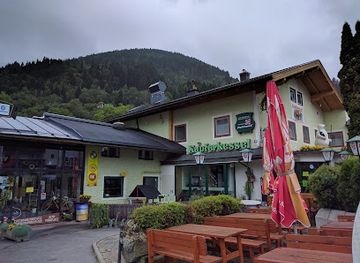
Restaurant Kupferkessel - Kreml GmbH
Experience authentic Austrian flavors at Restaurant Kupferkessel in Zell am See - where culinary excellence meets warm hospitality.
-
Restaurant
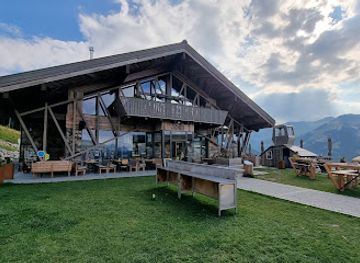
Tom Almhütte
Experience exquisite dining at Tom Almhütte – a hidden gem in Maria Alm offering stunning views and delightful cuisine.
-
Middle Eastern
Restaurant Ali Baba
Experience authentic Middle Eastern cuisine at Restaurant Ali Baba in Zell am See – where every dish tells a story.
-
Restaurant
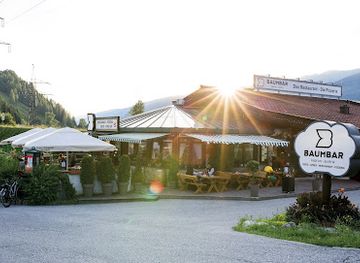
Baumbar
Experience the vibrant flavors of Austria at Baumbar in Kaprun - where delicious cuisine meets lively nightlife.
Best bars in Pinzgau
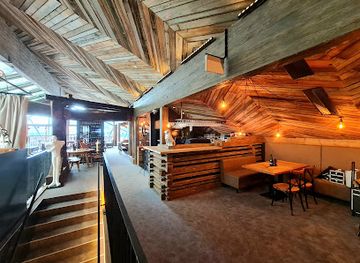
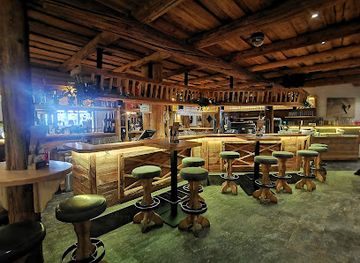
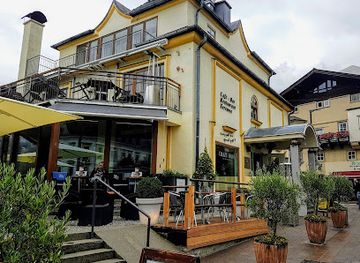
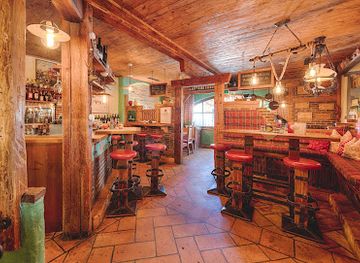
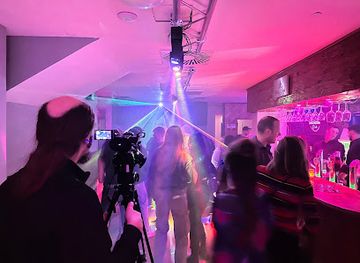
Evening life in Pinzgau is concentrated in the larger resorts rather than spread evenly across the district. Zell am See and Kaprun have the broadest choice of hotel bars, traditional pubs, après-ski venues, cafés and restaurants, with winter evenings generally busier than summer nights. Saalbach-Hinterglemm, in western Pinzgau, is also known for a more active resort nightlife linked to its ski season. Saalfelden and Mittersill provide a quieter mix of pubs, wine bars, live music and occasional cultural programming. In smaller villages and side valleys, the evening scene usually centres on inns, hotel lounges and local gatherings rather than nightclubs. Breweries, schnapps producers and regional drinks may appear on menus, but alcohol is not the only focus: concerts, theatre, cinema and seasonal community events also contribute to the region's after-dark culture. Check transport back to rural accommodation in advance, as late services are limited outside the main resorts.
-
Restaurant
Tom Almhütte
Discover Tom Almhütte: a mountain restaurant in Maria Alm offering traditional Austrian cuisine, stunning views, and a unique dining experience amidst nature.
-
Bar
Baumbar
Discover Baumbar in Kaprun, where delectable cuisine meets a vibrant nightlife, perfect for unwinding after a day of adventure.
-
Restaurant
Villa Crazy Daisy
Experience delightful dining at Villa Crazy Daisy in Zell am See, Austria, offering a rich menu in a vibrant and welcoming atmosphere.
-
Restaurant
Hilberger's Beisl
Discover Hilberger's Beisl in Kaprun, where traditional Austrian cuisine meets a cozy beer garden experience for a memorable dining adventure.
Best nightclubs in Pinzgau
Evening life in Pinzgau is concentrated in the larger resorts rather than spread evenly across the district. Zell am See and Kaprun have the broadest choice of hotel bars, traditional pubs, après-ski venues, cafés and restaurants, with winter evenings generally busier than summer nights. Saalbach-Hinterglemm, in western Pinzgau, is also known for a more active resort nightlife linked to its ski season. Saalfelden and Mittersill provide a quieter mix of pubs, wine bars, live music and occasional cultural programming. In smaller villages and side valleys, the evening scene usually centres on inns, hotel lounges and local gatherings rather than nightclubs. Breweries, schnapps producers and regional drinks may appear on menus, but alcohol is not the only focus: concerts, theatre, cinema and seasonal community events also contribute to the region's after-dark culture. Check transport back to rural accommodation in advance, as late services are limited outside the main resorts.
-
Bar
Schwips Après-Ski
Discover Schwips Après-Ski: a vibrant bar in Saalbach-Hinterglemm offering a cozy atmosphere, delicious drinks, and stunning mountain views.
-
Disco club
King's Bar apres-ski Königsleiten
Discover the lively King's Bar apres-ski in Königsleiten, the ultimate destination for après-ski fun, music, and unforgettable memories in the Austrian Alps.
-
Disco club
Barracuda Club Kaprun
Dive into the vibrant nightlife of Kaprun at Barracuda Club, a premier disco club offering live music and an electrifying atmosphere.
-
Night club
Après Ski & Nightclub Castello
Immerse yourself in the vibrant nightlife of Saalbach-Hinterglemm at Après Ski & Nightclub Castello, where unforgettable memories await.


Best shops in Pinzgau
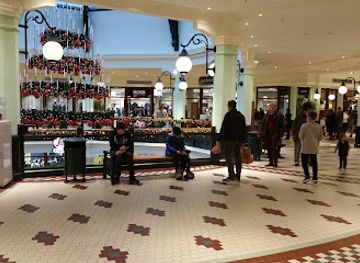
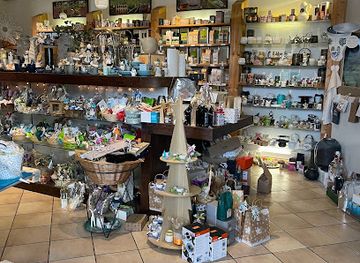
Shopping in Pinzgau is centred on the high streets of Zell am See, Saalfelden, Mittersill and the larger resort villages, where practical outdoor equipment, clothing, Austrian souvenirs and independent specialist shops are more prominent than large-scale luxury retail. Zell am See and Saalfelden offer the broadest everyday choice, while resort areas such as Kaprun and Saalbach-Hinterglemm focus strongly on skiing, hiking and cycling equipment. Farm shops and direct-sales outlets provide Pinzgau cheese, smoked products, honey, jams, schnapps and other regional foods that travel well when properly packed. Craft shops and galleries may sell woodwork, woollen goods, ceramics and alpine-themed products, although selection varies by town and season. Markets and village events are useful for local produce, but their schedules can change, particularly outside the main holiday periods. For serious shopping, plan around the larger valley towns rather than expecting remote mountain villages to have extensive retail facilities.
-
Outlet mall
Designer Outlet Salzburg
Shop in style at Designer Outlet Salzburg, where unbeatable prices meet stunning alpine views and a variety of world-class brands.
-
Sporting goods store
Bründl Sports Flagshipstore
Explore Bründl Sports Flagshipstore in Kaprun for all your skiing and outdoor needs, featuring top brands and expert advice.
-
Gift shop
Teekorb & Tridor Zell am See speciality coffee regionale Kaffeerösterei Cafe Kaffee tea coffeeshop
Discover the rich flavors of regional coffee at Teekorb & Tridor, a charming café and gift shop in Zell am See that delights every visitor.
-
Supermarket
Kaufhaus Neumair GmbH & Co KG
Explore the flavors of the Alps at Kaufhaus Neumair, Kaprun's favorite supermarket for local and international delights.

Get your free copy of our complete guide to Pinzgau, delivered straight to you.
Everything on this page, from attractions and restaurants to essentials and local phrases, in one PDF you can read offline, print or share.
Already have an account? Sign in
Your Pinzgau guide is ready.
We'll send it to · Not you? Sign out

Getting your guide ready…
We are putting together a fresh copy of the Pinzgau guide. This can take up to a minute.
This can take a few moments. If your browser asks, choose Allow so the download can start. You'll find the guide in your Downloads folder.
Nothing happened? Download it again
Sorry, the guide is taking longer than usual. Please try again in a minute, or get it by email instead.
Pinzgau essentials
Currency and Payment
Safety
Emergency Situations
Do's and Don'ts
Local Tips
From Eve
Local phrases worth knowing
You don't need to get them perfect. A few words go a long way, and locals appreciate the effort.
Basics
| English | Local | Say it |
|---|---|---|
| Hello | Grüß Gott | [Grees Gott] |
| Goodbye | Auf Wiedersehen | [Owf Veederzehn] |
| Yes | Ja | [Ya] |
| No | Nein | [Nyn] |
| Please/You're welcome | Bitte | [Bittuh] |
| Thank you | Danke | [Dahngkeh] |
| Excuse me/Sorry | Entschuldigung | [Entshooldigung] |
| How are you? | Wie geht's? | [Vee gates?] |
| Fine. And you? | Gut. Und dir? | [Gooot. Oond deer?] |
| Do you speak English? | Sprechen Sie Englisch? | [Shprekh-ehn Zee English?] |
| I don't understand | Ich verstehe nicht | [Ish fershteh nikht] |
Eating & Drinking
| English | Local | Say it |
|---|---|---|
| I'd like to see the menu, please | Ich möchte die Speisekarte sehen, bitte | [Ish moechte dee Shpeezekarte zeen, bittuh] |
| I don't eat meat | Ich esse kein Fleisch | [Ish esse kyn Flysh] |
| Cheers! | Prost! | [Prohst!] |
| I would like to pay, please | Ich möchte bezahlen, bitte | [Ish moechte betzah-len, bittuh] |
Emergencies
| English | Local | Say it |
|---|---|---|
| Help! | Hilfe! | [Hil-fuh!] |
| Go away! | Geh weg! | [Gay vek!] |
| Call the Police! | Rufen Sie die Polizei! | [Roofen Zee dee Polizei!] |
| Call a doctor! | Rufen Sie einen Arzt! | [Roofen Zee eye-nen Artzt!] |
| I'm lost | Ich bin verloren | [Ish bin fer-loren] |
| I'm ill | Ich bin krank | [Ish bin krank] |
Shopping
| English | Local | Say it |
|---|---|---|
| I'd like to buy... | Ich möchte kaufen... | [Ish moechte kau-fen...] |
| I'm just looking | Ich schaue nur | [Ish shau-eh noor] |
| How much is it? | Wie viel kostet es? | [Vee feel kostet es?] |
| That's too expensive | Das ist zu teuer | [Das ist tsu toy-er] |
| Can you lower the price? | Könnten Sie den Preis senken? | [Kuen-ten Zee den Pryce senken?] |
Time & Numbers
| English | Local | Say it |
|---|---|---|
| What time is it? | Wie spät ist es? | [Vee shpaet ist es?] |
| It's one o'clock | Es ist ein Uhr | [Es ist ine Oor] |
| Half past (10) | Halb nach (10) | [Hahlb nahkh (zehn)] |
| Morning | Morgen | [Mor-gen] |
| Afternoon | Nachmittag | [Nahkh-mit-tahg] |
| Evening | Abend | [Ah-bend] |
| Yesterday | Gestern | [Gestern] |
| Today | Heute | [Hoy-tuh] |
| Tomorrow | Morgen | [Mor-gen] |
| 1 | Eins | [Eyns] |
| 2 | Zwei | [Tsva-ee] |
| 3 | Drei | [Dry] |
| 4 | Vier | [Feer] |
| 5 | Fünf | [Fuenf] |
| 6 | Sechs | [Zex] |
| 7 | Sieben | [Zee-ben] |
| 8 | Acht | [Akh-t] |
| 9 | Neun | [Noyn] |
| 10 | Zehn | [Tzehn] |
Transport & Directions
| English | Local | Say it |
|---|---|---|
| Where's a/the...? | Wo ist ein/das...? | [Vo ist ine/das...?] |
| What's the address? | Wie ist die Adresse? | [Vee ist dee Ah-dress-uh?] |
| Can you show me (on the map)? | Könnten Sie mir (auf der Karte) zeigen? | [Kuen-ten Zee meer (owf der Kahr-tuh) tsai-gen?] |
| When's the next (bus)? | Wann fährt der nächste (Bus)? | [Vahn faehrt der next-eh (Boos)?] |
| A ticket (to ....) | Ein Ticket (nach....) | [Ine Ticket (nahkh....)] |
History of Pinzgau
Prehistoric Salt, Copper and Alpine Settlement
People have used Pinzgau's valleys and mountain passes since prehistoric times. Archaeological evidence across the wider Salzburg Alps records farming, transalpine movement and the extraction of useful minerals. Copper mining in the Mitterberg area near Mühlbach am Hochkönig, at the northern edge of the modern district, was particularly important during the Bronze Age and supported extensive exchange networks. Salt from nearby Salzburg also shaped regional trade. Although many early workings are no longer visible, the combination of mining landscapes, artefacts and routeways shows that Pinzgau was connected to wider central European economies long before the Roman period.
Roman Influence and the Alpine Road Network
After Rome incorporated the Salzburg area into its provincial system, routes through the Salzach valley and over nearby passes gained strategic and commercial importance. Settlements and farms supplied travellers and garrisons, while Roman administration linked the Alps with the larger provincial centres of Noricum. The region was never an urban heartland on the scale of the Danube towns, but its valleys formed useful corridors between northern Italy, the Salzburg basin and the eastern Alps. Traces of Roman movement and settlement contribute to the long history of Pinzgau as a passage through difficult mountain terrain.
Medieval Salzburg and Ecclesiastical Rule
For much of the Middle Ages, Pinzgau belonged to the sphere of the Archbishops of Salzburg, whose authority combined religious office with territorial government. Churches, parish networks, agricultural estates and castles helped organise settlement in the valleys. The archbishops benefited from tolls, forestry, farming and mineral resources, while local noble families administered estates and defended routes. Medieval churches and later renovations remain prominent in many Pinzgau villages. The period also established patterns of land use that endured for centuries: valley farms, summer grazing in higher pastures and movement through a limited number of mountain passes.
Mining, Forestry and Mountain Farming
From the late medieval period into the early modern age, mining and forestry joined agriculture as major economic activities. Copper, silver and other minerals were worked in several parts of the Salzburg Alps, while timber supplied mines, construction and downstream industries. The high valleys supported cattle farming and seasonal alpine grazing, practices that shaped the open meadows and scattered farmsteads still seen today. Mining declined irregularly as deposits became less profitable, but its legacy survives in museums, galleries, place names and altered mountain landscapes. Pinzgau's traditional food culture also reflects this rural economy, relying on dairy products, grain, preserved foods and substantial dumpling dishes.
The End of Salzburg's Territorial Independence, 1803–1816
Pinzgau was transformed by the political upheavals of the Napoleonic era. The secularisation of the Salzburg archbishopric in 1803 ended the territory's ecclesiastical rule, and the region passed through Bavarian and Austrian administration before Salzburg was definitively incorporated into the Austrian Empire in 1816. These changes altered taxation, government and legal structures while connecting Pinzgau more firmly with the Habsburg state. The present association with Salzburg therefore reflects a relatively modern political settlement, following centuries in which the region had belonged to a distinct ecclesiastical principality.
Railways, Alpine Tourism and the Modern Resort Economy
The arrival of railways in the late nineteenth and early twentieth centuries made Pinzgau more accessible to visitors, goods and new ideas. Zell am See, Saalfelden and other valley communities developed stronger links with Salzburg and the wider Austrian network, while mountaineering and summer tourism grew around the Hohe Tauern. After the Second World War, skiing, cable cars, road building and improved accommodation reshaped places such as Kaprun, Saalbach-Hinterglemm and Maria Alm. Tourism now sits alongside farming, forestry and services, while national-park protection and outdoor recreation have become important parts of the region's contemporary identity.
Pinzgau in Photos
Browse through our photo collection highlighting the charm and character of the destination.
Neighbouring regions of Pinzgau
The closest regions to Pinzgau, if you have time for more than one.
-

-

-

-

-


Swipe for more regions
Explore more
Explore more of Austria
Discover Austria's blend of alpine landscapes, rich cultural heritage, and culinary delights, from Vienna's historic charm to Tyrol's dramatic beauty.
Explore Austria