

Mürztal Travel Guide - Free Web & App
Your ultimate guide to Mürztal. Discover top landmarks, proposed trips, and local tips. Free on the web or via the Evendo companion app.


Explore Mürztal in Austria for forested mountains, the Mürz river, Semmering railway heritage, alpine villages, hiking, cycling and Styrian food.
A Valley Between the Alps and Styria
Mürztal follows the Mürz river through north-eastern Styria, between the Semmering Pass and its meeting with the Mur near Bruck an der Mur. The valley is not a single compact resort but a varied landscape of market towns, industrial settlements, wooded slopes, alpine side valleys and high mountain country. Mürzzuschlag is the principal eastern gateway, while Kindberg, Krieglach, Wartberg im Mürztal, Langenwang, Neuberg an der Mürz and other communities provide access to different parts of the region.Read more about Mürztal
Mountains, Water and Protected Landscapes
Railway, Industry and Local Culture
When is the best time to visit Mürztal?
Best: June–August · 23–26°C| Month | High (°C) | Rainfall (mm) |
|---|---|---|
| January | 2 | 39 |
| February | 3 | 35 |
| March | 6 | 41 |
| April | 12 | 60 |
| May | 18 | 84 |
| June (best) | 23 | 102 |
| July (best) | 26 | 109 |
| August (best) | 25 | 103 |
| September | 20 | 88 |
| October | 13 | 70 |
| November | 7 | 54 |
| December | 3 | 46 |
Getting to and around Mürztal
How to get there
Transportation
Best attractions in Mürztal
Mürztal's attractions range from railway heritage to high alpine landscapes. In Mürzzuschlag, the Südbahn Museum presents the history of the Semmering railway and the engineering that connected the valley with Vienna and Styria. The town is also a useful starting point for excursions towards Stuhleck and the Fischbacher Alps. Around Neuberg an der Mürz, the former Cistercian monastery and the Naturpark Mürzer Oberland provide a combination of historic architecture, forested valleys, limestone scenery and mountain walking. The Veitsch area leads towards the Hohe Veitsch and broad alpine terrain, while Krieglach offers cultural associations with the poet Peter Rosegger and access to rural landscapes. Along the valley, the Mürz river, wooded hills and market towns create a sequence of quieter attractions best explored by combining short walks, local museums, village churches and scenic drives rather than by treating the region as one concentrated resort.
-
Tourist attraction
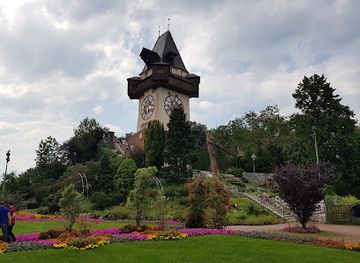
Uhrturm
Discover the Uhrturm, Graz's iconic clock tower, offering stunning views and a rich historical experience in the heart of Austria.
-
Museum
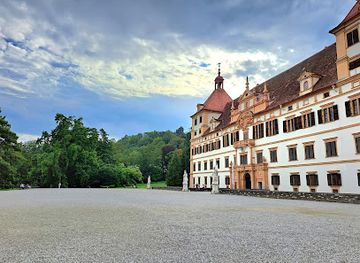
Schloss Eggenberg
Discover the grandeur of Schloss Eggenberg, a Baroque masterpiece in Graz, Austria, featuring stunning art collections and picturesque gardens.
-
Tourist attraction
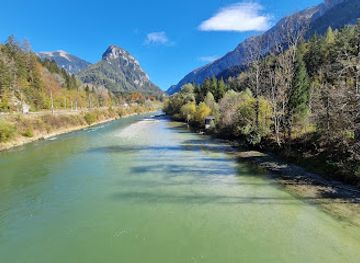
Nationalpark Gesäuse
Explore the breathtaking landscapes of Nationalpark Gesäuse, a paradise for outdoor enthusiasts and wildlife lovers in the heart of Austria.
-
Museum
Burg Oberkapfenberg
Explore the enchanting Burg Oberkapfenberg, a historical castle and museum offering breathtaking views and a fascinating journey through Austria's rich heritage.

Best landmarks in Mürztal
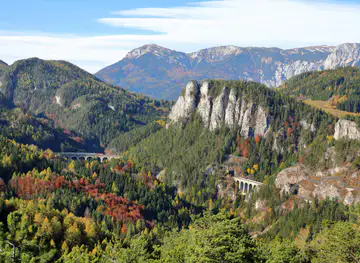
The Mürz river is the valley's defining natural landmark, guiding the settlement pattern through a corridor framed by the Fischbacher Alps, Veitsch Alps and the limestone heights of the Mürzer Oberland. The Hohe Veitsch and Schneealpe form prominent highland destinations, while Stuhleck marks the eastern mountain country above the Semmering approach. In Neuberg an der Mürz, the former Cistercian monastery is an important architectural and historical landmark, combining a substantial medieval religious foundation with later buildings. Mürzzuschlag's railway heritage is represented most clearly by the Südbahn Museum and the surviving railway landscape associated with the Semmering route, a major achievement in nineteenth-century mountain engineering. Across the valley, parish churches, old town centres, wooded ridges and alpine farm landscapes give the region a layered identity in which natural geography and transport history remain closely connected.
-
Historical landmark
Uhrturm
A historic clock tower atop the Schlossberg, the Uhrturm offers panoramic views and a unique glimpse into Graz's rich heritage.
-
Castle
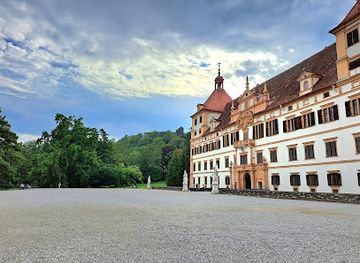
Schloss Eggenberg
Explore Schloss Eggenberg in Graz: a UNESCO site blending Baroque architecture, art collections, and scenic gardens in a symbolic representation of the universe.
-
Historical place
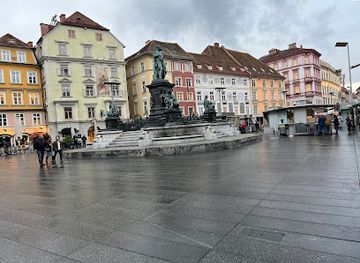
Old Town of Graz
Explore Graz's UNESCO-listed Old Town: a captivating blend of history, architecture, and culture in the heart of Austria. Discover Baroque charm!
-
Historical landmark
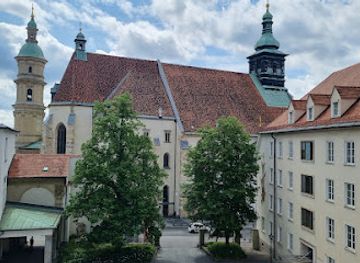
Double Spiral Stairs
Discover Graz's architectural gem: the Double Spiral Staircase, a symbol of reconciliation and Gothic ingenuity in the heart of the city's historic Burg.

Explore Mürztal on the map
Plan your trip on one map. See where the top attractions, landmarks, restaurants and hotels are, and book hotels and experiences in a few clicks.
Best hotels in Mürztal
Best restaurants in Mürztal
Dining in Mürztal is centred on its towns and villages rather than on a continuous resort strip. Restaurants, cafés, bakeries and traditional inns in Mürzzuschlag, Kindberg, Krieglach, Neuberg an der Mürz and other valley communities provide places to eat before or after outdoor excursions. Regional cooking reflects Styria's agricultural traditions, with hearty soups, dumplings, seasonal vegetables, bread, pastries and locally sourced meat appearing alongside familiar Austrian dishes; Styrian pumpkin-seed oil is a characteristic regional ingredient. Mountain huts and rural inns may offer simple meals and refreshments where they operate, but their opening patterns are seasonal and conditions vary. Visitors staying in self-catering accommodation can also find regional produce through village shops, bakeries, farm outlets and larger supermarkets in the main settlements, while more extensive dining choices are available in the larger towns outside the quietest side valleys.
-
American
HEINZ St. Lorenzen im Mürztal
Discover HEINZ in St. Lorenzen im Mürztal: A premier destination for authentic American cuisine amidst stunning Austrian landscapes.
-
Restaurant
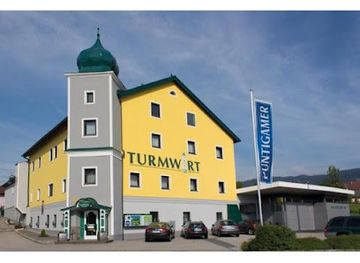
Gasthof Turmwirt
Discover Gasthof Turmwirt: A traditional Austrian restaurant and inn offering delightful cuisine and warm hospitality in Kindberg.
-
Restaurant
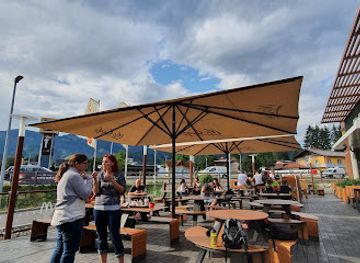
McDonald's St. Lorenzen im Mürztal
Experience familiar fast-food favorites at McDonald's St. Lorenzen im Mürztal while exploring the beauty of Austria.
-
Restaurant
Gasthaus Rantsch
Experience authentic Austrian cuisine at Gasthaus Rantsch in St. Barbara im Mürztal—where tradition meets flavor amidst stunning landscapes.


Best bars in Mürztal
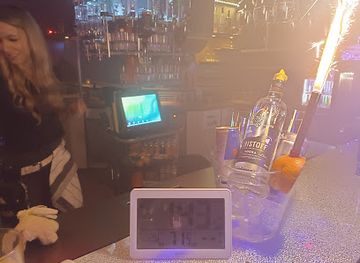
Mürztal has a restrained evening scene shaped by small towns, village hospitality and outdoor tourism rather than by nightclubs. Mürzzuschlag and the larger valley settlements have traditional pubs, cafés and hotel bars where residents and visitors meet, while village inns provide a quieter setting for local food and conversation. Cultural programmes, concerts and seasonal community events may add evening entertainment, particularly in the towns, but schedules change and should be checked locally. After a day in the mountains, evenings are often centred on accommodation, a restaurant or a rural inn, with dark skies and quiet side valleys replacing urban nightlife. Visitors seeking a broader choice of late venues may need to travel to larger regional centres such as Bruck an der Mur or Leoben, outside the Mürztal itself.
-
Bar
ILLUSION - Cafe - Lounge - Bar
Experience the vibrant atmosphere and diverse menu at ILLUSION, Kapfenberg's top cafe, lounge, and bar for relaxation and socializing.
-
Bar
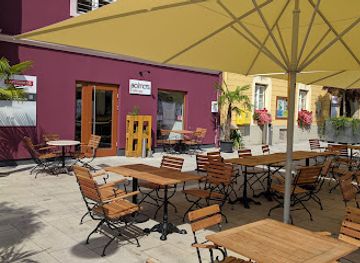
Palmars
Discover the lively atmosphere of Palmars, a must-visit bar in Kapfenberg for exquisite drinks and a taste of local nightlife.
-
Bar
Crazy Rock
Discover Crazy Rock, Bruck an der Mur's premier bar for an unforgettable night of drinks and entertainment in a lively atmosphere.
-
Bar
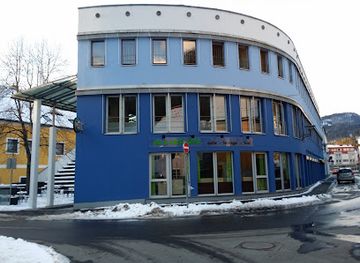
Café-Pub CENTRUM
Experience the vibrant nightlife and cozy atmosphere at Café-Pub CENTRUM in Admont, the perfect place to unwind with great drinks.
Best nightclubs in Mürztal
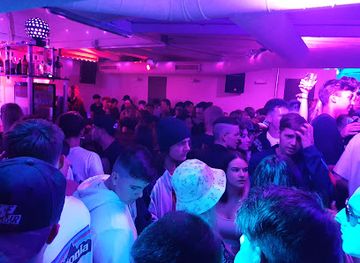
Mürztal has a restrained evening scene shaped by small towns, village hospitality and outdoor tourism rather than by nightclubs. Mürzzuschlag and the larger valley settlements have traditional pubs, cafés and hotel bars where residents and visitors meet, while village inns provide a quieter setting for local food and conversation. Cultural programmes, concerts and seasonal community events may add evening entertainment, particularly in the towns, but schedules change and should be checked locally. After a day in the mountains, evenings are often centred on accommodation, a restaurant or a rural inn, with dark skies and quiet side valleys replacing urban nightlife. Visitors seeking a broader choice of late venues may need to travel to larger regional centres such as Bruck an der Mur or Leoben, outside the Mürztal itself.
-
Disco club
Disco Pub Cest la Vie
Discover the vibrant nightlife at Disco Pub Cest la Vie, Kindberg's premier disco club with electrifying music and a lively atmosphere.
-
Night club
Incognito Gastronomie GmbH
Unleash your spirit at Incognito Gastronomie GmbH, Graz's premier night club offering vibrant entertainment and unforgettable nightlife experiences.
-
Disco club
Cube die Bar
Discover the vibrant nightlife of Bruck an der Mur at Cube Die Bar, a disco club where energy and music come together for an unforgettable experience.
-
Night club
Laufhaus Bruck an der Mur
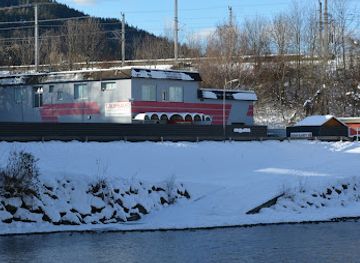
Discover the vibrant nightlife of Bruck an der Mur at Laufhaus, where great music and a lively atmosphere create unforgettable experiences.

Best shops in Mürztal
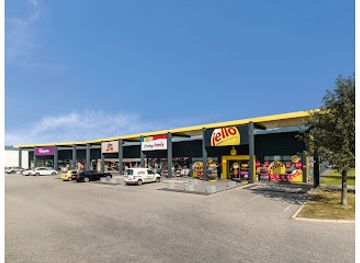
Shopping in Mürztal is practical and locally focused, with the greatest concentration of everyday retail in Mürzzuschlag, Kindberg, Krieglach and other larger settlements along the valley. Village bakeries, butchers, small food shops and farm outlets are useful for picnic supplies and regional provisions, while local markets and seasonal events may offer produce, preserves, baked goods and crafts when operating. Styrian specialities such as pumpkin-seed oil, fruit products, honey and regional spirits can be found through food retailers and producers, although availability differs between businesses. Mürzzuschlag also provides the broadest choice of shops and services in the eastern valley, while visitors exploring Neuberg or the mountain villages should not expect extensive retail facilities. Traditional crafts, regional art and outdoor equipment are more likely to be found through independent businesses and tourist outlets than through a dedicated shopping district.
-
Electrical supply store
MediaMarkt St. Lorenzen
Discover the latest electronics and appliances at MediaMarkt St. Lorenzen, your go-to destination for all your tech needs in Austria.
-
Supermarket
SPAR
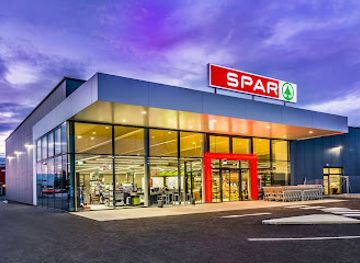
Discover local flavors at SPAR in Sankt Marein im Mürztal, your go-to supermarket for fresh groceries and regional specialties.
-
Shopping mall
STOP SHOP
Experience the ultimate shopping and dining adventure at STOP SHOP in St. Lorenzen, your go-to destination for retail and local culture.
-
Shopping mall
Mürz - Center
Discover Mürz - Center, the ultimate shopping destination in Mürzzuschlag, offering a blend of local and international brands in a vibrant atmosphere.


Get your free copy of our complete guide to Mürztal, delivered straight to you.
Everything on this page, from attractions and restaurants to essentials and local phrases, in one PDF you can read offline, print or share.
Already have an account? Sign in
Your Mürztal guide is ready.
We'll send it to · Not you? Sign out

Getting your guide ready…
We are putting together a fresh copy of the Mürztal guide. This can take up to a minute.
This can take a few moments. If your browser asks, choose Allow so the download can start. You'll find the guide in your Downloads folder.
Nothing happened? Download it again
Sorry, the guide is taking longer than usual. Please try again in a minute, or get it by email instead.
Mürztal essentials
Currency and Payment
Safety
Emergency Situations
Do's and Don'ts
Local Tips
From Eve
Local phrases worth knowing
You don't need to get them perfect. A few words go a long way, and locals appreciate the effort.
Basics
| English | Local | Say it |
|---|---|---|
| Hello | Servus | [Zehr-voos] |
| Goodbye | Auf Wiedersehen | [Owf Vee-der-sehn] |
| Yes | Ja | [Yah] |
| No | Nein | [Nine] |
| Please/You're welcome | Bitte | [Bit-teh] |
| Thank you | Danke | [Dahn-ke] |
| Excuse me/Sorry | Entschuldigung | [Ent-shool-dee-goong] |
| How are you? | Wie geht es dir? | [Vee gayt es deer] |
| Fine. And you? | Gut. Und dir? | [Goot. Oond deer] |
| Do you speak English? | Sprechen Sie Englisch? | [Shpre-khen Zee Ang-leesh] |
| I don't understand | Ich verstehe nicht | [Eekh fair-shtay-eh nikht] |
Eating & Drinking
| English | Local | Say it |
|---|---|---|
| I'd like to see the menu, please | Ich hätte gerne die Speisekarte, bitte | [Eekh hat-teh gehr-neh dee Shpy-ze-kar-teh, bit-teh] |
| I don't eat meat | Ich esse kein Fleisch | [Eekh ess-eh kine Flysh] |
| Cheers! | Prost! | [Prohst] |
| I would like to pay, please | Ich möchte bitte zahlen | [Eekh mursh-teh bit-teh tsah-len] |
Emergencies
| English | Local | Say it |
|---|---|---|
| Help! | Hilfe! | [Hil-feh] |
| Go away! | Geh weg! | [Gay vegg] |
| Call the Police! | Rufen Sie die Polizei! | [Roo-fen Zee dee Po-lee-tsay] |
| Call a doctor! | Rufen Sie einen Arzt! | [Roo-fen Zee i-nen Aarts] |
| I'm lost | Ich habe mich verloren | [Eekh hah-beh mikh fair-loh-ren] |
| I'm ill | Ich bin krank | [Eekh been krunk] |
Shopping
| English | Local | Say it |
|---|---|---|
| I'd like to buy... | Ich möchte kaufen... | [Eekh mursh-teh kow-fen] |
| I'm just looking | Ich schaue nur | [Eekh shou-eh noor] |
| How much is it? | Wie viel kostet es? | [Vee feel kohs-teht es] |
| That's too expensive | Das ist zu teuer | [Dahs ist tsoo toy-er] |
| Can you lower the price? | Können Sie den Preis senken? | [Kern-en Zee den Prees zeng-ken] |
Time & Numbers
| English | Local | Say it |
|---|---|---|
| What time is it? | Wie spät ist es? | [Vee shpayt ist es] |
| It's one o'clock | Es ist ein Uhr | [Es ist ine oor] |
| Half past (10) | Halb (10) | [Halb (tsen)] |
| Morning | Morgen | [Mor-gen] |
| Afternoon | Nachmittag | [Nah-mit-tahg] |
| Evening | Abend | [Ah-bent] |
| Yesterday | Gestern | [Ges-tern] |
| Today | Heute | [Hoy-teh] |
| Tomorrow | Morgen | [Mor-gen] |
| 1 | Eins | [Ines] |
| 2 | Zwei | [Tsvai] |
| 3 | Drei | [Dry] |
| 4 | Vier | [Feer] |
| 5 | Fünf | [Fuhnf] |
| 6 | Sechs | [Zeks] |
| 7 | Sieben | [Zee-ben] |
| 8 | Acht | [Acht] |
| 9 | Neun | [Noy-n] |
| 10 | Zehn | [Tsen] |
Transport & Directions
| English | Local | Say it |
|---|---|---|
| Where's a/the...? | Wo ist ein/der...? | [Voh ist i-nehr/der] |
| What's the address? | Was ist die Adresse? | [Vahs ist dee Ah-dreh-say] |
| Can you show me (on the map)? | Können Sie mir das zeigen (auf der Karte)? | [Kern-en Zee meer das tsee-gen (ouf der Kar-teh)] |
| When's the next (bus)? | Wann kommt der nächste (Bus)? | [Vahn komt der nikh-ste (Boos)] |
| A ticket (to ....) | Eine Fahrkarte (nach ....) | [I-ne Fahr-kar-teh (nakh)] |
History of Mürztal
A Valley Shaped by Alpine Rivers
The Mürztal landscape developed through long geological processes that produced the valley of the Mürz and the limestone and schist mountains surrounding it. River erosion, glacial activity and later deposition helped create the broader valley floor, while the higher ranges retain steep slopes, alpine meadows and karst features. This physical geography influenced settlement from the beginning: communities developed along the river and transport corridors, whereas the side valleys and uplands remained more sparsely occupied and were used mainly for forestry, grazing and seasonal mountain farming.
Settlement and Medieval Foundations
Medieval settlement expanded along the Mürz corridor and around religious and manorial centres. Mürzzuschlag, first recorded in the thirteenth century, grew in importance as a town on the route across the Semmering, while other valley communities developed around parish churches, farming estates and local trading points. Neuberg an der Mürz became particularly significant through the Cistercian monastery founded there in the fourteenth century. Its church and surviving monastic complex remain among the clearest historical expressions of the valley's religious and architectural heritage.
Iron, Timber and Alpine Industry
The valley's forests, rivers and proximity to the iron-producing areas of Styria supported centuries of small-scale and industrial activity. Water power, charcoal production, timber transport and ironworking shaped local employment and settlement, with hammer mills and later factories contributing to the growth of towns along the Mürz. Industrial development also changed the landscape, bringing roads, workers' housing and new commercial connections. Although many former industrial operations have disappeared or changed purpose, manufacturing and forestry remain important elements of the region's modern economic identity.
The Railway Transforms Mürztal
The arrival of the railway in the nineteenth century connected the Mürz valley more closely with Vienna, Graz and the wider industrial regions of the Habsburg monarchy. The Semmering railway, opened in 1854, crossed difficult mountain terrain through a sequence of viaducts, tunnels and steep gradients, and the line through Mürzzuschlag became part of this pioneering route. Railway access encouraged industry, trade and tourism, while Mürzzuschlag developed as a transport and service centre. The Südbahn Museum preserves this history and interprets the technology and working life associated with the railway.
Tourism, Conservation and the Modern Valley
From the late nineteenth century onwards, improved rail connections made the mountains around Mürztal more accessible to visitors seeking summer walking and winter recreation. Tourism developed alongside established industries rather than replacing them, producing a landscape in which towns, forests, ski areas and working countryside coexist. In the surrounding highlands, conservation has become increasingly important, particularly in the Naturpark Mürzer Oberland, established to support the protection and interpretation of natural and cultural landscapes. Today the region presents its railway heritage, alpine environment and village culture together, while local communities continue to balance recreation, forestry and settlement.
Mürztal in Photos
Browse through our photo collection highlighting the charm and character of the destination.
Cities in Mürztal
The towns and cities of Mürztal, and the easiest places to base yourself.

Swipe for more cities
Neighbouring destination travel guides
The closest destinations to Mürztal, if you have time for more than one.
-
-

-

-
-


Swipe for more destinations
Explore more

Explore more of Styria
Discover Styria: A picturesque region in Austria known for its lush landscapes, historic architecture, and exceptional wine. Perfect for both outdoor adventures and cultural experiences.
Explore Styria
Explore more of Austria
Discover Austria's blend of alpine landscapes, rich cultural heritage, and culinary delights, from Vienna's historic charm to Tyrol's dramatic beauty.
Explore Austria