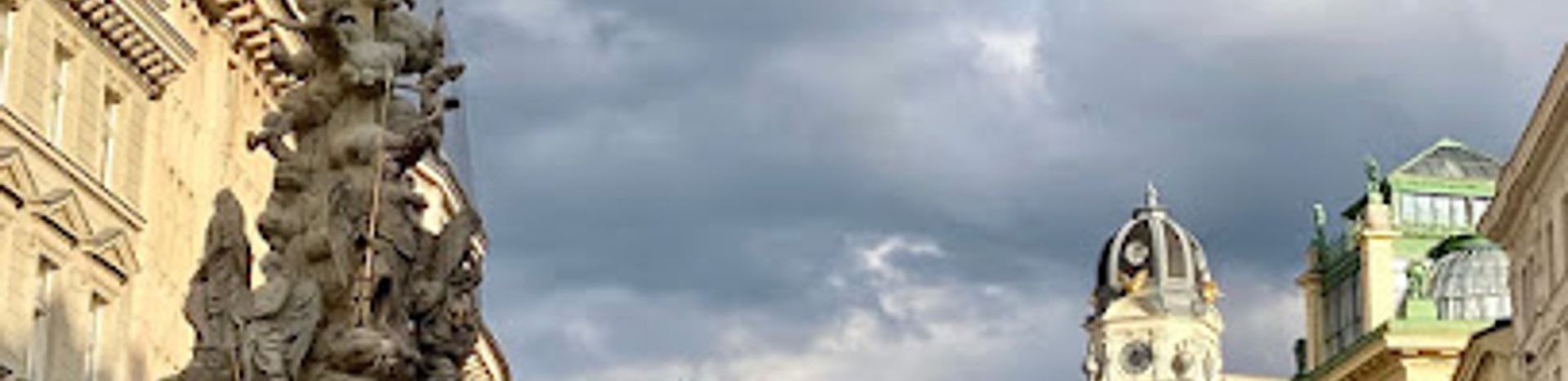
The Plague Column: A Symbol of Resilience
A Baroque masterpiece in Vienna's Graben, commemorating the city's resilience after the Great Plague and a symbol of faith and triumph.
The Plague Column, also known as the Pestsäule or Trinity Column, is a prominent Baroque monument on Graben street in Vienna's Innere Stadt. Erected after the Great Plague epidemic of 1679, it commemorates the city's survival and serves as a reminder of faith and resilience.
A brief summary to Column of Pest
- Graben 28, Vienna, Innere Stadt, 1010, AT
- +43140004001
- Visit website
Local tips
- Visit during daylight hours to fully appreciate the intricate details and stunning architecture of the column.
- Combine your visit with a stroll along the Graben and explore nearby Stephansplatz and St. Stephen's Cathedral.
- Take time to observe the intricate details of the sculptures and learn about the column's historical and religious significance.

Getting There
-
Public Transport
The Plague Column is located on Graben in Vienna's Innere Stadt and is easily accessible by public transport. Take the U1 or U3 subway line to Stephansplatz station. The column is a short walk from the station exit. Alternatively, take bus lines 1A, 2A, or 3A to the Graben/Petersplatz stop, which is right next to the column. A single ticket for public transport within Vienna costs €2.40.
-
Walking
If you are already in the Innere Stadt, walking to the Plague Column is a pleasant option. From Stephansplatz, simply walk west along the Graben. The column is located in the middle of the street, a few minutes' walk from the cathedral. From the Hofburg Palace, walk east along Kohlmarkt, which turns into the Graben. The column will be on your right.
-
Taxi/Ride-Share
Taxis and ride-sharing services are readily available in Vienna. A short ride within the Innere Stadt to the Graben should cost approximately €8-€12, depending on the distance and traffic.
Discover more about Column of Pest
Iconic landmarks you can’t miss

Graben
0.0 km
Experience Vienna's elegance on the Graben: a historic street with luxury shopping, stunning architecture, and iconic monuments.
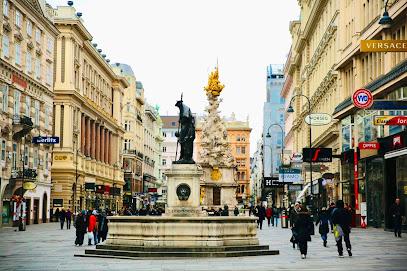
Josefsbrunnen
0.1 km
Discover the Baroque beauty of Josefsbrunnen on Vienna's Graben, a historic fountain honoring St. Joseph amidst stunning architecture.
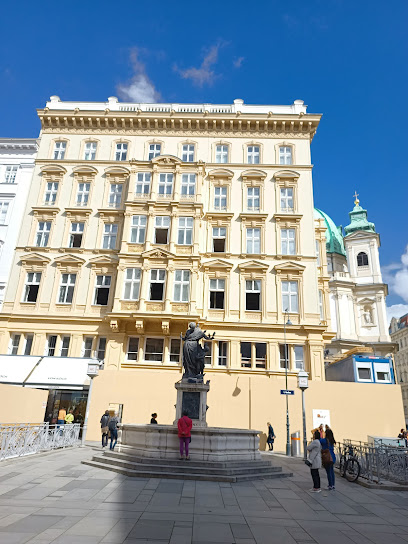
St. Peter's Catholic Church (Peterskirche)
0.1 km
Explore the breathtaking beauty of St. Peter's Catholic Church, a Baroque gem in the heart of Vienna, rich in history and artistic splendor.
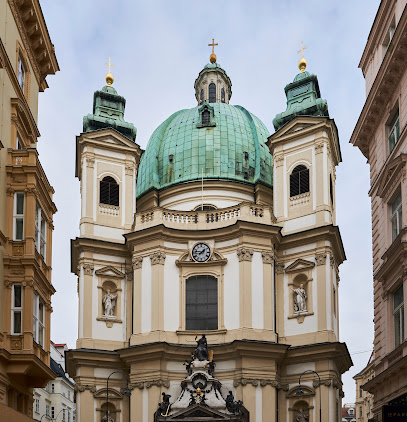
Habsburgergasse 3
0.1 km
Discover the architectural beauty of Habsburgergasse 3 in Vienna, where history and artistry converge in a breathtaking urban landscape.
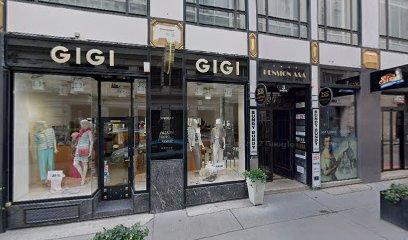
Dorotheergasse 7
0.1 km
Explore the enchanting Dorotheergasse 7 in Vienna, a stunning architectural landmark that captures the city's rich cultural heritage.
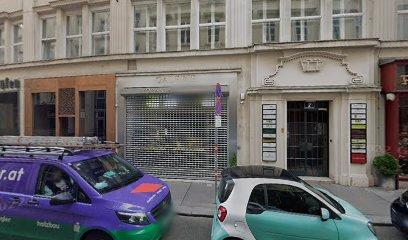
Haas-Haus
0.1 km
A postmodern architectural statement in Vienna's heart, the Haas-Haus mirrors history while offering modern shopping and dining experiences.
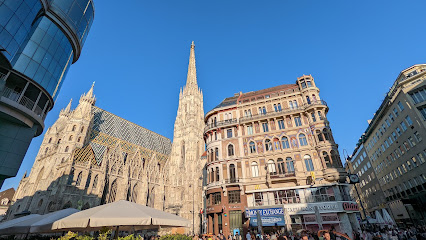
Innere Stadt
0.2 km
Explore the historic charm of Innere Stadt, Vienna's UNESCO World Heritage site, with stunning architecture, vibrant culture, and rich history.
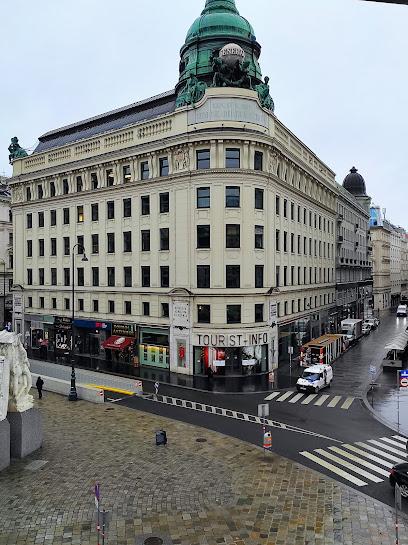
Palais Esterházy
0.2 km
Explore Palais Esterházy, a historic palace in Vienna showcasing opulent architecture and rich cultural heritage, perfect for history enthusiasts and tourists alike.
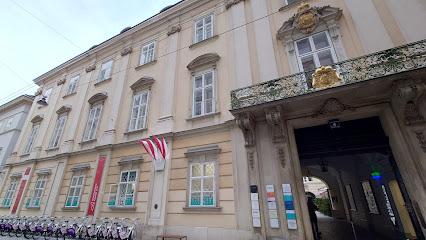
Michaelerplatz 3
0.2 km
Experience the rich heritage and vibrant atmosphere of Michaelerplatz in Vienna, where history meets culture in a stunning architectural setting.
Stephansdom Nordturm
0.3 km
Ascend Stephansdom's North Tower for panoramic Vienna views and an up-close encounter with the Pummerin, Austria's largest bell, offering a unique perspective on the city's skyline.
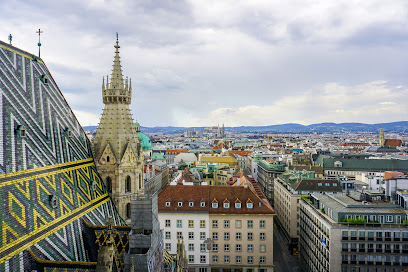
Michaelertrakt
0.3 km
Discover the Michaelertrakt, Vienna's imperial gateway, offering access to the Hofburg's treasures and a glimpse into Habsburg history.
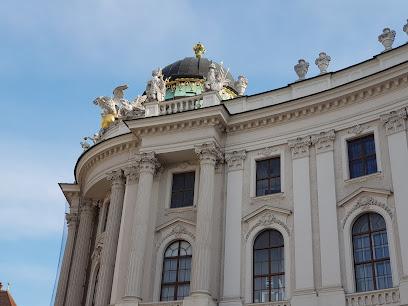
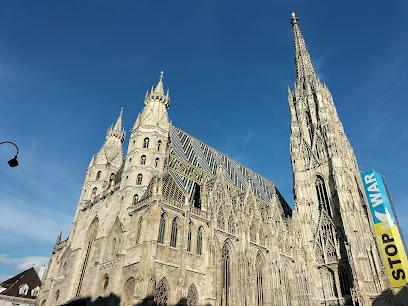
Stephansplatz
0.3 km
Experience the vibrant heart of Vienna at Stephansplatz, surrounded by stunning architecture, cultural heritage, and lively city life.
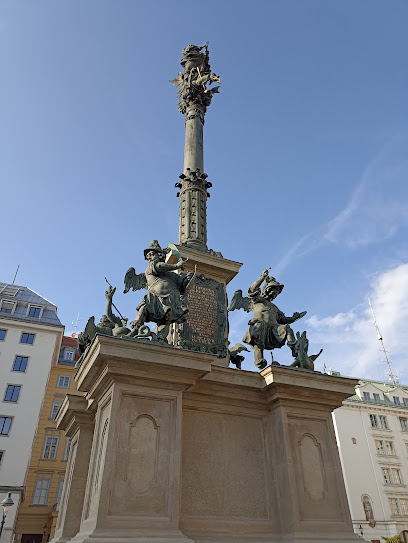
Mariensäule
0.3 km
A historic Marian column in Vienna's Am Hof square, commemorating the city's deliverance from invasion and a testament to Viennese faith and resilience.
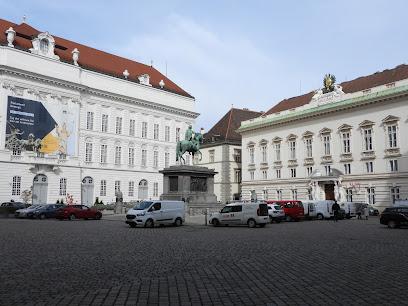
Josefsplatz
0.3 km
Explore the historical charm of Josefsplatz, a stunning square in Vienna surrounded by imperial architecture and cultural landmarks.
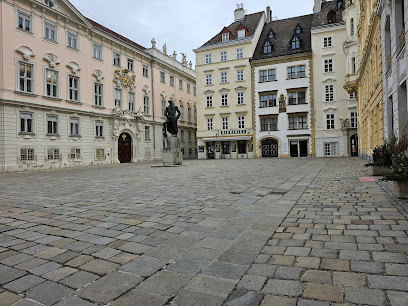
Judenplatz
0.3 km
Explore Judenplatz in Vienna—a captivating historical landmark rich in Jewish heritage and architectural beauty, perfect for culture enthusiasts.
Unmissable attractions to see

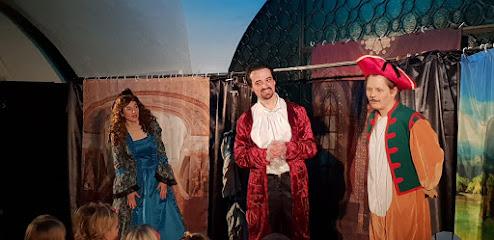
Oper in der Krypta
0.0 km
Explore the enchanting Oper in der Krypta in Vienna, where history meets artistry in a stunning performance venue.
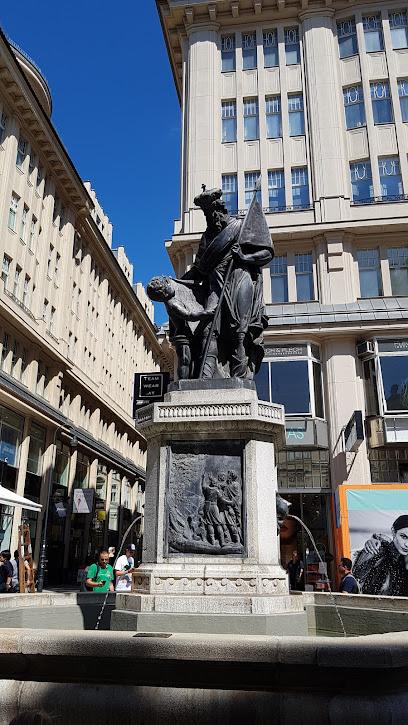
Leopoldsbrunnen
0.1 km
Discover the enchanting Leopoldsbrunnen, a historical fountain in Vienna blending art, culture, and beauty in the heart of the city.
Trattnerhof
0.1 km
Discover Trattnerhof, a serene courtyard in Vienna's historic Innere Stadt, where history, art, and local culture converge beautifully.
Sisi's Amazing Journey
0.1 km
Explore the captivating life of Empress Elisabeth of Austria at Sisi's Amazing Journey, an interactive experience in the heart of Vienna.

Mozart Wohnhaus
0.1 km
Explore the Mozart Wohnhaus, a cultural landmark in Vienna that celebrates the life and legacy of the iconic composer, Wolfgang Amadeus Mozart.
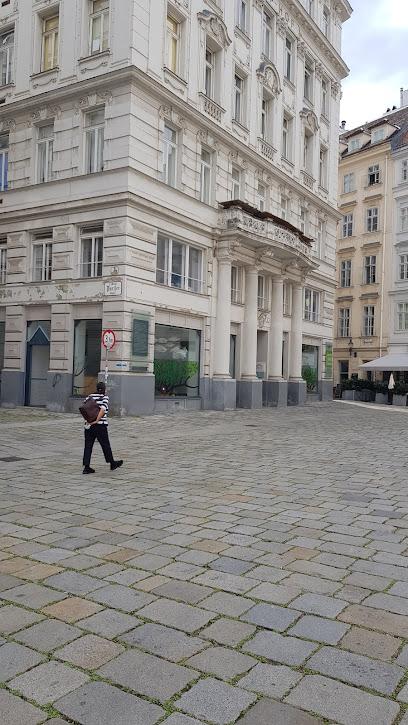
Time Travel Vienna
0.1 km
Experience Vienna's history like never before at Time Travel Vienna, where interactive exhibits bring the past to life for all ages.
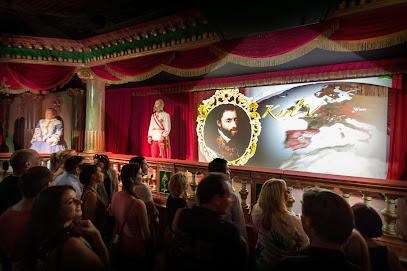
WEIN & CO Wien Stephansplatz – Weinbar & Flagshipstore
0.1 km
Discover the heart of Vienna at WEIN & CO Wien Stephansplatz, where exquisite wines meet gourmet dining in a vibrant atmosphere.
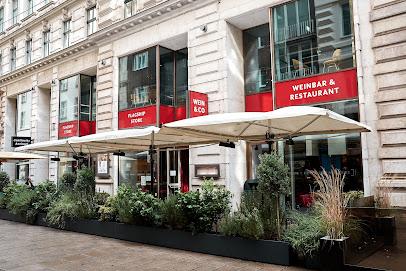
Equitable
0.2 km
Discover the Palais Equitable in Vienna: Where American heritage meets Viennese history, featuring the iconic Stock im Eisen.
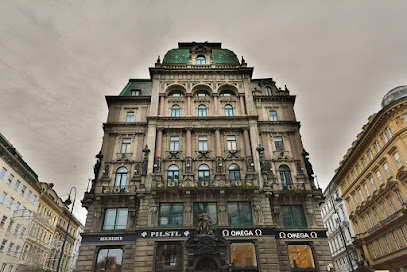
Stock-im-Eisen
0.2 km
Experience the historical significance of Stock-im-Eisen, a unique landmark in the heart of Vienna, blending culture, history, and local charm.
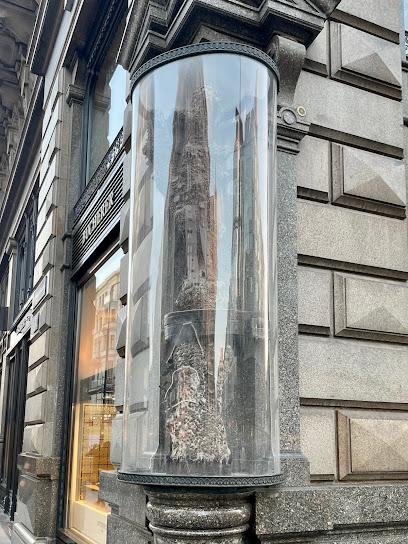
Jewish Museum of the City of Vienna
0.2 km
Discover the rich history and culture of the Jewish community at the Jewish Museum of the City of Vienna - a captivating journey through time.
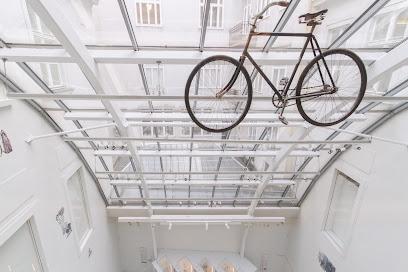
Wien Museum Virgilkapelle
0.2 km
Discover the rich artistic heritage of Vienna at the Wien Museum Virgilkapelle, a historical treasure in the heart of the city.
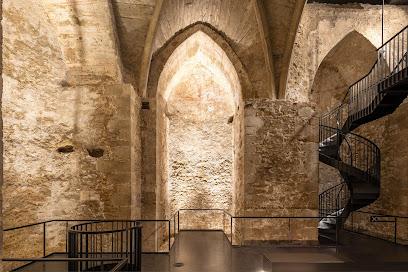
Zacherlhaus
0.2 km
Experience the architectural beauty and cultural richness of Zacherlhaus, a historic gem in the heart of Vienna.
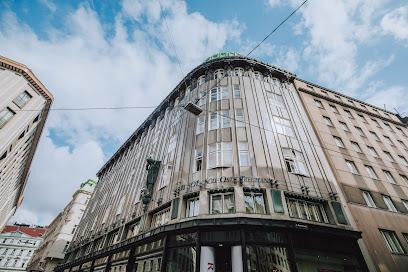
St. Michael's Church
0.2 km
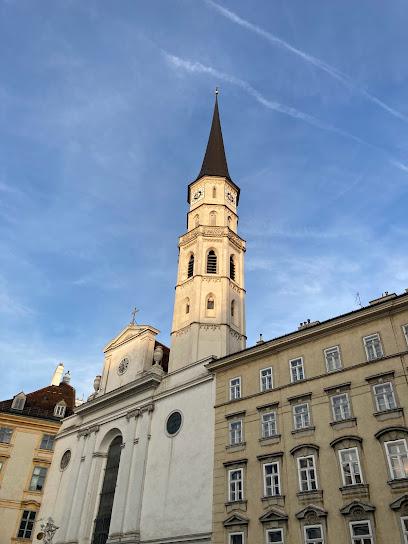
Discover the exquisite St. Michael's Church in Vienna, a stunning Baroque masterpiece that captivates visitors with its rich history and architectural beauty.
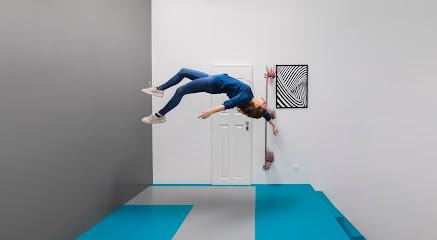
Museum der Illusionen
0.2 km
Experience the astonishing world of optical illusions at the Museum der Illusionen in Vienna, where reality and perception collide for fun and intrigue.
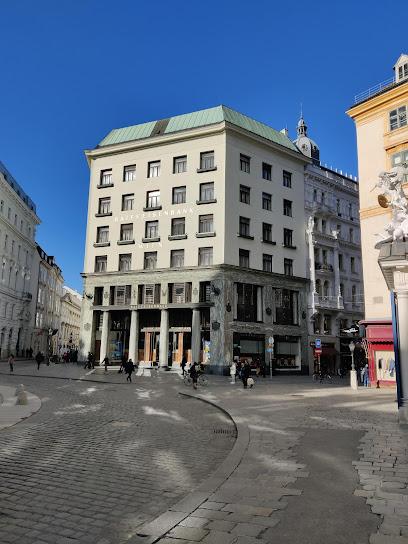
Looshaus
0.2 km
Explore Looshaus in Vienna, a modernist architectural gem that redefined the city's skyline and offers a glimpse into the evolution of design.
Essential places to dine

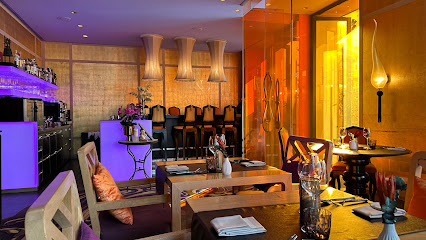
Patara Restaurant Vienna GmbH
0.0 km
Discover the essence of Thai cuisine at Patara Restaurant in Vienna - where traditional flavors meet modern elegance.
Restaurant Wienerin - 1010 Wien
0.1 km
Discover the flavors of Austria at Restaurant Wienerin - where tradition meets modernity in the heart of Vienna.
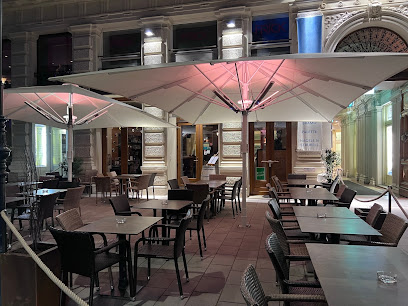
DO & CO Restaurant Stephansplatz
0.1 km
Discover culinary excellence and stunning views at DO & CO Restaurant Stephansplatz in Vienna's vibrant city center.
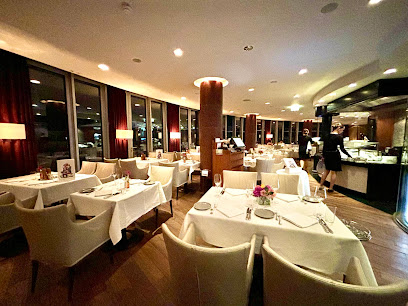
Fabios
0.1 km
Discover Fabios in Vienna: Exquisite Italian cuisine meets luxurious ambiance for an unforgettable dining experience.
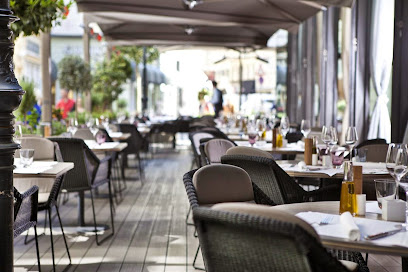
Zum Schwarzen Kameel
0.2 km
Discover the culinary heritage of Vienna at Zum Schwarzen Kameel – where gourmet dining meets rich tradition.
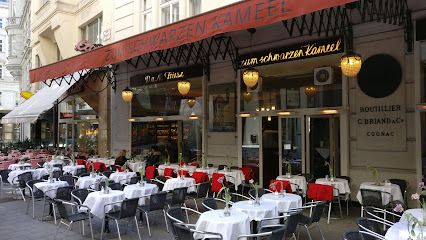
Ristorante Settimo Cielo (im Hotel Royal)
0.2 km
Experience culinary excellence at Ristorante Settimo Cielo in Vienna – where authentic Italian flavors meet breathtaking city views.
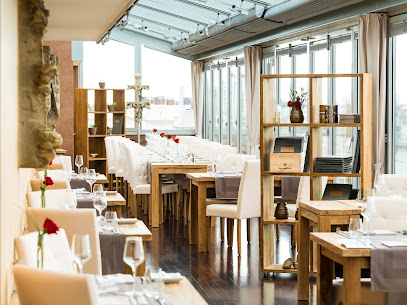
Esterházykeller
0.2 km
Experience authentic Austrian cuisine at Esterházykeller, where tradition meets taste in the heart of Vienna's vibrant Innere Stadt.
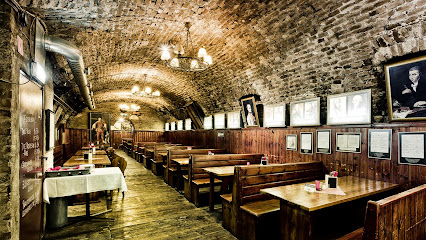
Restaurant Ofenloch
0.2 km
Experience authentic Austrian cuisine at Restaurant Ofenloch in Vienna - where tradition meets culinary excellence.
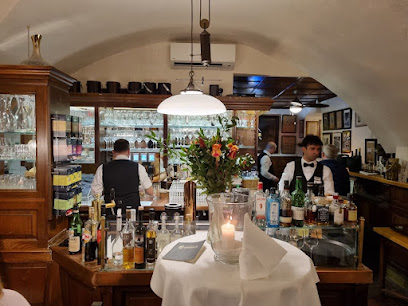
Stadtgraben
0.3 km
Discover authentic Austrian cuisine at Stadtgraben, where tradition meets taste in the heart of Vienna.
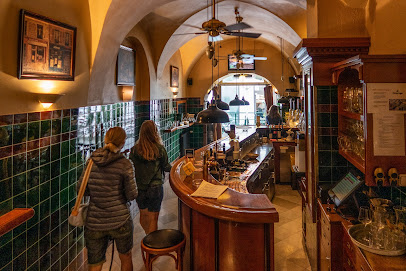
Zum weißen Rauchfangkehrer
0.3 km
Indulge in authentic Austrian cuisine at Zum weißen Rauchfangkehrer, where tradition meets exquisite flavor in the heart of Vienna.
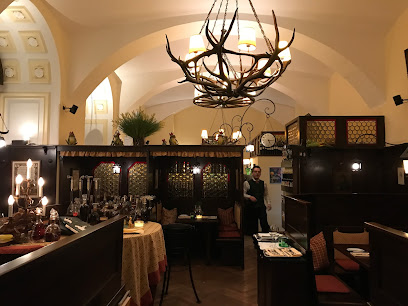
Labstelle
0.4 km
Discover Labstelle: Where Traditional Austrian Cuisine Meets Modern Culinary Excellence in Vienna's Historic Innere Stadt.
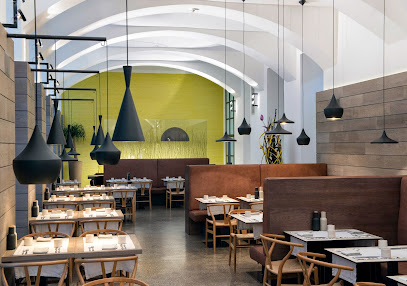
Restaurant Chamäleon
0.4 km
Discover authentic Swiss flavors at Restaurant Chamäleon in Vienna's Innere Stadt - a culinary haven for food lovers.
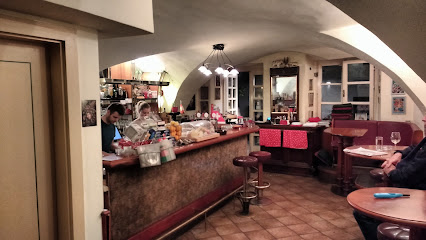
Miznon Vienna
0.4 km
Experience authentic Israeli cuisine at Miznon Vienna – where fresh ingredients meet vibrant flavors in an inviting atmosphere.
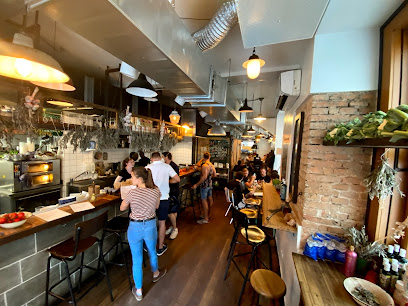
Schachtelwirt
0.4 km
Discover the flavors of Austria at Schachtelwirt, where tradition meets modernity in a vibrant dining atmosphere.
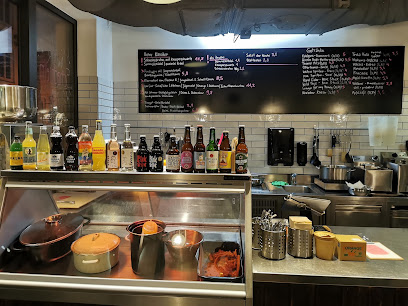
Lugeck
0.4 km
Savor authentic Austrian cuisine at Lugeck, where tradition meets modern dining in Vienna's historic Innere Stadt.
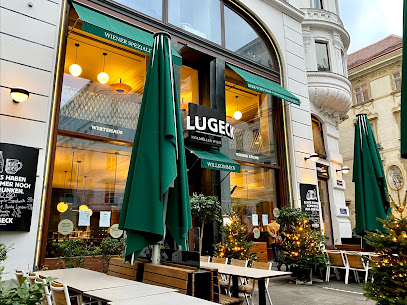
Markets, malls and hidden boutiques

STEIFF in WIEN
0.1 km
Experience the enchanting world of STEIFF in Vienna, where premium plush toys and nostalgia come together for a unique shopping adventure.
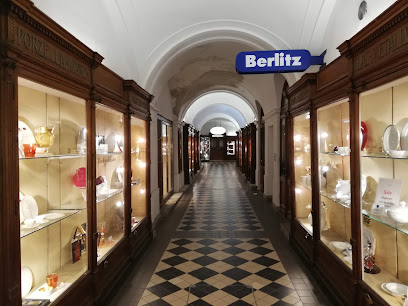
LEANSCHI & friends e.U. | Concept Store(s) & Retail Services
0.1 km
Explore the creative heart of Vienna at LEANSCHI & friends e.U., a concept store offering unique gifts and artisan treasures.
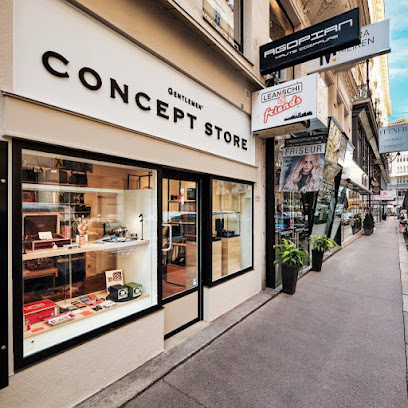
COS
0.1 km
Explore COS in Vienna for stylish, minimalist clothing that combines quality craftsmanship with contemporary design.
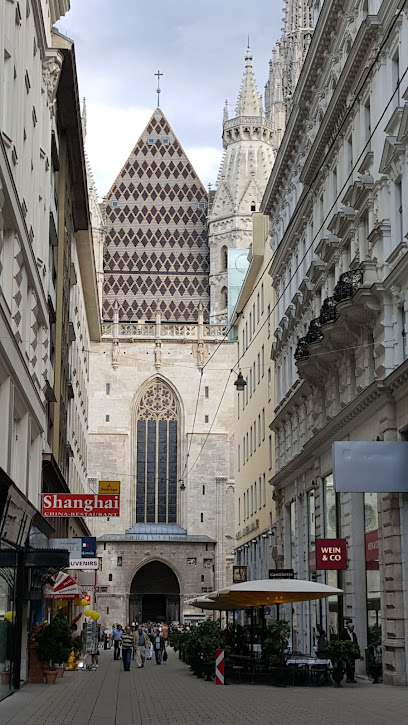
The Craftshop Vienna
0.2 km
Discover the charm of handmade jewelry at The Craftshop Vienna, where creativity meets tradition in the heart of the city.
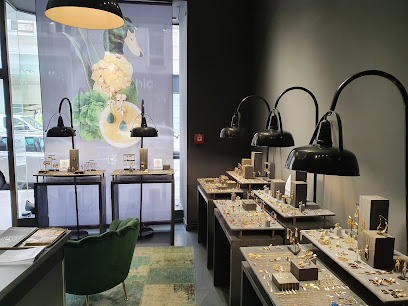
World of Souvenirs
0.2 km
Explore the World of Souvenirs in Vienna and uncover unique treasures that capture the essence of Austrian culture.
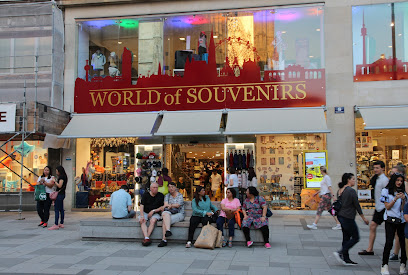
& Other Stories
0.2 km
Explore & Other Stories in Vienna, where chic women's fashion meets exceptional service. Discover unique styles and accessories in a stylish boutique.
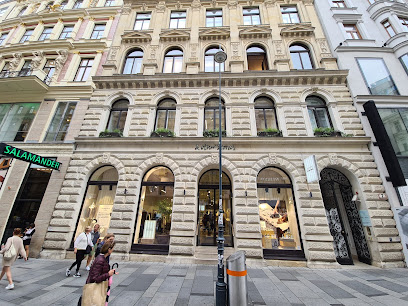
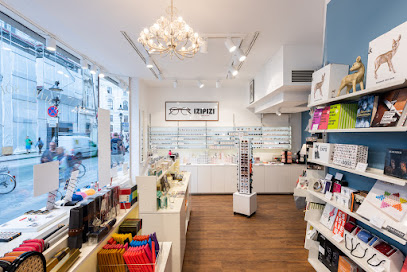
HAMTIL & SÖHNE Concept Store Vienna
0.2 km
Discover unique gifts and local craftsmanship at HAMTIL & SÖHNE Concept Store in Vienna's vibrant Innere Stadt.
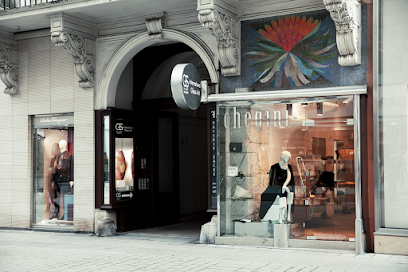
Boutique Chegini Vienna
0.2 km
Experience the elegance of Boutique Chegini Vienna, where fashion meets luxury in the heart of the city for an unforgettable shopping experience.
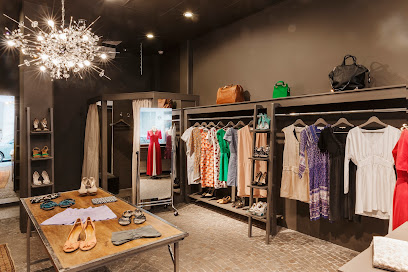
Das Neue Schwarz
0.3 km
Discover unique vintage fashion at Das Neue Schwarz in Vienna, where style meets sustainability in a charming shopping experience.
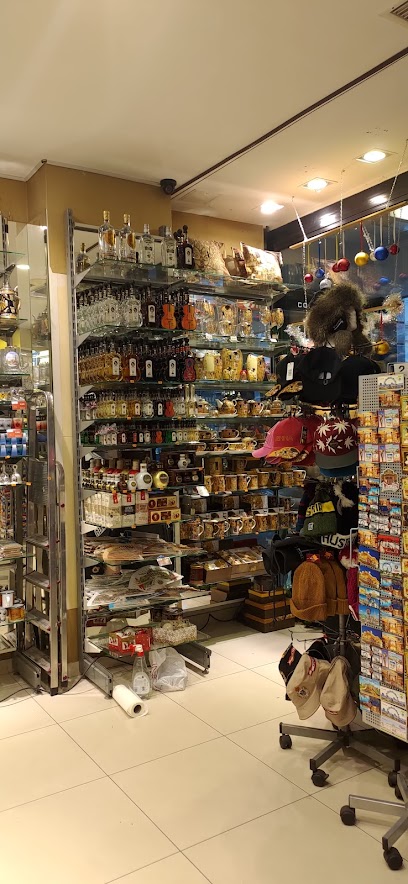
Souvenir outlet
0.3 km
Explore a charming souvenir outlet in Vienna, offering unique gifts and local treasures to commemorate your travels.
Steffl
0.3 km
Discover the elegance of Vienna at Steffl, where luxury meets local charm in a premier shopping experience.
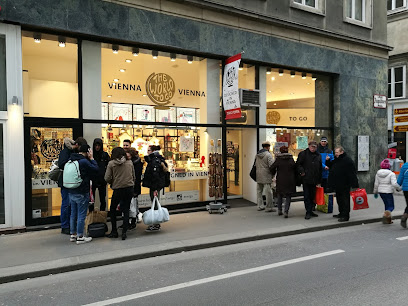
THE WORLD TO GO VIENNA
0.3 km
Explore The World To Go Vienna for unique souvenirs and gifts that reflect the rich culture and artistry of the city, perfect for every traveler.
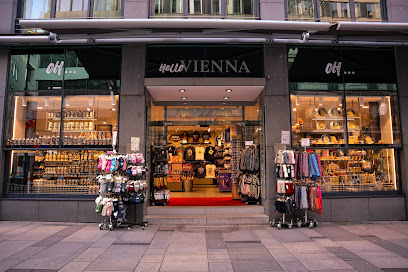
Oh Vienna Souvenir Shop
0.3 km
Discover unique keepsakes and authentic Viennese gifts at Oh Vienna Souvenir Shop, where every item celebrates the charm of the city.
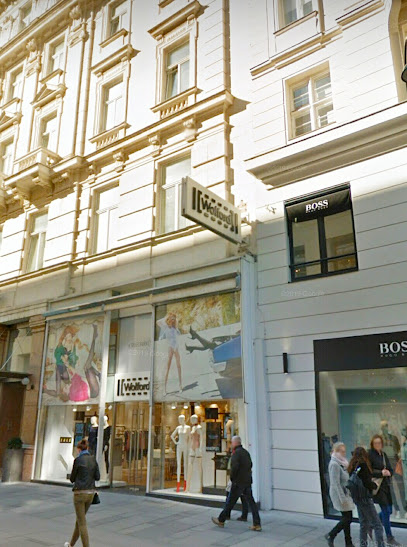
Wolford Boutique Wien
0.3 km
Explore Wolford Boutique Wien for an unparalleled shopping experience in luxury lingerie and women's fashion, set in the heart of Vienna's vibrant shopping district.
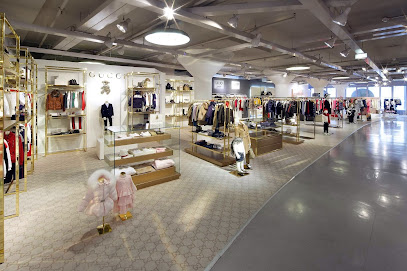
WHYAT Store Vienna
0.4 km
Experience top-quality men's fashion at WHYAT Store Vienna, where style meets comfort in the heart of the city.
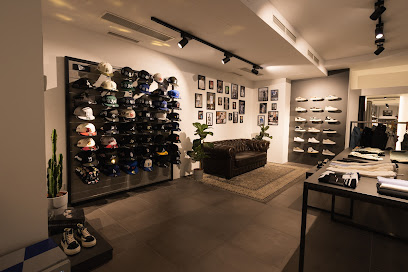
Essential bars & hidden hideouts

Nightflys American Bar
0.2 km
Discover the lively Nightflys American Bar in Vienna, where American flair meets a vibrant nightlife experience, perfect for unwinding after a day of exploring.
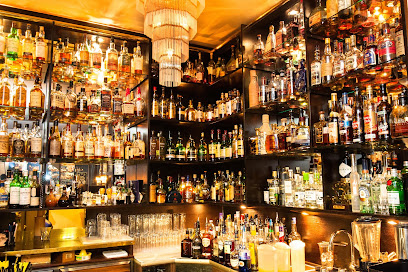
Bar Campari
0.2 km
Experience the vibrant atmosphere and exquisite cuisine at Bar Campari, a must-visit dining destination in the heart of Vienna.
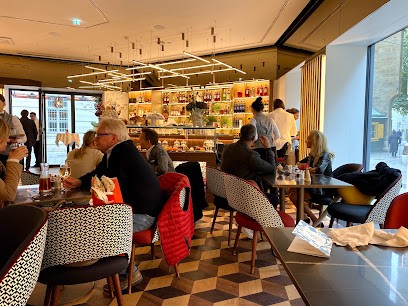
Bockshorn Irish Pub
0.2 km
Discover the warmth of Irish hospitality at Bockshorn Irish Pub in Vienna, where great brews and lively ambiance await.
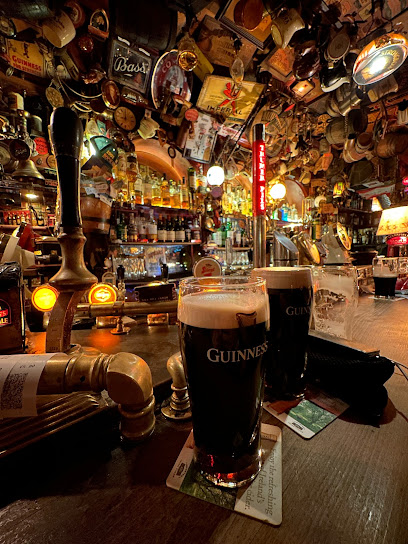
Loos American Bar
0.2 km
Experience the charm of Vienna at Loos American Bar, where exquisite cocktails and elegant Art Deco ambiance create unforgettable memories.
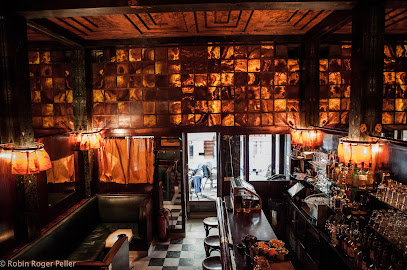
Roberto American Bar
0.2 km
Experience the vibrant nightlife of Vienna at Roberto American Bar, renowned for its exquisite cocktails and lively atmosphere.
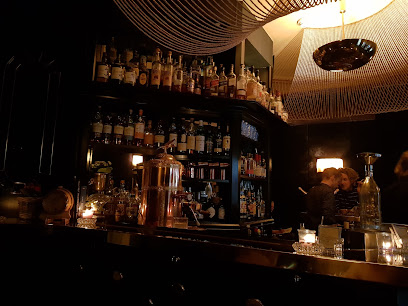
Eden Bar
0.3 km
Discover the heart of Vienna's nightlife at Eden Bar, where live music meets a vibrant atmosphere for an unforgettable evening.
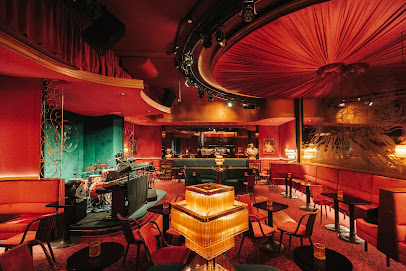
Kleinod
0.3 km
Discover the vibrant cocktail culture in Vienna at Kleinod, where expertly crafted drinks and stylish ambiance create an unforgettable nightlife experience.
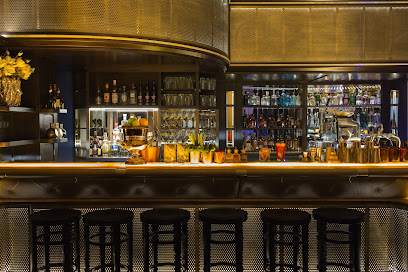
Needle Vinyl Bar
0.4 km
Discover a vibrant cocktail experience at Needle Vinyl Bar in Vienna, where music and mixology come together in an inviting ambiance.
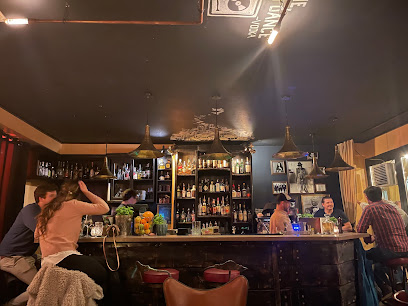
Chill Out Lounge I Cocktail Bar 1010 Wien
0.4 km
Experience the vibrant cocktail culture of Vienna at Chill Out Lounge, where creativity meets relaxation in a chic setting.
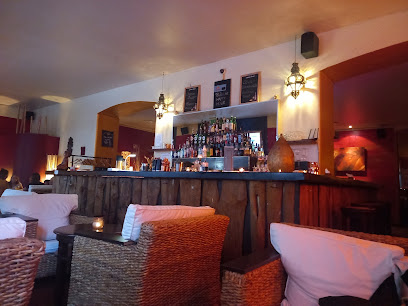
Funky Monkey Bar
0.4 km
Discover the lively vibe of Funky Monkey Bar in Vienna, where great drinks and an electric atmosphere come together for an unforgettable night out.
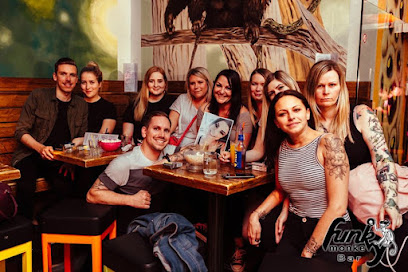
Josef Cocktailbar
0.4 km
Josef Cocktailbar: A stylish bar in Vienna serving innovative cocktails in a vibrant atmosphere, perfect for a night out with friends or a romantic evening.
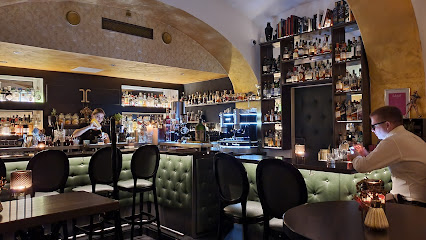
Heartbeat Cocktail Bar
0.4 km
Experience the vibrant nightlife of Vienna at Heartbeat Cocktail Bar, where innovative cocktails and a lively atmosphere await.
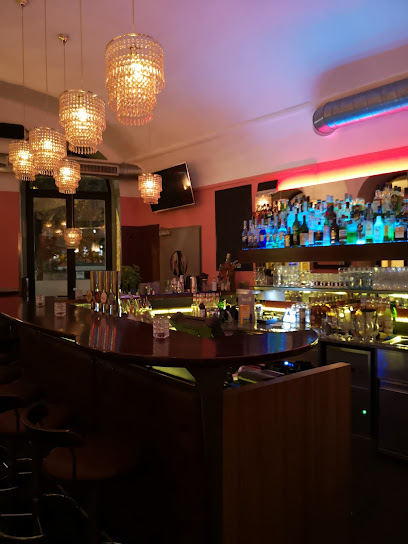
Bar 13 Cocktails
0.5 km
Experience the vibrant nightlife of Vienna at Bar 13, where expertly crafted cocktails and a lively atmosphere await you.
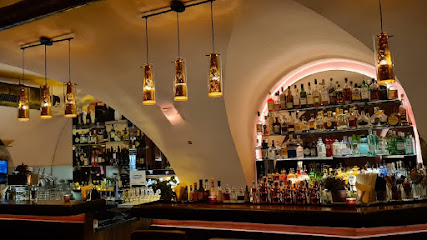
Morgans - Rum and More
0.5 km
Discover the rich flavors of rum in a cozy atmosphere at Morgans - Rum and More in Vienna, perfect for a delightful night out.
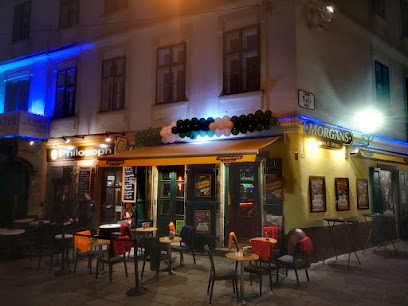
First American Bar
0.5 km
Discover the lively heart of Vienna at First American Bar, where exceptional cocktails and vibrant atmosphere create unforgettable nights.
Nightclubs & after hour spots

Cabaret Fledermaus
0.1 km
Discover the vibrant nightlife of Vienna at Cabaret Fledermaus, a premier disco club combining dance and bar vibes for an unforgettable experience.
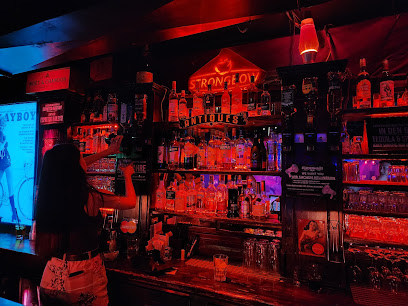
Chez Nous
0.2 km
Experience the heartbeat of Vienna's nightlife at Chez Nous, a vibrant night club where dancing and fun never stop.
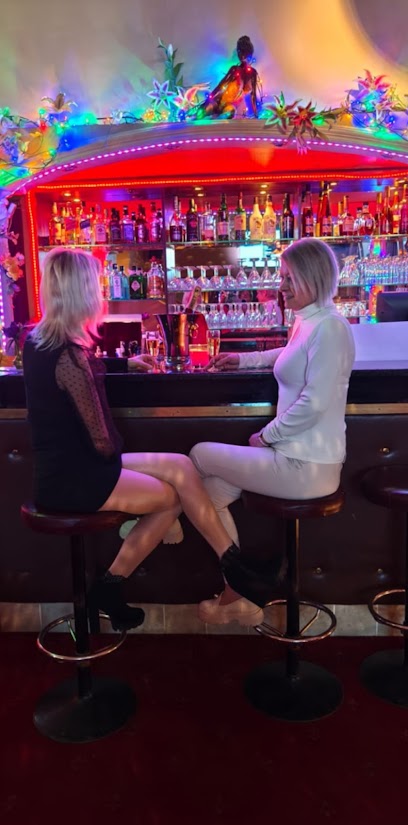
Palffy Club Nightclub Clubbing Events
0.3 km
Experience the thrill of Vienna's nightlife at Palffy Club, where luxury meets electrifying dance beats in an upscale atmosphere.
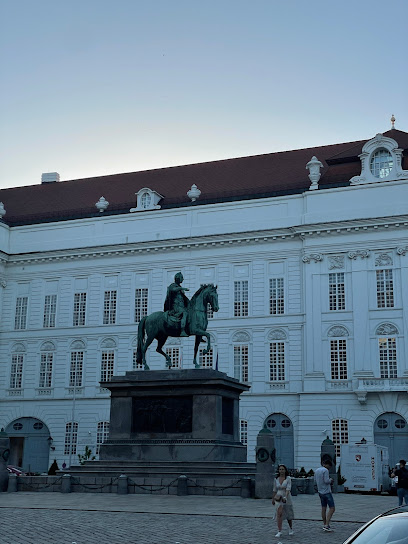
Wundabar
0.5 km
Experience the rhythm of Vienna's nightlife at Wundabar, a vibrant disco club perfect for dancing the night away with friends.
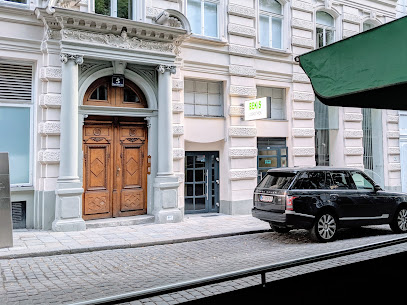
Vienna Gnadenlos - der Club im Bermudadreieck
0.5 km
Discover the vibrant nightlife of Vienna at Gnadenlos, a premier disco club in the heart of the city known for its electrifying atmosphere and great music.
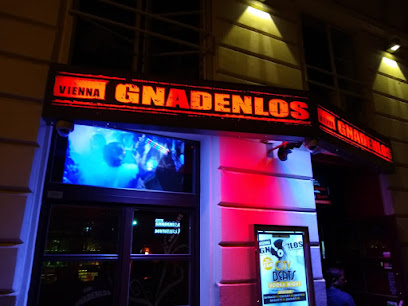
Fashiontv Club Vienna
0.5 km
Discover the vibrant nightlife at Fashiontv Club Vienna, where music, style, and energy collide in the heart of the city.
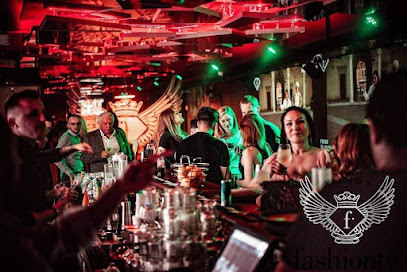
Beverly Hills Club
0.6 km
Discover the ultimate nightlife experience at Beverly Hills Club in Vienna, where luxury meets vibrant energy and unforgettable music.
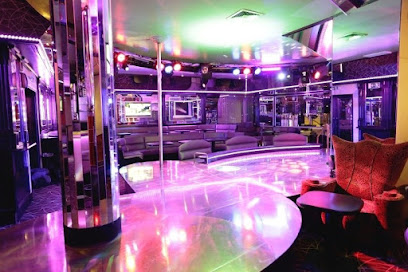
Night Club EVE
0.6 km
Discover the electrifying nightlife at Night Club EVE in Vienna, where music, style, and energy come together for an unforgettable experience.
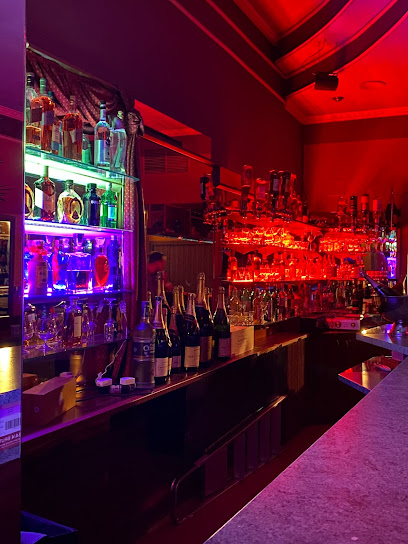
O - the club
0.7 km
Experience the vibrant nightlife of Vienna at O - The Club, a premier destination for dancing and socializing in a stylish atmosphere.
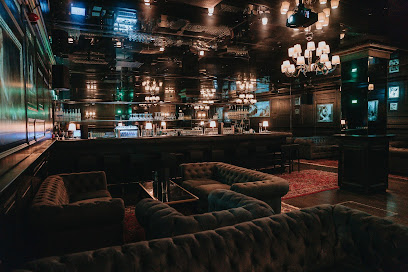
Opera Club
0.7 km
Discover the vibrant nightlife of Vienna at Opera Club, where music and dance create unforgettable memories in a stylish atmosphere.
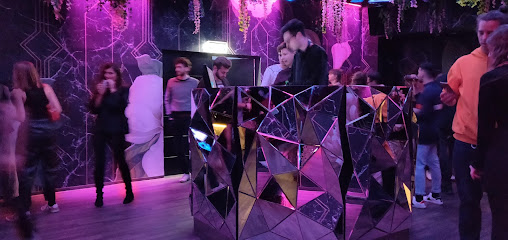
Scotch Club
0.7 km
Discover the heart of Vienna's nightlife at Scotch Club, where great music meets an extensive drink selection in an inviting ambiance.
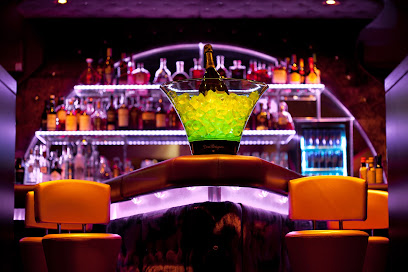
Maxim Wien
0.8 km
Dive into the exhilarating nightlife of Vienna at Maxim Wien, a premier night club known for its vibrant atmosphere and eclectic music scene.
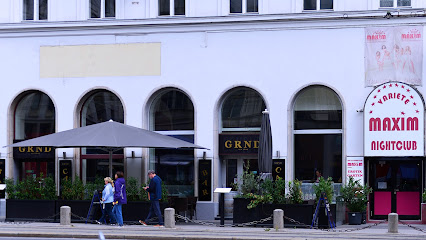
Red Room
0.8 km
Discover the vibrant atmosphere of Red Room, Vienna’s premier night club offering exquisite cocktails and an unforgettable nightlife experience.
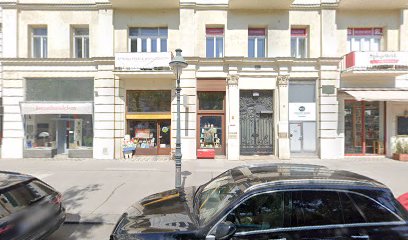
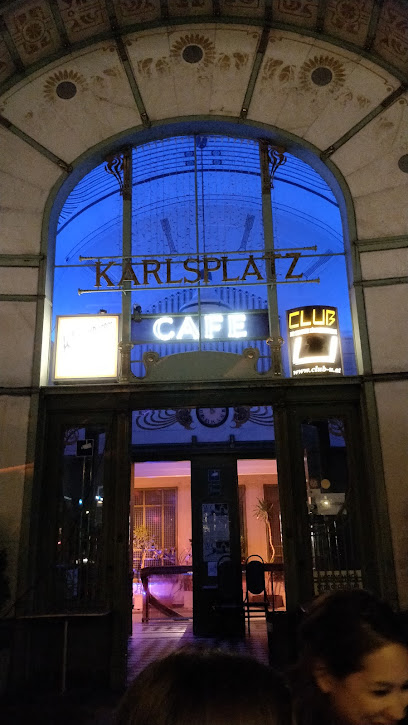
Club U
1.0 km
Dance the night away at Club U, Vienna's vibrant disco club known for its electrifying atmosphere and diverse music selection.
Flex
1.0 km
Discover Flex in Vienna: A premier disco club and bar, perfect for an unforgettable night out by the Danube Canal.