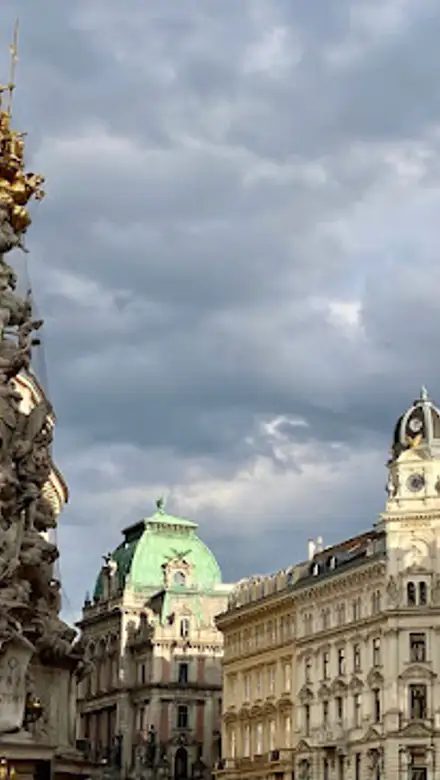
Column of Pest, Vienna Travel Guide
Free Guide: A Baroque masterpiece in Vienna's heart, commemorating the end of the plague and the city's enduring spirit on the famous Graben street.


A brief summary of Column of Pest
A Baroque masterpiece in Vienna's heart, commemorating the end of the plague and the city's enduring spirit on the famous Graben street.
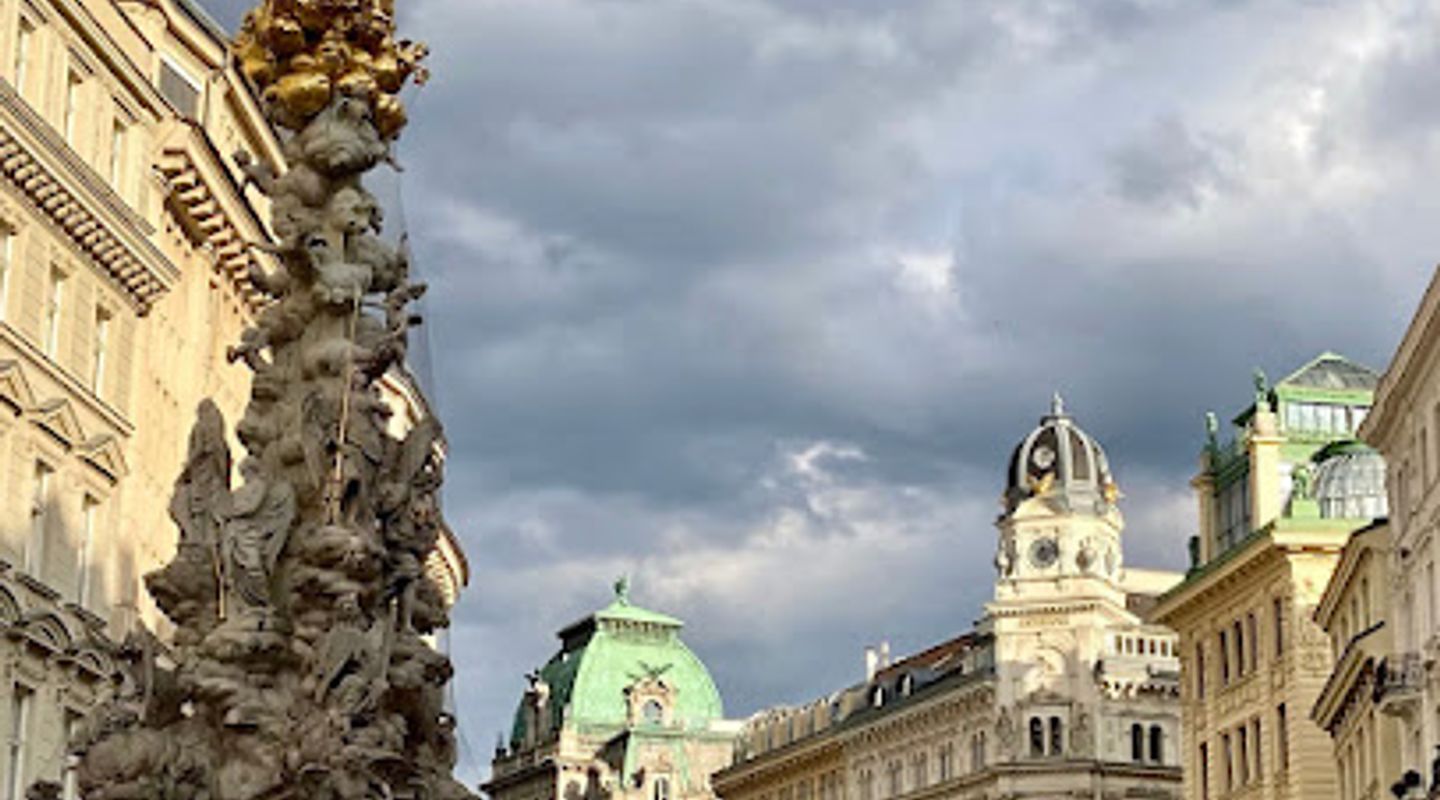
The Column of Pest, also known as the Trinity Column, is a prominent Baroque monument located on the Graben in Vienna's Innere Stadt. Erected after the Great Plague epidemic of 1679, it stands as a symbol of the city's resilience and faith. The column commemorates the victims of the plague and celebrates Vienna's survival through adversity.
Opening hours
- Every dayOpen 24 hours
Opening hours as listed on the venue’s Google Business Profile. Hours can change for services and special events, so check with the venue before you go.
- Address
- Graben 28, 1010 Wien
- Phone
- Website
Getting there
Walking
Public Transport
Taxi
Discover more about Column of Pest
Overview
The Column of Pest, or Pestsäule, is one of Vienna's most striking Baroque monuments, gracing the Graben, a famous pedestrian street in the heart of the city. Also known as the Trinity Column (Dreifaltigkeitssäule), this elaborate structure was commissioned by Emperor Leopold I as an expression of gratitude after the Great Plague of Vienna subsided in 1679. The plague claimed the lives of tens of thousands of Viennese citizens.Fleeing the city during the epidemic, Emperor Leopold I vowed to erect a mercy column if the plague ended. A provisional wooden column was quickly erected in 1679. The current column was inaugurated in 1694, showcasing intricate details and rich symbolism. The design transitioned from a conservative memorial to a High Baroque scene, narrating a story in a theatrical form. The monument features swirling clouds, angels, and saints, crowned by a golden Holy Trinity. A relief at the base depicts Leopold I kneeling in prayer.The column's complex iconography conveys that the plague and the Ottoman's Second Siege of Vienna in 1683 were punishments for sin, averted by Emperor Leopold I's piety. The monument served as a model for other plague columns erected across Habsburg-ruled lands. Today, the Pestsäule remains a central meeting point and a testament to Vienna's history, art, and vibrant atmosphere.
Evendo Review Centre
 Google
Guest reviews
Explore Column of Pest on the map
A handpicked selection of must-see spots near Column of Pest, mapped for you.
Get your free copy of our complete guide to Column of Pest, delivered straight to you.
Everything on this page, from opening hours and how to get there to Eve’s tips and the best time to go, in one PDF you can read offline, print or share.
Already have an account? Sign in
Your Column of Pest guide is ready.
We'll send it to · Not you? Sign out

Getting your guide ready…
We are putting together a fresh copy of the Column of Pest guide. This can take up to a minute.
This can take a few moments. If your browser asks, choose Allow so the download can start. You'll find the guide in your Downloads folder.
Nothing happened? Download it again
Sorry, the guide is taking longer than usual. Please try again in a minute, or get it by email instead.
Unlock the best of Column of Pest
Skip-the-line tickets, guided tours with entry, and walking tours of the area, booked in a few clicks.




Other nearby places you may find interesting
The closest places of the same kind, if this one is not quite what you had in mind.
-
-
-

-
-


Swipe for more places
More to explore near Column of Pest

 Best experiences near Column of Pest
 Best hotels near Column of Pest
 Best landmarks near Column of Pest
 Best attractions near Column of Pest
 Best shops near Column of Pest
 Best restaurants near Column of Pest
 Best bars near Column of Pest
Do you manage this location?
Take control to get all the benefits, like improved information, better appearance, and stronger visibility across AI-powered discovery.
Explore more

Explore more of Vienna
Discover Vienna: A harmonious blend of imperial grandeur, classical music heritage, and modern culture, offering unforgettable experiences at every turn.
Explore Vienna
Explore more of Austria
Discover Austria's blend of alpine landscapes, rich cultural heritage, and culinary delights, from Vienna's historic charm to Tyrol's dramatic beauty.
Explore Austria