Kunsthistorisches Museum: A Treasure Trove of Art History
Discover masterpieces spanning five millennia at Vienna's Kunsthistorisches Museum, a world-renowned art institution housing treasures from antiquity to the Baroque period.
The Kunsthistorisches Museum (Art History Museum) in Vienna is a palatial museum housing an immense collection of art from antiquity to the late Baroque period. Located on Maria-Theresien-Platz, its magnificent architecture, grand staircases adorned with Klimt frescoes, and world-renowned masterpieces make it a must-see for art enthusiasts. The museum boasts an impressive array of Egyptian antiquities, Greek and Roman artifacts, and a Picture Gallery featuring works by European masters such as Dürer, Raphael, Rembrandt, and Vermeer. Don't miss the Kunstkammer, showcasing Emperor Rudolf II's treasures, and the iconic Saliera by Cellini. With its rich history and diverse collections, the Kunsthistorisches Museum offers an unforgettable journey through art history, appealing to both seasoned art lovers and casual visitors alike. The museum also provides excellent accessibility options, ensuring a comfortable visit for everyone.
A brief summary to Kunsthistorisches Museum Wien
- Maria-Theresien-Platz, Vienna, Innere Stadt, 1010, AT
- +431525240
- Visit website
- Monday 10 am-6 pm
- Tuesday 10 am-6 pm
- Wednesday 10 am-6 pm
- Thursday 10 am-9 pm
- Friday 10 am-6 pm
- Saturday 10 am-6 pm
- Sunday 10 am-6 pm
Local tips
- Purchase tickets online in advance to save time and avoid potential queues, especially during peak season.
- Allow at least 3-4 hours to explore the museum's extensive collections; consider dedicating a full day for a more immersive experience.
- Take advantage of the audio guides available in multiple languages to gain deeper insights into the artworks and their historical context.
- Visit the Kunstkammer to marvel at the exquisite craftsmanship of Emperor Rudolf II's collection, including the famous Saliera by Cellini.
- Check the museum's website for temporary exhibitions and special events to enhance your visit.

Getting There
-
Public Transport
From central Vienna (e.g., Stephansplatz), take the U3 subway line (orange line) to Volkstheater station. From there, it's approximately a 6-minute walk to the Kunsthistorisches Museum. Alternatively, take tram lines 1, 2, or D to the Burgring tram stop, which is a 2-minute walk to the museum entrance. A single ticket for the Vienna public transport system costs €2.40.
-
Taxi/Ride-Share
A taxi or ride-share from central Vienna (e.g., the State Opera) to the Kunsthistorisches Museum typically takes 5-10 minutes, depending on traffic. The estimated cost is €7-€10. Note that fares may be higher during peak hours or on weekends.
-
Walking
From the Hofburg Palace, walk north along the Ringstrasse, passing Heldenplatz on your left. Continue until you reach Maria-Theresien-Platz. The Kunsthistorisches Museum is located on the right side of the square, facing the Naturhistorisches Museum. The walk is approximately 10-15 minutes and offers scenic views of Vienna's historic center. No costs are associated with walking.
-
Driving
Driving directly to the Kunsthistorisches Museum is possible, but parking in the immediate vicinity is limited. The CONTIPARK Tiefgarage Am MuseumsQuartier is located approximately 220 meters from the museum. Hourly parking rates typically range from €4-€5, with daily maximums around €30. Public handicapped parking spaces are available on Heldenplatz and near the side entrance (Burgring 5).
Discover more about Kunsthistorisches Museum Wien
Iconic landmarks you can’t miss

Maria-Theresien-Platz
0.1 km
A grand Viennese square flanked by museums, featuring a monumental tribute to Empress Maria Theresa and vibrant seasonal markets.
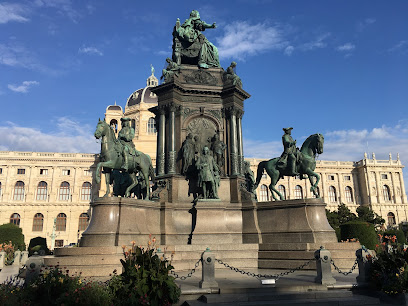
Babenbergerstraße 9
0.1 km
Explore the architectural beauty of Babenbergerstraße 9 in Vienna, a landmark showcasing the city's rich cultural heritage and vibrant atmosphere.
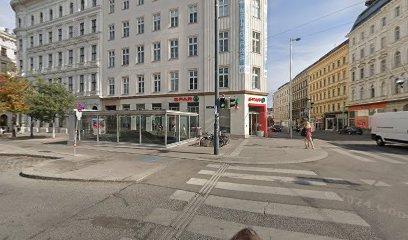
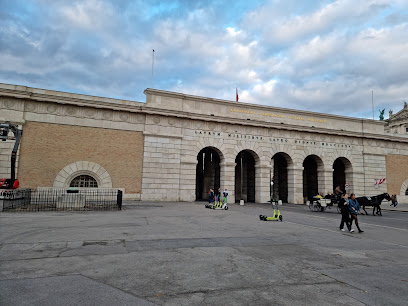
Outer Castle Gate
0.2 km
Discover the grandeur of Vienna at the Outer Castle Gate, a stunning triumphal arch that opens the door to imperial history and cultural treasures.
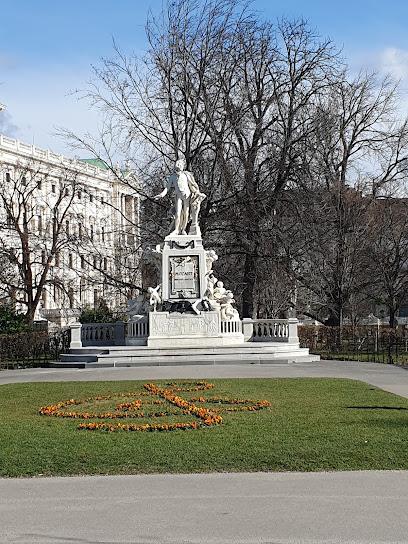
Mozart Monument
0.2 km
Discover the enchanting Mozart Monument in Vienna, a tribute to the legendary composer surrounded by beautiful gardens and rich musical history.
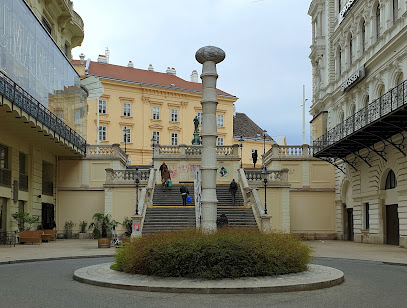
Rahlstiege
0.2 km
Explore the enchanting Rahlstiege, a historical landmark in Vienna, where stunning architecture meets rich cultural heritage in a serene atmosphere.
Franz Stephan von Lothringen Statue
0.3 km
Explore the rich history of Vienna at the Franz Stephan von Lothringen Statue in Burggarten, a serene and picturesque tribute to an influential figure.
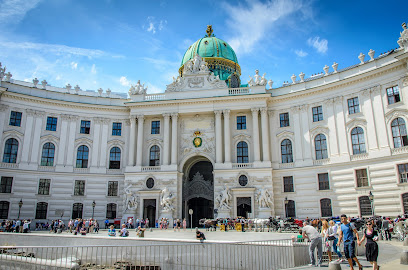
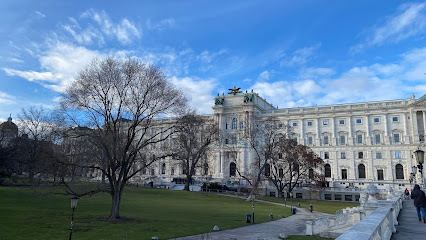
Neue Burg - Teil der Wiener Hofburg
0.3 km
Explore Austria's imperial past at the Neue Burg, home to museums, collections, and historical significance on Vienna's Heldenplatz.
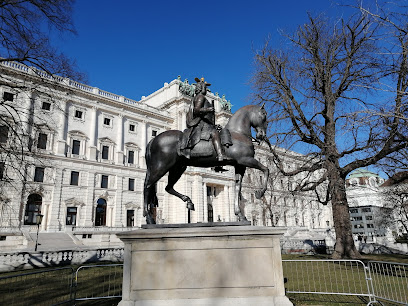
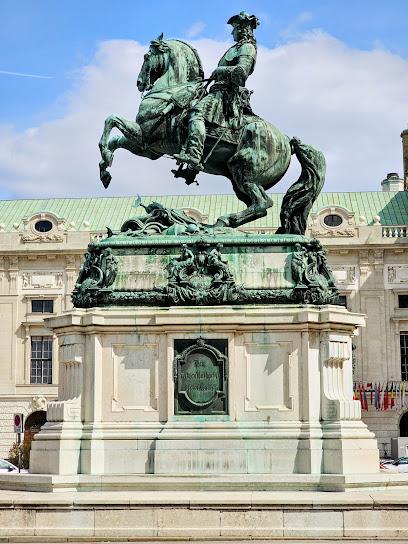
Prince Eugene - Equestrian Statue
0.3 km
Explore the iconic Prince Eugene Equestrian Statue in Heldenplatz, Vienna, a remarkable tribute to history and artistry.
Hercules and the Nemean lion fountain
0.3 km
A mythological scene frozen in stone, the Hercules Fountain adds a touch of classical artistry to Vienna's serene Burggarten.
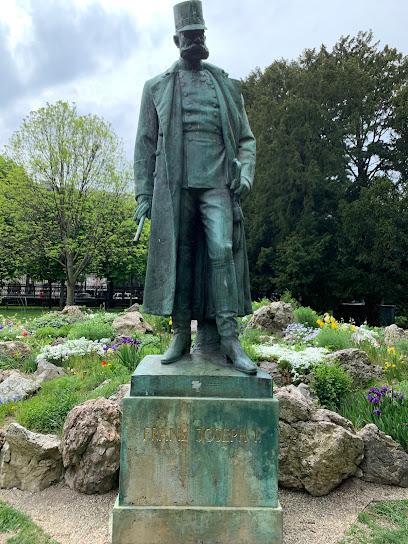
Kaiser-Franz-Joseph-Denkmal
0.3 km
Explore the Kaiser-Franz-Joseph-Denkmal in Vienna's serene Burggarten, a historical monument surrounded by lush gardens and rich cultural heritage.
Meteoritenpassage
0.3 km
Explore the cosmos through art in Vienna's Meteoritenpassage, a unique connection between MuseumsQuartier and the Natural History Museum.
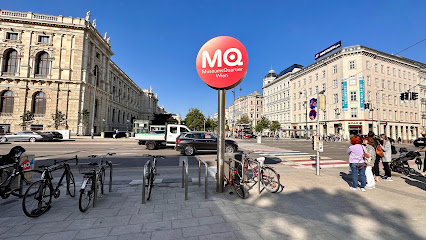
Schillerplatz
0.3 km
Discover Schillerplatz in Vienna's Innere Stadt: a historic square honoring Friedrich Schiller and surrounded by artistic and cultural landmarks.
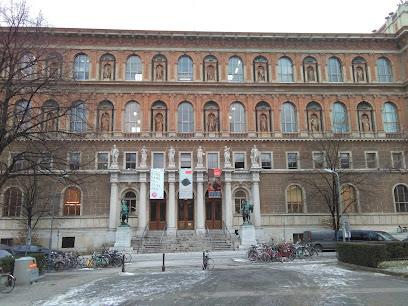
Hansi-Niese-Denkmal
0.4 km
A tribute to the beloved Viennese actress Hansi Niese, celebrating her contributions to popular theatre near the Volkstheater.
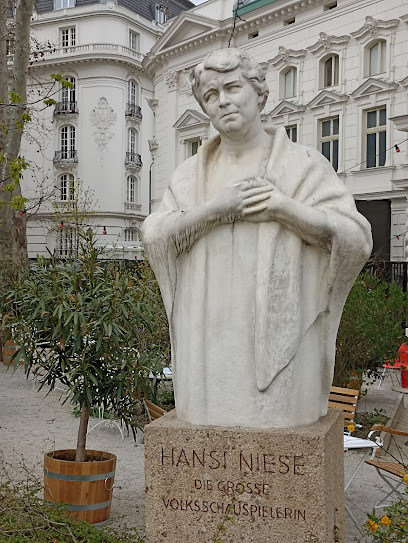
Schweizerhof Hofburg Wien
0.5 km
Discover the elegance and rich history of the Schweizerhof Hofburg in Vienna, a stunning landmark showcasing the opulence of the Habsburg dynasty.
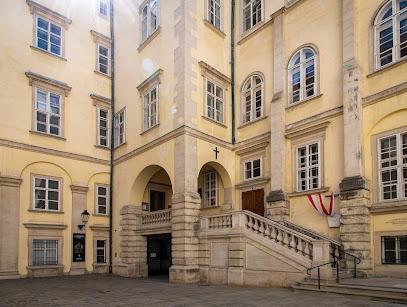
Memorial for the Victims of Nazi Military Justice
0.5 km
Explore Vienna's profound Memorial for the Victims of Nazi Military Justice, a poignant tribute to resilience and a reminder of the past.
Unmissable attractions to see

Weihnachtsmarkt Maria-Theresien-Platz
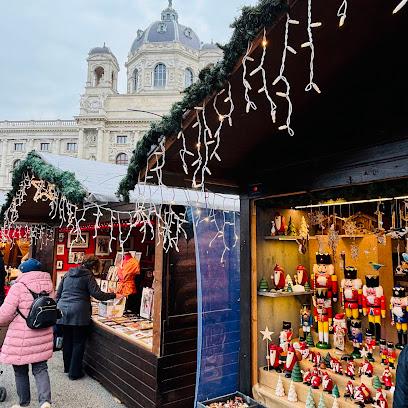
0.1 km
Explore the enchanting Weihnachtsmarkt Maria-Theresien-Platz in Vienna, where festive cheer meets stunning architecture and delightful seasonal treats.
Platz der Menschenrechte
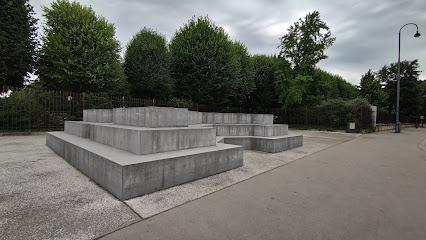
0.2 km
A significant Viennese landmark promoting human rights through art and reflection in a central, accessible public space.
Weltmuseum Wien
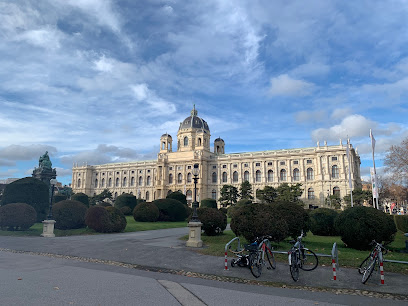
0.2 km
Explore the rich tapestry of global cultures at Weltmuseum Wien, a premier ethnographic museum in the heart of Vienna's historic Heldenplatz.
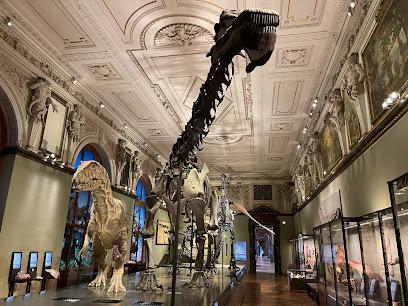
Museum of Natural History Vienna
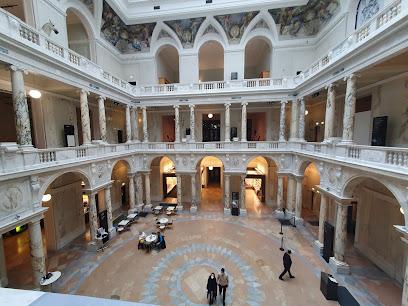
0.2 km
Explore the Museum of Natural History Vienna: A captivating journey through time showcasing the planet's natural wonders and treasures.
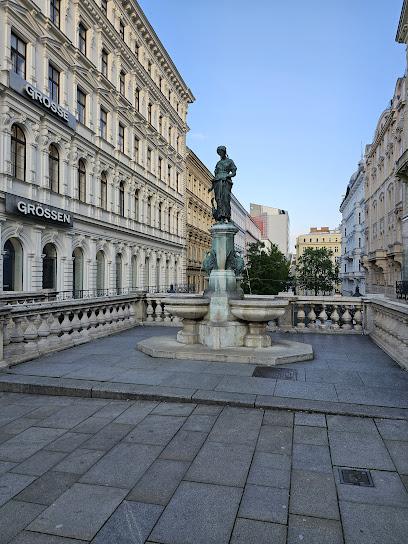
Gänsemädchenbrunnen
0.2 km
Explore Gänsemädchenbrunnen, a charming historical fountain in Vienna with intricate sculptures, perfect for photography and relaxation amidst the city's vibrant culture.
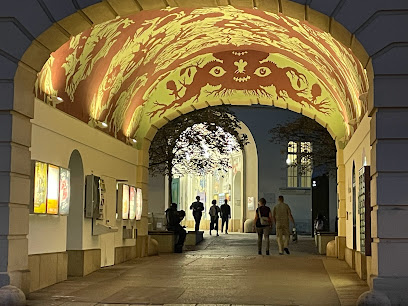
Kabinettpassage
0.2 km
Discover Vienna's hidden artistic heart in Kabinettpassage: independent shops, vibrant art, and cozy cafes on Mariahilfer Straße.
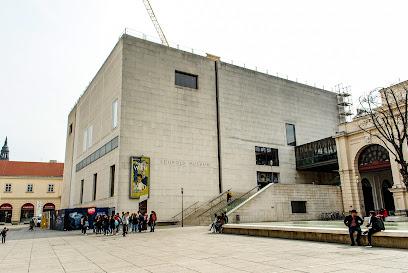
Leopold Museum
0.2 km
Explore the Leopold Museum in Vienna, showcasing a rich collection of Austrian art, including masterpieces by Schiele and Klimt, in a stunning cultural hub.
Museums Quarter Water Feature
0.2 km
Find serenity amidst art and culture at Vienna's Museums Quarter Water Feature, a tranquil escape in a vibrant urban hub.
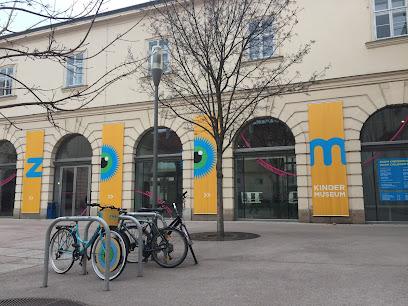
ZOOM Kindermuseum
0.2 km
Discover a world of creativity and learning at ZOOM Kindermuseum, Vienna's premier children's museum filled with interactive exhibits and hands-on fun.
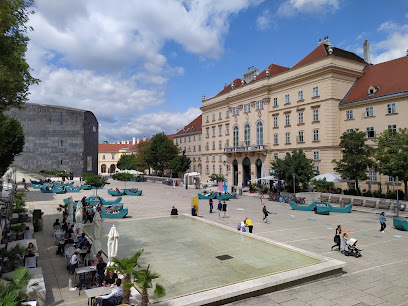
MuseumsQuartier Wien
0.2 km
Discover the cultural heart of Vienna at MuseumsQuartier, where art, history, and modern creativity collide in a stunning architectural setting.
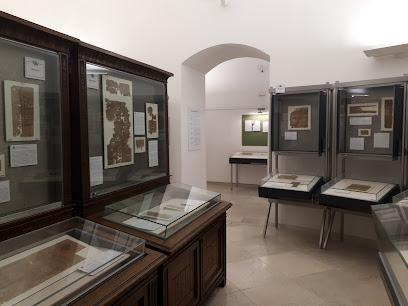
Papyrus Collection and Papyrus Museum Vienna
0.3 km
Uncover the ancient secrets of Egypt at the Papyrus Collection and Museum in Vienna, where history comes alive through remarkable artifacts.
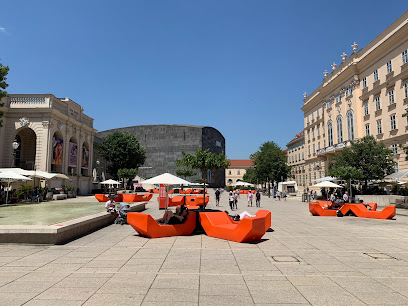
mumok - Museum moderner Kunst Stiftung Ludwig Wien
0.3 km
Explore the innovative realm of modern art at mumok, Vienna's premier destination for contemporary artistic expression and cultural engagement.
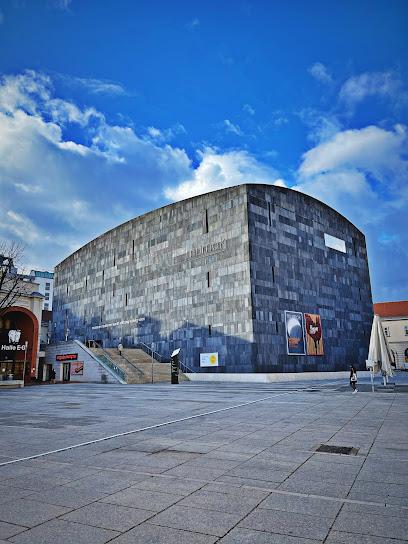
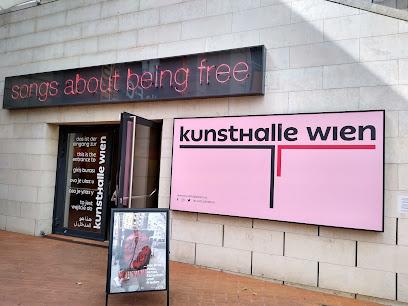
Kunsthalle Wien Museumsquartier
0.3 km
Discover contemporary art at Kunsthalle Wien, a vibrant hub located in the heart of the MuseumsQuartier, featuring diverse exhibitions and cultural events.
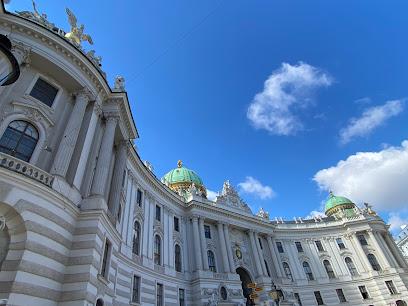
Heldenplatz
0.3 km
Experience Vienna's Heldenplatz: A historic square where imperial grandeur meets pivotal moments, offering architectural splendor & cultural significance.

Hofburg
0.3 km
Discover the imperial heritage of Vienna at Hofburg Palace, a historical landmark rich in culture and grandeur, perfect for every traveler.
Essential places to dine

Glacis Beisl
0.4 km
Experience authentic Austrian flavors at Glacis Beisl in Vienna's Neubau district – where tradition meets taste.
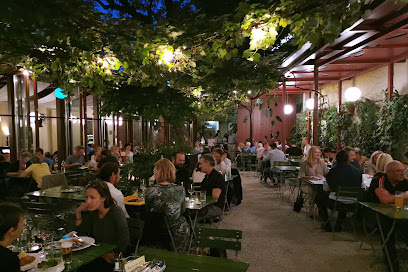
Brasserie Palmenhaus Wien
0.4 km
Experience fine dining amidst lush greenery at Brasserie Palmenhaus Wien - where elegance meets nature in the heart of Vienna.
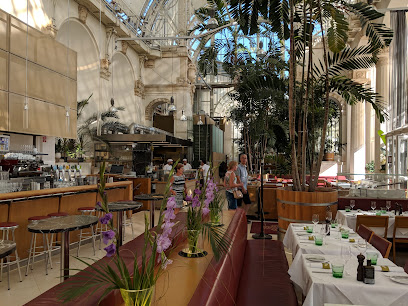
Veranda Brasserie & Bar
0.4 km
Experience modern Austrian cuisine in an elegant setting at Veranda Brasserie & Bar in Vienna - perfect for every meal and occasion.
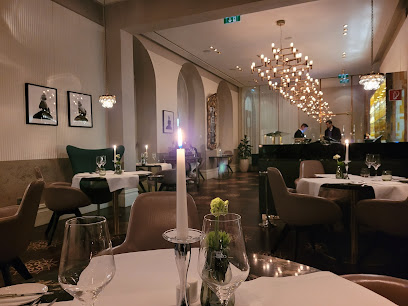
Hotel Sans Souci Wien
0.4 km
Discover unparalleled luxury at Hotel Sans Souci Wien - your gateway to Viennese elegance and relaxation amidst vibrant city life.
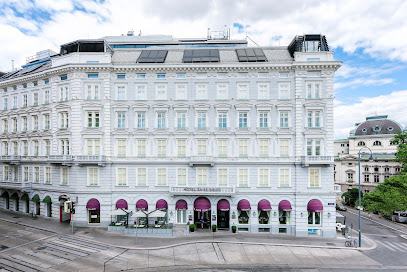
VAPIANO Wien Mariahilferstraße
0.5 km
Experience authentic Italian cuisine at VAPIANO Wien Mariahilferstraße – where fresh ingredients meet vibrant atmosphere in the heart of Vienna.
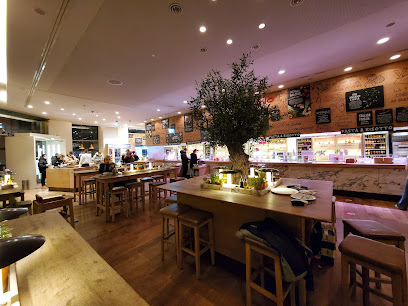
Witwe Bolte - Gutenberggasse 13
0.5 km
Experience authentic Austrian cuisine at Witwe Bolte in Vienna's Neubau district, where tradition meets modern culinary artistry.
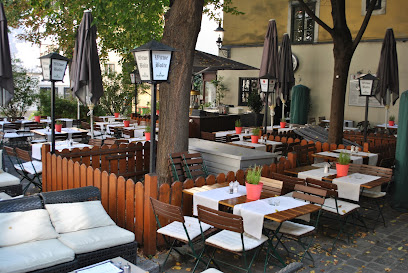
DO & CO Albertina
0.5 km
Experience fine dining at DO & CO Albertina - where exquisite cuisine meets stunning views in the heart of Vienna.
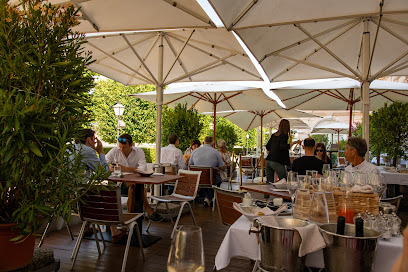
Boheme Restaurant
0.5 km
Discover the unique flavors of Austria at Boheme Restaurant in Vienna's artistic Neubau district.
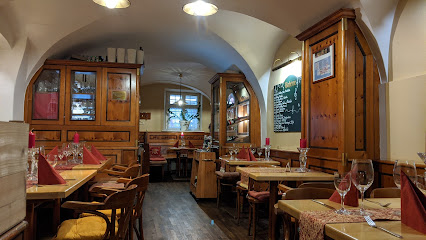
Restaurant Grüne Bar
0.6 km
Experience fine dining at Restaurant Grüne Bar in Vienna – where exquisite Austrian cuisine meets elegant ambiance.
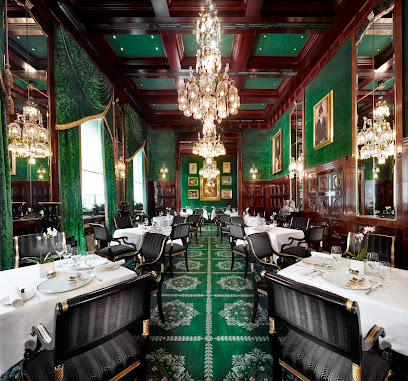
Restaurant Rote Bar
0.6 km
Experience the epitome of Austrian fine dining at Restaurant Rote Bar, where tradition meets sophistication in every exquisite dish.
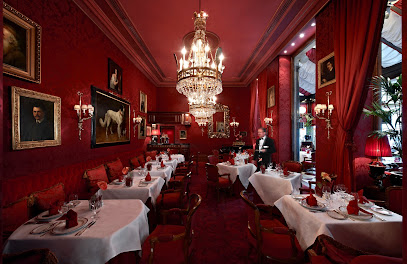
Restaurant Führich
0.6 km
Experience the best of Austrian cuisine with a touch of elegance at Restaurant Führich, where every meal is a celebration of flavor.
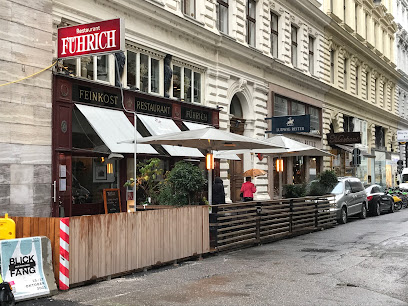
DEVAL
0.6 km
Discover DEVAL: A Fine Dining Gem in Vienna Offering Exceptional Cuisine and Unforgettable Experiences.
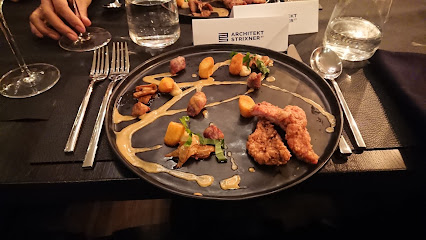
Durchhaus
0.7 km
Experience authentic Austrian cuisine at Durchhaus in Vienna - where tradition meets modern culinary artistry.
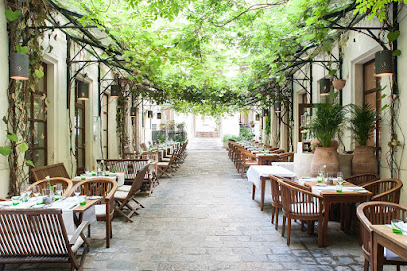
Glasswing Restaurant
0.7 km
Discover fine dining at its best in Vienna with exquisite Austrian cuisine and exceptional service at Glasswing Restaurant.
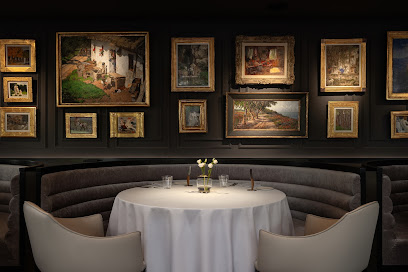
Nemtoi Restaurant-Bar
0.7 km
Discover culinary excellence at Nemtoi Restaurant-Bar in Vienna: A chic spot combining fine dining with vibrant bar culture.
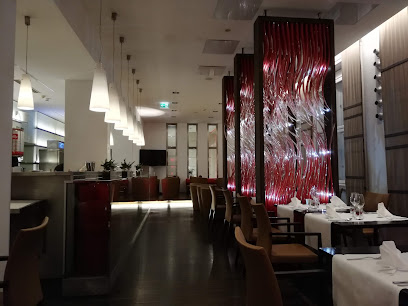
Markets, malls and hidden boutiques

Magazin Art Fashion Lounge
0.2 km
Explore the artistic side of Vienna with unique fashion finds at Magazin Art Fashion Lounge, a boutique that celebrates local creativity and style.
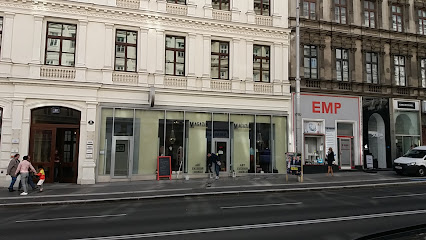
Imperial Shop Vienna
0.2 km
Explore Imperial Shop Vienna for authentic Viennese souvenirs, traditional crafts, and local delicacies amidst the historic charm of Hofburg Palace.
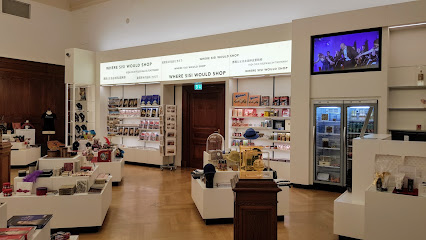
Vintage Fabrik
0.4 km
Discover unique vintage clothing and accessories at Vintage Fabrik in Vienna, where timeless fashion meets modern charm.
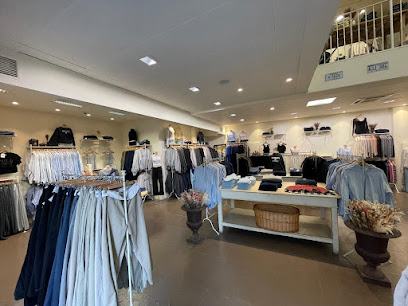
HABARI Design Store
0.4 km
Explore HABARI Design Store in Vienna for unique gifts, local art, and handcrafted treasures that reflect the city's vibrant culture.
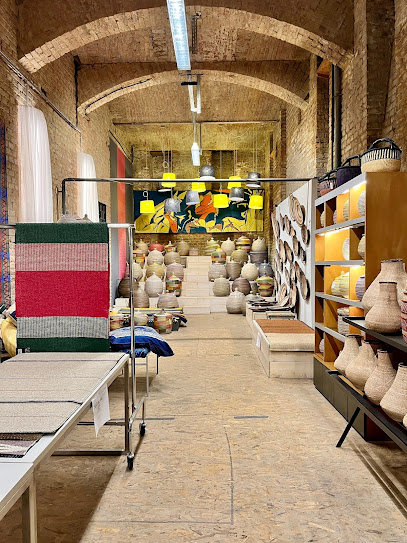
code7 Designshop, Fashion & Accessoires
0.5 km
Explore Code7 Designshop in Vienna for trendy bags, unique jewelry, and unforgettable souvenirs in a charming boutique atmosphere.
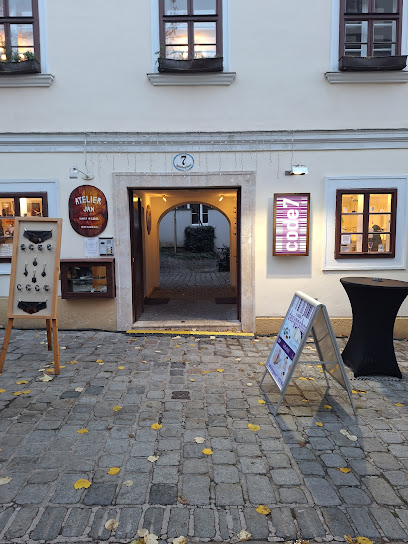
Austria Corner Amadeus
0.5 km
Explore Austria Corner Amadeus, a charming gift shop in Vienna, offering authentic souvenirs and unique treasures that celebrate Austrian culture.
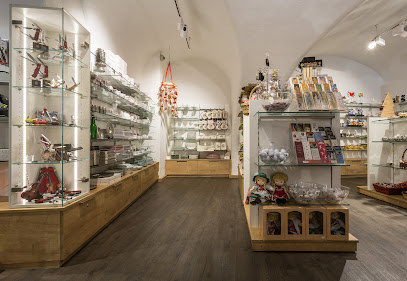
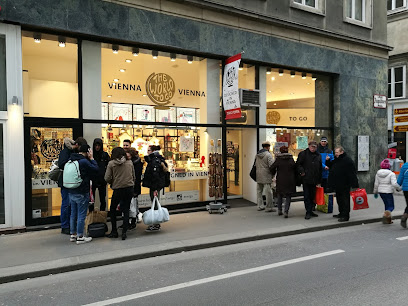
THE WORLD TO GO VIENNA
0.5 km
Explore The World To Go Vienna for unique souvenirs and gifts that reflect the rich culture and artistry of the city, perfect for every traveler.
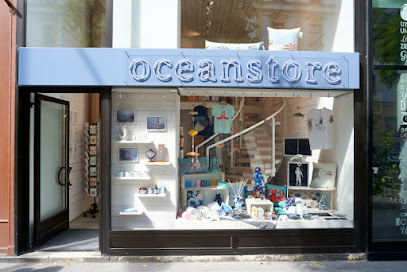
Oceanstore Wien
0.6 km
Explore Oceanstore Wien for unique gifts and souvenirs that embody the spirit of Vienna, perfect for capturing memories of your travels.
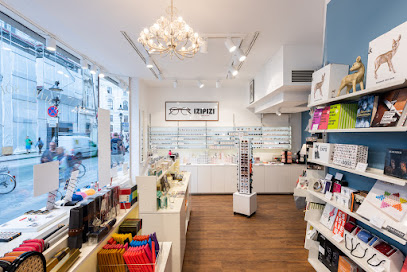
HAMTIL & SÖHNE Concept Store Vienna
0.6 km
Discover unique gifts and local craftsmanship at HAMTIL & SÖHNE Concept Store in Vienna's vibrant Innere Stadt.
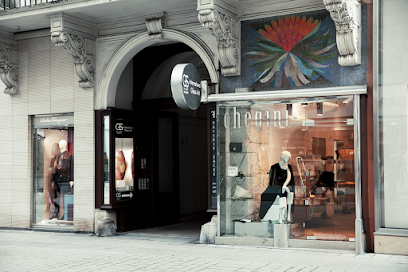
Boutique Chegini Vienna
0.6 km
Experience the elegance of Boutique Chegini Vienna, where fashion meets luxury in the heart of the city for an unforgettable shopping experience.
La Cure Gourmande Vienna
0.6 km
Experience the sweetness of Vienna at La Cure Gourmande, where gourmet chocolates and delightful souvenirs await every tourist.
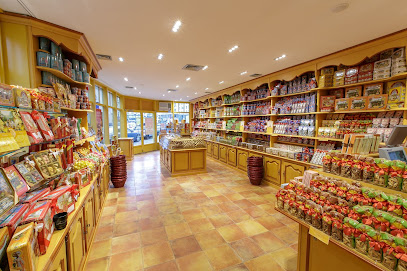
Graf&Gräfin Shop
0.6 km
Discover unique gifts, exquisite costume jewelry, and fine leather goods at Graf&Gräfin Shop, a charming boutique in the heart of Vienna.
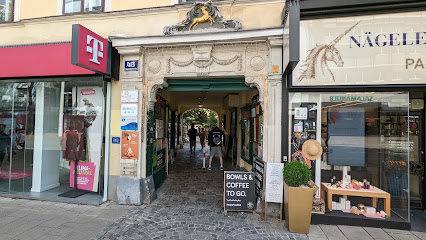
Raimundhof Wien
0.6 km
Discover Raimundhof Wien: A Cultural Haven of Art, Fashion, and Gastronomy in the Heart of Vienna.
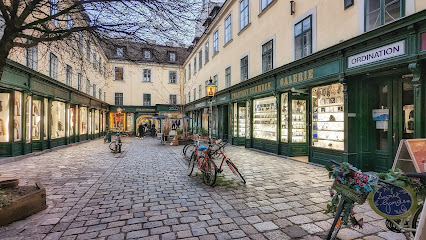
Popshop
0.7 km
Explore Popshop, a charming gift shop in Vienna, where unique furniture and artisanal paper goods await your discovery.
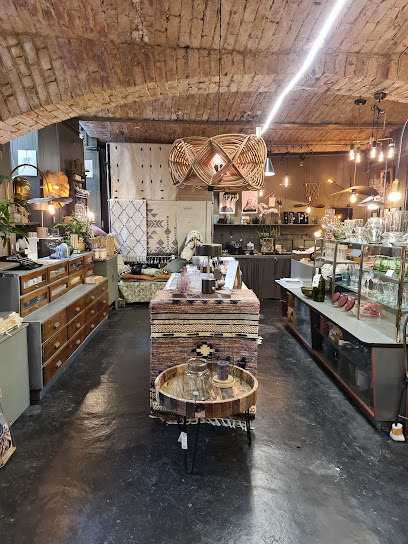
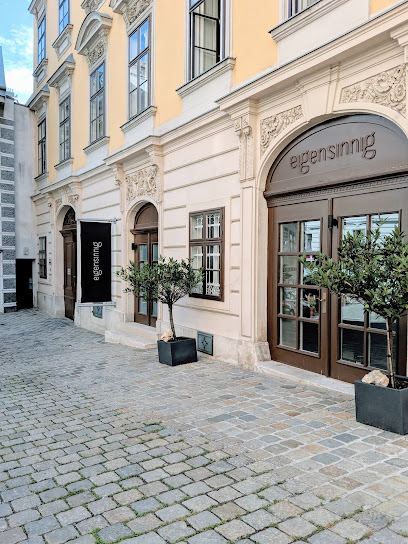
eigensinnig wien - Avantgarde Mode und High Fashion
0.7 km
Discover avant-garde fashion and timeless designs at Eigensinnig Wien, a boutique that redefines style in the heart of Vienna.
Essential bars & hidden hideouts

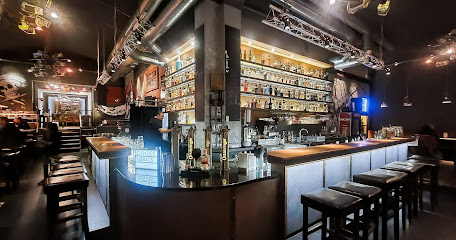
Addicted to Rock
0.2 km
Experience the ultimate burger bliss at Addicted to Rock, Vienna's top bar and restaurant blending American and Austrian flavors.
IF DOGS RUN FREE
0.4 km
Discover the charm of IF DOGS RUN FREE, a pet-friendly bar and café in Vienna, perfect for relaxation and social gatherings.
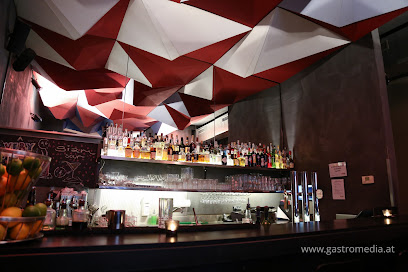
Kreisky
0.4 km
Discover Kreisky in Vienna - a lively bar offering a mix of local charm, vibrant atmosphere, and affordable drinks, perfect for nightlife enthusiasts.
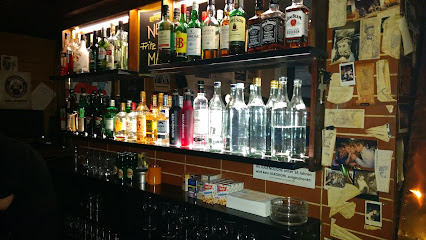
Bukowski The Pub
0.4 km
Discover the lively ambiance and extensive drink selection at Bukowski The Pub, a must-visit bar in Vienna's vibrant Neubau district.
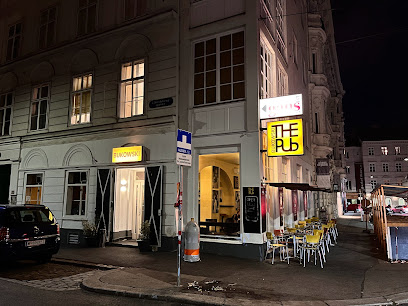
Laurel Leaf Irish Pub Vienna
0.5 km
Discover the vibrant atmosphere and traditional Irish flavors at Laurel Leaf Irish Pub in Vienna, where locals and tourists come together.
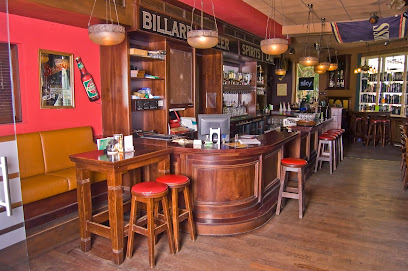
Cocktail lounge - Billiards Café Downstairs
0.5 km
Discover the perfect blend of cocktails and billiards at Billiards Café Downstairs in Vienna's Mariahilf district.
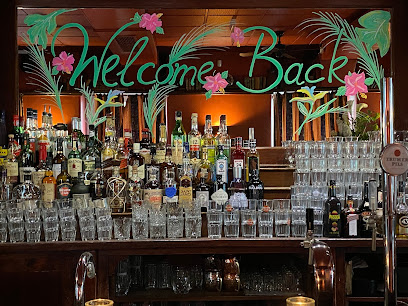
Lvdwig - Die Wiener Bar am Naschmarkt
0.5 km
Experience the vibrant nightlife of Vienna at Lvdwig, where creative cocktails and a welcoming atmosphere await you.
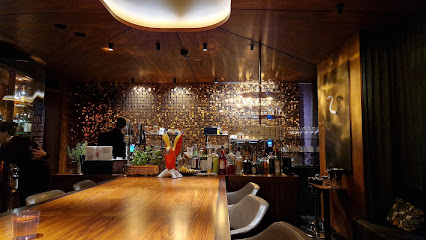
Stadtbar
0.5 km
Experience Vienna's vibrant atmosphere at Stadtbar, a cozy bar offering a delightful selection of drinks and local snacks in the heart of the city.
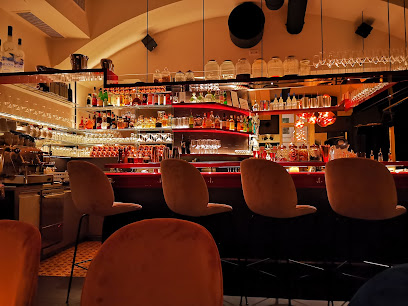
Matiki Bar
0.5 km
Experience the best of Vienna's nightlife at Matiki Bar, where cocktail artistry meets a vibrant atmosphere in a chic setting.
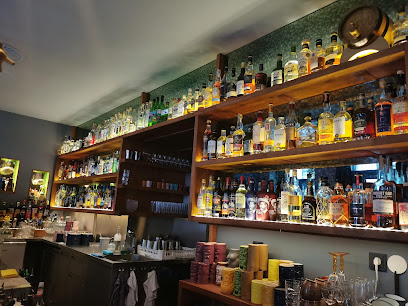
bestens. Cocktailbar
0.6 km
Experience the vibrant nightlife of Vienna at bestens. Cocktailbar, where expertly crafted cocktails and a stylish atmosphere await.
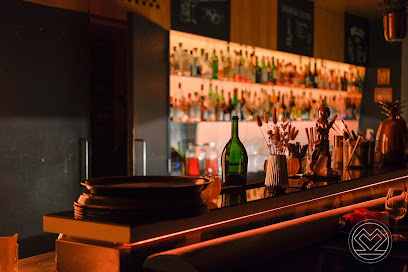
Die Rundbar
0.6 km
Discover Die Rundbar in Vienna: a cozy bar offering an extensive selection of exquisite wines and a charming ambiance for relaxation.
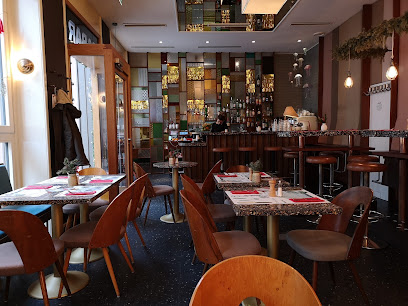
Blaue Bar
0.6 km
Immerse yourself in Vienna's nightlife at Blaue Bar, where elegance meets exceptional cocktail craftsmanship.
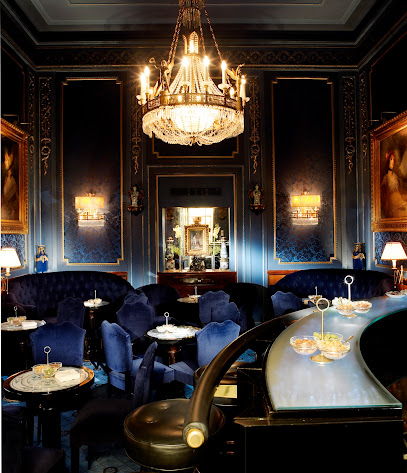
Cocktailbar Meeru
0.6 km
Experience the vibrant nightlife of Vienna at Cocktailbar Meeru, where expertly crafted cocktails and a chic atmosphere await.
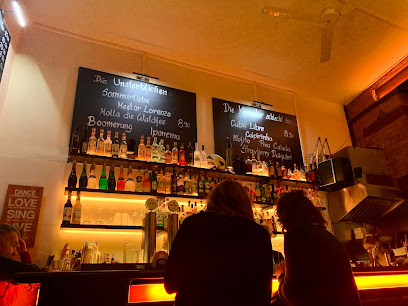
Der Dachboden
0.6 km
Discover the vibrant rooftop bar experience at Der Dachboden in Vienna, where stunning views meet expertly crafted cocktails in a stylish setting.
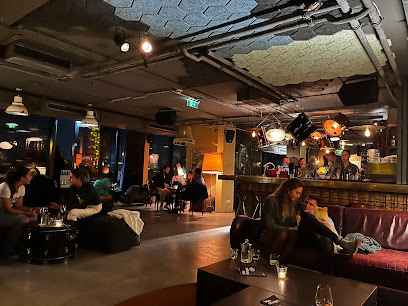
Bristol Bar
0.6 km
Experience the luxurious charm of Bristol Bar in Vienna, where exquisite cocktails meet authentic Austrian cuisine in an elegant setting.
Nightclubs & after hour spots

ra'mien Bar
0.4 km
Discover the electrifying nightlife of Vienna at ra'mien Bar, where vibrant cocktails and music create unforgettable experiences.
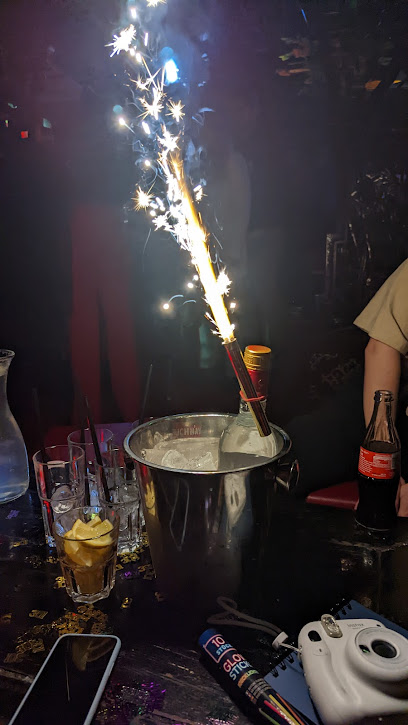
Night On Stage
0.4 km
Immerse yourself in Vienna's vibrant nightlife at Night On Stage, the city's premier night club for unforgettable music and dancing.
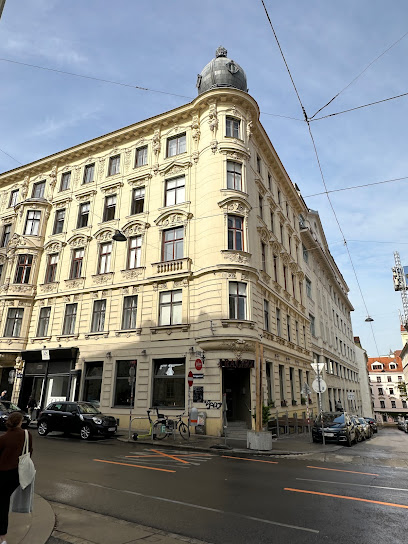
O - the club
0.5 km
Experience the vibrant nightlife of Vienna at O - The Club, a premier destination for dancing and socializing in a stylish atmosphere.
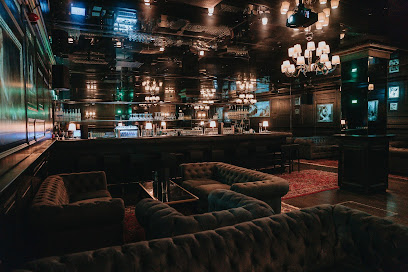
Palffy Club Nightclub Clubbing Events
0.5 km
Experience the thrill of Vienna's nightlife at Palffy Club, where luxury meets electrifying dance beats in an upscale atmosphere.
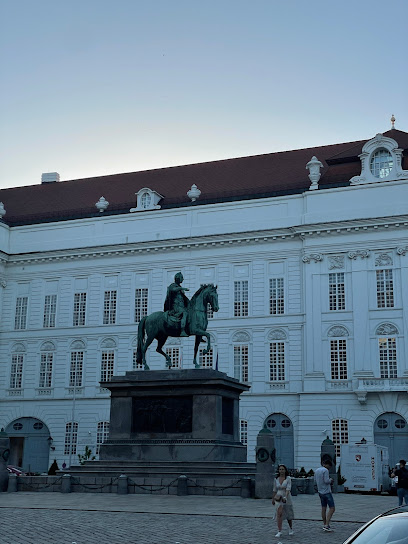
Maxim Wien
0.6 km
Dive into the exhilarating nightlife of Vienna at Maxim Wien, a premier night club known for its vibrant atmosphere and eclectic music scene.
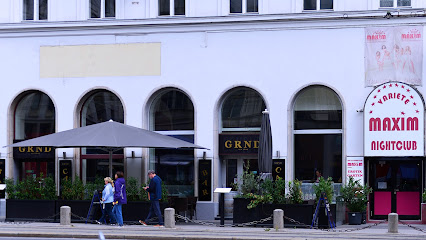
Monaco Bar - Nightclub
0.6 km
Monaco Bar: Discover Vienna's nightlife, where vibrant music, diverse crowds, and unforgettable experiences await you.
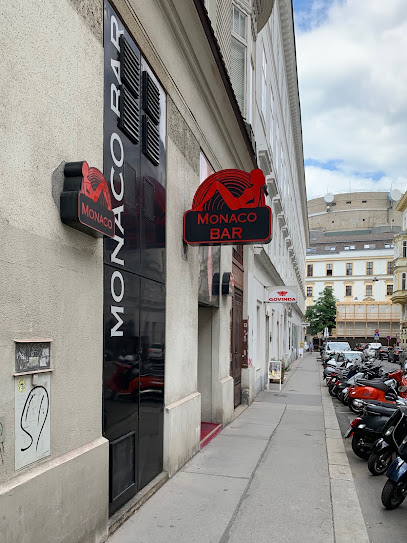
DOTS the Hidden Club
0.7 km
Discover the energetic nightlife of Vienna at DOTS the Hidden Club, where the rhythm of music meets an unforgettable party atmosphere.
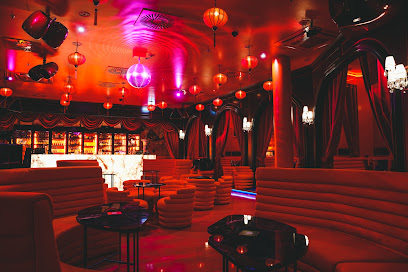
Cabaret Fledermaus
0.8 km
Discover the vibrant nightlife of Vienna at Cabaret Fledermaus, a premier disco club combining dance and bar vibes for an unforgettable experience.
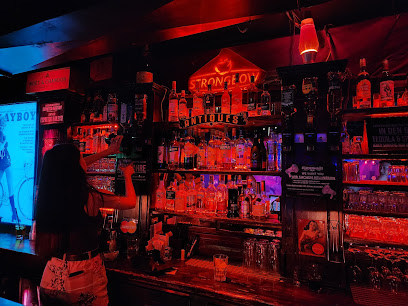
Chez Nous
0.8 km
Experience the heartbeat of Vienna's nightlife at Chez Nous, a vibrant night club where dancing and fun never stop.
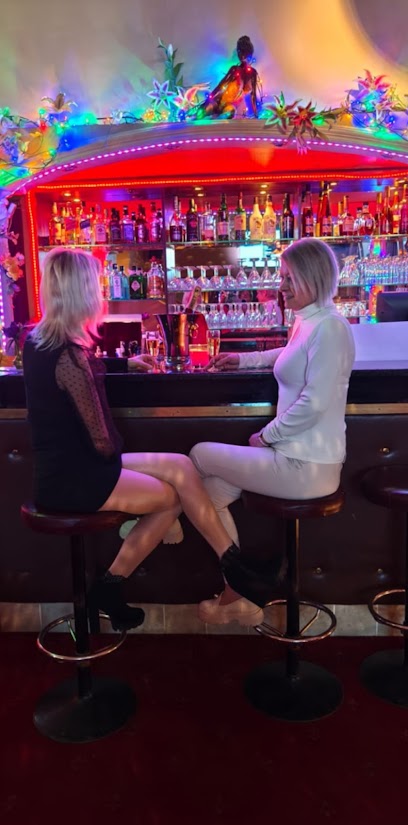
Club U
0.8 km
Dance the night away at Club U, Vienna's vibrant disco club known for its electrifying atmosphere and diverse music selection.
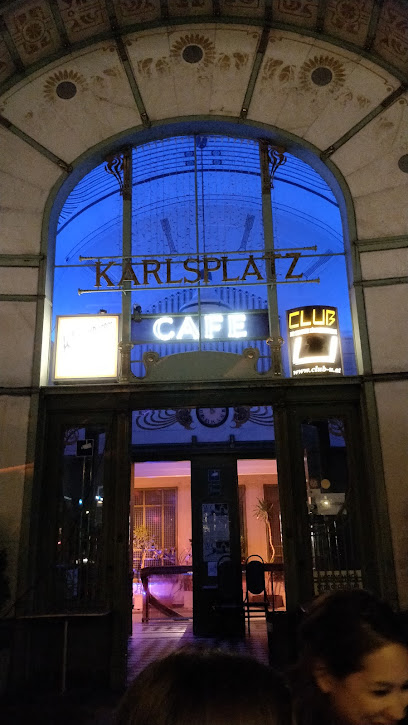
Opera Club
0.8 km
Discover the vibrant nightlife of Vienna at Opera Club, where music and dance create unforgettable memories in a stylish atmosphere.
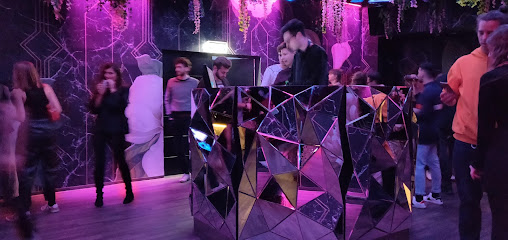
Camera Club
1.0 km
Discover the dynamic nightlife of Vienna at Camera Club, where vibrant beats and themed nights create unforgettable experiences.
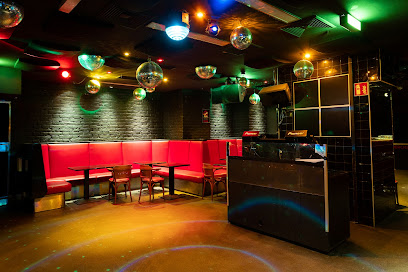
Beverly Hills Club
1.0 km
Discover the ultimate nightlife experience at Beverly Hills Club in Vienna, where luxury meets vibrant energy and unforgettable music.
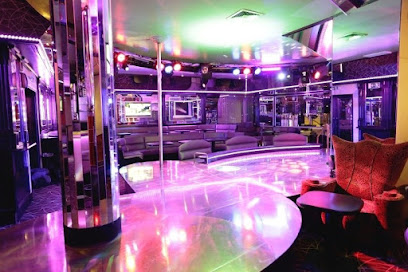
Night Club EVE
1.1 km
Discover the electrifying nightlife at Night Club EVE in Vienna, where music, style, and energy come together for an unforgettable experience.
Dual
1.1 km
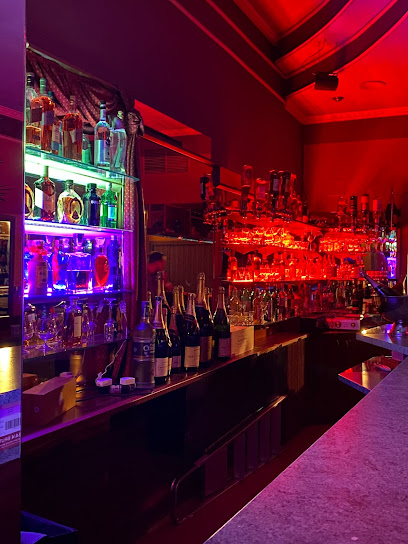
Discover the pulsating energy of Vienna's nightlife at Dual Night Club, where music, dance, and unforgettable memories come together.