Grossglockner, Hohe Tauern Travel Guide
Austria's 3,798m pinnacle in Hohe Tauern National Park, where Pasterze Glacier meets 36 hairpin bends of High Alpine Road for epic peak panoramas and mountaineering lore.
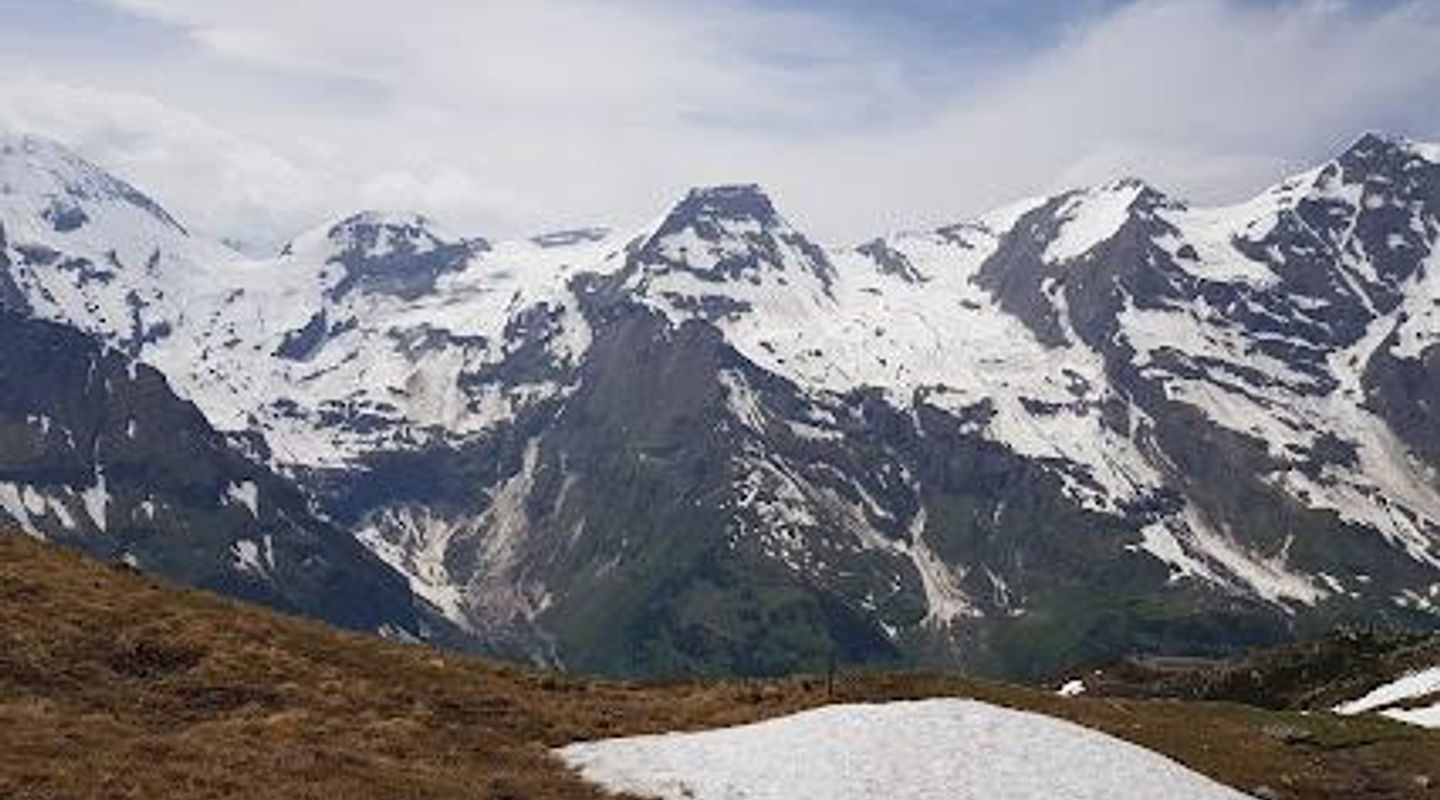
At 3,798 meters, Grossglockner reigns as Austria's highest peak in Hohe Tauern National Park, crowned by the Pasterze Glacier and framed by the iconic High Alpine Road. This pyramid-shaped giant offers jaw-dropping vistas across 30+ three-thousanders, drawing climbers, drivers, and nature seekers to its rugged embrace amid crystalline rock and eternal ice.
A brief summary to Grossglockner
- AT
- Mid ranged
-
 Outdoor
- Mobile reception: 3 out of 5

Know before you go
Hi, I'm Eve. Here are a few practical things to know before exploring Grossglockner.
- Drive the High Alpine Road from Fusch or Heiligenblut sides for contrasting ascents; north offers gentler grades, south steeper drama.
- Pack layers for sudden weather shifts even in summer; snow patches linger roadside at 2,500m.
- Stop at Edelweissspitze for 360-degree views of 30+ three-thousanders without hiking.
- Acclimatize before summit bids; overnight at Erzherzog-Johann-Hütte to ease high-altitude strain.
- Scan for marmots and ibex at lower pullouts; binoculars enhance wildlife spotting in the park.
Do you manage this location?
Take control to get all the benefits, like improved information, better appearance, and stronger visibility across AI-powered discovery. Learn more about listing your business on Evendo
Activate your presenceExplore Grossglockner on the Map
A handpicked selection of must-see spots near Grossglockner, mapped for you.
Getting There
-
Driving
From Zell am See center, drive 45-60 min via A10 south to Fusch entrance (toll ~€40/car); 36km road with hairpins to viewpoints, weather-dependent.
-
Bus
Seasonal panorama buses from Zell am See station, 1.5hr ride to park gates (~€50 round-trip); limited schedules May-Oct, book ahead.
-
Shuttle
On-demand shuttles or tours from Zell am See hotels, 1hr to Fusch start (~€60/person); includes road pass, flexible pickups.
-
E-bike
Rent e-bikes in Zell am See for 1-1.5hr pedal to Ferleiten entry; uphill assist needed, road bikes prohibited beyond gates.
For the on-the-go comforts that matter to you
-
 Restrooms
-
 Drink Options
-
 Food Options
-
 Seating Areas
-
 Sheltered Areas
-
 Picnic Areas
-
 Trash Bins
-
 Information Boards
-
 Visitor Center
Discover more about Grossglockner
Apex of the Eastern Alps
The Grossglockner stands at 3,798 meters as Austria's loftiest summit, dominating the Glockner Group within the Hohe Tauern range of the Central Eastern Alps. Straddling the border of Carinthia and East Tyrol, its pyramid form splits into Großglockner and Kleinglockner pinnacles, separated by the Glocknerscharte col. The eastern flank hosts the Pasterze, Austria's longest glacier at 8 kilometers, cascading dramatically from the peak.Geological Majesty and Natural Theater
This crystalline rock fortress rises along the Alpine divide, part of the main ridge where ancient trade paths once threaded between Celts, Romans, and Venice. The surrounding Hohe Tauern National Park shelters marmots, ibex, and rare edelweiss amid four vegetation zones—from montane forests to nival ice realms. The Obere Glocknerscharte at 3,766 meters marks Austria's highest col, channeling steep couloirs like the Pallavicinirinne toward the Glocknerkees glacier.Gateway via High Alpine Road
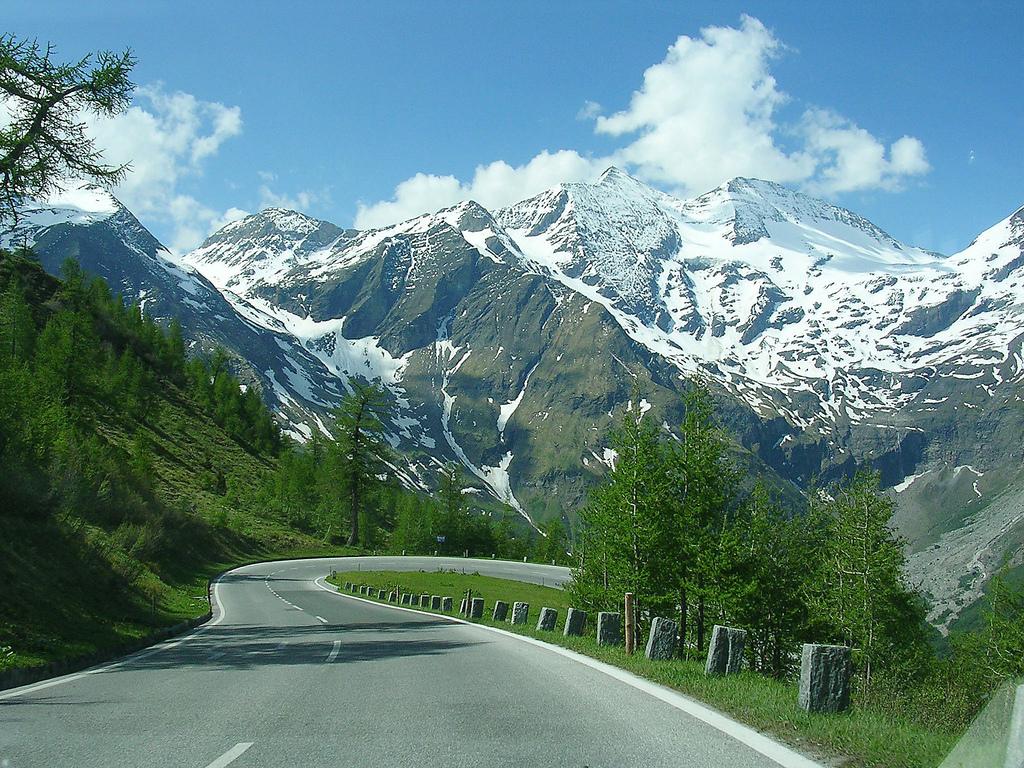
The Grossglockner High Alpine Road, a 48-kilometer engineering feat opened in 1935, snakes 36 hairpin bends to the 2,504-meter Hochtor and 2,571-meter Edelweissspitze. Blending into the park's heart, it unveils panoramic sweeps of over 30 peaks above 3,000 meters, the Pasterze's icy tongue, and Kaiser-Franz-Josefs-Höhe viewpoint. This toll route crosses vegetation levels, offering seamless immersion in subalpine meadows and glacial vistas.Mountaineering Legacy
First summited in 1800, Grossglockner lures alpinists via routes from Kals am Großglockner or Heiligenblut. The standard path hits the Erzherzog-Johann-Hütte at 3,454 meters—Austria's highest hut—before glacier traverses and exposed ridges demand ropes and crampons. Winter sports thrive below, while the peak's 360-degree horizon spans from the Po Valley to Bohemian forests on clear days.Cultural and Ecological Pulse
Symbolizing Austria's wild Alps, the mountain anchors Heiligenblut's pilgrimage heritage with its St. Vincent Church relic. The road hosts events like mountain runs and tractor races, pulsing with seasonal life. Ecologically, it embodies protected wilderness, where retreating glaciers underscore climate shifts amid timeless rugged beauty.Visitor's Alpine Odyssey
Expect crisp air, thunderous avalanches echoes, and wildflower bursts in summer. Views ignite awe from roadside pullouts or summit ropedges, blending raw power with serene expanses. The Grossglockner delivers unfiltered Alpine essence—challenging, vast, and indelibly Austrian.












Your all‑in‑one travel companion app
Explore expert travel guides, compare and book tours, experiences, hotels, and more—all from the palm of your hand. Download now for seamless trip planning wherever your wanderlust takes you.


Explore More of Hohe Tauern
Looking beyond Grossglockner? Discover Hohe Tauern for broader travel guides, local hot-spots, and regional highlights.
Explore Hohe Tauern