

Sheki-Zagatala Region Travel Guide - Free Web & App
Your ultimate guide to Sheki-Zagatala Region. Discover top landmarks, proposed trips, and local tips. Free on the web or via the Evendo companion app.


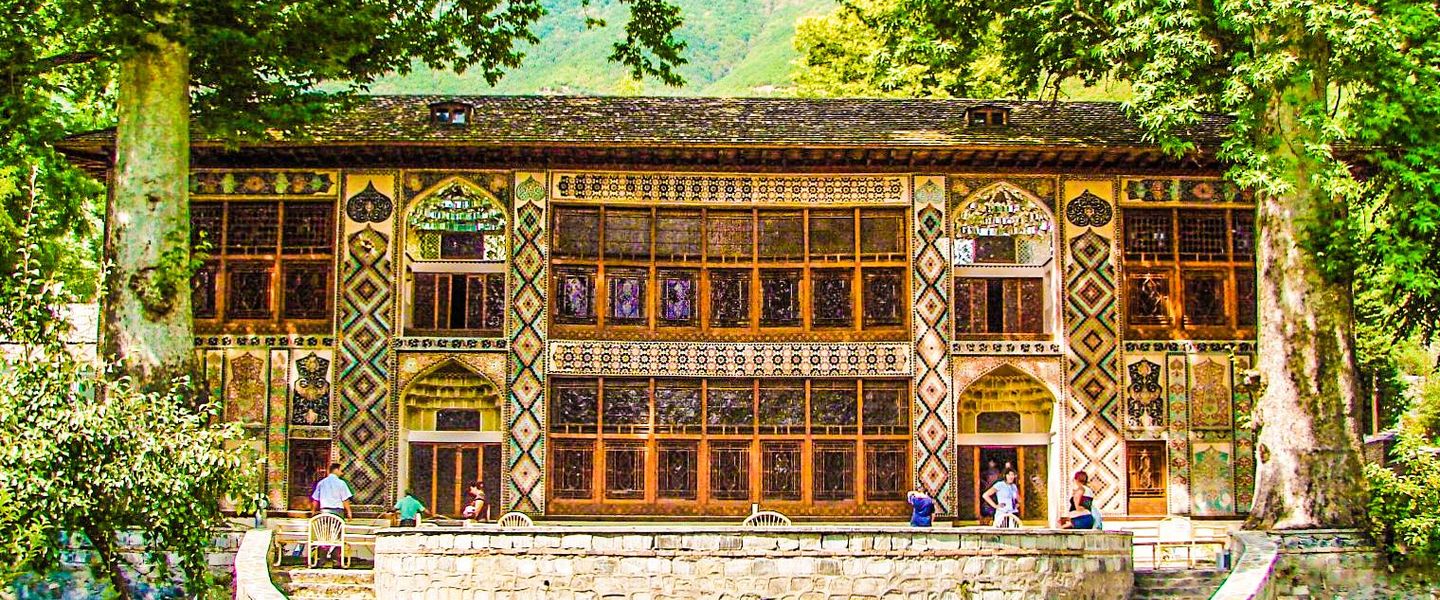


Explore Azerbaijan's Sheki-Zagatala Region for UNESCO heritage, Caucasus forests, mountain villages, silk traditions, waterfalls and regional cuisine.
Mountain Landscapes and Cultural Variety
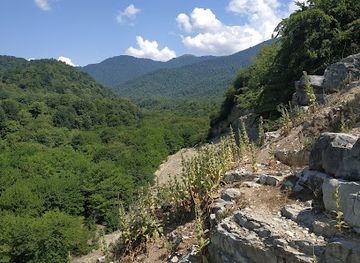
Sheki-Zagatala Region occupies north-western Azerbaijan between the Greater Caucasus and the Georgian border, bringing together the districts of Sheki, Zagatala, Balakan, Qakh, Oghuz and Gabala. Its geography changes markedly from the wooded foothills and broad Alazan valley to high mountain terrain, with rivers, waterfalls, forest tracks and alpine scenery shaping the experience. The region is one of Azerbaijan's most rewarding areas for combining landscape with heritage: journeys pass orchards, vineyards, rural villages and historic towns rather than a single concentrated resort.Read more about Sheki-Zagatala Region
Historic Towns and Living Traditions
Exploring the Region
When is the best time to visit Sheki-Zagatala Region?
Best: April–May, September · 22–28°C| Month | High (°C) | Rainfall (mm) |
|---|---|---|
| January | 8 | 44 |
| February | 10 | 38 |
| March | 17 | 35 |
| April (best) | 22 | 28 |
| May (best) | 26 | 25 |
| June | 30 | 16 |
| July | 33 | 12 |
| August | 33 | 13 |
| September (best) | 28 | 19 |
| October | 20 | 30 |
| November | 13 | 38 |
| December | 8 | 45 |
Getting to and around Sheki-Zagatala Region
How to get there
Transportation
Best attractions in Sheki-Zagatala Region
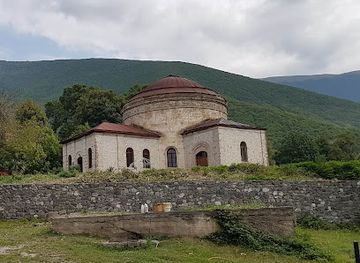
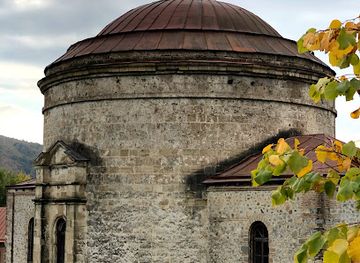
Sheki's UNESCO-listed historic centre is the region's leading cultural attraction, with the Khan's Palace, traditional houses, museums, caravanserais and craft workshops forming a walkable historical core. Nearby Kish is known for its historic church and mountain setting. In Qakh district, the village of Ilisu leads towards wooded slopes, river scenery and the Ram-Rama waterfall, while Zagatala offers access to forested Caucasus foothills and the remains of Zagatala Fortress. Balakan is a useful base for exploring the western part of the region and its rural landscapes. Around Gabala, the ancient city site of Gabala connects archaeology with a modern visitor infrastructure, while Nohur Lake and the Tufandag mountain area provide contrasting scenery and outdoor recreation. Oghuz adds quieter valleys, springs and village landscapes, making the region best understood as a collection of varied districts rather than one compact attraction zone.
-
Tourist attraction
Yeddi Gozel Waterfall
Discover the enchanting Yeddi Gozel Waterfall in Gabala, Azerbaijan: a mesmerizing cascade of seven natural wonders amidst lush forests.
-
Tourist attraction
Zagatala State Reserve
Discover Azerbaijan's natural beauty at Zagatala State Reserve: a haven for biodiversity, hiking, and cultural heritage in the Caucasus Mountains.
-
Mosque
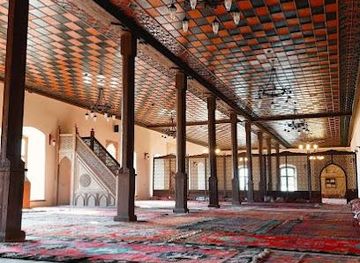
Khan Mosque and Cemetary
Explore Sheki's Khan Mosque and Cemetery, a testament to the Khanate era, featuring stunning architecture, a historic cemetery, and a fascinating museum.
-
Tourist attraction
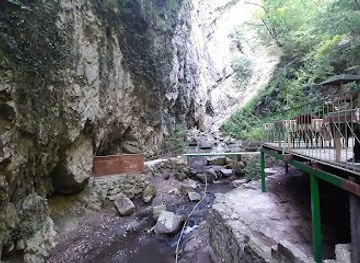
Zingo Şəlaləsi
Discover Zingo Waterfall in Azerbaijan: A serene natural escape with cascading waters, lush greenery, and tranquil hiking trails, perfect for nature lovers.
Best landmarks in Sheki-Zagatala Region
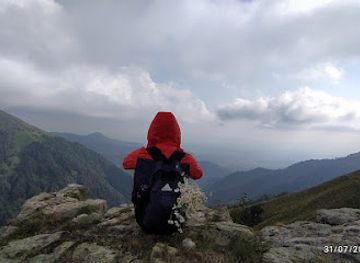
The Khan's Palace in Sheki is the region's most celebrated architectural landmark, noted for its richly decorated interior and place in the history of the Sheki Khanate. Sheki's caravanserais and traditional streets preserve the town's role as a historic commercial centre, while the church at Kish represents the religious heritage of the Caucasus and the village's long association with early Christianity. The archaeological site of ancient Gabala is an important landmark of Caucasian Albania, revealing the former capital's urban and defensive remains. In the mountain districts, Ilisu's historic fabric, surviving fortification remains and Ram-Rama waterfall express the relationship between settlement and rugged terrain. Nohur Lake and the forested Greater Caucasus foothills are natural landmarks of the wider region, giving Sheki-Zagatala a character defined as much by valleys, rivers and mountains as by built heritage.
-
 Hotel
HotelMarxal Resort & Spa
Experience luxury and tranquility amidst the stunning Caucasus Mountains at Marxal Resort & Spa in historic Sheki, Azerbaijan.
-
Historical place
Shaki Castle
Discover Shaki Castle: A blend of Persian, Ottoman, and Azerbaijani architecture, reflecting the rich history of the Silk Road.
-
Hotel
Karvansaray
Step back in time at Sheki's Karvansaray, a historic Silk Road trading post offering an immersive journey into Azerbaijan's rich cultural heritage.
-
Historical landmark
Shakikhanovs' Palace
Discover the winter residence of the Shakikhanovs in Sheki, Azerbaijan, showcasing 18th-century architecture and intricate decorative elements.
Explore Sheki-Zagatala Region on the map
Plan your trip on one map. See where the top attractions, landmarks, restaurants and hotels are, and book hotels and experiences in a few clicks.
Best hotels in Sheki-Zagatala Region
Best restaurants in Sheki-Zagatala Region
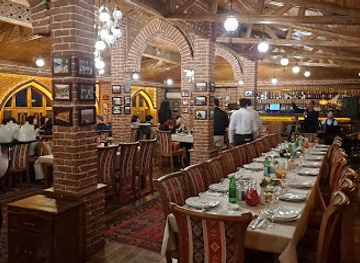
Dining across Sheki-Zagatala is closely connected to household cooking, orchard produce and the region's historic trading culture. Sheki is especially associated with its layered pakhlava, prepared with nuts, spices and saffron, while restaurants and cafés in the larger towns serve Azerbaijani staples such as plov, dolma, kebabs, qutab, soups and fresh salads. Tea is an important part of hospitality, often accompanied by preserves, dried fruit or sweets. Gabala, Sheki, Qakh, Zagatala and Balakan offer the broadest choice of restaurants, cafés and hotels, whereas mountain villages rely more on guesthouses and family dining. Local produce may include walnuts, hazelnuts, fruit, honey and regional dairy products, though availability varies seasonally. Farm shops and roadside sellers can provide a more direct taste of the area's agricultural character than formal dining rooms.
-
Hotel
Marxal Resort & Spa
Experience luxury and tranquility at Marxal Resort & Spa in Sheki, where breathtaking views meet world-class amenities.
-
Hotel
Karvansaray
Experience authentic Azerbaijani hospitality at Karvansaray Hotel in Sheki - where history meets modern comfort.
-
Restaurant
VIP Karvan Restaurant
Experience authentic Azerbaijani cuisine amidst live music and vibrant nightlife at VIP Karvan Restaurant in Sheki.
-
Restaurant
Sultan House Restaurant
Discover authentic Azerbaijani cuisine at Sultan House Restaurant in Sheki – where tradition meets taste in every delightful dish.
Best bars in Sheki-Zagatala Region
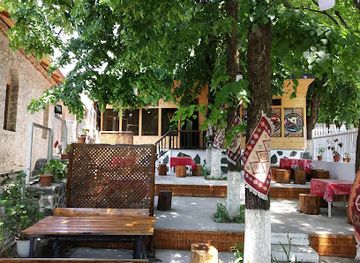
Evenings in Sheki-Zagatala are generally quiet and social rather than centred on a large club scene. Sheki and Gabala have the widest selection of cafés, hotel restaurants and places serving tea or other drinks, while Zagatala, Qakh and Balakan provide smaller-scale evening venues in their town centres. Traditional restaurants and guesthouses may remain sociable after dinner, particularly during family gatherings or local celebrations, but entertainment tends to be modest outside the principal settlements. In rural and mountain areas, the evening experience is more likely to involve a guesthouse meal, conversation and clear night skies than organised nightlife. Visitors seeking live performances or larger entertainment venues should check locally in Gabala or Sheki, where cultural programming and seasonal events are more likely than in the outlying villages.
-
Restaurant
VIP Karvan Restaurant
Discover the vibrant atmosphere and delectable cuisine at VIP Karvan Restaurant, a top dining spot in Sheki's culinary scene.
-
Restaurant
Sultan House Restaurant
Experience the rich flavors of Azerbaijani cuisine at Sultan House Restaurant in Sheki, a must-visit for food enthusiasts.
-
Family-friendly
Serin Restoranı
Experience family-friendly dining at Serin Restoranı in Sheki, where authentic Azerbaijani flavors meet a welcoming atmosphere for all ages.
-
Restaurant
Nuxa Restaurant
Experience authentic Azerbaijani cuisine at Nuxa Restaurant in Sheki, where flavors meet tradition in a charming atmosphere.
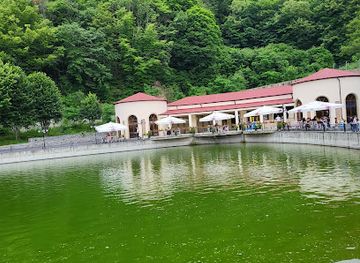
Best nightclubs in Sheki-Zagatala Region
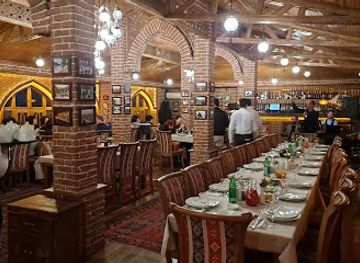
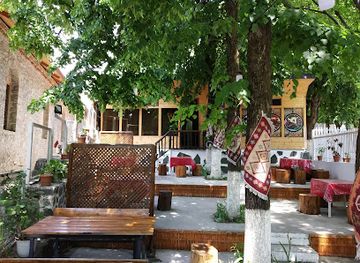
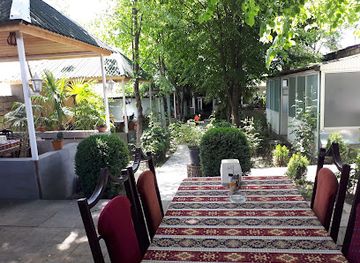
Evenings in Sheki-Zagatala are generally quiet and social rather than centred on a large club scene. Sheki and Gabala have the widest selection of cafés, hotel restaurants and places serving tea or other drinks, while Zagatala, Qakh and Balakan provide smaller-scale evening venues in their town centres. Traditional restaurants and guesthouses may remain sociable after dinner, particularly during family gatherings or local celebrations, but entertainment tends to be modest outside the principal settlements. In rural and mountain areas, the evening experience is more likely to involve a guesthouse meal, conversation and clear night skies than organised nightlife. Visitors seeking live performances or larger entertainment venues should check locally in Gabala or Sheki, where cultural programming and seasonal events are more likely than in the outlying villages.
-
Hotel
Marxal Resort & Spa
Discover the perfect blend of luxury and nature at Marxal Resort & Spa in Sheki, Azerbaijan - your ultimate getaway for relaxation and adventure.
-
Restaurant
VIP Karvan Restaurant
Discover the vibrant atmosphere and diverse menu of VIP Karvan Restaurant in Sheki, where delicious food meets lively entertainment.
-
Restaurant
Sultan House Restaurant
Experience the authentic taste of Azerbaijan at Sultan House Restaurant in Sheki, where tradition meets flavor in a delightful dining atmosphere.
-
Hotel
Issam Hotel & Spa
Discover tranquility and comfort at Issam Hotel & Spa in Sheki, where modern amenities meet the beauty of Azerbaijan's landscapes.
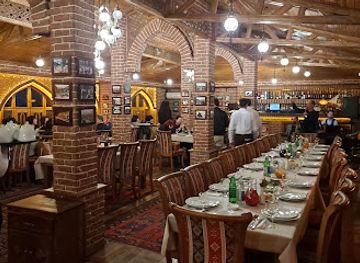
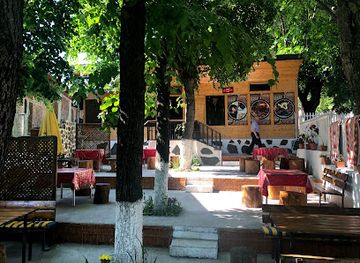
Best shops in Sheki-Zagatala Region
Shopping is concentrated in Sheki and the larger district centres rather than around remote mountain attractions. Sheki is the best place to look for locally made sweets, tea, preserves, dried fruit, nuts and small craft items associated with its historic silk and artisan traditions. Traditional silk textiles and decorative work are part of the town's cultural identity, although the selection and provenance of products vary between sellers. Gabala, Qakh, Zagatala and Balakan have everyday shops, food stores and smaller markets where regional produce may be found, including honey, fruit, walnuts and hazelnuts when in season. Village shops and roadside stalls offer a more limited range, while larger practical purchases are easier in the principal towns. Visitors should distinguish handmade goods from mass-produced souvenirs and ask about materials and origins when buying craftwork.
-
Hotel
Marxal Resort & Spa
Discover luxury and tranquility at Marxal Resort & Spa in Sheki, where stunning nature meets exquisite hospitality.
-
Hotel
Karvansaray
Experience the rich history and vibrant culture of Sheki, Azerbaijan, at Karvansaray, a uniquely charming hotel with traditional architecture.
-
Botanical garden
Bio Garden
Discover the tranquil beauty and vibrant flora of Bio Garden, a perfect blend of nature and culinary delights in Sheki, Azerbaijan.
-
Historical landmark
Shakikhanovs' Palace
Discover the historic Shakikhanovs' Palace in Sheki, a stunning example of Azerbaijani architecture and culture, surrounded by lush gardens.


Get your free copy of our complete guide to Sheki-Zagatala Region, delivered straight to you.
Everything on this page, from attractions and restaurants to essentials and local phrases, in one PDF you can read offline, print or share.
Already have an account? Sign in
Your Sheki-Zagatala Region guide is ready.
We'll send it to · Not you? Sign out

Getting your guide ready…
We are putting together a fresh copy of the Sheki-Zagatala Region guide. This can take up to a minute.
This can take a few moments. If your browser asks, choose Allow so the download can start. You'll find the guide in your Downloads folder.
Nothing happened? Download it again
Sorry, the guide is taking longer than usual. Please try again in a minute, or get it by email instead.
Sheki-Zagatala Region essentials
Currency and Payment
Safety
Emergency Situations
Do's and Don'ts
Local Tips
From Eve
Local phrases worth knowing
You don't need to get them perfect. A few words go a long way, and locals appreciate the effort.
Basics
| English | Local | Say it |
|---|---|---|
| Hello | Salam | [sah-lahm] |
| Goodbye | Sag ol | [sahg awl] |
| Yes | Bəli | [be-lee] |
| No | Xeyir | [kheh-yeer] |
| Please/You're welcome | Xahiş edirəm | [kha-heesh eh-dee-rem] |
| Thank you | Təşəkkür edirəm | [teh-sheh-kuhr eh-dee-rem] |
| Excuse me/Sorry | Bağışlayın | [bah-ghish-lah-yuhn] |
| How are you? | Necəsən? | [ne-djee-sehn] |
| Fine. And you? | Yaxşıyam. Sən? | [yahkh-shee-yahm. sahn] |
| Do you speak English? | İngilis dili biliyirsən? | [een-gee-lees dee-lee bee-lee-yihr-sehn] |
| I don't understand | Anlamıram | [ahn-lah-muh-rahm] |
Eating & Drinking
| English | Local | Say it |
|---|---|---|
| I'd like to see the menu, please | Zəhmət olmasa menyunu göstərə bilərsiniz? | [zah-heh-met ol-mah-sah mehn-yoo-noo gohs-teh-reh bee-layr-see-neez] |
| I don't eat meat | Mən et yemirəm | [mehn eht yeh-mee-rehm] |
| Cheers! | Sağ ol | [sahg awl] |
| I would like to pay, please | Ödəmək istəyirəm, zəhmət olmasa | [uh-deh-mehk ees-teh-yee-rehm, zah-heh-met ol-mah-sah] |
Emergencies
| English | Local | Say it |
|---|---|---|
| Help! | Kömək! | [kuh-muhk] |
| Go away! | Get! | [geht] |
| Call the Police! | Polisi çağırın! | [poh-lee-see chah-geer-uhn] |
| Call a doctor! | Həkim çağırın! | [heh-keem chah-geer-uhn] |
| I'm lost | Yolu itmişəm | [yoh-loo eet-mee-shehm] |
| I'm ill | Xəstəyəm | [khehs-teh-yehm] |
Shopping
| English | Local | Say it |
|---|---|---|
| I'd like to buy... | Almaq istəyirəm... | [ahl-mahq ees-teh-yee-rehm] |
| I'm just looking | Yalnız baxıram | [yahl-nuhz bah-khee-rahm] |
| How much is it? | Nə qədərdir? | [neh guh-dehr-deer] |
| That's too expensive | Çox bahadır | [choh bah-hah-deer] |
| Can you lower the price? | Qiyməti azaldırsız? | [kee-yehm-eh-tee ah-zahl-deer-suhz] |
Time & Numbers
| English | Local | Say it |
|---|---|---|
| What time is it? | Saat necədir? | [saht neh-jeh-deer] |
| It's one o'clock | Bir saatdır | [beer sah-at-deer] |
| Half past (10) | Onun yarısı | [oh-noon yah-ruh-suh] |
| Morning | Səhər | [seh-hehr] |
| Afternoon | Gündüz | [goon-dooz] |
| Evening | Axşam | [ahkh-shahm] |
| Yesterday | Dünən | [dew-nehn] |
| Today | Bu gün | [boo goon] |
| Tomorrow | Sabah | [sah-bah] |
| 1 | Bir | [beer] |
| 2 | İki | [ee-kee] |
| 3 | Üç | [ooch] |
| 4 | Dörd | [dohrd] |
| 5 | Beş | [besh] |
| 6 | Altı | [ahl-tuh] |
| 7 | Yeddi | [yehd-dee] |
| 8 | Səkkiz | [sehk-keez] |
| 9 | Doqquz | [dohk-kooz] |
| 10 | On | [ohn] |
Transport & Directions
| English | Local | Say it |
|---|---|---|
| Where's a/the...? | ... haradadır? | [hah-rah-dah-deer] |
| What's the address? | Ünvanı necədir? | [oon-vah-nuh neh-jeh-deer] |
| Can you show me (on the map)? | Məni göstərə bilərsən? | [meh-nee gohs-teh-reh bee-layr-sehn] |
| When's the next (bus)? | Növbəti (avtobus) neçədədir? | [noev-beh-tee ahv-toh-boos neh-je-deer] |
| A ticket (to ....) | Bilet (....-ə) | [bee-let ....-uh] |
History of Sheki-Zagatala Region
Caucasus Landscapes and Early Settlement
The region's physical setting was shaped by the Greater Caucasus, whose southern foothills descend towards the Alazan valley. This meeting of mountain, woodland and fertile lowland helped support settlement and agriculture over a long period. Archaeological evidence in the wider districts, including ancient remains around Gabala, reflects the importance of north-western Azerbaijan before the modern state. The landscape also created natural corridors between the Caucasus, eastern Georgia and the routes leading south and east.
Ancient Gabala and Caucasian Albania
Gabala, known in Azerbaijani as Qəbələ, was the capital of Caucasian Albania for several centuries and is among the region's most important archaeological sites. Excavations have revealed parts of an ancient settlement, defensive structures and material evidence of urban life. Caucasian Albania was a state of the eastern Caucasus whose history is associated with early Christianity as well as later cultural change. Gabala's ruins provide a direct link between the modern tourism landscape and the region's ancient political history.
Sheki and the Silk-Road Economy
Sheki developed as a trading and craft centre on routes crossing the Caucasus. Its prosperity was linked to silk production, agriculture, commerce and skilled urban workmanship. The town's historic architecture includes traditional houses, caravanserais and the palace built for the Sheki khans in the eighteenth century. The surviving plan and buildings express the commercial character of a settlement where merchants, artisans and travellers met. Sheki's historic centre and Khan's Palace were inscribed on the UNESCO World Heritage List in 2019.
Khanates, Empires and Local Strongholds
During the eighteenth century, Sheki was the centre of the Sheki Khanate, one of several political entities that governed parts of the South Caucasus. Its influence extended across surrounding valleys, while local fortifications and administrative settlements developed elsewhere in the region. Russian imperial expansion brought the area into the Russian Empire in the early nineteenth century, altering political administration and regional connections. The period left a layered heritage visible in historic town plans, defensive remains and the architecture of Sheki.
Modern Heritage and Conservation
In the twentieth century, the region remained associated with agriculture, silk, horticulture and mountain communities, while its historic towns acquired a growing cultural and tourism role. Sheki's architectural heritage, including its palace, caravanserais and traditional urban fabric, has received national and international conservation attention. Gabala has developed as a major visitor and events centre, while protected landscapes and forested mountain areas have increased the importance of environmental management. Today the region's appeal rests on the combination of living settlements, historic memory and access to the Greater Caucasus.
Sheki-Zagatala Region in Photos
Browse through our photo collection highlighting the charm and character of the destination.
Cities in Sheki-Zagatala Region
The towns and cities of Sheki-Zagatala Region, and the easiest places to base yourself.
-

-

-

-

-

-


Swipe for more cities
Neighbouring destination travel guides
The closest destinations to Sheki-Zagatala Region, if you have time for more than one.
-

-

-

-
-


Swipe for more destinations
Explore more

Explore more of Shaki-Zaqatala Region
Discover the Shaki-Zaqatala Region in Azerbaijan: A blend of natural beauty, rich history, and vibrant culture nestled in the heart of the Caucasus Mountains.
Explore Shaki-Zaqatala Region
Explore more of Azerbaijan
Discover Azerbaijan: A captivating blend of ancient heritage, stunning natural landscapes, and vibrant modernity at the crossroads of Europe and Asia.
Explore Azerbaijan