

Free Mountainous Shirvan Travel Guide & Mobile App
Explore Mountainous Shirvan with free travel guides. Discover regional history, expert tips, proposed trips, and audio guides on web or mobile app.


Explore Mountainous Shirvan in Azerbaijan for medieval Shamakhi, craft villages, wooded Caucasus foothills, historic shrines and rural food traditions.
Read more about Mountainous Shirvan
When is the best time to visit Mountainous Shirvan?
Best: June–August · 22–25°C| Month | High (°C) | Rainfall (mm) |
|---|---|---|
| January | 5 | 30 |
| February | 6 | 35 |
| March | 9 | 40 |
| April | 13 | 45 |
| May | 18 | 50 |
| June (best) | 22 | 40 |
| July (best) | 25 | 35 |
| August (best) | 24 | 30 |
| September | 21 | 35 |
| October | 16 | 40 |
| November | 11 | 45 |
| December | 6 | 50 |
Getting to and around Mountainous Shirvan
How to get there
Transportation
Top city travel guides in Mountainous Shirvan
The cities of Mountainous Shirvan, and the easiest places to base yourself.
-

-

-

-


Swipe for more cities
Destinations in Mountainous Shirvan
Resorts, valleys and scenic spots worth a trip of their own.

Swipe for more destinations
Best attractions in Mountainous Shirvan
Mountainous Shirvan’s attractions range from medieval religious architecture to wooded mountain valleys and working craft villages. Shamakhi provides the strongest concentration of heritage, with the Juma Mosque, Yeddi Gumbaz mausoleum complex and other reminders of the city’s Shirvanshah past. In nearby Maraza, the Diri Baba mausoleum combines a historic pilgrimage site with an unusual setting beneath a limestone escarpment. Ismayilli district offers a more rural experience: Lahij is known for copper workshops, stone lanes and traditional houses, while Basqal preserves associations with silk working and textile crafts. The higher country around Pirqulu and the Ismayilli uplands is suited to walking, scenic drives, photography and seasonal nature excursions rather than intensive sightseeing. Small museums, local cultural centres and village workshops can add context, but opening arrangements are not always formalised. The region is also useful for travellers interested in Azerbaijani countryside, with orchards, vineyards, forest edges and agricultural landscapes changing markedly between the dry foothills and wetter mountain districts. Because attractions are dispersed, a driver or carefully planned excursion is generally more effective than relying on spontaneous public transport connections.
-
Tourist attraction
Gobustan National Park Museum
Explore ancient rock art and mud volcanoes at Gobustan National Park Museum, a UNESCO World Heritage Site near Baku, Azerbaijan.
-
National park
Ismailli State Reserve
Explore Azerbaijan's natural beauty: hike through lush forests and discover diverse wildlife in Ismailli State Reserve.
-
Tourist attraction
Amaras Monastery
Discover Amaras Monastery: A historic Armenian religious site and the birthplace of Armenian literacy, nestled in the heart of Artsakh.
-
Tourist attraction
Shirvan National Park
Explore Azerbaijan's Shirvan National Park: a semi-desert haven for goitered gazelles, diverse birdlife, and unique landscapes along the Caspian Sea.


Best landmarks in Mountainous Shirvan
The Juma Mosque in Shamakhi is Mountainous Shirvan’s most recognisable religious landmark, representing the city’s long importance as a centre of Islamic culture and the repeated rebuilding required after earthquakes. On the edge of Shamakhi, the Yeddi Gumbaz mausoleum complex contains domed tomb structures linked with the Shirvanshah dynasty and forms a memorable historical landscape above the modern town. Near Maraza, the Diri Baba mausoleum is distinguished by its position against pale rock and by the way its architecture is integrated into the cliffside setting. Lahij’s stone-paved lanes, mountain houses and compact historic fabric create a landmark settlement rather than a single monument, while Basqal’s traditional streets and textile heritage provide a different expression of Shirvan’s village culture. The Shamakhi Astrophysical Observatory near Pirqulu is a notable modern landmark of scientific Azerbaijan, set in elevated country away from urban light. Together, these sites show how the region’s identity is formed by sacred architecture, historic towns, mountain geography and modern scholarship.
-
National park
Dənizkənarı Milli Park
Discover Baku's iconic seaside promenade: a blend of history, culture, and stunning Caspian Sea views, offering a vibrant escape for all travelers.
-
Park
Highland Park
Experience Baku's beauty from above at Highland Park: panoramic views, historical monuments, and tranquil gardens await!
-
Business center
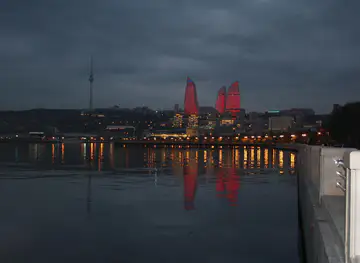
Flame Towers
Baku's iconic trio of flame-shaped skyscrapers, a modern symbol of Azerbaijan's rich history and vibrant future, offering stunning city views.
-
Restaurant
Shirvanshah Museum Restaurant
Experience Azerbaijani culture through cuisine, art, and music in a historic 19th-century setting in Baku's UNESCO-listed Old City.


Explore Mountainous Shirvan on the map
Plan your trip on one map. See where the top cities, national parks and sights are, and book hotels and experiences in a few clicks.
Best hotels in Mountainous Shirvan
Best restaurants in Mountainous Shirvan
Dining in Mountainous Shirvan is grounded in Azerbaijani home-style cooking and the produce of its foothills. Restaurants in Shamakhi and Ismayilli commonly serve grilled meats, kebabs, soups, rice dishes, salads, breads and dolma, while rural establishments may offer simpler menus based on seasonal ingredients. Fruits, walnuts, honey, preserves and dairy products are important local products, and the mountain districts are well suited to tasting regional teas and homemade sweets. Lahij and Basqal are places to look for food served alongside craft and village visits rather than for a large formal restaurant scene. Market stalls and small shops can provide fresh fruit, dried produce and baked goods, although their availability changes with the season. Azerbaijani dining customs often involve generous shared dishes, and tea may follow a meal. In outlying areas, confirm arrangements with a guesthouse or local host in advance, particularly outside the main daytime travel period.
-
Restaurant
Zeyneb Ailevi Türk Restoranı
Experience authentic Turkish flavors at Zeyneb Ailevi Türk Restoranı in Shirvan - a true taste of Turkey awaits!
-
Restaurant
Urfa Ailevi Restoranı
Experience authentic Azerbaijani cuisine at Urfa Ailevi Restoranı in Shirvan—where every meal tells a story.
-
Restaurant
«Arifin restorani» (Ailevi istirahet mekani)
Experience authentic Azerbaijani cuisine at Arifin Restorani in Baskal – where tradition meets flavor in every dish.
-
Restaurant
Yurd Restaurant
Experience authentic Azerbaijani cuisine at Yurd Restaurant in Goychay—where tradition meets taste in a family-friendly setting.


Best bars in Mountainous Shirvan
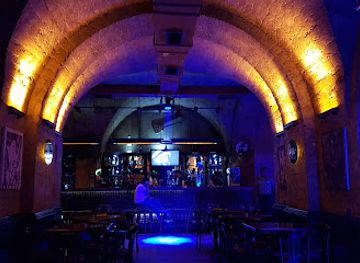
Nightlife in Mountainous Shirvan is quiet and locally oriented rather than centred on nightclubs. Evenings in Shamakhi and Ismayilli generally revolve around restaurants, teahouses, cafés and hotel dining rooms, with conversation and tea more prominent than late-night entertainment. Traditional Azerbaijani music may be heard at cultural occasions or local celebrations, but events and venues are not necessarily scheduled for visitors. In villages such as Lahij and Basqal, guesthouses and family-run restaurants provide the main evening social setting, while rural areas become peaceful soon after dark. Visitors should not expect the bar districts found in Baku, and alcohol is not required to participate in local hospitality. Those seeking a wider choice of live music, clubs or international-style bars will find it outside the region in the capital, rather than in Mountainous Shirvan itself.
-
 Bar
Akıyan Noyabr Surpriz
Discover the lively bar scene at Akıyan Noyabr Surpriz in Shirvan, where culture meets vibrant nightlife in an inviting atmosphere.
-
Bar
Amciq kenan
Experience the vibrant atmosphere of Amciq Kenan in Goychay, where local culture meets delightful drinks in a cozy setting.
-
Pub
Old City Beer
Discover the vibrant atmosphere of Old City Beer in Shirvan, where local brews meet warm hospitality and lively entertainment.
-
Bar
SS PUB
Discover the lively ambiance of SS PUB in Ujar, a perfect place for socializing, enjoying local drinks, and experiencing vibrant nightlife.
Best nightclubs in Mountainous Shirvan
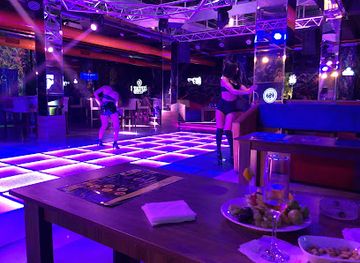
Nightlife in Mountainous Shirvan is quiet and locally oriented rather than centred on nightclubs. Evenings in Shamakhi and Ismayilli generally revolve around restaurants, teahouses, cafés and hotel dining rooms, with conversation and tea more prominent than late-night entertainment. Traditional Azerbaijani music may be heard at cultural occasions or local celebrations, but events and venues are not necessarily scheduled for visitors. In villages such as Lahij and Basqal, guesthouses and family-run restaurants provide the main evening social setting, while rural areas become peaceful soon after dark. Visitors should not expect the bar districts found in Baku, and alcohol is not required to participate in local hospitality. Those seeking a wider choice of live music, clubs or international-style bars will find it outside the region in the capital, rather than in Mountainous Shirvan itself.
-
Night club
Nightoffice
Dive into Baku's nightlife at Nightoffice, where music, dancing, and unforgettable memories await in the heart of the city.
-
Club
MOJO club
Discover the pulsating nightlife of Baku at MOJO Club, where great music meets an electrifying atmosphere for an unforgettable experience.
-
Night club
Otto
Discover the nightlife of Baku at Otto, a vibrant night club offering electrifying music, live performances, and an unforgettable party atmosphere.
-
Night club
Status Club Baku
Experience the vibrant nightlife of Baku at Status Club, where electrifying music and stylish ambiance create unforgettable nights.


Best shops in Mountainous Shirvan
Shopping in Mountainous Shirvan is strongest in historic villages and market towns rather than purpose-built retail centres. Lahij is associated with handmade copperware, including vessels and decorative objects produced through a craft tradition that remains central to the settlement’s visitor appeal. Basqal is known for silk-related traditions and patterned kerchiefs, although the availability and presentation of products varies between workshops and seasons. In Shamakhi and Ismayilli, small shops and markets are useful for Azerbaijani food products such as honey, preserves, walnuts, dried fruit, tea and seasonal produce. Rural guesthouses may also sell homemade goods or direct visitors to local makers. Check that craft items are genuinely locally produced and handle older-looking objects carefully, as not everything presented as traditional is necessarily antique. The region is better suited to meaningful craft and food purchases than to extensive fashion or luxury shopping; for major commercial centres, visitors generally need to continue to Baku.
-
Grocery store
Arcline Şirvan Ofice
Discover the essence of Azerbaijani cuisine at Arcline Şirvan Ofice, where local flavors meet international selections in a warm shopping atmosphere.
-
Shopping mall
(Office and School Supplies)
Explore Agjabedi's leading shopping hub for office and school supplies, offering a wide range of quality products for students and professionals alike.
-
Clothing store
Zara.shirvan
Explore the latest fashion trends at Zara Shirvan, your go-to clothing store in Azerbaijan for stylish and affordable apparel.
-
Clothing store
LC Waikiki
Shop stylish clothing and accessories at LC Waikiki in Shirvan, a fashion haven for tourists and locals alike.


Get your free copy of our complete guide to Mountainous Shirvan, delivered straight to you.
Everything on this page, from attractions and restaurants to essentials and local phrases, in one PDF you can read offline, print or share.
Already have an account? Sign in
Your Mountainous Shirvan guide is ready.
We'll send it to · Not you? Sign out

Getting your guide ready…
We are putting together a fresh copy of the Mountainous Shirvan guide. This can take up to a minute.
This can take a few moments. If your browser asks, choose Allow so the download can start. You'll find the guide in your Downloads folder.
Nothing happened? Download it again
Sorry, the guide is taking longer than usual. Please try again in a minute, or get it by email instead.
Mountainous Shirvan essentials
Currency and Payment
Safety
Emergency Situations
Do's and Don'ts
Local Tips
From Eve
Local phrases worth knowing
You don't need to get them perfect. A few words go a long way, and locals appreciate the effort.
Basics
| English | Local | Say it |
|---|---|---|
| Hello | Salam | [Sah-lahm] |
| Goodbye | Xudahafiz | [Khoo-dah-hah-fiz] |
| Yes | Bəli | [Beh-lee] |
| No | Xeyr | [Khayr] |
| Please/You're welcome | Zəhmət olmasa | [Zeh-met ol-mah-sah] |
| Thank you | Təşəkkür edirəm | [Teh-sheh-kyoor eh-dee-rem] |
| Excuse me/Sorry | Bağışlayın | [Bah-uhsh-lah-yin] |
| How are you? | Necəsiz? | [Neh-jeh-siz?] |
| Fine. And you? | Yaxşı. Siz necə? | [Yahsh-uh. Siz neh-jeh?] |
| Do you speak English? | İngiliscə danışırsınız? | [In-gil-ee-sah dah-nee-shee-r-sin-iz?] |
| I don't understand | Mən başa düşmürəm | [Men bah-shah doosh-moo-rem] |
Eating & Drinking
| English | Local | Say it |
|---|---|---|
| I'd like to see the menu, please | Zəhmət olmasa, menyunu görmək istərdim | [Zeh-met ol-mah-sah, meh-nyoo-noo goor-mek ees-ter-dim] |
| I don't eat meat | Mən ət yemirəm | [Men aht ye-mi-rem] |
| Cheers! | Şərəf! | [Sheh-reh-f] |
| I would like to pay, please | Zəhmət olmasa, ödəmək istəyirəm | [Zeh-met ol-mah-sah, oh-deh-mek ehs-teh-ye-rem] |
Emergencies
| English | Local | Say it |
|---|---|---|
| Help! | Kömək edin! | [Kyo-mehk eh-din!] |
| Go away! | Get buradan! | [Get boo-ra-dan!] |
| Call the Police! | Polis çağırın! | [Po-lis cha-ghir-in!] |
| Call a doctor! | Həkim çağırın! | [Heh-kim cha-ghir-in!] |
| I'm lost | Mən itmişəm | [Men eet-me-shem] |
| I'm ill | Mən xəstəyəm | [Men khes-teh-yem] |
Shopping
| English | Local | Say it |
|---|---|---|
| I'd like to buy... | Mən ... almaq istəyirəm | [Men ... al-mah-k ees-teh-ye-rem] |
| I'm just looking | Mən sadəcə baxıram | [Men sah-deh-jah bah-khi-ram] |
| How much is it? | Bu nə qədərdir? | [Boo neh keh-dahr-dir?] |
| That's too expensive | Bu çox bahadır | [Boo chokh bah-hah-dir] |
| Can you lower the price? | Qiyməti endirə bilərsiniz? | [Kee-mah-tee en-dee-reh bi-lir-sin-iz?] |
Time & Numbers
| English | Local | Say it |
|---|---|---|
| What time is it? | Saat neçədilər? | [Sah-at neh-cheh-dee-lar?] |
| It's one o'clock | Saat birdir | [Sah-at beer-dir] |
| Half past (10) | On bir yarım | [On beer yah-rim] |
| Morning | Səhər | [Sah-her] |
| Afternoon | Günortadan sonra | [Goon-or-tah-dan sohn-rah] |
| Evening | Axşam | [Ahkh-shahm] |
| Yesterday | Dünən | [Doo-nen] |
| Today | Bu gün | [Boo goon] |
| Tomorrow | Sabah | [Sah-bah] |
| 1 | Bir | [Beer] |
| 2 | İki | [Ee-kee] |
| 3 | Üç | [Uch] |
| 4 | Dörd | [Dord] |
| 5 | Beş | [Besh] |
| 6 | Altı | [Al-tee] |
| 7 | Yeddi | [Yed-dee] |
| 8 | Səkkiz | [Sah-kkeez] |
| 9 | Doqquz | [Doh-khuz] |
| 10 | On | [On] |
Transport & Directions
| English | Local | Say it |
|---|---|---|
| Where's a/the...? | Nerədə ... var? | [Neh-reh-deh ... var?] |
| What's the address? | Ünvan nədir? | [Oon-vahn neh-deer?] |
| Can you show me (on the map)? | Mənə (xəritədə) göstərə bilərsiniz? | [Meh-neh (kheh-ree-teh-deh) goh-steh-reh bi-lir-sin-iz?] |
| When's the next (bus)? | Növbəti (avsbus) nə vaxtdır? | [Noh-v-beh-tee (avs-boos) neh vahk-dır?] |
| A ticket (to ....) | Bir bilet (.... üçün) | [Beer bee-let (.... oo-choon)] |
History of Mountainous Shirvan
Ancient settlements and Caucasian Albania
The valleys and foothills of present-day Mountainous Shirvan have been occupied since antiquity, benefiting from routes linking the Caspian lowlands with the interior Caucasus. The wider area was influenced by Caucasian Albania, an ancient polity whose cultural and religious legacy extended across much of northern Azerbaijan. Archaeological remains in the region reflect changing settlement, agricultural and trading patterns, although many sites are fragmentary and should not be treated as single, intact ancient cities. The landscape’s strategic position later helped make Shirvan an important corridor between eastern Transcaucasia and neighbouring highland districts.
Shirvanshah rule and the rise of Shamakhi
From the early medieval period, Shamakhi developed as a major centre of the Shirvanshah state, which governed much of Shirvan for centuries. The city benefited from trade routes, agricultural hinterlands and its position between the Caspian region and the Caucasus. Courtly culture, Islamic scholarship and architecture flourished under the Shirvanshahs, while earthquakes repeatedly damaged the settlement. The Juma Mosque and the Yeddi Gumbaz mausoleum complex are among the most visible reminders of Shamakhi’s historical importance, even though much of the medieval capital has been altered or lost.
Islamic, Persianate and Caucasian cultural influences
Mountainous Shirvan developed within a cultural zone shaped by Persianate administration, Turkic-speaking populations, Islamic institutions and long-established Caucasian communities. Religious buildings, mausoleums, craft traditions and place names reflect this layered history rather than a single cultural period. Shrines such as Diri Baba near Maraza belong to a wider tradition of sacred landscapes in which caves, cliffs and springs acquired religious significance. The region’s villages also preserved distinctive forms of domestic architecture and artisanal production, particularly in the mountain districts around Lahij and Basqal.
Safavid, Ottoman and regional political transformations
From the sixteenth century, Shirvan became contested within the struggles involving the Safavid state, the Ottoman Empire and local political authorities. These changes affected taxation, military organisation, religious institutions and the movement of merchants across the region. Shamakhi remained an important urban centre, while rural settlements supplied agricultural goods and craft products to larger markets. Political control shifted more than once, and the area’s built heritage consequently combines local traditions with architectural and administrative influences from wider Iranian, Ottoman and Caucasian spheres.
Earthquakes and the changing fortunes of Shamakhi
Shamakhi has been repeatedly affected by destructive earthquakes, including major events in the nineteenth century. Seismic damage contributed to the city’s decline relative to other regional centres and encouraged rebuilding in new forms. The history of earthquakes is therefore central to understanding why surviving monuments stand beside more recent structures and why the modern city does not present a completely preserved medieval urban landscape. Restoration of religious and historic buildings has helped maintain Shamakhi’s role as one of Azerbaijan’s principal heritage destinations.
Russian imperial administration and new communications
After the Russian Empire consolidated control over the eastern Caucasus in the early nineteenth century, Mountainous Shirvan was incorporated into new imperial administrative structures. Roads, postal links and later modern transport connections altered the relationship between mountain villages and lowland towns. Agricultural production and craft exchange continued, while local communities adapted to new bureaucratic and commercial systems. The period also brought broader political and demographic changes across Azerbaijan, setting the context for later Soviet administration and the transformation of regional economies.
Craft, agriculture and the Soviet period
During the Soviet era, traditional village economies were reorganised through collective agriculture, state institutions and improved roads. Shamakhi, Ismayilli, Agsu and surrounding settlements became linked to wider production networks, while some household crafts declined or survived in altered form. Silk-related work in Basqal and copper craftsmanship in Lahij endured as important elements of local identity, later becoming part of cultural tourism. Soviet construction, public buildings and agricultural infrastructure remain part of the region’s modern visual character alongside older mosques, shrines and village houses.
Independent Azerbaijan and heritage-led tourism
Since Azerbaijan regained independence in 1991, Mountainous Shirvan has seen investment in roads, religious monuments, village tourism and the presentation of historic crafts. Restoration at sites in Shamakhi and Maraza has strengthened their role in domestic and international itineraries, while Lahij and Basqal are promoted for architecture and artisanal traditions. Tourism remains uneven, with established heritage sites easier to visit than remote mountain areas. The region’s contemporary identity is consequently being shaped by both rural economic change and renewed interest in Shirvan’s historical and cultural inheritance.
Mountainous Shirvan in Photos
Browse through our photo collection highlighting the charm and character of the destination.
Neighbouring regions of Mountainous Shirvan
The closest regions to Mountainous Shirvan, if you have time for more than one.
-

-

-

-

-


Swipe for more regions
Explore more
Explore more of Azerbaijan
Discover Azerbaijan: A captivating blend of ancient heritage, stunning natural landscapes, and vibrant modernity at the crossroads of Europe and Asia.
Explore Azerbaijan