

Best Landmarks Near Lalbagh Fort
Planning a trip to Lalbagh Fort? Discover the best landmarks nearby with history, expert tips, and routes. Free on web or the Evendo app.


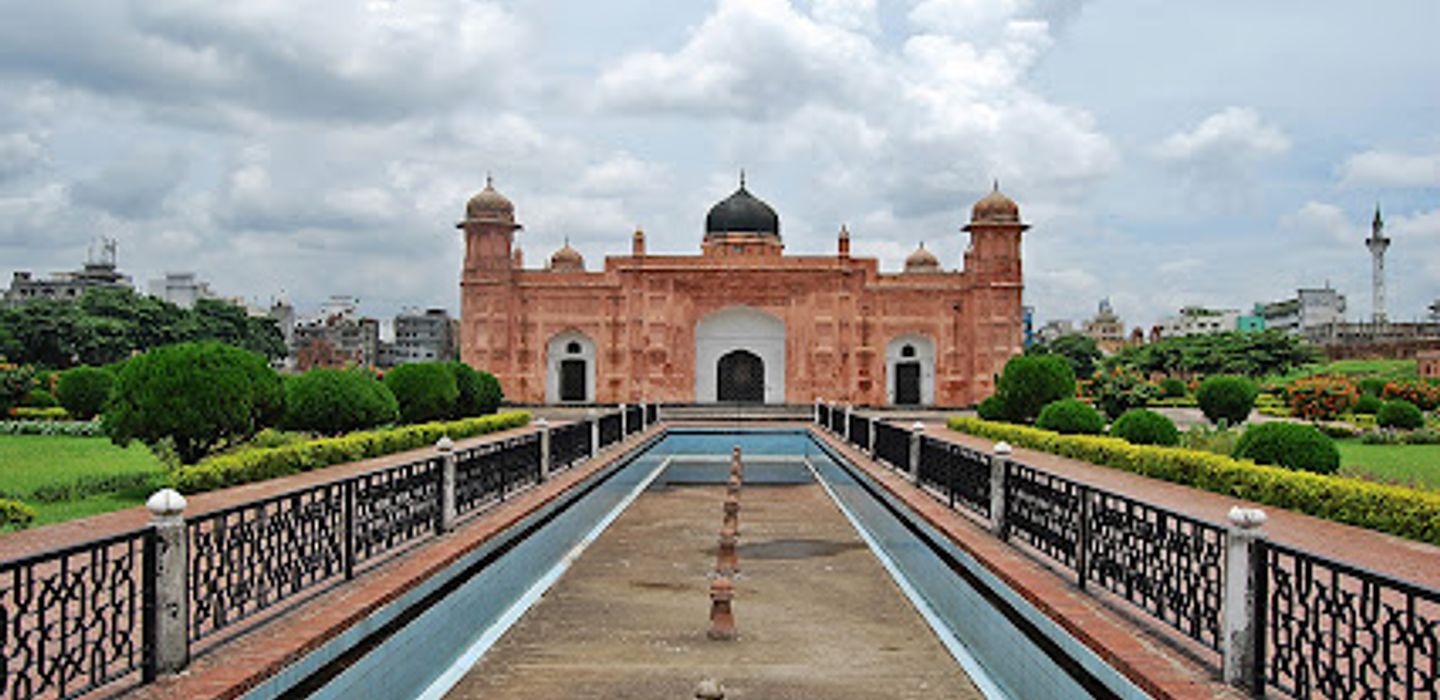
The best landmarks near Lalbagh Fort
- Top rated
- Closest to Lalbagh Fort
- A–Z
36 landmarks
-
Historical landmark4.5★28,118 reviews
Lalbagh Fort
Lalbagh Fort, an unfinished 17th-century Mughal marvel in Dhaka, Bangladesh, offers a captivating glimpse into the region's rich history. Construction commenced in 1678 by Prince Muhammad Azam, son of Emperor Aurangzeb, but was never completed, shrouded in tales of untimely death and imperial disinterest. Despite its incomplete state, the fort showcases impressive Mughal architecture, featuring intricate designs, sprawling gardens, and historical structures like the Diwan-i-Aam, the Tomb of Pari Bibi, and the Quilla Mosque. Visitors can explore the fort's museum, displaying Mughal-era artifacts, and wander through the serene gardens, offering a respite from the bustling city. A visit to Lalbagh Fort is a journey back in time, revealing the grandeur and ambition of the Mughal Empire in Bengal and providing a unique perspective on Dhaka's cultural heritage. It's a must-see for history enthusiasts and anyone seeking to experience the beauty and complexity of this historical landmark.
-
Historical landmark4.4★24,492 reviews
Sohrawardy Udyan
Sohrawardy Udyan, located in the heart of Dhaka, is a 95-acre national memorial and public space with immense historical significance. Formerly known as Ramna Race Course, it witnessed pivotal events in Bangladesh's struggle for independence, including Sheikh Mujibur Rahman's historic speech in 1971 and the Pakistani army's surrender in the same year. Today, it serves as a green oasis in the bustling city, offering a serene escape and a place for reflection.
Daily 5:00–22:30
-
Historical landmark4.6★18,826 reviews
Central Shaheed Minar
The Central Shaheed Minar is a national monument in Dhaka, Bangladesh, commemorating the martyrs of the 1952 Bengali Language Movement. This pivotal movement fought for the recognition of Bengali as an official language. The monument symbolizes the enduring spirit of Bengali linguistic and cultural identity and stands as a poignant reminder of sacrifice and unity.
-
Historical place museum4.4★17,372 reviews
Ahsan Manzil Museum
Ahsan Manzil, the 'Pink Palace' of Dhaka, is a beautifully restored architectural gem that once served as the residence of the Nawab family. Situated on the banks of the Buriganga River, this museum offers a captivating journey into the lives of Bengal's elite during the 19th century. Explore its opulent rooms, admire the Indo-Saracenic architecture, and discover a rich collection of artifacts that tell the story of Dhaka's Nawabs. From the grand Durbar Hall to the serene gardens, Ahsan Manzil provides a fascinating glimpse into a bygone era of power, culture, and lavish lifestyle. A visit here is a must for anyone seeking to understand the historical and cultural heritage of Bangladesh and experience the grandeur of its past.
-
Hindu temple4.6★9,446 reviews
Dhakeshwari National Temple
The Dhakeshwari National Temple, meaning 'Goddess of Dhaka,' stands as Bangladesh's most significant Hindu temple and a powerful symbol of the nation's cultural and religious heritage. Believed to have been established in the 12th century by King Ballal Sen, the temple is dedicated to Goddess Dhakeshwari, an incarnation of Durga. Over centuries, it has evolved into a vital center for Hindu worship and socio-cultural activities, drawing devotees and visitors alike. The temple complex showcases a blend of traditional Bengali architectural styles, housing several shrines, a spacious courtyard, and a museum displaying ancient artifacts. Despite facing challenges throughout history, including damage during the Liberation War, the Dhakeshwari Temple remains a beacon of spiritual resilience and religious harmony, hosting major festivals like Durga Puja and Janmashtami, and serving as a focal point for Dhaka's Hindu community and a testament to Bangladesh's commitment to religious diversity.
Daily 8:00–12:30, 16:30–19:30
-
Mosque4.6★3,258 reviews
Chawkbazar Shahi Jame Masjid
The Chawkbazar Shahi Jame Masjid, also known as Chawk Mosque, stands as a significant historical and architectural landmark in Old Dhaka. Constructed in 1664 by Mughal Subahdar Shaista Khan, it's revered as the 'Royal Mosque' due to its founder's status. The mosque's design, originally inspired by Tughlaq architecture, features a raised platform supporting a three-domed structure. Over centuries, renovations have altered its original form, yet it remains a vibrant center of worship and a testament to Dhaka's rich Mughal heritage. Today, the mosque can accommodate around 10,000 worshipers. Visiting during Ramadan offers a unique cultural experience, with the adjacent Chawkbazar transforming into a bustling hub for Iftar delicacies. Despite the surrounding chaos of Old Dhaka, the mosque provides a serene escape, inviting visitors to appreciate its blend of history, architecture, and spiritual significance.
Open 24 hours
-
Mosque4.7★2,440 reviews
Tara Masjid
Tara Masjid, also known as the Star Mosque, is a stunning architectural gem located in the Armanitola area of Old Dhaka, Bangladesh. Renowned for its intricate star motifs crafted from china clay mosaic, it stands as a captivating testament to Dhaka's rich cultural and artistic heritage.
Open 24 hours
-
Mosque4.6★1,736 reviews
Khan Mohammad Mridha Masjid
Nestled in the historic Lalbagh area of Dhaka, the Khan Mohammad Mridha Mosque stands as a testament to Mughal architectural brilliance. Constructed in the early 18th century (circa 1704-1705 AD), this three-domed mosque, built by Khan Mohammad Mirza under the order of Qazi Ibadullah, offers a serene escape from the bustling city. Elevated on a 5.8-meter-high platform, the mosque provides stunning views and a unique perspective on the surrounding landscape. Its design, featuring intricate ornamentation, slender minarets, and a blend of Persian and Mughal styles, reflects the rich cultural heritage of the time. Visitors are welcome to explore this historical landmark, appreciating its detailed craftsmanship and tranquil atmosphere. Remember to dress modestly, covering heads for women, and respect prayer times to fully experience the mosque's spiritual ambiance. The mosque is not just a place of worship but also a window into Dhaka's captivating past.
Open 24 hours
-
Park4.1★1,261 reviews
Shikkatuly Park
Shikkatuly Park, located in the historic Bangshal area of Dhaka, provides a green escape from the city's hustle. With well-maintained gardens and pathways, it's a place for relaxation and recreation for families and individuals alike.
Daily 6:00–20:00
-
Orthodox church4.4★956 reviews
Armenian Church Dhaka
The Armenian Church, officially the Armenian Apostolic Church of the Holy Resurrection, stands as a poignant reminder of Dhaka's diverse history. Built in 1781 in the Armanitola area, it testifies to the presence of a vibrant Armenian community that thrived in the region during the 17th and 18th centuries. The church, constructed on what was once an Armenian graveyard, showcases a unique architectural style and holds within its walls a rich history of trade, cultural exchange, and the enduring legacy of a community that significantly contributed to the city's development. Today, it serves as a heritage site, attracting visitors interested in exploring Dhaka's multicultural roots and the stories etched in its timeworn tombstones and walls. The church is a serene escape from the bustling city, offering a glimpse into a bygone era and a chance to reflect on the interconnectedness of cultures.
Daily 9:00–17:00


Shah Shaheb Bari Bot Tola
Shah Shaheb Bari Bot Tola, nestled in Dhaka's Lalbagh area, is a historical landmark known for its ancient banyan tree and spiritual significance. It's a place where visitors can experience the authentic heart of Dhaka, away from the typical tourist trails.

Swadhinata Stambha
The Swadhinata Stambha, or Independence Monument, stands as a powerful reminder of Bangladesh's struggle for liberation in 1971. Located in Sohrawardi Uddan, a historically significant park in Dhaka, this monument commemorates the events that led to the country's independence. The park itself is steeped in history, serving as the site where Sheikh Mujibur Rahman delivered his famous 7th March speech, and where the Pakistani Instrument of Surrender was signed, marking the end of the Liberation War. The monument, designed by architects Kashef Mahboob Chowdhury and Marina Tabassum, features a striking tower composed of stacked glass panels that illuminate at night, symbolizing hope and resilience. Visitors can explore the surrounding complex, which includes a museum, amphitheater, and multimedia projection theater, to gain a deeper understanding of Bangladesh's journey to freedom. A visit to Swadhinata Stambha offers a poignant and educational experience, fostering a sense of national pride and reflection.
Open 24 hours

Lalbagh Fort Museum
Lalbagh Fort Museum in Dhaka is a captivating blend of history and architecture, showcasing the grandeur of Mughal design. Tourists will be enchanted by the beautiful gardens and rich artifacts that narrate Bangladesh's past.
Daily 9:00–17:00

Buriganga River
The Buriganga River, meaning 'Old Ganges,' flows past Dhaka, Bangladesh, and has been the city's lifeline for centuries. Though now heavily polluted, it remains economically vital, offering transport and a glimpse into Dhaka's bustling river culture.

Gurudwara Nanak Shahi
Gurudwara Nanak Shahi, the principal Sikh temple in Bangladesh, stands proudly on the Dhaka University campus, a serene testament to Guru Nanak's visit in the early 16th century. Established in 1830 and renovated in the late 1980s, this Gurudwara, once known as Sujatpur Sikh Sangat, welcomes people of all faiths. Its Indo-Mughal architecture, coupled with the preservation of Sikh relics like Guru Teg Bahadur Singh's sandals, offers a unique cultural and spiritual experience. Visitors can partake in daily prayers, weekly congregations with free food, and explore the adjacent Sikh Research Center, making it a significant landmark of peace and interfaith harmony in the bustling city of Dhaka. The Gurudwara serves as a reminder of the rich Sikh heritage in Bangladesh and the message of unity and brotherhood preached by Guru Nanak.
Open 24 hours

Tomb House of Pori Bibi
The Tomb House of Pori Bibi, located within Lalbagh Fort in Dhaka, is a captivating Mughal mausoleum. Dedicated to Pori Bibi, it showcases a blend of Mughal and local Bengali architectural styles and stands as a testament to a poignant love story.

Book sale
Nilkhet Book Market in Dhaka is a bustling hub for students and book lovers, offering a wide array of affordable books, magazines, and academic resources. With a history spanning over four decades, it has become a vital part of the city's educational and cultural landscape.
Mon 9:00–21:00 · Wed–Sun 9:00–21:00

The Great Musa Khan Mosque
The Great Musa Khan Mosque, located on the University of Dhaka campus, is a historic Mughal-era mosque named after Musa Khan, son of the famed Isa Khan. Constructed in the 18th century, it showcases Mughal architectural style and stands as a testament to the region's rich history.
Open 24 hours

Hussaini Dalan
Hussaini Dalan, a historic Shia shrine in Old Dhaka, stands as a testament to Mughal-era architecture and the enduring traditions of the Shia Muslim community in Bangladesh. Built in the 17th century, it serves as a center for religious gatherings, particularly during Muharram, and offers a serene escape from the city's bustle.

Dhaka City Museum
The Dhaka City Museum, also known as Dhaka Nagar Jadughar, is a local museum dedicated to preserving and showcasing the rich history, heritage, and culture of Dhaka city. Established in 1987, it offers visitors a glimpse into the city's evolution through an extensive collection of artifacts, photographs, and documents. Housed within the Nagar Bhaban, the museum aims to create awareness about Dhaka's traditions, highlight its problems, and preserve important historical documents. While modest in size, it provides valuable insights into the city's past, making it a worthwhile visit for those interested in Dhaka's history and cultural identity. The museum's exhibits include historical photographs, publications, coins, and items related to notable figures and events in Dhaka's history.
Mon–Thu 8:00–19:00 · Sun 8:00–19:00

Shahidullah Hall Pond
Escape the bustling city of Dhaka at Shahidullah Hall Pond, a serene and historically significant oasis nestled within the Dhaka University campus. This picturesque pond, adjacent to Shahidullah Hall, offers a tranquil retreat for relaxation and reflection. Surrounded by lush greenery and the historic architecture of the university, the pond provides a calming atmosphere, inviting visitors to unwind and connect with nature. Popular among locals and tourists alike, it's an ideal spot for reading, picnicking, or simply enjoying the peaceful ambiance. The pond's historical ties to Shahidullah Hall and the university add to its charm, making it a must-visit destination for those seeking a moment of serenity amidst the vibrant city. Capture the stunning scenery, especially during sunset when the water reflects the sky's vibrant colors. Whether you're a student, a tourist, or a local resident, Shahidullah Hall Pond offers a refreshing escape and a chance to appreciate the beauty and tranquility within Dhaka's urban landscape.

Kadam Foara
Kadam Foara, nestled in the bustling Ramna area of Dhaka, is a refreshing urban oasis offering a moment of tranquility amidst the city's vibrant chaos. This meticulously designed fountain, resembling the Kadam flower, provides a visual spectacle and a serene atmosphere. Its location near the High Court and other significant landmarks makes it a convenient and accessible escape for locals and tourists alike. The surrounding area, recently declared a noise-free zone, enhances the peaceful experience, allowing visitors to appreciate the beauty of the fountain and its surroundings. Whether you're seeking a brief respite from the city's hustle or a picturesque spot for contemplation, Kadam Foara offers a unique blend of art, nature, and urban serenity, making it a worthwhile addition to your Dhaka itinerary. The fountain's design and location create a unique intersection of art and urban life.
Open 24 hours

Zinzira Palace
Zinzira Palace, nestled in Keraniganj, unveils a captivating glimpse into Bangladesh's Mughal past. Built in the late 17th century by Ibrahim Khan II as a riverside retreat, it later served as a place of confinement for the Nawab family after the Battle of Plassey. Though now largely in ruins, the palace still whispers tales of imperial ambition and tragic imprisonment. Explore the remnants of its architecture, including the gateway and octagonal towers, and imagine the lives that unfolded within its walls. While visiting, consider exploring the local markets and eateries to experience the vibrant culture of Keraniganj. A visit here offers a poignant reflection on the rise and fall of empires and the enduring spirit of the region.
Open 24 hours

Kartalab Khan Masjid
The Kartalab Khan Masjid, also widely known as Begum Bazar Mosque, stands as a significant testament to Mughal architecture in Old Dhaka. Constructed between 1700 and 1704 by Diwan Murshid Quli Khan, also known as Kartalab Khan, the mosque distinguishes itself with its five domes, a departure from the typical three-domed Mughal design. The mosque is built on a high vaulted platform, with chambers underneath that are now used as shops. Its unique features include a 'dochala' annex resembling a Bengali hut and a 'baoli' or stepped well, a rarity in Bengal. Despite renovations, the mosque retains its historical essence, offering a serene escape amidst the bustling city. Visitors can appreciate the intricate details and the peaceful atmosphere, making it a worthwhile destination for those interested in history and architecture.
Daily 5:00–22:00

Nimtali Deuri
Nimtali Deuri, located in Dhaka, Bangladesh, stands as a poignant reminder of the city's Mughal past. This heritage building, though partially lost to time and development, offers a glimpse into the architectural and cultural influences that shaped Dhaka during the Mughal era. The remaining structure, a gateway, showcases intricate designs and serves as a historical marker amidst the modern cityscape. Visiting Nimtali Deuri provides an opportunity to reflect on the rich history of Dhaka and appreciate the legacy of the Nawabs. While not as grand as it once was, its historical significance and architectural details make it a worthwhile stop for history enthusiasts and those seeking to connect with Dhaka's heritage. The site offers a quiet escape from the bustling city, inviting contemplation and a deeper understanding of the region's cultural evolution. Exploring this landmark provides a unique perspective on the layers of history that define Dhaka.
Thu 10:00–17:00 · Fri 10:00–13:00, 14:00–17:00

Bara Katra
Bara Katra, an architectural gem in Dhaka, is a must-visit for any tourist eager to explore the rich history of the Mughal era. This stunning monument not only boasts impressive architecture but also offers a deeper understanding of the cultural heritage that shaped Bangladesh.

Jagannath Hall Killing Field
Jagannath Hall Killing Field stands as a somber reminder of the Bangladesh Liberation War of 1971. Located within the University of Dhaka, this historical site marks the location of a brutal massacre where hundreds of students and staff were killed by the Pakistani Army during Operation Searchlight. Today, it serves as a place of remembrance and reflection, honoring the victims and reminding visitors of the sacrifices made for Bangladesh's independence. The site features memorials and monuments dedicated to those who lost their lives, offering a poignant experience for those seeking to understand the nation's history. Visiting this site provides a unique opportunity to connect with the past and pay respects to the fallen. The serene yet sorrowful atmosphere encourages contemplation and offers a deeper understanding of Bangladesh's struggle for freedom. It is a must-visit for anyone interested in history, culture, and the human cost of conflict.
Open 24 hours

Dhaka Gate
Dhaka Gate, also known as Mir Jumla's Gate or Ramna Gate, stands as a testament to Dhaka's rich history. Believed to have been built by Mir Jumla II during the Mughal era, it once served as the northern entrance to the city, guarding against pirate attacks. Though debated among historians, its architectural style blends Mughal and European influences. Severely damaged and rebuilt over time, most recently in 2024, it now resides near Curzon Hall and Shishu Academy on the University of Dhaka campus. A popular spot for photos, the gate offers a glimpse into Dhaka's past and architectural heritage, now enhanced with granite seating and the relocated Bibi Mariam Cannon.

Old High Court Building
The Old High Court Building in Dhaka is a significant historical and architectural landmark. Built in the early 20th century, it showcases European Renaissance style and served as an official residence and governmental office before becoming the High Court after the partition of India in 1947. Today, it stands as a reminder of Dhaka's colonial past.
Mon–Thu 9:00–17:00 · Sun 9:00–17:00

Old House at Armanitola
The Old House at Armanitola, situated in Dhaka's historic Lalbagh area, offers a glimpse into the city's rich cultural heritage. Reflecting a blend of Bengali and colonial architectural styles, this landmark stands as a testament to Dhaka's diverse past and the Armenian community's influence on the area.

Bijoy Batayan
Bijoy Batayan, located near Fazlul Huq Muslim Hall at the University of Dhaka, stands as a powerful symbol of Bangladesh's triumph and heritage. This historical landmark, whose name translates to 'Victory Arc,' commemorates the nation's struggle for independence and the sacrifices made during the Liberation War. The monument's design incorporates elements that represent different aspects of Bangladeshi culture and history, making it a significant site for reflection and remembrance. Visitors are drawn to its aesthetic appeal, especially when illuminated at night, and its historical importance, offering a poignant reminder of the nation's journey to freedom. Its central location within the university campus makes it easily accessible and a focal point for students and tourists alike, fostering a sense of national pride and historical awareness.
Kazi Bari
Kazi Bari, a historical landmark in Dhaka's Kotwali area, offers a captivating journey into the city's rich cultural heritage. This over-200-year-old estate, also known as Qazi Bari Heritage Estate, showcases a unique blend of Mughal, Sultani, and British architectural styles. Once home to the esteemed Qazi family, who established a separate court system based on Muslim law during British rule, the estate now stands as a testament to Dhaka's vibrant past. Visitors can explore intricately designed rooms, admire antique artifacts, and stroll through serene gardens, experiencing the tranquility amidst the bustling city. Kazi Bari provides an enriching experience for history enthusiasts and casual travelers alike, offering a glimpse into the lives and legacies of one of Old Dhaka's most prominent families. The estate's well-preserved interiors and historical significance make it a worthwhile destination for those seeking to delve into the cultural depths of Dhaka.

স্বাধীনতার দেয়াল
স্বাধীনতার দেয়াল (Freedom Wall) in Dhaka is more than just a wall; it's a vibrant public art space in City Corporation Market that embodies Bangladesh's journey to independence and its commitment to freedom of expression. This dynamic landmark showcases the city's ever-changing social, political, and cultural landscape through colorful murals and graffiti.

Curzon Hall
Curzon Hall, situated on the Dhaka University campus, is a striking example of colonial-era architecture that seamlessly blends European and Mughal styles. Built in the early 20th century, it has served various purposes, from a town hall to a crucial part of Dhaka University's science faculty. The building played a significant role in the Language Movement of 1952, solidifying its place in Bangladesh's history. Visitors are drawn to its picturesque gardens, intricate designs, and the serene atmosphere it exudes. Its red-brick facade, adorned with domes and arches, offers a unique visual experience, making it a must-see landmark in Dhaka. Explore the halls, witness classrooms in action, and appreciate the historical and cultural importance of this iconic structure. A visit to Curzon Hall provides a glimpse into the academic and cultural heart of Dhaka.

সাবেক ঢাকা রেলওয়ে স্টেশন। The former Dhaka Railway Station area
The Former Dhaka Railway Station area offers a glimpse into Dhaka's colonial past and its transformation into a bustling metropolis. Once a vital transportation hub constructed during the British Raj, the area showcases the architectural grandeur of the late 19th and early 20th centuries. Visitors can explore the vicinity, admiring the colonial-era structures and experiencing the vibrant atmosphere created by locals and tourists. The area is rich in culture and history, with shops, eateries, and local markets offering insights into the daily life of Dhaka residents. It serves as an excellent starting point for exploring other historical landmarks and museums in Dhaka, providing countless opportunities for stunning photographs that capture the spirit of the city.

Bangladesh
Kamrangirchar, a densely populated Thana in Old Dhaka, offers a raw and authentic glimpse into the city's vibrant soul. Situated on the Buriganga River, this area, once an island, is now a bustling hub of small industries, traditional markets, and diverse communities. While often overlooked by mainstream tourism, Kamrangirchar provides a unique opportunity to experience the daily life of ordinary Bangladeshis, explore its cultural tapestry, and witness the resilience of its people. From its bustling bazaars to its numerous places of worship, Kamrangirchar presents a sensory-rich experience far removed from the polished tourist trails, offering a deeper understanding of Dhaka's complex character. Despite its challenges, the area's strong sense of community and cultural heritage make it a compelling, if unconventional, destination for intrepid travelers seeking an unvarnished perspective.
Explore Lalbagh Fort on the map
A handpicked selection of must-see spots near Lalbagh Fort, mapped for you.
More about Lalbagh Fort
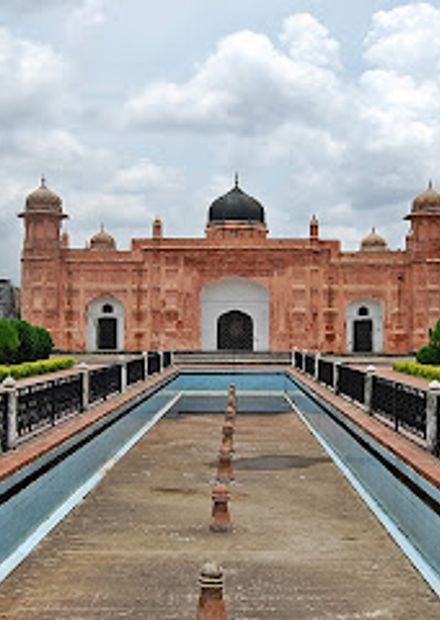
Lalbagh Fort travel guide
Discover the history and beauty of Lalbagh Fort, a must-visit historical landmark in Dhaka, Bangladesh
Tell me more about Lalbagh FortMore to explore near Lalbagh Fort

 Best experiences near Lalbagh Fort

 Best hotels near Lalbagh Fort

 Best attractions near Lalbagh Fort

 Best shops near Lalbagh Fort

 Best bars near Lalbagh Fort

 Best restaurants near Lalbagh Fort

Getting your guide ready…
We are putting together a fresh copy of the Lalbagh Fort guide. This can take up to a minute.
This can take a few moments. If your browser asks, choose Allow so the download can start. You'll find the guide in your Downloads folder.
Nothing happened? Download it again
Sorry, the guide is taking longer than usual. Please try again in a minute, or get it by email instead.

