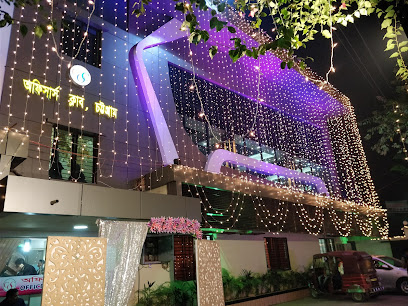
Nijhumdwip National Park: A Sanctuary of Silence and Wildlife
Discover Nijhumdwip National Park: A serene escape with mangrove forests, diverse wildlife, and tranquil beaches in Bangladesh.
Nijhumdwip National Park, also known as the 'Silent Island,' is a haven of natural beauty in Bangladesh. It features mangrove forests, diverse wildlife, and serene beaches, offering a tranquil escape for nature enthusiasts.
A brief summary to Nijhumdwip National Park
- নিঝুম দ্বীপ, 3890, BD
- Monday 12 am-12 am
- Tuesday 12 am-12 am
- Wednesday 12 am-12 am
- Thursday 12 am-12 am
- Friday 12 am-12 am
- Saturday 12 am-12 am
- Sunday 12 am-12 am
Local tips
- Visit during the winter months (October to April) for the best weather and to see migratory birds.
- Take a boat ride through the mangrove forests for a unique wildlife viewing experience.
- Consider staying overnight in Hatiya due to limited accommodation options on Nijhumdwip.
- Try local fish dishes for a taste of authentic Bangladeshi cuisine.
- Walk in silence to increase your chances of spotting deer and birds.

Getting There
-
Boat
From Hatiya, take a local motorboat or speedboat to Nijhumdwip. Motorbike taxis and auto drivers are available at Tomruddin launch ghat. A motorbike taxi to the ferry ghat at the southern tip of Hatiya Island costs around 350 Tk and takes over an hour. Autos can also be hired for 600-800 Tk. The ferry from Hatiya to Nijhumdwip costs 20 Tk, plus a 3 Tk dock fee. Speedboats are also available for a faster journey.
Discover more about Nijhumdwip National Park
Iconic landmarks you can’t miss

Hajirhat Launch Ghat
18.8 km
Experience the vibrant river life and stunning sunsets at Hajirhat Launch Ghat, your gateway to the serene beauty of Manpura Island in Bangladesh.
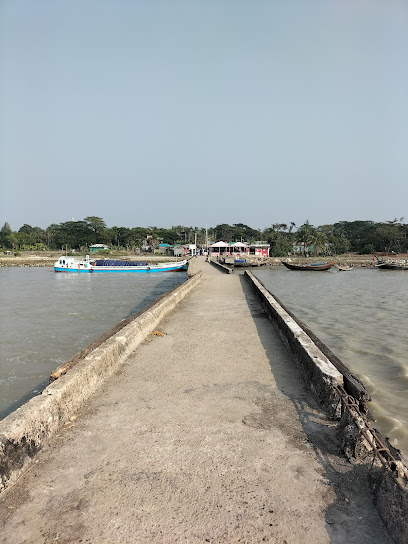
Shahid Mahmudul Hasan Ghat
48.4 km
Experience the vibrant river life of Bangladesh at Shahid Mahmudul Hasan Ghat, the gateway to the enchanting islands of the Bay of Bengal.
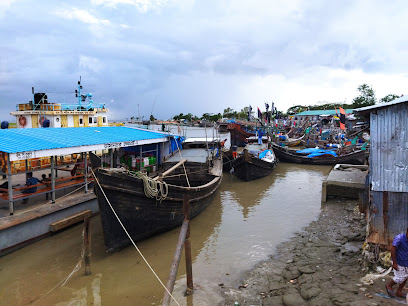
Central Sahid Minar
82.4 km
A poignant tribute to the martyrs of the Bengali Language Movement, symbolizing the fight for linguistic and cultural identity in Chattogram.
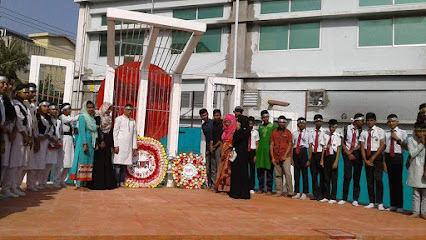
Vuter Goli(ভূতের গলি)
82.7 km
Discover the historical charm of Vuter Goli in Chattogram, a unique landmark offering a glimpse into the city's rich cultural heritage and architectural evolution.

Rakin Point
82.9 km
Discover Rakin Point in Chattogram: A serene coastal escape with scenic views at the meeting point of the Karnaphuli River and Bay of Bengal.
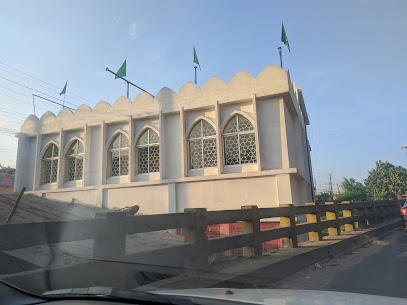
হযরত হাফেজ শাহদুল্ল্যাহ শাহ্ (রহঃ) জামে মসজিদ
84.0 km
Experience the serenity and spiritual significance of this historical mosque in Chattogram.
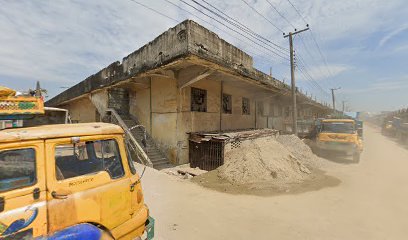
গুদাম
84.6 km
Discover the enchanting history and beauty of গুদাম, a must-visit historical landmark in Chattogram, Bangladesh, rich in culture and local charm.
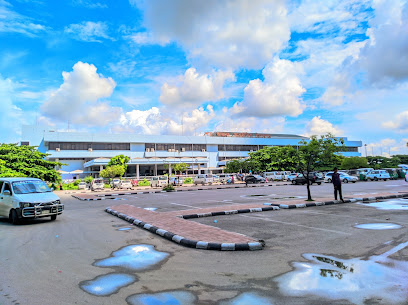
Shah Amanat International Airport
84.9 km
Your journey to Bangladesh's port city begins here. Connecting Chattogram to the world with convenient flights and facilities.
Naval, Patenga
85.1 km
Experience the unique blend of maritime activity and coastal serenity at Naval, Patenga, Chattogram. Stunning views, fresh seafood, and cultural vibrancy await!
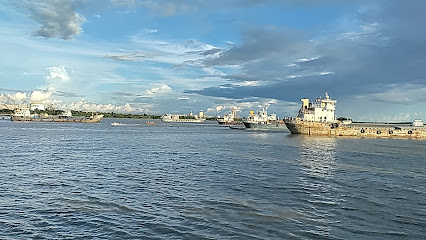
Bijoy Nogor, Potenga, Chittagong.
85.7 km
Explore Bijoy Nogor in Chittagong: A historical gem offering architectural beauty, serene ambiance, and panoramic views of Bangladesh's cultural heritage.
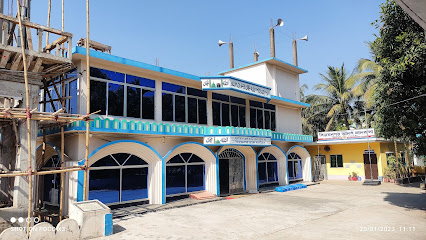
Pahartali Haji Camp
85.7 km
Explore Pahartali Haji Camp in Chattogram: A historical landmark and educational center reflecting Bangladesh's heritage.
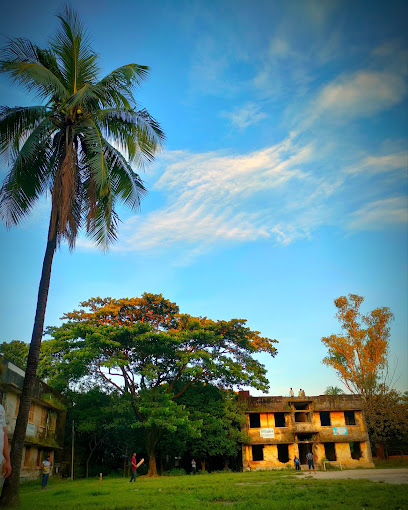
Sagorkonna Fisheries
85.8 km
Experience the tranquil charm of Sagorkonna Fisheries in Kuakata, a serene destination blending nature and local fishing culture.
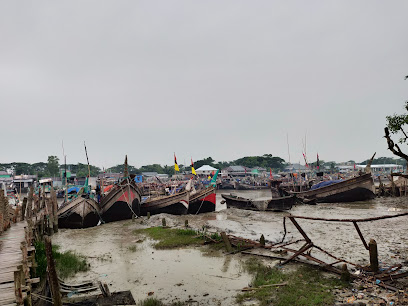
Noakhali central Shaheed Minar
86.5 km
A solemn monument in Noakhali commemorating the martyrs of the 1952 Bengali Language Movement, embodying the spirit of nationalism and cultural identity of Bangladesh.
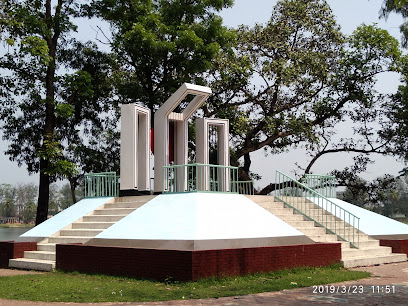
স্মৃতি সৌধ
86.6 km
A place of remembrance in Chattogram, honoring the heroes of the Liberation War and looking forward to a permanent memorial.
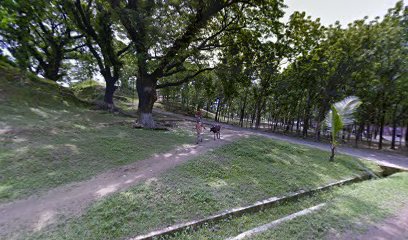
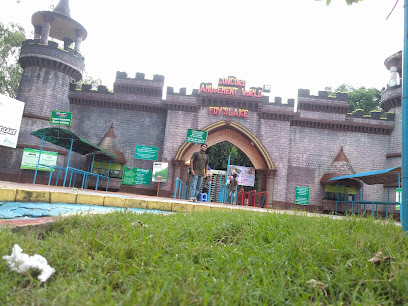
Chattogram Zoo
86.7 km
Discover diverse wildlife at Chattogram Zoo, a family-friendly destination for education and conservation near Foy's Lake.
Unmissable attractions to see

Nijhum Dwip
4.2 km
Discover Nijhum Dwip: A tranquil island paradise with spotted deer, mangrove forests, and serene beaches in the Bay of Bengal.
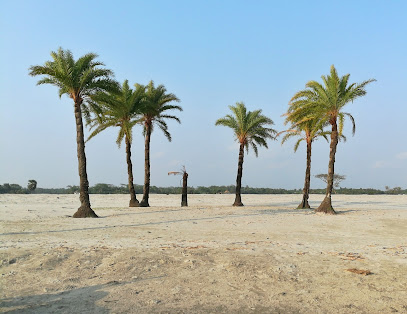
Nijhum Dwip Beach
6.6 km
Escape to Nijhum Dwip Beach: Discover serene beauty, diverse wildlife, and tranquil mangrove forests on Bangladesh's 'Silent Island'.
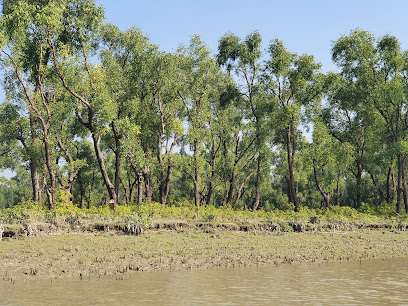
Jakob Tower
27.5 km
Experience breathtaking panoramic views from the tallest watchtower in Bangladesh, inspired by the Eiffel Tower, in Char Fasson, Bhola.
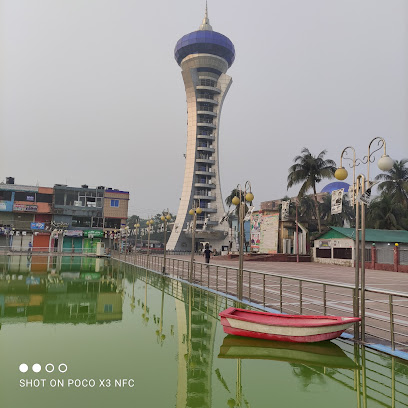
Char Kukri Mukri Beach
39.3 km
Discover Char Kukri Mukri Beach: A serene coastal escape in Bangladesh with wildlife, mangrove forests, and breathtaking sunsets. A true hidden paradise!
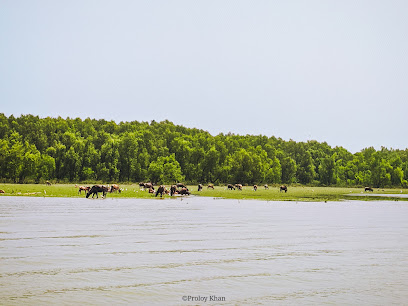
Char Kukri Mukri Wildlife Sanctuary
42.1 km
Explore Char Kukri Mukri: A serene island sanctuary with mangrove forests, diverse wildlife, and pristine beaches in Bangladesh.
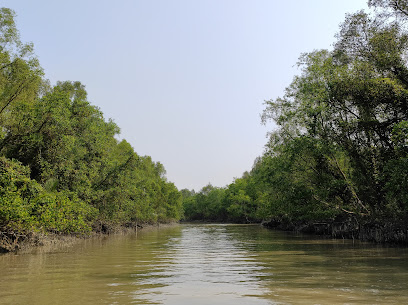
Sonar Char
61.0 km
Discover Sonar Char: A pristine island paradise with golden beaches, mangrove forests, and diverse wildlife in Patuakhali, Bangladesh.
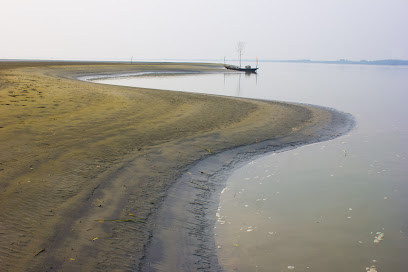
Shantir Haat River Side
71.3 km
Discover Shantir Haat River Side: A tranquil Bangladesh escape with serene river views, lush greenery, and cultural charm.
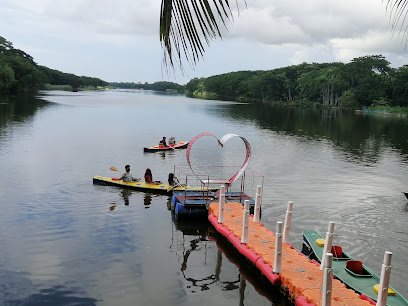
Bhola Kayaking Point
72.3 km
Discover tranquility at Bhola Kayaking Point: Paddle through serene waters and embrace the natural beauty of Bangladesh's largest island.
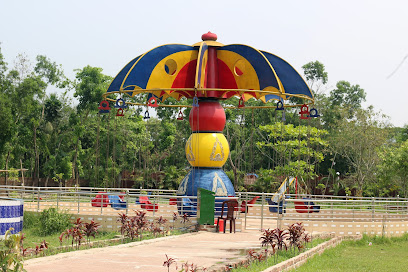
Noakhali Dream World Park
74.8 km
Experience thrilling rides, scenic beauty, and family fun at Noakhali Dream World Park, the largest entertainment center in the district.
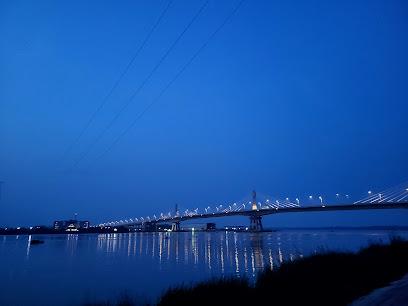
লেবুখালী বেরিবাধ KMFI
80.1 km
Enjoy panoramic views from the Lebukhali Beribadh KMFI tower, a serene escape along the Barisal-Patuakhali Road near the Payra River.
Khejurtola Tourist Area
81.3 km
Discover Khejurtola Tourist Area in Chattogram: a serene coastal escape with beaches, local culture, and scenic beauty along the Bay of Bengal.
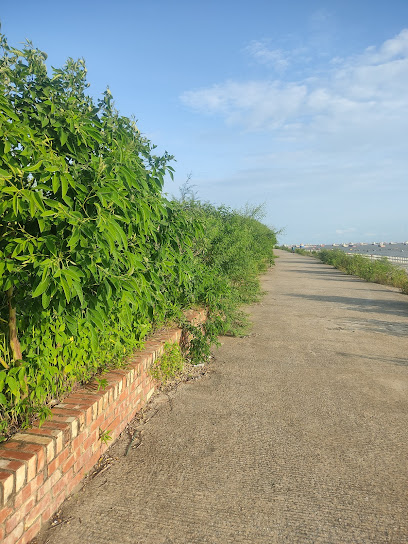
Khejurtala Sea Beach
81.3 km
Discover Khejurtala Sea Beach: A serene coastal escape near Chattogram with golden sands, tranquil waters, and unique naval views.
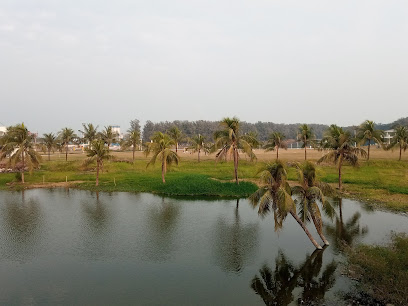
Halishahar Beach
82.2 km
Escape to Halishahar Beach in Chattogram for a serene coastal experience, stunning sunsets, and a glimpse into the region's maritime activity.
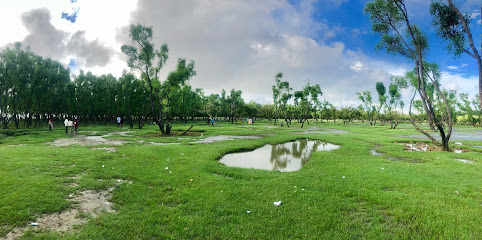
Patenga Sea Beach
82.3 km
Discover Patenga Sea Beach: Where the Karnaphuli River meets the Bay of Bengal, offering stunning sunsets and vibrant local culture.
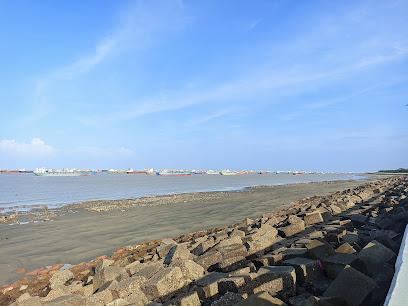
পতেঙ্গা সমুদ্র সৈকত
82.3 km
Experience the beauty of where the Karnaphuli River meets the Bay of Bengal, with stunning sunsets and a lively atmosphere at Patenga Sea Beach.
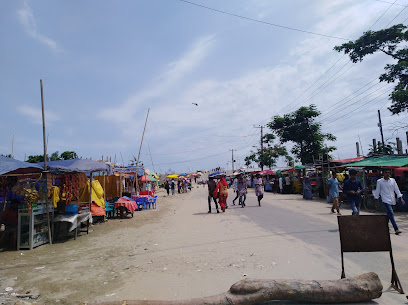
Essential places to dine

Pakshia
53.4 km
Experience authentic Bangladeshi cuisine at Pakshia, where every dish tells a story of tradition and flavor.
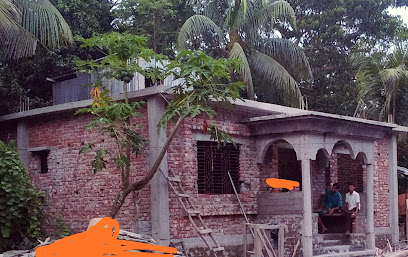
The Forest Restaurant
74.2 km
Experience delightful dining surrounded by nature at The Forest Restaurant, where local flavors meet serene ambiance for an unforgettable meal.
Noakhali hotel and Chinese restaurant
81.9 km
Experience authentic Chinese cuisine at Noakhali Hotel and Restaurant in Begumganj - a must-visit culinary delight!
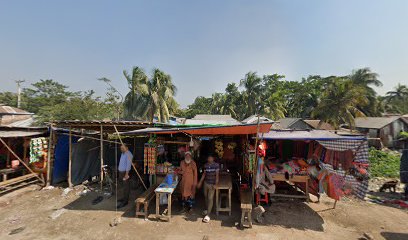
Tokyo Hotel & Chinese Restaurant
81.9 km
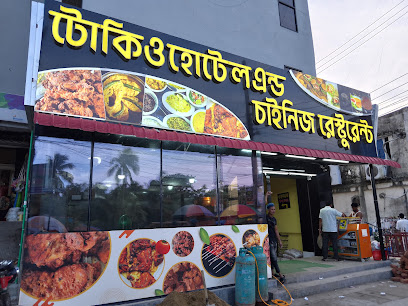
Experience the unique blend of Chinese and Bangladeshi cuisine at Tokyo Hotel & Chinese Restaurant in Noakhali.
Restaurant in Noakhali
83.9 km
Experience the authentic flavors of Noakhali at this acclaimed restaurant known for its traditional Bangladeshi cuisine and warm hospitality.
Nice Guest House ,Training Hall & Dolna Food Heaven (Hotel in Noakhali)
84.4 km
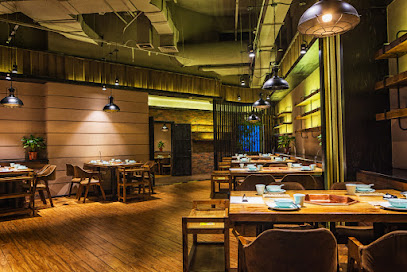
Unwind at Nice Guest House in Noakhali – where comfort meets delectable dining experiences in a vibrant setting.
Bonfire Restaurant
84.7 km
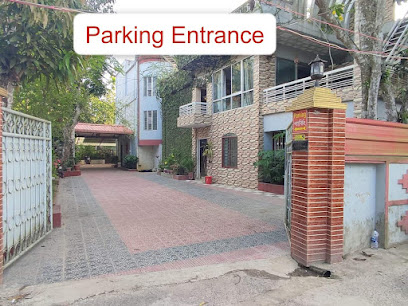
Experience the flavors of Bangladesh at Bonfire Restaurant in Chattogram – where local meets global in a warm and inviting atmosphere.
Mehran Dine
85.7 km
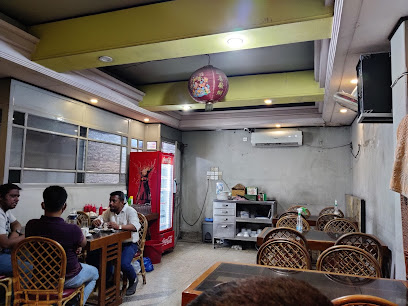
Experience authentic Chinese cuisine at Mehran Dine in Noakhali, where tradition meets taste in every bite.
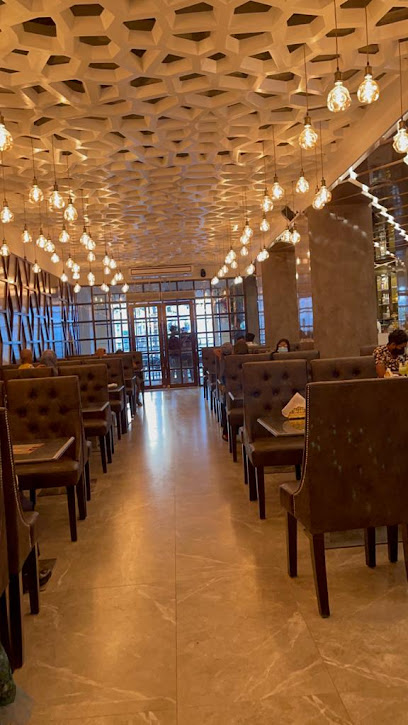
Lavaash
86.2 km
Savor the delightful flavors of Lavaash in Noakhali – where fast food meets local culinary charm.
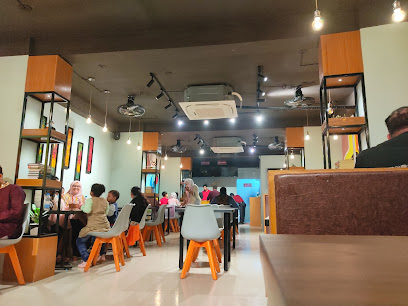
Sky View Restaurant
86.3 km
Experience exquisite Chinese cuisine and delightful breakfast options at Sky View Restaurant while enjoying breathtaking views in Noakhali.
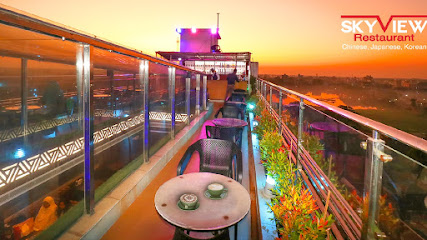
Darucini Restaurant and Convention Hall
86.3 km
Experience the best of Chinese cuisine in Noakhali at Darucini Restaurant and Convention Hall, where flavor meets elegance.
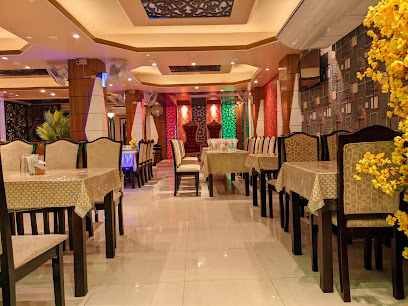
Masabi
86.5 km
Discover the rich flavors of authentic Chinese cuisine at Masabi in Noakhali - where every dish tells a story.
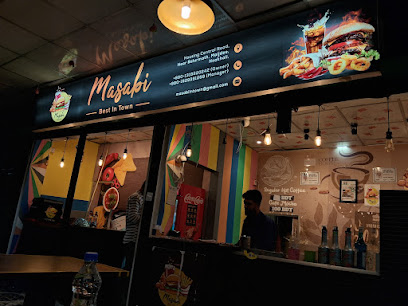
RD Food Zone
86.5 km
Discover the authentic tastes of Noakhali at RD Food Zone – where local flavors meet global cuisine in a welcoming atmosphere.
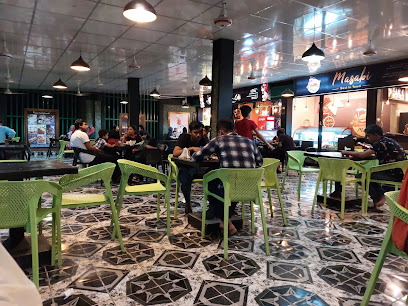
KOYLA
86.7 km
Discover the authentic taste of Bangladesh at KOYLA - a delightful dining experience in Noakhali with traditional flavors.
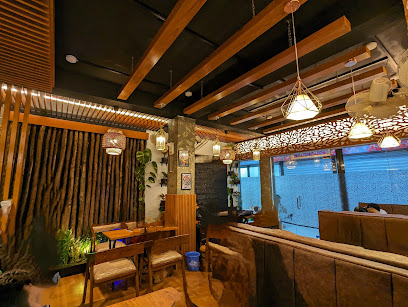
CHAP Ghor-চাপঘর, Noakhali
86.7 km
Discover authentic Bangladeshi flavors at CHAP Ghor-চাপঘর in Noakhali – a culinary delight for every traveler.
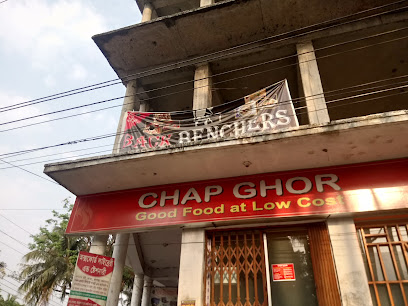
Markets, malls and hidden boutiques

Shop
48.4 km
Explore a delightful boutique gift shop offering unique local crafts and souvenirs that capture the essence of your travels.
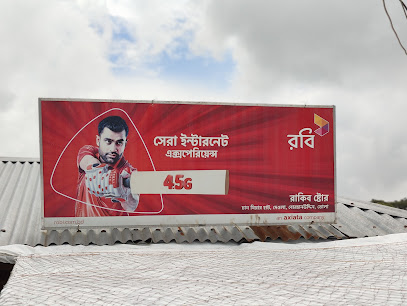
M/s Mobarak Cloth Store
63.5 km
Explore the rich textile heritage at M/s Mobarak Cloth Store in Char Jublee, offering a stunning collection of traditional and contemporary clothing.
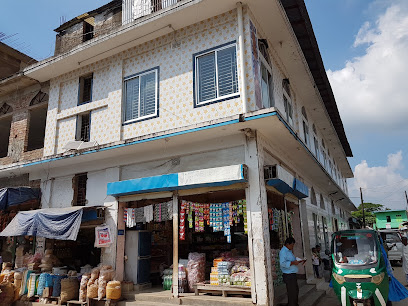
Gift Nest
71.2 km
Explore Gift Nest for unique souvenirs and local crafts, making your travel memories unforgettable.

Shudhir Moar Sweets
73.9 km
Experience the sweet flavors of Bangladesh at Shudhir Moar Sweets in Barishal, where tradition meets delightful indulgence.
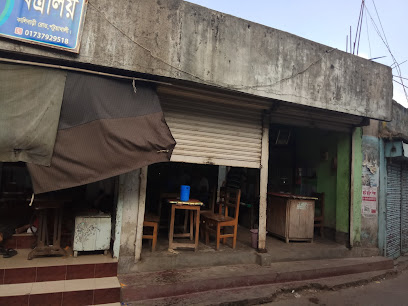
Patuakhali New Market TNI
75.1 km
Immerse yourself in the vibrant culture and shopping experience at Patuakhali New Market TNI, where local life comes alive.
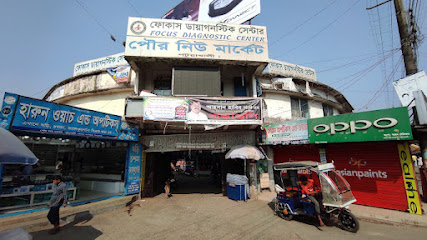
Salam Shop BD
75.9 km
Explore Salam Shop BD: A vibrant clothing store in Patuakhali offering unique fashion that celebrates Bangladeshi culture.
Shamsur Rahman shop
81.8 km
Experience the vibrant culture of Noakhali at Shamsur Rahman Shop, a bustling bazaar offering unique local goods and authentic interactions.
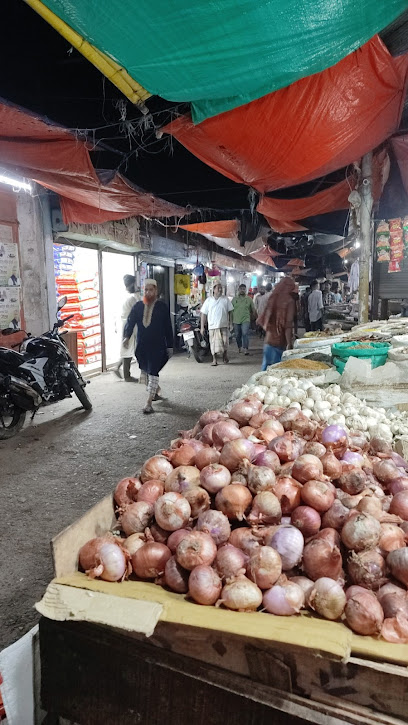
Bishal Bazar 1 To 99 Plus Super Market
82.7 km
Explore Bishal Bazar in Chattogram for unique gifts, trendy cosmetics, and chic women's clothing in a vibrant shopping atmosphere.
Unique Cosmetics & Stationary
83.9 km
Explore the vibrant world of beauty and creativity at Unique Cosmetics & Stationary in Bandher Hat Bazar, where local charm meets modern trends.
Aarong Halishahar
84.7 km
Discover the essence of Bangladeshi culture at Aarong Halishahar, where traditional craftsmanship meets contemporary fashion.
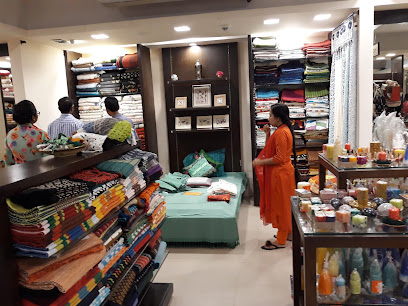
Unique Departmental Store
85.4 km
Experience Chattogram's vibrant culture at the Unique Departmental Store, a shopping haven filled with local crafts, modern goods, and more.
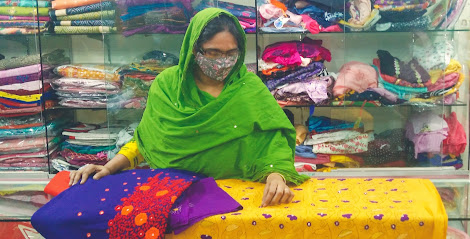
Khuti
85.4 km
Explore Khuti, Chattogram's vibrant boutique offering unique embroidery and scrapbooking supplies in a warm, community-driven atmosphere.
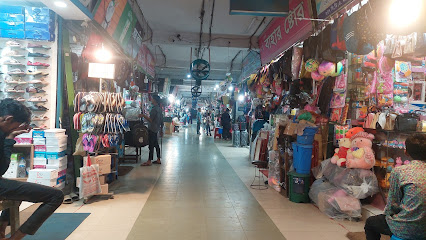
C.D.A Market
85.5 km
Explore the vibrant C.D.A Market in Chattogram – a treasure trove of local produce, handicrafts, and culinary delights waiting to be discovered.
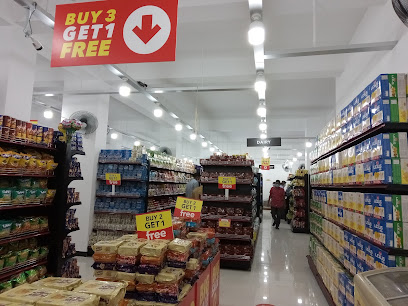
Shwapno
85.7 km
Explore Shwapno, the ultimate shopping destination in Noakhali, offering a wide variety of products and a vibrant local shopping experience.
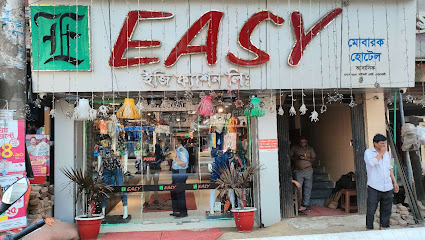
Easy Fashion Ltd. Maijdee
86.3 km
Explore the vibrant fashion of Noakhali at Easy Fashion Ltd. – a local favorite for unique clothing and styles.
Essential bars & hidden hideouts

Smoking Zone
51.4 km
Experience the vibrant nightlife at the Smoking Zone, a cozy bar offering a unique ambiance and a great selection of drinks for tourists and locals alike.
(0) জিরো পয়েন্ট ডালিমা বাউফল পটুয়াখালী
58.8 km
Experience the vibrant local atmosphere at Zero Point, a charming bar in Dalima, Bauphal, perfect for unwinding with friends and enjoying delightful drinks.
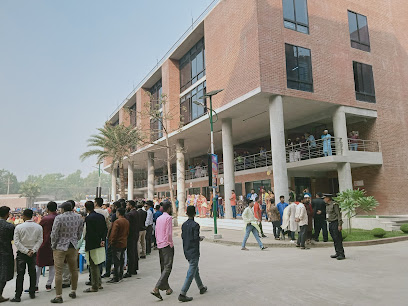
Bou bazir
58.8 km
Discover Bou Bazir in Bauphal: A cozy bar blending local culture with friendly vibes, perfect for travelers seeking relaxation and connection.
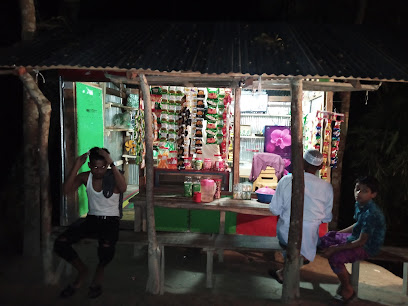
Matabbar Bari Bridge
63.4 km
Discover the charm of Matabbar Bari Bridge, a serene bar in Adabaria offering local culture, scenic views, and a relaxing atmosphere for all visitors.
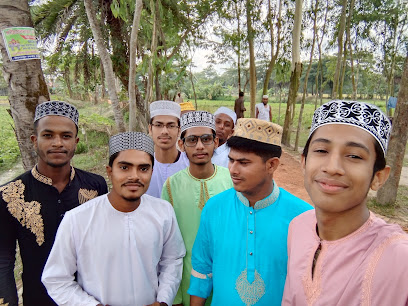
Anowarer Bari
65.1 km
Experience the vibrant nightlife at Anowarer Bari, a top-rated bar in Bangladesh known for its lively atmosphere and diverse drink selection.
Robi Tower
70.0 km
Discover the vibrant nightlife of Robi Tower, where local culture meets modern entertainment in a lively bar atmosphere.
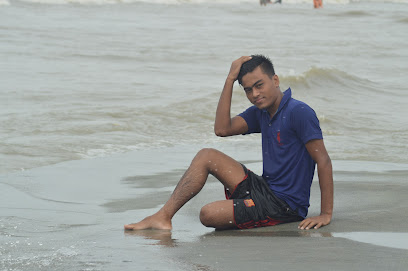
Saidul
74.1 km
Discover the vibrant nightlife of Chaora at Saidul, a charming bar offering a unique selection of drinks and a warm atmosphere for all visitors.
Pukurjana D, U, S, A alim madrasha playground
80.8 km
Discover the excitement of sports at Pukurjana D, U, S, A Alim Madrasha Playground, where local culture and entertainment unite.
ShoshurBari - Restaurant & Party Center
84.1 km
Experience the flavors of Bangladesh at ShoshurBari Restaurant, where traditional cuisine meets a modern dining ambiance.
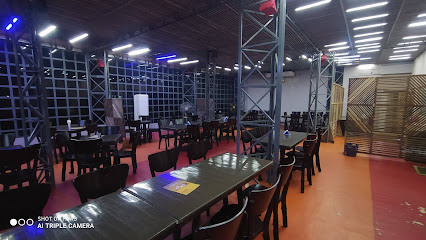
কোমা সেন্টার 007
84.3 km
Discover the vibrant nightlife at Koma Center 007, a lively bar in Bangladesh offering a delightful drink selection and an inviting atmosphere.
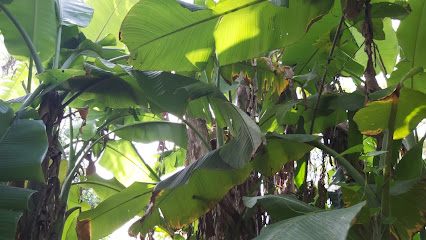
Chittagong Club
85.1 km
Experience the elegance and comfort of Chittagong Club, a luxurious retreat in the heart of Bangladesh, perfect for relaxation and leisure.
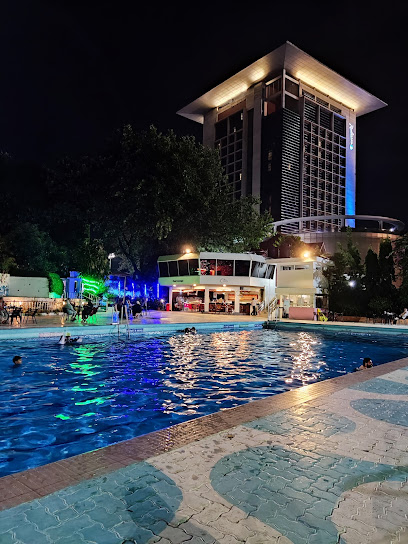
Sunny's cafe
85.6 km
Discover the charm of Chattogram at Sunny's Cafe, where local flavors and a welcoming atmosphere meet for an unforgettable experience.
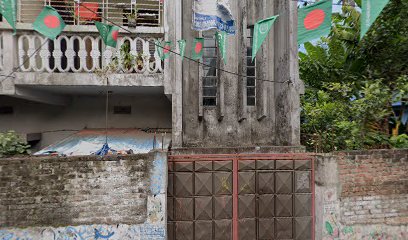
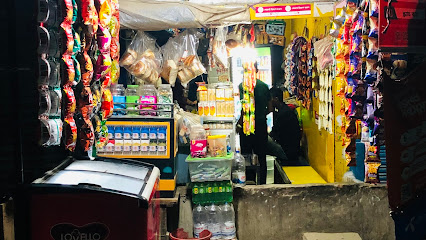
Shahjahan Bar
85.6 km
Discover the vibrant nightlife of Chattogram at Shahjahan Bar, where lively atmosphere meets exquisite drinks in a perfect blend.
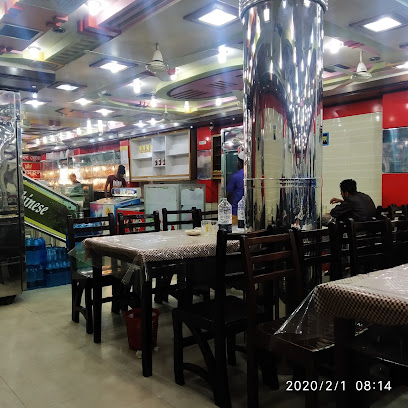
Rajmahal Restora
86.1 km
Discover the authentic flavors of Bangladesh at Rajmahal Restora, a must-visit dining destination in Noakhali, known for its delectable local cuisine.
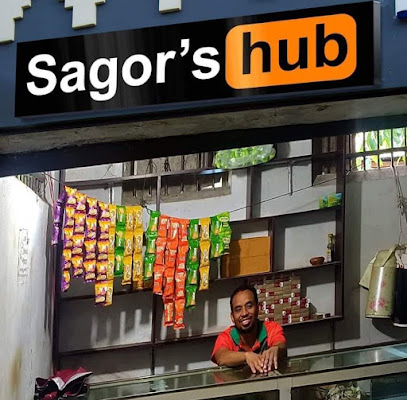
Sagor's HUB
86.1 km
Discover the lively ambiance and diverse drink selection at Sagor's HUB, a top bar in Noakhali, perfect for relaxation and socializing.
Nightclubs & after hour spots

রিনা মার্কেট
73.1 km
Dive into the vibrant nightlife at Rina Market, Chalitabunia's ultimate night club offering music, dance, and local culture.
Md HANIFHAWOLADER
80.9 km
Discover the vibrant karaoke scene at Md Hanifhawolader in Kalapara, where music, laughter, and unforgettable nights await.

Atemkhana Auto stand
81.4 km
Discover the vibrant nightlife at Atemkhana Auto Stand, a premier night club in Kalapara offering entertainment, music, and local culture.
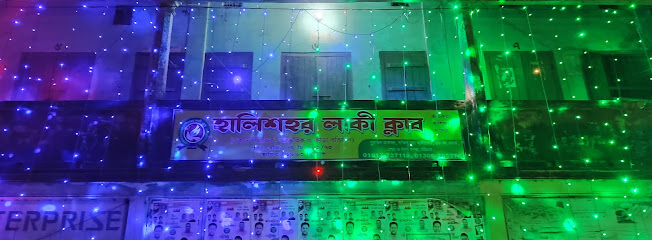
Halishahar Lucky Club
83.8 km
Discover the lively nightlife at Halishahar Lucky Club, a premier youth club in Chattogram, perfect for dancing and socializing.
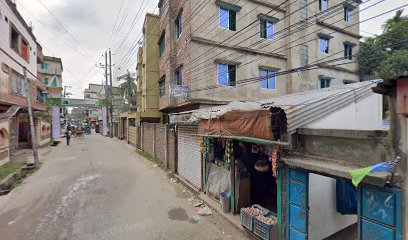
Ac Office
83.8 km
Dive into the vibrant nightlife at Ac Office, Chattogram's premier night club offering electrifying music, stylish decor, and unforgettable experiences.
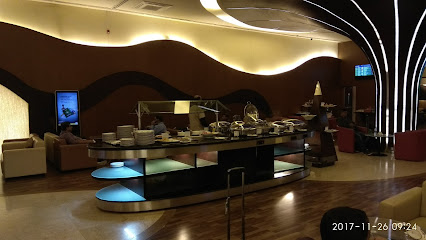
EBL Sky Lounge
84.9 km
Experience comfort and tranquility at EBL Sky Lounge in Chattogram Airport, the perfect escape for travelers seeking relaxation.
মন্নান টাওয়ার
85.6 km
Dive into the heart of Chattogram's nightlife at মন্নান টাওয়ার, where unforgettable moments and electrifying music await every visitor.
Noakhali Club
86.2 km
Discover the heart of Noakhali's nightlife at Noakhali Club, a lively venue for entertainment, culture, and social gatherings.
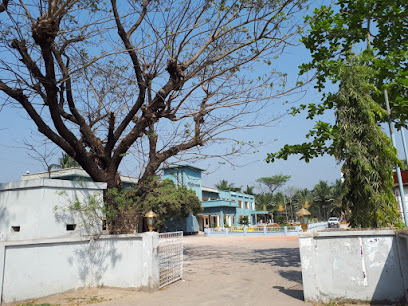
Tong Dokan
86.3 km
Discover the electrifying nightlife of Noakhali at Tong Dokan, the ultimate night club experience filled with music, dancing, and vibrant atmosphere.
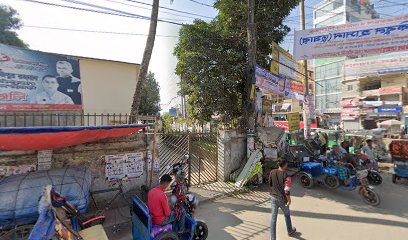
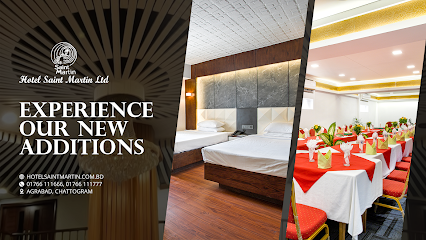
Hotel Saint Martin Ltd
86.9 km
Discover a perfect blend of comfort and local charm at Hotel Saint Martin Ltd in Chattogram, ideal for an unforgettable stay.
Soha Akther
87.1 km
Discover the electrifying nightlife at Soha Akther, Noakhali's premier night club, where music, dance, and vibrant atmosphere await.
Marine academy Officers' Club
87.1 km
Discover the lively atmosphere and cultural vibrancy of the Marine Academy Officers' Club, your gateway to Bangladesh's nightlife scene.
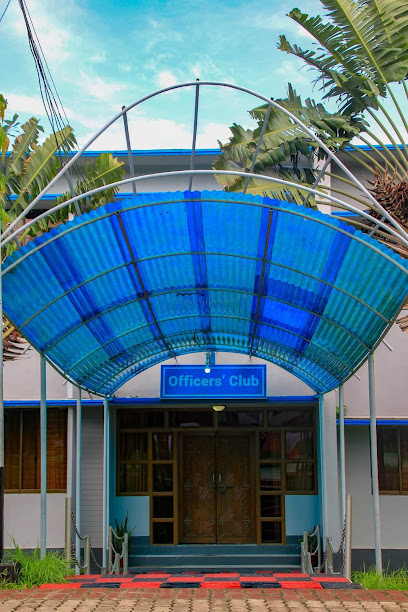
Ladies Club Chittagong
88.3 km
Experience the charm of Chattogram at Ladies Club, a stunning convention center with exquisite design and a vibrant atmosphere.
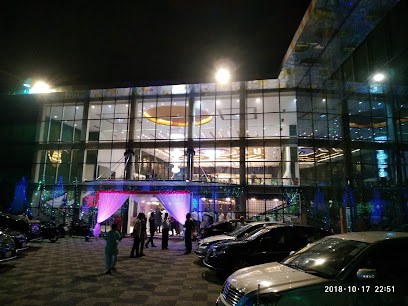
Chittagong Club Ltd
88.4 km
Experience the elegance and camaraderie at Chittagong Club Ltd, a premier social hub in the heart of Chattogram, Bangladesh.
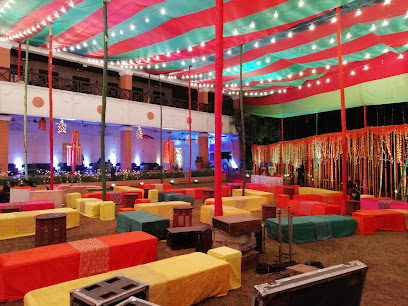
Chittagong Officers' Club
88.6 km
Experience the elegance and culture at Chittagong Officers' Club, a premier social hub in the heart of Chattogram, Bangladesh, perfect for relaxation and socializing.