Shahid Mahmudul Hasan Ghat: Gateway to the Islands
Experience the vibrant river life of Bangladesh at Shahid Mahmudul Hasan Ghat, the gateway to the enchanting islands of the Bay of Bengal.
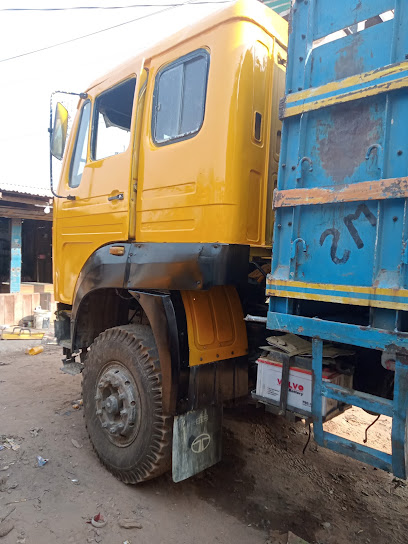
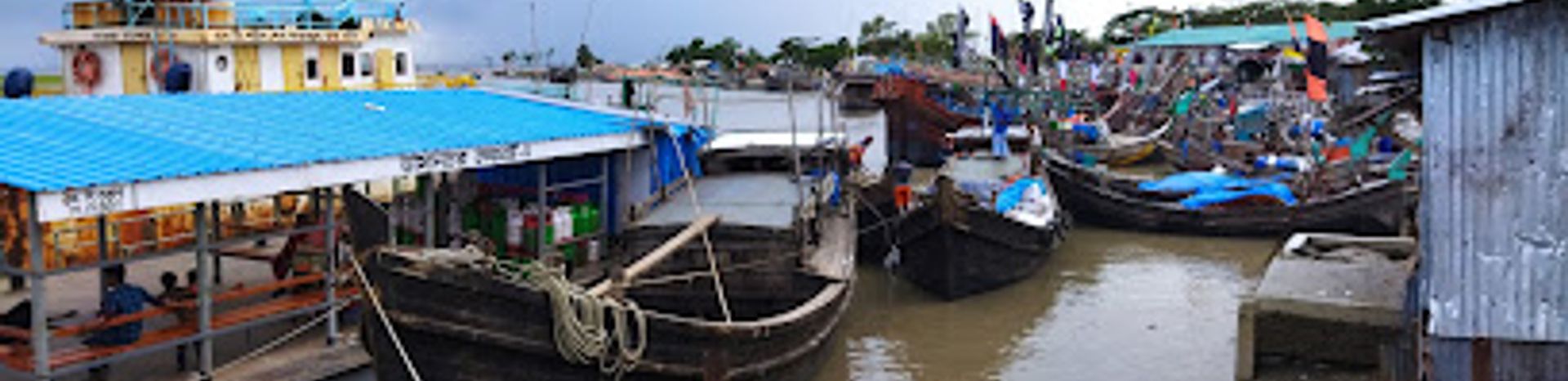
Shahid Mahmudul Hasan Ghat is a bustling river port serving as a vital transportation hub in the Noakhali district of Bangladesh. More than just a point of departure, it's a vibrant scene of daily life, connecting mainland Bangladesh with the offshore islands. The ghat provides access to ferries, trawlers, and speedboats, offering passage to destinations like Hatiya Island and Nijhum Dwip. The area buzzes with activity from early morning until evening, with vendors, travelers, and porters creating a lively atmosphere. While not a destination in itself, the ghat offers a glimpse into the local culture and serves as the starting point for adventures to the tranquil islands, known for their natural beauty and unique ecosystems. The ghat provides a raw and authentic experience, showcasing the importance of river transport in the region.
A brief summary to Shahid Mahmudul Hasan Ghat
- G3CQ+WM3, Chairman Ghat Rd, BD
Local tips
- Bargain for the best price on boat fares, especially for trawlers and speedboats, as prices can fluctuate.
- Arrive early in the morning to avoid the biggest crowds and secure your preferred mode of transport to the islands.
- Carry small denominations of Bangladeshi Taka (BDT) for easy transactions with vendors and porters.

Getting There
-
Public Transport
From Sonapur in Noakhali, take a CNG (auto-rickshaw) to Chairman Ghat. A reserved CNG will cost approximately 450-500 BDT and can accommodate up to 5 people. Alternatively, a local bus is available for 120-130 BDT per person. From Maizdi, the CNG reserve fare to Chairman Ghat is 500-600 BDT, while the local bus fare is 120-130 BDT per person.
-
Ferry/Boat
From Chairman Ghat, ferries, trawlers, and speedboats are available to reach Hatiya Island and Nijhum Dwip. Sea-truck fares to Hatiya range from 90 BDT, trawlers from 120-150 BDT, and speedboats around 400 BDT per person. To reach Nijhum Dwip, take a trawler to Bandartila Ghat for 22 BDT per person.
Discover more about Shahid Mahmudul Hasan Ghat
Iconic landmarks you can’t miss

Shahid Mahmudul Hasan Ghat
0.0 km
Experience the vibrant river life of Bangladesh at Shahid Mahmudul Hasan Ghat, the gateway to the enchanting islands of the Bay of Bengal.
Hajirhat Launch Ghat
32.3 km
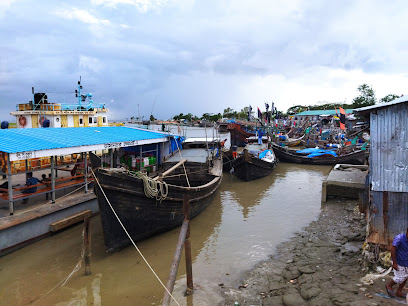
Experience the vibrant river life and stunning sunsets at Hajirhat Launch Ghat, your gateway to the serene beauty of Manpura Island in Bangladesh.
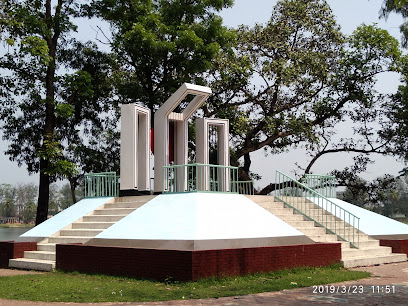
Noakhali central Shaheed Minar
38.4 km
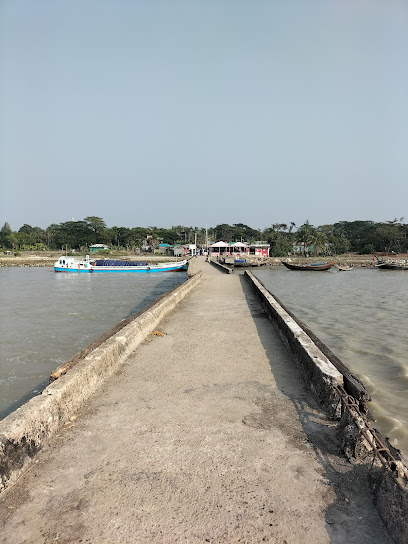
A solemn monument in Noakhali commemorating the martyrs of the 1952 Bengali Language Movement, embodying the spirit of nationalism and cultural identity of Bangladesh.
Nafir chad
38.9 km
Discover Nafir Chad in Noakhali, Bangladesh: A captivating historical landmark where rich heritage and serene beauty converge, offering an immersive cultural experience.

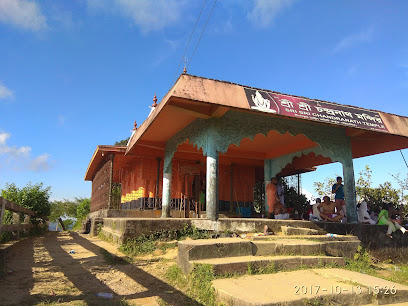
Chandranath Temple
62.3 km
Ascend to Chandranath Temple for a spiritual journey amidst breathtaking natural beauty in Sitakunda, Bangladesh.
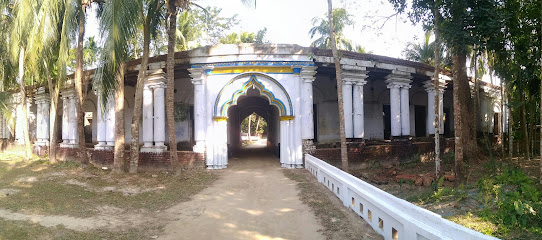
Kalamia Zamindar Bari
69.7 km
Explore the historical Kalamia Zamindar Bari in Barisal, Bangladesh, and discover the opulent lifestyle of Bengal's Zamindar era.
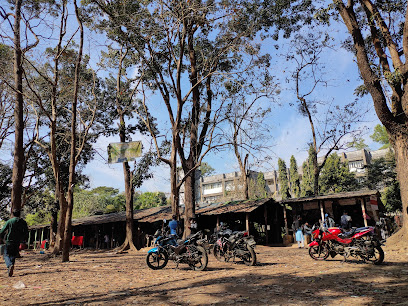
Arts Jhupri
71.5 km
Experience the vibrant culture of Chittagong University at Arts Jhupri, a hub of creativity, community, and artistic expression.
Central Shaheed Minar, University of Chittagong
71.9 km
A powerful symbol of Bengali linguistic pride and cultural identity at Chittagong University, honoring the martyrs of the Language Movement.
অডিটোরিয়াম
72.3 km
Experience culture and academia at Chittagong University Auditorium, a landmark hosting diverse events for students, faculty, and the public.
Pahartali Haji Camp
74.4 km
Explore Pahartali Haji Camp in Chattogram: A historical landmark and educational center reflecting Bangladesh's heritage.
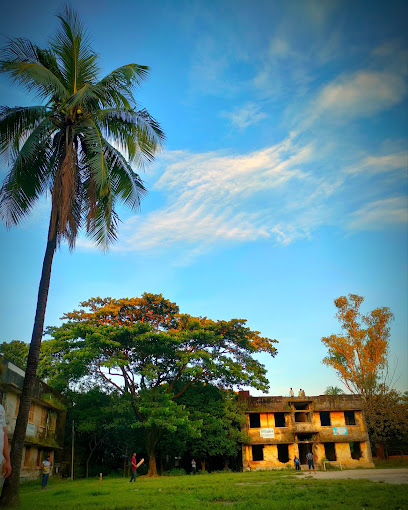
Chattogram Zoo
74.7 km
Discover diverse wildlife at Chattogram Zoo, a family-friendly destination for education and conservation near Foy's Lake.
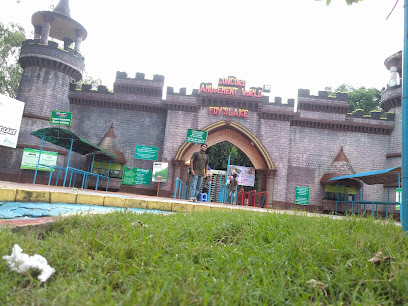
canal side
75.0 km
Discover tranquility at Canal Side, Chattogram: a serene escape with nature walks and picturesque views, perfect for relaxation and photography.
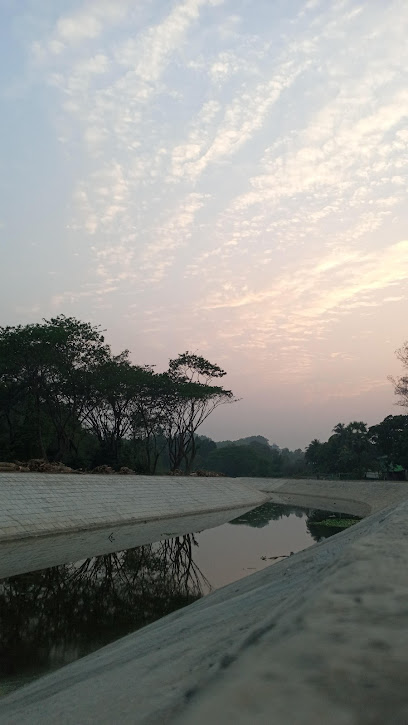
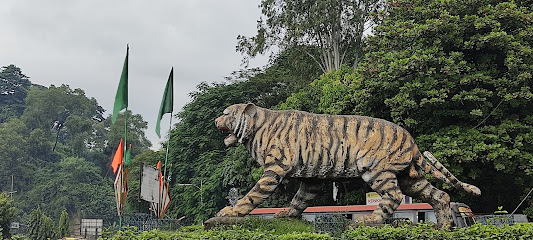
টাইগার চত্তর
75.0 km
চট্টগ্রামের টাইগার চত্তর: ঐতিহ্য ও সংস্কৃতির প্রতীক। ঘুরে আসুন ঐতিহাসিক এই ল্যান্ডমার্কে।
জালালাবাদ পাহাড়
75.4 km
চট্টগ্রামের জালালাবাদ পাহাড়: ঐতিহাসিক বিপ্লবী যুদ্ধের সাক্ষী, যা প্রকৃতির শান্ত সৌন্দর্যে ঘেরা, স্থানীয়দের কাছে একটি জনপ্রিয় স্থান।
স্মৃতি সৌধ
75.4 km
A place of remembrance in Chattogram, honoring the heroes of the Liberation War and looking forward to a permanent memorial.
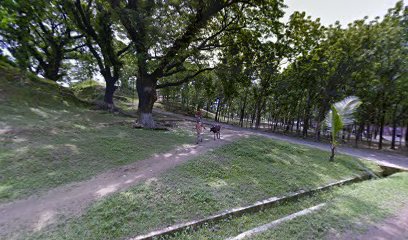
Unmissable attractions to see

Musapur Sea Beach
37.7 km
Discover the tranquil beauty of Musapur Sea Beach in Noakhali, Bangladesh: golden sands, gentle waves, and a serene escape await.
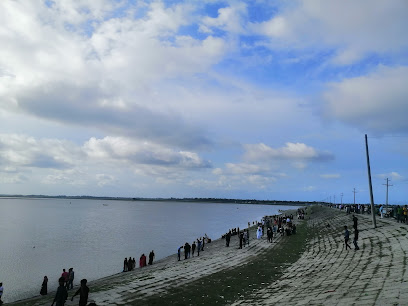
Muchapur beach
38.2 km
Discover the serene beauty of Muchapur Beach in Noakhali, Bangladesh, a tranquil coastal escape with golden sands and breathtaking sunsets.
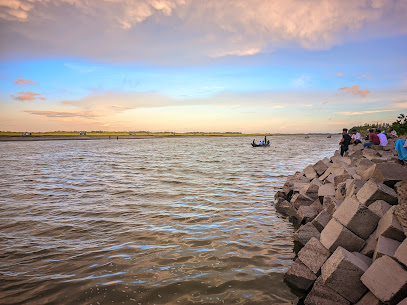
Maijdee Park.
38.6 km
Discover a tranquil oasis in Noakhali: Maijdee Park, where nature, culture, and history meet. A perfect escape for relaxation and community engagement.
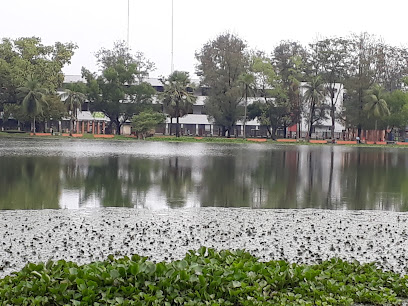
Musapur Closure Dam
39.5 km
Discover the beauty and innovation of Musapur Closure Dam, a tranquil escape on the Choto Feni River in Noakhali, Bangladesh.
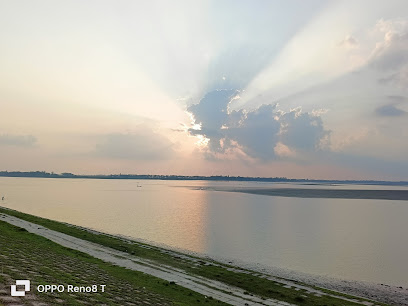
Shantir Haat River Side
43.4 km
Discover Shantir Haat River Side: A tranquil Bangladesh escape with serene river views, lush greenery, and cultural charm.
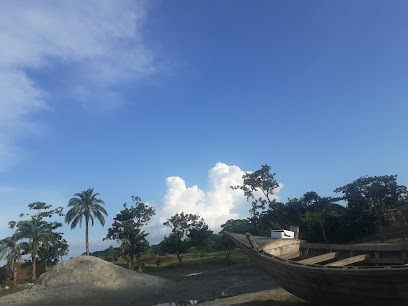
Nijhumdwip National Park
48.4 km
Discover Nijhumdwip National Park: A serene escape with mangrove forests, diverse wildlife, and tranquil beaches in Bangladesh.
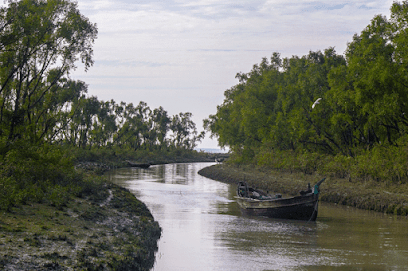
Jakob Tower
50.5 km
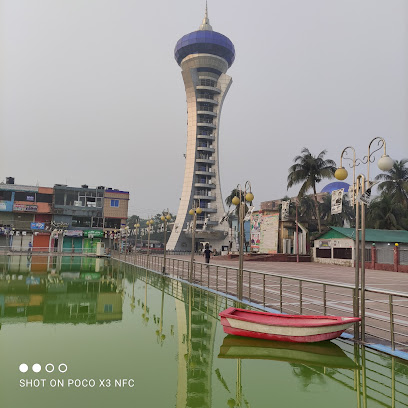
Experience breathtaking panoramic views from the tallest watchtower in Bangladesh, inspired by the Eiffel Tower, in Char Fasson, Bhola.
Bhola Kayaking Point
52.3 km
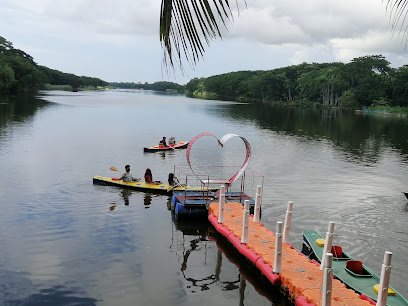
Discover tranquility at Bhola Kayaking Point: Paddle through serene waters and embrace the natural beauty of Bangladesh's largest island.
Nijhum Dwip
52.4 km
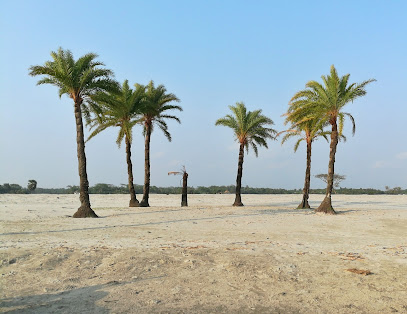
Discover Nijhum Dwip: A tranquil island paradise with spotted deer, mangrove forests, and serene beaches in the Bay of Bengal.
Nijhum Dwip Beach
54.6 km
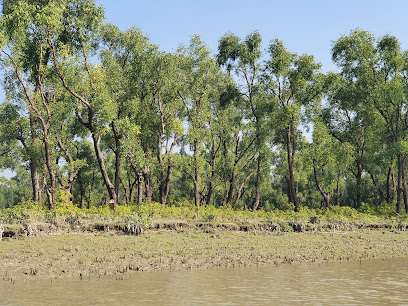
Escape to Nijhum Dwip Beach: Discover serene beauty, diverse wildlife, and tranquil mangrove forests on Bangladesh's 'Silent Island'.
Dalal Bazar Jomidar Bari
57.5 km
Explore the historical Dalal Bazar Jomidar Bari in Lakshmipur, Bangladesh, and discover the legacy of the zamindars.
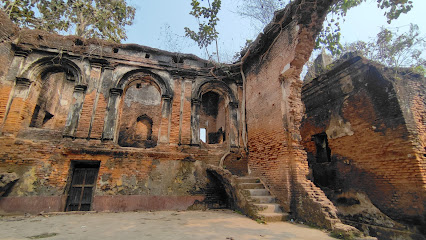
Khoiyachara Waterfalls
60.3 km
Discover the majestic Khoiyachora Waterfalls in Bangladesh, a multi-tiered natural wonder amidst lush green hills.
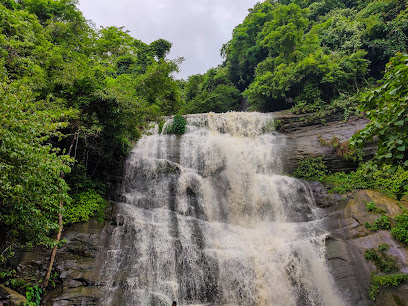
Gandhi Ashram Trust
60.8 km
Explore the Gandhi Ashram Trust in Noakhali, a historic site dedicated to peace, rural development, and Mahatma Gandhi's legacy in Bangladesh.
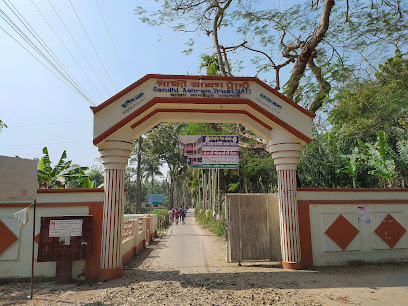
Sitakunda Eco Park & Botanical Garden
61.1 km
Discover Bangladesh's natural beauty at Sitakunda Eco Park & Botanical Garden: hills, waterfalls, diverse flora, and serene escapes await.
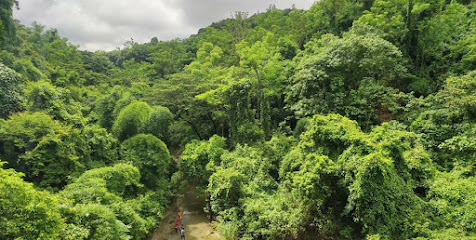
Ulania Jamidar Bari
62.0 km
Explore the historical Ulania Jamidar Bari in Barisal, a majestic reminder of Bangladesh's zamindari heritage and architectural splendor.
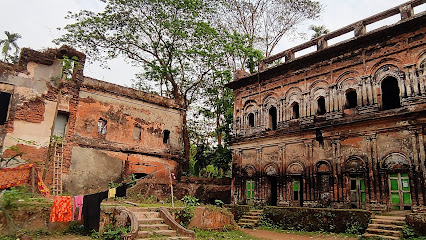
Essential places to dine

Noakhali hotel and Chinese restaurant
33.6 km
Experience authentic Chinese cuisine at Noakhali Hotel and Restaurant in Begumganj - a must-visit culinary delight!
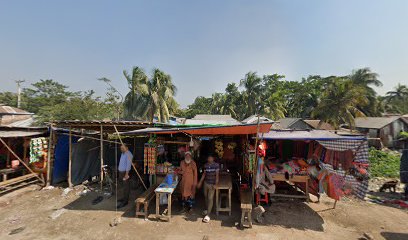
Tokyo Hotel & Chinese Restaurant
33.7 km
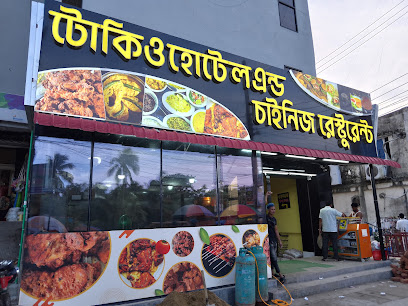
Experience the unique blend of Chinese and Bangladeshi cuisine at Tokyo Hotel & Chinese Restaurant in Noakhali.
Restaurant in Noakhali
35.5 km
Experience the authentic flavors of Noakhali at this acclaimed restaurant known for its traditional Bangladeshi cuisine and warm hospitality.
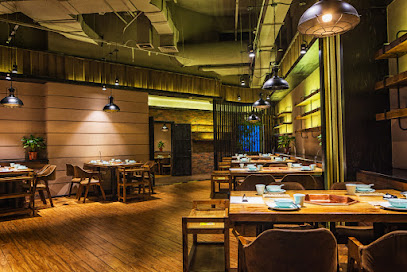
Nice Guest House ,Training Hall & Dolna Food Heaven (Hotel in Noakhali)
36.3 km
Unwind at Nice Guest House in Noakhali – where comfort meets delectable dining experiences in a vibrant setting.
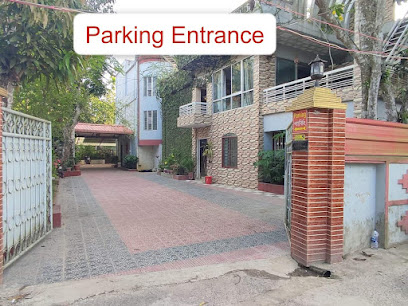
Pakshia
36.5 km
Experience authentic Bangladeshi cuisine at Pakshia, where every dish tells a story of tradition and flavor.
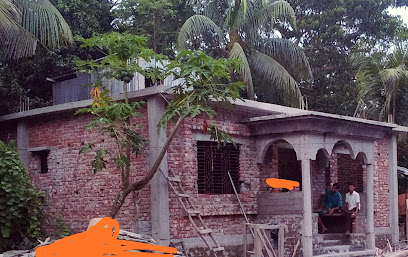
Mehran Dine
37.6 km
Experience authentic Chinese cuisine at Mehran Dine in Noakhali, where tradition meets taste in every bite.
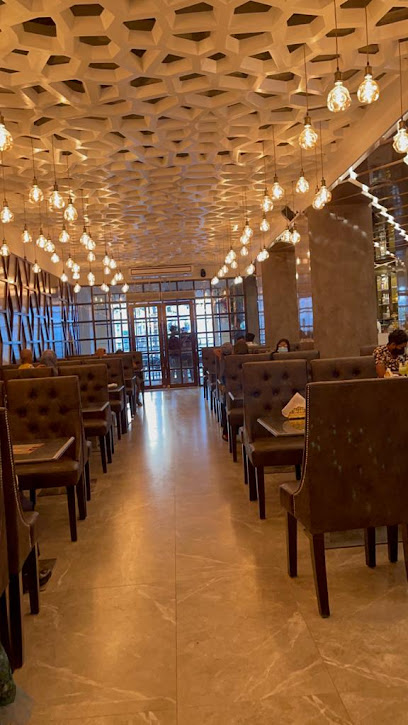
Lavaash
38.1 km
Savor the delightful flavors of Lavaash in Noakhali – where fast food meets local culinary charm.
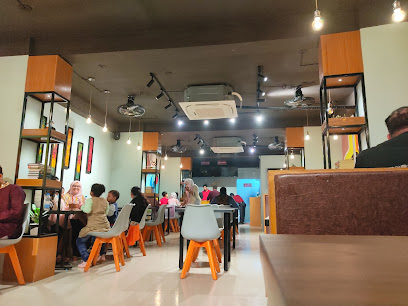
Sky View Restaurant
38.1 km
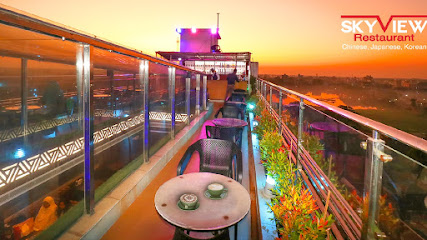
Experience exquisite Chinese cuisine and delightful breakfast options at Sky View Restaurant while enjoying breathtaking views in Noakhali.
Darucini Restaurant and Convention Hall
38.2 km
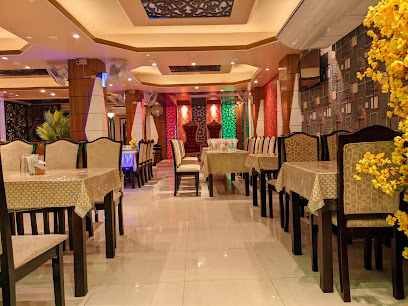
Experience the best of Chinese cuisine in Noakhali at Darucini Restaurant and Convention Hall, where flavor meets elegance.
Masabi
38.4 km
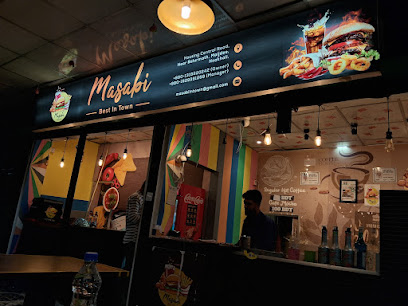
Discover the rich flavors of authentic Chinese cuisine at Masabi in Noakhali - where every dish tells a story.
RD Food Zone
38.4 km
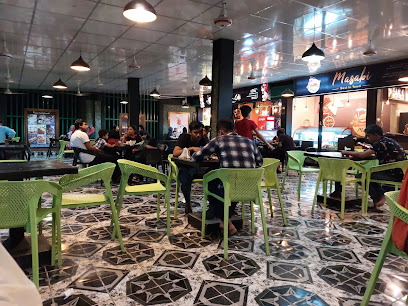
Discover the authentic tastes of Noakhali at RD Food Zone – where local flavors meet global cuisine in a welcoming atmosphere.
KOYLA
38.6 km
Discover the authentic taste of Bangladesh at KOYLA - a delightful dining experience in Noakhali with traditional flavors.
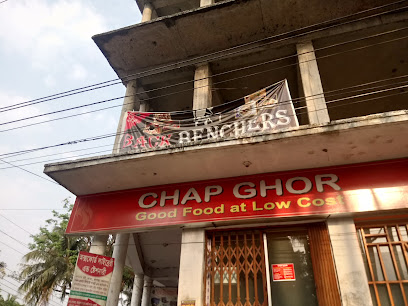
CHAP Ghor-চাপঘর, Noakhali
38.6 km
Discover authentic Bangladeshi flavors at CHAP Ghor-চাপঘর in Noakhali – a culinary delight for every traveler.
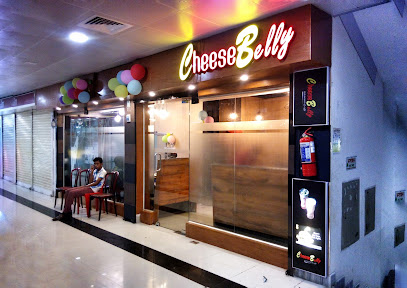
CheeseBelly
38.6 km
Experience cheesy bliss at CheeseBelly - Noakhali's top destination for delicious cheesy dishes and delightful dining.
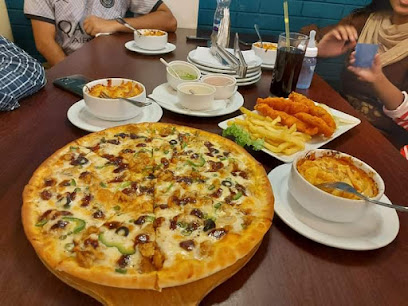
SALTY MULTI CUISINE RESTAURANT
38.6 km
Savor authentic Chinese cuisine at Salty Multi Cuisine Restaurant in Noakhali - a hidden gem for food lovers seeking unforgettable flavors.
Markets, malls and hidden boutiques

M/s Mobarak Cloth Store
15.2 km
Explore the rich textile heritage at M/s Mobarak Cloth Store in Char Jublee, offering a stunning collection of traditional and contemporary clothing.
Shamsur Rahman shop
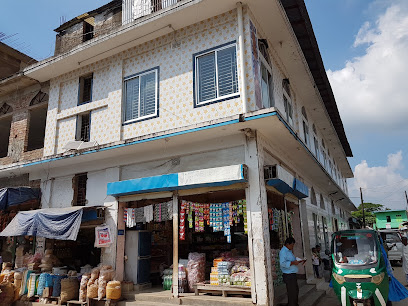
33.6 km
Experience the vibrant culture of Noakhali at Shamsur Rahman Shop, a bustling bazaar offering unique local goods and authentic interactions.
Unique Cosmetics & Stationary
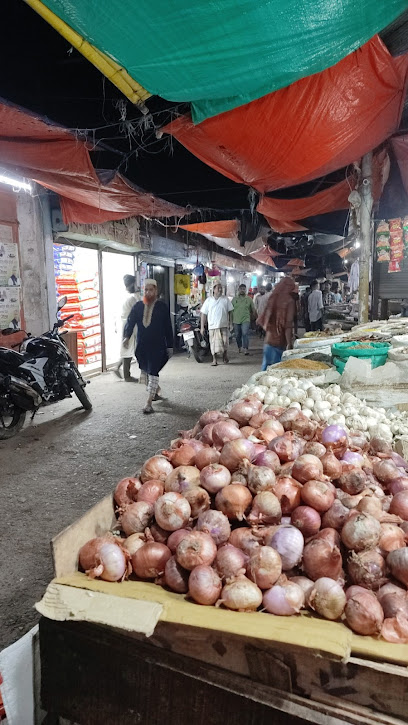
36.5 km
Explore the vibrant world of beauty and creativity at Unique Cosmetics & Stationary in Bandher Hat Bazar, where local charm meets modern trends.
Shwapno
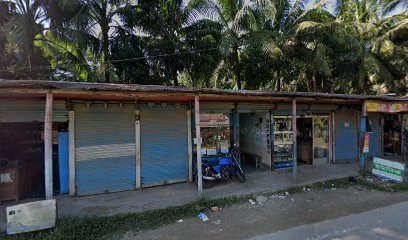
37.6 km
Explore Shwapno, the ultimate shopping destination in Noakhali, offering a wide variety of products and a vibrant local shopping experience.
Shop
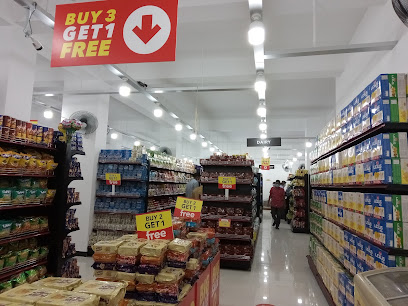
38.2 km
Explore a delightful boutique gift shop offering unique local crafts and souvenirs that capture the essence of your travels.
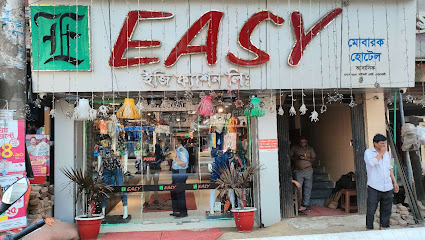
Easy Fashion Ltd. Maijdee
38.2 km
Explore the vibrant fashion of Noakhali at Easy Fashion Ltd. – a local favorite for unique clothing and styles.
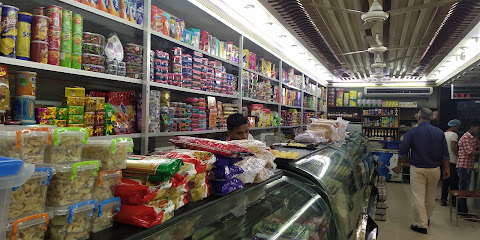
AYOJON
38.2 km
Explore AYOJON in Noakhali: A candy store and bakery offering a delightful array of sweets, pastries, and fast food for every taste.
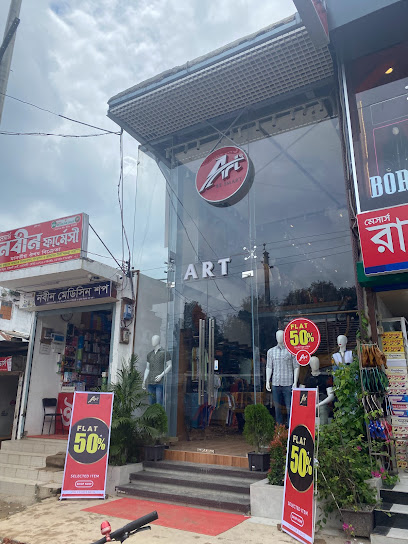
Art Be Smart
38.2 km
Discover affordable fashion and local craftsmanship at Art Be Smart, a vibrant clothing store in the heart of Noakhali.
Mens World Maijdee Noakhali
38.2 km
Discover stylish men's clothing at Mens World Maijdee Noakhali, your go-to destination for fashion in Bangladesh.
Bishal Center
38.4 km
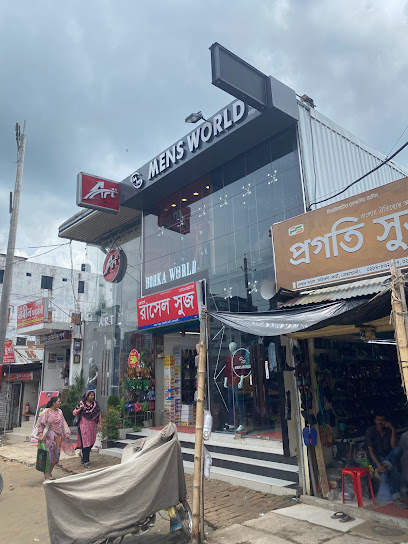
Explore Bishal Center, Noakhali's vibrant shopping mall filled with stores, restaurants, and entertainment for an unforgettable experience.
M/s khan store(মেসার্স খাঁন স্টোর)
38.5 km
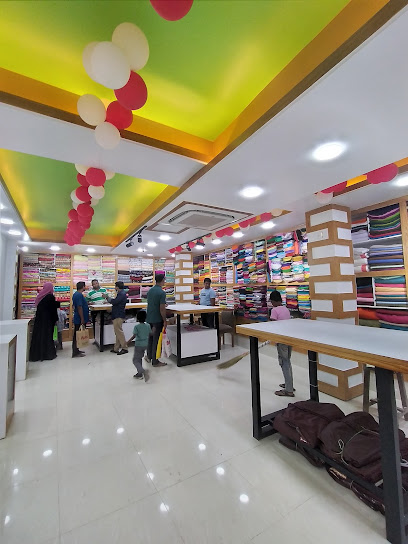
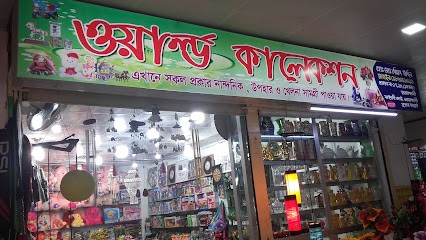
Discover unique souvenirs and local treasures at M/s Khan Store, your go-to gift shop in Noakhali for unforgettable keepsakes.
Noakhali Future World
38.6 km
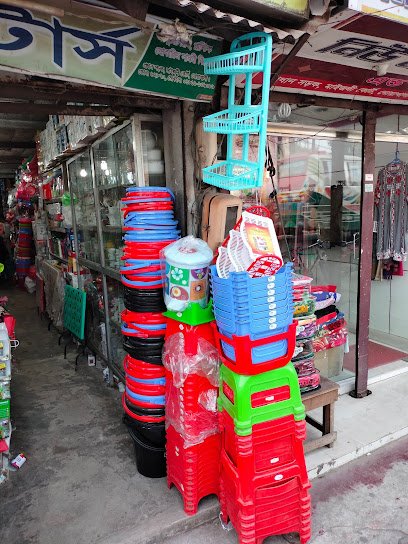
Experience joy and excitement at Noakhali Future World, the ultimate amusement center for families and thrill-seekers in Bangladesh.
Noakhali Super Market
38.6 km
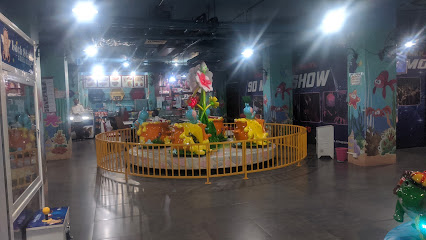
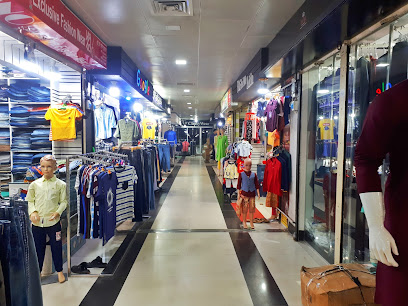
Discover a shopping paradise at Noakhali Super Market, the largest shopping destination in greater Noakhali, blending local culture with modern retail.
Play Store
38.6 km
Explore the Play Store in Noakhali for the latest smartphones and accessories, ensuring you stay connected while experiencing local culture.
World Collection
38.6 km
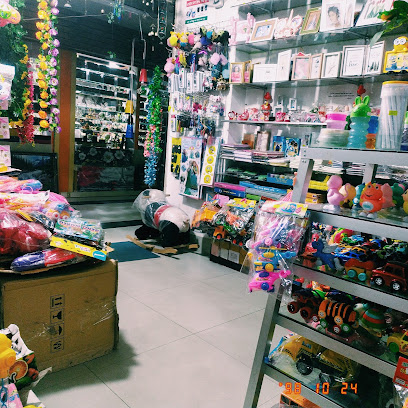
Discover a magical toy store in Noakhali, where imagination comes to life with a wide array of toys and unique gifts for all ages.
Essential bars & hidden hideouts

Anowarer Bari
18.5 km
Experience the vibrant nightlife at Anowarer Bari, a top-rated bar in Bangladesh known for its lively atmosphere and diverse drink selection.
ShoshurBari - Restaurant & Party Center
35.9 km
Experience the flavors of Bangladesh at ShoshurBari Restaurant, where traditional cuisine meets a modern dining ambiance.
Rajmahal Restora
38.0 km
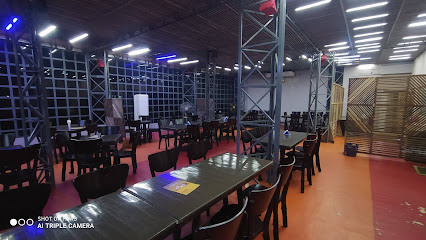
Discover the authentic flavors of Bangladesh at Rajmahal Restora, a must-visit dining destination in Noakhali, known for its delectable local cuisine.
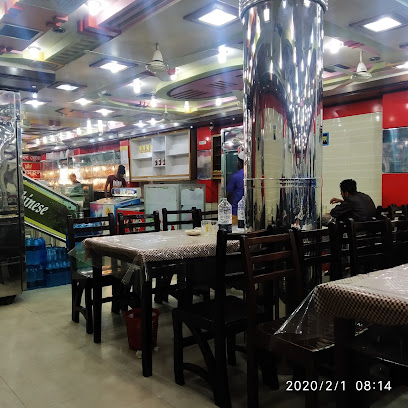
Sagor's HUB
38.0 km
Discover the lively ambiance and diverse drink selection at Sagor's HUB, a top bar in Noakhali, perfect for relaxation and socializing.
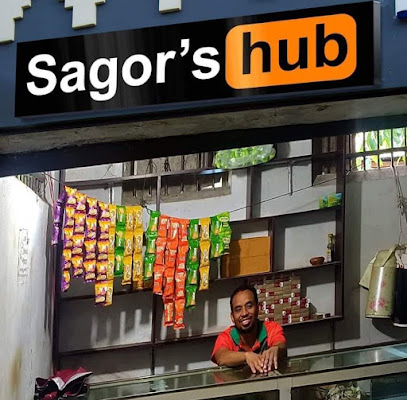
Daulatpur
38.2 km
Experience the vibrant nightlife of Noakhali at Daulatpur, a charming bar serving craft cocktails and local drinks in a laid-back atmosphere.
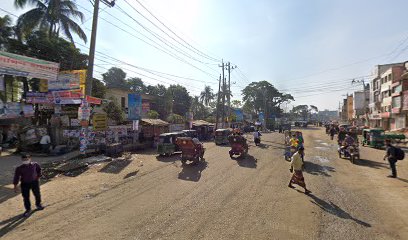
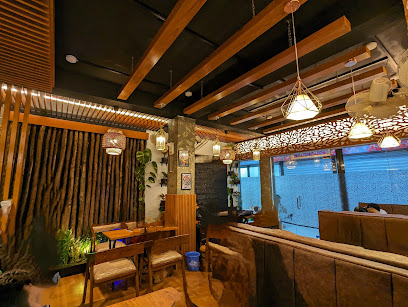
Back Benchers
38.6 km
Discover the culinary delights of Noakhali at Back Benchers, where vibrant flavors meet a cozy atmosphere.
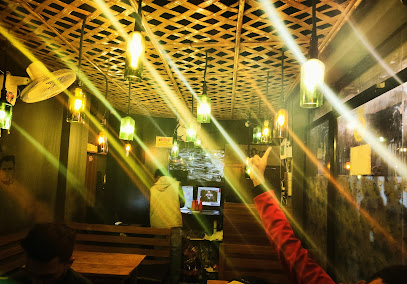
macem pur
38.9 km
Discover the lively ambiance and local flavors at Macem Pur, a vibrant bar in Noakhali, perfect for unwinding and socializing.
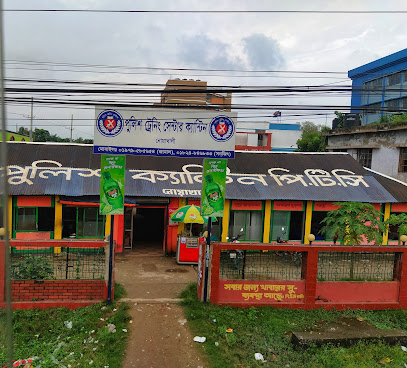
Police Training Center Canteen
39.2 km
Explore authentic Bangladeshi flavors at the Police Training Center Canteen, a local favorite in Noakhali offering traditional dishes and warm hospitality.
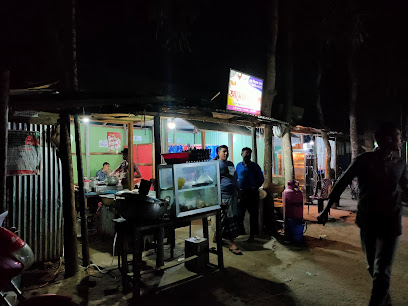
Amena Restaurant (আমেনা রেস্টুরেন্ট)
39.8 km
Discover the rich flavors of Bangladesh at Amena Restaurant in Chhayani, a culinary gem celebrated for its authentic dishes and warm hospitality.
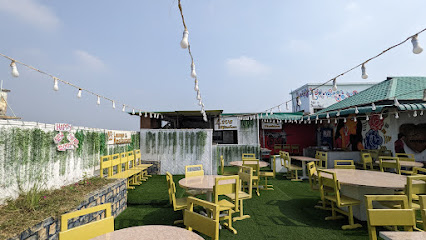
AB Lounge & Restaurant
47.2 km
Savor the best of local and international cuisine at AB Lounge & Restaurant in Chowmuhani, featuring a stunning rooftop dining experience.
Hotel Amania || হোটেল আমানিয়া
47.2 km
Discover the flavors of China and indulge in delightful bakery treats at Hotel Amania in Chowmuhani, a must-visit culinary destination.
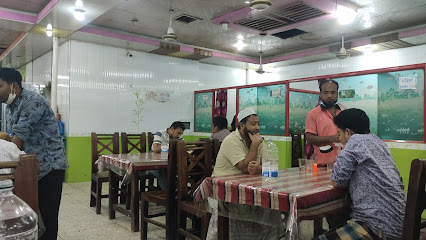
Nando's
47.3 km
Experience the zest of peri-peri chicken at Nando's, a vibrant restaurant in Chowmuhani, where flavor and fun meet.
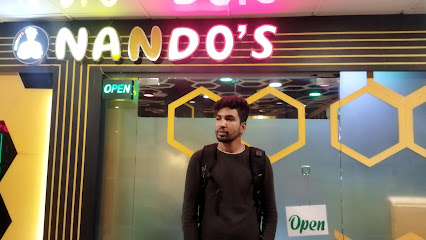
Historical Convention Center And Chinese Restaurant
53.7 km
Explore the Historical Convention Center And Chinese Restaurant: A unique blend of culture and authentic Chinese cuisine in Lakshmipur.
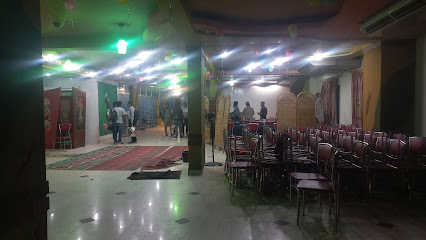
(0) জিরো পয়েন্ট ডালিমা বাউফল পটুয়াখালী
55.9 km
Experience the vibrant local atmosphere at Zero Point, a charming bar in Dalima, Bauphal, perfect for unwinding with friends and enjoying delightful drinks.
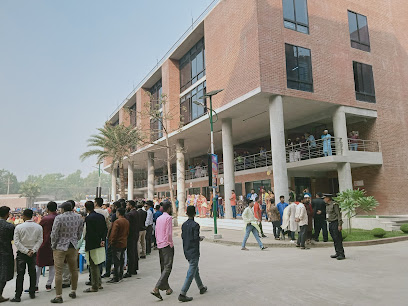
Bou bazir
55.9 km
Discover Bou Bazir in Bauphal: A cozy bar blending local culture with friendly vibes, perfect for travelers seeking relaxation and connection.
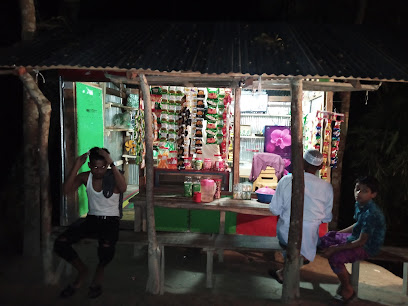
Nightclubs & after hour spots

Noakhali Club
38.1 km
Discover the heart of Noakhali's nightlife at Noakhali Club, a lively venue for entertainment, culture, and social gatherings.
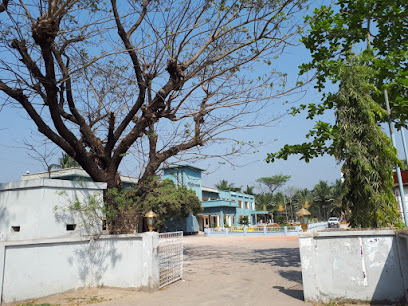
Tong Dokan
38.1 km
Discover the electrifying nightlife of Noakhali at Tong Dokan, the ultimate night club experience filled with music, dancing, and vibrant atmosphere.
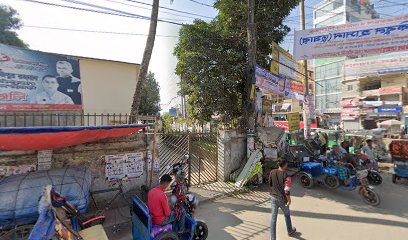
Soha Akther
38.9 km
Discover the electrifying nightlife at Soha Akther, Noakhali's premier night club, where music, dance, and vibrant atmosphere await.
asish
71.4 km
Dive into the exhilarating nightlife at Asish, a vibrant night club in Srinagar, Tripura, where unforgettable memories await every visitor.
মন্নান টাওয়ার
75.4 km
Dive into the heart of Chattogram's nightlife at মন্নান টাওয়ার, where unforgettable moments and electrifying music await every visitor.
Ac Office
75.8 km
Dive into the vibrant nightlife at Ac Office, Chattogram's premier night club offering electrifying music, stylish decor, and unforgettable experiences.
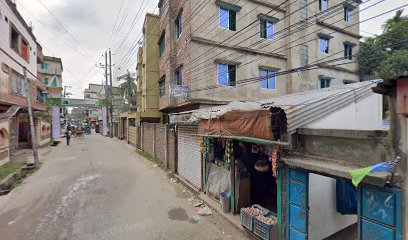
Halishahar Lucky Club
75.9 km
Discover the lively nightlife at Halishahar Lucky Club, a premier youth club in Chattogram, perfect for dancing and socializing.
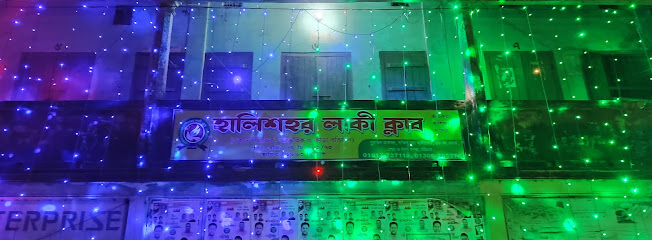
Barisal Officers Club
76.2 km
Experience the essence of Barisal at the Officers Club, a unique venue blending history, culture, and community spirit.
BARISHAL Women's Clubs
76.3 km
Discover the vibrant nightlife at BARISHAL Women's Clubs, where local music and culture come alive in an energetic atmosphere.
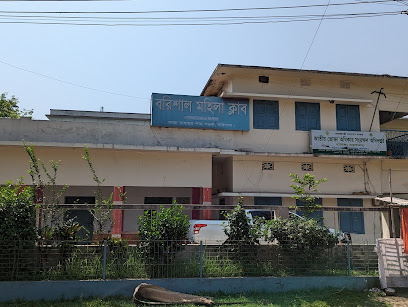
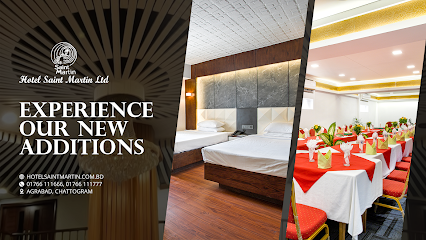
Hotel Saint Martin Ltd
77.5 km
Discover a perfect blend of comfort and local charm at Hotel Saint Martin Ltd in Chattogram, ideal for an unforgettable stay.
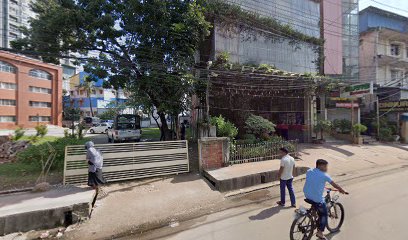
পুলিশ ট্রাস্ট কনভেনশন সেন্টার (চট্টগ্রাম জেলা)
77.5 km
Discover the vibrant nightlife at Police Trust Convention Center in Chattogram, where local culture meets modern entertainment.
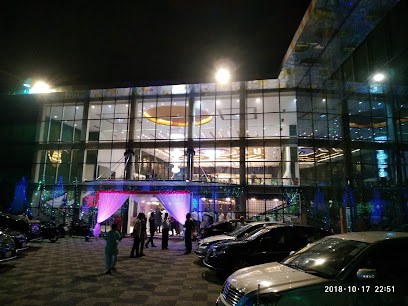
Ladies Club Chittagong
77.7 km
Experience the charm of Chattogram at Ladies Club, a stunning convention center with exquisite design and a vibrant atmosphere.
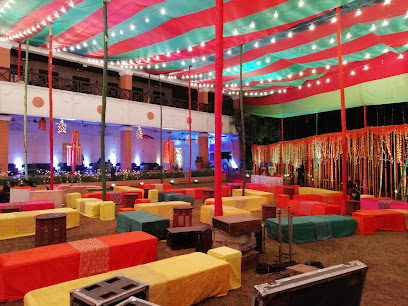
Chittagong Club Ltd
77.7 km
Experience the elegance and camaraderie at Chittagong Club Ltd, a premier social hub in the heart of Chattogram, Bangladesh.
Baikal Lounge
77.9 km
Discover Baikal Lounge in Chattogram, where vibrant nightlife meets expertly crafted cocktails in an upscale setting.
মদিনা ডিপার্টমেন্ট স্টোর
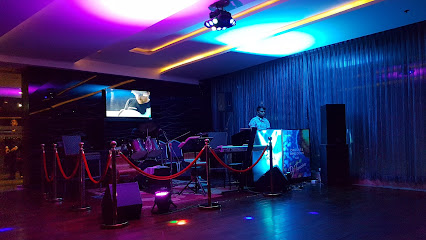
77.9 km
Discover the dynamic nightlife of Chattogram at Madina Department Store, where shopping meets vibrant entertainment and unforgettable experiences.