

Free Southern Bengal Travel Guide & Mobile App
Explore Southern Bengal with free travel guides. Discover regional history, expert tips, proposed trips, and audio guides on web or mobile app.


Explore Southern Bengal in Bangladesh for river journeys, Bagerhat’s mosque heritage, delta food and the mangrove waterways of the Sundarbans.
Read more about Southern Bengal
When is the best time to visit Southern Bengal?
Best: December–February · 25–28°C| Month | High (°C) | Rainfall (mm) |
|---|---|---|
| January (best) | 25 | 10 |
| February (best) | 28 | 20 |
| March | 33 | 30 |
| April | 35 | 60 |
| May | 36 | 120 |
| June | 34 | 220 |
| July | 33 | 300 |
| August | 33 | 250 |
| September | 32 | 210 |
| October | 31 | 120 |
| November | 28 | 70 |
| December (best) | 25 | 20 |
Getting to and around Southern Bengal
How to get there
Transportation
Top city travel guides in Southern Bengal
The cities of Southern Bengal, and the easiest places to base yourself.
-

-

-

-

-

-


Swipe for more cities
Destinations in Southern Bengal
Resorts, valleys and scenic spots worth a trip of their own.
-

-


Swipe for more destinations
Best attractions in Southern Bengal
Southern Bengal’s attractions are shaped by the delta’s waterways, historic settlements and protected mangrove environment. The Bangladesh Sundarbans is the region’s defining natural destination, offering guided boat journeys through tidal creeks, mudflats and dense mangrove forest, with opportunities to observe birds, deer, crocodiles and other wildlife without any guarantee of seeing a tiger. Bagerhat provides a very different experience: its Mosque City brings together medieval mosques, tanks and archaeological remains in a landscape associated with the Bengal Sultanate. Khulna is a useful cultural and logistical base, while Barishal and neighbouring river districts reveal the region’s living relationship with canals, launches, markets and agricultural communities. Pirojpur, Jhalokati, Patuakhali and Bhola offer quieter delta travel, although many journeys depend on local ferries and changing weather. Visitors can also explore rural markets, historic religious buildings, fish and rice landscapes, and boat-based excursions through smaller waterways. The principal appeal is not a dense circuit of built attractions but the contrast between urban river ports, cultivated countryside, medieval architecture and a protected tidal wilderness.
-
Tourist attraction
The Sundarbans (Bangladesh)
Explore the Sundarbans: A UNESCO-protected mangrove forest, home to the Royal Bengal tiger and rich biodiversity.
-
Tourist attraction
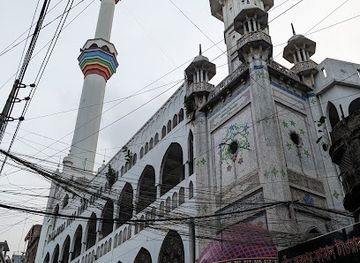
Chawkbazar Shahi Jame Masjid
Explore Dhaka's Mughal heritage at Chawkbazar Shahi Jame Masjid, a historic mosque in the heart of Old Dhaka's vibrant Chawkbazar.
-
Garden
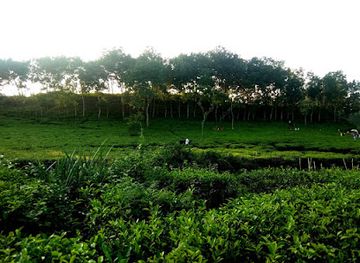
Lakkatura Tea Garden
Escape to Lakkatura Tea Garden: Discover scenic beauty, rich history, and the heart of Bangladesh's tea culture near Sylhet city.
-
Tourist attraction
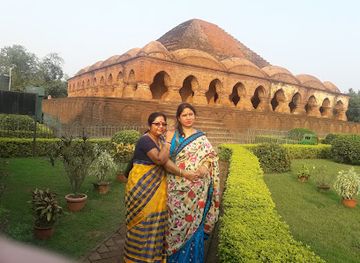
Jor Bangla Temple
Discover the exquisite terracotta artistry and unique Jor-Bangla architecture of this 17th-century temple in Bishnupur, a testament to Bengal's rich cultural heritage and the Malla dynasty.

Best landmarks in Southern Bengal
Sixty Dome Mosque at Bagerhat is Southern Bengal’s most important architectural landmark. Despite its familiar name, the brick building’s roof is supported by numerous domes and associated structures, and its imposing interior demonstrates the distinctive mosque architecture that developed in the Bengal Sultanate. It forms part of the historic Mosque City of Bagerhat, alongside other medieval mosques, tombs and water tanks. The Khan Jahan Ali Mausoleum and adjoining pond are also significant to the area’s historical landscape and religious memory. In Khulna, the Rupsha River and its bridges provide recognisable symbols of a modern river port, although the city’s importance lies more in its continuing commercial relationship with the southwest than in a single monumental structure. Across the wider region, the most powerful landmarks are often geographical: the tidal channels and forest margins of the Sundarbans, the broad Meghna crossings near the coastal districts, and the river ghats around Barishal. These places express how settlement, trade, religion and movement have been organised by water for centuries.
-
Park
Ramna Park
Discover Dhaka's serene heart at Ramna Park: a historic green space offering tranquility, cultural experiences, and a refreshing escape from the city's vibrant energy.
-
Historical landmark
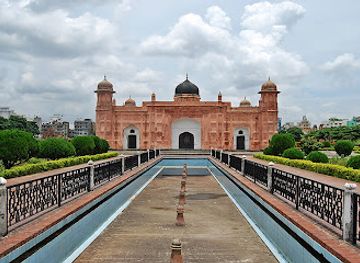
Lalbagh Fort
Explore the unfinished Mughal masterpiece of Lalbagh Fort in Dhaka, a testament to history, love, and architectural grandeur.
-
Historical landmark
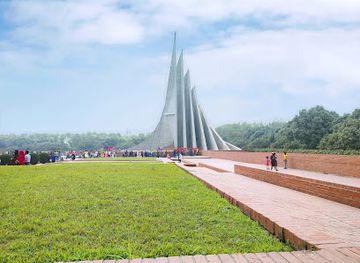
National Martyrs' Monument
Pay homage to the heroes of Bangladesh's Liberation War at the National Martyrs' Monument in Savar, a powerful symbol of the nation's resilience and a must-see landmark.
-
Park
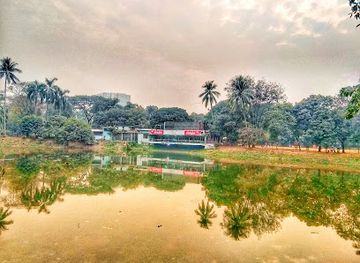
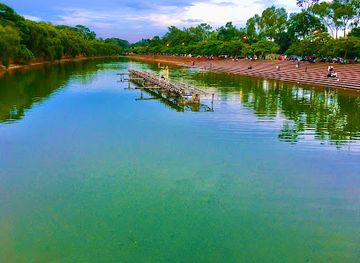
Chandrima Udyan
Escape the city bustle at Chandrima Udyan, a serene park in Dhaka with lush greenery, a tranquil lake, and the historical mausoleum of President Ziaur Rahman, offering a peaceful retreat.
Explore Southern Bengal on the map
Plan your trip on one map. See where the top cities, national parks and sights are, and book hotels and experiences in a few clicks.
Best hotels in Southern Bengal
Best restaurants in Southern Bengal
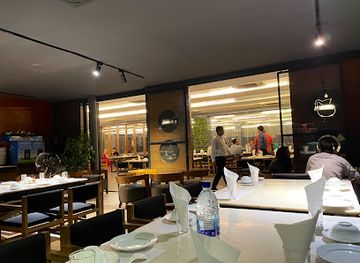
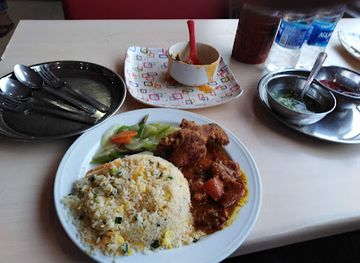
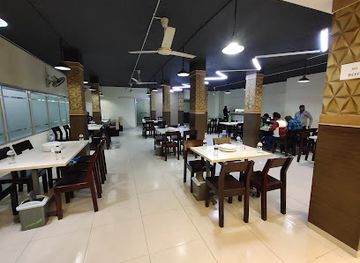
Food in Southern Bengal reflects its rivers, ponds, wetlands and fertile delta soils. Freshwater fish such as hilsa, rui and catla are widely associated with Bengali cooking, although availability and preparation vary by season and locality. Prawns, shrimp, crab and other fish are especially important in the coastal belt, while rice, lentils, leafy vegetables, pumpkin, aubergine and coconut appear frequently in home-style meals. Khulna and Barishal offer the broadest choice of Bengali restaurants, casual eateries, hotel dining rooms and tea stalls; smaller towns are more likely to serve straightforward local meals in modest establishments. Rural markets are useful places to encounter seasonal fruit, sweets, savoury snacks and pithas, the rice-based cakes prepared in different forms across Bengal. Recipes can be strongly spiced, mustard-forward or subtly flavoured, and visitors should explain dietary restrictions clearly. Bottled or treated water is prudent, particularly when eating away from established hotels, while river and coastal produce is best enjoyed where turnover is high.
-
Biryani
Kolkata Kacchi Ghor
Experience authentic Bengali biryani at Kolkata Kacchi Ghor - where tradition meets flavor in the heart of Dhaka.
-
Restaurant
Thai Chi Restaurant & Cafe
Experience the best of Asian cuisine at Thai Chi Restaurant & Cafe - where flavors unite in Dhaka's vibrant dining scene.
-
Indian
Purnima Restaurant
Experience the vibrant flavors of India, Bangladesh, and China at Purnima Restaurant in Dhaka's lively Mirpur area.
-
Restaurant
Abloom Cafeteria
Discover authentic Bengali flavors at Abloom Cafeteria in Tetultala – a perfect spot for food lovers and cultural enthusiasts.
Best bars in Southern Bengal
Southern Bengal does not have a major nightclub culture, and evening life generally centres on family restaurants, tea stalls, hotel dining rooms, riverfront walks and conversations in local markets. Khulna and Barishal have the region’s broadest selection of cafés and contemporary restaurants, while smaller towns tend to become quiet after the evening shopping period. Traditional tea stalls are important social spaces, although they are informal rather than nightlife venues in the international sense. Alcohol is not central to public life and may be difficult to obtain outside licensed hotels or establishments serving international travellers; visitors should respect local religious and social norms. In the Sundarbans and rural delta, evenings are primarily spent aboard boats or at lodgings, with darkness, tides and wildlife rules limiting movement. Live cultural events and seasonal celebrations may occur, but dates and venues vary and should be checked locally rather than assumed.
-
Bar
Chalet Restaurant & Bar
Discover the vibrant flavors of Bangladesh at Chalet Restaurant & Bar, where culinary excellence meets a lively atmosphere in Dhaka.
-
Bar
Sakura Restaurant & Bar
Experience the authentic flavors of Japan at Sakura Restaurant & Bar, a hidden gem in the heart of Dhaka offering exquisite cuisine and a vibrant atmosphere.
-
Bar
La Diplomat Restaurant & Bar
Experience the vibrant culinary scene of Dhaka at La Diplomat Restaurant & Bar, where exquisite flavors meet a lively atmosphere.
-
Bar
DPL Restaurant & Bar
Experience the vibrant nightlife and diverse flavors at DPL Restaurant & Bar in Dhaka, where culinary excellence meets a lively atmosphere.

Best nightclubs in Southern Bengal
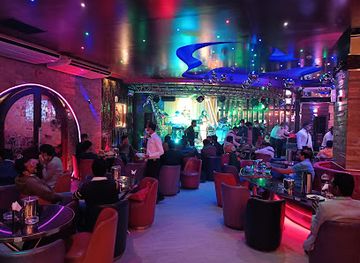
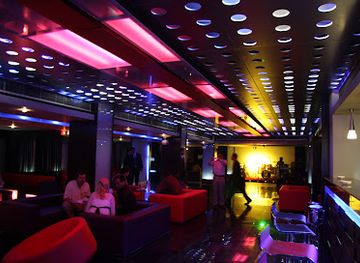
Southern Bengal does not have a major nightclub culture, and evening life generally centres on family restaurants, tea stalls, hotel dining rooms, riverfront walks and conversations in local markets. Khulna and Barishal have the region’s broadest selection of cafés and contemporary restaurants, while smaller towns tend to become quiet after the evening shopping period. Traditional tea stalls are important social spaces, although they are informal rather than nightlife venues in the international sense. Alcohol is not central to public life and may be difficult to obtain outside licensed hotels or establishments serving international travellers; visitors should respect local religious and social norms. In the Sundarbans and rural delta, evenings are primarily spent aboard boats or at lodgings, with darkness, tides and wildlife rules limiting movement. Live cultural events and seasonal celebrations may occur, but dates and venues vary and should be checked locally rather than assumed.
-
Bar
Bluemoon Recreation Club
Discover the vibrant atmosphere of Bluemoon Recreation Club in Dhaka, where leisure meets social engagement in a lively setting.
-
Bar
SKYe Lounge Bar
Experience the vibrant nightlife at SKYe Lounge Bar in Dhaka, offering stunning skyline views, delicious drinks, and a chic atmosphere.
-
Bar
Club 13, Dhaka Regency Hotel & Resort
Discover the vibrant nightlife at Club 13, a premier live music bar in Dhaka Regency Hotel, offering a unique blend of drinks and local entertainment.
-
Bar
Korean Bangladesh Club restaurant L.T.D
Experience the extraordinary fusion of Korean and Bangladeshi cuisines at the Korean Bangladesh Club Restaurant in Dhaka, a unique culinary destination.

Best shops in Southern Bengal
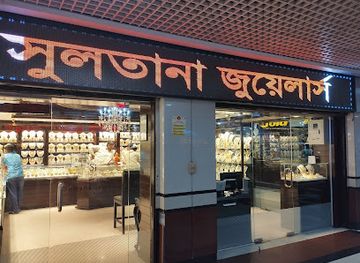
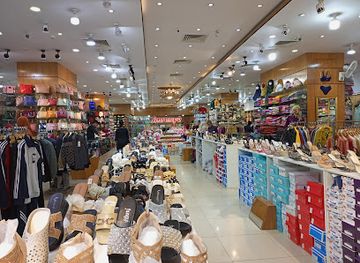
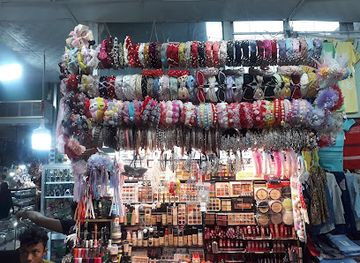
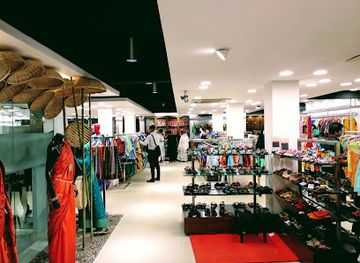
Shopping in Southern Bengal is strongest in traditional markets and town high streets rather than large, specialised retail districts. Khulna and Barishal have the widest range of clothing, household goods, books, mobile shops, sweets and everyday Bengali products, while smaller market towns provide a closer view of ordinary delta commerce. Fresh fish, rice, seasonal fruit, coconut products, spices, sweets and pithas make more meaningful regional purchases than generic souvenirs, though transport and storage should be considered. Bagerhat’s visitor area has small stalls and shops near the monuments, but it is not a major craft-shopping centre. Rural haats and riverfront markets vary by day and location, so ask locally rather than relying on a fixed schedule. Handloom textiles, handmade household items and locally produced food can sometimes be found in town markets, although quality and provenance differ. Bargaining is common in informal markets but should remain courteous; established shops and supermarkets generally display firmer prices.
-
Shopping mall
Bashundhara City Shopping Complex
Explore Dhaka's largest shopping mall, Bashundhara City, where luxury meets local charm in a vibrant shopping and entertainment hub.
-
Shopping mall
Jamuna Future Park
Explore Jamuna Future Park, Dhaka's premier shopping mall, where shopping, dining, and entertainment come together in a vibrant experience.
-
Market
Dhaka New Market
Explore the vibrant Dhaka New Market, a cultural treasure trove of local crafts, street food, and shopping excitement in the heart of Bangladesh.
-
Clothing store
Aarong Lalmatia
Experience the essence of Bengali culture at Aarong Lalmatia, where traditional craftsmanship meets modern fashion.
Get your free copy of our complete guide to Southern Bengal, delivered straight to you.
Everything on this page, from attractions and restaurants to essentials and local phrases, in one PDF you can read offline, print or share.
Already have an account? Sign in
Your Southern Bengal guide is ready.
We'll send it to · Not you? Sign out

Getting your guide ready…
We are putting together a fresh copy of the Southern Bengal guide. This can take up to a minute.
This can take a few moments. If your browser asks, choose Allow so the download can start. You'll find the guide in your Downloads folder.
Nothing happened? Download it again
Sorry, the guide is taking longer than usual. Please try again in a minute, or get it by email instead.
Southern Bengal essentials
Currency and Payment
Safety
Emergency Situations
Do's and Don'ts
Local Tips
From Eve
Local phrases worth knowing
You don't need to get them perfect. A few words go a long way, and locals appreciate the effort.
Basics
| English | Local | Say it |
|---|---|---|
| Hello | হ্যালো | [Hyalo] |
| Goodbye | বিদায় | [Bidāẏ] |
| Yes | হ্যাঁ | [Hyā̃] |
| No | না | [Nā] |
| Please/You're welcome | দয়া করে/স্বাগতম | [Dôyā kōrē/Sbāgatam] |
| Thank you | ধন্যবাদ | [Dhonnobād] |
| Excuse me/Sorry | মাফ করবেন/দুঃখিত | [Māf karbēn/Dukhita] |
| How are you? | আপনি কেমন আছেন? | [Āpni kēman āchēn?] |
| Fine. And you? | অবশ্যই। এবং আপনি? | [Abōṣyai. Ēbaṁ āpni?] |
| Do you speak English? | আপনি কি ইংরেজি বলতে পারেন? | [Āpni ki iṅrēji bōltē pārēn?] |
| I don't understand | আমি বুঝতে পারছি না | [Āmi bujhtē pārchī nā] |
Eating & Drinking
| English | Local | Say it |
|---|---|---|
| I'd like to see the menu, please | আমার মেনু দেখতে চাই, দয়া করে | [Āmār mēnu dēkhtē chāi, dôyā kōrē] |
| I don't eat meat | আমি মাংস খাই না | [Āmi mānśa khāi nā] |
| Cheers! | চিয়ার্স! | [Chiyārs!] |
| I would like to pay, please | আমি টাকা দিতে চাই, দয়া করে | [Āmi ṭākā dītē chāi, dôyā kōrē] |
Emergencies
| English | Local | Say it |
|---|---|---|
| Help! | সাহায্য করুন! | [Sāhāyya karun!] |
| Go away! | দূরে যান! | [Dūrē yān!] |
| Call the Police! | পুলিশ ডেকে আনুন! | [Pulīś dēkē ānuna!] |
| Call a doctor! | ডাক্তার ডাকুন! | [Ḍāktār ḍākuna!] |
| I'm lost | আমি হারিয়ে গেছি | [Āmi hāriẏē gēchī] |
| I'm ill | আমি অসুস্থ | [Āmi asuṣṭha] |
Shopping
| English | Local | Say it |
|---|---|---|
| I'd like to buy... | আমি কিনতে চাই... | [Āmi kintē chāi...] |
| I'm just looking | আমি শুধু দেখছি | [Āmi śudhu dēkhchī] |
| How much is it? | এটার দাম কত? | [Ēṭār dām kata?] |
| That's too expensive | এটা খুব দামী | [Ēṭā khub dāmī] |
| Can you lower the price? | আপনি কি দাম কমাতে পারেন? | [Āpni ki dām kamātē pārēn?] |
Time & Numbers
| English | Local | Say it |
|---|---|---|
| What time is it? | এখন সময় কত? | [Ēkhana samaẏ kata?] |
| It's one o'clock | এখন একটা বাজে | [Ēkhana ēkṭā bājē] |
| Half past (10) | দশটার আধা | [Daśaṭār ādhā] |
| Morning | সকাল | [Sakāl] |
| Afternoon | বিকেল | [Bikēl] |
| Evening | সন্ধ্যা | [Sandhyā] |
| Yesterday | গতকাল | [Gatakāl] |
| Today | আজ | [Āj] |
| Tomorrow | কাল | [Kāl] |
| 1 | ১ | [1] |
| 2 | ২ | [2] |
| 3 | ৩ | [3] |
| 4 | ৪ | [4] |
| 5 | ৫ | [5] |
| 6 | ৬ | [6] |
| 7 | ৭ | [7] |
| 8 | ৮ | [8] |
| 9 | ৯ | [9] |
| 10 | ১০ | [10] |
Transport & Directions
| English | Local | Say it |
|---|---|---|
| Where's a/the...? | একটি/দ্য... কোথায়? | [Ēkaṭi/dya... kōthāẏ?] |
| What's the address? | ঠিকানা কী? | [Ṭhikānā kī?] |
| Can you show me (on the map)? | আপনি কি আমাকে দেখাতে পারেন (মানচিত্রে)? | [Āpni ki āmākē dēkhātē pārēn (mānchitrē)?] |
| When's the next (bus)? | পরবর্তী (বাস) কখন? | [Parabartī (bās) kakhan?] |
| A ticket (to ....) | একটি টিকেট (যাতে ...) | [Ēkaṭi ṭikēṭ (jātē ...)] |
History of Southern Bengal
Early Delta Settlement and Riverine Cultures
Southern Bengal developed through the gradual settlement and cultivation of a low-lying delta built from silt carried by major rivers. Communities adapted to shifting channels, seasonal flooding and fertile alluvial soils, growing rice and using waterways for fishing, trade and communication. Archaeological evidence across greater Bengal indicates long periods of interaction between local communities and wider networks reaching into northern India and the Bay of Bengal. The region’s present geography is relatively young and continually changing, so many historic settlements were shaped by rivers that have since altered course or disappeared.
Buddhist and Hindu Kingdoms of Bengal
Before the consolidation of Muslim rule, southern Bengal was connected to the wider political and religious worlds of ancient and early medieval Bengal. Buddhist and Hindu traditions influenced settlement, art, landholding and temple culture, while river and coastal routes linked the delta to other parts of the subcontinent. Much early architecture has been lost to floods, river erosion and later rebuilding, but religious sites, place names and surviving archaeological remains preserve evidence of these earlier cultural layers. The region’s later history did not replace them entirely; Hindu temple traditions and local sacred landscapes continued alongside newer Islamic institutions.
The Bengal Sultanate and Bagerhat
During the fifteenth century, the southern frontier around present-day Bagerhat was developed under Khan Jahan Ali, a powerful administrator and religious figure associated with the Bengal Sultanate. He established settlements, excavated water tanks and commissioned mosques in a landscape then close to the eastern edge of the Sundarbans. The resulting Mosque City of Bagerhat demonstrates how religion, governance, water management and land reclamation operated together. Its brick buildings, including Sixty Dome Mosque, are among the most important medieval monuments in Bangladesh and form a UNESCO World Heritage Site.
Mughal Rule and River Commerce
Mughal expansion brought southern Bengal more firmly into an imperial administrative and commercial system from the sixteenth century onwards. River routes carried rice, textiles, timber, salt and fish between local markets and larger centres, while fortified posts, mosques, temples and zamindari estates helped organise the countryside. Control was never equally strong across the tidal delta, where forests, shifting waterways and seasonal conditions limited direct administration. The commercial importance of rivers nevertheless endured, laying foundations for the market towns and transport patterns still visible around Barishal, Khulna and the lower Meghna.
Colonial Trade, Agriculture and Port Development
Under British rule, the delta was increasingly connected to export agriculture, river ports and colonial administration. Jute became especially important in Bengal’s commercial economy, while rice, fish, timber and other products moved through waterways towards larger trading centres. Khulna and surrounding districts gained new roads, rail links and administrative institutions, though development remained uneven and rural communities continued to depend heavily on seasonal agriculture and river transport. Colonial land systems also altered patterns of ownership and cultivation, with consequences that continued into the twentieth century.
Partition and the Transformation of the Delta
The 1947 Partition of British India placed southern Bengal within East Pakistan and disrupted established markets, migration patterns and cross-border transport. The region remained economically tied to agriculture, fisheries, river commerce and port activity, while administrative boundaries and political priorities changed. New pressures on land and water management accompanied population movement and development schemes. The lower delta’s connections with Kolkata and other parts of historic Bengal became more restricted, although cultural continuities in food, language, religious practice and river-based livelihoods remained strong.
The Liberation War and Independent Bangladesh
Southern Bengal was deeply involved in the 1971 Liberation War that led to Bangladesh’s independence. Towns, river routes and rural settlements became part of military operations, resistance networks, refugee movements and humanitarian upheaval. The region’s waterways made transport and communication strategically important, while the coastal and southwestern districts experienced major disruption. After independence, Bangladesh faced the task of rebuilding transport, markets and public institutions in a landscape vulnerable to cyclones, flooding and river erosion. Contemporary regional development continues to balance connectivity and economic opportunity with environmental risk.
Southern Bengal in Photos
Browse through our photo collection highlighting the charm and character of the destination.
Neighbouring regions of Southern Bengal
The closest regions to Southern Bengal, if you have time for more than one.
-

-

-

-

-


Swipe for more regions
Explore more

Explore more of Bangladesh
Discover Bangladesh: A land of rivers, rich culture, and breathtaking landscapes. Explore ancient sites, vibrant cities, and the unique flavors of this South Asian gem.
Explore Bangladesh