

Free Saint Thomas Travel Guide & Mobile App
Explore Saint Thomas with free travel guides. Discover regional history, expert tips, proposed trips, and audio guides on web or mobile app.


Discover Saint Thomas in Barbados for limestone caves, wooded gullies, rolling hills, local history and easy access to the island’s central interior.
Read more about Saint Thomas
When is the best time to visit Saint Thomas?
Best: February–April · 28–29°C| Month | High (°C) | Rainfall (mm) |
|---|---|---|
| January | 28 | 70 |
| February (best) | 28 | 50 |
| March (best) | 29 | 50 |
| April (best) | 29 | 51 |
| May | 30 | 70 |
| June | 30 | 100 |
| July | 30 | 140 |
| August | 30 | 170 |
| September | 30 | 180 |
| October | 30 | 171 |
| November | 29 | 120 |
| December | 29 | 90 |
Getting to and around Saint Thomas
How to get there
Transportation
Top city travel guides in Saint Thomas
The cities of Saint Thomas, and the easiest places to base yourself.
-

-

-


Swipe for more cities
Destinations in Saint Thomas
Resorts, valleys and scenic spots worth a trip of their own.
-

-


Swipe for more destinations
Best attractions in Saint Thomas
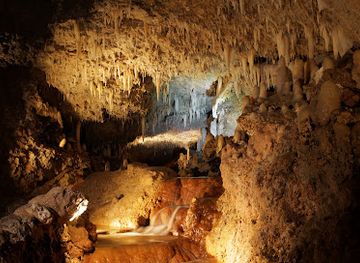
Saint Thomas’s attractions centre on the island’s limestone interior rather than on beaches. Harrison’s Cave is the parish’s signature experience, with guided access to an underground world of chambers, flowing water and mineral formations. Above ground, Welchman Hall Gully follows a collapsed cave system through dense vegetation, offering a shaded contrast to Barbados’s open coastal scenery. The countryside around Welchman Hall, Jackson and the higher roads is suited to scenic drives and short exploratory walks, although paths and access arrangements vary. Churches and village communities provide a more everyday cultural perspective, while Warrens supplies modern shopping, services and dining in a rapidly developed central district. The parish is also well placed for combining geological attractions with wider Barbados itineraries, but visitors should distinguish Saint Thomas from nearby attractions in Saint Joseph, Saint George, Saint Andrew and Saint John. Its appeal lies in the relationship between caves, gullies, agricultural remnants, suburban growth and the island’s elevated central landscape.
-
Beach
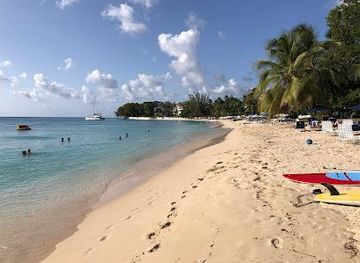
Paynes Bay Beach
Discover Paynes Bay Beach in Barbados: Golden sands, calm turquoise waters, and vibrant Bajan charm await on the Platinum Coast. Perfect for swimming, snorkeling, and relaxation.
-
Performing arts theater
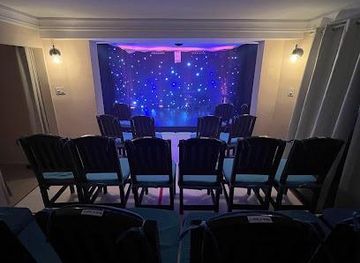
Barbados Magic Lounge
Experience world-class magic in an intimate setting at Barbados Magic Lounge, located in the heart of St. Lawrence Gap's vibrant nightlife.
-
Pottery manufacturer
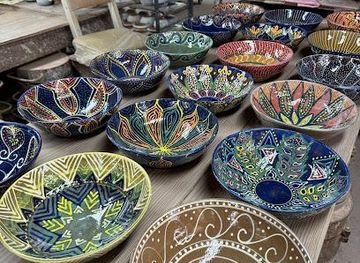
Earthworks Pottery
Discover unique, handcrafted Bajan ceramics at Earthworks Pottery, where art and tradition come to life in the heart of Barbados.
-
Beach
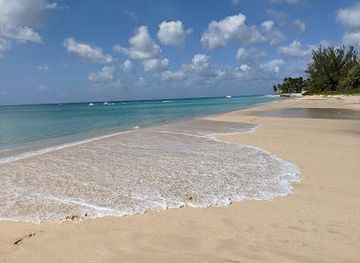
Brighton Beach
Escape to the tranquil shores of Brighton Beach in Barbados, where soft sands and turquoise waters create a perfect Caribbean paradise.
Best landmarks in Saint Thomas
Harrison’s Cave is Saint Thomas’s defining natural landmark, an extensive limestone formation whose underground halls and watercourses reveal the geological character of central Barbados. At the surface, Welchman Hall Gully is an equally important landscape marker: its vegetation occupies a collapsed cavern and creates a sheltered corridor through the uplands. These sites give the parish a visual identity distinct from the island’s beaches and coral-cliff coast. Saint Thomas Parish Church and other long-established churches represent the continuing importance of parish institutions in Barbadian community life, while the roads and settlement patterns around Welchman Hall preserve traces of an older agricultural interior. Warrens, by contrast, symbolises the modern transformation of central Barbados into a major commercial and residential zone. Together, caves, gullies, churches, cultivated land and expanding business districts show how natural history, colonial settlement, plantation agriculture and contemporary development coexist within a compact inland parish.
-
Seafood
Oistins Fish Market
Experience the vibrant flavors and lively atmosphere of Oistins Fish Market in Barbados, where fresh seafood meets local culture.
-
Tourist attraction
Animal Flower Cave & Restaurant
Experience the beauty of Animal Flower Cave & Restaurant in Barbados, where stunning views, adventure, and delicious local cuisine come together for an unforgettable visit.
-
Tourist attraction
Harrison's Cave Eco-Adventure Park
Explore a stunning subterranean world with guided tram tours, ziplining, nature trails, and rum tasting experiences in the heart of Barbados.
-
Island
Barbados
Explore the enchanting island of Barbados, where pristine beaches, rich history, and vibrant culture blend seamlessly for an unforgettable escape.

Explore Saint Thomas on the map
Plan your trip on one map. See where the top cities, national parks and sights are, and book hotels and experiences in a few clicks.
Best hotels in Saint Thomas
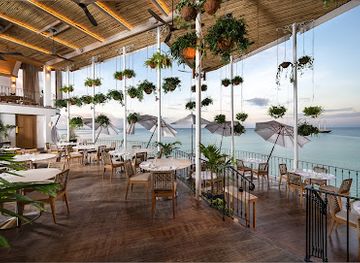
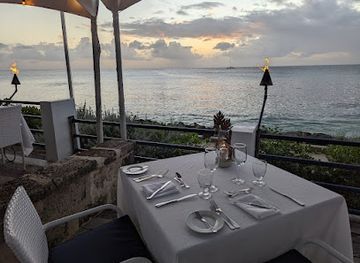
Best restaurants in Saint Thomas
Saint Thomas’s dining scene is concentrated around Warrens and the main roads rather than a single restaurant quarter. Visitors can find casual cafés, bakeries, takeaway counters, family restaurants and modern venues serving a mixture of Barbadian and international food. Traditional island cooking may include flying fish, fish cakes, macaroni pie, rice and peas, grilled or stewed meats and seasonal vegetables, while roti and other Caribbean dishes reflect the wider region’s culinary exchange. Inland communities also offer rum shops and small eateries where the atmosphere is more local and informal, though opening arrangements can vary. Fresh produce from Barbados’s farms appears in household cooking and market shopping, and sweet breads, coconut-based treats and pastries are useful additions to a food-focused itinerary. For a broader choice of seafood and waterfront dining, visitors generally travel beyond Saint Thomas to coastal parishes, while the parish itself is most convenient for combining meals with cave visits, business appointments or a central-island drive.
-
Restaurant
Sea Shed Restaurant
Discover culinary delights at Sea Shed Restaurant in Bridgetown, Barbados - where fresh seafood meets stunning ocean views.
-
Caribbean
Dis Ole House Kitchen & Garden Barbados
Experience authentic Caribbean cuisine at Dis Ole House Kitchen & Garden in beautiful Long Bay, Saint Philip Barbados - where flavor meets relaxation.
-
Restaurant
QP Bistro
Discover exquisite Caribbean cuisine at QP Bistro in Barbados - where flavor meets hospitality in an inviting atmosphere.
-
Fine Dining
Paul Owens At The Beach House
Experience exquisite fine dining at Paul Owens At The Beach House in Holetown, Barbados - where culinary artistry meets breathtaking ocean views.

Best bars in Saint Thomas
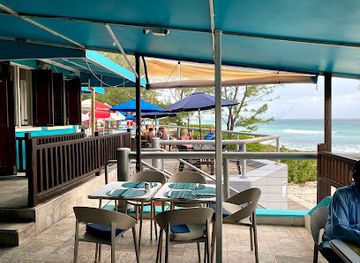
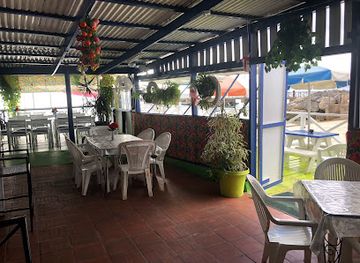
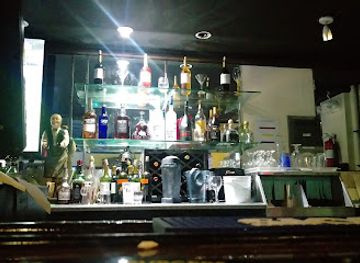
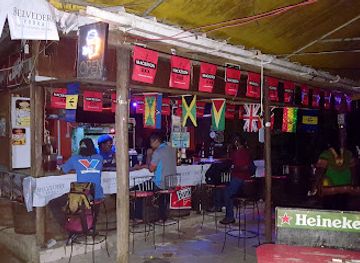
Evening life in Saint Thomas is relatively low-key and is centred on neighbourhood rum shops, pubs, restaurants and casual bars rather than a major nightclub circuit. Warrens has the broadest concentration of contemporary dining and drinking, with venues that suit after-work meals and relaxed evenings, while smaller communities retain a more informal social atmosphere. Live music and televised sport may feature in local establishments, but schedules are changeable and should be checked locally. Visitors seeking a larger choice of clubs, late-night entertainment or seafront bars generally travel towards Bridgetown and the south or west coasts, outside Saint Thomas. The parish works best for an unhurried evening after exploring the interior: choose a reputable venue, arrange transport in advance and remember that rural roads become darker and quieter after business hours.
-
Grill
Blakey's Bar & Restaurant
Experience the vibrant flavors of Barbados at Blakey's Bar & Restaurant, where grill classics meet a lively atmosphere.
-
Bar
Fisherman's Pub
Discover the vibrant atmosphere of Fisherman's Pub, a must-visit bar and restaurant in Speightstown, offering fresh seafood and stunning seaside views.
-
Restaurant
The Tavern Pub
Experience the vibrant atmosphere and authentic Caribbean flavors at The Tavern Pub in Barbados, a must-visit restaurant for all travelers.
-
Grill
Garry's Rum Punch Bar
Experience the authentic taste of the Caribbean at Garry's Rum Punch Bar, where delicious grilled dishes and refreshing cocktails await you.
Best nightclubs in Saint Thomas
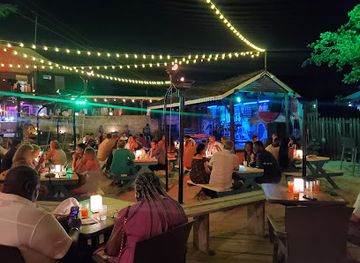
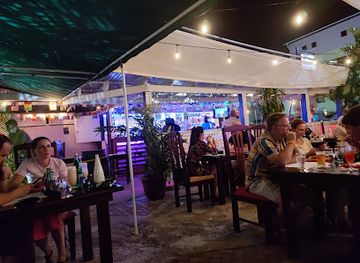
Evening life in Saint Thomas is relatively low-key and is centred on neighbourhood rum shops, pubs, restaurants and casual bars rather than a major nightclub circuit. Warrens has the broadest concentration of contemporary dining and drinking, with venues that suit after-work meals and relaxed evenings, while smaller communities retain a more informal social atmosphere. Live music and televised sport may feature in local establishments, but schedules are changeable and should be checked locally. Visitors seeking a larger choice of clubs, late-night entertainment or seafront bars generally travel towards Bridgetown and the south or west coasts, outside Saint Thomas. The parish works best for an unhurried evening after exploring the interior: choose a reputable venue, arrange transport in advance and remember that rural roads become darker and quieter after business hours.
-
Night club
Harbour Lights Barbados
Discover the vibrant nightlife of Harbour Lights Barbados, where Caribbean culture meets unforgettable entertainment and delightful dining.
-
Night club
LVL Barbados
Discover the heartbeat of Bridgetown's nightlife at LVL Barbados, where music, dancing, and unforgettable events await.
-
Night club
The Cove Barbados
Discover the vibrant nightlife at The Cove Barbados, where cocktails, music, and unforgettable memories await in a tropical paradise.
-
Grill
Judy's Watering Hole Rum Shop
Discover the vibrant tastes of the Caribbean at Judy's Watering Hole, where delicious grilled dishes meet the spirit of Barbadian culture.

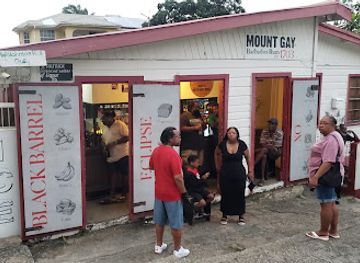
Best shops in Saint Thomas
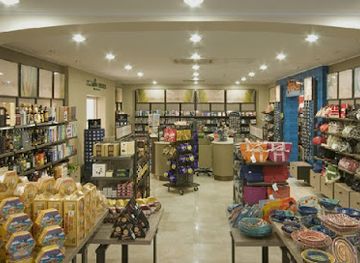
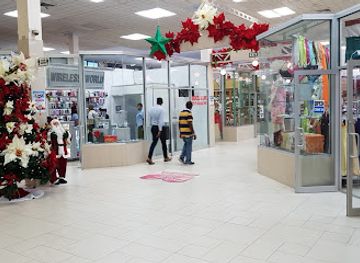
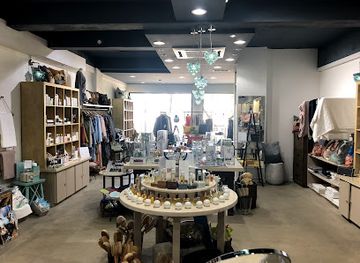
Shopping in Saint Thomas is led by Warrens, one of central Barbados’s principal commercial areas, where visitors will find supermarkets, services, everyday retailers, cafés and shopping facilities rather than a concentrated historic market quarter. Smaller shops and roadside vendors are scattered through the parish, while local produce, baked goods and prepared foods can be found through ordinary community commerce. For distinctive gifts, look for Barbadian rum, food products, sauces, confectionery, books, art and handmade crafts, checking that products are genuinely made or produced on the island. Saint Thomas is not primarily a luxury-shopping destination, and its appeal lies more in convenience and access to local provisions than in a single signature retail street. Bridgetown and the established west-coast resort areas, outside the parish, provide a wider range of souvenirs, galleries and visitor-oriented shops.
-
Department store
Bridgetown Duty Free Broad Street
Experience luxury shopping at Bridgetown Duty Free, where exclusive deals and unique local finds await every traveler in Barbados.
-
Shopping mall
N.S.R.Limited Sky Mall
Explore the dynamic shopping experience at N.S.R. Limited Sky Mall, offering a wide range of stores and dining options in the heart of Barbados.
-
Shopping mall
Limegrove Lifestyle Centre
Experience the ultimate blend of luxury shopping, exquisite dining, and vibrant entertainment at Limegrove Lifestyle Centre in Holetown, Barbados.
-
Craft store
Laurie Dash & Sons Inc
Explore Laurie Dash & Sons Inc in Bridgetown for a wide range of craft supplies and unique handmade treasures in Barbados.
Get your free copy of our complete guide to Saint Thomas, delivered straight to you.
Everything on this page, from attractions and restaurants to essentials and local phrases, in one PDF you can read offline, print or share.
Already have an account? Sign in
Your Saint Thomas guide is ready.
We'll send it to · Not you? Sign out

Getting your guide ready…
We are putting together a fresh copy of the Saint Thomas guide. This can take up to a minute.
This can take a few moments. If your browser asks, choose Allow so the download can start. You'll find the guide in your Downloads folder.
Nothing happened? Download it again
Sorry, the guide is taking longer than usual. Please try again in a minute, or get it by email instead.
Saint Thomas essentials
Currency and Payment
Safety
Emergency Situations
Do's and Don'ts
Local Tips
From Eve
Local phrases worth knowing
You don't need to get them perfect. A few words go a long way, and locals appreciate the effort.
Basics
| English | Local | Say it |
|---|---|---|
| Hello | Wha’ happenin’ | [Wah hap-nin] |
| Goodbye | See yuh later | [See yuh lay-tah] |
| Yes | Yeah | [Yah] |
| No | Nah | [Nah] |
| Please/You’re welcome | No problem | [No prob-lam] |
| Thank you | Thanks | [Tanks] |
| Excuse me/Sorry | Pardon | [Par-don] |
| How are you? | Wha’ gwan? | [Wah gwan] |
| Fine. And you? | I good. An yuh? | [I gud. An yuh?] |
| Do you speak English? | Yuh does speak English? | [Yuh duz speak English?] |
| I don't understand | I ain't get it | [I ain't get it] |
Eating & Drinking
| English | Local | Say it |
|---|---|---|
| I’d like to see the menu, please | Could I see the menu, please? | [Cud I see de men-u, please?] |
| I don't eat meat | I don’t eat no meat | [I don’t eat no meat] |
| Cheers! | Cheers! | [Cheers!] |
| I would like to pay, please | I would like to settle up, please | [I would like to set-tle up, please] |
Emergencies
| English | Local | Say it |
|---|---|---|
| Help! | Help! | [Help!] |
| Go away! | Get away! | [Get away!] |
| Call the Police! | Call de police! | [Call de po-lees!] |
| Call a doctor! | Call a doctor! | [Call a doc-tah!] |
| I’m lost | I lost | [I lost] |
| I’m ill | I not feeling well | [I not feel-in well] |
Shopping
| English | Local | Say it |
|---|---|---|
| I’d like to buy... | I want to buy... | [I want to buy...] |
| I’m just looking | I just browsing | [I just browsing] |
| How much is it? | How much dat cost? | [How much dat cost?] |
| That’s too expensive | Dat too pricey | [Dat too pricy] |
| Can you lower the price? | Yuh could drop de price? | [Yuh cud drop de price?] |
Time & Numbers
| English | Local | Say it |
|---|---|---|
| What time is it? | Wha’ time it is? | [Wah time it is?] |
| It’s one o’clock | It one o’clock | [It one o-clock] |
| Half past (10) | Half past ten | [Half past ten] |
| Morning | Mornin’ | [Mornin'] |
| Afternoon | Afternoon | [Afternoon] |
| Evening | Evenin’ | [Evenin'] |
| Yesterday | Yestahday | [Yestahday] |
| Today | Today | [Today] |
| Tomorrow | Tomorrah | [Tomo-rrah] |
| 1 | One | [One] |
| 2 | Two | [Two] |
| 3 | Three | [Three] |
| 4 | Four | [Four] |
| 5 | Five | [Five] |
| 6 | Six | [Six] |
| 7 | Seven | [Seven] |
| 8 | Eight | [Eight] |
| 9 | Nine | [Nine] |
| 10 | Ten | [Ten] |
Transport & Directions
| English | Local | Say it |
|---|---|---|
| Where's a/the...? | Wha’ de...? | [Wah de...?] |
| What’s the address? | Wha’ de address? | [Wah de ad-dress?] |
| Can you show me (on the map)? | Yuh could show me on de map? | [Yuh cud show me on de map?] |
| When’s the next (bus)? | When de next bus come? | [When de next bus come?] |
| A ticket (to ....) | A ticket to ... | [A ticket to ...] |
History of Saint Thomas
Early Settlement and Amerindian Barbados
Long before English colonisation, Barbados was visited and settled by Indigenous peoples from the wider Caribbean. Archaeological evidence across the island points to communities that used coastal and inland environments, moved through the island and made pottery and tools. Saint Thomas’s caves, gullies and elevated interior would have formed part of this wider landscape of movement and resource use, although the parish is not generally presented as a single major archaeological centre. The island’s early inhabitants were later displaced and obscured by colonisation, but their presence is an essential part of Barbados’s history.
English Colonisation and Parish Formation
English settlement began in the seventeenth century, bringing new landholding patterns, churches, roads and agricultural production. Saint Thomas developed as one of Barbados’s civil parishes within this colonial framework, its interior terrain gradually being incorporated into estates and small settlements. The parish’s hills and gullies were less suited to the dense coastal urbanism that grew around Bridgetown, yet roads and plantation boundaries connected it to ports and markets. Churches and village communities became important anchors as colonial administration and Anglican religious life took root.
Sugar, Plantations and Enslaved Labour
Barbados’s economy was transformed by sugar cultivation from the seventeenth century onwards. Estates in and around Saint Thomas depended on the labour of enslaved Africans, whose work sustained fields, processing facilities, transport routes and domestic households. The profits of sugar shaped land ownership and the island’s social hierarchy, while gullies and upland roads formed part of the agricultural landscape. Emancipation in 1834, followed by the end of the apprenticeship system in 1838, changed the legal structure of labour but did not immediately remove economic inequality or the dominance of sugar.
Geology, Caves and Scientific Interest
Saint Thomas lies within Barbados’s uplifted coral-limestone landscape, where rainwater has dissolved and shaped the rock over long periods. Underground chambers and passages at Harrison’s Cave became increasingly important to the island’s tourism and scientific interpretation, while Welchman Hall Gully demonstrates how collapsed cave systems can create sheltered habitats at the surface. The attention given to these formations helped broaden the image of Barbados beyond plantations and beaches, presenting the central highlands as a place of geological and ecological interest.
Emancipation, Education and Changing Communities
After emancipation, formerly enslaved Barbadians built family networks, churches, schools and independent livelihoods within a society still dominated by established landowners. Like other rural parishes, Saint Thomas saw the gradual growth of villages and small freehold holdings alongside continued estate agriculture. Religious institutions and education became important means of community organisation and social advancement. Many present-day roads, churches and settlement patterns reflect this long transition from plantation society to a more diversified population whose livelihoods extended into trade, public service, crafts and migration.
From Sugar Economy to Suburban Central Barbados
During the twentieth century, Barbados moved towards a more diversified economy based on tourism, services, manufacturing and overseas trade. Saint Thomas’s central location encouraged residential growth and commercial development, particularly around Warrens, while agricultural land remained visible in the higher and less intensively developed areas. Improved roads made the parish more closely connected to Bridgetown and the western corridor. Today, the contrasts between business districts, suburban communities, surviving fields and protected gullies record the island’s continuing shift from a plantation economy to a modern service-based society.
Saint Thomas in Photos
Browse through our photo collection highlighting the charm and character of the destination.
Neighbouring regions of Saint Thomas
The closest regions to Saint Thomas, if you have time for more than one.
-

-

-

-

-


Swipe for more regions
Explore more

Explore more of Barbados
Discover Barbados: Pristine beaches, rich history, and vibrant culture await in this Caribbean paradise. Perfect for adventure, relaxation, and culinary delights.
Explore Barbados