

Free Central Uplands Travel Guide & Mobile App
Explore Central Uplands with free travel guides. Discover regional history, expert tips, proposed trips, and audio guides on web or mobile app.


Explore Barbados’s Central Uplands for limestone caves, historic estates, tropical gardens, rural villages and cooler inland landscapes away from the coast.
Read more about Central Uplands
When is the best time to visit Central Uplands?
Best: January–March · 30°C| Month | High (°C) | Rainfall (mm) |
|---|---|---|
| January (best) | 30 | 70 |
| February (best) | 30 | 60 |
| March (best) | 30 | 50 |
| April | 31 | 60 |
| May | 31 | 80 |
| June | 32 | 100 |
| July | 32 | 110 |
| August | 32 | 120 |
| September | 32 | 140 |
| October | 31 | 110 |
| November | 31 | 90 |
| December | 30 | 80 |
Getting to and around Central Uplands
How to get there
Transportation
Top city travel guides in Central Uplands
The cities of Central Uplands, and the easiest places to base yourself.
-

-

-

-


Swipe for more cities
Destinations in Central Uplands
Resorts, valleys and scenic spots worth a trip of their own.
-

-


Swipe for more destinations
Best attractions in Central Uplands
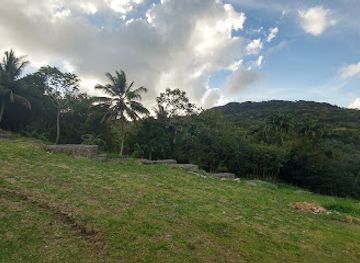
The Central Uplands offer a concentrated introduction to Barbados’s inland landscapes. Harrison’s Cave is the region’s best-known geological attraction, taking visitors beneath the limestone to see chambers, underground streams and mineral formations through an organised experience. Above ground, Welchman Hall Gully follows a wooded ravine with tropical vegetation and a distinctly cooler, enclosed atmosphere. The Flower Forest presents the island’s plant life in cultivated gardens on former plantation land, with walks and elevated views across the interior. Around St George, Gun Hill combines military history with a prominent hillside setting, while parish churches and rural villages provide a quieter cultural dimension. The region is also suited to scenic driving, photography, garden visits and short walks between attractions, although it is not a conventional beach destination. Sugar fields, gullies, pasture and old estate landscapes create the backdrop, and the scenery changes noticeably between the settled St Thomas and St George uplands and the more open country towards the eastern interior. Visitors interested in nature should treat gullies and cave environments as sensitive habitats and follow site guidance rather than exploring off-trail.
-
Tourist attraction
Harrison's Cave Eco-Adventure Park
Discover the breathtaking beauty of Harrison's Cave Eco-Adventure Park in Barbados: Explore stunning caverns, enjoy thrilling adventures, and immerse yourself in the island's natural heritage.
-
Dinner theater
Harbour Lights Barbados
Experience the ultimate Caribbean vibe at Harbour Lights Barbados: daytime beach bliss meets electrifying nightlife on stunning Carlisle Bay, with cultural shows and unforgettable parties.
-
Tourist attraction
The Richard Haynes Boardwalk
Experience the beauty of Barbados on this scenic coastal promenade with stunning views, vibrant culture, and delicious dining.
-
Tourist attraction
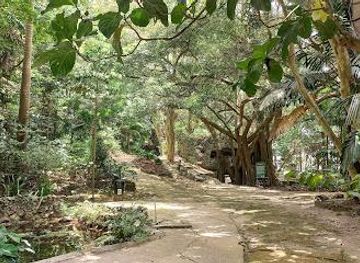
Welchman Hall Gully
Discover a hidden gem in Barbados: Explore the lush, collapsed cave of Welchman Hall Gully, home to exotic plants, playful monkeys, and stunning natural beauty. A tranquil escape awaits!


Best landmarks in Central Uplands
Gun Hill Signal Station is the most recognisable historic landmark of the central interior, standing on elevated ground in St George and illustrating how Barbados used high points for military communication. St George Parish Church gives the surrounding countryside a strong ecclesiastical and civic reference point, with its setting reflecting the importance of parish institutions in Barbadian life. In St Thomas, Harrison’s Cave is both a visitor attraction and a geological landmark: its chambers and subterranean watercourses reveal the limestone structure beneath the island. Welchman Hall Gully offers a contrasting natural landmark above ground, where a confined ravine preserves a more humid and wooded environment than the surrounding fields. The Flower Forest’s elevated gardens and former plantation setting are also significant markers of the interior’s transformation from sugar-producing estate land to a landscape of horticulture and visitor use. Across the uplands, sugar fields, old estate roads, parish churches and scattered villages are less monumental but equally important, forming the visual framework through which the region’s environmental and social history is understood.
-
Seafood
Oistins Fish Market
Experience authentic Bajan culture, fresh seafood, and lively entertainment at Oistins Fish Market in Christ Church, Barbados.
-
Tourist attraction
Animal Flower Cave & Restaurant
Discover Barbados's northernmost point at the Animal Flower Cave: Explore stunning sea caves, swim in natural pools, and savor breathtaking Atlantic views in St. Lucy.
-
Tourist attraction
Harrison's Cave Eco-Adventure Park
Discover the breathtaking beauty of Harrison's Cave Eco-Adventure Park in Barbados, where stunning stalactites, crystal-clear streams, and thrilling adventures await beneath the surface.
-
Island
Barbados
Discover Barbados: Pristine beaches, vibrant culture, and rich history await in this captivating Caribbean paradise. Explore UNESCO sites, savor Bajan cuisine, and unwind in luxury.
Explore Central Uplands on the map
Plan your trip on one map. See where the top cities, national parks and sights are, and book hotels and experiences in a few clicks.
Best hotels in Central Uplands
Best restaurants in Central Uplands
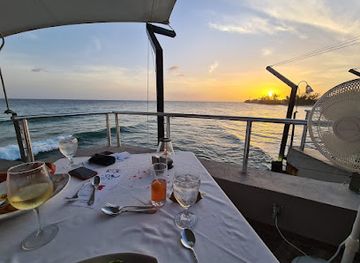
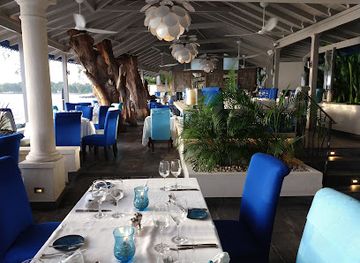
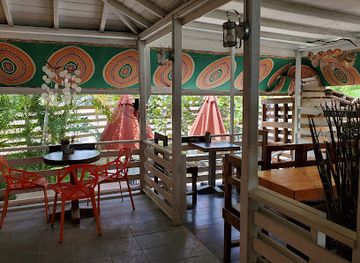
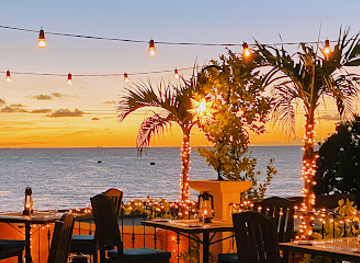
Dining in the Central Uplands is generally local, informal and dispersed rather than concentrated in a resort strip. Village cafés, bakeries, roadside food counters, rum shops and country pubs provide opportunities to try Barbadian staples such as fish cakes, flying fish, macaroni pie, rice and peas, pepperpot and pudding and souse, alongside grilled meats, soups and fresh juices. Small eateries may follow a slower pace and shorter service hours than restaurants on the south and west coasts, so planning a main meal before touring distant attractions is sensible. Local produce, including seasonal fruit, vegetables and sugar-related products, appears in home-style cooking and market shopping. A few more polished restaurants and estate-based dining rooms offer contemporary interpretations of Caribbean food, but the defining experience is the connection between food, village life and the agricultural interior. Barbados’s wider rum tradition is also present in the central region through rum shops and drinks menus, although visitors should distinguish between a traditional social stop and a full restaurant.
-
Restaurant
Champers Restaurant Barbados
Discover culinary excellence at Champers Restaurant in Barbados - where breathtaking views meet exceptional fine dining.
-
Fine Dining
The Tides Barbados
Experience luxury dining at The Tides Barbados with exquisite seafood dishes and stunning ocean views in Holetown.
-
Restaurant
Bliss Cafe
Savor authentic Barbadian flavors at Bliss Cafe in Oistins - where delicious food meets vibrant culture.
-
Bistro
Cafe Luna Barbados
Experience delightful dining at Cafe Luna Barbados – where exquisite flavors meet breathtaking ocean views.
Best bars in Central Uplands
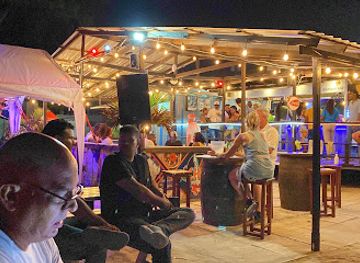
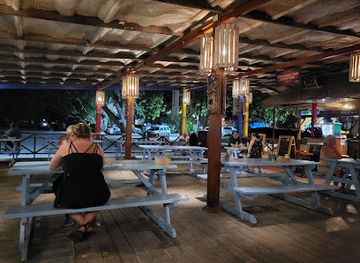
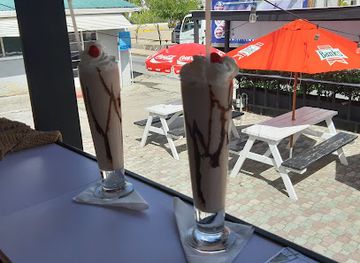
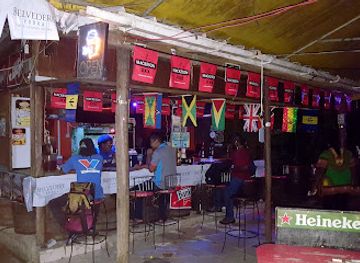
Evening life in the Central Uplands is quieter and more community-based than the nightlife of Bridgetown or the south-coast resort areas. Rum shops, village bars, country pubs and casual restaurants are the main places for an evening drink, conversation and local food, with occasional live music or televised sport. St George and the larger inland settlements offer more choice than isolated rural roads, but the region does not have a dense nightclub district. Visitors seeking late dancing generally travel outside the uplands to Bridgetown or the established south and west coast entertainment areas, which are separate destinations. In the interior, a respectful evening may instead involve an early dinner, a local bar or a return to accommodation before rural roads become poorly lit. Opening arrangements vary, particularly away from major visitor routes, so accommodation staff or a trusted taxi driver can provide current local guidance without relying on assumptions about coastal nightlife.
-
Grill
Chill Café Bar & Grill
Experience the vibrant flavors and lively atmosphere at Chill Café Bar & Grill in Bridgetown - a must-visit culinary gem in Barbados.
-
Bar
The Tiki Bar
Experience the vibrant ambiance and delicious Caribbean cuisine at The Tiki Bar in Bridgetown, a must-visit hotspot for tourists.
-
Bar
Hashtag Bar
Discover the vibrant nightlife of Barbados at Hashtag Bar, where delicious food and refreshing drinks meet a lively atmosphere.
-
Grill
Garry's Rum Punch Bar
Experience the vibrant flavors of Barbados at Garry's Rum Punch Bar, where delicious grilled dishes and refreshing cocktails await you.
Best nightclubs in Central Uplands
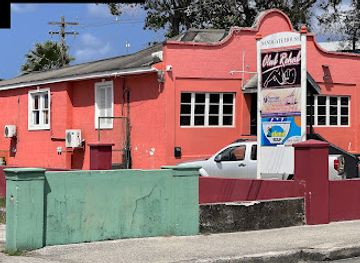
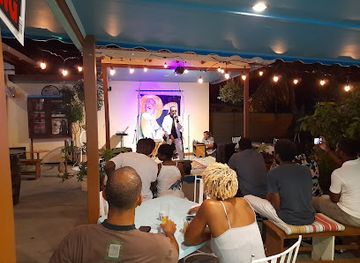
Evening life in the Central Uplands is quieter and more community-based than the nightlife of Bridgetown or the south-coast resort areas. Rum shops, village bars, country pubs and casual restaurants are the main places for an evening drink, conversation and local food, with occasional live music or televised sport. St George and the larger inland settlements offer more choice than isolated rural roads, but the region does not have a dense nightclub district. Visitors seeking late dancing generally travel outside the uplands to Bridgetown or the established south and west coast entertainment areas, which are separate destinations. In the interior, a respectful evening may instead involve an early dinner, a local bar or a return to accommodation before rural roads become poorly lit. Opening arrangements vary, particularly away from major visitor routes, so accommodation staff or a trusted taxi driver can provide current local guidance without relying on assumptions about coastal nightlife.
-
Night club
Harbour Lights Barbados
Discover the vibrant nightlife of Harbour Lights Barbados, where exquisite dining meets lively entertainment on the stunning Caribbean coast.
-
Disco club
Club Rehab
Discover the exhilarating nightlife of Bridgetown at Club Rehab, where Caribbean beats and vibrant dancing create unforgettable nights.
-
Bar
Incognito Night Club
Experience the vibrant nightlife of Barbados at Incognito Night Club, the perfect spot for drinks, dancing, and unforgettable memories.
-
Live music bar
The Sage Bar & Stage
Experience the vibrant blend of live music, local cuisine, and art at The Sage Bar & Stage in Oistins, Barbados—a hub of culture and entertainment.


Best shops in Central Uplands
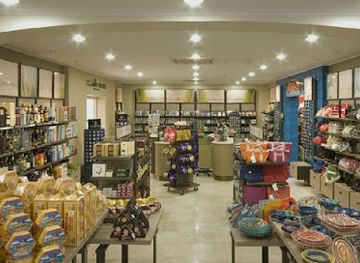
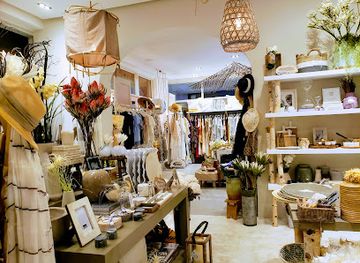
Shopping in the Central Uplands is modest and practical, with village shops, bakeries, small groceries and roadside sellers more prominent than large commercial centres. These are useful places to find snacks, drinks and locally made food products, while a visit to a market or farm stall may provide seasonal fruit and vegetables when available. Garden attractions and heritage properties commonly offer books, plants, craft items, postcards and Barbados-themed gifts, although stock changes with the season. Visitors seeking high-street fashion, extensive duty-free shopping or a broad selection of jewellery should plan time in Bridgetown or the south and west coast commercial areas outside the region. In the uplands, more meaningful purchases include Barbadian food products, rum, preserves, artwork, pottery and small handmade crafts, provided that sellers clearly identify their origin. Respect local property and ask before photographing craft production or private roadside stalls, as not every attractive rural display is a formal shop.
-
Department store
Bridgetown Duty Free Broad Street
Shop tax-free at Bridgetown Duty Free on Broad Street, where luxury meets local charm in the heart of Barbados.
-
Shopping mall
Limegrove Lifestyle Centre
Explore the vibrant Limegrove Lifestyle Centre in Holetown, where luxury shopping meets exquisite dining and entertainment options.
-
Shopping mall
Quayside Centre Shopping Plaza
Discover the vibrant and diverse shopping experience at Quayside Centre Shopping Plaza, where local culture meets modern retail in Bridgetown, Barbados.
-
Restaurant
Dre's Bar Pelican Village Craft Centre
Experience the heart of Barbadian culture at Dre's Bar in Pelican Village, where local cuisine and vibrant atmosphere come together.
Get your free copy of our complete guide to Central Uplands, delivered straight to you.
Everything on this page, from attractions and restaurants to essentials and local phrases, in one PDF you can read offline, print or share.
Already have an account? Sign in
Your Central Uplands guide is ready.
We'll send it to · Not you? Sign out

Getting your guide ready…
We are putting together a fresh copy of the Central Uplands guide. This can take up to a minute.
This can take a few moments. If your browser asks, choose Allow so the download can start. You'll find the guide in your Downloads folder.
Nothing happened? Download it again
Sorry, the guide is taking longer than usual. Please try again in a minute, or get it by email instead.
Central Uplands essentials
Currency and Payment
Safety
Emergency Situations
Do's and Don'ts
Local Tips
From Eve
Local phrases worth knowing
You don't need to get them perfect. A few words go a long way, and locals appreciate the effort.
Basics
| English | Local | Say it |
|---|---|---|
| Hello | Wah gwaan | [Wah g-wahn] |
| Goodbye | Lata | [Lah-tah] |
| Yes | Yea | [Yea] |
| No | Nuh | [Nuh] |
| Please/You're welcome | Pleez/No problem | [Pleez/Noh pro-blem] |
| Thank you | Tank yuh | [Tank yuh] |
| Excuse me/Sorry | Scuse mi/Sorry | [Skewz mi/Sor-ree] |
| How are you? | How yuh do? | [How yuh do?] |
| Fine. And you? | I good. An yuh? | [I good. An yuh?] |
| Do you speak English? | Yuh speak English? | [Yuh speak English?] |
| I don't understand | Mi nuh undastand | [Mi nuh unda-stand] |
Eating & Drinking
| English | Local | Say it |
|---|---|---|
| I'd like to see the menu, please | Mi wahn si di menu, please | [Mi wahn si di menu, pleez] |
| I don't eat meat | Mi nuh eat meat | [Mi nuh eat meat] |
| Cheers! | Cheers! | [Cheers!] |
| I would like to pay, please | Mi wahn pay, please | [Mi wahn pay, pleez] |
Emergencies
| English | Local | Say it |
|---|---|---|
| Help! | Help! | [Help!] |
| Go away! | Guh way! | [Guh way!] |
| Call the Police! | Call di police! | [Call di po-lees!] |
| Call a doctor! | Call a doctor! | [Call a doc-tor!] |
| I'm lost | Mi lost | [Mi lost] |
| I'm ill | Mi sick | [Mi sick] |
Shopping
| English | Local | Say it |
|---|---|---|
| I'd like to buy... | Mi wahn buy... | [Mi wahn buy...] |
| I'm just looking | Mi jus a look | [Mi jus a look] |
| How much is it? | How much dat cost? | [How much dat cost?] |
| That's too expensive | Dat too dear | [Dat too deer] |
| Can you lower the price? | Yuh can lower di price? | [Yuh can lower di price?] |
Time & Numbers
| English | Local | Say it |
|---|---|---|
| What time is it? | Wah time it? | [Wah time it?] |
| It's one o'clock | It one o'clock | [It one o'clock] |
| Half past (10) | Half past ten | [Half past ten] |
| Morning | Mornin' | [Mornin'] |
| Afternoon | Afternoon | [Afternoon] |
| Evening | Evenin' | [Evenin'] |
| Yesterday | Yestahday | [Yes-tah-day] |
| Today | Today | [Today] |
| Tomorrow | Tomorra | [Tomo-rra] |
| 1 | One | [One] |
| 2 | Two | [Two] |
| 3 | Three | [Three] |
| 4 | Four | [Four] |
| 5 | Five | [Five] |
| 6 | Six | [Six] |
| 7 | Seven | [Seven] |
| 8 | Eight | [Eight] |
| 9 | Nine | [Nine] |
| 10 | Ten | [Ten] |
Transport & Directions
| English | Local | Say it |
|---|---|---|
| Where's a/the...? | Wheh di...? | [Wheh di...?] |
| What's the address? | Wah di address? | [Wah di ad-dress?] |
| Can you show me (on the map)? | Yuh can show mi (pon di map)? | [Yuh can show mi (pon di map)?] |
| When's the next (bus)? | When di next (bus)? | [When di next (bus)?] |
| A ticket (to ....) | A ticket (to ....) | [A ticket (to ....)] |
History of Central Uplands
Early Indigenous Settlement
Barbados was inhabited long before European colonisation by Indigenous peoples, including communities associated with the Saladoid and later Arawakan cultural traditions. Archaeological evidence across the island records settlement, pottery and food production, although the most visible historic landscape of the Central Uplands dates from later periods. The interior’s gullies, springs and fertile soils would have offered useful resources, while the upland terrain formed part of the wider island environment rather than an isolated zone. Visitors should understand that Barbados’s plantation history overlays a much older human landscape.
English Colonisation and Parish Formation
England established a permanent colony in Barbados in the seventeenth century, and the island was gradually organised into parishes, roads and settlements. The central interior became connected to Bridgetown and the coastal ports through routes serving plantations and villages. Parish churches, including St George Parish Church, became important civic and religious centres, while estate boundaries and surrounding communities shaped the pattern of landholding that remains visible in the uplands. Barbados developed within the wider English Caribbean but acquired a particularly continuous colonial settlement history.
Sugar Estates and Enslaved Labour
Sugar transformed Barbados from the seventeenth century onwards. Plantations occupied much of the island, including the rolling land around the central uplands, and depended on the forced labour of enslaved Africans. Estates required mills, boiling houses, roads, water management and housing, leaving an enduring imprint on the island’s landscape and social structure. Many later villages and roads developed in relation to former plantations. The surviving gardens, estate landscapes and parish buildings should therefore be read alongside the history of coercion, resistance and Black Barbadian community formation.
Geology, Water and the Interior Landscape
The Central Uplands are shaped by Barbados’s uplifted coral limestone, a geological foundation that distinguishes much of the island from volcanic Caribbean territories. Rainwater has dissolved and channelled the limestone, producing caves, sinkholes, gullies and underground drainage. This geology explains the existence of Harrison’s Cave and the lush ravine environment of Welchman Hall Gully. It has also influenced settlement, agriculture and water supply. The interior landscape is consequently both a natural record of geological change and a long-used cultural landscape.
Emancipation and Social Change
The abolition of slavery in the British Empire took effect in Barbados in 1834, followed by a period of apprenticeship before full freedom in 1838. Formerly enslaved people continued to work in and around the sugar economy while building independent households, churches and communities. In the uplands, this transition helped shape the dispersed settlement pattern and social networks visible today. The island’s later history included labour activism, political reform and the gradual expansion of education and voting rights, transforming relationships between plantation owners, workers and rural communities.
Signal Stations and Colonial Defence
Barbados developed a chain of signal stations to communicate military and maritime information across the island. Gun Hill Signal Station, on high ground in St George, is the most prominent surviving example associated with the central interior. Its position demonstrates the strategic value of elevation in a relatively low-lying island, allowing messages and warnings to be relayed across long sightlines. The station belongs to the wider history of imperial defence and communications, while its elevated setting now provides a way to appreciate the topography of inland Barbados.
Independence and the Modern Island
Barbados became independent from Britain in 1966 while retaining many institutions and cultural connections inherited from the colonial period. The economy gradually broadened beyond sugar to tourism, services and international commerce, although agriculture and sugar remain part of the national story. The Central Uplands have largely avoided the continuous resort development found along sections of the south and west coasts. Their contemporary identity is instead tied to villages, gardens, heritage properties, farming, local businesses and the protection of inland landscapes.
Central Uplands in Photos
Browse through our photo collection highlighting the charm and character of the destination.
Neighbouring regions of Central Uplands
The closest regions to Central Uplands, if you have time for more than one.
-

-

-

-

-


Swipe for more regions
Explore more

Explore more of Barbados
Discover Barbados: Pristine beaches, rich history, and vibrant culture await in this Caribbean paradise. Perfect for adventure, relaxation, and culinary delights.
Explore Barbados