
Welchman Hall Gully, Barbados Travel Guide
Discover the lush tropical paradise of Welchman Hall Gully in Barbados, where nature, history, and wildlife converge in a serene and enchanting setting.
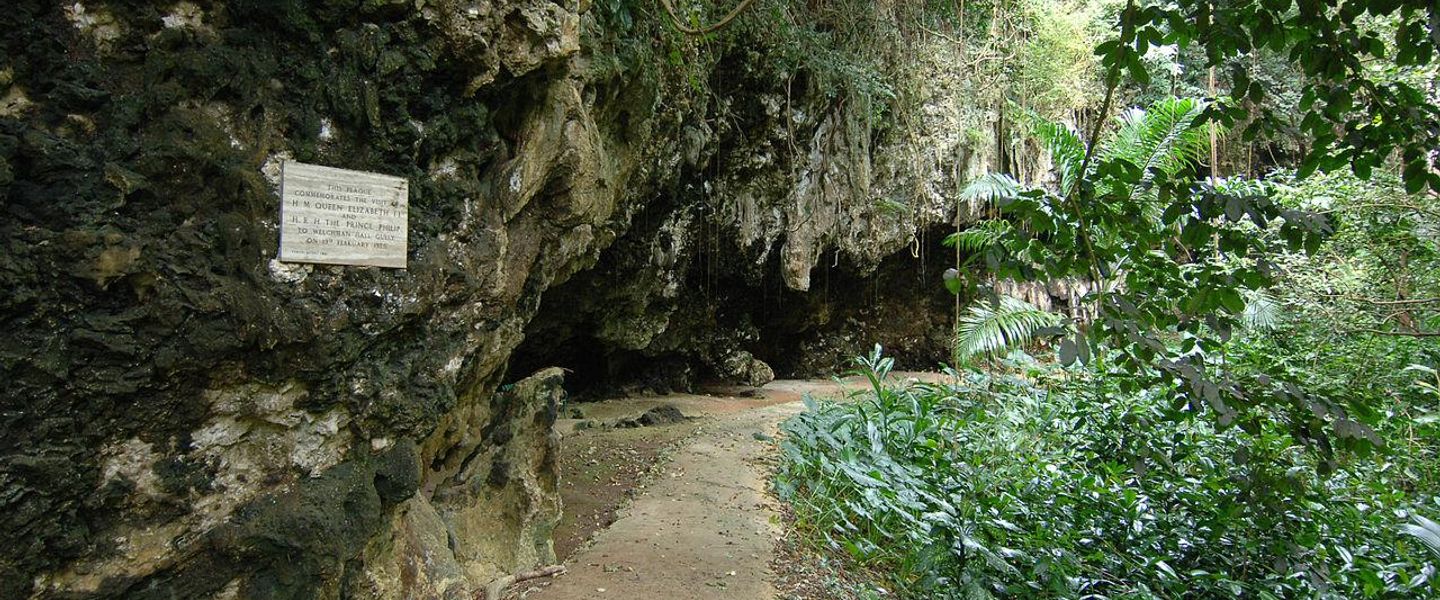
Nestled in the heart of Barbados, Welchman Hall Gully offers a serene escape into nature's embrace. This lush tropical haven is famed for its verdant vegetation, exotic plants, and tranquil ambiance. As you wander through the winding paths, you'll be greeted by towering trees, vibrant flowers, and the calming sounds of chirping birds and rustling leaves. The gully is not only a botanical treasure but also a historical gem. It dates back to the 17th century and showcases the natural beauty that Barbados has to offer. The gully was once part of a limestone cave, and as you explore, you'll find fascinating rock formations and hidden grottos. These features give a glimpse into the island's geological past. Welchman Hall Gully is also home to a variety of wildlife, including the green monkeys that often play in the treetops. For those interested in botany, the gully boasts an array of tropical plants, such as the towering mahogany trees and the delicate fern species. The self-guided trails provide informative signs that educate visitors about the local flora and fauna, making it a perfect spot for nature lovers and families alike.

Know before you go
Hi, I'm Eve. Here are a few practical things to know before exploring Welchman Hall Gully.
- Wear comfortable walking shoes as the trails can be uneven and slippery.
- Visit early in the morning for a peaceful experience and to catch sight of the green monkeys.
- Bring insect repellent to protect yourself from mosquitoes.
- Carry a bottle of water to stay hydrated during your walk.
- Don't forget your camera to capture the stunning natural beauty.
- Check the weather forecast and dress accordingly; the gully can be cooler than other parts of the island.


Explore Welchman Hall Gully on the Map
A handpicked selection of must-see spots in Welchman Hall Gully, mapped for you.
Welchman Hall Gully Essentials
-
Welchman Hall Gully is located in the parish of St. Thomas, Barbados. The nearest international airport is Grantley Adams International Airport (GAIA), approximately 20 kilometers away. From the airport, you can take a taxi or rent a car. The drive typically takes around 30-40 minutes. Alternatively, you can use public transportation by taking a bus to Bridgetown and then transferring to a bus heading towards St. Thomas.
-
Barbados has a well-connected public transportation system, with buses and minibuses (ZR vans) operating frequently. To reach Welchman Hall Gully, you can take a bus from Bridgetown or other major towns to St. Thomas. Taxis are also readily available and can be a convenient option. If you prefer flexibility, renting a car is advisable, allowing you to explore the island at your own pace.
-
The official currency in Barbados is the Barbadian Dollar (BBD). Credit cards are widely accepted in hotels, restaurants, and larger shops. However, it is recommended to carry some cash for small purchases and in case you visit rural areas. ATMs are available throughout the island, including in major towns and near tourist attractions. It's a good idea to exchange some currency at the airport or in Bridgetown.
-
Barbados is generally a safe destination for tourists. However, it is advisable to take standard precautions. Avoid walking alone at night in unfamiliar or poorly lit areas and keep an eye on your belongings in crowded places. While Welchman Hall Gully itself is safe, be cautious in some neighborhoods in Bridgetown and other urban areas where crime rates are higher. Always stay vigilant and aware of your surroundings.
-
In case of emergency, dial 211 for police assistance or 511 for medical emergencies. There are medical facilities and hospitals available in Bridgetown and other major towns. It is recommended to have travel insurance that covers medical emergencies. For minor health issues, pharmacies are available throughout the island where you can purchase over-the-counter medications.
-
Fashion: Do dress comfortably and wear sturdy shoes for walking through the gully. Avoid wearing overly revealing clothing. Religion: Do respect local customs and traditions, especially when visiting religious sites. Public Transport: Do be polite and respectful to drivers and fellow passengers. Don’t eat or drink on public transport. Greetings: Do greet people with a friendly 'hello' or 'good day'. A handshake is also common. Eating & Drinking: Do try local dishes and drinks. Don’t refuse food or drink offerings, as it is considered impolite.
-
To experience Welchman Hall Gully like a local, visit during the early morning to avoid crowds and enjoy the peaceful atmosphere. Engage with the guides, as they offer valuable insights into the flora, fauna, and history of the area. Don’t miss the opportunity to see the wild monkeys that often visit the gully. Also, try to explore nearby attractions like Harrison's Cave and the Flower Forest to make the most of your visit to St. Thomas.
When is the best time to visit Welchman Hall Gully?
History of Welchman Hall Gully
-
Welchman Hall Gully, situated in the central uplands of Barbados, is a natural wonder formed over thousands of years. Originally a limestone cave, the roof collapsed due to natural erosion, giving way to the lush, tropical gully we see today. Its formation is a testament to the island's geological history, showcasing the slow yet powerful forces of nature.
-
During the 17th and 18th centuries, Welchman Hall Gully was part of the bustling sugar plantation economy that dominated Barbados. The area surrounding the gully was used for growing sugarcane, and the fertile soil contributed to the island's prosperity. The remnants of this era can still be seen in the landscape and the nearby Welchman Hall Plantation House.
-
Welchman Hall Gully holds a special place in Barbadian culture. It is named after General William Welchman, an officer in the British Army who owned the land in the 17th century. The gully has also been a source of inspiration for local folklore and legends, enriching the island's cultural tapestry.
-
In the 19th century, Welchman Hall Gully was transformed into a botanical haven. It became a home to a variety of tropical plants, including native species like the Barbadian Cherry and imported ones such as the exotic nutmeg and clove trees. The gully's botanical richness makes it a living museum of the island's flora.
-
In the 20th century, efforts were made to preserve Welchman Hall Gully as a natural and historical site. The Barbados National Trust acquired the gully in the 1960s, ensuring its protection and maintenance. Conservation efforts have focused on preserving the unique ecosystem and educating the public about its historical and environmental significance.
-
Today, Welchman Hall Gully is a popular tourist destination, attracting visitors from around the world. It offers walking trails, guided tours, and educational programs that highlight its historical, cultural, and natural importance. The gully continues to be a cherished part of Barbados' heritage and a symbol of the island's commitment to preserving its natural beauty.
Cities in Welchman Hall Gully
Browse our curated selection of top destinations, scenic points, and must-visit spots in the area.

Neighbouring destination travel guides
Browse our curated selection of top destinations, scenic points, and must-visit spots in the area.


Your all‑in‑one travel companion app
Explore expert travel guides, compare and book tours, experiences, hotels, and more—all from the palm of your hand. Download now for seamless trip planning wherever your wanderlust takes you.


Explore More of Central Uplands

Looking beyond Welchman Hall Gully? Discover Central Uplands for broader travel guides, local hot-spots, and regional highlights.
Explore Central UplandsExplore More of Barbados

Looking beyond Welchman Hall Gully? Discover Barbados for broader travel guides, local hot-spots, and regional highlights.
Explore BarbadosWelchman Hall Gully in Photos
Browse through our photo collection highlighting the charm and character of the destination.



The Enchanting Welchman Hall Gully
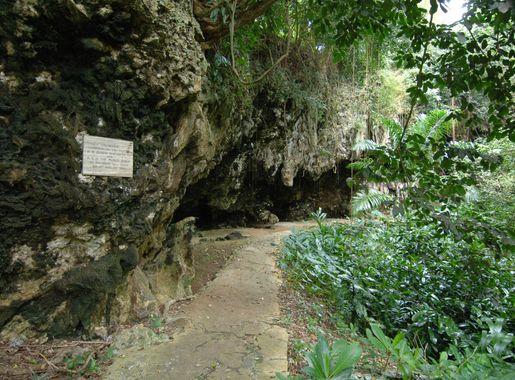
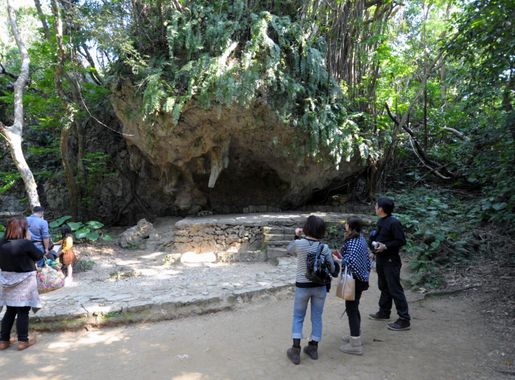
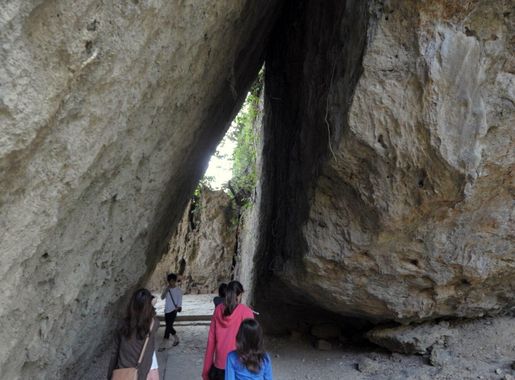
Nestled in the heart of Barbados, Welchman Hall Gully offers a serene escape into nature's embrace. This lush tropical haven is famed for its verdant vegetation, exotic plants, and tranquil ambiance. As you wander through the winding paths, you'll be greeted by towering trees, vibrant flowers, and the calming sounds of chirping birds and rustling leaves. The gully is not only a botanical treasure but also a historical gem. It dates back to the 17th century and showcases the natural beauty that Barbados has to offer. The gully was once part of a limestone cave, and as you explore, you'll find fascinating rock formations and hidden grottos. These features give a glimpse into the island's geological past. Welchman Hall Gully is also home to a variety of wildlife, including the green monkeys that often play in the treetops. For those interested in botany, the gully boasts an array of tropical plants, such as the towering mahogany trees and the delicate fern species. The self-guided trails provide informative signs that educate visitors about the local flora and fauna, making it a perfect spot for nature lovers and families alike.