

Free Welchman Hall Travel Guide & Mobile App
Plan your Welchman Hall trip with Evendo. Get free guides to top attractions, restaurants, hotels, and bars. Web access or download the mobile app.


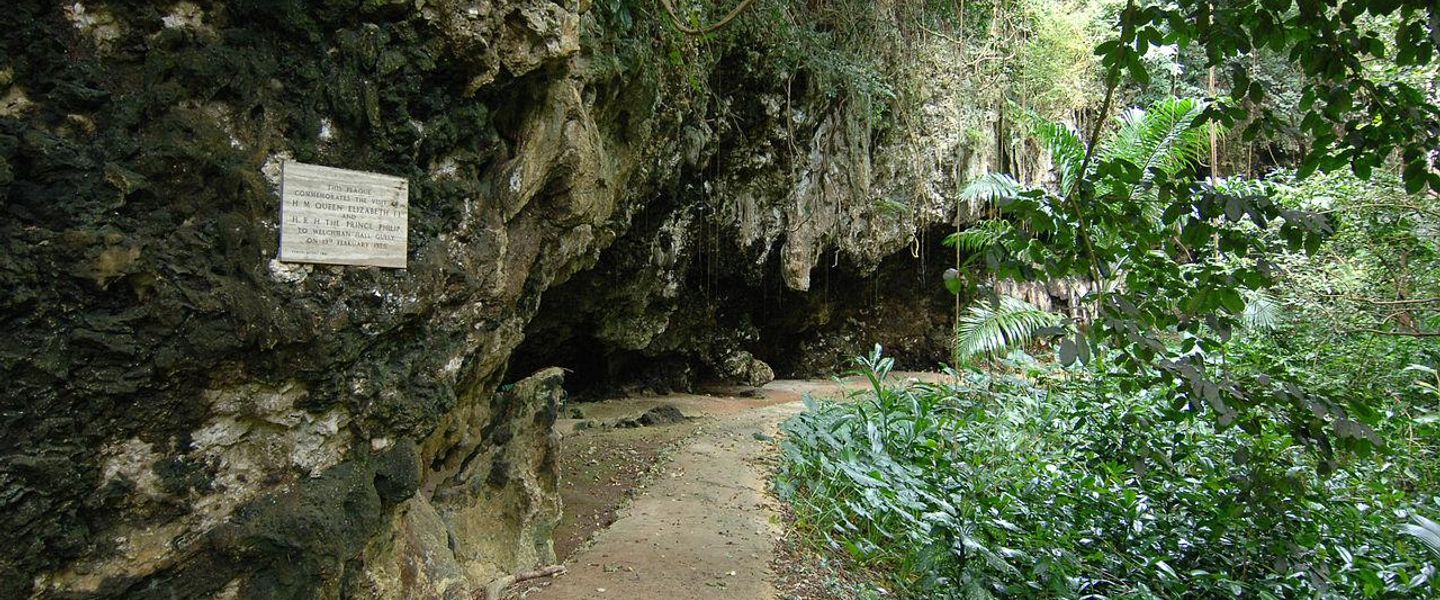


Welchman Hall, Barbados, reveals limestone gullies, mahogany woodland and nearby Harrison’s Cave in the island’s peaceful central countryside.
A Rural Interior Landscape
Welchman Hall lies in the elevated central interior of Barbados, within the parish of Saint Thomas, where narrow roads, cane fields and wooded gullies replace the island’s better-known coastal scenery. The area is best understood as a rural district rather than a conventional town centre, with its identity closely tied to Welchman Hall Gully, a dramatic limestone depression formed by the collapse of underground caverns. Mahogany trees, palms, fern-filled slopes and winding paths give this pocket of Barbados a cooler, more sheltered character than the coast.Read more about Welchman Hall
Gully, Cave and Garden Country
Exploring at a Slower Pace
When is the best time to visit Welchman Hall?
Best: February, May, September · 29–30°C| Month | High (°C) | Rainfall (mm) |
|---|---|---|
| January | 29 | 60 |
| February (best) | 29 | 50 |
| March | 29 | 50 |
| April | 30 | 40 |
| May (best) | 30 | 30 |
| June | 31 | 30 |
| July | 31 | 30 |
| August | 31 | 30 |
| September (best) | 30 | 30 |
| October | 30 | 40 |
| November | 29 | 50 |
| December | 29 | 60 |
Getting to and around Welchman Hall
How to get there
Transportation
Best landmarks in Welchman Hall
Welchman Hall Gully is the area’s principal natural landmark, its steep limestone walls and mature trees expressing the geological character of central Barbados rather than the monumental architecture of Bridgetown. The gully’s mahogany canopy and botanical plantings also reflect the island’s changing relationship with woodland, cultivation and landscape conservation. Harrison’s Cave, nearby in Saint Thomas, is a separate landmark of the same limestone environment, known for its underground chambers and mineral formations. Beyond these natural sites, the most meaningful landmarks around Welchman Hall are the rural roads, cane fields and surviving patterns of plantation country that reveal how the central interior was organised. They should be read as part of Barbados’s wider agricultural history, not as a single preserved historic village or formal architectural quarter.
-
Tourist attraction
Welchman Hall Gully
Explore Welchman Hall Gully, a tropical paradise in Barbados that showcases stunning biodiversity and breathtaking natural beauty.
1 min walk · 0.1 km from city centre
-
Seventh-day Adventist church
Welchman Hall SDA Church
Experience the tranquility and community spirit at Welchman Hall SDA Church in beautiful Saint Thomas, Barbados, a unique cultural and spiritual destination.
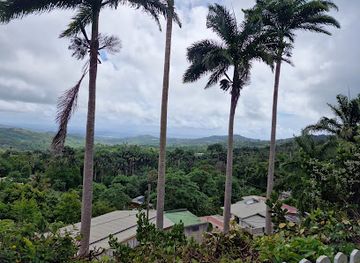
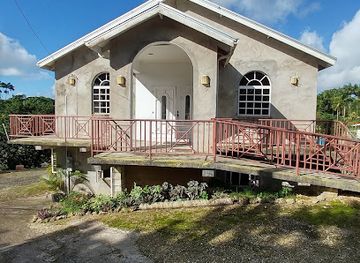
4 min walk · 0.3 km from city centre
Explore Welchman Hall on the map
Plan your Welchman Hall trip on one map. See where the top attractions, landmarks, restaurants, bars and hotels are, find what's near where you're staying, and book hotels and experiences in a few clicks.
Best hotels in Welchman Hall
Best restaurants in Welchman Hall
Welchman Hall is not a dining district, and its rural character means that food options are scattered rather than arranged along a central street. A visit is an opportunity to sample the wider Barbadian culinary tradition, shaped by West African, British, Caribbean and South Asian influences. Fish, rice and peas, macaroni pie, cou-cou with flying fish, pepperpot and seasoned meats are among the island’s familiar dishes, while roadside food stalls and small local eateries provide a more informal setting than hotel restaurants. Nearby villages and main-road communities offer the practical choice of eating before or after visiting the gully, whereas larger selections are found closer to Bridgetown and the south-coast resort areas. Visitors should not expect a late-night restaurant scene in the countryside and should check rural transport arrangements before settling on an evening meal.
-
Grill
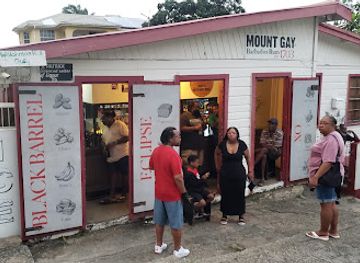
Judy's Watering Hole Rum Shop
Discover authentic Caribbean flavors at Judy's Watering Hole Rum Shop in Saint Thomas, Barbados—where good food meets vibrant culture.
4 min walk · 0.3 km from city centre
-
 Restaurant
Orton's Place
Discover authentic Barbadian flavors at Orton's Place in Carrington - where great food meets vibrant culture.
1 min walk · 0.1 km from city centre
Best bars in Welchman Hall
Evenings in Welchman Hall are quiet and rural, with no concentrated bar street or established nightclub quarter. Social life is more likely to centre on private gatherings, village establishments and occasional community events than on a dedicated entertainment strip. Visitors seeking a drink can generally find rum-based cocktails, Banks beer and informal bars in larger settlements, while the south coast and Bridgetown provide the island’s broader choice of cocktail venues, live music and late-night entertainment. Traditional calypso, reggae and soca may feature in wider Barbadian events, but availability varies by season and venue. Because rural roads are dark and winding after sunset, taxis or a designated driver are preferable to walking between scattered locations, and evening plans should account for the limited transport and dining infrastructure around Welchman Hall.
-
Grill
Judy's Watering Hole Rum Shop
Discover the authentic flavors of the Caribbean at Judy's Watering Hole Rum Shop in Chapman, Saint Thomas, Barbados, where good food meets vibrant culture.
4 min walk · 0.3 km from city centre
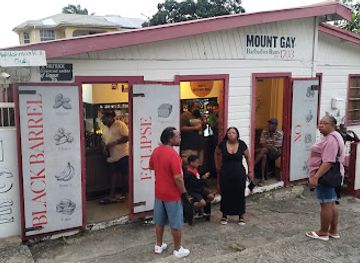
Get your free copy of our complete guide to Welchman Hall, delivered straight to you.
Everything on this page, from attractions and restaurants to essentials and local phrases, in one PDF you can read offline, print or share.
Already have an account? Sign in
Your Welchman Hall guide is ready.
We'll send it to · Not you? Sign out

Getting your guide ready…
We are putting together a fresh copy of the Welchman Hall guide. This can take up to a minute.
This can take a few moments. If your browser asks, choose Allow so the download can start. You'll find the guide in your Downloads folder.
Nothing happened? Download it again
Sorry, the guide is taking longer than usual. Please try again in a minute, or get it by email instead.
Welchman Hall essentials
Currency and Payment
Safety
Emergency Situations
Do's and Don'ts
Local Tips
From Eve
Local phrases worth knowing
You don't need to get them perfect. A few words go a long way, and locals appreciate the effort.
Basics
| English | Local | Say it |
|---|---|---|
| Hello | Greetings | [gree-tings] |
| Goodbye | Good day | [good day] |
| Yes | Aye | [aye] |
| No | Nah | [nah] |
| Please/You're welcome | If you please | [if yuh pleez] |
| Thank you | Tank yuh | [tank yuh] |
| Excuse me/Sorry | Pardon me | [par-dun me] |
| How are you? | How yuh doin? | [how yuh doin] |
| Fine. And you? | Irie. An yuh? | [eye-ree. an yuh] |
| Do you speak English? | Yuh speak English? | [yuh speak English] |
| I don't understand | I doan get yuh | [I doan get yuh] |
Eating & Drinking
| English | Local | Say it |
|---|---|---|
| I'd like to see the menu, please | Leh me see de menu, please | [leh me see deh menu, please] |
| I don't eat meat | I doan eat meat | [I doan eat meat] |
| Cheers! | Cheers! | [cheers] |
| I would like to pay, please | I would like to pay, please | [I would like to pay, please] |
Emergencies
| English | Local | Say it |
|---|---|---|
| Help! | Help! | [help] |
| Go away! | Gone long! | [gone long] |
| Call the Police! | Call de Police! | [call de Police] |
| Call a doctor! | Call a doctor! | [call a doctor] |
| I'm lost | I lost | [I lost] |
| I'm ill | I sick | [I sick] |
Shopping
| English | Local | Say it |
|---|---|---|
| I'd like to buy... | Lemme buy... | [lem-me buy] |
| I'm just looking | I just lookin | [I just lookin] |
| How much is it? | How much dis? | [how much dis] |
| That's too expensive | Dat too dear | [dat too dear] |
| Can you lower the price? | Yuh cud drop de price? | [yuh cud drop de price] |
Time & Numbers
| English | Local | Say it |
|---|---|---|
| What time is it? | What time it is? | [what time it is] |
| It's one o'clock | Is one o'clock | [is one o'clock] |
| Half past (10) | Half ten | [half ten] |
| Morning | Mornin | [mornin] |
| Afternoon | Evenin | [evenin] |
| Evening | Night | [night] |
| Yesterday | Yestidy | [yestidy] |
| Today | Today | [today] |
| Tomorrow | Tomorra | [tomorra] |
| 1 | One | [one] |
| 2 | Two | [two] |
| 3 | Tree | [tree] |
| 4 | Fo' | [fo'] |
| 5 | Fife | [fife] |
| 6 | Six | [six] |
| 7 | Seben | [seben] |
| 8 | Eight | [eight] |
| 9 | Nine | [nine] |
| 10 | Ten | [ten] |
Transport & Directions
| English | Local | Say it |
|---|---|---|
| Where's a/the...? | Where de...? | [where de] |
| What's the address? | What de address? | [what de address] |
| Can you show me (on the map)? | Can yuh show me (pan de map)? | [can yuh show me (pan de map)] |
| When's the next (bus)? | When de next (bus)? | [when de next (bus)] |
| A ticket (to ....) | A ticket (to ....) | [a ticket (to ....)] |
History of Welchman Hall
A Limestone Island Interior
Welchman Hall’s physical history begins with the coral limestone that forms much of Barbados. Rainwater gradually dissolved the porous rock, creating underground cavities and surface depressions characteristic of the island’s central uplands. Welchman Hall Gully is associated with the collapse of such cavernous spaces, leaving a steep-sided landscape where moisture and shelter support vegetation different from that of the exposed coast. This geology also explains the presence of nearby cave attractions and the importance of underground water systems in Barbados’s settlement history. The district’s appearance is therefore not simply a product of cultivation: its wooded ravines and irregular contours preserve evidence of the natural processes that shaped the island long before modern roads and plantations.
From Indigenous Island to Plantation Country
Before European colonisation, Barbados was inhabited by Indigenous peoples whose settlements and movements extended across the island, although the surviving visible landscape around Welchman Hall offers limited direct interpretation of that period. From the seventeenth century, English colonisation transformed Barbados through sugar cultivation, land enclosure and the forced labour of enslaved Africans. The central highlands were incorporated into this plantation economy, with roads, fields and estate landscapes linking inland districts to ports and coastal settlements. Place names such as Welchman Hall reflect the layered colonial geography of Barbados, while the surrounding countryside still carries traces of the agricultural system that shaped the island’s social structure and vegetation.
Woodland, Estates and Botanical Change
As Barbados’s sugar economy developed, much of the island’s original woodland was cleared for cultivation, making surviving gullies particularly important refuges for native and introduced plants. Welchman Hall’s sheltered depression later became valued for its trees and botanical character, including mahogany associated with the landscape of Barbados. The gully’s vegetation reflects centuries of movement between tropical environments, plantation agriculture and ornamental horticulture. Its significance is not that it preserves an untouched forest, but that it demonstrates how natural limestone formations, cultivated landscapes and changing ideas about gardens and conservation have overlapped in the island’s interior.
Conservation and the Modern Visitor Landscape
In the modern era, Welchman Hall Gully has been managed as a nature attraction, allowing visitors to follow paths through a distinctive section of central Barbados while learning about geology and plant life. Its development reflects a broader shift in the island’s tourism beyond beaches and historic towns towards caves, gardens and inland landscapes. Nearby Harrison’s Cave has similarly brought attention to Barbados’s subterranean limestone environment, although it remains a separate site. Today, Welchman Hall belongs to a rural visitor landscape in which conservation, interpretation and access are balanced with the continuing presence of roads, farms and settlements in Saint Thomas.
Travel experiences inspired by this city
-
 11 Day Trip
Bathsheba Bound: An 11-Day East Coast Escape in Barbados
Explore Bathsheba’s rugged Atlantic coast from The Atlantis Historic Inn—surf vistas, tide pools, hikes, Bajan flavors, and sustainable, culture-rich travel.
11 Day Trip
Bathsheba Bound: An 11-Day East Coast Escape in Barbados
Explore Bathsheba’s rugged Atlantic coast from The Atlantis Historic Inn—surf vistas, tide pools, hikes, Bajan flavors, and sustainable, culture-rich travel.
 27 Jul 2026
By David Smith -
 11 Day Trip
Homecoming to Bathsheba: 11-Day Family Escape on Barbados' Wild East Coast
Family return to Barbados: 11 days in Bathsheba to surf Soup Bowl, hike dramatic East Coast trails, and unwind in eco-conscious comfort at ECO Lifestyle & Lodge.
11 Day Trip
Homecoming to Bathsheba: 11-Day Family Escape on Barbados' Wild East Coast
Family return to Barbados: 11 days in Bathsheba to surf Soup Bowl, hike dramatic East Coast trails, and unwind in eco-conscious comfort at ECO Lifestyle & Lodge.
 20 Jul 2026
By David Clarke -
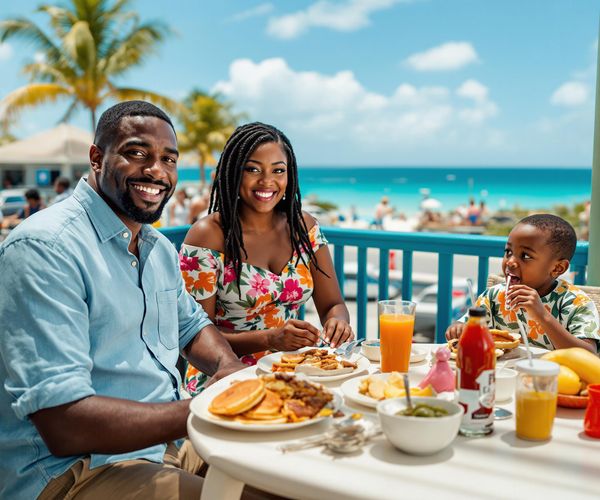 8 Day Trip
Family Adventure to Harrison's Cave in Barbados
Discover the natural wonders of Harrison's Cave, Barbados, with your family. Explore stunning caves and enjoy the vibrant culture and cuisine.
8 Day Trip
Family Adventure to Harrison's Cave in Barbados
Discover the natural wonders of Harrison's Cave, Barbados, with your family. Explore stunning caves and enjoy the vibrant culture and cuisine.
 10 Sep 2025
By David Clarke
Swipe for more travel diaries
Welchman Hall in Photos
Browse through our photo collection highlighting the charm and character of the destination.
Cities near Welchman Hall
The closest cities to Welchman Hall, if you have time for more than one stop.
-

-

-

-

-


Swipe for more cities
Explore more

Explore more of Barbados
Discover Barbados: Pristine beaches, rich history, and vibrant culture await in this Caribbean paradise. Perfect for adventure, relaxation, and culinary delights.
Explore Barbados