

Harrison's Cave, Barbados Travel Guide
Discover the enchanting underground world of Harrison's Cave in Barbados, where stunning limestone formations and serene streams create an unforgettable adventure.
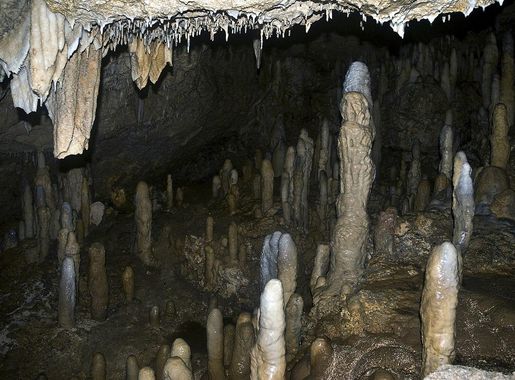
Harrison's Cave in Barbados is a stunning natural wonder that captivates visitors with its breathtaking limestone formations. Located in the heart of the island, this subterranean paradise offers a unique and unforgettable experience. The cave is named after Thomas Harrison, who owned the land in the early 18th century, but it wasn't until the 1970s that it was developed into a tourist attraction. As you venture into the depths of Harrison's Cave, you'll find yourself surrounded by glistening stalactites and stalagmites, formed over thousands of years. The underground streams and waterfalls add a soothing soundtrack to your exploration, making it a serene escape from the hustle and bustle above ground. The cave's main chamber, known as the Great Hall, is an awe-inspiring sight with its towering columns and crystal-clear pools. The guided tram tour is a highlight of any visit to Harrison's Cave. Knowledgeable guides provide fascinating insights into the cave's history and geology, ensuring you leave with a deeper appreciation for this natural wonder. The tram makes several stops along the way, allowing you to step out and take in the beauty up close. For the more adventurous, there are also walking tours available that delve deeper into the cave's hidden corners.

Know before you go
Hi, I'm Eve. Here are a few practical things to know before exploring Harrison's Cave.
- Wear comfortable shoes with good grip, as the cave can be damp and slippery.
- Bring a light jacket or sweater, as the temperature inside the cave is cooler than outside.
- Photography is allowed, so don't forget your camera to capture the stunning formations.
- Book your tour in advance, especially during peak tourist seasons.
- Check the schedule for special tours or events that might be happening during your visit.
Explore Harrison's Cave: Things to Do, Places to Eat, Hotels & More
Handpicked recommendations for top attractions, local dining, accommodations, and more

Best attractions in Harrison's Cave
Top-rated picks
Best Attractions

Harbour Lights Barbados
Experience the ultimate blend of dining and entertainment at Harbour Lights Barbados, where vibrant nightlife meets exquisite Caribbean cuisine.

Farley Hill National Park
Discover the breathtaking landscapes and historical treasures of Farley Hill National Park, a serene escape in Barbados for nature lovers and adventurers alike.

Field's Archery
Discover the excitement of archery in St. Lawrence Gap, Barbados, and enjoy a unique blend of sport and scenic beauty.

Atlantis Submarines
Explore Barbados' underwater world in a real submarine! Dive to 150ft, see colorful reefs, tropical fish & a shipwreck. An unforgettable adventure!

Best landmarks in Harrison's Cave
Top-rated picks
Best Landmarks

Barbados Museum & Historical Society
Discover Barbados' captivating history and vibrant culture at the Barbados Museum & Historical Society, housed in a historic military prison within a UNESCO World Heritage Site.

Harrison's Cave Eco-Adventure Park
Discover the breathtaking beauty of Harrison's Cave Eco-Adventure Park in Barbados: Explore stunning caverns, enjoy thrilling activities, and immerse yourself in island culture.

Hunte's Gardens
Discover a hidden paradise in Barbados: Hunte's Gardens, a breathtaking botanical sanctuary created within a unique sinkhole, showcasing exotic flora and tranquil beauty.

National Heroes Square
Discover National Heroes Square in Bridgetown, Barbados: a vibrant landmark honoring national heroes, showcasing rich history, and offering a serene escape in the heart of the city.

Best restaurants in Harrison's Cave
Top-rated picks
Best Restaurants

Animal Flower Cave & Restaurant
Explore stunning coastal caves and enjoy delicious local cuisine at Animal Flower Cave & Restaurant in Barbados.

Champers Restaurant Barbados
Discover the exquisite flavors and breathtaking views at Champers Restaurant in Barbados – where fine dining meets Caribbean charm.

The Tides Barbados
Experience exquisite seafood dining at The Tides Barbados, where ocean views and fresh flavors create unforgettable culinary moments.

Cuzz's Fish Stand
Discover authentic Barbadian flavors at Cuzz's Fish Stand in Bridgetown – your go-to spot for fresh and delicious seafood.

Best bars in Harrison's Cave
Top-rated picks
Best Bars

Velma's Bar
Experience the true essence of Barbados at Velma's Bar in Braggs Hill, where friendly faces and affordable drinks await.

De Thirsty Lizard
Experience the vibrant atmosphere of De Thirsty Lizard, the ultimate bar for travelers seeking refreshing drinks and lively entertainment in Barbados.

Sweet Lime Bar
Experience the vibrant spirit of Barbados at Sweet Lime Bar, where tropical cocktails and local flavors create an unforgettable atmosphere.

The Fox Den
Experience the vibrant atmosphere of The Fox Den, Bridgetown's premier sports bar offering delicious food, refreshing drinks, and all your favorite sports events.

Best nightclubs in Harrison's Cave
Top-rated picks
Best Nightclubs

Red Door Lounge
Discover the vibrant nightlife of Barbados at Red Door Lounge, where delicious cuisine meets electrifying entertainment in a stylish setting.

McBride's Music Pub & Night Club
Discover the electrifying atmosphere at McBride's Music Pub & Night Club in Oistins, where live music and vibrant nightlife come together.

The Cove Barbados
Experience the heartbeat of Barbados nightlife at The Cove, where vibrant music, delicious drinks, and unforgettable memories await.

Zouk Lounge
Discover the electrifying nightlife at Zouk Lounge in Holetown, Saint James, Barbados - where vibrant music and exotic cocktails create unforgettable experiences.

Best shops in Harrison's Cave
Top-rated picks
Best Shops

Bridgetown Duty Free Broad Street
Discover luxury shopping at Bridgetown Duty Free on Broad Street, offering tax-free items and a delightful local experience in Barbados.

Harrison's Cave Eco-Adventure Park
Discover the breathtaking underground world of Harrison's Cave Eco-Adventure Park, a top tourist attraction in Barbados filled with natural beauty and adventure.

Limegrove Lifestyle Centre
Discover the exquisite blend of shopping, dining, and entertainment at Limegrove Lifestyle Centre in Holetown, Barbados.

Bridgetown Duty Free Sunset Crest Shopping Mall
Discover a unique shopping experience at Bridgetown Duty Free Sunset Crest Shopping Mall, your destination for luxury goods and local treasures in Barbados.

Explore Harrison's Cave on the Map
A handpicked selection of must-see spots in Harrison's Cave, mapped for you.
Harrison's Cave Essentials
-
Harrison's Cave is located in the central uplands of Barbados, near the village of Allen View in Saint Thomas Parish. The nearest international airport is Grantley Adams International Airport (BGI), approximately 20 kilometers away. From the airport, you can take a taxi, rent a car, or use a pre-booked shuttle service to reach the cave. The journey typically takes around 30 to 40 minutes by road.
-
Once you arrive in Barbados, you have several transportation options to reach Harrison's Cave. Taxis are readily available and can be hailed from most parts of the island. Car rentals are also an option and provide the flexibility to explore at your own pace. Public buses run from various points on the island to nearby areas, but a taxi or rental car will be needed for the final part of the journey. Organized tours often include transportation directly to the cave.
-
The official currency in Barbados is the Barbadian Dollar (BBD). Credit cards are widely accepted at Harrison's Cave, as well as in hotels, restaurants, and larger shops. However, it is advisable to carry some cash for smaller establishments and tips. ATMs are available throughout the island, including near the cave, where you can withdraw local currency.
-
Barbados is generally considered a safe destination for tourists. However, it is important to take standard precautions. Avoid isolated areas at night and be cautious with your belongings in crowded places. Some areas in Bridgetown, such as Nelson Street and New Orleans, have higher crime rates and should be avoided after dark. It's always best to stay vigilant and aware of your surroundings.
-
In case of emergency, dial 211 for immediate assistance. The local police, fire, and medical services are responsive and reliable. It is recommended to have travel insurance that covers medical emergencies. Harrison's Cave has trained staff to handle minor emergencies and first aid. For more serious health issues, the Queen Elizabeth Hospital in Bridgetown is the main medical facility on the island.
-
Fashion: Do wear comfortable clothing and sturdy shoes suitable for walking and exploring the cave. Avoid wearing high heels or sandals. Religion: While visiting sacred sites, do show respect and be mindful of local customs. Public Transport: Do respect fellow passengers and offer your seat to elderly individuals. Don't eat or drink on public transport. Greetings: Do greet people with a friendly 'Good morning' or 'Good afternoon.' A handshake is also common. Eating & Drinking: Do try local delicacies and be open to new culinary experiences. Don't refuse hospitality, as it may be considered impolite.
-
To experience Harrison's Cave like a local, consider visiting during weekdays when it's less crowded. Engage with the knowledgeable guides who can provide insights into the history and geology of the cave. Don't miss the opportunity to explore the nearby Welchman Hall Gully, a beautiful tropical forest area. Additionally, try to sample local cuisine at nearby restaurants for an authentic Barbadian experience.
When is the best time to visit Harrison's Cave?
Useful Local Phrases for Harrison's Cave
You don't need to speak the language perfectly. Even learning a few simple words can make conversations warmer—and locals usually appreciate the effort.
— Eve

Here are the phrases I use most often in Harrison's Cave. Try a few—you'll be surprised how far they go! 😊
❤️
-
- HelloGood morning
[Gud mawnin] - GoodbyeGoodbye
[Gudbye] - YesYes
[Yes] - NoNo
[No] - Please/You're welcomePlease
[Pleez] - Thank youThank you
[Tank yuh] - Excuse me/SorryExcuse me
[Ekskyooz mee] - How are you?How are you?
[How ah yuh?] - Fine. And you?I'm good. And yuh?
[Ahm gud. And yuh?] - Do you speak English?Do you speak English?
[Doo yuh speak Inglish?] - I don't understandI don't understand
[Ah doan undahstand]
- HelloGood morning
-
- I'd like to see the menu, pleaseLemme see de menu, please
[Lemee see deh menu, pleez] - I don't eat meatI don't eat meat
[Ah doan eat meet] - Cheers!Cheers!
[Cheers!] - I would like to pay, pleaseI would like to pay, please
[Ah would like to pay, please]
- I'd like to see the menu, pleaseLemme see de menu, please
-
- Help!Help!
[Help!] - Go away!Lehwe go!
[Lehwe go!] - Call the Police!Call de Police!
[Call de Police!] - Call a doctor!Call a doctor!
[Call a doctor!] - I'm lostI lost
[Ah lost] - I'm illI sick
[Ah sick]
- Help!Help!
-
- I'd like to buy...I would like to buy...
[Ah would like to buy...] - I'm just lookingI'm just looking
[Ahm just looking] - How much is it?How much it cost?
[How much it cost?] - That's too expensiveDat too dear
[Dat too dear] - Can you lower the price?Can yuh drop de price?
[Can yuh drop de price?]
- I'd like to buy...I would like to buy...
-
- What time is it?Wha time it is?
[Wha time it is?] - It's one o'clockIt one o'clock
[It one o'clock] - Half past (10)Half ten
[Half ten] - MorningMornin
[Mornin] - AfternoonAfternoon
[Afternoon] - EveningEvenin
[Evenin] - YesterdayYesterday
[Yesterday] - TodayToday
[Today] - TomorrowTomorrow
[Tomorrow] - 1One
[One] - 2Two
[Two] - 3Three
[Three] - 4Four
[Four] - 5Five
[Five] - 6Six
[Six] - 7Seven
[Seven] - 8Eight
[Eight] - 9Nine
[Nine] - 10Ten
[Ten]
- What time is it?Wha time it is?
-
- Where's a/the...?Where de...?
[Where de...?] - What's the address?Wha de address?
[Wha de address?] - Can you show me (on the map)?Can yuh show me (on de map)?
[Can yuh show me (on de map)?] - When's the next (bus)?When de next (bus)?
[When de next (bus)?] - A ticket (to ....)A ticket (to ....)
[A ticket (to ....)]
- Where's a/the...?Where de...?
History of Harrison's Cave
-
Harrison's Cave, located in the central uplands of Barbados, is a stunning example of a crystallized limestone cavern. It was formed over millions of years through the dissolution of limestone by acidic rainwater. The cave features an extensive network of tunnels, pools, and magnificent stalactites and stalagmites, making it a geological wonder worth exploring.
-
Although the cave was known to the indigenous people of Barbados, it remained largely unexplored until the 1970s. The modern rediscovery and subsequent exploration of Harrison's Cave were led by Danish speleologist Ole Sorensen. His efforts helped to reveal the cave's extensive network and its stunning natural features, bringing it to the attention of the Barbadian government and the wider world.
-
In the early 1980s, the Barbadian government embarked on a project to develop Harrison's Cave into a major tourist attraction. The project included the construction of visitor facilities, the installation of lighting within the cave, and the creation of a tram system to make the cave more accessible to visitors. The cave officially opened to the public in 1981 and has since become one of Barbados' most popular tourist destinations.
-
Harrison's Cave holds cultural significance for the people of Barbados. It is not only a natural wonder but also a symbol of the island's rich geological heritage. The cave's unique formations and underground streams have inspired local folklore and legends, adding to its mystique and allure. It is also a popular site for educational tours, allowing visitors to learn about the geological history of Barbados.
-
In recent years, Harrison's Cave has continued to attract adventurers and researchers. Speleologists and geologists regularly study the cave to understand its formation and the ongoing processes that shape it. Additionally, the cave's management has introduced new tours and experiences, such as eco-adventures and spelunking tours, allowing visitors to explore parts of the cave that were previously inaccessible.
Neighbouring destination travel guides
Browse our curated selection of top destinations, scenic points, and must-visit spots in the area.


Your all‑in‑one travel companion app
Explore expert travel guides, compare and book tours, experiences, hotels, and more—all from the palm of your hand. Download now for seamless trip planning wherever your wanderlust takes you.


Explore More of Central Uplands

Looking beyond Harrison's Cave? Discover Central Uplands for broader travel guides, local hot-spots, and regional highlights.
Explore Central UplandsExplore More of Barbados

Looking beyond Harrison's Cave? Discover Barbados for broader travel guides, local hot-spots, and regional highlights.
Explore BarbadosHarrison's Cave in Photos
Browse through our photo collection highlighting the charm and character of the destination.




Harrison's Cave: Nature's Underground Marvel in Barbados
Harrison's Cave in Barbados is a stunning natural wonder that captivates visitors with its breathtaking limestone formations. Located in the heart of the island, this subterranean paradise offers a unique and unforgettable experience. The cave is named after Thomas Harrison, who owned the land in the early 18th century, but it wasn't until the 1970s that it was developed into a tourist attraction. As you venture into the depths of Harrison's Cave, you'll find yourself surrounded by glistening stalactites and stalagmites, formed over thousands of years. The underground streams and waterfalls add a soothing soundtrack to your exploration, making it a serene escape from the hustle and bustle above ground. The cave's main chamber, known as the Great Hall, is an awe-inspiring sight with its towering columns and crystal-clear pools. The guided tram tour is a highlight of any visit to Harrison's Cave. Knowledgeable guides provide fascinating insights into the cave's history and geology, ensuring you leave with a deeper appreciation for this natural wonder. The tram makes several stops along the way, allowing you to step out and take in the beauty up close. For the more adventurous, there are also walking tours available that delve deeper into the cave's hidden corners.