

Free Saint Lucy Travel Guide & Mobile App
Explore Saint Lucy with free travel guides. Discover regional history, expert tips, proposed trips, and audio guides on web or mobile app.


Explore Saint Lucy in Barbados for Atlantic cliffs, limestone caves, rural villages, sugar fields and a quieter northern coastline.
Read more about Saint Lucy
When is the best time to visit Saint Lucy?
Best: January–March · 29°C| Month | High (°C) | Rainfall (mm) |
|---|---|---|
| January (best) | 29 | 58 |
| February (best) | 29 | 48 |
| March (best) | 29 | 48 |
| April | 30 | 53 |
| May | 31 | 71 |
| June | 31 | 107 |
| July | 31 | 137 |
| August | 31 | 165 |
| September | 31 | 154 |
| October | 31 | 188 |
| November | 30 | 153 |
| December | 30 | 107 |
Getting to and around Saint Lucy
How to get there
Transportation
Top city travel guides in Saint Lucy
The cities of Saint Lucy, and the easiest places to base yourself.
-

-


Swipe for more cities
Destinations in Saint Lucy
Resorts, valleys and scenic spots worth a trip of their own.

Swipe for more destinations
Best attractions in Saint Lucy
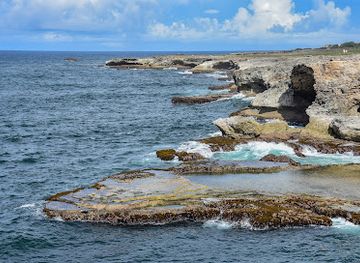
Saint Lucy’s attractions are led by the Atlantic coast and its limestone geology. The Animal Flower Cave at North Point is the parish’s principal formal visitor site, with sea-level chambers, rock pools containing sea anemones and broad ocean views from the cliff edge. Nearby coastal scenery is best appreciated carefully, since exposed headlands, rough water and uneven rock make this a landscape for observation rather than unrestricted swimming. Inland, the parish offers a quieter sequence of sugar-cane fields, village roads, churches and rural viewpoints rather than a large concentration of museums or theme attractions. Saint Lucy Parish Church near Checker Hall provides a connection with local religious and community history, while the surrounding countryside gives visitors a sense of Barbados beyond its resort coastline. Photography, scenic driving, birdwatching and short exploratory walks are particularly rewarding, provided visitors remain on appropriate routes and respect private land. The parish also works well as part of a wider northern Barbados itinerary, with time allowed for unplanned viewpoints, roadside food stops and changing Atlantic weather. Its attraction landscape is low-density and strongly tied to geology, agriculture, maritime life and the visual contrast between open fields and powerful surf.
-
Tourist attraction
Animal Flower Cave & Restaurant
Discover Barbados' northernmost gem: the Animal Flower Cave, where stunning ocean views, natural rock pools, and local flavors create an unforgettable Caribbean experience.
-
Tourist attraction
Cove Bay
Discover Cove Bay in St. Lucy, Barbados: a tranquil escape with dramatic cliffs, pristine beaches, and crystal-clear waters for ultimate relaxation.
-
Tourist attraction
Mount Gay Rum Distillery
Discover the world's oldest rum distillery in Barbados, where heritage and craftsmanship create the iconic Mount Gay Rum since 1703.
-
Tourist attraction
Cuckold Point.
Escape to the tranquil coastal beauty of Cuckold Point in Barbados for stunning views, peaceful contemplation, and a connection with nature.


Best landmarks in Saint Lucy
The Animal Flower Cave is Saint Lucy’s most recognisable landmark, occupying a natural cavern beneath the cliffs at North Point, the northern extremity of Barbados. Its name derives from the sea anemones found in its rock pools, while the cave’s openings frame the Atlantic and demonstrate how the island’s coral limestone has been shaped by the sea. The surrounding headland is visually powerful but exposed, making its cliffs and surf as significant as the cave interior. Saint Lucy Parish Church near Checker Hall is another important point of reference: its presence reflects the parish system and the continuing role of Anglican church buildings in Barbados’s rural communities. Across the interior, broad sugar fields, low limestone rises and scattered villages form a less monumental but highly characteristic cultural landscape. Roads around Crab Hill, Checker Hall and the northern settlements reveal the relationship between agriculture, parish life and the coast. Together these landmarks express Saint Lucy’s identity as Barbados’s northern, ocean-facing parish rather than a built-up resort district.
-
Seafood
Oistins Fish Market
Experience the vibrant culinary culture of Barbados at Oistins Fish Market, where fresh seafood meets lively local atmosphere.
-
Tourist attraction
Animal Flower Cave & Restaurant
Experience the breathtaking beauty and delicious flavors at Animal Flower Cave & Restaurant, a unique gem on Barbados' northern coast.
-
Tourist attraction
Harrison's Cave Eco-Adventure Park
Explore the breathtaking underground world of Harrison's Cave Eco-Adventure Park in Barbados, where adventure meets nature in stunning limestone caverns.
-
Shopping mall
Limegrove Lifestyle Centre
Experience luxury shopping, gourmet dining, and vibrant nightlife at Limegrove Lifestyle Centre, the Caribbean's most stylish destination in Holetown, Barbados.


Explore Saint Lucy on the map
Plan your trip on one map. See where the top cities, national parks and sights are, and book hotels and experiences in a few clicks.
Best hotels in Saint Lucy
Best restaurants in Saint Lucy
Dining in Saint Lucy is generally informal and locally oriented, with food stalls, rum shops, village eateries and small restaurants providing a more understated experience than the resort belts of the south and west. Barbadian standards such as flying fish, cou-cou, fish cakes, macaroni pie, fried plantain, breadfruit and pepper sauces may appear alongside fresh fish, chicken, pork and seasonal provisions. Near the coast, seafood is a natural choice, although availability depends on catches and weather rather than a guaranteed daily menu. Visitors should look for local bakeries, roadside snack sellers and small businesses serving generous portions of Bajan food, while a pre-arranged meal or earlier dining time is sensible in rural areas. Rum remains part of the island’s culinary culture, and non-alcoholic drinks, fruit juices and soft drinks are widely available. Saint Lucy is not primarily a fine-dining destination; its appeal lies in food connected with everyday Barbadian life, village hospitality and the agricultural and maritime character of the parish.
-
Tourist attraction
Animal Flower Cave & Restaurant
Explore stunning coastal caves and enjoy delicious local cuisine at Animal Flower Cave & Restaurant in Barbados.
-
Fine Dining
The Tides Barbados
Experience fine dining at The Tides Barbados with fresh seafood and stunning ocean views in Holetown.
-
Grill
Just Grillin' Sunset Crest
Experience authentic Barbadian flavors at Just Grillin' Sunset Crest—where every bite is grilled to perfection amidst vibrant island vibes.
-
Seafood
Fish Pot
Experience exquisite seafood dining with stunning ocean views at Fish Pot in Barbados - a must-visit for every food lover.


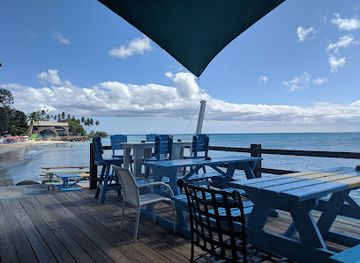
Best bars in Saint Lucy
Saint Lucy has a modest evening scene rather than a concentration of nightclubs. Social life centres on rum shops, village bars, casual restaurants and community occasions, where conversation, music and televised sport can be as important as formal entertainment. The northern coast and inland settlements are quieter after dark than Bridgetown or the south-coast resort areas, so visitors should not expect a continuous strip of late-opening venues. Some establishments serve local rum, beer, soft drinks and simple food, while live music and seasonal events may appear without a permanent timetable. Transport should be arranged in advance for a rural evening, particularly if drinking, because taxis can be less immediately available than in the main tourist districts. The best way to experience Saint Lucy at night is usually a relaxed local meal or a visit to a small community venue, not a search for a large club scene.
-
Bar
Fisherman's Pub
Discover the coastal charm of Fisherman's Pub, where fresh seafood meets the vibrant spirit of Barbados in a stunning waterfront setting.
-
Bar
Little Bristol Beach Bar
Experience the vibrant atmosphere and delicious Caribbean cuisine at Little Bristol Beach Bar in Speightstown, Barbados.
-
Restaurant
Fusion Rooftop
Experience a culinary adventure at Fusion Rooftop, where breathtaking views and exquisite flavors blend seamlessly in Holetown, Barbados.
-
Seafood
Catch-22
Experience the best of Barbadian seafood at Catch-22 in St. Lucy, where fresh flavors meet stunning ocean views for an unforgettable dining experience.



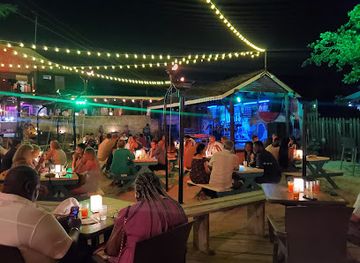
Best nightclubs in Saint Lucy
Saint Lucy has a modest evening scene rather than a concentration of nightclubs. Social life centres on rum shops, village bars, casual restaurants and community occasions, where conversation, music and televised sport can be as important as formal entertainment. The northern coast and inland settlements are quieter after dark than Bridgetown or the south-coast resort areas, so visitors should not expect a continuous strip of late-opening venues. Some establishments serve local rum, beer, soft drinks and simple food, while live music and seasonal events may appear without a permanent timetable. Transport should be arranged in advance for a rural evening, particularly if drinking, because taxis can be less immediately available than in the main tourist districts. The best way to experience Saint Lucy at night is usually a relaxed local meal or a visit to a small community venue, not a search for a large club scene.
-
Dinner theater
Harbour Lights Barbados
Dive into the lively ambiance of Harbour Lights Barbados, where exquisite dining meets captivating performances in the heart of Bridgetown's vibrant nightlife.
-
Cocktail bar
Drift Ocean Terrace Lounge
Experience the vibrant spirit of Barbados at Drift Ocean Terrace Lounge, where handcrafted cocktails and stunning ocean views blend seamlessly.
-
Disco club
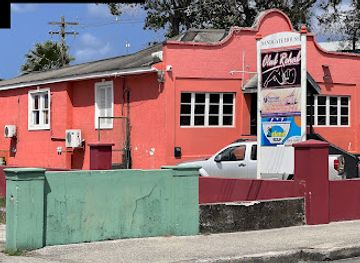
Club Rehab
Dive into the electrifying nightlife of Barbados at Club Rehab, where the music never stops and the dance floor is always alive!
-
Bar
Incognito Night Club
Discover the energy of Incognito Night Club, the heartbeat of Christ Church's nightlife, where music, dance, and good vibes come together.


Best shops in Saint Lucy
Shopping in Saint Lucy is small-scale and practical, with village shops, food outlets, roadside sellers and occasional market activity rather than major commercial centres. Visitors can look for Barbadian snacks, baked goods, pepper sauces, rum, locally produced preserves and other food gifts, although selection and opening arrangements vary. Craft items and artwork may be available through individual makers or visitor businesses, but the parish is better suited to buying distinctive local provisions than to extensive fashion or luxury shopping. Small settlements such as Checker Hall and Crab Hill provide useful stops for refreshments and everyday supplies, while larger retail choice is found outside Saint Lucy in Bridgetown and the more developed west and south-coast areas. Ask before photographing or handling locally made goods, and carry cash for informal sellers and smaller shops. Shopping here is best treated as part of a rural drive, allowing visitors to support local businesses and encounter products connected with Barbadian cooking and community life.
-
Department store
Bridgetown Duty Free Broad Street
Discover luxury shopping at Bridgetown Duty Free in Barbados, featuring exclusive brands and local crafts in a vibrant Caribbean setting.
-
Shopping mall
Limegrove Lifestyle Centre
Experience luxury shopping, exquisite dining, and vibrant entertainment at Limegrove Lifestyle Centre in Holetown, Barbados—your ultimate shopping destination.
-
Shopping mall
Quayside Centre Shopping Plaza
Explore the Quayside Centre Shopping Plaza, a vibrant shopping destination in Bridgetown, Barbados, offering a mix of local culture, shopping, and dining.
-
Shopping mall
Bridgetown Duty Free Sunset Crest Shopping Mall
Discover a luxurious shopping experience at Bridgetown Duty Free Sunset Crest Mall in Holetown, Barbados, featuring tax-free luxury brands and local treasures.


Get your free copy of our complete guide to Saint Lucy, delivered straight to you.
Everything on this page, from attractions and restaurants to essentials and local phrases, in one PDF you can read offline, print or share.
Already have an account? Sign in
Your Saint Lucy guide is ready.
We'll send it to · Not you? Sign out

Getting your guide ready…
We are putting together a fresh copy of the Saint Lucy guide. This can take up to a minute.
This can take a few moments. If your browser asks, choose Allow so the download can start. You'll find the guide in your Downloads folder.
Nothing happened? Download it again
Sorry, the guide is taking longer than usual. Please try again in a minute, or get it by email instead.
Saint Lucy essentials
Currency and Payment
Safety
Emergency Situations
Do's and Don'ts
Local Tips
From Eve
Local phrases worth knowing
You don't need to get them perfect. A few words go a long way, and locals appreciate the effort.
Basics
| English | Local | Say it |
|---|---|---|
| Hello | Wha's up | [Wah's up] |
| Goodbye | See ya | [See ya] |
| Yes | Yea | [Yea] |
| No | Nah | [Nah] |
| Please/You're welcome | No problem | [No problem] |
| Thank you | Tank you | [Tank yuh] |
| Excuse me/Sorry | Sorry | [Sorry] |
| How are you? | How yuh doin'? | [How yuh doin'?] |
| Fine. And you? | I good. And yuh? | [I good. And yuh?] |
| Do you speak English? | Yuh does speak English? | [Yuh does speak English?] |
| I don't understand | I ain't gettin' it | [I ain't gettin' it] |
Eating & Drinking
| English | Local | Say it |
|---|---|---|
| I'd like to see the menu, please | Can I see de menu, please? | [Can I see de menu, please?] |
| I don't eat meat | I don't eat meat | [I don't eat meat] |
| Cheers! | Cheers! | [Cheers!] |
| I would like to pay, please | I want to pay, please | [I want to pay, please] |
Emergencies
| English | Local | Say it |
|---|---|---|
| Help! | Help! | [Help!] |
| Go away! | Get away! | [Get away!] |
| Call the Police! | Call de police! | [Call de police!] |
| Call a doctor! | Call a doctor! | [Call a doctor!] |
| I'm lost | I lost | [I lost] |
| I'm ill | I ain't feelin' good | [I ain't feelin' good] |
Shopping
| English | Local | Say it |
|---|---|---|
| I'd like to buy... | I want to buy... | [I want to buy...] |
| I'm just looking | I just browsing | [I just browsing] |
| How much is it? | How much dat cost? | [How much dat cost?] |
| That's too expensive | Dat too high | [Dat too high] |
| Can you lower the price? | Can yuh drop de price? | [Can yuh drop de price?] |
Time & Numbers
| English | Local | Say it |
|---|---|---|
| What time is it? | Wha time it is? | [Wha time it is?] |
| It's one o'clock | It one o'clock | [It one o'clock] |
| Half past (10) | Half past ten | [Half past ten] |
| Morning | Mornin' | [Mornin'] |
| Afternoon | Afternoon | [Afternoon] |
| Evening | Evenin' | [Evenin'] |
| Yesterday | Yesterday | [Yesterday] |
| Today | Today | [Today] |
| Tomorrow | Tomorrow | [Tomorrow] |
| 1 | One | [One] |
| 2 | Two | [Two] |
| 3 | Three | [Three] |
| 4 | Four | [Four] |
| 5 | Five | [Five] |
| 6 | Six | [Six] |
| 7 | Seven | [Seven] |
| 8 | Eight | [Eight] |
| 9 | Nine | [Nine] |
| 10 | Ten | [Ten] |
Transport & Directions
| English | Local | Say it |
|---|---|---|
| Where's a/the...? | Where de...? | [Where de...?] |
| What's the address? | Wha de address? | [Wha de address?] |
| Can you show me (on the map)? | Can yuh show me (on de map)? | [Can yuh show me (on de map)?] |
| When's the next (bus)? | When de next (bus)? | [When de next (bus)?] |
| A ticket (to ....) | A ticket (to....) | [A ticket (to....)] |
History of Saint Lucy
Early Settlement and Amerindian Barbados
Barbados was inhabited by Amerindian peoples before European colonisation, with archaeological evidence across the island demonstrating long-established settlement and movement. Saint Lucy’s northern coastline, caves and freshwater environments formed part of the island’s wider human landscape, although the parish is not generally presented through a large concentration of monumental archaeological sites. Early inhabitants used coastal and inland resources, leaving a legacy that predates the plantation society later imposed by English colonisation.
English Colonisation and the Parish of Saint Lucy
English settlement began in the seventeenth century, and Barbados was organised into parishes as colonial administration developed. Saint Lucy took its name from Saint Lucy of Syracuse and became one of Barbados’s rural parishes, with settlements, roads and churches connecting farms and coastal communities. The parish’s northern position gave it a comparatively open, agricultural character, while its shoreline remained important for fishing, local transport and contact with the sea.
Sugar, Plantations and Enslaved Labour
The expansion of sugar transformed Barbados from the seventeenth century onwards. Saint Lucy’s fertile areas were incorporated into the plantation economy, which relied on the forced labour of enslaved Africans and generated wealth for landowners and merchants. Estate landscapes, field patterns and rural settlement arrangements still offer muted reminders of this history, even where plantation buildings have disappeared. The parish’s later agricultural life cannot be understood without recognising the exploitation and resistance embedded in the sugar system.
Emancipation and Rural Change
The abolition of slavery in the British Empire took effect in Barbados in the 1830s, with full emancipation following the apprenticeship period in 1838. Formerly enslaved people built independent households and communities while many continued to work in agriculture under difficult economic conditions. In Saint Lucy, parish churches, village settlements and smallholdings became important settings for social life beyond the plantation estate. Sugar remained influential, but rural livelihoods gradually included fishing, provision cultivation, domestic service and other forms of work.
The Development of Northern Tourism
For much of its history Saint Lucy was known chiefly for agriculture, fishing and scattered rural communities rather than large resort development. During the twentieth century, the northern coast’s cliffs, caves and Atlantic scenery began to attract visitors, with the Animal Flower Cave becoming the parish’s best-known visitor site. Tourism has remained relatively low-density compared with Barbados’s south and west coasts, helping preserve the impression of an agricultural and maritime landscape rather than a continuous resort strip.
Modern Barbados and the Northern Parish
Barbados became independent from Britain in 1966, and Saint Lucy continued as one of the country’s eleven parishes within the independent state. Modern roads, telecommunications and tourism have made the far north more accessible, while agriculture and village life remain visible alongside newer homes and visitor services. The parish illustrates Barbados’s broader transition from a plantation economy towards a diversified society, yet its exposed coastline and open countryside still give it a distinct identity within the island.
Saint Lucy in Photos
Browse through our photo collection highlighting the charm and character of the destination.
Neighbouring regions of Saint Lucy
The closest regions to Saint Lucy, if you have time for more than one.
-

-

-

-

-


Swipe for more regions
Explore more

Explore more of Barbados
Discover Barbados: Pristine beaches, rich history, and vibrant culture await in this Caribbean paradise. Perfect for adventure, relaxation, and culinary delights.
Explore Barbados