

Free Scotland District Travel Guide & Mobile App
Explore Scotland District with free travel guides. Discover regional history, expert tips, proposed trips, and audio guides on web or mobile app.


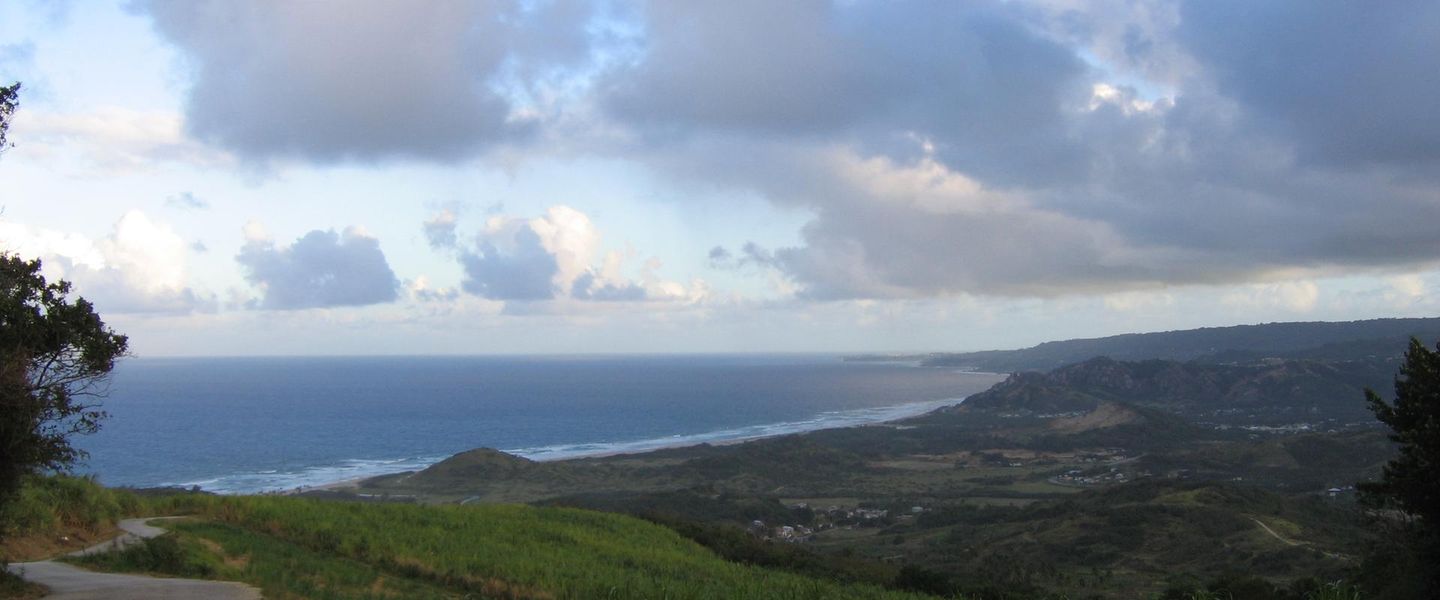


Explore Scotland District in Barbados for Atlantic coastlines, green hills, Bathsheba, historic windmills, village life and rugged rural scenery.
Read more about Scotland District
When is the best time to visit Scotland District?
Best: March–May · 30–31°C| Month | High (°C) | Rainfall (mm) |
|---|---|---|
| January | 29 | 80 |
| February | 29 | 70 |
| March (best) | 30 | 60 |
| April (best) | 30 | 50 |
| May (best) | 31 | 40 |
| June | 31 | 70 |
| July | 31 | 90 |
| August | 31 | 100 |
| September | 31 | 110 |
| October | 31 | 120 |
| November | 30 | 100 |
| December | 30 | 90 |
Getting to and around Scotland District
How to get there
Transportation
Top city travel guides in Scotland District
The cities of Scotland District, and the easiest places to base yourself.
-

-

-

-

-


Swipe for more cities
Destinations in Scotland District
Resorts, valleys and scenic spots worth a trip of their own.
-

-

-


Swipe for more destinations
Best attractions in Scotland District
Scotland District’s attractions are primarily landscape-based, with heritage and village experiences woven through the hills rather than gathered in a single visitor centre. Bathsheba and the nearby Soup Bowl provide the district’s best-known coastal setting, combining surf, rock formations and viewpoints; the area is better for watching skilled surfers and experiencing the Atlantic shore than for unrestricted swimming. Inland, roads through St Andrew lead to elevated scenery, rural communities and the historic Morgan Lewis Windmill. Chalky Mount adds a living craft dimension through its long-established pottery tradition, while small churches, plantation traces and roadside settlements reveal the social history of the countryside. Short walks and scenic drives are rewarding around the escarpments, but routes can be informal and terrain may be slippery after rain. The district also suits birdwatching, photography, surfing and quiet observation of Barbados’s eastern weather systems. Visitors seeking large museums, extensive nightlife or densely arranged family attractions will find those concentrated elsewhere on the island; Scotland District’s appeal lies in its geology, open views, Atlantic power and slower rural rhythm.
-
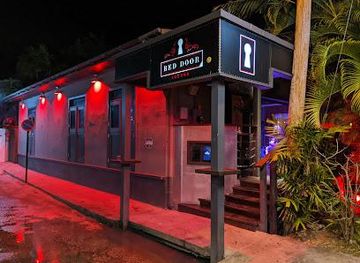
Bar
Red Door Lounge
Discover the vibrant Red Door Lounge at Mango Bay Hotel in Holetown, Bridgetown, where exquisite dining meets lively nightlife amidst Caribbean charm.
-
 Tourist attraction
Morgan Lewis Windmill
Discover the Caribbean's best-preserved sugar windmill at Morgan Lewis, where history comes alive with panoramic views and a glimpse into Barbados's sweet past.
-
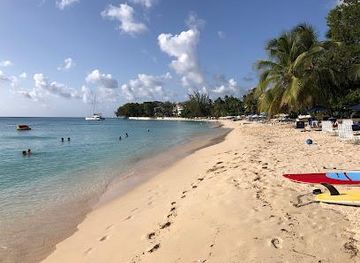
Beach
Paynes Bay Beach
Discover the serene beauty and vibrant culture of Paynes Bay Beach in Saint James, Barbados—a perfect tropical getaway for relaxation and adventure.
-
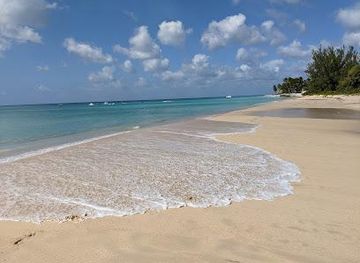
Beach
Brighton Beach
Escape to Brighton Beach in Barbados: a serene paradise with soft sands, turquoise waters, and gentle breezes, perfect for relaxation and exploration.
Best landmarks in Scotland District
The most recognisable landmark of Scotland District is Morgan Lewis Windmill, standing on high ground in St Andrew as an exceptionally visible reminder of Barbados’s sugar and wind-powered industrial past. Along the coast, Bathsheba’s large rounded rock formations and the surf break known as the Soup Bowl form a visual signature of the eastern shore, shaped by Atlantic swell and weather. Hackleton’s Cliff is another defining feature, marking the elevated edge from which the landscape falls towards the coast and providing a powerful sense of the district’s geology. The winding upland roads, exposed hills and deeply cut valleys are themselves landmarks of Barbados’s sedimentary eastern interior, contrasting with the island’s broad coral terraces. Chalky Mount’s pottery community represents a cultural landmark rather than a monumental structure, linking craft practice with the rural hills. Together these places express the district’s identity through geology, agriculture, maritime exposure and village life.
-
Tourist attraction
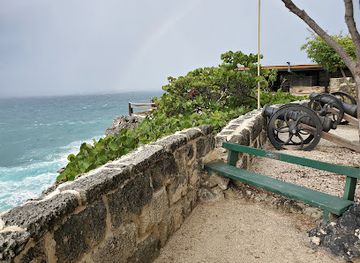
Animal Flower Cave & Restaurant
Explore the natural beauty of Barbados at Animal Flower Cave & Restaurant, where stunning sea caves meet delicious local cuisine in a family-friendly setting.
-
Tourist attraction
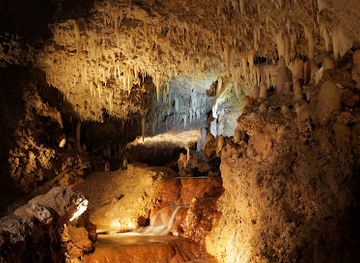
Harrison's Cave Eco-Adventure Park
Explore the breathtaking underground beauty of Harrison's Cave Eco-Adventure Park, a must-visit natural attraction in Barbados showcasing stunning limestone formations.
-
Tourist attraction
Atlantis Submarines Barbados
Explore Barbados' breathtaking underwater world in a real submarine. Day and night dives available for an unforgettable adventure!
-
Garden
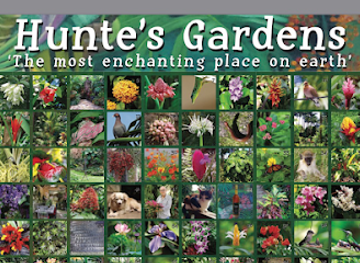
Hunte's Gardens
Discover the lush beauty of Hunte's Gardens in Barbados, a serene oasis filled with vibrant flora, tranquil pathways, and breathtaking landscapes.
Explore Scotland District on the map
Plan your trip on one map. See where the top cities, national parks and sights are, and book hotels and experiences in a few clicks.
Best hotels in Scotland District
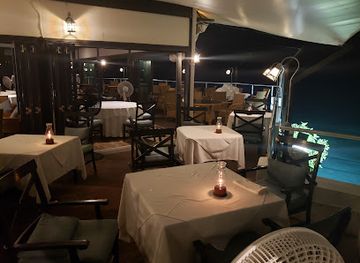
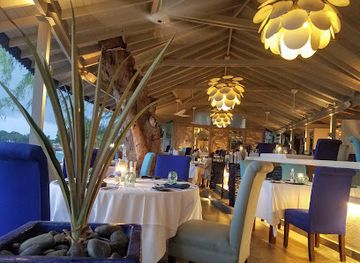
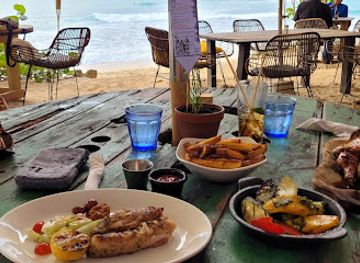
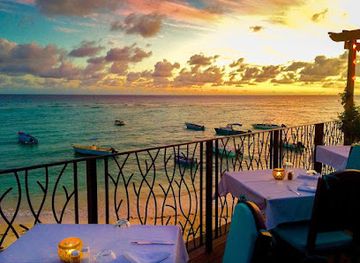
Best restaurants in Scotland District
Dining in Scotland District is informal and closely linked to the eastern coast and rural villages. Bathsheba has the widest choice, with small restaurants, cafés and guesthouse dining serving Bajan favourites alongside seafood and contemporary dishes. Fish, flying fish, fish cakes, rice, peas, cou-cou, macaroni pie and seasonal vegetables are among the foods visitors may encounter, while roadside stalls and village shops can provide simpler snacks and drinks. The district’s agricultural surroundings make local produce important, although menus vary according to supply and season. Rum shops and small eateries offer a more everyday setting than resort restaurants, and service may be relaxed rather than timed around a formal dining schedule. Visitors with dietary requirements should explain them clearly and check ingredients, particularly in small establishments. For a wider range of international cuisine, Bridgetown and the south and west coast resort areas are more dependable, but they are outside Scotland District.
-
Restaurant
Champers Restaurant Barbados
Experience exquisite Caribbean cuisine with breathtaking ocean views at Champers Restaurant in Christ Church, Barbados.
-
Fine Dining
The Tides Barbados
Experience exquisite seafood dining at The Tides Barbados with stunning ocean views and an unforgettable culinary journey.
-
Restaurant
La Cabane
Experience exquisite Caribbean flavors at La Cabane on Batts Rock Beach – where dining meets stunning ocean views.
-
Restaurant
Castaways Barbados
Discover culinary delights at Castaways Barbados - where vibrant atmosphere meets exquisite dining in St Lawrence Gap.
Best bars in Scotland District
Nightlife in Scotland District is low-key and local rather than club-oriented. Bathsheba has the greatest concentration of evening options, including casual bars, restaurants, guesthouse lounges and occasional live music, while villages in St Andrew and along the coast are more likely to centre on rum shops and community gathering places. The atmosphere is suited to conversation, a meal or watching the changing light over the Atlantic rather than late-night dancing. Opening arrangements can vary by day and season, so visitors should check locally rather than rely on old listings. There is no broad nightclub district within Scotland District; larger clubs, entertainment venues and late-night resort bars are concentrated in Bridgetown and along the south and west coasts outside the region. Visitors should arrange a safe return journey in advance, since rural transport becomes less convenient in the evening.
-
Grill
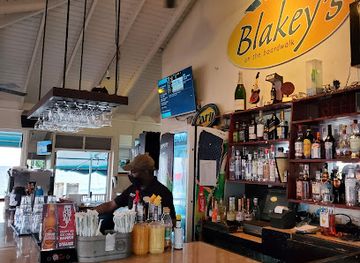
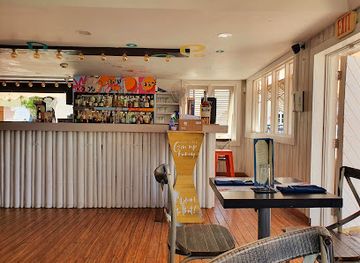
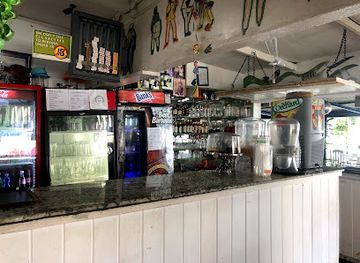
Blakey's Bar & Restaurant
Immerse yourself in the flavors of Barbados at Blakey's Bar & Restaurant, where vibrant Caribbean cuisine meets a lively atmosphere.
-
Cocktail bar
Cocktail Kitchen
Cocktail Kitchen in St. Lawrence Gap, Barbados, offers a vibrant atmosphere, innovative cocktails, and stunning beach views for an unforgettable night out.
-
Bar
Fisherman's Pub
Experience the vibrant flavors and atmosphere of Fisherman's Pub in Speightstown, a must-visit destination for food lovers and fun seekers in Barbados.
-
Bar
Flash Zone Bar & Variety
Experience the vibrant nightlife of Bridgetown at Flash Zone Bar & Variety, where great drinks and lively entertainment await you.

Best nightclubs in Scotland District
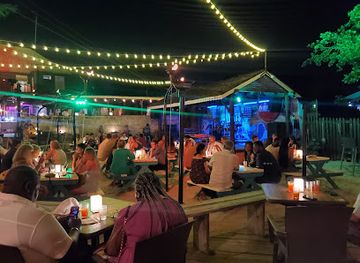
Nightlife in Scotland District is low-key and local rather than club-oriented. Bathsheba has the greatest concentration of evening options, including casual bars, restaurants, guesthouse lounges and occasional live music, while villages in St Andrew and along the coast are more likely to centre on rum shops and community gathering places. The atmosphere is suited to conversation, a meal or watching the changing light over the Atlantic rather than late-night dancing. Opening arrangements can vary by day and season, so visitors should check locally rather than rely on old listings. There is no broad nightclub district within Scotland District; larger clubs, entertainment venues and late-night resort bars are concentrated in Bridgetown and along the south and west coasts outside the region. Visitors should arrange a safe return journey in advance, since rural transport becomes less convenient in the evening.
-
Night club
Harbour Lights Barbados
Discover the nightlife of Bridgetown at Harbour Lights Barbados – a lively night club and dinner theater with stunning ocean views and vibrant entertainment.
-
Cocktail bar
Drift Ocean Terrace Lounge
Experience the vibrant nightlife of Barbados at Drift Ocean Terrace Lounge, where handcrafted cocktails and stunning ocean views come together.
-
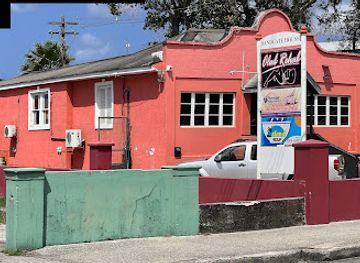
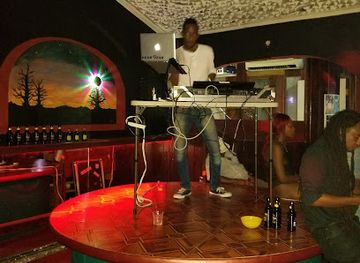
Disco club
Club Rehab
Discover the exhilarating nightlife at Club Rehab in Bridgetown, where vibrant music and dancing create unforgettable memories.
-
Bar
Incognito Night Club
Discover the heart of Barbados nightlife at Incognito Night Club, your go-to destination for dancing, drinks, and unforgettable memories.

Best shops in Scotland District
Shopping in Scotland District is modest and locally focused, with the strongest opportunities found in village shops, roadside stalls, small galleries and craft outlets rather than large retail centres. Chalky Mount is associated with pottery and offers the most distinctive locally rooted souvenir tradition, although visitors should check current access and availability before making a special journey. Bathsheba and nearby communities may provide locally made craft items, art, casual clothing and food products, while small shops can be useful for drinks, snacks and everyday supplies. Farmers’ produce, preserves and rum-related goods may appear seasonally, but stock is not as predictable as in the island’s main commercial areas. For a wider choice of Barbadian food products, jewellery, books and duty-free goods, Bridgetown and the south and west coast shopping areas are better equipped and lie outside the district. Supporting independent makers and buying within permitted public outlets helps keep spending connected to rural communities.
-
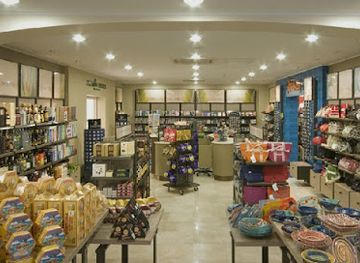
Department store
Bridgetown Duty Free Broad Street
Discover exceptional deals and local treasures at Bridgetown Duty Free, your ultimate shopping destination in Barbados.
-
Shopping mall
N.S.R.Limited Sky Mall
Experience shopping like never before at N.S.R. Limited Sky Mall, where vibrant culture meets an array of shops and delicious dining options.
-
Shopping mall
Limegrove Lifestyle Centre
Discover luxury shopping, exquisite dining, and entertainment at Limegrove Lifestyle Centre in Holetown, Barbados – a must-visit for every traveler.
-
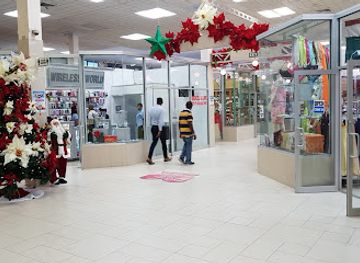
Shopping mall
Quayside Centre Shopping Plaza
Explore the lively Quayside Centre Shopping Plaza, a premier shopping destination in Bridgetown, offering diverse shops and delightful dining options.

Get your free copy of our complete guide to Scotland District, delivered straight to you.
Everything on this page, from attractions and restaurants to essentials and local phrases, in one PDF you can read offline, print or share.
Already have an account? Sign in
Your Scotland District guide is ready.
We'll send it to · Not you? Sign out

Getting your guide ready…
We are putting together a fresh copy of the Scotland District guide. This can take up to a minute.
This can take a few moments. If your browser asks, choose Allow so the download can start. You'll find the guide in your Downloads folder.
Nothing happened? Download it again
Sorry, the guide is taking longer than usual. Please try again in a minute, or get it by email instead.
Scotland District essentials
Currency and Payment
Safety
Emergency Situations
Do's and Don'ts
Local Tips
From Eve
Local phrases worth knowing
You don't need to get them perfect. A few words go a long way, and locals appreciate the effort.
Basics
| English | Local | Say it |
|---|---|---|
| Hello | Wha' happenin' | [Wah hap-pen-in] |
| Goodbye | See yuh later | [See yuh lay-ta] |
| Yes | Yea | [Yea] |
| No | No | [No] |
| Please/You're welcome | No problem | [No prob-lem] |
| Thank you | Tank yuh | [Tank yuh] |
| Excuse me/Sorry | Scuse me/Sorry | [Skews me/Sor-ry] |
| How are you? | How yuh doin'? | [How yuh do-in?] |
| Fine. And you? | Fine. An' yuh? | [Fine. An' yuh?] |
| Do you speak English? | Yuh speak English? | [Yuh speak in-glish?] |
| I don't understand | I ain't get it | [I ain't get it] |
Eating & Drinking
| English | Local | Say it |
|---|---|---|
| I'd like to see the menu, please | Could I see the menu, please? | [Could I see the men-u, please?] |
| I don't eat meat | I don't eat meat | [I don't eat meat] |
| Cheers! | Cheers! | [Cheers!] |
| I would like to pay, please | I would like to pay, please | [I would like to pay, please] |
Emergencies
| English | Local | Say it |
|---|---|---|
| Help! | Help! | [Help!] |
| Go away! | Get away! | [Get away!] |
| Call the Police! | Call de Police! | [Call de Po-leese!] |
| Call a doctor! | Call a doctor! | [Call a doc-tor!] |
| I'm lost | I lost | [I lost] |
| I'm ill | I ain't feelin' well | [I ain't feelin' well] |
Shopping
| English | Local | Say it |
|---|---|---|
| I'd like to buy... | I would like to buy... | [I would like to buy...] |
| I'm just looking | I just browsing | [I just brows-ing] |
| How much is it? | How much dat cost? | [How much dat cost?] |
| That's too expensive | Dat too dear | [Dat too deer] |
| Can you lower the price? | Can yuh drop de price? | [Can yuh drop de price?] |
Time & Numbers
| English | Local | Say it |
|---|---|---|
| What time is it? | Wha' time it is? | [Wah time it is?] |
| It's one o'clock | It one o'clock | [It one o'clock] |
| Half past (10) | Half past ten | [Half past ten] |
| Morning | Mornin' | [Mornin'] |
| Afternoon | Afternoon | [Afternoon] |
| Evening | Evenin' | [Evenin'] |
| Yesterday | Yesterday | [Yes-ter-day] |
| Today | Today | [To-day] |
| Tomorrow | Tomorrow | [To-mor-row] |
| 1 | One | [One] |
| 2 | Two | [Two] |
| 3 | Three | [Three] |
| 4 | Four | [Four] |
| 5 | Five | [Five] |
| 6 | Six | [Six] |
| 7 | Seven | [Seven] |
| 8 | Eight | [Eight] |
| 9 | Nine | [Nine] |
| 10 | Ten | [Ten] |
Transport & Directions
| English | Local | Say it |
|---|---|---|
| Where's a/the...? | Wha' de...? | [Wah de...?] |
| What's the address? | Wha' de address? | [Wah de ad-dress?] |
| Can you show me (on the map)? | Can yuh show me (pon de map)? | [Can yuh show me (pon de map)?] |
| When's the next (bus)? | When de next (bus)? | [When de next (bus)?] |
| A ticket (to ....) | A ticket (to ....) | [A ticket (to ....)] |
History of Scotland District
The Geological Formation of Scotland District
Scotland District has a geological history unlike most of Barbados. While much of the island consists of uplifted coral limestone, the east-central district exposes older and younger sedimentary formations associated with the island’s development above the submarine Barbados accretionary prism. Rock layers, erosion and uplift have produced the district’s steep valleys, cliffs and unstable slopes. This geological contrast explains why the landscape is hillier, more deeply dissected and generally less suited to intensive urban development than the broad coral terraces elsewhere on the island.
Early Indigenous Settlement in Barbados
Barbados was inhabited before European colonisation by Indigenous peoples commonly associated with Saladoid and later Arawakan cultural traditions, followed by communities often described in historical sources as Kalinago. Archaeological evidence from across the island records pottery, tools and settlement activity, although the most visible heritage sites are not concentrated solely in Scotland District. The district’s valleys, coastal resources and freshwater areas formed part of the wider island environment used by early communities before English settlement transformed land ownership and agriculture.
English Colonisation and Plantation Agriculture
English settlers established a permanent colony in Barbados in the seventeenth century, and sugar soon became the foundation of the island’s economy. Scotland District was less uniformly suited to plantation agriculture than the flatter coral terraces, but estates, cane cultivation and rural settlements still shaped its valleys and uplands. Enslaved Africans supplied the labour that sustained the plantation system, whose social and economic consequences remained profound after emancipation. Estate roads, village patterns and surviving agricultural buildings continue to reflect this period.
Sugar, Wind Power and Morgan Lewis
Windmills were an important part of Barbados’s sugar industry, using the trade winds to power machinery for crushing cane before steam technology became dominant. Morgan Lewis Windmill, in the parish of St Andrew, is one of the island’s best-preserved examples and a prominent reminder of that industrial landscape. Its elevated setting also illustrates the practical relationship between Scotland District’s windy hills and plantation production. The windmill’s survival gives visitors a tangible connection to Barbados’s sugar economy and its technological history.
Emancipation and Rural Community Life
Emancipation in 1834, followed by the end of apprenticeship in 1838, changed labour relations throughout Barbados but did not remove the economic inequalities created by plantation society. In rural districts such as St Andrew and St Joseph, formerly enslaved families developed independent livelihoods alongside continued work in agriculture and domestic service. Villages, chapels, smallholdings and informal trading places became important elements of community life. The dispersed settlement pattern visible in parts of Scotland District owes much to these long changes in land, work and family life.
Roads, Tourism and the Eastern Coast
During the twentieth century, improved roads and public transport made Barbados’s eastern landscapes more accessible from Bridgetown and the developed south and west coasts. Bathsheba became known for its scenery, surfing and guest accommodation, while Scotland District gained recognition as a destination for drives, photography, walking and geological interest rather than mass beach tourism. Tourism has brought new restaurants and holiday homes, but the area remains comparatively rural. Its future depends on balancing visitor access with slope stability, coastal forces and the needs of resident communities.
Scotland District in Photos
Browse through our photo collection highlighting the charm and character of the destination.
Neighbouring regions of Scotland District
The closest regions to Scotland District, if you have time for more than one.
-

-

-

-

-


Swipe for more regions
Explore more

Explore more of Barbados
Discover Barbados: Pristine beaches, rich history, and vibrant culture await in this Caribbean paradise. Perfect for adventure, relaxation, and culinary delights.
Explore Barbados