

Free Cherry Tree Hill Travel Guide & Mobile App
Plan your Cherry Tree Hill trip with Evendo. Get free guides to top attractions, restaurants, hotels, and bars. Web access or download the mobile app.


Cherry Tree Hill, Barbados offers sweeping east-coast views, rural drives, plantation heritage and scenic highland landscapes in the island’s Scotland District.
A Highland Viewpoint
Cherry Tree Hill is a rural viewpoint in the parish of Saint Andrew, where Barbados rises into the undulating landscape known as the Scotland District. Reached by a winding road through the island’s interior, the site opens towards the rugged eastern coast, with fields, wooded slopes and distant villages unfolding below. Its appeal lies less in an urban centre than in the atmosphere of the landscape: breezes move through roadside trees, clouds gather over the hills, and the Atlantic horizon gives the eastern side of Barbados a wilder character than the developed south and west coasts.Read more about Cherry Tree Hill
Roads, Estates and Open Landscapes
When is the best time to visit Cherry Tree Hill?
Best: March–May · 29–31°C| Month | High (°C) | Rainfall (mm) |
|---|---|---|
| January | 30 | 80 |
| February | 29 | 60 |
| March (best) | 29 | 50 |
| April (best) | 30 | 40 |
| May (best) | 31 | 30 |
| June | 32 | 30 |
| July | 32 | 30 |
| August | 32 | 30 |
| September | 32 | 30 |
| October | 31 | 40 |
| November | 31 | 50 |
| December | 30 | 60 |
Getting to and around Cherry Tree Hill
How to get there
Transportation
Best attractions in Cherry Tree Hill
Cherry Tree Hill’s principal attraction is the elevated roadside viewpoint, where the eastern coast, rolling fields and exposed hills create one of Barbados’s most memorable inland prospects. The stop is especially appealing as part of a scenic drive through Saint Andrew and the Scotland District rather than as a standalone urban sight. Nearby Morgan Lewis Windmill preserves the form of a sugar-era windmill and offers a tangible connection with Barbados’s plantation economy, while Farley Hill National Park provides landscaped grounds, woodland and elevated views from a former estate setting in neighbouring Saint Peter. The narrow roads themselves reveal a different side of the island, passing small settlements, cultivated plots and weathered gullies. On a longer itinerary, the route can be extended towards the rugged Atlantic edge, where villages and coastal viewpoints contrast with the sheltered resort districts of the west and south.
-
Tourist attraction
Animal Flower Cave & Restaurant
Experience the beauty of Barbados at Animal Flower Cave & Restaurant, where stunning sea caves meet delightful dining and family fun.
22 min drive · 7.5 km from city centre
-
Tourist attraction
Harrison's Cave Eco-Adventure Park
Discover Barbados' geological wonders at Harrison's Cave Eco-Adventure Park: Explore stunning caverns, enjoy thrilling activities, and immerse yourself in the island's natural beauty and culture.
30 min drive · 9.9 km from city centre
-
National park
Farley Hill National Park
Discover the majestic ruins and breathtaking views of Farley Hill National Park, a serene escape into Barbados' rich history and natural beauty, perfect for picnics and cultural events.
5 min drive · 1.5 km from city centre
-
 Heritage museum
St. Nicholas Abbey and Steam Railway
Experience the rich history and scenic beauty of St. Nicholas Abbey, a heritage museum and steam railway in Barbados, perfect for tourists seeking culture and adventure.
6 min walk · 0.5 km from city centre


Best landmarks in Cherry Tree Hill
Cherry Tree Hill itself is a landscape landmark: its importance comes from the elevated road, mature roadside vegetation and wide prospect towards Barbados’s Atlantic-facing countryside. Morgan Lewis Windmill, in nearby Saint Andrew, is the strongest built heritage landmark associated with the area, preserving the silhouette of the wind-powered machinery once used in the sugar industry. Farley Hill, in neighbouring Saint Peter, adds an estate and parkland setting, linking scenic views with the history of plantation residences. The parish churches and villages of the surrounding uplands provide further evidence of Barbados’s long-settled rural structure, although they are lived-in community places rather than staged monuments. Together these sites show how the island’s identity is expressed through working landscapes, industrial remains, estate country and dramatic topography rather than through a dense concentration of monumental architecture.
-
Tourist attraction
Animal Flower Cave & Restaurant
Discover Barbados' northernmost point: Explore the mesmerizing Animal Flower Cave, swim in natural pools, and witness breathtaking Atlantic Ocean views from this unique coastal wonder.
22 min drive · 7.5 km from city centre
-
Tourist attraction
Harrison's Cave Eco-Adventure Park
Discover the breathtaking beauty of Harrison's Cave Eco-Adventure Park in Barbados: Explore stunning caverns, cascading waterfalls, and lush nature trails for an unforgettable experience.
30 min drive · 9.9 km from city centre
-
Garden
Hunte's Gardens
Discover a hidden paradise in Barbados: Hunte's Gardens, a breathtaking botanical sanctuary created by Anthony Hunte, showcasing exotic flora and serene beauty in a unique sinkhole setting.
29 min drive · 9.6 km from city centre
-
Tourist attraction
The Richard Haynes Boardwalk
Experience the beauty of Barbados on the Richard Haynes Boardwalk: scenic coastal views, vibrant atmosphere, and Bajan hospitality await along this must-visit promenade.
42 min drive · 22 km from city centre


Explore Cherry Tree Hill on the map
Plan your Cherry Tree Hill trip on one map. See where the top attractions, landmarks, restaurants, bars and hotels are, find what's near where you're staying, and book hotels and experiences in a few clicks.
Best hotels in Cherry Tree Hill
Best restaurants in Cherry Tree Hill
Cherry Tree Hill has no concentrated restaurant quarter; dining in the area is generally part of a wider rural drive through Saint Andrew and neighbouring parishes. Small local eateries and village establishments may serve Barbadian staples such as fish cakes, macaroni pie, rice and peas, fried or grilled fish, chicken, pork and seasonal vegetables, while roadside vendors can offer simple snacks and fresh drinks. The character is informal and community-oriented rather than centred on fine dining or hotel service. Visitors should allow for fewer choices and shorter business hours than in Bridgetown or the south-coast resort belt, and should not assume that every rural stop accepts cards. Local food is often the best way to understand how African, British and Caribbean influences combine in Barbadian cooking, particularly through seafood, ground provisions and generously seasoned one-pot dishes.
-
Restaurant
Champers Restaurant Barbados
Discover exquisite fine dining at Champers Restaurant in Barbados with stunning ocean views and an unforgettable culinary experience.
42 min drive · 22 km from city centre
-
Mexican
Cafe Sol
Experience authentic Mexican flavors at Cafe Sol in Oistins - where vibrant atmosphere meets delicious cuisine.
43 min drive · 23 km from city centre
-
Fine Dining
The Tides Barbados
Experience exquisite seafood dining at The Tides Barbados - where every meal is a celebration of local flavors and stunning ocean views.
32 min drive · 12 km from city centre
-
Chicken
R.A. Mapp
Discover R.A. Mapp in Bridgetown - where authentic Barbadian flavors meet casual dining in an inviting atmosphere.
38 min drive · 18 km from city centre


Best bars in Cherry Tree Hill
Cherry Tree Hill is a daytime landscape destination, not a nightlife district, and the surrounding interior becomes quiet after sunset. Evening activity is more likely to mean a relaxed drink or meal at a village establishment, a rum-based cocktail at accommodation elsewhere on the island, or a return to the south and west coasts for established bars, live music and larger entertainment venues. Barbadian rum is central to the island’s drinking culture, while informal socialising and calypso or soca may feature at local events, especially during festival periods. There are no dependable clusters of late-night clubs at the viewpoint, and rural roads have limited lighting, so visitors should arrange transport in advance rather than planning to walk between scattered venues after dark.
-
Grill
Blakey's Bar & Restaurant
Experience the vibrant flavors of Barbados at Blakey's Bar & Restaurant, where delicious grilled dishes and refreshing drinks await you.
42 min drive · 22 km from city centre
-
Cocktail bar
Cocktail Kitchen
Experience the vibrant ambiance and innovative cocktails at Cocktail Kitchen in St. Lawrence Gap, Barbados - a true taste of Caribbean culture.
43 min drive · 23 km from city centre
-
Bistro
Primo Bar & Bistro
Experience the flavors of Barbados at Primo Bar & Bistro, where fresh ingredients meet Caribbean hospitality in a stunning coastal setting.
43 min drive · 23 km from city centre
-
Grill
Chill Café Bar & Grill
Discover Chill Café Bar & Grill in Bridgetown for delicious grilled dishes and refreshing drinks in a relaxing tropical setting.
42 min drive · 22 km from city centre


Best nightclubs in Cherry Tree Hill
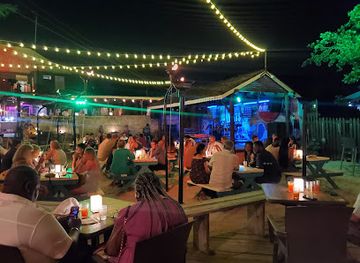
Cherry Tree Hill is a daytime landscape destination, not a nightlife district, and the surrounding interior becomes quiet after sunset. Evening activity is more likely to mean a relaxed drink or meal at a village establishment, a rum-based cocktail at accommodation elsewhere on the island, or a return to the south and west coasts for established bars, live music and larger entertainment venues. Barbadian rum is central to the island’s drinking culture, while informal socialising and calypso or soca may feature at local events, especially during festival periods. There are no dependable clusters of late-night clubs at the viewpoint, and rural roads have limited lighting, so visitors should arrange transport in advance rather than planning to walk between scattered venues after dark.
-
Night club
Harbour Lights Barbados
Discover the vibrant nightlife of Harbour Lights Barbados - where dining, dancing, and entertainment come together in an unforgettable experience.
41 min drive · 21 km from city centre
-
Scenic spot
Cherry Tree Hill Reserve
Discover the scenic marvels of Cherry Tree Hill Reserve in Barbados, a breathtaking spot with panoramic views and natural beauty.
1 min walk · 0.1 km from city centre
-
Night club
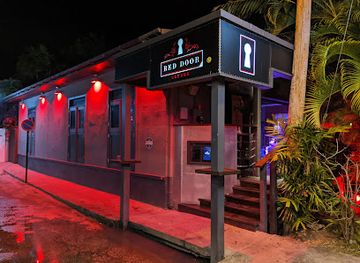
Red Door Lounge
Experience the vibrant nightlife of Barbados at Red Door Lounge, where exquisite cocktails and delicious cuisine meet in a lively atmosphere.
31 min drive · 11 km from city centre
-
Disco club
Club Rehab
Experience the electrifying nightlife at Club Rehab, Bridgetown's premier disco club, where every night is a celebration of music and dance.
40 min drive · 20 km from city centre

Best shops in Cherry Tree Hill
Shopping around Cherry Tree Hill is modest and local, with no dedicated retail district or large market at the viewpoint. The most characteristic purchases are likely to be found elsewhere on the island and may include Barbadian rum, pepper sauces, preserves, local sea-island products, craft items and small souvenirs reflecting Bajan culture. Village shops and roadside sellers in the wider Saint Andrew area can provide drinks, snacks and everyday supplies, but their stock and opening patterns vary. For broader retail choice, visitors generally travel towards Bridgetown, Holetown or the south-coast commercial areas, where supermarkets, craft outlets and established shops are more numerous. Buying from small local businesses, when practical, supports the rural communities encountered on the drive and offers a more direct connection with the island’s contemporary everyday life than standard resort shopping.
-
Department store
Bridgetown Duty Free Broad Street
Experience tax-free shopping bliss at Bridgetown Duty Free, where luxury meets local treasures in the heart of Barbados.
40 min drive · 20 km from city centre
-
Supermarket
PriceSmart
Explore PriceSmart in Barbados for unbeatable deals on local and international products at this vibrant supermarket and warehouse club.
35 min drive · 15 km from city centre
-
Supermarket
Cost U Less
Explore the vibrant selection at Cost U Less in Saint Thomas, Barbados – your one-stop supermarket for local and international groceries.
34 min drive · 14 km from city centre
-
Supermarket
Popular Discounts Kendal Hill
Experience the local flavor at Popular Discounts Kendal Hill, a vibrant supermarket in Oistins, Barbados, offering fresh produce and local delights.
42 min drive · 22 km from city centre


Get your free copy of our complete guide to Cherry Tree Hill, delivered straight to you.
Everything on this page, from attractions and restaurants to essentials and local phrases, in one PDF you can read offline, print or share.
Already have an account? Sign in
Your Cherry Tree Hill guide is ready.
We'll send it to · Not you? Sign out

Getting your guide ready…
We are putting together a fresh copy of the Cherry Tree Hill guide. This can take up to a minute.
This can take a few moments. If your browser asks, choose Allow so the download can start. You'll find the guide in your Downloads folder.
Nothing happened? Download it again
Sorry, the guide is taking longer than usual. Please try again in a minute, or get it by email instead.
Cherry Tree Hill essentials
Currency and Payment
Safety
Emergency Situations
Do's and Don'ts
Local Tips
From Eve
Local phrases worth knowing
You don't need to get them perfect. A few words go a long way, and locals appreciate the effort.
Basics
| English | Local | Say it |
|---|---|---|
| Hello | Good morning | [Gud mawnin] |
| Goodbye | Goodbye | [Gud-bye] |
| Yes | Yes | [Yes] |
| No | No | [Noh] |
| Please/You're welcome | Please/You're welcome | [Pleez/Yuh wellekum] |
| Thank you | Thank you | [Tank yuh] |
| Excuse me/Sorry | Excuse me/Sorry | [Ekskyooz mee/Saaree] |
| How are you? | How you doing? | [How yuh dooin] |
| Fine. And you? | Fine. An yuh? | [Fyne. An yuh] |
| Do you speak English? | Yuh speak English? | [Yuh speak Inglish] |
| I don't understand | I doan understan | [I doan understan] |
Eating & Drinking
| English | Local | Say it |
|---|---|---|
| I'd like to see the menu, please | Lemme see de menu, please | [Lemee see de menu, please] |
| I don't eat meat | I doan eat meat | [I doan eat meet] |
| Cheers! | Cheers! | [Cheers!] |
| I would like to pay, please | Lemme pay, please | [Lemee pay, please] |
Emergencies
| English | Local | Say it |
|---|---|---|
| Help! | Help! | [Help!] |
| Go away! | Guh way! | [Guh way!] |
| Call the Police! | Ring de Police! | [Ring de Police!] |
| Call a doctor! | Ring a doctor! | [Ring a doctor!] |
| I'm lost | I los | [I los] |
| I'm ill | I sick | [I sik] |
Shopping
| English | Local | Say it |
|---|---|---|
| I'd like to buy... | I wan buy... | [I wan buy...] |
| I'm just looking | I jus browsin | [I jus browsin] |
| How much is it? | How much dis is? | [How much dis is?] |
| That's too expensive | Dat too pricey | [Dat too pricey] |
| Can you lower the price? | Yuh cud drop de price? | [Yuh kud drop de price?] |
Time & Numbers
| English | Local | Say it |
|---|---|---|
| What time is it? | Wha time it is? | [Wha time it is?] |
| It's one o'clock | It one o' clock | [It one o' clock] |
| Half past (10) | Half ten | [Half ten] |
| Morning | Mawnin | [Mawnin] |
| Afternoon | Aftanoon | [Aftanoon] |
| Evening | Evenin | [Evenin] |
| Yesterday | Yestaday | [Yestaday] |
| Today | Today | [Today] |
| Tomorrow | Tamara | [Tamara] |
| 1 | 1 | [1] |
| 2 | 2 | [2] |
| 3 | 3 | [3] |
| 4 | 4 | [4] |
| 5 | 5 | [5] |
| 6 | 6 | [6] |
| 7 | 7 | [7] |
| 8 | 8 | [8] |
| 9 | 9 | [9] |
| 10 | 10 | [10] |
Transport & Directions
| English | Local | Say it |
|---|---|---|
| Where's a/the...? | Whea de...? | [Whea de...?] |
| What's the address? | Wha de address deh? | [Wha de address deh?] |
| Can you show me (on the map)? | Yuh cud show me (on de map)? | [Yuh kud show me (on de map)?] |
| When's the next (bus)? | Wen de nex (bus) cumin? | [Wen de nex (bus) cummin?] |
| A ticket (to ....) | A ticket (to ....) | [A ticket (to ....)] |
History of Cherry Tree Hill
The Island Before European Settlement
Barbados was inhabited by Indigenous peoples before English colonisation, although the island’s early Indigenous history is less visibly represented in the surviving landscape than its later plantation heritage. The interior around present-day Saint Andrew formed part of a wider island environment of woodland, upland slopes and cultivated areas rather than a town centred on Cherry Tree Hill. European settlement altered land use profoundly after the English established a permanent colony in 1627. Over time, fields, roads and estate boundaries replaced much of the original vegetation, while the eastern uplands remained less densely urbanised than the coastal districts.
English Colonisation and Parish Formation
The English settlement of Barbados developed rapidly during the seventeenth century, and the island was divided into parishes that still shape local identity. Saint Andrew occupies a hilly area in the north-east, with terrain markedly different from the flatter plantation districts farther south. Churches, estate roads and small settlements gradually connected the parish to the rest of the island. Cherry Tree Hill emerged within this rural network rather than as a formally planned settlement. Its modern significance comes from its position on an old interior route and from the broad outlook it provides across landscapes shaped by centuries of agriculture.
Sugar Estates and Rural Transformation
Sugar became the foundation of Barbados’s colonial economy, bringing plantation estates, enslaved African labour and extensive changes to the island’s countryside. Saint Andrew and neighbouring parishes contained estates whose cultivation, processing and transport linked inland districts with coastal shipping points. The legacy remains visible in estate buildings, old roads, windmills and field patterns, although the social history also includes the violence and inequality of slavery. After emancipation in 1834, landholding and labour patterns changed gradually, and small farming communities became an important part of rural life. The landscape around Cherry Tree Hill reflects both plantation-era organisation and later local cultivation.
Windmills, Roads and the Eastern Landscape
The island’s sugar industry depended on windmills and other machinery before steam power became dominant. Morgan Lewis Windmill, near Cherry Tree Hill in Saint Andrew, is a particularly important surviving reminder of that period and one of Barbados’s best-known industrial heritage structures. Roads through the uplands later made the interior more accessible, linking parish communities and estate country with the east coast. Cherry Tree Hill’s viewpoint is therefore part of a broader historical landscape in which agriculture, engineering and transport shaped the relationship between Barbados’s central hills and its Atlantic-facing districts.
Independent Barbados and Rural Heritage
Barbados became independent from Britain in 1966, and the island’s heritage has since been interpreted through a national rather than purely colonial perspective. Sugar production declined in relative importance, while tourism, services and diversified agriculture reshaped the economy. Rural Saint Andrew retained a quieter character, with historic sites and scenic roads increasingly valued as cultural and environmental assets. Cherry Tree Hill is now recognised primarily as a landscape viewpoint, but its significance depends on this wider history: the prospect encompasses farmland, former estates, parish communities and the eastern terrain that has remained distinct from Barbados’s more heavily developed coastal corridors.
Travel experiences inspired by this city
-
 11 Day Trip
Bathsheba Bound: An 11-Day East Coast Escape in Barbados
Explore Bathsheba’s rugged Atlantic coast from The Atlantis Historic Inn—surf vistas, tide pools, hikes, Bajan flavors, and sustainable, culture-rich travel.
 27 Jul 2026
By David Smith -
 11 Day Trip
Homecoming to Bathsheba: 11-Day Family Escape on Barbados' Wild East Coast
Family return to Barbados: 11 days in Bathsheba to surf Soup Bowl, hike dramatic East Coast trails, and unwind in eco-conscious comfort at ECO Lifestyle & Lodge.
 20 Jul 2026
By David Clarke -
 8 Day Trip
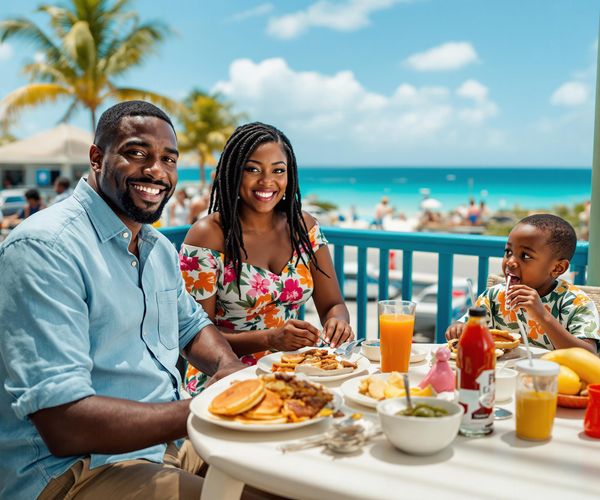
Family Adventure to Harrison's Cave in Barbados
Discover the natural wonders of Harrison's Cave, Barbados, with your family. Explore stunning caves and enjoy the vibrant culture and cuisine.
 10 Sep 2025
By David Clarke
Swipe for more travel diaries
Cherry Tree Hill in Photos
Browse through our photo collection highlighting the charm and character of the destination.
Cities near Cherry Tree Hill
The closest cities to Cherry Tree Hill, if you have time for more than one stop.
-

-

-

-

-


Swipe for more cities
Explore more

Explore more of Barbados
Discover Barbados: Pristine beaches, rich history, and vibrant culture await in this Caribbean paradise. Perfect for adventure, relaxation, and culinary delights.
Explore Barbados