

Free Speightstown Travel Guide & Mobile App
Plan your Speightstown trip with Evendo. Get free guides to top attractions, restaurants, hotels, and bars. Web access or download the mobile app.


Speightstown, Barbados blends colonial history, Bajan food, waterfront walks and Caribbean beaches with easy access to the island’s north-west coast.
A Historic Barbadian Harbour
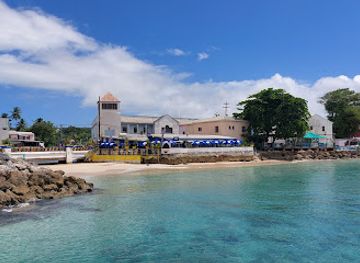
Speightstown occupies a small peninsula on Barbados’s north-west coast, where the island’s history, seafaring traditions and everyday life meet the Caribbean Sea. Often called Little Bristol because of its long trading relationship with Bristol in England, the town developed around a sheltered harbour and became one of Barbados’s most important ports during the colonial period. Its streets retain a calm, lived-in character, with low-rise historic buildings, verandas, pastel façades and lanes leading towards the water.Read more about Speightstown
Streets, Stories and the Waterfront
Coastal Life and Local Character
When is the best time to visit Speightstown?
Best: February–April · 28°C| Month | High (°C) | Rainfall (mm) |
|---|---|---|
| January | 28 | 56 |
| February (best) | 28 | 42 |
| March (best) | 28 | 41 |
| April (best) | 28 | 41 |
| May | 29 | 47 |
| June | 29 | 74 |
| July | 29 | 109 |
| August | 29 | 134 |
| September | 29 | 142 |
| October | 29 | 182 |
| November | 29 | 138 |
| December | 28 | 73 |
Getting to and around Speightstown
How to get there
Transportation
Best attractions in Speightstown
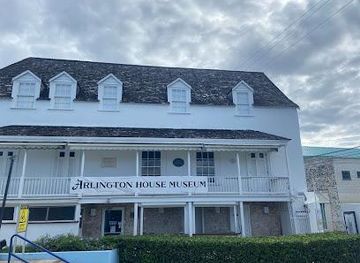
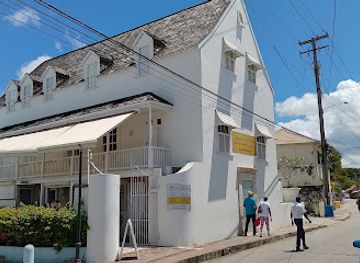
Speightstown’s attractions are concentrated within an easily walkable historic centre. Arlington House Museum occupies a restored eighteenth-century building and uses engaging displays to interpret the town’s maritime activity, plantation economy and social history. Main Street and Queen Street reveal the layered character of the old port through arcades, shopfronts and surviving colonial-era structures, while the Esplanade opens the town towards the sea. St Peter Parish Church provides an important architectural and religious presence close to the centre. Along the waterfront, fishermen, small vendors and the harbour setting offer a more everyday view of Barbados than a formal museum can provide. Nearby Heywoods Beach adds a coastal dimension, with pale sand and sea views, while Speightstown’s position makes it convenient for exploring the northern west coast. The town is less about a long checklist of large attractions than about the connection between heritage buildings, local commerce and the sea.
-
Beach
Mullins Beach
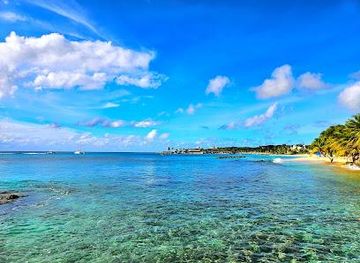
Discover the allure of Mullins Beach in Barbados: turquoise waters, soft sands, thrilling watersports, and vibrant beach bars await on the stunning west coast.
7 min drive · 2.3 km from city centre
-
Beach
Heywoods Beach
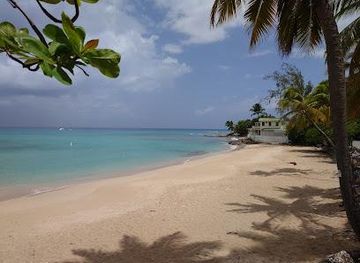
Discover the serene beauty of Heywoods Beach in Barbados: a tranquil escape with calm waters, golden sands, and stunning sunsets, perfect for relaxation and snorkeling.
7 min walk · 0.6 km from city centre
-
History museum
Arlington House Museum
Discover Barbados' captivating history at Arlington House Museum in Speightstown. Interactive exhibits bring the island's past to life for all ages.
9 min walk · 0.7 km from city centre
-
Tourist attraction
Speightstown Mural
Discover Barbados' vibrant history and culture through the Speightstown Mural, a stunning beachfront masterpiece that brings the island's story to life in vivid detail.
10 min walk · 0.8 km from city centre

Best landmarks in Speightstown
Speightstown’s landmarks express its history as a port and parish centre. Arlington House Museum is significant not only as a museum but also as a surviving merchant-era building that helps explain the town’s commercial past. St Peter Parish Church, close to the waterfront, is one of the settlement’s most prominent religious buildings and an enduring focus of the local community. The Esplanade forms a civic seafront landmark, framing views of the Caribbean and the working shoreline. Main Street and Queen Street are landmarks in an urban sense, retaining the scale and alignment of the historic town through arcades, façades and commercial premises. The harbour and fishing waterfront complete this historic ensemble: they connect Speightstown’s surviving architecture with the maritime activity that made the town important in Barbados’s colonial economy.
-
Marina
Port St Charles
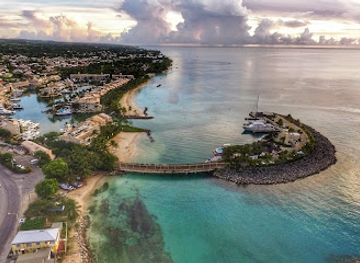
Experience the luxurious ambiance of Port St Charles, a premier marina in Barbados known for stunning views, gourmet dining, and vibrant marine adventures.
10 min walk · 0.8 km from city centre
-
Fishing pier
Speightstown Pier
Experience the vibrant fishing culture and stunning coastal views at Speightstown Pier, a hidden gem in Barbados' charming Speightstown.
7 min walk · 0.6 km from city centre
-
History museum
Arlington House Museum
Explore the historical treasures of Arlington House Museum in Speightstown, Barbados, where the island's rich history comes to life through interactive exhibits.
9 min walk · 0.7 km from city centre
-
Tourist attraction
Speightstown Mural
Discover the colorful history and artistic charm of Speightstown Mural in Barbados, a vibrant attraction that tells the stories of the island's culture.
10 min walk · 0.8 km from city centre

Explore Speightstown on the map
Plan your Speightstown trip on one map. See where the top attractions, landmarks, restaurants, bars and hotels are, find what's near where you're staying, and book hotels and experiences in a few clicks.
Best hotels in Speightstown
Best restaurants in Speightstown
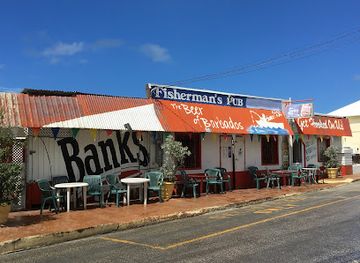
Dining in Speightstown reflects Barbados’s west-coast character, with straightforward local cooking, seafood and relaxed places where residents and visitors eat side by side. Fresh fish, flying fish, fish cakes, grilled preparations, cou-cou and pepperpot are among the flavours associated with Barbadian cuisine, while rice dishes, macaroni pie and plantain often accompany a main meal. The waterfront and central streets contain casual cafés, rum shops, takeaway counters and restaurants, with Fisherman’s Pub a long-established name associated with informal local dining. Fish markets and vendors provide a glimpse of the relationship between food and the working coast, although availability changes with the day’s catch. International and contemporary dishes are also found in west-coast establishments, but Speightstown is best understood through its seafood, seasoned stews, Bajan sides and unhurried meal times rather than formal fine-dining culture.
-
Seafood
Fish Pot
Experience the best of Caribbean seafood at Fish Pot - where fresh flavors meet stunning ocean views in Barbados.
6 min drive · 2.0 km from city centre
-
Restaurant
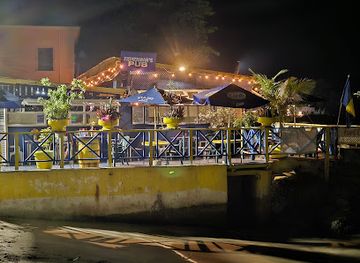
Fisherman's Pub
Discover Fisherman's Pub in Speightstown – where fresh seafood meets vibrant Caribbean culture in an unforgettable dining experience.
7 min walk · 0.6 km from city centre
-
Fast Food
Chefette Speightstown
Experience authentic Barbadian flavors at Chefette Speightstown - a must-visit fast-food gem offering delicious local cuisine.
6 min walk · 0.5 km from city centre
-
Restaurant
Sea Shed Restaurant
Experience exquisite Caribbean cuisine at Sea Shed Restaurant in Bridgetown, where stunning sea views meet fresh local flavors.
7 min drive · 2.4 km from city centre


Best bars in Speightstown
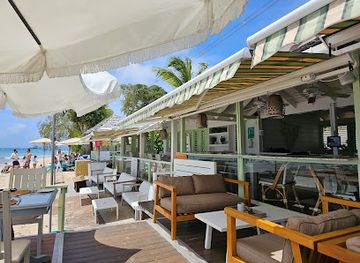
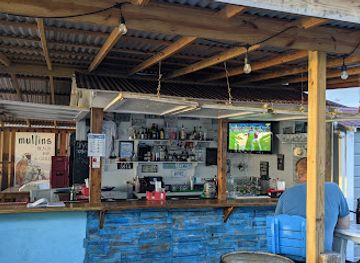
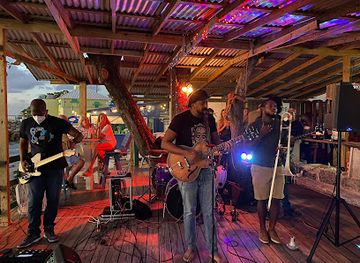
Speightstown’s evenings are generally relaxed rather than driven by large nightclubs. Local rum shops, casual bars and waterfront establishments provide places for conversation, rum-based drinks, beer and views across the coast, with Fisherman’s Pub among the town’s recognised informal meeting places. Evening activity often centres on food, music and socialising rather than a concentrated club scene, and entertainment can vary according to the season and local events. The compact centre is easier to navigate after dark than more dispersed coastal roads, but visitors should still arrange transport rather than assuming that every bus or venue operates late. For a broader choice of lively bars, live music and late-night entertainment, the west coast around Holetown and the wider Bridgetown area generally offers more variety than Speightstown itself.
-
Bar
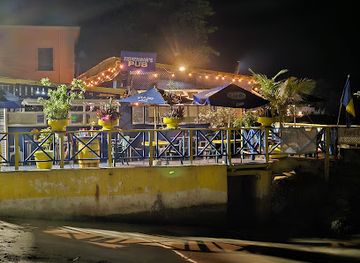
Fisherman's Pub
Discover the vibrant Fisherman's Pub in Speightstown, where delicious seafood meets stunning ocean views in a lively Caribbean atmosphere.
7 min walk · 0.6 km from city centre
-
Restaurant
Local & Co
Discover the flavors of Barbados at Local & Co, a vibrant restaurant in Speightstown offering a delightful blend of local and international cuisine.
8 min walk · 0.7 km from city centre
-
Bar
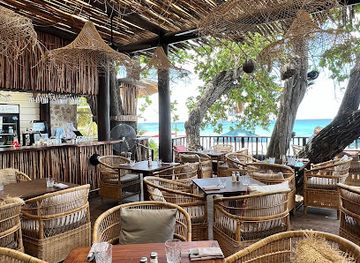
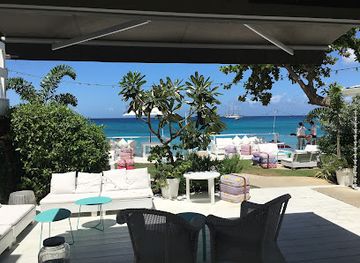
Little Bristol Beach Bar
Experience tropical bliss at Little Bristol Beach Bar in Speightstown, where stunning views, delicious food, and vibrant atmosphere await your visit.
7 min walk · 0.6 km from city centre
-
Restaurant
One Eleven East
Experience the vibrant flavors of Barbados at One Eleven East, a must-visit restaurant in Speightstown, renowned for its fresh, local dishes and inviting atmosphere.
9 min walk · 0.7 km from city centre
Best nightclubs in Speightstown
Speightstown’s evenings are generally relaxed rather than driven by large nightclubs. Local rum shops, casual bars and waterfront establishments provide places for conversation, rum-based drinks, beer and views across the coast, with Fisherman’s Pub among the town’s recognised informal meeting places. Evening activity often centres on food, music and socialising rather than a concentrated club scene, and entertainment can vary according to the season and local events. The compact centre is easier to navigate after dark than more dispersed coastal roads, but visitors should still arrange transport rather than assuming that every bus or venue operates late. For a broader choice of lively bars, live music and late-night entertainment, the west coast around Holetown and the wider Bridgetown area generally offers more variety than Speightstown itself.
-
Bar
Fisherman's Pub
Experience the vibrant flavors of Caribbean cuisine at Fisherman's Pub in Speightstown, Barbados, where every meal is a celebration of local culture.
7 min walk · 0.6 km from city centre
-
Bar
Little Bristol Beach Bar
Discover the vibrant atmosphere of Little Bristol Beach Bar, a Caribbean gem in Speightstown, perfect for dining and nightlife against stunning ocean views.
7 min walk · 0.6 km from city centre
-
Grill
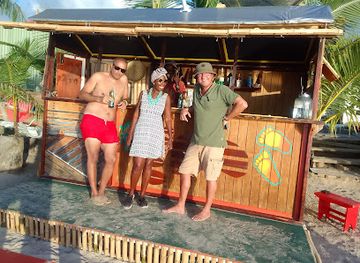
BAREFOOT IN THE BAR
Experience the essence of Caribbean dining at Barefoot in the Bar in Speightstown, Barbados, where fresh flavors meet stunning coastal views.
9 min walk · 0.7 km from city centre
-
Bar
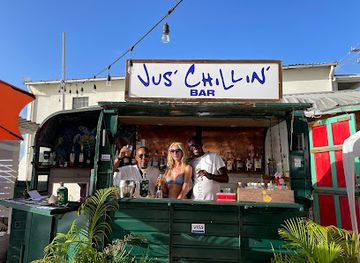
Jus’ Chillin’ Bar
Discover the vibrant atmosphere of Jus’ Chillin’ Bar in Speightstown, where refreshing cocktails meet stunning views and friendly vibes.
8 min walk · 0.6 km from city centre
Best shops in Speightstown
Shopping in Speightstown is modest in scale and closely tied to daily life rather than large commercial centres. The streets around Main Street and Queen Street contain small shops, galleries, convenience stores, service businesses and places selling beach necessities, clothing, crafts and souvenirs. Local food products, rum, spices and Barbadian-made items can make more distinctive purchases than imported beach merchandise, while informal vendors and market-style stalls reflect the town’s connection with fishing and household trade. Visitors may also encounter Caribbean art, jewellery and handmade goods, although stock and opening patterns vary among independent businesses. Speightstown’s historic arcades and low-rise streets make browsing part of the town experience, with Bridgetown and larger west-coast shopping areas providing a wider choice of department stores and retail brands when required.
-
Supermarket
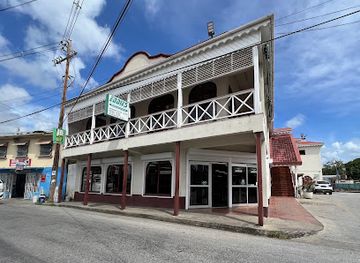
Jordans Supermarket Speightstown
Discover local flavors and unique souvenirs at Jordans Supermarket, the vibrant shopping hub in Speightstown, Barbados.
10 min walk · 0.8 km from city centre
-
Supermarket
Eddie's Supermarket
Explore the flavors of Barbados at Eddie's Supermarket in Speightstown, where local produce meets Caribbean culinary delights.
6 min walk · 0.5 km from city centre
-
Bakery
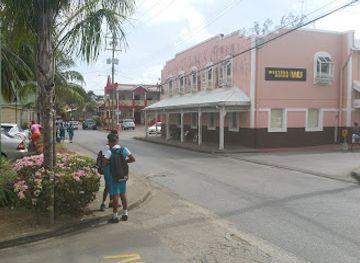
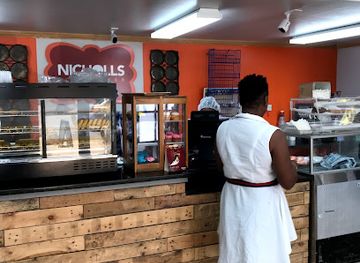
Nicholls Bakery Speightstown
Discover the delightful flavors of Barbados at Nicholls Bakery Speightstown, where freshly baked goods meet warm hospitality in a charming setting.
4 min walk · 0.3 km from city centre
-
Hardware store
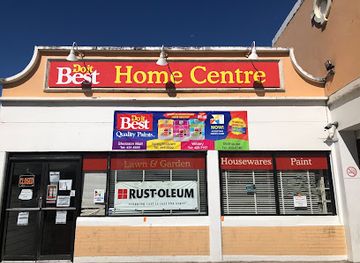
Do it Best Home Centre (Speightstown)
Explore the vibrant Do it Best Home Centre in Speightstown, Barbados, your go-to destination for hardware and unique home goods.
7 min walk · 0.6 km from city centre
Get your free copy of our complete guide to Speightstown, delivered straight to you.
Everything on this page, from attractions and restaurants to essentials and local phrases, in one PDF you can read offline, print or share.
Already have an account? Sign in
Your Speightstown guide is ready.
We'll send it to · Not you? Sign out

Getting your guide ready…
We are putting together a fresh copy of the Speightstown guide. This can take up to a minute.
This can take a few moments. If your browser asks, choose Allow so the download can start. You'll find the guide in your Downloads folder.
Nothing happened? Download it again
Sorry, the guide is taking longer than usual. Please try again in a minute, or get it by email instead.
Speightstown essentials
Currency and Payment
Safety
Emergency Situations
Do's and Don'ts
Local Tips
From Eve
Local phrases worth knowing
You don't need to get them perfect. A few words go a long way, and locals appreciate the effort.
Basics
| English | Local | Say it |
|---|---|---|
| Hello | Good morning | [gud mawn-in] |
| Goodbye | Goodbye | [gud-bye] |
| Yes | Yes | [yehs] |
| No | No | [noh] |
| Please/You're welcome | Please | [pleez] |
| Thank you | Thank you | [thank yoo] |
| Excuse me/Sorry | Sorry | [saw-ree] |
| How are you? | How are you? | [hao a yoo] |
| Fine. And you? | Fine. And you? | [fain. An yoo] |
| Do you speak English? | Do you speak English? | [doo yoo speek ing-lish] |
| I don't understand | I don't understand | [ai dohnt un-der-stand] |
Eating & Drinking
| English | Local | Say it |
|---|---|---|
| I'd like to see the menu, please | I'd like to see the menu, please | [ai'd laik too see deh men-yoo, pleez] |
| I don't eat meat | I don't eat meat | [ai dohnt eet meet] |
| Cheers! | Cheers! | [cheers] |
| I would like to pay, please | I would like to pay, please | [ai wood laik too pay, pleez] |
Emergencies
| English | Local | Say it |
|---|---|---|
| Help! | Help! | [help] |
| Go away! | Go away! | [goh aweh] |
| Call the Police! | Call the Police! | [kawl deh plees] |
| Call a doctor! | Call a doctor! | [kawl ah dok-tor] |
| I'm lost | I'm lost | [ai'm lost] |
| I'm ill | I'm ill | [ai'm il] |
Shopping
| English | Local | Say it |
|---|---|---|
| I'd like to buy... | I'd like to buy... | [ai'd laik too by] |
| I'm just looking | I'm just looking | [ai'm juss luk-ing] |
| How much is it? | How much is it? | [hao moch iz it] |
| That's too expensive | That's too expensive | [dats too ek-spens-iv] |
| Can you lower the price? | Can you lower the price? | [kan yoo loh-er deh prais] |
Time & Numbers
| English | Local | Say it |
|---|---|---|
| What time is it? | What time is it? | [wut taim iz it] |
| It's one o'clock | It's one o'clock | [its wun oh-klok] |
| Half past (10) | Half past (10) | [haff past (ten)] |
| Morning | Morning | [morn-ing] |
| Afternoon | Afternoon | [aft-er-noon] |
| Evening | Evening | [eev-ning] |
| Yesterday | Yesterday | [yes-ter-day] |
| Today | Today | [toh-day] |
| Tomorrow | Tomorrow | [toh-mor-row] |
| 1 | 1 | [wun] |
| 2 | 2 | [too] |
| 3 | 3 | [tree] |
| 4 | 4 | [for] |
| 5 | 5 | [fiv] |
| 6 | 6 | [siks] |
| 7 | 7 | [seven] |
| 8 | 8 | [ate] |
| 9 | 9 | [nien] |
| 10 | 10 | [ten] |
Transport & Directions
| English | Local | Say it |
|---|---|---|
| Where's a/the...? | Where is the...? | [wehr iz deh] |
| What's the address? | What's the address? | [wutts deh ad-dress] |
| Can you show me (on the map)? | Can you show me (on the map)? | [kan yoo sho mee (on deh map)] |
| When's the next (bus)? | When is the next (bus)? | [wen iz deh neks (bus)] |
| A ticket (to ....) | A ticket (to ....) | [ah tik-it (too)] |
History of Speightstown
Before European Settlement
Before English colonisation, Barbados was inhabited by Indigenous peoples, including communities associated with the Arawakan and later Kalinago worlds. Archaeological evidence indicates settlement, fishing and farming on the island long before the seventeenth century. The north-west coast around present-day Speightstown formed part of this wider island landscape, although the town itself emerged only after English settlement. European arrival brought new systems of land ownership, Christianity and trade, while disease, displacement and enslavement profoundly altered the existing population. Understanding this earlier history places Speightstown within a Caribbean story that began well before the buildings and port arrangements visible today.
The English Founding of Speightstown
English settlers established Barbados as a colony in the 1620s, and Speightstown developed during the following decade around a coastal landing place. The town is generally associated with William Speight, an early landholder whose name became attached to the settlement. Its position on the west coast made it useful for shipping agricultural produce and receiving goods from England. Streets, wharves and commercial premises gradually formed around the harbour, giving Speightstown a role distinct from inland plantation communities. Much of its later importance came from its direct relationship with the sea and its connection to maritime routes serving the developing colony.
Sugar, Shipping and Enslaved Labour
As Barbados’s sugar economy expanded during the seventeenth and eighteenth centuries, Speightstown became a principal port for the northern and western parishes. Sugar, molasses and rum moved through its harbour, while food, tools and manufactured goods arrived from overseas. This prosperity depended on the forced labour of enslaved Africans, whose work on plantations, in domestic service, construction and port activity shaped the colony’s economy and society. The town’s commercial buildings and waterfront history therefore reflect both maritime enterprise and the coercive system that sustained it. African cultural influences also became fundamental to Barbadian language, music, food and religious life.
A Port Linked to Bristol
Speightstown’s trading relationship with Bristol gave it the nickname Little Bristol and connected Barbados to wider Atlantic commerce. Merchants, ships and cargoes linked the town with Britain and other Caribbean ports, while local businesses served plantation owners, seafarers and residents. Hurricanes, changing shipping patterns and the growing dominance of Bridgetown gradually reduced Speightstown’s national commercial importance. Even so, its location remained valuable, and the town continued as a centre for fishing, small-scale trade and services. The historic street plan and surviving buildings preserve traces of the period when maritime connections made this small settlement internationally significant.
Emancipation and Modern Renewal
The abolition of slavery in the British Empire took effect in Barbados in 1834, followed by a period of apprenticeship before full freedom in 1838. Speightstown, like the rest of the island, then developed through the changing relationships between plantation agriculture, free communities and wage labour. In the twentieth century, improved roads and the expansion of Bridgetown diminished the town’s role as a major port, but its local identity endured. Restoration projects, including the conversion of historic properties for cultural use, have helped interpret its past. Today Speightstown combines heritage, fishing, small businesses and coastal recreation within a living Barbadian community.
Travel experiences inspired by this city
-
 11 Day Trip
Bathsheba Bound: An 11-Day East Coast Escape in Barbados
Explore Bathsheba’s rugged Atlantic coast from The Atlantis Historic Inn—surf vistas, tide pools, hikes, Bajan flavors, and sustainable, culture-rich travel.
11 Day Trip
Bathsheba Bound: An 11-Day East Coast Escape in Barbados
Explore Bathsheba’s rugged Atlantic coast from The Atlantis Historic Inn—surf vistas, tide pools, hikes, Bajan flavors, and sustainable, culture-rich travel.
 27 Jul 2026
By David Smith -
 11 Day Trip
Homecoming to Bathsheba: 11-Day Family Escape on Barbados' Wild East Coast
Family return to Barbados: 11 days in Bathsheba to surf Soup Bowl, hike dramatic East Coast trails, and unwind in eco-conscious comfort at ECO Lifestyle & Lodge.
11 Day Trip
Homecoming to Bathsheba: 11-Day Family Escape on Barbados' Wild East Coast
Family return to Barbados: 11 days in Bathsheba to surf Soup Bowl, hike dramatic East Coast trails, and unwind in eco-conscious comfort at ECO Lifestyle & Lodge.
 20 Jul 2026
By David Clarke -
 8 Day Trip
Family Adventure to Harrison's Cave in Barbados
Discover the natural wonders of Harrison's Cave, Barbados, with your family. Explore stunning caves and enjoy the vibrant culture and cuisine.
8 Day Trip
Family Adventure to Harrison's Cave in Barbados
Discover the natural wonders of Harrison's Cave, Barbados, with your family. Explore stunning caves and enjoy the vibrant culture and cuisine.
 10 Sep 2025
By David Clarke
Swipe for more travel diaries
Speightstown in Photos
Browse through our photo collection highlighting the charm and character of the destination.
Cities near Speightstown
The closest cities to Speightstown, if you have time for more than one stop.
-

-

-

-

-


Swipe for more cities
Explore more

Explore more of Barbados
Discover Barbados: Pristine beaches, rich history, and vibrant culture await in this Caribbean paradise. Perfect for adventure, relaxation, and culinary delights.
Explore Barbados