

Free West Coast Travel Guide & Mobile App
Explore West Coast with free travel guides. Discover regional history, expert tips, proposed trips, and audio guides on web or mobile app.


Explore West Coast Barbados for calm Caribbean beaches, coral-stone heritage, marine life, Bajan food and lively Holetown and Speightstown.
Read more about West Coast
When is the best time to visit West Coast?
Best: June, August–September · 24–26°C| Month | High (°C) | Rainfall (mm) |
|---|---|---|
| January | 15 | 101 |
| February | 16 | 91 |
| March | 17 | 81 |
| April | 19 | 71 |
| May | 22 | 66 |
| June (best) | 25 | 61 |
| July | 26 | 56 |
| August (best) | 26 | 56 |
| September (best) | 24 | 61 |
| October | 21 | 71 |
| November | 18 | 81 |
| December | 16 | 91 |
Getting to and around West Coast
How to get there
Transportation
Top city travel guides in West Coast
The cities of West Coast, and the easiest places to base yourself.
-

-

-

-

-

-


Swipe for more cities
Destinations in West Coast
Resorts, valleys and scenic spots worth a trip of their own.
-

-

-


Swipe for more destinations
Best attractions in West Coast
The West Coast’s attractions combine beaches and marine activities with the history of Barbados’s first English settlement and its former trading towns. Holetown provides access to Folkestone Marine Park, where a protected reef and underwater environment are suited to snorkelling when conditions permit, as well as the Holetown Monument and nearby St James Parish Church. The coastal road north leads through villages, hotel beaches and residential communities towards Speightstown, whose galleries, small museums, waterfront and historic streets offer a more urban and mercantile perspective. Swimming, paddleboarding, sailing and boat excursions are popular, but availability and sea conditions vary by season and beach. Visitors can also explore coral-stone churches, chattel houses, older commercial buildings and parish landscapes between the principal settlements. The West Coast is less suited to large-scale wilderness attractions than Barbados’s interior, yet its appeal lies in the close relationship between sea, settlement, food and history. Short journeys can reveal changing views of reefs, fishing activity and coastal architecture, while sunset walks and unhurried time in the towns provide a quieter alternative to organised water sports.
-
Garden
Hunte's Gardens
Discover a lush tropical paradise in Barbados at Hunte's Gardens, a stunning botanical oasis nestled in a unique gully setting.
-
Tourist attraction
Mount Gay Visitors' Centre
Experience the heritage of the world's oldest rum at Mount Gay Visitors' Centre, a journey through Barbados' vibrant culture and spirit.
-
National park
Farley Hill National Park
Explore the haunting beauty of Farley Hill National Park in Barbados, where history and nature intertwine to create a captivating and unforgettable experience.
-
History museum
Barbados Museum & Historical Society
Discover Barbados's captivating past at the Barbados Museum & Historical Society, nestled in a historic military prison within a UNESCO World Heritage Site, showcasing the island's rich heritage.
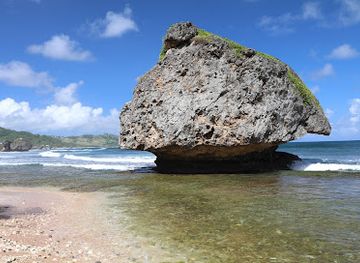

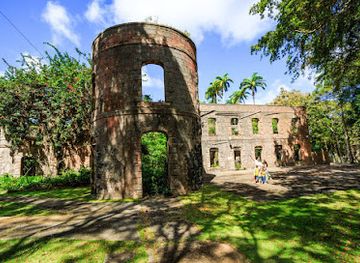
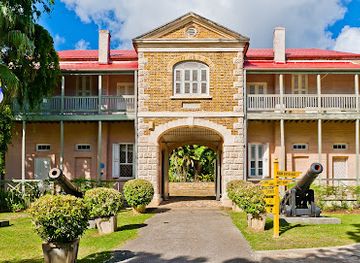
Best landmarks in West Coast
Holetown’s monument commemorates the arrival of the first permanent English settlers in Barbados in 1627 and gives the modern town a focal point for understanding the island’s colonial beginnings. St James Parish Church, set near the coast, is one of Barbados’s historic Anglican churches and represents the religious and architectural institutions that developed alongside the plantation economy. Speightstown’s historic core and waterfront remain the West Coast’s clearest reminders of maritime commerce, with older coral-stone and timber buildings reflecting its former role as a port and trading town. Arlington House is a prominent historic building in Speightstown, now associated with interpretation of local history and community life. Folkestone’s reef and sheltered marine environment are natural landmarks as well as recreational resources, illustrating the importance of coral formations to the coast’s beaches and sea conditions. Farther along the shore, the succession of bays from Holetown towards Mullins forms a recognisable geographical landscape, although each beach has its own character and access arrangements.
-
Tourist attraction
Harrison's Cave Eco-Adventure Park
Experience the breathtaking beauty of Harrison's Cave Eco-Adventure Park, where adventure meets nature in the heart of Barbados.
-
Tourist attraction
Atlantis Submarines Barbados
Explore the mesmerizing underwater world of Barbados with Atlantis Submarines - an unforgettable adventure for all ages!
-
Garden
Hunte's Gardens
Discover a tranquil oasis in Barbados: Explore the enchanting Hunte's Gardens, a botanical masterpiece in a unique gully setting.
-
Tourist attraction
The Richard Haynes Boardwalk
Discover the charm and beauty of The Richard Haynes Boardwalk, a scenic coastal escape in Bridgetown, Barbados, perfect for relaxation and local cuisine.
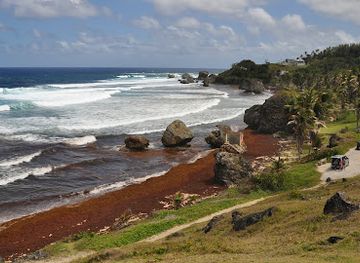
Explore West Coast on the map
Plan your trip on one map. See where the top cities, national parks and sights are, and book hotels and experiences in a few clicks.
Best hotels in West Coast
Best restaurants in West Coast
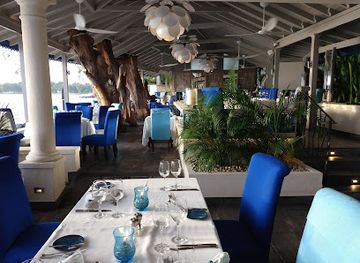
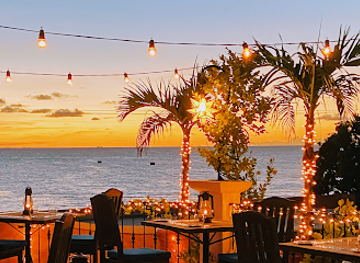
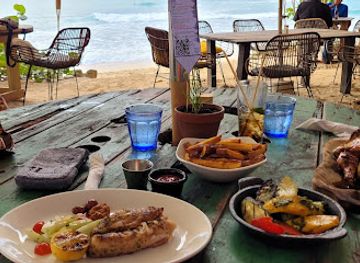
West Coast dining ranges from informal fish stalls and rum shops to hotel restaurants, contemporary dining rooms and long-established coastal eateries. Flying fish is a national favourite, while mahi-mahi and other locally landed fish commonly appear alongside fish cakes, macaroni pie, rice and peas, plantains and pepper sauces. Holetown has the broadest concentration of international and Barbadian restaurants, including venues aimed at visitors seeking polished service, while Speightstown and the smaller northern communities offer a more relaxed setting for casual meals and fresh seafood. Bajan rum remains an important part of the island’s drinking and food culture, and local fruit, spices and sweet baking add variety to cafés and market-style stalls. Menus and fish availability can change with catches and weather, so asking what is local that day is often more useful than expecting every dish to be available year-round. Prices vary sharply between beachfront hotels, independent restaurants and informal outlets.
-
Restaurant
Champers Restaurant Barbados
Experience exquisite dining at Champers Restaurant in Barbados with stunning ocean views and a menu inspired by local flavors.
-
Fine Dining
The Tides Barbados
Experience exquisite seafood dining at The Tides Barbados with breathtaking ocean views and impeccable service.
-
Bistro
Cafe Luna Barbados
Experience exquisite dining at Cafe Luna Barbados - where local flavors meet breathtaking beach views for an unforgettable culinary adventure.
-
Restaurant
La Cabane
Discover La Cabane: A beachfront gem in Barbados offering exquisite dining and vibrant nightlife with stunning ocean views.

Best bars in West Coast
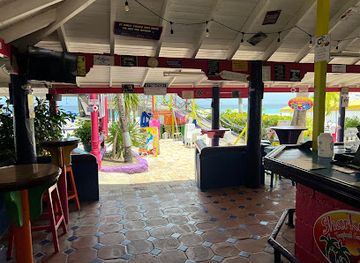
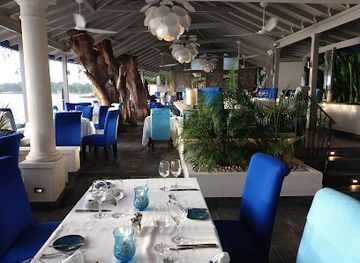
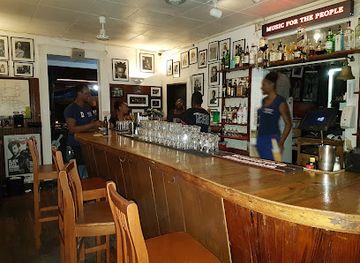
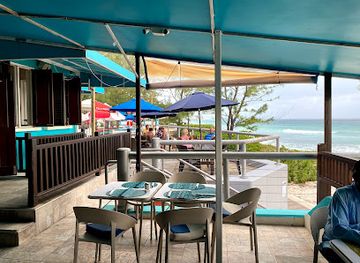
Evenings on the West Coast are centred more on restaurants, hotel bars, rum shops and live music than on a dense nightclub circuit. Holetown has the greatest concentration of cocktail bars, wine-led venues, dining rooms and late-evening entertainment, while Speightstown and the villages farther north tend towards convivial pubs, casual bars and places associated with local music. Sunset drinks are popular along the shore, but the atmosphere changes considerably between resort properties and neighbourhood establishments. Some venues host calypso, reggae or other live performances, especially during busier holiday periods, though schedules are seasonal and should be checked locally. Visitors should not assume that every beach remains open or staffed late at night, and taxis or pre-arranged transport are sensible when returning to accommodation away from the main centres.
-
Bar
The Boatyard Beach Club
Discover the vibrant atmosphere of The Boatyard Beach Club, a premier destination in Bridgetown for fun, relaxation, and unforgettable nightlife.
-
Fine Dining
The Tides Barbados
Experience the beauty of Caribbean fine dining at The Tides Barbados, where exquisite seafood meets stunning ocean views.
-
Grill
Mojo
Experience the vibrant flavors of Barbados at Mojo, where fresh ingredients meet Caribbean flair in a lively grill restaurant.
-
Grill
Blakey's Bar & Restaurant
Experience the vibrant flavors of Barbados at Blakey's Bar & Restaurant, where delicious grills and lively atmosphere meet stunning island charm.
Best nightclubs in West Coast
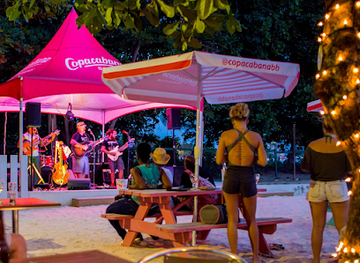
Evenings on the West Coast are centred more on restaurants, hotel bars, rum shops and live music than on a dense nightclub circuit. Holetown has the greatest concentration of cocktail bars, wine-led venues, dining rooms and late-evening entertainment, while Speightstown and the villages farther north tend towards convivial pubs, casual bars and places associated with local music. Sunset drinks are popular along the shore, but the atmosphere changes considerably between resort properties and neighbourhood establishments. Some venues host calypso, reggae or other live performances, especially during busier holiday periods, though schedules are seasonal and should be checked locally. Visitors should not assume that every beach remains open or staffed late at night, and taxis or pre-arranged transport are sensible when returning to accommodation away from the main centres.
-
Night club
The Boatyard Beach Club
Experience the vibrant nightlife and relaxing beach vibes at The Boatyard Beach Club in Bridgetown, Barbados.
-
Cocktail bar
Copacabana Beach Club
Discover the vibrant Copacabana Beach Club in Bridgetown, Barbados, where tropical cocktails meet stunning beach views for a perfect getaway.
-
Night club
Harbour Lights Barbados
Experience the vibrant nightlife at Harbour Lights Barbados, where delicious cuisine meets captivating entertainment on the beautiful Caribbean shores.
-
Bar
The Tiki Bar
Discover the vibrant atmosphere of The Tiki Bar in Barbados, where Caribbean cuisine meets live music for an unforgettable experience.



Best shops in West Coast
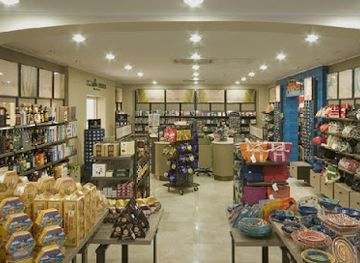
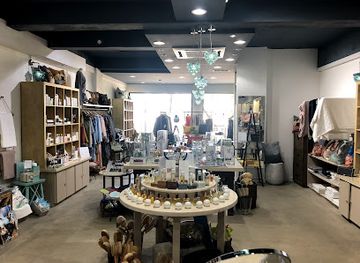
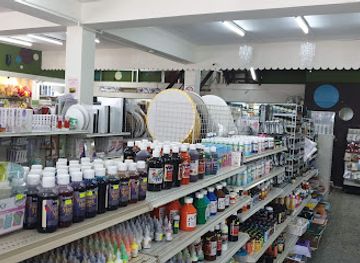
Shopping is most concentrated in Holetown, where Limegrove Lifestyle Centre and surrounding streets provide boutiques, jewellery, galleries, cafés and convenience retail in a polished visitor-oriented setting. The Chattel Village offers a more distinctly Barbadian visual setting, with small shops housed in buildings inspired by traditional chattel-house forms. Speightstown has a more local high-street character, with small retailers, galleries, food outlets and services rather than a large luxury-shopping scene. Across the West Coast, visitors can look for rum, locally produced sauces, spices, confectionery, handcrafted jewellery, ceramics, artwork and textiles, while supermarkets are useful for picnic supplies and regional snacks. Retail hours vary, particularly outside Holetown and during quieter periods, so smaller independent businesses may not follow the same schedule as major centres. Bargaining is not generally expected in established shops, though prices at informal stalls should be clarified before purchase.
-
Department store
Bridgetown Duty Free Broad Street
Discover a world of luxury and local treasures at Bridgetown Duty Free, your premier shopping destination in Barbados.
-
Shopping mall
Limegrove Lifestyle Centre
Discover shopping, dining, and entertainment all in one place at the Limegrove Lifestyle Centre in Holetown, Saint James, Barbados.
-
Shopping mall
Quayside Centre Shopping Plaza
Explore the vibrant Quayside Centre Shopping Plaza, the premier shopping destination in Barbados for unique treasures and local flavors.
-
Craft store
Laurie Dash & Sons Inc
Explore Laurie Dash & Sons Inc in Bridgetown, Barbados - your ultimate destination for crafting supplies and creative inspiration.

Get your free copy of our complete guide to West Coast, delivered straight to you.
Everything on this page, from attractions and restaurants to essentials and local phrases, in one PDF you can read offline, print or share.
Already have an account? Sign in
Your West Coast guide is ready.
We'll send it to · Not you? Sign out

Getting your guide ready…
We are putting together a fresh copy of the West Coast guide. This can take up to a minute.
This can take a few moments. If your browser asks, choose Allow so the download can start. You'll find the guide in your Downloads folder.
Nothing happened? Download it again
Sorry, the guide is taking longer than usual. Please try again in a minute, or get it by email instead.
West Coast essentials
Currency and Payment
Safety
Emergency Situations
Do's and Don'ts
Local Tips
From Eve
Local phrases worth knowing
You don't need to get them perfect. A few words go a long way, and locals appreciate the effort.
Basics
| English | Local | Say it |
|---|---|---|
| Hello | Hey | [Hey] |
| Goodbye | Later | [Lay-tuh] |
| Yes | Yeah | [Yeah] |
| No | Nah | [Nah] |
| Please/You're welcome | No problem | [No prob-lum] |
| Thank you | Thanks | [Thanks] |
| Excuse me/Sorry | My bad | [My bad] |
| How are you? | How you doin'? | [How you doin'?] |
| Fine. And you? | Good. You? | [Good. You?] |
| Do you speak English? | You speak English? | [You speak English?] |
| I don't understand | I ain't gettin' it | [I ain't gettin' it] |
Eating & Drinking
| English | Local | Say it |
|---|---|---|
| I'd like to see the menu, please | Can I see the menu? | [Can I see the menu?] |
| I don't eat meat | I don’t eat meat | [I don’t eat meat] |
| Cheers! | Cheers! | [Cheers!] |
| I would like to pay, please | Can I pay, please? | [Can I pay, please?] |
Emergencies
| English | Local | Say it |
|---|---|---|
| Help! | Help! | [Help!] |
| Go away! | Back off! | [Back off!] |
| Call the Police! | Call the cops! | [Call the cops!] |
| Call a doctor! | Get a doctor! | [Get a doctor!] |
| I'm lost | I'm turned around | [I'm turned around] |
| I'm ill | I'm not feelin' well | [I'm not feelin' well] |
Shopping
| English | Local | Say it |
|---|---|---|
| I'd like to buy... | I wanna buy... | [I wanna buy...] |
| I'm just looking | Just browsin' | [Just browsin'] |
| How much is it? | What's the price? | [What's the price?] |
| That's too expensive | That's too pricey | [That's too pricey] |
| Can you lower the price? | Can you bring it down? | [Can you bring it down?] |
Time & Numbers
| English | Local | Say it |
|---|---|---|
| What time is it? | What time it be? | [What time it be?] |
| It's one o'clock | It's one o'clock | [It's one o'clock] |
| Half past (10) | Half past ten | [Half past ten] |
| Morning | Mornin' | [Mornin'] |
| Afternoon | Afternoon | [Afternoon] |
| Evening | Evenin' | [Evenin'] |
| Yesterday | Yesterday | [Yesterday] |
| Today | Today | [Today] |
| Tomorrow | Tomorrow | [Tomorrow] |
| 1 | One | [One] |
| 2 | Two | [Two] |
| 3 | Three | [Three] |
| 4 | Four | [Four] |
| 5 | Five | [Five] |
| 6 | Six | [Six] |
| 7 | Seven | [Seven] |
| 8 | Eight | [Eight] |
| 9 | Nine | [Nine] |
| 10 | Ten | [Ten] |
Transport & Directions
| English | Local | Say it |
|---|---|---|
| Where's a/the...? | Where the ... at? | [Where the ... at?] |
| What's the address? | What's the address? | [What's the address?] |
| Can you show me (on the map)? | Can you point it out? | [Can you point it out?] |
| When's the next (bus)? | When the next bus comin'? | [When the next bus comin'?] |
| A ticket (to ....) | I need a ticket to ... | [I need a ticket to ...] |
History of West Coast
Amerindian Settlement Before European Colonisation
Long before English settlement, Barbados was visited and inhabited by Indigenous peoples, including communities associated with the Saladoid-Barrancoid and later Arawakan traditions. Archaeological evidence across the island records settlements, pottery and tools, while the west coast’s sheltered bays would have offered useful landing places and access to marine resources. European colonisation disrupted these societies through disease, enslavement and displacement. Although much of the visible historic landscape dates from the colonial period, the island’s history begins with these earlier communities rather than with the arrival of the English.
English Settlement at Holetown, 1627
The first permanent English settlement in Barbados was established at Holetown in 1627, when settlers arrived at what was then called Jamestown or the Hole. Its sheltered anchorage and freshwater stream helped make the location practical for a new colony. Holetown’s monument and historic associations preserve the memory of this beginning, although the settlement was part of a wider process of dispossession and plantation development. The event shaped Barbados’s political and cultural relationship with Britain for more than three centuries.
Sugar Plantations and the Colonial Economy
From the seventeenth century, sugar transformed Barbados. Land was reorganised into plantations, mills and provision grounds, and the economy depended heavily on the forced labour of enslaved Africans and their descendants. Estates across the island supplied sugar, molasses and rum to Atlantic markets, while coastal ports supported export and provisioning. On the West Coast, plantation wealth influenced churches, houses, roads and commercial settlements, but it rested on coercion and racial inequality. Emancipation in 1834, followed by the end of apprenticeship in 1838, changed labour relations without immediately removing the economic power of the plantation elite.
Speightstown and West Coast Maritime Trade
Speightstown developed as an important port and commercial settlement, handling sugar, provisions and goods moving between Barbados, Britain and other Caribbean territories. Its waterfront position connected plantation districts with Atlantic trade, and the town became known for its merchants, warehouses and shipping activity. Although modern roads and tourism have altered the shoreline, Speightstown’s street pattern and surviving historic buildings still express its former role. The town’s history also reflects the broader movement of enslaved people, free people of colour, merchants and seafarers through Barbados’s colonial economy.
Emancipation, Labour and Barbadian Society
The nineteenth century brought difficult social and economic adjustments after emancipation. Formerly enslaved Barbadians sought land, family security and greater independence, while plantation owners attempted to maintain sugar production through new labour arrangements. Villages, churches, friendly societies and smallholdings became important elements of community life. The evolution of distinctive Barbadian buildings, including movable timber chattel houses, is linked to these changing conditions and to the practical needs of working families. West Coast settlements grew within this wider transformation, balancing plantation connections with fishing, domestic service, craft and small-scale trade.
The Rise of Coastal Tourism
Tourism expanded significantly in Barbados during the twentieth century as improved transport, international air access and investment in hotels made the island more accessible to overseas visitors. The West Coast’s calm water, beaches and established settlements encouraged hotel and villa development, particularly around Holetown and the communities south of Speightstown. Tourism created employment and new commercial opportunities but also increased pressure on land, roads, beaches and coastal resources. Today, upscale accommodation, local businesses, fishing activity and long-established neighbourhoods occupy the same narrow coastal corridor.
Independence and Contemporary Barbados
Barbados became independent from the United Kingdom in 1966 and remains a sovereign Caribbean state within the Commonwealth. The West Coast’s contemporary identity reflects this national history: British colonial institutions and architecture coexist with strongly Barbadian food, music, religious life and social traditions. The tourism economy has become one of the region’s defining features, while Speightstown, Holetown and smaller communities retain commercial and civic roles beyond visitor services. Barbados became a republic in 2021, a constitutional development that further shaped the island’s modern national identity.
West Coast in Photos
Browse through our photo collection highlighting the charm and character of the destination.
Neighbouring regions of West Coast
The closest regions to West Coast, if you have time for more than one.
-

-

-

-

-


Swipe for more regions
Explore more

Explore more of Barbados
Discover Barbados: Pristine beaches, rich history, and vibrant culture await in this Caribbean paradise. Perfect for adventure, relaxation, and culinary delights.
Explore Barbados