

Free Saint James Travel Guide & Mobile App
Explore Saint James with free travel guides. Discover regional history, expert tips, proposed trips, and audio guides on web or mobile app.


Explore Saint James, Barbados for Holetown history, calm west-coast beaches, marine life, Bajan food and relaxed coastal living.
Read more about Saint James
When is the best time to visit Saint James?
Best: January–March · 29–30°C| Month | High (°C) | Rainfall (mm) |
|---|---|---|
| January (best) | 29 | 70 |
| February (best) | 29 | 60 |
| March (best) | 30 | 60 |
| April | 30 | 75 |
| May | 31 | 90 |
| June | 31 | 110 |
| July | 31 | 120 |
| August | 31 | 130 |
| September | 31 | 130 |
| October | 31 | 120 |
| November | 30 | 110 |
| December | 30 | 100 |
Getting to and around Saint James
How to get there
Transportation
Top city travel guides in Saint James
The cities of Saint James, and the easiest places to base yourself.
-

-

-

-

-


Swipe for more cities
Destinations in Saint James
Resorts, valleys and scenic spots worth a trip of their own.
-

-

-


Swipe for more destinations
Best attractions in Saint James
Saint James offers a mixture of marine recreation, historic settlement, shopping and landscapes rather than a single concentrated attraction district. Holetown provides the parish’s clearest introduction, with the Holetown Monument, local history and easy access to restaurants and shops. Nearby Folkestone Marine Park is central to the west-coast experience: its protected marine area, reef and artificial reef support snorkelling, diving, swimming and quiet seaside picnics, subject to conditions and local guidance. Paynes Bay and other west-coast beaches are suited to swimming, paddleboarding and boat excursions, while the coast around Sandy Lane has a more polished resort character. Inland, roads through Clermont, Prior Park and surrounding districts reveal historic plantation landscapes, tropical gardens, villages and newer residential development. Golf courses and hotel grounds occupy much of the modern visitor landscape, although access is generally private or managed. Saint James Parish Church adds architectural and historical interest, and the parish’s surviving chattel houses and estate buildings provide context for Barbados’s post-emancipation society. The finest days combine a coastal activity with time in Holetown or a slower inland drive, rather than attempting to treat Saint James as one continuous beach resort.
-
Park
Folkestone Marine Park & Visitors' Centre
Discover vibrant coral reefs, a sunken shipwreck, and diverse marine life at this protected park on Barbados' stunning west coast.
-
Anglican church
St. James Parish Church
Discover Barbados' oldest church in Holetown, a serene sanctuary of history, architecture, and faith, offering a glimpse into the island's rich cultural heritage and spiritual legacy.
-
Bar
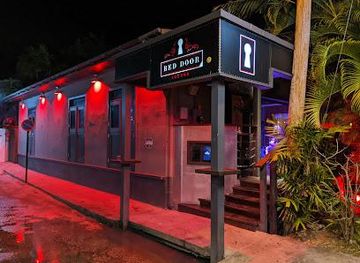
Red Door Lounge
Experience Barbados' premier nightlife at Red Door Lounge in Holetown, offering stylish ambiance, creative cocktails, and top-notch entertainment.
-
Beach
Paynes Bay Beach
Experience the beauty of Paynes Bay Beach in Saint James, Barbados, a perfect blend of relaxation and exciting water activities.



Best landmarks in Saint James
The Holetown Monument is Saint James’s most recognisable historical marker, commemorating the arrival of English settlers in 1627 and the beginning of permanent English colonial settlement in Barbados. Its significance is inseparable from the deeper Indigenous history of the island and from the plantation society that followed. Saint James Parish Church is another important landmark, occupying a site associated with early Anglican establishment and representing centuries of religious, architectural and community history. Along the shore, the low coral-limestone coast, sheltered bays and Folkestone’s marine setting form a distinctive natural landscape rather than a single monumental structure. The old settlement pattern around Holetown, with village roads, older houses and later commercial buildings, illustrates the parish’s transition from colonial community to tourism centre. Inland plantation landscapes, surviving chattel houses and historic estate residences provide less concentrated but equally meaningful evidence of sugar, emancipation and the changing use of land. Together these places explain why Saint James is more than a sequence of resort beaches: its landmarks connect maritime geography, colonial history, Barbadian community life and modern tourism.
-
Seafood
Oistins Fish Market
Discover the vibrant Oistins Fish Market in Barbados, where fresh seafood meets lively culture and unforgettable experiences.
-
Tourist attraction
Animal Flower Cave & Restaurant
Discover Barbados' northernmost point at the Animal Flower Cave: swim in natural pools, savor clifftop views, and explore a unique sea cave sculpted by centuries of Atlantic waves.
-
Tourist attraction
Harrison's Cave Eco-Adventure Park
Experience the breathtaking beauty of Harrison's Cave, a stunning natural wonder in Barbados featuring captivating underground landscapes and ecological insights.
-
Shopping mall
Limegrove Lifestyle Centre
Explore Limegrove Lifestyle Centre: A premier shopping, dining, and entertainment destination in Holetown, Barbados, offering luxury experiences for every traveler.


Explore Saint James on the map
Plan your trip on one map. See where the top cities, national parks and sights are, and book hotels and experiences in a few clicks.
Best hotels in Saint James
Best restaurants in Saint James
Dining in Saint James ranges from informal Bajan food and beachside grills to hotel restaurants, contemporary eateries and long-established west-coast establishments. Holetown has the broadest choice of cafés, international menus, bakeries and evening dining, while the coastal strip towards Paynes Bay and Sandy Lane is known for seafood, sunset meals and polished resort cooking. Look for local specialities such as flying fish, fish cakes, macaroni pie, cou-cou, pepperpot, steamed or grilled fish and substantial Bajan cutters, alongside roti and fresh tropical fruit. Rum remains an important part of Barbados’s culinary culture, though it is best approached as one element of a wider food tradition. Farmers’ stalls and smaller food businesses can offer a more everyday perspective than formal restaurants, but opening patterns and menus vary. Prices rise noticeably in the main resort corridor, so visitors seeking a broader range should compare hotel, independent and small local options rather than assuming the most visible restaurants represent the whole parish.
-
Fine Dining
The Tides Barbados
Indulge in exquisite seafood dining at The Tides Barbados with stunning ocean views and an elegant atmosphere for every occasion.
-
Restaurant
Zaccios
Discover exquisite Caribbean flavors at Zaccios in Holetown - an unforgettable dining experience by the sea.
-
Grill
Just Grillin' Sunset Crest
Discover Just Grillin' Sunset Crest: A culinary delight serving exquisite grilled dishes in Holetown, Barbados, perfect for food lovers and adventurers.
-
Caribbean
Surfside Restaurant & Bar
Experience vibrant Caribbean flavors at Surfside Restaurant & Bar in Holetown – your go-to spot for seafood and drinks by the beach.


Best bars in Saint James
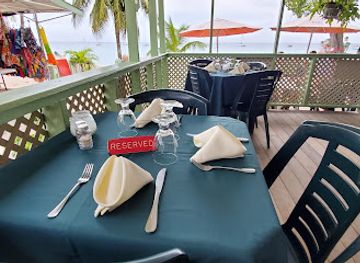
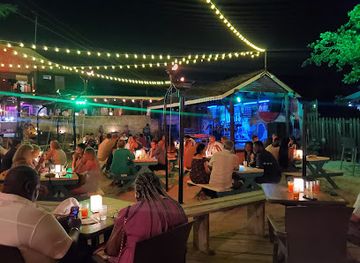
Saint James has one of Barbados’s most established evening scenes, concentrated around Holetown and the west-coast hotel corridor. The choice includes rum shops, relaxed beach bars, wine and cocktail venues, restaurant terraces and occasional live-music settings, with a more informal atmosphere in local establishments than in resort lounges. Holetown is generally the most convenient base for moving between dinner and drinks, while other coastal venues are more dispersed and often reached by taxi. Nightlife is not uniformly club-oriented: many evenings centre on conversation, food, music and the sea rather than late dancing. Seasonal entertainment and individual venue schedules change, so current arrangements should be checked locally. Drink responsibly, use licensed taxis after drinking and respect nearby residents, particularly in mixed residential and resort areas.
-
Fine Dining
The Tides Barbados
Experience the finest seafood and stunning ocean views at The Tides Barbados, a premier fine dining destination in Holetown.
-
Bar
Surfside Restaurant & Bar
Experience the vibrant flavors of the Caribbean at Surfside Restaurant & Bar, a local gem in Holetown known for its delicious seafood and lively atmosphere.
-
Bar
Fisherman's Pub
Experience authentic Caribbean flavors and vibrant ambiance at Fisherman's Pub in Speightstown, Barbados - a must-visit for food lovers!
-
Fine Dining
The Cliff
Experience fine dining at The Cliff, where exquisite cuisine meets stunning ocean views in Barbados' premier dining destination.


Best nightclubs in Saint James
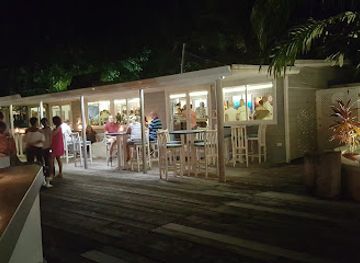
Saint James has one of Barbados’s most established evening scenes, concentrated around Holetown and the west-coast hotel corridor. The choice includes rum shops, relaxed beach bars, wine and cocktail venues, restaurant terraces and occasional live-music settings, with a more informal atmosphere in local establishments than in resort lounges. Holetown is generally the most convenient base for moving between dinner and drinks, while other coastal venues are more dispersed and often reached by taxi. Nightlife is not uniformly club-oriented: many evenings centre on conversation, food, music and the sea rather than late dancing. Seasonal entertainment and individual venue schedules change, so current arrangements should be checked locally. Drink responsibly, use licensed taxis after drinking and respect nearby residents, particularly in mixed residential and resort areas.
-
Night club
Harbour Lights Barbados
Explore the vibrant nightlife of Harbour Lights Barbados, where dining meets entertainment on the stunning Caribbean shores, perfect for every tourist's itinerary.
-
Night club
Red Door Lounge
Unleash your nightlife spirit at Red Door Lounge, Bridgetown's premier night club and restaurant, where vibrant energy meets exquisite culinary delights.
-
Bar
John Moore Bar
Experience the vibrant spirit of Barbados at John Moore Bar, where refreshing drinks and lively music create the perfect atmosphere for relaxation and fun.
-
Cocktail bar
Drift Ocean Terrace Lounge
Discover the trendy Drift Ocean Terrace Lounge in Holetown, Barbados – a perfect blend of stunning views and expertly crafted cocktails.


Best shops in Saint James
Holetown is Saint James’s main shopping centre, combining supermarkets, pharmacies, independent businesses, cafés, galleries and larger retail premises with the polished shops of Limegrove Lifestyle Centre. The area suits visitors looking for resort clothing, cosmetics, jewellery, gifts and internationally familiar brands, while smaller local shops provide a more practical and everyday selection. Across the parish, look for Barbados-made rum, sauces, spices, confectionery, art, pottery, jewellery, textiles and small craft items, checking labels when locally produced goods are important to you. Roadside stalls and small food sellers can be useful for fresh fruit and casual provisions, though their availability varies by day. Holetown’s shopping is more developed than the retail offer in inland Saint James, where the emphasis is on community businesses rather than destination shopping. Bargaining is not generally expected in formal shops; at informal stalls, ask politely about prices instead of assuming negotiation. Shopping is often busiest during the day, with restaurant and bar areas providing the natural evening continuation.
-
Department store
Bridgetown Duty Free Broad Street
Discover the best of Barbadian shopping at Bridgetown Duty Free, offering unbeatable duty-free prices on luxury brands and local treasures.
-
Shopping mall
Limegrove Lifestyle Centre
Explore luxury shopping and entertainment at Limegrove Lifestyle Centre, your ultimate destination in Holetown, Barbados.
-
Supermarket
Shopsmart Holders Hill
Experience the heart of local shopping at Shopsmart Holders Hill, where vibrant flavors and quality products await every tourist.
-
Craft store
Laurie Dash & Sons Inc
Explore creativity at Laurie Dash & Sons Inc in Bridgetown, Barbados - your go-to craft store for supplies, local art, and unique finds.


Get your free copy of our complete guide to Saint James, delivered straight to you.
Everything on this page, from attractions and restaurants to essentials and local phrases, in one PDF you can read offline, print or share.
Already have an account? Sign in
Your Saint James guide is ready.
We'll send it to · Not you? Sign out

Getting your guide ready…
We are putting together a fresh copy of the Saint James guide. This can take up to a minute.
This can take a few moments. If your browser asks, choose Allow so the download can start. You'll find the guide in your Downloads folder.
Nothing happened? Download it again
Sorry, the guide is taking longer than usual. Please try again in a minute, or get it by email instead.
Saint James essentials
Currency and Payment
Safety
Emergency Situations
Do's and Don'ts
Local Tips
From Eve
Local phrases worth knowing
You don't need to get them perfect. A few words go a long way, and locals appreciate the effort.
Basics
| English | Local | Say it |
|---|---|---|
| Hello | Wuh deh pon | [Wuh deh pon] |
| Goodbye | Bye bye | [Bye bye] |
| Yes | Yeah | [Yeah] |
| No | Nah | [Nah] |
| Please/You're welcome | Please/No problem | [Please/No problem] |
| Thank you | Fuh real, tank yuh | [Fuh real, tank yuh] |
| Excuse me/Sorry | Excuse me/Sorry | [Excuse me/Sorry] |
| How are you? | How yuh doin'? | [How yuh doin'?] |
| Fine. And you? | I good. And yuh? | [I good. And yuh?] |
| Do you speak English? | Yuh does speak English? | [Yuh does speak English?] |
| I don't understand | I ain't gettin' it | [I ain't gettin' it] |
Eating & Drinking
| English | Local | Say it |
|---|---|---|
| I'd like to see the menu, please | Could yuh show me de menu, please? | [Could yuh show me de menu, please?] |
| I don't eat meat | I don't eat meat | [I don't eat meat] |
| Cheers! | Cheers! | [Cheers!] |
| I would like to pay, please | I would like to pay, please | [I would like to pay, please] |
Emergencies
| English | Local | Say it |
|---|---|---|
| Help! | Help! | [Help!] |
| Go away! | Go way! | [Go way!] |
| Call the Police! | Call de Police! | [Call de Police!] |
| Call a doctor! | Call a doctor! | [Call a doctor!] |
| I'm lost | I lost | [I lost] |
| I'm ill | I ain't feelin' well | [I ain't feelin' well] |
Shopping
| English | Local | Say it |
|---|---|---|
| I'd like to buy... | I would like to buy... | [I would like to buy...] |
| I'm just looking | I just browsing | [I just browsing] |
| How much is it? | How much it cost? | [How much it cost?] |
| That's too expensive | Dat too pricey | [Dat too pricey] |
| Can you lower the price? | Yuh could drop de price? | [Yuh could drop de price?] |
Time & Numbers
| English | Local | Say it |
|---|---|---|
| What time is it? | Wha time it is? | [Wha time it is?] |
| It's one o'clock | It one o'clock | [It one o'clock] |
| Half past (10) | Half past ten | [Half past ten] |
| Morning | Mornin' | [Mornin'] |
| Afternoon | Afternoon | [Afternoon] |
| Evening | Evenin' | [Evenin'] |
| Yesterday | Yesterday | [Yesterday] |
| Today | Today | [Today] |
| Tomorrow | Tomorrow | [Tomorrow] |
| 1 | One | [One] |
| 2 | Two | [Two] |
| 3 | Three | [Three] |
| 4 | Four | [Four] |
| 5 | Five | [Five] |
| 6 | Six | [Six] |
| 7 | Seven | [Seven] |
| 8 | Eight | [Eight] |
| 9 | Nine | [Nine] |
| 10 | Ten | [Ten] |
Transport & Directions
| English | Local | Say it |
|---|---|---|
| Where's a/the...? | Wheh de...? | [Wheh de...?] |
| What's the address? | Wha de address? | [Wha de address?] |
| Can you show me (on the map)? | Can yuh show me (on de map)? | [Can yuh show me (on de map)?] |
| When's the next (bus)? | When de next (bus)? | [When de next (bus)?] |
| A ticket (to ....) | One ticket (to....) | [One ticket (to....)] |
History of Saint James
Amerindian Barbados before European settlement
Long before English colonisation, Barbados was visited and settled by Indigenous peoples, including communities associated with the Saladoid-Barrancoid and later Arawakan cultural traditions. Archaeological evidence across the island records pottery, tools and settlement activity, although much of the visible landscape was transformed by later agriculture and construction. The west coast, with accessible landing places and freshwater gullies, formed part of the island’s wider human geography. Understanding this earlier history is important because the English settlement at Holetown did not occur in an empty landscape; it followed centuries of Indigenous use and regional movement in the eastern Caribbean.
The English landing at Holetown, 1627
English settlers arrived on the west coast in 1627 and established Barbados’s first permanent English settlement in the area now known as Holetown. Early English references called it Jamestown, while the later name Holetown derived from the gully or landing place used by ships and settlers. The sheltered coast helped the settlement develop, and Saint James became one of the earliest centres of English colonial administration and Anglican worship on the island. The Holetown Monument commemorates this arrival, although the event also marked the beginning of colonial dispossession and the growth of an enslaved plantation society.
Sugar, plantations and enslavement
From the seventeenth century onwards, sugar transformed Saint James as it did Barbados more broadly. Estates occupied the parish’s fertile coral-limestone terraces, and mills, boiling houses, plantation residences and worker settlements formed an interconnected agricultural landscape. This wealth depended on the forced labour of enslaved Africans, whose skills, labour and resistance shaped the island’s economy and culture. Some historic houses, estate landscapes and parish buildings remain visible reminders of the plantation era, but they should be understood alongside the human cost of slavery rather than as isolated architectural curiosities.
Parish institutions and religious heritage
Saint James Parish Church represents the long institutional history of the parish. An Anglican church was established in the early colonial period, and the present building reflects rebuilding and alteration over centuries as Barbados faced hurricanes, weathering and changing congregations. Parish churches served not only religious functions but also helped organise local communities, burial practices and records. Across Saint James, the durable pattern of villages, roads, estates and churches reflects how colonial administration and plantation society became embedded in the island’s geography.
Emancipation and the post-slavery plantation economy
Emancipation in 1834, followed by the end of the apprenticeship system in 1838, changed the social and economic order of Saint James, although sugar production continued to dominate land use for generations. Formerly enslaved families sought greater control over work, residence and community life, while plantation owners adapted their labour systems and estates. Chattel houses, village settlements and small cultivations became important features of Barbadian life. The parish’s later landscape, combining estate remnants with dense residential communities, owes much to these post-emancipation adjustments.
Tourism and the making of the west coast resort
During the twentieth century, improvements in roads, aviation and hotel development helped move Saint James from a primarily agricultural parish towards one of Barbados’s leading tourism districts. The calm west-coast sea, established settlements around Holetown and availability of former plantation land encouraged hotels, villas, restaurants and recreational facilities. Tourism created employment and international connections while also increasing pressure on beaches, roads, housing and coastal resources. Contemporary Saint James therefore combines a historic parish identity with a highly developed visitor economy.
Independence and contemporary Saint James
Barbados became independent from Britain in 1966, and Saint James developed within the institutions of the independent Barbadian state. Holetown expanded as a commercial and service centre, while coastal tourism, second homes, restaurants and marine recreation became increasingly significant. At the same time, parish communities retained churches, schools, local businesses and family networks that pre-date the resort economy. Current efforts to protect reefs, beaches and historic buildings reflect the challenge of balancing economic development with the environmental and cultural heritage that gives the west coast its identity.
Saint James in Photos
Browse through our photo collection highlighting the charm and character of the destination.
Neighbouring regions of Saint James
The closest regions to Saint James, if you have time for more than one.
-

-

-

-

-


Swipe for more regions
Explore more

Explore more of Barbados
Discover Barbados: Pristine beaches, rich history, and vibrant culture await in this Caribbean paradise. Perfect for adventure, relaxation, and culinary delights.
Explore Barbados