

Downtown Belize City (Belize City) Travel Guide - Free
Explore Downtown Belize City in Belize City with Evendo's free guide. Find the best shops, historic streets, restaurants, and gems on web or mobile.


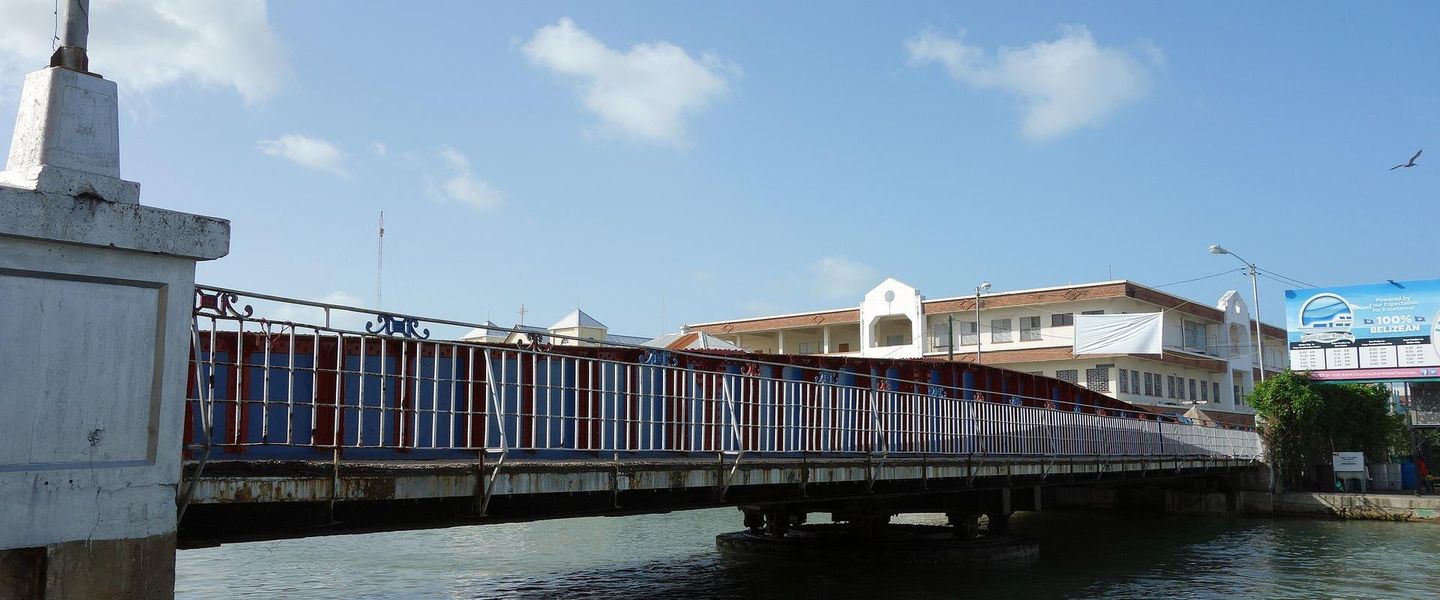


Downtown Belize City blends colonial landmarks, the Swing Bridge, waterfront walks, lively markets, Creole food and everyday culture in Belize’s historic urban core.
A Compact Historic Core
Downtown Belize City occupies the compact central area around the mouth of the Belize River, where waterways, colonial-era streets and commercial life meet the Caribbean coast. Its character is more practical than polished: government offices, banks, market stalls, churches, cafés and small shops share streets with weathered wooden buildings and concrete commercial blocks. The old centre is easy to explore on foot, although pavements can be uneven and waterfront conditions change with the weather.Read more about Downtown Belize City
Colonial Streets and Civic Landmarks
Everyday Belize City
Best attractions in Downtown Belize City
Downtown Belize City's attractions are close together and reveal the city through a compact sequence of civic spaces, religious buildings and riverfront views. The Museum of Belize, housed in the former colonial prison, introduces the country's archaeology, history and cultural heritage, while St John's Cathedral provides a quieter architectural counterpoint on Albert Street. Battlefield Park is a central open space used for everyday movement and public life, and the Swing Bridge offers one of the neighbourhood's clearest views towards the Belize River and the working waterfront. Albert Street, Regent Street and the surrounding commercial lanes are attractions in their own right for visitors interested in local shops, street life and food. The central market area adds a more immediate sense of Belize City commerce, with produce, snacks and small businesses reflecting the rhythms of the urban centre.
-
Tourist attraction
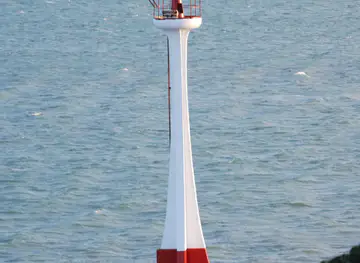
Baron Bliss lighthouse
Explore the historical Baron Bliss Lighthouse in Belize City, offering stunning sea views and rich maritime history for an unforgettable experience.
9 min walk · 0.7 km from neighbourhood centre
-
Tourist attraction
St John Anglican Cathedral
Discover the architectural beauty and historical significance of St John Anglican Cathedral, a must-visit landmark in Belize City.
7 min walk · 0.6 km from neighbourhood centre
-
Tourist attraction
Government House
Discover the historical significance and architectural beauty of Government House, a key landmark in Belize City showcasing the country's rich heritage.
8 min walk · 0.6 km from neighbourhood centre
-
Tourist attraction
The Swing Bridge
Discover Belize City's iconic Swing Bridge, a living testament to the city's rich history and vibrant culture.
2 min walk · 0.2 km from neighbourhood centre


Best landmarks in Downtown Belize City
The Museum of Belize is one of Downtown Belize City's most important historic structures, occupying a former prison whose robust walls recall the administrative and penal systems of British Honduras. St John's Cathedral, built in the early nineteenth century from brick brought through the colonial trade network, is a defining religious landmark on Albert Street and one of the city's most recognisable historic buildings. The Swing Bridge is both infrastructure and symbol: its movable span expresses the central town's continuing relationship with river traffic and connects the two sides of the Belize River. Battlefield Park provides a civic landmark within the commercial core, while the surrounding streets preserve a mixture of colonial remnants, post-hurricane reconstruction and later concrete development. Together these places explain the city's evolution more effectively than any single monument.
-
Cruise terminal
Fort Street Tourism Village
Explore the vibrant Fort Street Tourism Village in Belize City, where local culture, cuisine, and shopping come together in a picturesque Caribbean setting.
7 min walk · 0.5 km from neighbourhood centre
-
Museum
Museum of Belize
Explore the Museum of Belize, where history comes alive through engaging exhibits and artifacts that showcase the country's rich cultural heritage.
8 min walk · 0.7 km from neighbourhood centre
-
Tourist attraction
Baron Bliss lighthouse
Discover the historical Baron Bliss Lighthouse in Belize City, where stunning sea views and rich maritime history await.
9 min walk · 0.7 km from neighbourhood centre
-
Park
Battlefield Park
Discover the serene beauty and historical significance of Battlefield Park in Belize City, a peaceful haven for tourists amidst vibrant urban life.
1 min walk · 0.1 km from neighbourhood centre


Explore Downtown Belize City on the map
A handpicked selection of must-see spots in Downtown Belize City, mapped for you.
Best hotels in Downtown Belize City
Best restaurants in Downtown Belize City
Downtown Belize City offers an informal, mixed dining scene shaped by Belize's Caribbean, Central American and British colonial influences. Small cafés, bakeries and casual restaurants serve rice and beans, stewed meats, seafood, fried snacks, johnny cakes and other everyday favourites, while waterfront venues and central eateries cater to visitors as well as office workers and residents. Albert Street and the streets around the market are useful areas for finding quick meals, fruit, pastries and drinks, although the selection and opening arrangements vary. Creole cooking is particularly important to the city's food identity, but it sits alongside Maya, Mestizo, Garifuna and international influences found across Belize. Eating downtown works best as part of an exploration of the commercial core: food stalls and modest cafés provide a more grounded experience than treating the area solely as a restaurant district.
-
Restaurant
Bird's Isle Restaurant
Discover the flavors of Belize at Bird's Isle Restaurant – where fresh seafood meets Caribbean hospitality in a stunning waterfront setting.
12 min walk · 1.0 km from neighbourhood centre
-
Restaurant
Midtown Restaurant & Bar
Discover delicious Belizean cuisine at Midtown Restaurant & Bar in Belize City – a must-visit destination for food lovers!
5 min drive · 1.7 km from neighbourhood centre
-
Restaurant
Celebrity Restaurant & Bar
Experience the best of Caribbean cuisine at Celebrity Restaurant & Bar in Belize City with breathtaking waterfront views.
9 min walk · 0.8 km from neighbourhood centre
-
Restaurant
The Tavern
Experience authentic Belizean cuisine at The Tavern in Belize City – where every meal tells a story.
12 min walk · 1.0 km from neighbourhood centre


Best bars in Downtown Belize City
Downtown Belize City's nightlife is relatively modest and unevenly distributed rather than concentrated in one large club district. After work, visitors may find bars, casual waterfront drinking spots and hotel-based venues around the central streets, while evenings can also involve live music, conversation and local events rather than late-night dancing. Some restaurants become social gathering places after dark, but dining and nightlife should not be treated as identical scenes. The area is quieter on residential and office streets once businesses close, so visitors heading out at night should know their destination and arrange a trusted taxi for the return journey. Entertainment availability, opening arrangements and crowd levels can change, making current local information more reliable than assumptions based on daytime activity.
-
Restaurant
Celebrity Restaurant & Bar
Experience the vibrant flavors of Belize at Celebrity Restaurant & Bar, the perfect dining spot for tourists in Belize City.
9 min walk · 0.8 km from neighbourhood centre
-
Restaurant
The Tavern
Experience the vibrant flavors and warm hospitality of Belize at The Tavern, a culinary gem in the heart of Belize City.
12 min walk · 1.0 km from neighbourhood centre
-
Grill
Baymen's Tavern
Experience the best of Belizean cuisine at Baymen's Tavern, where grill meets bar in a vibrant setting.
9 min walk · 0.7 km from neighbourhood centre
-
Bar
Secret Garden Restaurant and Bar 贡茶
Experience the perfect blend of nature and flavor at Secret Garden Restaurant and Bar in Belize City, where unforgettable meals await.
7 min walk · 0.6 km from neighbourhood centre


Best nightclubs in Downtown Belize City
Downtown Belize City's nightlife is relatively modest and unevenly distributed rather than concentrated in one large club district. After work, visitors may find bars, casual waterfront drinking spots and hotel-based venues around the central streets, while evenings can also involve live music, conversation and local events rather than late-night dancing. Some restaurants become social gathering places after dark, but dining and nightlife should not be treated as identical scenes. The area is quieter on residential and office streets once businesses close, so visitors heading out at night should know their destination and arrange a trusted taxi for the return journey. Entertainment availability, opening arrangements and crowd levels can change, making current local information more reliable than assumptions based on daytime activity.
-
Bar
Sen Sen Club
Discover the lively nightlife at Sen Sen Club in Belize City, where vibrant ambiance meets delicious cocktails and great company.
8 min walk · 0.7 km from neighbourhood centre
-
Bar
building
Experience the lively nightlife of Belize City at this vibrant bar, perfect for enjoying cocktails, live music, and the company of locals and travelers alike.
5 min drive · 1.6 km from neighbourhood centre
-
Bar
Michelada Bar
Discover the lively charm of Michelada Bar in Belize City, where unique cocktails and vibrant atmosphere meet local culture.
5 min drive · 1.6 km from neighbourhood centre
-
Bar
D&K 80/90 Winery & Night Club
Discover the lively nightlife at D&K 80/90 Winery & Night Club, where exquisite drinks and vibrant music create unforgettable experiences in Belize City.
12 min walk · 1.0 km from neighbourhood centre


Best shops in Downtown Belize City
Shopping in Downtown Belize City is centred on everyday commerce rather than a specialised luxury or design quarter. Albert Street and neighbouring commercial streets contain small retailers, pharmacies, clothing shops, jewellers, service businesses and places selling practical goods, while the central market area is associated with produce, snacks and informal trading. Visitors may find Belizean crafts, carved objects, textiles, spices and packaged foods, but stock varies and not every shop is aimed at tourists. Browsing works best when combined with attention to the street life itself: shopfronts, vendors, bus traffic and market activity show how downtown serves residents. The area is also a useful place to distinguish locally made goods from imported souvenirs by asking about materials, origin and maker rather than assuming that a Belize-themed item was produced locally.
-
Shopping mall
Down Town Plaza
Discover the energetic shopping and dining scene at Down Town Plaza, the heart of Belize City, where local culture meets modern retail.
1 min walk · 0.1 km from neighbourhood centre
-
Clothing store
Pink Boutique - Belize City
Explore Pink Boutique in Belize City for unique clothing and accessories that embody local culture and style.
3 min walk · 0.3 km from neighbourhood centre
-
Gift shop
Golden Sky Store
Discover authentic Belizean souvenirs and local crafts at Golden Sky Store, where cultural heritage meets vibrant artistry in the heart of Belize City.
5 min walk · 0.4 km from neighbourhood centre
-
Boutique
Lavie Belize Boutique Downtown
Shop unique fashion and handcrafted treasures at Lavie Belize Boutique in the heart of Belize City, where local culture meets style.
1 min walk · 0.1 km from neighbourhood centre


Downtown Belize City essentials
Getting There
Getting Around
Safety
Emergency Situations
Do's and Don'ts
Local Tips

From Eve
Local phrases worth knowing
You don't need to get them perfect. A few words go a long way, and locals appreciate the effort.
Basics
| English | Local | Say it |
|---|---|---|
| Hello | Wa gwan | [wah gwan] |
| Goodbye | Later | [lay-ter] |
| Yes | Yes | [yes] |
| No | Noh | [noh] |
| Please/You're welcome | Pliz | [pleez] |
| Thank you | Tank yu | [tank yoo] |
| Excuse me/Sorry | Skuse mi | [skyooz mee] |
| How are you? | How yu deh? | [how yoo deh] |
| Fine. And you? | Irie. An yu? | [eye-ree. an yoo] |
| Do you speak English? | Yu chat Ingglish? | [yoo chat ing-glish] |
| I don't understand | Mi noh ondastan | [mee noh on-das-tan] |
Eating & Drinking
| English | Local | Say it |
|---|---|---|
| I'd like to see the menu, please | Mi wa si di menu, pliz | [mee wah see dee men-yoo, pleez] |
| I don't eat meat | Mi noh nyam meat | [mee noh nyam meet] |
| Cheers! | Cheers! | [cheers] |
| I would like to pay, please | Mi wa pay, pliz | [mee wah pay, pleez] |
Emergencies
| English | Local | Say it |
|---|---|---|
| Help! | Help! | [help] |
| Go away! | Gweh! | [gweh] |
| Call the Police! | Kol di police! | [kohl dee police] |
| Call a doctor! | Kol a dokta! | [kohl a dok-tah] |
| I'm lost | Mi lost | [mee lost] |
| I'm ill | Mi sik | [mee sick] |
Shopping
| English | Local | Say it |
|---|---|---|
| I'd like to buy... | Mi wa buy... | [mee wah buy] |
| I'm just looking | Mi jus di luk | [mee jus dee look] |
| How much is it? | How much fi dis? | [how much fee diss] |
| That's too expensive | Dat too much | [dat too much] |
| Can you lower the price? | Yu kud reduce di price? | [yoo kud ree-dooce dee price] |
Time & Numbers
| English | Local | Say it |
|---|---|---|
| What time is it? | Wah time dis? | [wah time diss] |
| It's one o'clock | A wan o'clock | [ah wahn o-clock] |
| Half past (10) | Haaf paas (10) | [hah-f paas (10)] |
| Morning | Mawnin | [morn-in] |
| Afternoon | Aftanun | [af-ta-noon] |
| Evening | Iivnin | [eev-nin] |
| Yesterday | Yesideh | [yeh-see-deh] |
| Today | Tudeh | [too-deh] |
| Tomorrow | Tomaro | [toh-mah-roh] |
| 1 | Wan | [wahn] |
| 2 | Tu | [too] |
| 3 | Chu | [choo] |
| 4 | Fo | [foh] |
| 5 | Faiv | [fayv] |
| 6 | Siks | [siks] |
| 7 | Seven | [sev-en] |
| 8 | Eit | [ate] |
| 9 | Nain | [nayn] |
| 10 | Ten | [ten] |
Transport & Directions
| English | Local | Say it |
|---|---|---|
| Where's a/the...? | Weh di...? | [weh dee] |
| What's the address? | Weh di address? | [weh dee address] |
| Can you show me (on the map)? | Yu kud show mi (pan di map)? | [yoo kud show mee (pan dee map)] |
| When's the next (bus)? | Wen di nex (bus)? | [wen dee neks (bus)] |
| A ticket (to ....) | A tiket (tu ...) | [ah tik-et (to ...)] |
History of Downtown Belize City
A River Mouth Logging Settlement
Downtown Belize City grew from a small settlement established by English woodcutters and traders around the mouth of the Belize River in the late seventeenth century. The river provided access to logwood and mahogany resources inland, while the coast connected the settlement to Caribbean shipping routes. Rather than developing as a planned colonial capital, the town expanded around creeks, wharves, warehouses and routes used to move timber. That commercial geography still shapes the central area, where the Swing Bridge, waterfront and streets leading inland reveal the importance of waterborne trade to the town's origins.
British Honduras Takes Shape
During the eighteenth and nineteenth centuries, the settlement became the principal port and administrative centre of British Honduras, the colony later known as Belize. Merchants, labourers, sailors and migrants from across the Caribbean contributed to its social and commercial life, while timber exports supported warehouses, offices and substantial residences near the central streets. St John's Cathedral, consecrated in the early nineteenth century, reflects the establishment of Anglican institutions in the colonial town. The building of the former prison that now houses the Museum of Belize in 1857 added another civic structure to the developing urban core.
Bridges, Commerce and Civic Life
The central town's relationship with the Belize River was reinforced by transport infrastructure and public institutions. The Swing Bridge, associated with the early twentieth-century expansion of Belize City, connected the north and south sides of the river while allowing vessels to pass through the channel. Streets such as Albert, Regent and Queen became commercial and administrative routes, and the open space now known as Battlefield Park developed as a gathering point in the centre. These places helped turn a river-port settlement into the colony's principal urban marketplace and seat of government.
Hurricane Hattie and Reconstruction
Hurricane Hattie struck Belize City in October 1961, causing catastrophic flooding and destruction across the low-lying town, including its central districts. The disaster hastened the decision to move the capital inland to Belmopan, which became the national capital in 1970, although Belize City remained the country's commercial and cultural centre. Reconstruction changed the appearance of downtown, replacing or altering many older wooden structures and introducing more durable concrete buildings. The surviving cathedral, civic buildings, street pattern and waterfront infrastructure therefore sit alongside post-hurricane architecture rather than forming an untouched colonial quarter.
A Contemporary Commercial Centre
After independence in 1981, downtown Belize City continued to function as a concentration of commerce, public administration, transport connections and cultural institutions rather than as a formal museum district. The Museum of Belize opened in the former prison, and public spaces such as Battlefield Park remained part of everyday civic life. Tourism added walking tours, cruise-related visits, restaurants and waterfront activity, while local businesses continued to serve residents. Contemporary downtown Belize City is consequently a layered urban centre: colonial and post-disaster buildings, Caribbean commercial traditions and modern national life occupy the same compact streets.
Downtown Belize City in Photos
Browse through our photo collection highlighting the charm and character of the destination.
Neighbourhoods near Downtown Belize City
The closest neighbourhoods to Downtown Belize City, if you have time for more than one stop.
-

-
-


Swipe for more neighbourhoods
Explore more

Explore more of Belize City
Belize City blends Caribbean character, colonial-era streets, museums, markets and waterfront culture with gateway access to Belize’s reefs and cayes.
Explore Belize City