

Asa Norte (Brasília) Travel Guide - Free
Explore Asa Norte in Brasília with Evendo's free guide. Find the best shops, historic streets, restaurants, and gems on web or mobile.


Asa Norte in Brasília pairs Lúcio Costa’s superquadras with the University of Brasília, leafy parks, creative dining and the open geometry of Brazil’s capital.
Planned Urbanism and Everyday Life
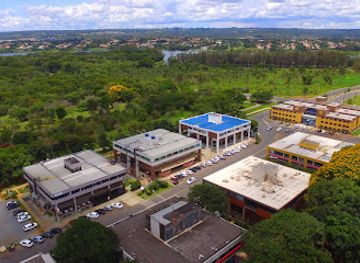
Asa Norte forms the northern half of Brasília’s Plano Piloto, the monumental core planned by urban planner Lúcio Costa and designed with a striking separation between traffic, housing, commerce and open space. Its superquadras are not conventional apartment blocks: each is a landscaped residential unit set among trees, playgrounds, schools and quiet pedestrian paths, with low commercial strips known as comércio local nearby. The result is a district that feels spacious and carefully composed, yet thoroughly lived-in.Read more about Asa Norte
Architecture, Campus and Green Space
Food, Shopping and Street Rhythm
Best attractions in Asa Norte
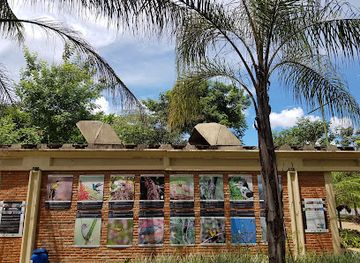
Asa Norte’s attractions are closely tied to the experience of Brasília’s planned landscape. Parque Olhos d’Água is the neighbourhood’s principal natural retreat, with trails, native vegetation, wet areas and a quieter atmosphere than the major road corridors. The University of Brasília campus offers an opportunity to observe the capital’s academic life and modernist institutional architecture, although access to individual buildings and events varies. For urban exploration, the superquadras themselves are the essential sight: walk through landscaped interiors, compare apartment blocks and notice how schools, playgrounds and community facilities are positioned within the plan. The comércio local strips add a more informal layer, with cafés, bakeries, restaurants and street-level services. The northern hotel and shopping sectors provide contemporary retail and public interiors, while views along the broad avenues reveal the scale and deliberate geometry that distinguish Brasília from older Brazilian cities.
-
Tourist attraction
Parque Olhos D'Água
Discover Brasília's Parque Olhos D'Água: A natural haven with walking trails, diverse wildlife, and community events in the heart of the city.
7 min drive · 2.2 km from neighbourhood centre
Best landmarks in Asa Norte
The defining landmarks of Asa Norte are often ensembles rather than isolated monuments. Its superquadras express Brasília’s modernist urban ideal through apartment blocks on pilotis, planted communal areas, schools, playgrounds and carefully separated circulation. The University of Brasília campus is another major local reference, combining institutional architecture with the social and intellectual history of the capital’s university. Parque Olhos d’Água provides a contrasting natural landmark, preserving a pocket of cerrado vegetation and wetland landscape within the planned urban fabric. The numbered comércio local strips are architecturally modest but socially important, supplying the everyday services that make the residential plan function. Across the neighbourhood, broad avenues, open setbacks and long views are themselves significant features: they demonstrate how Brasília’s designers replaced the tight street wall of traditional cities with superblocks, park-like intervals and monumental scale.
-
Park
Parque Olhos D'Água
Discover tranquility in Brasília's Parque Olhos D'Água: nature trails, serene lakes, and a vibrant escape in the city's heart.
7 min drive · 2.2 km from neighbourhood centre
-
Historical landmark
Eixão do Lazer Norte
Experience Brasília's vibrant culture and car-free fun on Sundays at Eixão do Lazer Norte, a 14km playground for all!
6 min drive · 2.1 km from neighbourhood centre
-
Historical landmark
Babilônia da Asa Norte
Discover Babilônia da Asa Norte: Brasília's unique commercial hub with maze-like corridors, verdant patios, and a vibrant community atmosphere.
12 min walk · 1.0 km from neighbourhood centre
Explore Asa Norte on the map
A handpicked selection of must-see spots in Asa Norte, mapped for you.
Best hotels in Asa Norte
Best restaurants in Asa Norte
Eating in Asa Norte is shaped by the comércio local, where ground-floor premises beneath or beside the superquadras form a dispersed network of cafés, bakeries, lunch restaurants, bars and specialist food businesses. The 200 and 400 series are particularly useful for finding everyday dining, from Brazilian self-service meals, grilled meats and regional dishes to pizza, Japanese food, sandwiches, coffee and contemporary casual cooking. The neighbourhood’s university population supports an informal, varied food culture, while the northern hotel sector adds restaurants aimed at business travellers and visitors. Breakfast bakeries and juice counters suit Brasília’s early starts, and lunch venues can be liveliest during working and academic hours. Rather than a single restaurant quarter, Asa Norte offers a series of small local centres, so checking the exact quadra is important when arranging a meal or meeting.
-
Restaurant
Cantucci Osteria Asa Norte: Risoto, Massas, Drinks, Sobremesas, Delivery DF
Experience authentic Italian flavors at Cantucci Osteria in Brasília - Risottos, pastas, and delightful desserts await!
6 min drive · 2.1 km from neighbourhood centre
-
Restaurant
Santé 13 Restaurante
Experience culinary excellence at Santé 13 Restaurante - Brasília's top destination for seafood lovers and wine enthusiasts.
5 min drive · 1.7 km from neighbourhood centre
-
Mediterranean
Dona Lenha / Forneria
Experience authentic Mediterranean cuisine at Dona Lenha in Brasília - where Italian flavors meet Brazilian hospitality.
5 min drive · 1.7 km from neighbourhood centre
-
Restaurant
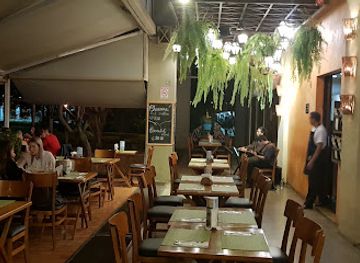
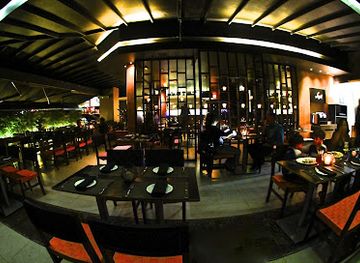
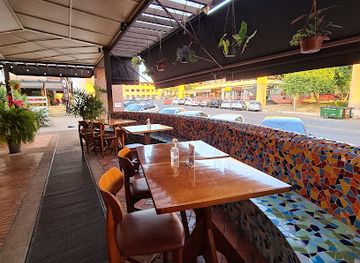
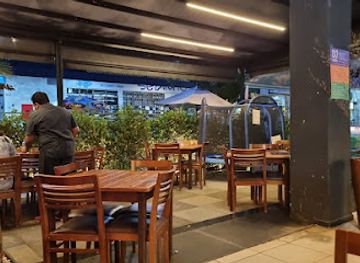
BLA'S Culture Kitchen
Experience the vibrant fusion of Brazilian and Mediterranean cuisines at BLA'S Culture Kitchen in Brasília—where every meal tells a story.
10 min walk · 0.8 km from neighbourhood centre
Best bars in Asa Norte
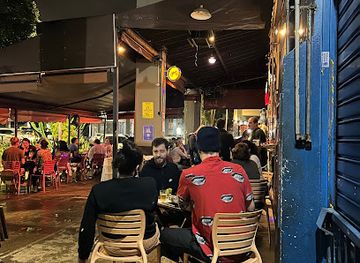
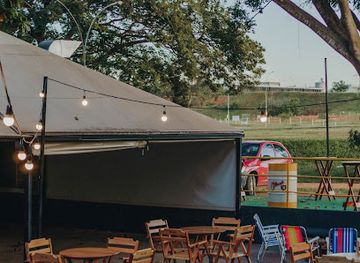
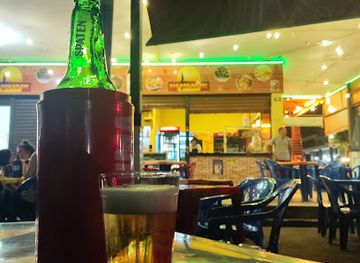
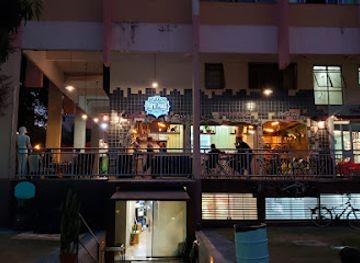
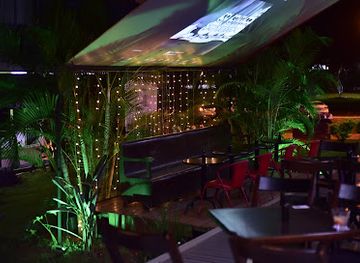
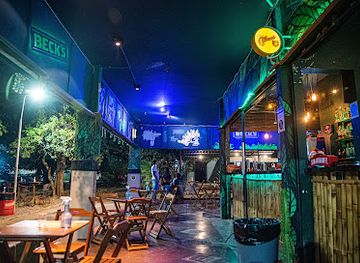
Asa Norte’s evening life is concentrated in its commercial strips rather than in a single entertainment district. Bars and restaurants around the local commercial blocks attract residents, students and office workers for relaxed drinks, conversation and late meals, with activity varying considerably from one quadra to another. The University of Brasília contributes an academic audience and occasional cultural programming, while larger venues and hotel-area establishments offer a more polished setting for evening gatherings. Asa Norte is not uniformly busy after dark: residential superquadras can become quiet soon after dinner, and distances between venues are considerable. Live music, cultural events and special nights may be seasonal or event-led, so current listings matter more than fixed expectations. Taxis and app-based cars are practical when moving between separated bars or returning to accommodation.
-
Live music bar
Pinella Bar
Discover the lively ambiance, delicious tapas, and electrifying live music at Pinella Bar in Brasília, a top destination for nightlife lovers.
6 min walk · 0.5 km from neighbourhood centre
-
Bar
Deboche! Bar
Experience the vibrant nightlife of Brasília at Deboche! Bar, where creative cocktails and a lively atmosphere await.
7 min drive · 2.4 km from neighbourhood centre
-
Bar
Bar Pôr do Sol
Experience the enchanting sunsets of Brasília at Bar Pôr do Sol, the perfect spot for drinks and relaxation in a vibrant atmosphere.
7 min walk · 0.5 km from neighbourhood centre
-
Bar
Primo Pobre Bar
Experience the vibrant atmosphere of Primo Pobre Bar in Brasília, where delicious drinks and local cuisine come together for an unforgettable night out.
5 min drive · 1.7 km from neighbourhood centre
Best nightclubs in Asa Norte
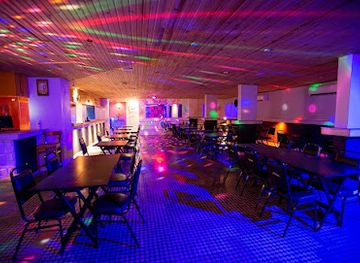
Asa Norte’s evening life is concentrated in its commercial strips rather than in a single entertainment district. Bars and restaurants around the local commercial blocks attract residents, students and office workers for relaxed drinks, conversation and late meals, with activity varying considerably from one quadra to another. The University of Brasília contributes an academic audience and occasional cultural programming, while larger venues and hotel-area establishments offer a more polished setting for evening gatherings. Asa Norte is not uniformly busy after dark: residential superquadras can become quiet soon after dinner, and distances between venues are considerable. Live music, cultural events and special nights may be seasonal or event-led, so current listings matter more than fixed expectations. Taxis and app-based cars are practical when moving between separated bars or returning to accommodation.
-
Night club
Velvet Pub
Discover the pulsating nightlife of Brasília at Velvet Pub, featuring live music, cocktails, and an unforgettable atmosphere.
7 min drive · 2.3 km from neighbourhood centre
-
Bar
Jungle Bar
Discover Jungle Bar, a vibrant nightlife gem in Brasília, where cocktails and live music create unforgettable experiences.
7 min walk · 0.5 km from neighbourhood centre
-
Night club
ALL IN 305 Karaokê
Experience the vibrant nightlife of Brasília at ALL IN 305 Karaokê, where music, fun, and unforgettable memories await every visitor.
16 min walk · 1.3 km from neighbourhood centre
-
Rock music club
Rock no Eixão
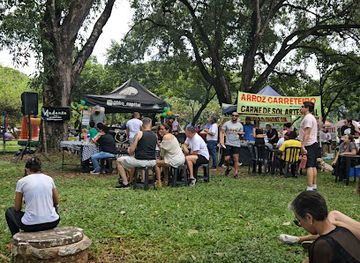
Experience the pulse of Brasília at Rock no Eixão, where electrifying rock performances meet an unforgettable atmosphere.
18 min walk · 1.5 km from neighbourhood centre
Best shops in Asa Norte
Shopping in Asa Norte is primarily local and practical, with the comércio strips providing supermarkets, bakeries, pharmacies, salons, book and stationery outlets, clothing shops, cafés and specialist services among the residential superquadras. The 200, 400 and 700 series each have their own clusters, so the character changes from one block to the next rather than forming a continuous high street. Larger contemporary retail is available around the northern hotel and commercial sectors, including shopping centres that combine national chains, restaurants and everyday services. Independent businesses are often the more revealing part of the experience: they show how Brasília’s planned residential units support ordinary neighbourhood commerce. Visitors should not expect a traditional market district or historic craft quarter in Asa Norte; its retail culture is modern, dispersed and closely connected to residents’ daily routines.
-
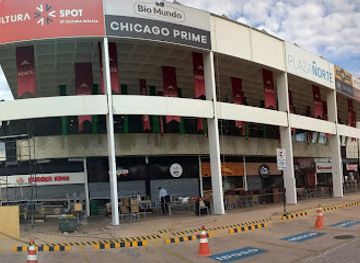
Shopping mall
Plaza Norte Mall
Explore Plaza Norte Mall, a premier shopping destination in Brasília offering diverse shops, dining, and entertainment for an unforgettable experience.
11 min walk · 0.9 km from neighbourhood centre
-
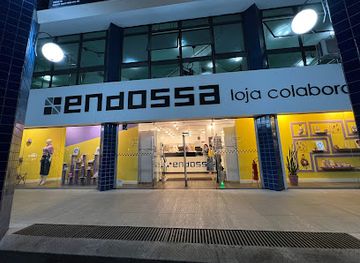
Fashion accessories store
Endorses - North Bsb
Explore the essence of style at Endorses, Brasília's premier fashion accessories store, offering trendy items that elevate your look.
13 min walk · 1.0 km from neighbourhood centre
-
 Gift shop
Liloca Baby Presentes
Discover unique children's gifts at Liloca Baby Presentes, a charming gift shop in Brasília offering a magical selection for every little one.
11 min walk · 0.9 km from neighbourhood centre
-
Gift shop
Angius Presentes e Decorações Eireli
Explore Angius Presentes e Decorações Eireli, your go-to gift shop in Brasília for unique decor and authentic Brazilian souvenirs.
9 min walk · 0.7 km from neighbourhood centre
Asa Norte essentials
Getting There
Getting Around
Safety
Emergency Situations
Do's and Don'ts
Local Tips

From Eve
Local phrases worth knowing
You don't need to get them perfect. A few words go a long way, and locals appreciate the effort.
Basics
| English | Local | Say it |
|---|---|---|
| Hello | Oi | [oy] |
| Goodbye | Tchau | [chow] |
| Yes | Sim | [seem] |
| No | Não | [now] |
| Please/You're welcome | Por favor/De nada | [por fah-vohr/de nah-da] |
| Thank you | Obrigado | [oh-bree-gah-doh] |
| Excuse me/Sorry | Com licença/Desculpe | [kohm lee-sen-sah/ des-kool-peh] |
| How are you? | Como vai você? | [koh-moh vah-ee voh-seh] |
| Fine. And you? | Bem. E você? | [beng. eh voh-seh] |
| Do you speak English? | Você fala inglês? | [voh-seh fah-lah een-gleh-s] |
| I don't understand | Eu não entendo | [eh-oo now en-ten-doh] |
Eating & Drinking
| English | Local | Say it |
|---|---|---|
| I'd like to see the menu, please | Eu gostaria de ver o cardápio, por favor | [eh-oo goh-stah-ree-ah deh vehr ooh kahr-dah-pee-oh, pohr fah-vohr] |
| I don't eat meat | Eu não como carne | [eh-oo now koh-moh kahr-neh] |
| Cheers! | Saúde! | [sow-deh] |
| I would like to pay, please | Eu gostaria de pagar, por favor | [eh-oo goh-stah-ree-ah deh pah-gahr, pohr fah-vohr] |
Emergencies
| English | Local | Say it |
|---|---|---|
| Help! | Socorro! | [soh-koh-roh] |
| Go away! | Vá embora! | [vah ehm-boh-rah] |
| Call the Police! | Chame a polícia! | [shah-meh ah poh-lee-see-ah] |
| Call a doctor! | Chame um médico! | [shah-meh oom meh-dee-koh] |
| I'm lost | Estou perdido | [ehs-toh pehr-dee-doh] |
| I'm ill | Estou doente | [ehs-toh doh-en-teh] |
Shopping
| English | Local | Say it |
|---|---|---|
| I'd like to buy... | Eu gostaria de comprar... | [eh-oo goh-stah-ree-ah deh kohm-prahr...] |
| I'm just looking | Eu só estou olhando | [eh-oo soh ehs-toh oh-lahn-doh] |
| How much is it? | Quanto custa? | [kwahn-toh koos-tah] |
| That's too expensive | Isso é muito caro | [ee-so eh mwitoh kah-roh] |
| Can you lower the price? | Você pode baixar o preço? | [voh-seh poh-deh bahy-shahr ooh preh-soh] |
Time & Numbers
| English | Local | Say it |
|---|---|---|
| What time is it? | Que horas são? | [keh oh-rahz sow-eh] |
| It's one o'clock | É uma hora | [eh ooh-mah oh-rah] |
| Half past (10) | Meio-dia e meia | [mey-oh-jee-ah eh meh-ee-ah] |
| Morning | Manhã | [mahn-yah] |
| Afternoon | Tarde | [tahr-deh] |
| Evening | Noite | [noy-teh] |
| Yesterday | Ontem | [on-tehm] |
| Today | Hoje | [oh-jee] |
| Tomorrow | Amanhã | [ah-mahn-yah] |
| 1 | Um | [oom] |
| 2 | Dois | [doh-ees] |
| 3 | Três | [trehs] |
| 4 | Quatro | [kwah-troh] |
| 5 | Cinco | [seeng-koh] |
| 6 | Seis | [seh-ees] |
| 7 | Sete | [seh-teh] |
| 8 | Oito | [oy-toh] |
| 9 | Nove | [noh-veh] |
| 10 | Dez | [dehz] |
Transport & Directions
| English | Local | Say it |
|---|---|---|
| Where's a/the...? | Onde fica o/a...? | [ohn-dee fee-kah ooh/ah] |
| What's the address? | Qual é o endereço? | [kahl eh ooh ehn-deh-reh-soh] |
| Can you show me (on the map)? | Você pode me mostrar (no mapa)? | [voh-seh poh-deh meh moh-strahr (noh mah-pah)] |
| When's the next (bus)? | Quando é o próximo (ônibus)? | [kwahn-doh eh ooh proh-kssee-moh (ohn-ee-boos)] |
| A ticket (to ....) | Um bilhete (para ...) | [oom bee-lyeh-tchee (pah-rah)] |
History of Asa Norte
The Plano Piloto Takes Shape
Asa Norte was created as part of the Plano Piloto, the winning urban concept submitted by Lúcio Costa in 1957 for Brazil’s new federal capital. Its residential superquadras, commercial sectors, separated traffic systems and extensive planted areas translated modernist planning into a functioning district rather than a conventional colonial or nineteenth-century city. Construction accelerated during the late 1950s, and the northern wing became part of Brasília when the capital was inaugurated on 21 April 1960. The neighbourhood’s numbered addresses and repetitive structural logic were deliberate tools for organising a rapidly built administrative city.
Superquadras and Residential Modernism
During the decades after inauguration, Asa Norte developed through the gradual occupation of its superquadras and comércio local strips. Apartment buildings raised on pilotis, shared gardens, playgrounds and schools created a residential environment unlike the tightly concentrated streets of Brazil’s older cities. The arrangement offered space and greenery, but also depended on cars and on the commercial strips for daily necessities. As more blocks were completed, the northern wing acquired a distinct neighbourhood rhythm: residents moved between apartment gardens, local shops, schools and the major road corridors without the dense street frontage common in traditional urban districts.
The University of Brasília’s Influence
The University of Brasília, established in 1962 on a campus in Asa Norte, added an important academic and cultural presence to the district. Conceived as an innovative institution for the new capital, it brought students, researchers, laboratories, libraries and public debates into a neighbourhood otherwise dominated by planned housing and government-related activity. The campus also contributed architecturally to Brasília’s modernist landscape, while its changing community helped make Asa Norte one of the capital’s principal areas for education, independent cultural activity and informal social life.
Heritage and Contemporary Change
Brasília’s Plano Piloto was inscribed on the UNESCO World Heritage List in 1987, placing Asa Norte’s urban composition within an internationally recognised cultural landscape. Heritage protection has helped preserve the relationship between superquadras, open space, road axes and modernist architecture, although the neighbourhood has continued to change through renovation, new businesses and shifting patterns of housing and work. Today, university life, professional services, restaurants and leisure venues coexist with the original residential framework, while places such as Parque Olhos d’Água reinforce the northern wing’s connection to Brasília’s cerrado environment.
Asa Norte in Photos
Browse through our photo collection highlighting the charm and character of the destination.
Neighbourhoods near Asa Norte
The closest neighbourhoods to Asa Norte, if you have time for more than one stop.
-

-

-
-


Swipe for more neighbourhoods
Explore more

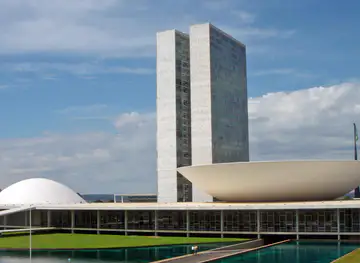
Explore more of Brasília
Brasília combines Oscar Niemeyer’s architecture, monumental landmarks, modernist history and expansive open spaces with Brazil’s distinctive cultural life.
Explore Brasília