

Vila A (Foz do Iguaçu) Travel Guide - Free
Explore Vila A in Foz do Iguaçu with Evendo's free guide. Find the best shops, historic streets, restaurants, and gems on web or mobile.


Vila A in Foz do Iguaçu combines Itaipu-era history, local shops and everyday Brazilian life with practical access to the dam, parks and city transport.
Planned Around Itaipu
Vila A occupies a broad residential area in the northern part of Foz do Iguaçu, shaped more by the construction of the Itaipu Binacional hydroelectric project than by conventional tourism. Developed from the 1970s as part of the planned settlements associated with the dam, it was designed to house workers and their families, giving the district a spacious, orderly character that differs from the older central areas of the city. Its streets are lined chiefly with houses, apartment blocks, schools, small businesses and everyday services rather than landmark-filled squares.Read more about Vila A
Everyday Life and Local Orientation
A Base for Northern Foz do Iguaçu
Best attractions in Vila A
Vila A’s attractions are closely tied to the Itaipu landscape and to the district’s role as a planned residential area rather than to a dense collection of museums or monuments. The most relevant nearby cultural stop is the Museu de Itaipu, which interprets the hydroelectric project, its construction and its regional significance; visitors should verify its current address and access arrangements because the wider Itaipu area extends beyond the residential streets of Vila A. The Parque Tecnológico Itaipu, also in the northern part of the city, adds a contemporary perspective on technology, education and innovation linked to the dam. Within Vila A itself, the experience is more observational: broad planned avenues, institutional buildings, local shops and ordinary residential streets reveal how a major infrastructure project produced a new urban district. The neighbourhood is therefore best explored as context for Itaipu rather than as a conventional sightseeing circuit.
-
Scenic spot
Eu amo Foz do Iguaçu
Discover the charm of Foz do Iguaçu at this beloved scenic spot, perfect for relaxation and memorable photos in the city center.
2 min walk · 0.2 km from neighbourhood centre
-
Market
Iguassu
Experience the vibrant culture of Foz do Iguaçu at Iguassu Market: a sensory feast of local flavors, crafts, and community spirit.
7 min drive · 2.3 km from neighbourhood centre

Best landmarks in Vila A
Vila A’s principal landmarks are less monumental than infrastructural and institutional. Its planned street pattern, broad avenues and purpose-built housing recall the district’s creation during the Itaipu construction era, when accommodation and services had to be organised rapidly for workers and their families. The neighbourhood’s connection with the Hospital Ministro Costa Cavalcanti gives it an important health-care institution, while the wider northern Itaipu area contains places such as the Museu de Itaipu and Parque Tecnológico Itaipu. These should be located carefully before visiting, since the label Itaipu is used across a sizeable part of northern Foz do Iguaçu and not every associated building lies within Vila A proper. The strongest symbolic landmark nearby is Itaipu itself, but the dam and its visitor facilities are destinations outside the neighbourhood’s residential core; Vila A’s significance lies in the urban framework that supported the project’s human and institutional life.
-
Mosque
Mesquita de Foz do Iguaçu Central
Discover Islamic culture and architecture at the Mesquita de Foz do Iguaçu Central, a serene oasis in the heart of Foz do Iguaçu, Brazil.
5 min drive · 1.6 km from neighbourhood centre
-
Scenic spot
Eu amo Foz do Iguaçu
Capture the spirit of Foz do Iguaçu at this iconic photo spot, a vibrant symbol of the city's beauty and pride, located in the heart of the action.
2 min walk · 0.2 km from neighbourhood centre
-
Tourist attraction
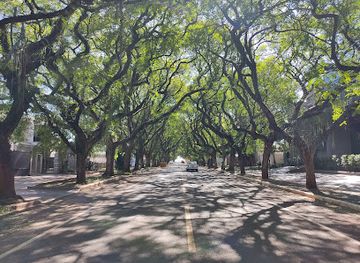
A Rua mais bonita de Foz
Experience the charm of Foz do Iguaçu's most beautiful street, a vibrant avenue with lush greenery, local shops, and a welcoming atmosphere.
19 min walk · 1.5 km from neighbourhood centre
-
Tourist attraction
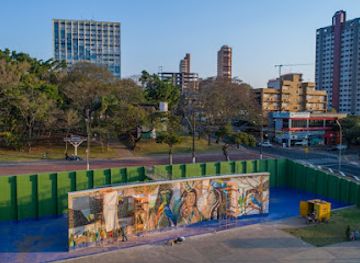
Mural lenda das cataratas
Discover the vibrant Mural Lenda das Cataratas in Foz do Iguaçu's Praça da Paz, a colorful tribute to the legend of the Iguaçu Falls.
17 min walk · 1.4 km from neighbourhood centre


Explore Vila A on the map
A handpicked selection of must-see spots in Vila A, mapped for you.
Best hotels in Vila A
Best restaurants in Vila A
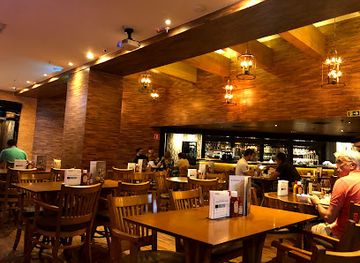
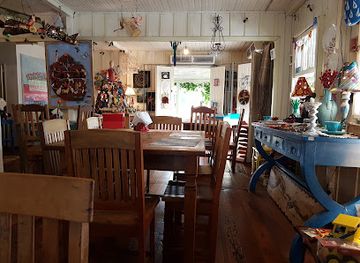
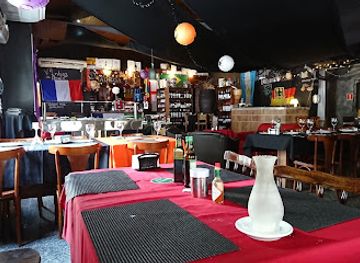
Vila A has a practical, locally oriented dining scene rather than a concentrated restaurant strip designed for visitors. Along its main avenues and commercial streets, visitors are likely to encounter bakeries, snack bars, self-service restaurants, cafés, pizzerias and casual Brazilian eateries serving the everyday meals associated with a large residential district. Rice, beans, grilled meats, salgados and fresh juices are common reference points in this style of dining, while the city’s border setting means that menus across Foz do Iguaçu may also reflect wider regional and South American influences. The neighbourhood’s connection with Itaipu has brought workers, families and service businesses into the same urban environment, but it should not be presented as a specialist culinary quarter. For a broader selection of destination dining, visitors usually look towards other parts of Foz do Iguaçu, returning to Vila A for convenient local meals and morning bakery stops.
-
Italian
La Mafia Tratoria
Experience authentic Italian cuisine at La Mafia Trattoria in Foz do Iguaçu – where every meal is a celebration of flavor.
16 min walk · 1.3 km from neighbourhood centre
-
Restaurant
Madero Steak House Foz do Iguaçu
Indulge in delicious American cuisine at Madero Steak House Foz do Iguaçu - where quality meets flavor in every bite.
15 min walk · 1.2 km from neighbourhood centre
-
Bistro
Empório com Arte
Discover Empório com Arte in Foz do Iguaçu - where culinary delights meet artistic ambiance for an unforgettable dining experience.
7 min drive · 2.3 km from neighbourhood centre
-
Italian
La Strega
Experience authentic Italian flavors and innovative vegan dishes at La Strega in Foz do Iguaçu's vibrant dining scene.
7 min drive · 2.4 km from neighbourhood centre
Best bars in Vila A
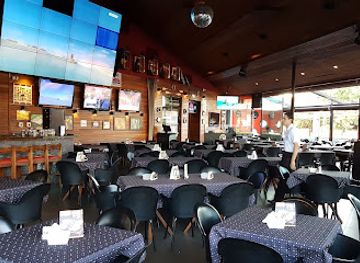
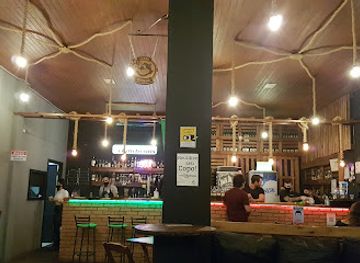
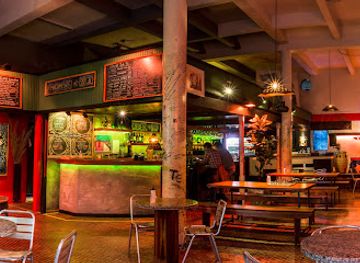
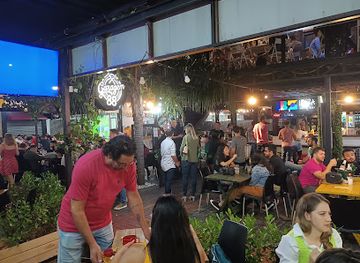
Nightlife in Vila A is modest and primarily local, reflecting the neighbourhood’s residential purpose. Evenings are more likely to centre on casual bars, neighbourhood cafés, snack counters and restaurants along the principal commercial roads than on a dedicated club district. These places serve as informal meeting points for residents and may offer televised sport, cold drinks and simple food, but specific opening hours and entertainment programmes vary. The district does not have the concentrated late-night identity associated with Foz do Iguaçu’s central entertainment areas, and visitors should not assume that a broad avenue leads to a continuous sequence of bars. Those seeking organised live music, nightclubs or a wider choice of evening venues generally need to travel elsewhere in the city. In Vila A, the more characteristic after-dark experience is the ordinary rhythm of a settled Brazilian neighbourhood, with quieter residential streets away from the commercial corridors.
-
Bar
Capitão Bar - Restaurante Foz
Experience the vibrant flavors of Brazil at Capitão Bar, Foz do Iguaçu's premier destination for food, drinks, and entertainment.
5 min drive · 1.6 km from neighbourhood centre
-
Live music bar
Zeppelin Old Bar
Discover the lively atmosphere of Zeppelin Old Bar in Foz do Iguaçu, where live music and delicious tapas create unforgettable nights out.
7 min drive · 2.2 km from neighbourhood centre
-
Bar
Sudacas Bar
Discover the vibrant nightlife at Sudacas Bar in Foz do Iguaçu, where great drinks and a lively atmosphere await every visitor.
5 min walk · 0.4 km from neighbourhood centre
-
Cocktail bar
Ibiza deck bar
Experience Ibiza Deck Bar in Foz do Iguaçu, a cocktail haven with stunning views, crafted drinks, and a vibrant atmosphere perfect for nightlife lovers.
5 min drive · 1.6 km from neighbourhood centre
Best nightclubs in Vila A
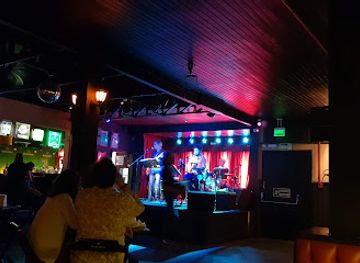
Nightlife in Vila A is modest and primarily local, reflecting the neighbourhood’s residential purpose. Evenings are more likely to centre on casual bars, neighbourhood cafés, snack counters and restaurants along the principal commercial roads than on a dedicated club district. These places serve as informal meeting points for residents and may offer televised sport, cold drinks and simple food, but specific opening hours and entertainment programmes vary. The district does not have the concentrated late-night identity associated with Foz do Iguaçu’s central entertainment areas, and visitors should not assume that a broad avenue leads to a continuous sequence of bars. Those seeking organised live music, nightclubs or a wider choice of evening venues generally need to travel elsewhere in the city. In Vila A, the more characteristic after-dark experience is the ordinary rhythm of a settled Brazilian neighbourhood, with quieter residential streets away from the commercial corridors.
-
Live music bar
Zeppelin Old Bar
Dive into the lively atmosphere of Zeppelin Old Bar, where live music and delicious tapas create unforgettable nightlife experiences in Foz do Iguaçu.
7 min drive · 2.2 km from neighbourhood centre
-
Disco club
Purple Club - Balada e Bar
Discover the electrifying nightlife of Foz do Iguaçu at Purple Club - Balada e Bar, where music, dance, and excitement come together.
5 min walk · 0.4 km from neighbourhood centre
-
Night club
Looby Foz
Discover the pulse of Foz do Iguaçu's nightlife at Looby Foz, where exceptional cocktails and electrifying music create unforgettable nights.
18 min walk · 1.4 km from neighbourhood centre
-
Night club
Roda Viva Night Club
Discover the vibrant nightlife of Foz do Iguaçu at Roda Viva Night Club, where music, dancing, and a lively atmosphere await you.
9 min walk · 0.7 km from neighbourhood centre


Best shops in Vila A
Shopping in Vila A is centred on everyday local commerce rather than on a major visitor market or a specialised retail street. The main avenues and their surrounding blocks provide supermarkets, pharmacies, bakeries, clothing and footwear shops, mobile-phone businesses, household retailers and small independent services used by residents. This pattern makes the district useful for practical supplies and for observing how a planned neighbourhood functions after the project that shaped it has become part of the city’s permanent infrastructure. Visitors should not expect the craft markets, souvenir concentration or large shopping complexes associated with other parts of Foz do Iguaçu. Small food shops and bakeries are the most accessible way to encounter local purchasing habits, while broader retail choice is available elsewhere in the municipality. Because individual businesses and stock change, checking current local information is sensible before seeking a particular product.
-
Shopping mall
Cataratas JL Shopping
Discover the ultimate shopping experience at Cataratas JL Shopping, where fashion, dining, and entertainment meet in Foz do Iguaçu.
14 min walk · 1.1 km from neighbourhood centre
-
Gift shop
Kapadokya
Discover the charm of Kapadokya in Foz do Iguaçu, where unique gifts and local treasures await every traveler.
5 min drive · 1.6 km from neighbourhood centre
-
Duty free store
Liberty Duty Free
Shop a wide array of exclusive products at Liberty Duty Free in Foz do Iguaçu, where luxury meets affordability in a vibrant shopping atmosphere.
15 min walk · 1.2 km from neighbourhood centre



Vila A essentials
Getting There
Getting Around
Safety
Emergency Situations
Do's and Don'ts
Local Tips

From Eve
Local phrases worth knowing
You don't need to get them perfect. A few words go a long way, and locals appreciate the effort.
Basics
| English | Local | Say it |
|---|---|---|
| Hello | Olá | [oh-LAH] |
| Goodbye | Tchau | [chow] |
| Yes | Sim | [seem] |
| No | Não | [now] |
| Please/You're welcome | Por favor | [pohr fah-VOHR] |
| Thank you | Obrigado/Obrigada | [oh-bree-GAH-doh/oh-bree-GAH-dah] |
| Excuse me/Sorry | Com licença/Desculpe | [kohm lee-SEHN-sah/dehs-KOOL-peh] |
| How are you? | Como você está? | [KOH-moh VOH-seh ehss-TAH] |
| Fine. And you? | Bem. E você? | [behn eh voh-SEH] |
| Do you speak English? | Você fala inglês? | [voh-seh FAH-lah een-GLEHSS] |
| I don't understand | Eu não entendo | [eh-oo now ehn-TEHN-doh] |
Eating & Drinking
| English | Local | Say it |
|---|---|---|
| I'd like to see the menu, please | Eu gostaria de ver o cardápio, por favor | [eh-oo gohs-TAH-ree-ah deh vehr oh kahr-DAH-pyoh pohr fah-VOHR] |
| I don't eat meat | Eu não como carne | [eh-oo now KOH-moh KAHR-neh] |
| Cheers! | Saúde! | [sow-OOH-jee] |
| I would like to pay, please | Eu gostaria de pagar, por favor | [eh-oo gohs-TAH-ree-ah deh pah-GAHR pohr fah-VOHR] |
Emergencies
| English | Local | Say it |
|---|---|---|
| Help! | Socorro! | [soh-KOH-roh] |
| Go away! | Vá embora! | [vah ehm-BOH-rah] |
| Call the Police! | Chame a polícia! | [SHAH-meh ah poh-LEE-see-ah] |
| Call a doctor! | Chame um médico! | [SHAH-meh oong MEH-dee-koh] |
| I'm lost | Estou perdido | [ehs-TOH pehr-DEE-doh] |
| I'm ill | Estou doente | [ehs-TOH doo-EN-teh] |
Shopping
| English | Local | Say it |
|---|---|---|
| I'd like to buy... | Eu gostaria de comprar... | [eh-oo gohs-TAH-ree-ah deh kohm-PRAR] |
| I'm just looking | Eu só estou olhando | [eh-oo soh ehss-TOH oh-LYAHN-doh] |
| How much is it? | Quanto custa? | [KWAHN-toh KOOS-tah] |
| That's too expensive | Isso é muito caro | [EE-so eh MUY-toh KAH-roh] |
| Can you lower the price? | Você pode baixar o preço? | [voh-seh POH-deh BAHY-shar oh PREH-so] |
Time & Numbers
| English | Local | Say it |
|---|---|---|
| What time is it? | Que horas são? | [keh OH-rahss sah-oh?] |
| It's one o'clock | É uma hora | [eh OO-mah OH-rah] |
| Half past (10) | Dez e meia | [dehz ee MAY-ah] |
| Morning | Manhã | [mahn-YAH] |
| Afternoon | Tarde | [TAHR-dee] |
| Evening | Noite | [NOY-chee] |
| Yesterday | Ontem | [ohn-TEHM] |
| Today | Hoje | [OH-zheh] |
| Tomorrow | Amanhã | [ah-mahn-YAH] |
| 1 | Um | [oom] |
| 2 | Dois | [doh-eeSS] |
| 3 | Três | [trehSS] |
| 4 | Quatro | [KWAH-troh] |
| 5 | Cinco | [SEEN-koh] |
| 6 | Seis | [saySS] |
| 7 | Sete | [SEH-teh] |
| 8 | Oito | [oy-TOH] |
| 9 | Nove | [NOH-veh] |
| 10 | Dez | [dehz] |
Transport & Directions
| English | Local | Say it |
|---|---|---|
| Where's a/the...? | Onde é o/a...? | [OHN-deh eh oh/ah] |
| What's the address? | Qual é o endereço? | [kwahL eh oh ehn-DEH-reh-soh] |
| Can you show me (on the map)? | Você pode me mostrar (no mapa)? | [voh-seh POH-deh meh mohs-TRAHR (noo MAH-pah)] |
| When's the next (bus)? | Quando é o próximo (ônibus)? | [KWAHN-doh eh oh PROH-ksee-moh (OH-nee-boos)] |
| A ticket (to ....) | Um bilhete (para ....) | [oom bee-LYEH-teh (PAH-rah)] |
History of Vila A
Before the Itaipu Settlement
Before Vila A took shape, the northern edge of Foz do Iguaçu was part of a much less urbanised landscape associated with rural land, forest remnants and the expanding municipality’s outer areas. The city itself had long been connected to frontier commerce, border movement and river geography, but this part of the urban area did not yet possess the planned streets and concentrated housing that later defined it. Its transformation came with the decision to build Itaipu on the Paraná River during the 1970s, when the scale of the project required new residential and service infrastructure rather than relying solely on the existing urban centre.
Building Vila A for Itaipu
Vila A was developed during the construction of Itaipu as one of the planned residential areas associated with the project, alongside the settlements commonly identified as Vila B and Vila C. The lettered designations reflected a systematic approach to housing workers and organising facilities according to the needs of the enormous construction workforce and its supporting administration. Broad roads, planned housing, schools and local commercial services helped create a self-contained district at a time when Foz do Iguaçu was expanding rapidly. The neighbourhood therefore belongs to the social and architectural history of Itaipu as much as to the ordinary development of the city.
From Work Camp to Permanent District
As construction advanced and Itaipu entered operation in the 1980s, Vila A changed from a settlement closely tied to a temporary construction economy into a permanent urban neighbourhood. Some residents remained connected to the hydroelectric complex, while others participated in the wider economy of Foz do Iguaçu. Housing, schools, health services and commercial premises gave the district a lasting civic structure, and its streets became part of the everyday city rather than an enclosed project camp. The neighbourhood’s spacious layout and institutional presence still reflect the planning assumptions of the Itaipu period.
A Northern Urban Corridor
In the decades after Itaipu’s completion, Vila A was absorbed into the broader urban fabric of Foz do Iguaçu while retaining its association with the hydroelectric project. Growth along connecting avenues brought more shops, services and traffic, and the northern part of the municipality became increasingly linked to tourism, technology, health care and environmental attractions. Institutions such as the Museu de Itaipu and the Parque Tecnológico Itaipu belong to this wider northern landscape, even when they are not immediately within every commonly understood part of Vila A. Today the district is best understood as a mature residential area shaped by infrastructure-led urbanisation.
Vila A in Photos
Browse through our photo collection highlighting the charm and character of the destination.
Neighbourhoods near Vila A
The closest neighbourhoods to Vila A, if you have time for more than one stop.
-

-

-

-


Swipe for more neighbourhoods
Explore more

Explore more of Foz do Iguaçu
Foz do Iguaçu combines Brazil’s spectacular waterfalls, Atlantic Forest, Itaipu Dam and triple-frontier culture for memorable sightseeing and local experiences.
Explore Foz do Iguaçu