Best Attractions Near Cais do Valongo (Rio de Janeiro)
Planning a trip to Cais do Valongo? Discover the best attractions nearby with history, expert tips, and routes. Free on web or the Evendo app.


The best attractions near Cais do Valongo
- Top rated
- Closest to Cais do Valongo
- A–Z
86 attractions
-
Stadium4.7★108,608 reviews
Maracanã
The Maracanã Stadium, officially Estádio Jornalista Mário Filho, is an iconic football stadium in Rio de Janeiro, Brazil. Opened in 1950, it has witnessed historic moments in football history, including World Cup finals and Pelé's 1,000th career goal, solidifying its place as a must-visit landmark for sports enthusiasts and tourists alike.
-
Tourist attraction4.7★97,285 reviews
Museu do Amanhã
The Museu do Amanhã (Museum of Tomorrow) is a science museum in Rio de Janeiro, Brazil, designed by Santiago Calatrava. Located on Pier Mauá, it explores the possibilities for building a sustainable future through interactive exhibits and innovative design.
Tue–Sun 10:00–18:00
-
Tourist attraction4.6★83,741 reviews
Escadaria Selarón
The Escadaria Selarón, also known as the 'Lapa Steps,' is a vibrant and ever-evolving public artwork in Rio de Janeiro, created by Chilean artist Jorge Selarón. This iconic staircase, adorned with thousands of tiles from around the world, connects the Lapa and Santa Teresa neighborhoods, offering a unique glimpse into the city's artistic heart.
Open 24 hours
-
Aquarium4.6★80,256 reviews
AquaRio
AquaRio, the Marine Aquarium of Rio de Janeiro, is South America's largest, home to over 3,000 animals from 350 different species. Explore diverse marine ecosystems and get up close with sharks, rays, and a variety of fish in this immersive underwater experience.
Daily 9:00–17:00
-
Cultural center4.8★43,918 reviews
Centro Cultural Banco do Brasil (CCBB)
The Centro Cultural Banco do Brasil (CCBB) in Rio de Janeiro is a cultural center housed in a beautifully restored neoclassical building. It offers a diverse range of attractions, including art exhibitions, film screenings, theater performances, and a library, making it a must-visit destination for art and culture enthusiasts.
Mon 9:00–20:00 · Wed–Sun 9:00–20:00
-
City park4.6★41,982 reviews
Quinta da Boa Vista
Quinta da Boa Vista is a historically significant public park in Rio de Janeiro, once the gardens of the São Cristóvão Palace, residence of Brazil's emperors in the 19th century. Today, it offers green spaces, lakes, and attractions like the National Museum and the Rio de Janeiro Zoo.
Daily 5:00–19:00
-
Tourist attraction4.2★43,506 reviews
BioPark of Rio
The BioParque do Rio, which opened in 2021, is a biodiversity conservation center that replaced Rio de Janeiro's old zoo. Located in the Quinta da Boa Vista, the BioParque focuses on animal well-being, research, and environmental education, offering visitors a chance to see over 1,000 animals of 140 different species in reimagined habitats.
Wed–Sun 9:00–17:00
-
Park4.7★28,222 reviews
Parque Brig. Eduardo Gomes (Aterro do Flamengo)
Parque Brig. Eduardo Gomes, also known as Aterro do Flamengo, is a large urban park in Rio de Janeiro offering a green space with views of Guanabara Bay. Designed by Burle Marx, it features gardens, sports fields, and walking and biking paths, making it popular for recreation and cultural activities.
-
Sambodrome4.5★26,331 reviews
Sambadrome Marquês de Sapucaí
The Sambadrome Marquês de Sapucaí is a purpose-built parade area in Rio de Janeiro, designed by the renowned architect Oscar Niemeyer, to host the annual samba school parades during Carnival. Outside of Carnival, the venue is used for concerts and other events.
-
Stadium4.5★23,799 reviews
São Januário Stadium
São Januário Stadium, officially Estádio Vasco da Gama, is a historic football stadium in Rio de Janeiro. Home to Club de Regatas Vasco da Gama, it's nicknamed 'Gigante da Colina' (Giant of the Hill). Built in 1927, it was once the largest stadium in South America and holds significant cultural and political importance in Brazil.


Catedral Metropolitana de São Sebastião do Rio de Janeiro
The Catedral Metropolitana de São Sebastião, also known as the Metropolitan Cathedral of Rio de Janeiro, is a striking modern cathedral in downtown Rio. Its unique conical shape, inspired by Mayan pyramids, sets it apart from traditional churches and makes it a must-see architectural landmark.

Ponte Pres. Costa e Silva (Rio-Niterói)
The Ponte Presidente Costa e Silva, better known as the Rio-Niterói Bridge, is a vital link connecting Rio de Janeiro and Niterói, offering stunning views of Guanabara Bay and Sugarloaf Mountain. Completed in 1974, it's one of the longest bridges in the Southern Hemisphere and a symbol of Brazil's engineering prowess.
Open 24 hours

Municipal Theater of Rio de Janeiro
Inspired by the Paris Opéra, the Municipal Theater of Rio de Janeiro is a stunning example of early 20th-century architecture and a vibrant center for the performing arts. Located in the heart of Cinelândia, it hosts a variety of performances, from classical operas to modern dance.

Arcos da Lapa | Aqueduto da Carioca
The Arcos da Lapa, also known as the Carioca Aqueduct, is an iconic landmark in Rio de Janeiro's Lapa neighborhood. Built in the 18th century to supply fresh water to the city, it now serves as a historic monument and a stunning backdrop for Lapa's vibrant nightlife.

Centro Luiz Gonzaga de Tradições Nordestinas
The Centro Luiz Gonzaga de Tradições Nordestinas, also known as Feira de São Cristóvão, is a vibrant cultural center in Rio de Janeiro that celebrates the traditions of Northeastern Brazil. Named after the legendary musician Luiz Gonzaga, this lively fair offers a taste of the Northeast with its music, food, dance, and crafts.

Rio Museum of Art
The Rio Museum of Art (Museu de Arte do Rio - MAR) in Praça Mauá is dedicated to art and visual culture, offering a cross-reading of Rio's history and social fabric. It unites historical and contemporary art through national and international exhibitions.
Tue–Sun 11:00–17:00

Marina da Glória
Marina da Glória, located in the Glória neighborhood of Rio de Janeiro, is a vibrant marina offering stunning views of Guanabara Bay and Sugarloaf Mountain. Renovated for the 2016 Summer Olympics where it hosted the sailing events, it now features restaurants, event spaces, and serves as a departure point for boat tours.
Mon–Sat 8:00–23:00 · Sun 8:00–21:00

Museu da República (Palácio do Catete)
Housed in the former Palácio do Catete, the Museu da República in Rio de Janeiro offers a fascinating journey through Brazil's republican past. Explore the opulent rooms, historical artifacts, and beautiful gardens of this former presidential palace.
Tue–Fri 10:00–17:00 · Sat–Sun 11:00–17:00

Museu de Arte Moderna do Rio de Janeiro
The Museu de Arte Moderna do Rio de Janeiro (MAM Rio) is dedicated to vanguard and experimental art. Founded in 1948, its iconic building, designed by Affonso Eduardo Reidy, is a landmark of Brazilian modern architecture set within the Flamengo Park. The museum boasts a significant collection of modern and contemporary art from Brazil and abroad.
Wed–Sat 10:00–17:30 · Sun 11:00–17:30

Pedra do Sal
Pedra do Sal, or "Rock of Salt," is a historical and culturally significant landmark in Rio de Janeiro's Saúde neighborhood. Once a site for salt trade and a refuge for freed slaves, it is now known as the birthplace of Samba and a vibrant center for Afro-Brazilian culture.
Open 24 hours

Igreja de Nossa Senhora da Candelária
The Igreja de Nossa Senhora da Candelária, a Catholic church in Rio de Janeiro's city center, is a historical and architectural landmark. Its construction, spanning from the 17th to the 19th centuries, blends Baroque, Renaissance, and Neoclassical styles, making it a significant religious and cultural monument.

Etnias - Mural de Graffiti (Estúdio Kobra)
The Etnias Mural, a vibrant masterpiece by Eduardo Kobra, stands as a symbol of unity and cultural diversity in Rio de Janeiro's revitalized port area. Depicting indigenous faces from five continents, this large-scale artwork captivates visitors with its bold colors and intricate details.
Open 24 hours

Parque das Ruínas
Parque das Ruínas is a hidden gem in Santa Teresa, offering stunning views, cultural events, and a tranquil atmosphere perfect for tourists seeking relaxation and inspiration.
Tue–Sun 9:00–18:00

Rio Star
The Rio Star, an 88-meter-tall Ferris wheel in the Porto Maravilha district, offers breathtaking panoramic views of Rio de Janeiro's iconic landmarks. Opened in 2019, it provides a unique perspective of the city, including Sugar Loaf, Christ the Redeemer, and Guanabara Bay.

Praça Mauá
Praça Mauá, located in Rio de Janeiro's Centro district, is a vibrant public square that blends historical significance with modern attractions. Revitalized as part of the Porto Maravilha project, it's surrounded by iconic buildings like the Museum of Tomorrow and the Rio Art Museum (MAR), offering a dynamic space for locals and tourists alike.
Open 24 hours

Parque Eduardo Guinle
Parque Eduardo Guinle, nestled in the Laranjeiras neighborhood of Rio de Janeiro, is a historic park offering a serene escape from the bustling city. Originally part of the estate of industrialist Eduardo Guinle, the park features lush gardens, walking paths, and a duck pond, providing a glimpse into the grandeur of early 20th-century Brazilian aristocracy.
Open 24 hours

Station of Santa Teresa trams
The Santa Teresa Tram Station, located in downtown Rio de Janeiro, is the starting point for a scenic journey through the historic and artistic Santa Teresa neighborhood. This iconic yellow tram, or 'Bonde,' offers stunning views, colonial architecture, and a glimpse into Rio's bohemian culture.

Rio Scenarium
Rio Scenarium is a unique and vibrant nightclub in Rio de Janeiro's Lapa neighborhood, housed in a beautifully restored 19th-century mansion filled with antiques and film props. It offers an immersive experience of Brazilian music and culture, with live samba, gafieira, and other genres performed across its three floors.

Museu Histórico Nacional
The Museu Histórico Nacional in Rio de Janeiro offers a deep dive into Brazil's past, from colonial times to the Republic, through an extensive collection of artifacts and exhibits housed in a historic colonial-era building.

Samba City
Samba City (Cidade do Samba) is a complex where major samba schools prepare for Rio's Carnival. Visitors can witness the craftsmanship, learn about the history of samba, and even participate in workshops.

Museu Nacional de Belas Artes
The Museu Nacional de Belas Artes (MNBA) in Rio de Janeiro is Brazil's most important art museum, with a vast collection spanning from the Middle Ages to contemporary works. It's particularly rich in 19th-century Brazilian paintings and sculptures, offering a deep dive into the nation's cultural identity. Housed in a stunning 1908 neoclassical building, the museum is a feast for the eyes both inside and out.

Paço Imperial
The Paço Imperial, formerly the Royal Palace of Rio de Janeiro, is a historical building in the city center. Built in the 18th century, it served as a residence for governors and later the Portuguese Royal Family, playing a key role in Brazil's transition from colony to empire. Today, it functions as a cultural center hosting art exhibitions and events.
Mon–Fri 11:00–18:00 · Sat–Sun 12:00–18:00

Parque das Crianças
Parque das Crianças is a charming park nestled in the heart of Flamengo, Rio de Janeiro, designed specifically for families and children. This urban oasis features vast green areas, vibrant playgrounds, and numerous recreational facilities, making it an ideal destination for tourists looking to unwind and enjoy outdoor activities.
Daily 8:00–18:00

Praça XV de Novembro
Praça XV de Novembro, also known as Praça XV, is a historic public square in Rio de Janeiro's Centro neighborhood. Dating back to the 16th century, this lively plaza has been a focal point of Brazilian history and culture. Surrounded by colonial architecture, it offers visitors a glimpse into Rio's rich past, with vibrant street life and cultural events adding to its charm.
Open 24 hours

Bar Carioca da Gema
Bar Carioca da Gema is a vibrant cocktail bar and live music venue in Rio de Janeiro's Lapa neighborhood, known for its authentic Brazilian music, lively atmosphere, and delicious cocktails. Since 2000, it has been a cultural hub, attracting locals and tourists alike with its samba and chorinho rhythms.

Royal Portuguese Reading Room
The Royal Portuguese Reading Room in Rio de Janeiro is a stunning library founded in 1837 by Portuguese immigrants. Housing over 350,000 volumes, it boasts a magnificent Neo-Manueline architectural style, making it a cultural treasure and one of the world's most beautiful libraries.
Mon–Wed 10:00–17:00 · Fri 10:00–17:00

Passeio Público
Passeio Público, inaugurated in 1783, is Brazil's oldest public park, designed by Mestre Valentim. Located in downtown Rio, it offers a serene escape with tree-lined alleys, fountains, and historical significance.
Mon–Fri 8:00–16:00 · Sun 8:00–16:00

Leviano Bar
Leviano Bar, located in the heart of Lapa, Rio de Janeiro, is a vibrant nightlife destination known for its live samba music, delicious cocktails, and lively atmosphere. Housed in a beautifully restored mansion, the bar offers an authentic Brazilian experience for locals and tourists alike.
Wed–Sun 18:00–4:00

Parish Church of Our Lady of Glory
The Parish Church of Our Lady of Glory, located in the Catete neighborhood of Rio de Janeiro, is a beautiful Catholic church with a rich history and stunning architecture. Known locally as Nossa Senhora da Glória, it stands as a testament to Portuguese colonial influence and is a must-see for visitors seeking cultural and historical experiences.

Centro Cultural Luiz Severiano Ribeiro
The Centro Cultural Luiz Severiano Ribeiro, also known as Cine Odeon, is a historic cinema located in Praça Floriano, Rio de Janeiro. Opened in 1926, it's one of the last remaining traditional movie theaters in the Cinelândia district, hosting film festivals, cultural events, and more.

Mosteiro de São Bento
The Mosteiro de São Bento (Monastery of St. Benedict) in Rio de Janeiro is a stunning architectural complex, famed for its ornate golden interior and rich history dating back to 1590. A serene escape from the bustling city, it offers visitors a glimpse into Brazil's colonial past and the enduring power of faith.
Daily 6:30–18:30

Pier Mauá
Pier Mauá, located in Rio de Janeiro's revitalized port area, is a vibrant hub that blends maritime history with modern attractions. It serves as a cruise terminal, event space, and cultural center, offering stunning views of Guanabara Bay and the Sugarloaf Mountain.
Mon–Fri 9:00–17:00

Federal Justice Cultural Center
Housed in a stunning early 20th-century neoclassical building that once served as the Supreme Federal Court, the Federal Justice Cultural Center in Rio de Janeiro now hosts diverse art exhibitions, performances, and cultural events. Its architecture alone is worth a visit, with towering columns and detailed interiors.
Tue–Sun 11:00–19:00

Cais do Valongo
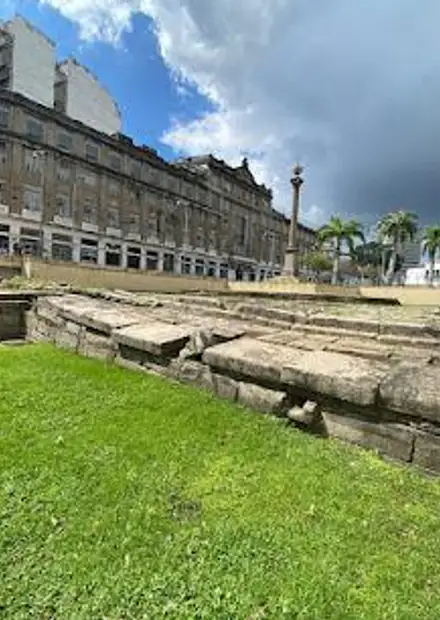
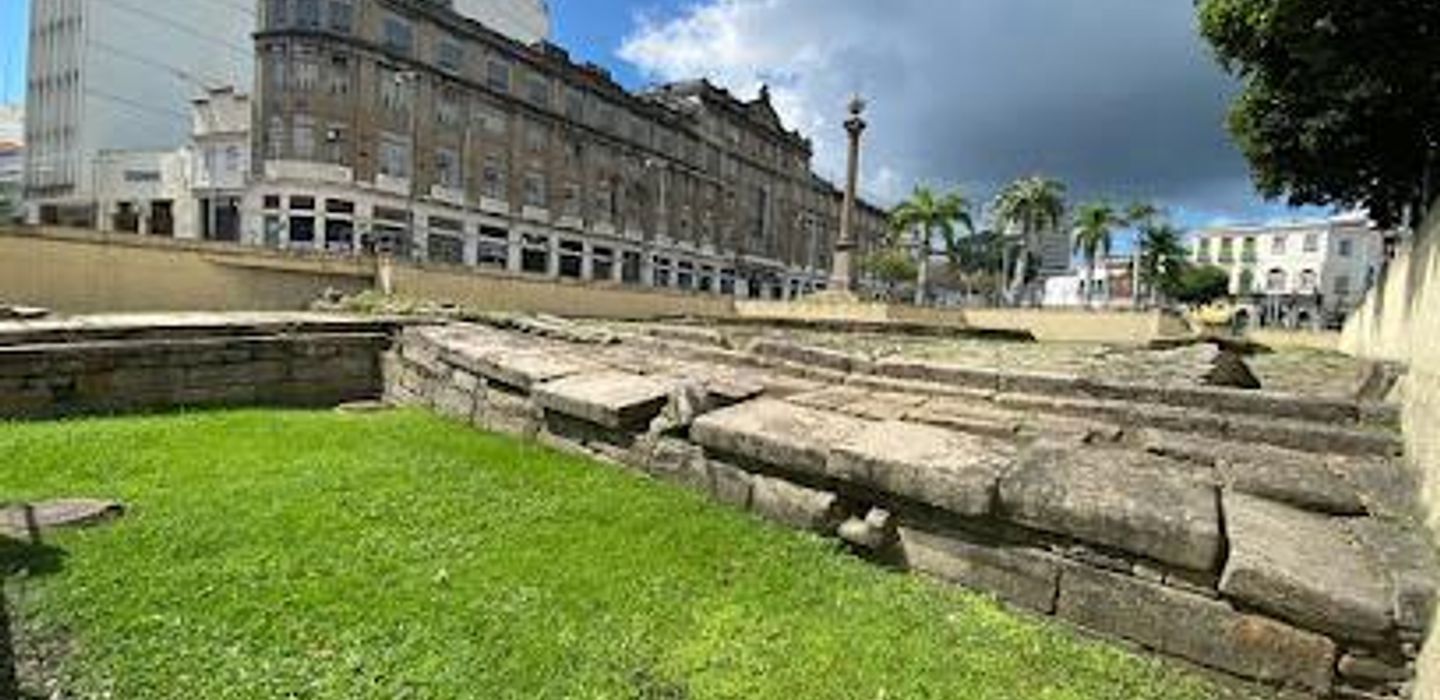
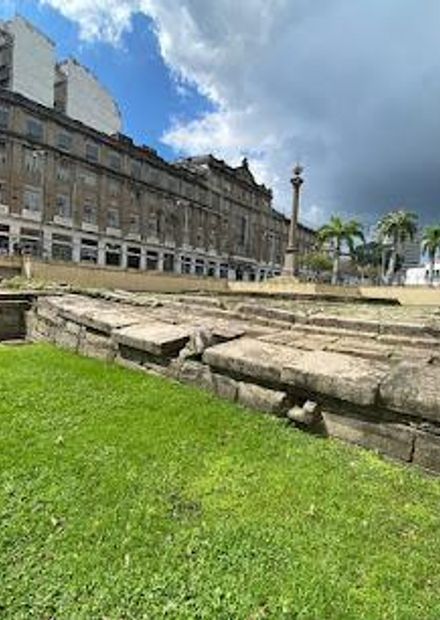
Cais do Valongo, located in Rio de Janeiro, is a former dock and UNESCO World Heritage Site that stands as a poignant memorial to the transatlantic slave trade. From 1811 to 1831, it served as the primary entry point for an estimated 500,000 to one million enslaved Africans arriving in Brazil. Today, the site offers visitors a chance to reflect on this dark chapter in history and the enduring legacy of the African diaspora.
Mon–Thu open 24 hours · Sat–Sun open 24 hours

Casa França-Brasil
Casa França-Brasil, located in Rio de Janeiro's Centro, is a neoclassical building dating back to 1820. Originally designed as a commercial center, it has served various purposes throughout its history and now functions as a cultural center hosting exhibitions and events.
Tue–Sun 10:00–17:00

Largo do Curvelo
Largo do Curvelo is a charming square in the Santa Teresa neighborhood of Rio de Janeiro, known for its artistic atmosphere and cultural events. With street art, cafes, and colonial architecture, it's a relaxing escape from the city's bustle.
Open 24 hours

Teatro Carlos Gomes
The Teatro Carlos Gomes, situated in the heart of Rio de Janeiro on Praça Tiradentes, is a traditional theater with a rich history. Originally established in 1872 as the Theatro Casino Franco-Brésilien, it has been rebuilt in Art Deco style after fires and continues to be a cultural landmark.

Igreja Nossa Senhora do Carmo da Antiga Sé
The Igreja Nossa Senhora do Carmo da Antiga Sé, located in Rio de Janeiro's Centro district, is a beautifully restored church that played a significant role in Brazil's imperial history. Once the city's cathedral, it witnessed royal coronations, weddings, and baptisms, and boasts a stunning Rococo interior.

Jardins do Museu da República
Escape the urban bustle in the serene gardens of the Museu da República. These meticulously landscaped gardens offer a blend of nature, art, and history, providing a peaceful retreat in the heart of Rio de Janeiro's Flamengo neighborhood. Wander through lush greenery, discover sculptures, and relax in this tranquil oasis.
Daily 8:00–18:00

Institute of Research and New Black Memory
The Institute of Research and New Black Memory (IPN) in Rio de Janeiro's Gamboa neighborhood is dedicated to researching, documenting, and promoting the history and contributions of Black individuals and communities throughout Brazil. It serves as both a museum and a graduate school, offering visitors a deeper understanding of Afro-Brazilian history and culture.
Tue–Fri 10:00–16:00 · Sat 10:00–13:00

Fundação Biblioteca Nacional
The Fundação Biblioteca Nacional (National Library Foundation) in Rio de Janeiro is one of the largest libraries in the world and the largest in Latin America. It holds Brazil's bibliographic and documentary heritage, with a collection that started with the Portuguese Royal Library.
Mon–Fri 10:00–16:30

Rio By Foot
Praça Floriano, also known as Cinelândia, is a vibrant square in Rio de Janeiro's Centro district. Named after President Floriano Peixoto, it's surrounded by historical buildings and cultural landmarks, offering a glimpse into Brazil's rich history and artistic heritage.
Daily 9:00–17:00

Centro Cultural Correios
Housed in a grand, early 20th-century building in Rio de Janeiro's Centro, the Centro Cultural Correios (Post Office Cultural Center) hosts diverse art exhibitions, performances, and cultural events. Its architecture, complete with a vintage elevator, adds to its charm.
Tue–Sat 12:00–19:00

Café Cultural Sacrilégio - Lapa
Café Cultural Sacrilégio is a vibrant cultural hub in the heart of Lapa, Rio de Janeiro, known for its live samba music, Brazilian cuisine, and lively atmosphere. Housed in a historic building, it offers an immersive experience of Rio's nightlife and cultural scene.
Tue–Fri 19:00–4:00 · Sat 20:00–4:00

Convento de Santo Antônio
The Convento de Santo Antônio, located on Santo Antônio Hill overlooking Largo da Carioca, is one of Rio de Janeiro's oldest and most significant colonial landmarks. This Catholic monastery, dating back to 1608, offers visitors a glimpse into Brazil's rich history and architectural heritage.
Mon–Fri 9:00–19:00

Mirante do Rato Molhado
Mirante do Rato Molhado, or 'Wet Rat Lookout,' is a lesser-known scenic viewpoint in the charming Santa Teresa neighborhood of Rio de Janeiro. Situated in Praça Napoleão Muniz Freire, it offers stunning panoramic views of Guanabara Bay, Santos Dumont Airport, and the Glória district.
Open 24 hours

Largo dos Guimarães
Largo dos Guimarães is the vibrant heart of Santa Teresa, Rio de Janeiro's artistic district. This lively square is known for its colonial architecture, art galleries, restaurants, and bohemian atmosphere, making it a must-visit cultural hub.

Museu Sacro Franciscano
The Museu Sacro Franciscano, nestled in Rio de Janeiro's Centro district, is a captivating museum of sacred art housed within a former Franciscan convent. It showcases a rich collection of religious paintings, sculptures, and liturgical objects, offering a glimpse into Brazil's colonial religious devotion and cultural heritage.
Mon–Fri 9:00–15:00

Democratic Club
The Democratic Club, located in the heart of Rio de Janeiro's vibrant Lapa neighborhood, is a historic dance club and live music venue. Founded in 1867, it offers an eclectic mix of entertainment that showcases the rich cultural tapestry of the region, particularly samba and forró music.
Sat–Sun 10:00–17:00

Museu da Chácara do Céu
Nestled in the Santa Teresa neighborhood, the Museu da Chácara do Céu is an art museum housed in a former mansion with panoramic city views. The museum features a diverse collection of art, furniture, and rare books, offering a glimpse into Brazilian culture and history.
Mon 12:00–17:00 · Wed–Sun 12:00–17:00

Municipal Cultural Center Laurinda Santos Lobo
Housed in a 1907 mansion in Santa Teresa, the Laurinda Santos Lobo Municipal Cultural Center is a vibrant space for art exhibitions, workshops, and performances. Once a gathering place for intellectuals and artists, it continues to foster local talent and celebrate the legacy of its namesake, a patron of the arts.

Ilha Fiscal
Nestled in the heart of Guanabara Bay, Ilha Fiscal is a picturesque island famed for its stunning architecture, rich history, and breathtaking views of Rio de Janeiro. This hidden gem offers visitors a chance to explore its neoclassical palace and enjoy the serene surroundings while being just a stone's throw away from the vibrant city life.

Boulevard Olímpico
The Boulevard Olímpico, located in Rio de Janeiro's Centro neighborhood, is a revitalized waterfront area that was a key venue during the 2016 Summer Olympics. It has since become a vibrant cultural hub and popular gathering place, featuring attractions like the Museum of Tomorrow, AquaRio, and the Etnias mural by Eduardo Kobra.
Daily 9:00–17:00

Palácio das Laranjeiras
Palácio das Laranjeiras, the official residence of the Governor of Rio de Janeiro, is a stunning example of early 20th-century architecture. Built between 1909 and 1913, this palace offers visitors a journey through the state and country's history, showcasing lavish interiors and beautiful gardens.
Mon–Fri 9:00–17:00

Benjamin Constant House Museum
Explore the former residence of Benjamin Constant, a key figure in the proclamation of the Brazilian Republic, in the charming Santa Teresa neighborhood of Rio de Janeiro. The museum offers a journey back in time with its well-preserved architecture, historical collections, and tranquil gardens.
Tue–Fri 10:00–17:00 · Sat–Sun 13:00–17:00

Palace building Gustavo Capanema
The Palácio Gustavo Capanema, located in Rio de Janeiro's Centro district, stands as a seminal example of Brazilian modern architecture. Designed by a team of prominent architects and overseen by Le Corbusier, this building marked the beginning of the modernist movement in Brazil and continues to inspire architectural enthusiasts today.

Great Israelite Temple
The Great Israelite Temple, located in Rio de Janeiro's bustling Centro district, is a testament to the city's Jewish heritage. Designed in a neo-Gothic style, this synagogue offers a tranquil escape with its beautiful architecture and historical significance.
Mon–Fri open 24 hours

Shed Unidos da Tijuca
Experience the soul of samba at Shed Unidos da Tijuca, a renowned samba school in Rio de Janeiro's Santo Cristo neighborhood. Immerse yourself in the vibrant culture, electrifying performances, and historical significance of this iconic institution.
Mon–Fri 9:00–19:00

Museum of the State Civil Police of Rio de Janeiro
The Museum of the State Civil Police of Rio de Janeiro offers a unique look into the history and operations of law enforcement in the region. Located in a historic building in Centro, the museum features exhibits on the evolution of the police force, famous criminal cases, and confiscated items, providing a comprehensive overview of crime and justice in Rio de Janeiro.
Mon–Fri 10:30–17:30

Jewish Museum
The Jewish Museum of Rio de Janeiro, established in 1977, stands as a vibrant cultural center dedicated to preserving and celebrating Jewish history and traditions. Located in the heart of Rio's Centro district, the museum offers a rich exploration of Jewish heritage in Brazil through diverse exhibits and activities.
Mon–Thu 10:00–16:00 · Fri 10:00–14:00

Casa da Tia Ciata
Casa da Tia Ciata is a vibrant cultural center in Gamboa, Rio de Janeiro, celebrating the rich traditions of Brazilian music and dance, particularly samba. A must-visit for tourists seeking authentic experiences.

Church of Saint Francis of Prainha
The Church of Saint Francis of Prainha, located in Rio de Janeiro's Saúde neighborhood, is a charming Catholic church with a rich history dating back to the early 18th century. Known for its simple yet elegant architecture and tranquil atmosphere, it offers a peaceful escape from the city's hustle and bustle.
Open 24 hours

Gandhi statue
The Gandhi Statue in Rio de Janeiro is a monument honoring Mahatma Gandhi's legacy of peace and non-violence. Located in the Centro district on Rua do Passeio, the statue provides a serene space for reflection amidst the city's vibrant energy.
Open 24 hours

Posto 3 - Praia do Flamengo
Praia do Flamengo, nestled in the Flamengo neighborhood of Rio de Janeiro, offers stunning views of Sugarloaf Mountain and Christ the Redeemer. Known locally as 'Caribrejo,' it's a revitalized urban beach with a rich history, offering a blend of relaxation and recreation.

Lapa
Lapa, in the heart of Rio de Janeiro, is a vibrant district known for its historical architecture, lively nightlife, and bohemian culture. From the iconic Arcos da Lapa to the colorful Selarón Steps, Lapa offers a sensory overload of music, art, and history.

Largo das Neves
Largo das Neves is a picturesque square in the Santa Teresa neighborhood of Rio de Janeiro, known for its artistic vibe and vibrant nightlife. Surrounded by colorful houses and historic architecture, it's a hub for locals and tourists seeking an authentic Carioca experience.

Escada da Bandeira do Brasil
The Escada da Bandeira do Brasil, or Stairway of the Brazilian Flag, is a vibrant public staircase in Rio de Janeiro's Saúde neighborhood. Adorned with colorful tiles and artistic murals, it celebrates Brazilian culture and history, offering a unique visual experience.
Open 24 hours

Santa Teresa - RJ
Santa Teresa, a charming hilltop neighborhood in Rio de Janeiro, offers a step back in time with its cobblestone streets, colonial architecture, and vibrant arts scene. Once home to the city's elite, it's now a haven for artists and bohemians, boasting stunning views and a unique atmosphere.
Open 24 hours

Zona Portuária do Rio de Janeiro
Zona Portuária do Rio de Janeiro is a captivating blend of history, culture, and scenic beauty. This waterfront area is a must-visit for tourists, offering stunning views, historic landmarks, and a taste of the city's rich maritime heritage.

Praça Pio X - Centro
Praça Pio X, located in the heart of Rio de Janeiro's Centro, is a historical square surrounded by striking architecture. Named after Pope Pius X, the square provides a picturesque setting for leisurely strolls and a glimpse into Rio's rich past.

Cidade do Samba - Santo Cristo
Cidade do Samba, or Samba City, is a sprawling complex in Rio de Janeiro where the city's top samba schools create the elaborate floats and costumes for Carnival. This vibrant hub offers a behind-the-scenes look at the artistry and dedication that go into Rio's most famous festival.

Prç. Tiradentes - Centro
Praça Tiradentes, located in the heart of Rio de Janeiro's Centro district, is a historic square with a rich past. Once a marshy area, it has transformed into a vibrant public space surrounded by theaters, cultural centers, and architectural landmarks, reflecting the city's cultural and political evolution.

Lapa
Lapa, in the heart of Rio de Janeiro, is a vibrant district known for its bohemian culture, lively nightlife, and historical architecture. Famous for the Arcos da Lapa and the Selarón Steps, Lapa offers a mix of samba rhythms, colorful murals, and unforgettable cultural experiences.
Beco do Rato - Lapa
Beco do Rato is a vibrant samba bar nestled in the heart of Lapa, Rio de Janeiro, known for its lively atmosphere, authentic music, and strong connection to Carioca culture. Since 2005, it has been a favorite spot for locals and tourists alike, offering a genuine taste of Brazilian nightlife and samba traditions.

Santa Teresa
Santa Teresa, a charming hilltop neighborhood in Rio de Janeiro, offers a delightful escape from the city's bustling beaches. Known for its winding cobblestone streets, historic mansions, and artistic vibe, it's a haven for artists and tourists seeking a unique cultural experience.
Flamengo
Nestled in the heart of Rio de Janeiro, Flamengo is a vibrant district known for its stunning parks, cultural landmarks, and picturesque views of Guanabara Bay. Tourists can explore lush green spaces, indulge in local cuisine, and immerse themselves in the rich cultural offerings of this lively area, making it a must-visit destination.
Explore Cais do Valongo on the map
A handpicked selection of must-see spots near Cais do Valongo, mapped for you.
More about Cais do Valongo
Cais do Valongo travel guide
Explore Cais do Valongo in Rio de Janeiro, a UNESCO World Heritage Site and a poignant reminder of Brazil's history of the transatlantic slave trade.
Tell me more about Cais do ValongoMore to explore near Cais do Valongo

 Best experiences near Cais do Valongo

 Best hotels near Cais do Valongo

 Best landmarks near Cais do Valongo

 Best shops near Cais do Valongo

 Best bars near Cais do Valongo

 Best restaurants near Cais do Valongo
Explore more

Explore more of Rio de Janeiro
Discover the vibrant culture, stunning landscapes, and world-famous beaches of Rio de Janeiro, Brazil's Marvelous City.
Explore Rio de Janeiro
Getting your guide ready…
We are putting together a fresh copy of the Cais do Valongo guide. This can take up to a minute.
This can take a few moments. If your browser asks, choose Allow so the download can start. You'll find the guide in your Downloads folder.
Nothing happened? Download it again
Sorry, the guide is taking longer than usual. Please try again in a minute, or get it by email instead.