

Barra (Salvador) Travel Guide - Free
Explore Barra in Salvador with Evendo's free guide. Find the best shops, historic streets, restaurants, and gems on web or mobile.


Barra, Salvador’s oceanfront neighbourhood, pairs Farol da Barra and Porto da Barra beaches with Bahia’s history, seafood, sunset walks and Carnival nightlife.
Sea, Forts and Urban Life
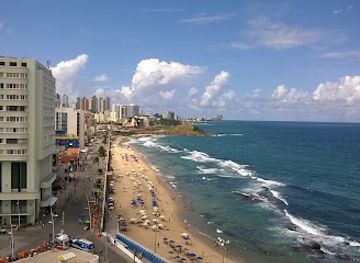
At Salvador’s southern entrance, Barra curves between the Atlantic Ocean and the mouth of Todos os Santos Bay. Its identity is shaped by water: swimmers gather at the sheltered Porto da Barra, while the open coast beside Farol da Barra carries the full force of the Atlantic. The neighbourhood’s principal landmark is the white-and-stone Forte de Santo Antônio da Barra, better known as Farol da Barra, whose lighthouse and Museu Náutico da Bahia overlook the bay. Around it, Avenida Oceânica, Largo do Farol and the seafront promenade form one of the city’s most recognisable public spaces.Read more about Barra
A Historic Shoreline
From Daylight to Carnival
Best attractions in Barra
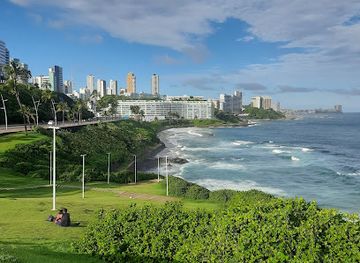
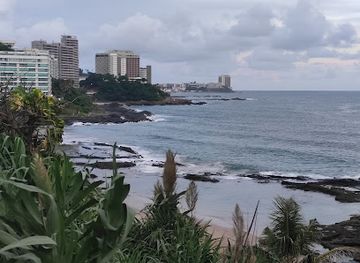
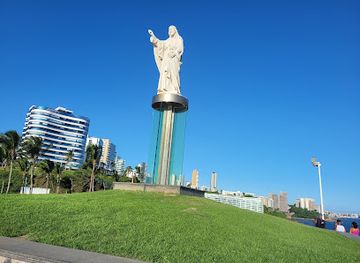
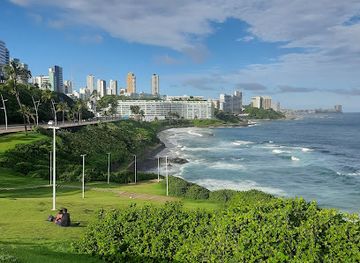
Barra’s attractions are concentrated along its meeting point of bay, ocean and fortifications. The Forte de Santo Antônio da Barra, commonly called Farol da Barra, combines a landmark lighthouse with the Museu Náutico da Bahia, whose displays explore Salvador’s maritime history and archaeology. Below it, Porto da Barra is the neighbourhood’s best-known bathing beach, sheltered by the bay and framed by historic defensive structures and lively waterfront activity. On the Atlantic side, Praia do Farol da Barra offers a more open coastal setting, while the promenade towards Morro do Cristo provides changing views of the fort, water and skyline. The small Praia do Cristo and the Cristo da Barra sculpture offer a quieter pause than the main beaches. Avenida Oceânica and Largo do Farol are attractions in their own right, especially at sunset and during the Barra–Ondina Carnival circuit.
-
Tourist attraction
Morro do Cristo
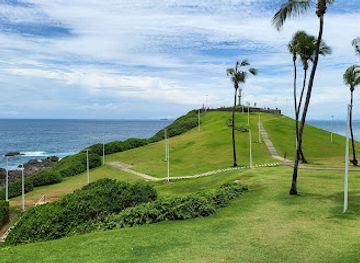
Discover breathtaking panoramic views of Salvador from Morro do Cristo, a cultural and historical landmark in Bahia's vibrant Barra district.
12 min walk · 0.9 km from neighbourhood centre
-
Tourist attraction
Cristo da Barra
Discover Cristo da Barra in Salvador: a symbol of faith offering panoramic ocean views and a rich cultural experience. A must-see landmark!
12 min walk · 0.9 km from neighbourhood centre
-
Tourist attraction
Morro do Gato
Discover panoramic ocean views and a tranquil garden escape at Morro do Gato, a hidden gem in Salvador's lively Barra neighborhood.
3 min walk · 0.3 km from neighbourhood centre
-
Aquarium
Parque de Salvador
Explore Brazil's underwater world at Parque de Salvador: a family-friendly aquarium in Bahia's vibrant Barra neighborhood.
17 min walk · 1.4 km from neighbourhood centre
Best landmarks in Barra
The defining landmark is the Forte de Santo Antônio da Barra, a historic coastal fort whose circular form occupies the point between the Atlantic and Todos os Santos Bay. Its lighthouse, known as Farol da Barra, is both a navigational structure and one of Salvador’s most recognisable symbols; the Museu Náutico da Bahia gives the building a cultural role beyond its military past. Porto da Barra is significant as a historic landing place associated with the foundation of colonial Salvador in 1549, as well as a major public beach. Along the seafront, the promenade, Morro do Cristo and the Cristo da Barra sculpture mark the transition towards Ondina. Together, these places express Barra’s layered identity: defensive outpost, maritime gateway, bathing shore and stage for contemporary public celebrations.
-
Monument
Morro do Cristo
Discover panoramic ocean views and a Christ the Redeemer statue at Morro do Cristo, a cultural and scenic landmark in Salvador's Barra neighborhood.
12 min walk · 0.9 km from neighbourhood centre
-
Beach
Farol da Barra
Explore Salvador's iconic lighthouse, Farol da Barra, a historical landmark with stunning views and a glimpse into Brazil's maritime heritage.
17 min walk · 1.3 km from neighbourhood centre
-
Tourist attraction
Cristo da Barra
Discover Cristo da Barra in Salvador: a serene replica of Christ the Redeemer with breathtaking coastal views and rich cultural surroundings.
12 min walk · 0.9 km from neighbourhood centre
-
Town square
Praça Farol da Barra
Experience Salvador's vibrant culture and history at Praça Farol da Barra, a stunning coastal square with iconic lighthouse views.
17 min walk · 1.4 km from neighbourhood centre
Explore Barra on the map
A handpicked selection of must-see spots in Barra, mapped for you.
Best hotels in Barra
Best restaurants in Barra
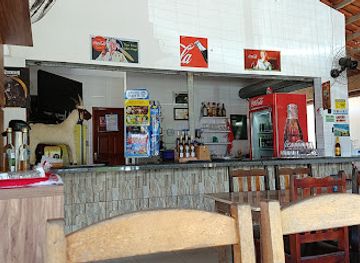
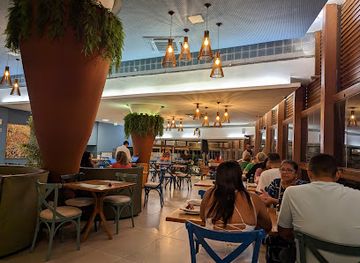
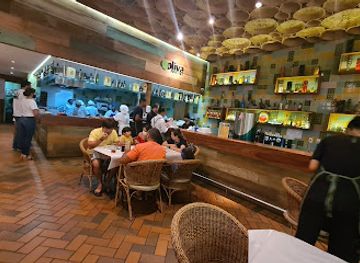
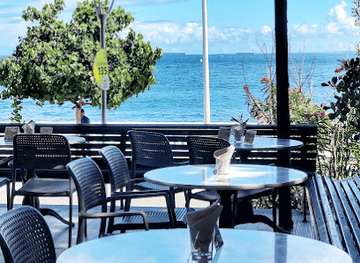
Barra’s dining scene follows the waterfront and the main avenues, combining casual beach eating with cafés, juice bars, seafood restaurants and contemporary venues aimed at residents and visitors. Bahia’s culinary vocabulary appears in dishes built around dendê oil, coconut, fish, prawns and chilli, while acarajé and other snacks are commonly associated with street vendors and beach-side stops; choose busy, established stalls and check prices before ordering. Around Porto da Barra and Farol da Barra, outdoor tables make the coastal setting part of the meal, although the most exposed terraces can be hot during the day. Inland streets provide more everyday options, including bakeries and relaxed restaurants. Barra is a useful place to sample Bahian flavours without treating the neighbourhood as a single restaurant district, since its choices vary between beach kiosks, small independent businesses and larger modern dining rooms.
-
Australian
Restaurante Outback Steakhouse
Savor authentic Australian flavors at Outback Steakhouse in Salvador - where delicious steaks meet lively ambiance.
10 min walk · 0.8 km from neighbourhood centre
-
Seafood
Barravento Restaurant
Experience exquisite seafood dining at Barravento Restaurant in Salvador - where local flavors meet stunning ocean views.
13 min walk · 1.0 km from neighbourhood centre
-
Italian
Oliva Gourmet
Experience the best of Italian cuisine at Oliva Gourmet in Salvador—an inviting buffet and pizza paradise with local flair.
11 min walk · 0.9 km from neighbourhood centre
-
Restaurant
Pereira Restaurante
Discover exquisite Brazilian flavors at Pereira Restaurante in Salvador's Barra district – a true culinary delight!
5 min drive · 1.7 km from neighbourhood centre
Best bars in Barra
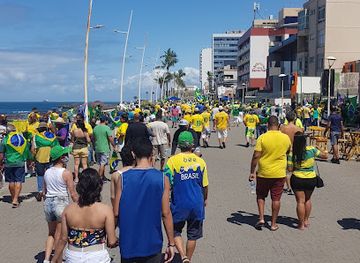
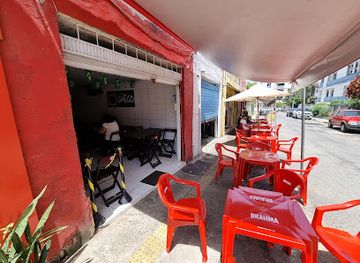
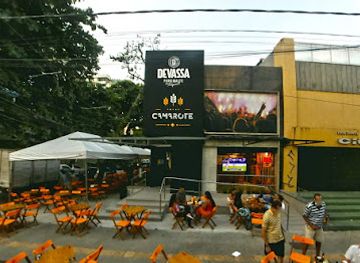
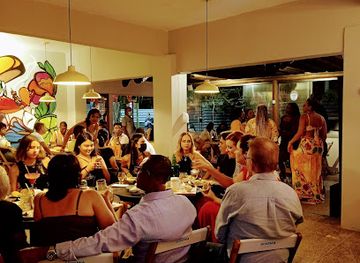
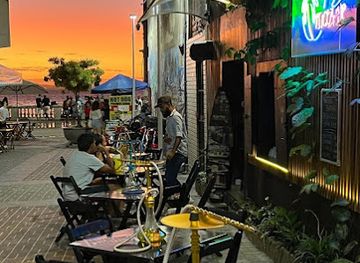
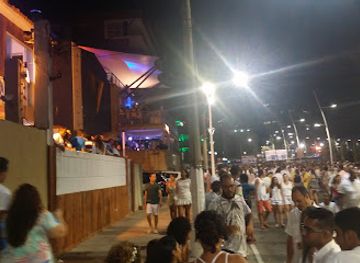
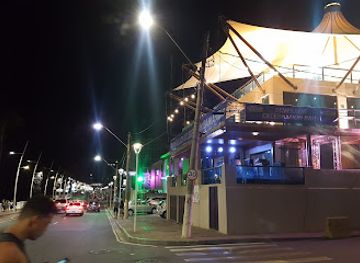
Barra’s evening life is shaped more by waterfront sociability, casual bars and restaurant terraces than by a dense concentration of nightclubs. Around Porto da Barra and Farol da Barra, visitors find places for a beer, cocktail or late meal, while the promenade remains a popular setting for an after-dark walk when conditions are suitable. The neighbourhood becomes considerably louder and more crowded during Salvador Carnival, when the Barra–Ondina route carries trio elétricos, blocos and large audiences through the streets; access and security arrangements then differ from ordinary evenings. Live music and Bahian popular styles may appear in local venues or festival programming, but schedules change, so current listings need checking. For a quieter night, choose a seated venue away from the main Carnival route rather than expecting Barra to resemble the club districts of larger cities.
-
Bar
Bar do Chico
Experience the lively spirit of Salvador at Bar do Chico, where local flavors and vibrant atmosphere come together in perfect harmony.
17 min walk · 1.4 km from neighbourhood centre
-
Bar
Camarote Bar
Explore the vibrant nightlife at Camarote Bar in Salvador, where delicious food, refreshing drinks, and live music create an unforgettable experience.
5 min drive · 1.6 km from neighbourhood centre
-
Cocktail bar
Guapo Boteco
Discover the vibrant atmosphere and creative cocktails at Guapo Boteco, a must-visit cocktail bar in Salvador's lively Barra neighborhood.
13 min walk · 1.1 km from neighbourhood centre
-
Bar
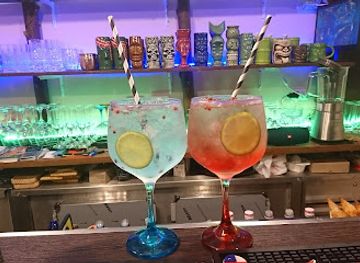
Tiki bar
Experience the vibrant nightlife and tropical cocktails at Tiki Bar, a top spot in Salvador's lively Barra neighborhood.
5 min drive · 1.7 km from neighbourhood centre
Best nightclubs in Barra
Barra’s evening life is shaped more by waterfront sociability, casual bars and restaurant terraces than by a dense concentration of nightclubs. Around Porto da Barra and Farol da Barra, visitors find places for a beer, cocktail or late meal, while the promenade remains a popular setting for an after-dark walk when conditions are suitable. The neighbourhood becomes considerably louder and more crowded during Salvador Carnival, when the Barra–Ondina route carries trio elétricos, blocos and large audiences through the streets; access and security arrangements then differ from ordinary evenings. Live music and Bahian popular styles may appear in local venues or festival programming, but schedules change, so current listings need checking. For a quieter night, choose a seated venue away from the main Carnival route rather than expecting Barra to resemble the club districts of larger cities.
-
Bar
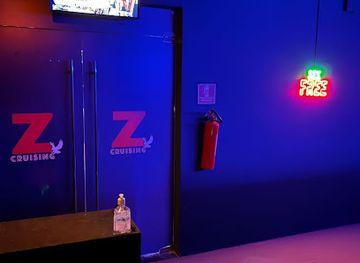
Zoom Gay Bar SSA
Dive into the vibrant nightlife of Salvador at Zoom Gay Bar, a hub for music, dance, and LGBTQ+ culture.
5 min drive · 1.6 km from neighbourhood centre
-
Bar
Tiki bar
Experience the spirit of Salvador at the Tiki Bar, where tropical drinks, vibrant atmosphere, and local culture come together for an unforgettable night.
5 min drive · 1.7 km from neighbourhood centre
-
Bar
BARRA BEACH
Discover the vibrant charm of Barra Beach in Salvador, where sun, sea, and nightlife create an unforgettable experience.
14 min walk · 1.1 km from neighbourhood centre
-
Night club
Casa Da Barra
Discover the pulse of Salvador's nightlife at Casa Da Barra, where vibrant music and a lively atmosphere await your arrival.
13 min walk · 1.1 km from neighbourhood centre
Best shops in Barra
Shopping in Barra is practical and leisure-oriented rather than centred on a historic market quarter. The streets around Avenida Sete de Setembro, Avenida Oceânica and Porto da Barra contain small shops, pharmacies, bakeries, beachwear retailers, cafés and businesses serving the local residential population, with additional boutiques and services on the inland side of the neighbourhood. Visitors can browse for swimwear, sandals, lightweight clothing, souvenirs and everyday beach items, while food stalls and vendors offer portable snacks rather than a single formal market experience. Shopping Barra, a large modern centre near the district’s eastern side and the Chame-Chame area, provides a broader range of mainstream retail and services; its precise location is best treated as near the neighbourhood’s inland edge rather than as part of the historic waterfront. For local character, combine modest independent shops with the beaches and promenade instead of expecting an artisan bazaar.
-
Shopping mall
Shopping Barra
Discover a vibrant shopping experience at Shopping Barra, featuring diverse stores, delightful dining, and entertainment along the beautiful Salvador coastline.
10 min walk · 0.8 km from neighbourhood centre
-
Gift shop
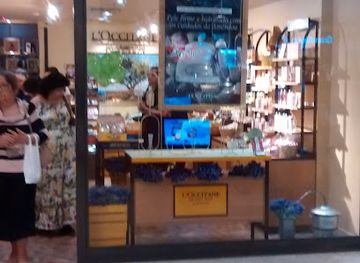
L'OCCITANE - L'Occitane en Provence - Shopping Barra
Explore L'OCCITANE in Salvador for exquisite French beauty products and unique gifts, capturing the essence of Provence in every purchase.
10 min walk · 0.8 km from neighbourhood centre
-
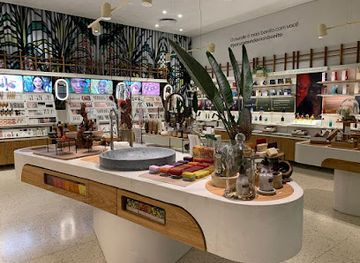
Cosmetics store
Loja Natura Shopping Barra Salvador
Explore the beauty of nature with eco-friendly cosmetics at Loja Natura in Shopping Barra Salvador, a vibrant hub for beauty enthusiasts.
11 min walk · 0.9 km from neighbourhood centre
-
Women's clothing store
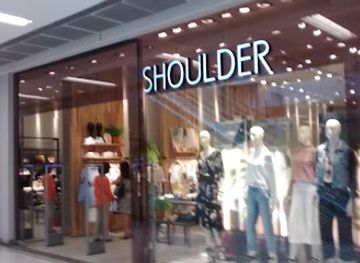
SHOULDER - Barra Salvador Shopping
Explore contemporary women's fashion at SHOULDER - your stylish destination in Barra Salvador Shopping.
10 min walk · 0.8 km from neighbourhood centre

Barra essentials
Getting There
Getting Around
Safety
Emergency Situations
Do's and Don'ts
Local Tips

From Eve
Local phrases worth knowing
You don't need to get them perfect. A few words go a long way, and locals appreciate the effort.
Basics
| English | Local | Say it |
|---|---|---|
| Hello | Olá | [oh-lah] |
| Goodbye | Tchau | [chow] |
| Yes | Sim | [seem] |
| No | Não | [now] |
| Please/You're welcome | Por favor | [pohr fah-vohr] |
| Thank you | Obrigado | [oh-bree-gah-doh] |
| Excuse me/Sorry | Com licença | [kohm lee-sen-sah] |
| How are you? | Como você está? | [koh-moh voh-seh ehs-tah] |
| Fine. And you? | Bem. E você? | [behn. eh voh-seh] |
| Do you speak English? | Você fala inglês? | [voh-seh fah-lah een-glehsh] |
| I don't understand | Eu não entendo | [eh-oo now ehn-tehn-doh] |
Eating & Drinking
| English | Local | Say it |
|---|---|---|
| I'd like to see the menu, please | Eu gostaria de ver o cardápio, por favor | [eh-oo go-stah-ree-ah deh vehr oo kahr-dah-pee-oh, pohr fah-vohr] |
| I don't eat meat | Eu não como carne | [eh-oo now koh-moh kahr-neh] |
| Cheers! | Saúde! | [sah-oo-deh] |
| I would like to pay, please | Eu gostaria de pagar, por favor | [eh-oo go-stah-ree-ah deh pah-gahr, pohr fah-vohr] |
Emergencies
| English | Local | Say it |
|---|---|---|
| Help! | Socorro! | [soh-koh-roh] |
| Go away! | Vá embora! | [vah ehm-boh-rah] |
| Call the Police! | Chame a polícia! | [shah-meh ah poh-lee-see-ah] |
| Call a doctor! | Chame um médico! | [shah-meh oom meh-dee-koh] |
| I'm lost | Estou perdido | [ehs-toh pehr-dee-doh] |
| I'm ill | Estou doente | [ehs-toh doh-ehn-teh] |
Shopping
| English | Local | Say it |
|---|---|---|
| I'd like to buy... | Eu gostaria de comprar... | [eh-oo go-stah-ree-ah deh kohm-prahr...] |
| I'm just looking | Eu só estou olhando | [eh-oo soh ehs-toh oh-lhahn-doh] |
| How much is it? | Quanto custa? | [kwan-toh koos-tah] |
| That's too expensive | Isso é muito caro | [ee-soh eh mwee-toh kah-roh] |
| Can you lower the price? | Você pode baixar o preço? | [voh-seh poh-deh bah-ee-shahr oo preh-soh] |
Time & Numbers
| English | Local | Say it |
|---|---|---|
| What time is it? | Que horas são? | [keh oh-rahss sah-oo] |
| It's one o'clock | É uma hora | [eh ooh-mah oh-rah] |
| Half past (10) | Meio-dia e meia | [may-oh jee-ah e may-ah] |
| Morning | Manhã | [mah-nyah] |
| Afternoon | Tarde | [tahr-deh] |
| Evening | Noite | [noy-chee] |
| Yesterday | Ontem | [ohn-tehn] |
| Today | Hoje | [oh-zhee] |
| Tomorrow | Amanhã | [ah-mah-nyah] |
| 1 | Um | [oom] |
| 2 | Dois | [doh-ees] |
| 3 | Três | [trays] |
| 4 | Quatro | [kwah-troh] |
| 5 | Cinco | [seen-koh] |
| 6 | Seis | [says] |
| 7 | Sete | [seh-teh] |
| 8 | Oito | [oy-toh] |
| 9 | Nove | [noh-veh] |
| 10 | Dez | [dehz] |
Transport & Directions
| English | Local | Say it |
|---|---|---|
| Where's a/the...? | Onde fica o/a...? | [ohn-deh fee-kah oh/ah] |
| What's the address? | Qual é o endereço? | [kwahl eh oh ehn-deh-reh-soh] |
| Can you show me (on the map)? | Você pode me mostrar (no mapa)? | [voh-seh poh-deh meh moh-strahr (noh mah-pah)] |
| When's the next (bus)? | Quando é o próximo (ônibus)? | [kwan-doh eh oh proh-ksee-moh (oh-nee-boos)] |
| A ticket (to ....) | Um bilhete (para ....) | [oom bee-lyeh-teh (pah-rah)] |
History of Barra
The Shore Before Colonial Salvador
The sheltered inlet now known as Porto da Barra was an important landing place before the formal creation of Salvador, and the surrounding coast was part of the territory inhabited and used by Indigenous peoples. Portuguese settlement developed around the bay during the early colonial period, linking the shoreline to maritime movement, fishing and military protection. Barra’s position at the entrance to Todos os Santos Bay gave it strategic importance: vessels approaching Salvador encountered a defensible coastal point before reaching the inner harbour. The name Barra refers to this bar or entrance at the meeting of open sea and bay, a geographical feature that continues to define the neighbourhood.
The Founding of Salvador
Porto da Barra is traditionally associated with the arrival of Tomé de Sousa in 1549, when the Portuguese Crown founded Salvador as the capital of Brazil’s Estado do Brasil. The first settlement connected the landing shore to the larger colonial project on the hills above the bay, although the administrative and commercial centre developed elsewhere in the present-day historic city. Barra’s local significance lies in its position at this maritime threshold: ships, soldiers and supplies entered through the bay, while the waterfront became part of the defensive landscape surrounding the new capital.
Fortification and the Lighthouse
The Forte de Santo Antônio da Barra emerged from the fortification of Salvador’s seaward approaches and was altered over successive periods as military technology and the city’s coastal defences changed. Its lighthouse became an important navigational aid for vessels entering Todos os Santos Bay, particularly after the establishment of a permanent beacon in the colonial period. The fort’s distinctive circular profile and prominent position at the tip of Barra made it both a working military structure and a lasting symbol of Salvador’s relationship with the Atlantic. Today, the building houses the Museu Náutico da Bahia.
From Coastal Edge to Seaside Neighbourhood
As Salvador expanded beyond its colonial core, Barra developed from a strategic coastal edge into a residential and leisure-oriented district. Roads and later urban improvements made the beaches and fort more accessible, while the waterfront acquired promenades, commercial premises and public meeting places. Porto da Barra became particularly associated with swimming and recreation, and the coastal route towards Ondina connected Barra to the city’s growing southern expansion. This transformation did not erase the area’s military past; instead, forts, churches, beaches and modern avenues came to coexist within the compact landscape visitors see today.
Carnival’s Seafront Circuit
In the modern era, Barra gained an additional cultural role as the starting point of the Barra–Ondina Carnival route, commonly called the Circuito Dodô. The circuit’s trio elétrico tradition—large mobile sound systems carrying performers through the streets—made the neighbourhood one of Salvador’s principal festival gateways. During Carnival, Avenida Oceânica and adjoining streets become a controlled space for parades, spectators and temporary structures, while outside the festival period the same seafront remains a public promenade and beach district. This seasonal change is central to Barra’s contemporary identity and affects transport, accommodation and access planning.
Barra in Photos
Browse through our photo collection highlighting the charm and character of the destination.
Neighbourhoods near Barra
The closest neighbourhoods to Barra, if you have time for more than one stop.
-

-

-


Swipe for more neighbourhoods
Explore more

Explore more of Salvador
Salvador, Brazil blends Afro-Brazilian culture, colonial architecture, Atlantic beaches, music and Bahian cuisine across historic Pelourinho and the coast.
Explore Salvador