
Serra da Capivara National Park, Brazil Travel Guide
Discover the ancient wonders and breathtaking landscapes of Serra da Capivara National Park, a UNESCO World Heritage site in Brazil's Piauí state.
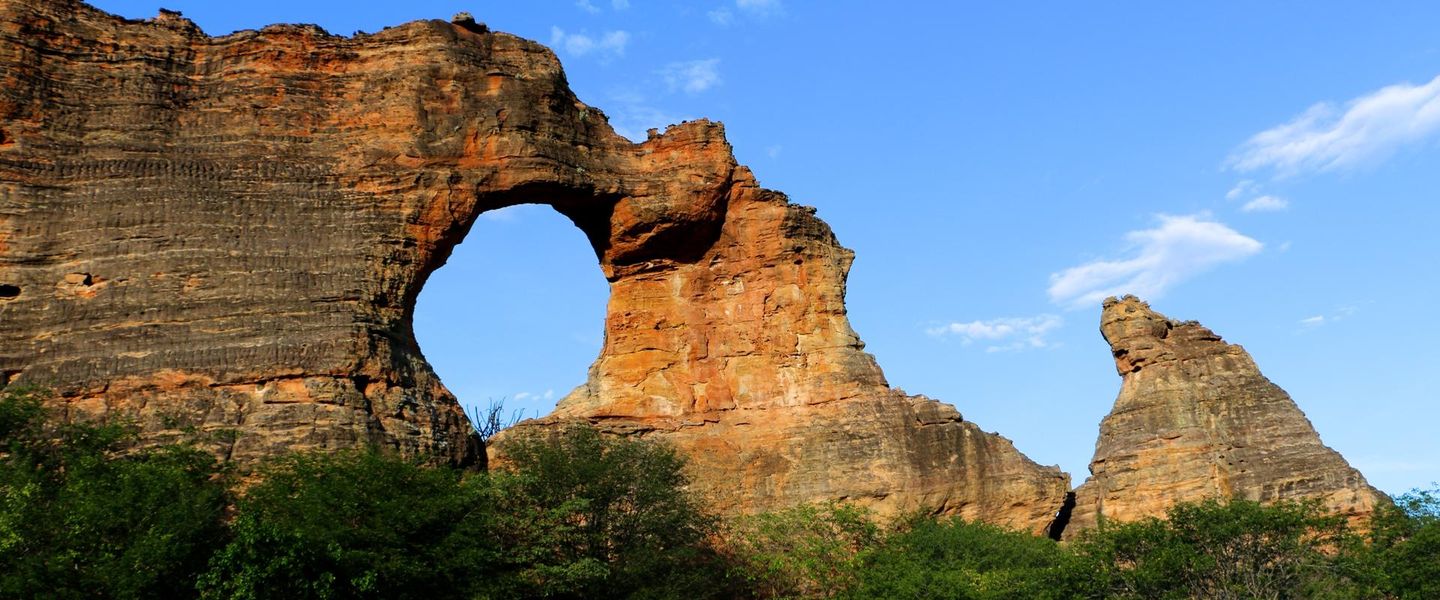
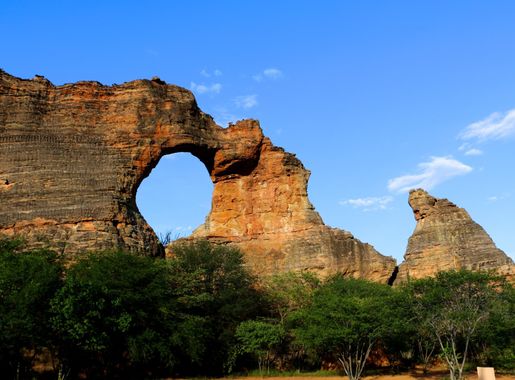
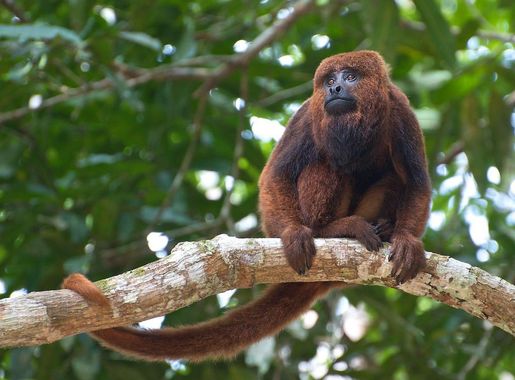
Serra da Capivara National Park is a treasure trove of ancient art and nature. This UNESCO World Heritage site is located in the northeastern state of Piauí, Brazil. It is home to one of the oldest and most important collections of prehistoric rock art in the world. The park boasts over 1,300 archaeological sites, with paintings and carvings that date back more than 25,000 years. These artworks provide a fascinating glimpse into the lives of early human inhabitants. The park is not just about history; it is also a haven for wildlife and natural beauty. The landscape is marked by dramatic rock formations, deep canyons, and lush vegetation. You will have the chance to see unique flora and fauna, some of which are found nowhere else on Earth. The park's diverse ecosystems make it an ideal spot for birdwatching, hiking, and nature photography. Your visit to Serra da Capivara will offer more than just a visual feast. It is an opportunity to connect with the past and understand the rich cultural heritage of Brazil. The park also has a well-maintained infrastructure, including guided tours, informative visitor centers, and comfortable accommodations, ensuring a memorable and educational experience.

Know before you go
Hi, I'm Eve. Here are a few practical things to know before exploring Serra da Capivara National Park.
- Visit during the cooler months from May to September for a more comfortable experience.
- Hire a local guide to gain deeper insights into the park's history and archaeology.
- Wear sturdy shoes and bring water for hiking the rugged terrain.
- Don't miss the chance to see the iconic rock paintings at the Boqueirão da Pedra Furada site.
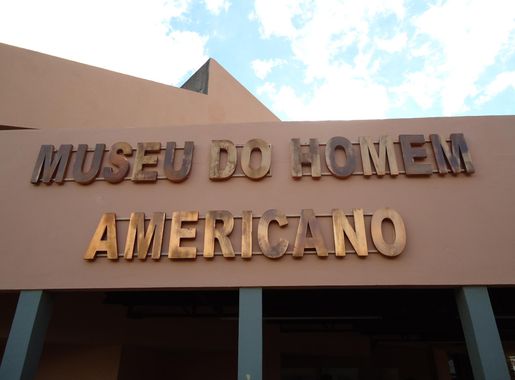
- Plan your visit to include a stop at the Museum of the American Man for additional context on the park's significance.
Explore Serra da Capivara National Park: Things to Do, Places to Eat, Hotels & More
Handpicked recommendations for top attractions, local dining, accommodations, and more

Best attractions in Serra da Capivara National Park
Top-rated picks
Best Attractions

Museu da Natureza
Explore the natural history of the planet at this interactive museum near the Serra da Capivara National Park in Piauí, Brazil.

Pedra Furada
Discover the iconic Pedra Furada in Serra da Capivara National Park, a geological wonder and a gateway to Brazil's ancient past.

Pedra Furada
Explore ancient rock art and breathtaking landscapes at Pedra Furada, a UNESCO World Heritage Site in Brazil's Serra da Capivara National Park.

Museum of American Man
Explore the ancient history of the Americas at the Museum of American Man in São Raimundo Nonato, near Serra da Capivara National Park.

Best landmarks in Serra da Capivara National Park
Top-rated picks
Best Landmarks

Museum of American Man
Explore ancient human history at the Museum of American Man near Serra da Capivara National Park in Brazil.

Baixão das Andorinhas
Discover the breathtaking landscapes and rich biodiversity of Baixão das Andorinhas, an ecological park in the heart of Piauí, Brazil.

Serra da Capivara
Explore ancient rock art and stunning landscapes in Brazil's Serra da Capivara National Park, a UNESCO World Heritage Site.

Guarita Sítio do Mocó - Parque Nacional Serra da Capivara
Explore ancient rock art and stunning landscapes at Guarita Sítio do Mocó, your gateway to Brazil's Serra da Capivara National Park.

Best restaurants in Serra da Capivara National Park
Top-rated picks
Best Restaurants

Serra da Capivara National Park
Explore Serra da Capivara National Park: A UNESCO World Heritage site with breathtaking landscapes and ancient rock art waiting to be discovered.

Hostel Serra da Capivara
Experience comfort and community at Hostel Serra da Capivara, your gateway to Brazil's stunning landscapes and rich cultural heritage.

Baixão do Ouro Park Hotel - Serra da Capivara PI
Experience tranquility and adventure at Baixão do Ouro Park Hotel, your gateway to the stunning Serra da Capivara in Piauí.

Capivara Residência Artística
Discover creativity amidst nature at Capivara Residência Artística in Piauí – where art meets tranquility.

Best bars in Serra da Capivara National Park
Top-rated picks
Best Bars

CH TABACARIA E LOUNGE
Discover CH Tabacaria e Lounge, a relaxing bar tabac in São Raimundo Nonato, perfect for unwinding with drinks and delightful conversations.

Bar Jenipapo
Discover Bar Jenipapo: A vibrant bar in São Raimundo Nonato offering local drinks, delicious bites, and a lively atmosphere for an unforgettable night out.

Rústico Petiscaria
Discover the lively atmosphere and authentic flavors at Rústico Petiscaria, São Raimundo Nonato's go-to bar for great petiscos and local nightlife.

Tropeira's Bar Restaurante
Discover the vibrant local flavors at Tropeira's Bar Restaurante in São Raimundo Nonato, where every meal is a celebration of Piauí's culinary heritage.

Best nightclubs in Serra da Capivara National Park


Best shops in Serra da Capivara National Park
Top-rated picks
Best Shops

Serra da Capivara National Park
Explore Serra da Capivara National Park, a UNESCO World Heritage site in Piauí, home to ancient rock art and breathtaking landscapes.

Fabricação de Cerâmica Serra da Capivara (Loja Matriz)
Discover the vibrant artistry of Piauí at Fabricação de Cerâmica Serra da Capivara, where tradition meets creativity in exquisite handcrafted ceramics.

Cia da Capivara
Discover the breathtaking beauty of Cia da Capivara National Park with tailored tours and expert guidance from Cia da Capivara travel agency in Brazil.

Guarita Sítio do Mocó - Parque Nacional Serra da Capivara
Explore the breathtaking landscapes and ancient heritage of Guarita Sítio do Mocó in Serra da Capivara National Park, a true gem in Brazil.

Explore Serra da Capivara National Park on the Map
A handpicked selection of must-see spots in Serra da Capivara National Park, mapped for you.
Serra da Capivara National Park Essentials
-
Serra da Capivara National Park is located in the state of Piauí, Brazil. The nearest major airport is Senador Petrônio Portella Airport in Teresina, approximately 530 kilometers away. From Teresina, you can take a bus or rent a car to reach the park. The bus journey typically takes around 8 to 10 hours, while driving can take about 7 to 8 hours. Another option is to fly into Petrolina Airport in the state of Pernambuco, which is about 300 kilometers from the park. From Petrolina, you can rent a car or take a bus to São Raimundo Nonato, the nearest town to the park.
-
Once in São Raimundo Nonato, visitors can use local taxis, car rentals, or guided tours to explore Serra da Capivara National Park. The park itself is vast and requires a vehicle to navigate between the various archaeological sites. Guided tours are highly recommended as they provide valuable historical context and ensure you visit all the key locations within the park.
-
The official currency in Brazil is the Brazilian Real (BRL). Credit cards are widely accepted in hotels, restaurants, and larger shops in São Raimundo Nonato. However, it is advisable to carry cash, especially when visiting smaller establishments and rural areas. ATMs are available in São Raimundo Nonato, but it is wise to withdraw sufficient cash before heading into the park.
-
Serra da Capivara National Park and São Raimundo Nonato are generally safe for tourists. However, it is important to take standard precautions. Avoid walking alone at night in unfamiliar areas and keep an eye on your belongings in crowded places. While there are no specific high-crime areas targeting tourists, it is always best to stay vigilant and aware of your surroundings.
-
In case of emergency, dial 190 for police assistance and 192 for medical emergencies. The local hospital in São Raimundo Nonato can handle minor medical issues. It is highly recommended to have travel insurance that covers medical emergencies. There are also pharmacies in the town where you can purchase over-the-counter medications.
-
Fashion: Do wear comfortable, lightweight clothing suitable for hiking and exploring. Don’t forget to bring a hat and sunscreen to protect yourself from the sun. Religion: Do respect local customs and traditions. While the park is not a religious site, showing respect for the local culture is always appreciated. Public Transport: Do be respectful and give up your seat to elderly passengers when using local buses. Don't eat or drink on public transport. Greetings: Do greet people with a handshake. A friendly 'bom dia' (good morning) is always welcomed. Eating & Drinking: Do try local delicacies and accept food offerings graciously. Don’t refuse hospitality, as it is considered impolite.
-
To experience Serra da Capivara like a local, visit the local markets in São Raimundo Nonato where you can buy fresh produce and traditional Brazilian goods. Engage with locals, as they are often friendly and willing to share stories about the area's history and culture. Don't miss the opportunity to see the ancient rock art paintings, which are some of the oldest in the Americas. For a unique experience, consider visiting during the annual Festejo do Vaqueiro (Cowboy Festival) in São Raimundo Nonato, which showcases local traditions and culture.
When is the best time to visit Serra da Capivara National Park?
Useful Local Phrases for Serra da Capivara National Park
You don't need to speak the language perfectly. Even learning a few simple words can make conversations warmer—and locals usually appreciate the effort.
— Eve

Here are the phrases I use most often in Serra da Capivara National Park. Try a few—you'll be surprised how far they go! 😊
❤️
-
- HelloOlá
[oh-lah] - GoodbyeAdeus
[ah-deh-oos] - YesSim
[seem] - NoNão
[nah-oh] - Please/You're welcomePor favor/De nada
[pohr fah-vohr/dee nah-dah] - Thank youObrigado/a
[oh-bree-gah-doh/dah] - Excuse me/SorryCom licença/Desculpe
[kohm lee-sen-sah/dehs-kool-peh] - How are you?Como vai?
[koh-moh vah-ee] - Fine. And you?Bem. E você?
[behm. ee voh-say] - Do you speak English?Você fala inglês?
[voh-say fah-lah een-glehsh] - I don't understandEu não entendo
[eh-oo nah-oh ehn-ten-doh]
- HelloOlá
-
- I'd like to see the menu, pleaseEu gostaria de ver o cardápio, por favor
[eh-oo gohs-tah-ree-ah deh vehr oo kah-rdah-pyoh, pohr fah-vohr] - I don't eat meatEu não como carne
[eh-oo nah-oh koh-moh kahr-neh] - Cheers!Saúde!
[sow-deh] - I would like to pay, pleaseEu gostaria de pagar, por favor
[eh-oo gohs-tah-ree-ah deh pah-gahr, pohr fah-vohr]
- I'd like to see the menu, pleaseEu gostaria de ver o cardápio, por favor
-
- Help!Socorro!
[soh-koh-roh] - Go away!Vá embora!
[vah ehn-boh-rah] - Call the Police!Chame a polícia!
[shah-meh ah poh-lee-see-ah] - Call a doctor!Chame um médico!
[shah-meh oom meh-dee-koh] - I'm lostEstou perdido/a
[eh-stoh pehr-dee-doh/dah] - I'm illEstou doente
[eh-stoh doh-ehn-tee]
- Help!Socorro!
-
- I'd like to buy...Eu gostaria de comprar...
[eh-oo gohs-tah-ree-ah deh kohm-prahr...] - I'm just lookingEstou só olhando
[eh-stoh sow oh-lahn-doh] - How much is it?Quanto custa?
[kwan-toh koos-tah] - That's too expensiveIsso é muito caro
[ee-so eh mw-ee-toh kah-roo] - Can you lower the price?Você pode baixar o preço?
[voh-say poh-deh bahy-shahr oo preh-soh]
- I'd like to buy...Eu gostaria de comprar...
-
- What time is it?Que horas são?
[keh oh-rahz saw-oo] - It's one o'clockÉ uma hora
[eh oo-mah oh-rah] - Half past (10)Meio-dia e meia
[may-oh dee-ah ee may-ah] - MorningManhã
[mah-nyah] - AfternoonTarde
[tahr-deh] - EveningNoite
[noy-chee] - YesterdayOntem
[ohn-tehn] - TodayHoje
[oh-zhee] - TomorrowAmanhã
[ah-mah-nyah] - 1Um
[oom] - 2Dois
[doh-ees] - 3Três
[trehs] - 4Quatro
[kwah-troh] - 5Cinco
[seen-koh] - 6Seis
[say-ees] - 7Sete
[seh-teh] - 8Oito
[oy-toh] - 9Nove
[noh-veh] - 10Dez
[deh-z]
- What time is it?Que horas são?
-
- Where's a/the...?Onde fica o/a...?
[ohn-dee fee-kah oh/ah] - What's the address?Qual é o endereço?
[kwahl eh oh ehn-day-reh-soh] - Can you show me (on the map)?Você pode me mostrar (no mapa)?
[voh-say poh-deh meh moh-strahr (noo mah-pah)] - When's the next (bus)?Quando é o próximo (ônibus)?
[kwan-doh eh oh proh-ksee-moh (ohn-ee-boos)] - A ticket (to ....)Um bilhete (para ....)
[oom beel-yeh-teh (pah-rah)]
- Where's a/the...?Onde fica o/a...?
History of Serra da Capivara National Park
-
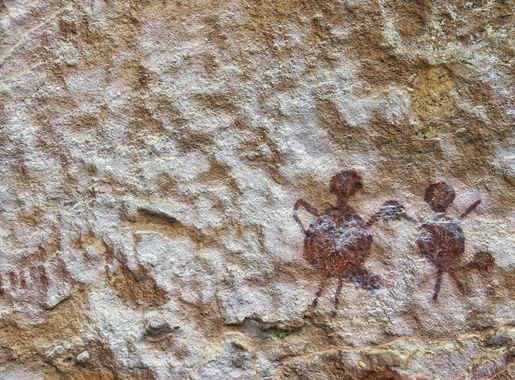
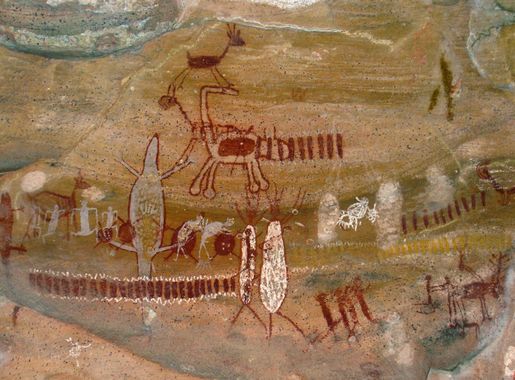
In the 1970s, Brazilian archaeologist Niède Guidon and her team discovered an extensive collection of rock paintings and carvings in Serra da Capivara National Park. These artworks, some of which are believed to be over 25,000 years old, depict scenes of hunting, dancing, and other aspects of daily life, providing a fascinating glimpse into the lives of prehistoric peoples.
-
In 1991, Serra da Capivara National Park was designated a UNESCO World Heritage Site in recognition of its extraordinary archaeological and cultural significance. The park's extensive collection of prehistoric rock art is considered one of the most important collections of its kind in the world.
-
Serra da Capivara National Park was officially created in 1979 to protect its unique archaeological sites, diverse ecosystems, and scenic landscapes. The park spans over 129,000 hectares and is located in the semi-arid region of northeastern Brazil.
-
Excavations in the park have uncovered evidence of human habitation dating back more than 50,000 years, challenging traditional theories about the peopling of the Americas. These findings suggest that humans may have settled in the region much earlier than previously believed.
-
The park also contains fossils of Pleistocene megafauna, including giant ground sloths, saber-toothed cats, and mastodons. These fossils provide valuable insights into the prehistoric wildlife that once roamed the region and the environmental changes that have occurred over millennia.
-
Efforts to preserve the park's cultural heritage have included the establishment of the Fundação Museu do Homem Americano (American Man Museum Foundation) by Niède Guidon. The foundation works to protect and study the archaeological sites, educate the public, and promote sustainable tourism in the region.
-
Modern indigenous groups in Brazil, including the Xukuru and the Pankararu, have cultural and historical connections to the region. Their traditions and oral histories provide valuable context for understanding the ancient rock art and archaeological sites found within the park.
Neighbouring destination travel guides
Browse our curated selection of top destinations, scenic points, and must-visit spots in the area.


Your all‑in‑one travel companion app
Explore expert travel guides, compare and book tours, experiences, hotels, and more—all from the palm of your hand. Download now for seamless trip planning wherever your wanderlust takes you.


Explore More of Northeast Region

Looking beyond Serra da Capivara National Park? Discover Northeast Region for broader travel guides, local hot-spots, and regional highlights.
Explore Northeast RegionExplore More of Brazil

Looking beyond Serra da Capivara National Park? Discover Brazil for broader travel guides, local hot-spots, and regional highlights.
Explore BrazilSerra da Capivara National Park in Photos
Browse through our photo collection highlighting the charm and character of the destination.



Serra da Capivara National Park: A Journey Through Time
Serra da Capivara National Park is a treasure trove of ancient art and nature. This UNESCO World Heritage site is located in the northeastern state of Piauí, Brazil. It is home to one of the oldest and most important collections of prehistoric rock art in the world. The park boasts over 1,300 archaeological sites, with paintings and carvings that date back more than 25,000 years. These artworks provide a fascinating glimpse into the lives of early human inhabitants. The park is not just about history; it is also a haven for wildlife and natural beauty. The landscape is marked by dramatic rock formations, deep canyons, and lush vegetation. You will have the chance to see unique flora and fauna, some of which are found nowhere else on Earth. The park's diverse ecosystems make it an ideal spot for birdwatching, hiking, and nature photography. Your visit to Serra da Capivara will offer more than just a visual feast. It is an opportunity to connect with the past and understand the rich cultural heritage of Brazil. The park also has a well-maintained infrastructure, including guided tours, informative visitor centers, and comfortable accommodations, ensuring a memorable and educational experience.