

Norman Island Caves Travel Guide - Free Web & App
Your ultimate guide to Norman Island Caves. Discover top landmarks, proposed trips, and local tips. Free on the web or via the Evendo companion app.


Norman Island Caves in the British Virgin Islands offer sea-cave exploration, snorkelling, clear waters, pirate lore and boat-accessed Caribbean adventure.
A Maritime Cave Landscape
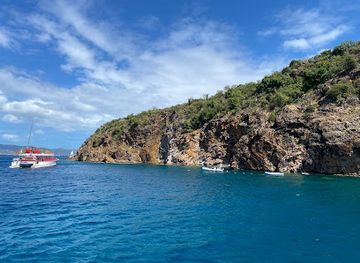
Norman Island Caves are a compact but memorable natural attraction on the southern side of Norman Island in the British Virgin Islands. The caves open directly onto the Caribbean at Treasure Point, where boat passengers enter dark, cool chambers cut into the rocky shoreline. Sunlight penetrates the entrances and catches the water below, while the changing depth and angle of the sea create different colours and visibility conditions throughout the day. The caves are reached by boat rather than by a conventional road or inland trail, and visits are commonly combined with snorkelling in the nearby coves and bays.Read more about Norman Island Caves
Stories of Treasure and Exploration
Visiting Norman Island
When is the best time to visit Norman Island Caves?
Best: January–March · 31°C| Month | High (°C) | Rainfall (mm) |
|---|---|---|
| January (best) | 31 | 70 |
| February (best) | 31 | 70 |
| March (best) | 31 | 70 |
| April | 32 | 70 |
| May | 32 | 70 |
| June | 32 | 70 |
| July | 32 | 70 |
| August | 32 | 70 |
| September | 32 | 70 |
| October | 32 | 70 |
| November | 32 | 70 |
| December | 32 | 70 |
Getting to and around Norman Island Caves
How to get there
Transportation
Best attractions in Norman Island Caves
The principal attraction is the cluster of sea caves at Treasure Point, where visitors can move from open water into shadowed chambers and observe the way daylight filters through the entrances. The experience is usually combined with snorkelling or swimming in the clear coastal water outside the caves, subject to conditions and local guidance. Norman Island's wider shoreline includes coves, rocky headlands and sheltered anchorages that are best appreciated from a boat, while The Bight provides the island's most familiar anchorage and a common base for excursions. Nearby Norman Island waters offer further opportunities to observe shallow marine habitats, but the caves remain distinct from the island's other attractions because they are enclosed, wave-shaped spaces rather than a beach or town site. There are no roads, museums or conventional inland visitor attractions on the island, so the appeal lies in its maritime setting, undeveloped coast and association with treasure stories.
-
Island
Norman Island
Explore Norman Island: Uncover pirate legends, snorkel in crystal-clear waters, and discover the natural beauty of this British Virgin Islands treasure.
Best landmarks in Norman Island Caves
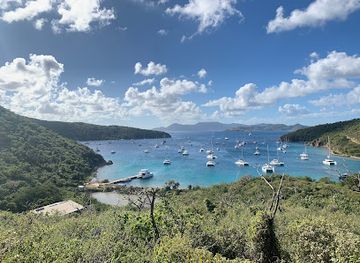
The sea caves at Treasure Point are Norman Island's defining natural landmarks, with dark chambers opening through the rock towards the Caribbean and a shoreline shaped by marine erosion. Their significance is both physical and cultural: the caves illustrate the island's exposed maritime geology while providing the setting for long-running stories of hidden treasure. The name Treasure Point preserves that folklore, although it does not establish that pirate treasure was found there. Norman Island itself is another important landmark in the southern BVI seascape, recognised by its isolated profile, rocky coast and sheltered anchorage at The Bight. There are no major historic buildings or urban monuments at the caves, and their identity comes instead from the relationship between natural rock, navigable water and the island's place in Caribbean sailing routes and popular Treasure Island associations.
-
Restaurant
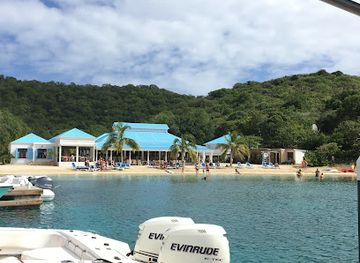
Pirates Bight
Experience Caribbean charm at Pirates Bight on Norman Island: beachfront dining, pirate history, and stunning snorkeling await!
-
Bar
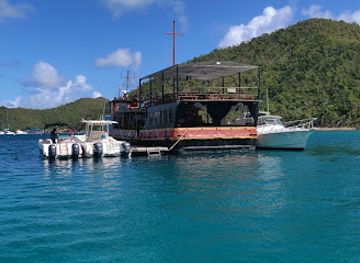
Willy T
Experience the legendary Willy T, the British Virgin Islands' iconic floating bar and restaurant, for unforgettable parties and Caribbean vibes.
-
Tourist attraction
Treasure Point
Discover the beauty of Treasure Point in the British Virgin Islands, a haven for snorkeling, relaxation, and unforgettable tropical experiences.
-
Resort hotel
The Bight
Discover The Bight in Road Town, BVI: A serene escape with crystal-clear waters, local charm, and a perfect blend of relaxation and Caribbean culture.


Explore Norman Island Caves on the map
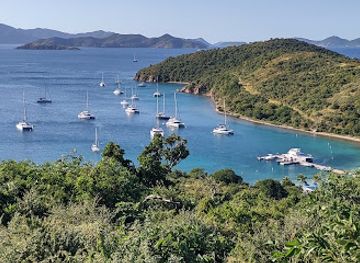
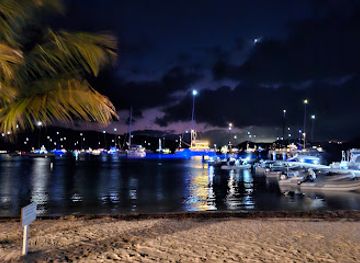
Plan your trip on one map. See where the top attractions, landmarks, restaurants and hotels are, and book hotels and experiences in a few clicks.
Best hotels in Norman Island Caves
Best restaurants in Norman Island Caves
Norman Island Caves have no restaurant, café or food market, and visitors should normally eat before departure or arrange meals and refreshments through their boat charter. The island's limited visitor facilities are concentrated around The Bight rather than at Treasure Point, and access can vary with vessel operations and seasonal arrangements. Charter boats may provide packed lunches, drinks or catered meals, but this should be confirmed in advance rather than assumed. More extensive dining is available on Tortola, especially around Road Town and other established coastal settlements, where visitors can find restaurants serving Caribbean cooking, seafood, grilled meats and international dishes. Self-catered sailing groups often provision in Tortola before setting out, making cool storage and drinking water important practical considerations on a day focused on the caves and surrounding waters.
-
Restaurant
Pirates Bight
Experience Caribbean flavors and breathtaking views at Pirates Bight on Norman Island - a culinary gem in the British Virgin Islands.
-
Bar
Willy T
Experience vibrant dining at Willy T - an iconic floating bar in the heart of the British Virgin Islands with breathtaking views and delicious cuisine.

Best bars in Norman Island Caves
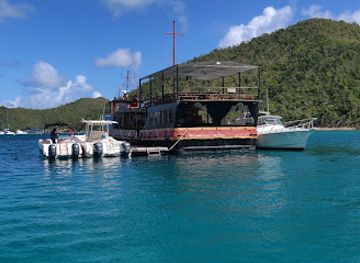
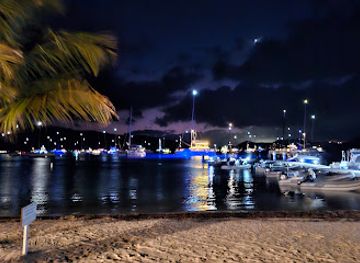
Norman Island Caves are a daytime, boat-accessed attraction rather than a nightlife destination. Treasure Point has no nightclubs or conventional evening entertainment, and the undeveloped shoreline is not suited to independent after-dark exploration. Evening activity on Norman Island is generally associated with boats anchored at The Bight and with any hospitality facilities operating there, whose availability may change and should be checked before travelling. Visitors seeking a broader choice of bars, live music or late-evening dining should base themselves on Tortola or another established BVI island rather than expect a developed scene at the caves. On a private charter, the most characteristic evening experience is a quiet anchorage, sunset viewed from the water and a meal arranged on board, subject to navigation, anchoring and weather conditions.
-
Restaurant
Pirates Bight
Experience the vibrant flavors of the Caribbean at Pirates Bight, a seafood haven on Norman Island, British Virgin Islands.
-
Bar
Willy T
Discover the vibrant atmosphere and stunning views at Willy T, the British Virgin Islands' iconic floating bar, where relaxation meets adventure.
-
Park and Garden
The Indians
Discover the enchanting beauty of The Indians in the British Virgin Islands, a premier snorkeling destination surrounded by stunning rock formations and vibrant marine life.
-
Resort hotel
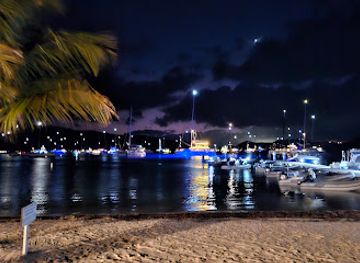
The Bight
Experience the beauty and adventure of The Bight, a premier resort hotel in the British Virgin Islands, where relaxation meets vibrant beach fun.


Best nightclubs in Norman Island Caves
Norman Island Caves are a daytime, boat-accessed attraction rather than a nightlife destination. Treasure Point has no nightclubs or conventional evening entertainment, and the undeveloped shoreline is not suited to independent after-dark exploration. Evening activity on Norman Island is generally associated with boats anchored at The Bight and with any hospitality facilities operating there, whose availability may change and should be checked before travelling. Visitors seeking a broader choice of bars, live music or late-evening dining should base themselves on Tortola or another established BVI island rather than expect a developed scene at the caves. On a private charter, the most characteristic evening experience is a quiet anchorage, sunset viewed from the water and a meal arranged on board, subject to navigation, anchoring and weather conditions.
-
Bar
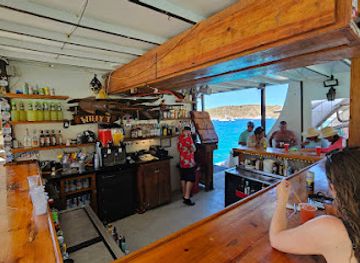
Willy T
Experience the best of island life at Willy T, a floating bar in the British Virgin Islands, known for its vibrant atmosphere and breathtaking views.
Best shops in Norman Island Caves
There is no shopping at Norman Island Caves and no conventional retail centre on Norman Island. Visitors should purchase food, drinks, snorkelling supplies, sun protection and other essentials in Tortola or their departure settlement before boarding. Boat operators may provide limited refreshments or excursion equipment, but this is an arrangement to confirm rather than a retail service at Treasure Point. The wider British Virgin Islands offer locally made crafts, artwork, clothing and food products through shops and markets in established communities, particularly on Tortola, while charter companies and marine suppliers cater to sailing needs. These opportunities are outside the cave site itself, so shopping is best treated as part of trip preparation rather than an activity during the visit.
-
Restaurant
Pirates Bight
Discover the vibrant flavors of the Caribbean at Pirates Bight, a delightful restaurant on Norman Island offering breathtaking views and a taste of local culture.
-
Bar
Willy T
Discover the vibrant atmosphere of Willy T, a floating bar in the British Virgin Islands, offering stunning views, delicious cocktails, and unforgettable experiences.
-
Tourist attraction
Treasure Point
Explore the enchanting Treasure Point in the British Virgin Islands, where stunning coastal views and vibrant marine life await every traveler.
-
Resort hotel
The Bight
Discover the enchanting beauty of The Bight in the British Virgin Islands, where luxury meets adventure in a tropical paradise.

Get your free copy of our complete guide to Norman Island Caves, delivered straight to you.
Everything on this page, from attractions and restaurants to essentials and local phrases, in one PDF you can read offline, print or share.
Already have an account? Sign in
Your Norman Island Caves guide is ready.
We'll send it to · Not you? Sign out

Getting your guide ready…
We are putting together a fresh copy of the Norman Island Caves guide. This can take up to a minute.
This can take a few moments. If your browser asks, choose Allow so the download can start. You'll find the guide in your Downloads folder.
Nothing happened? Download it again
Sorry, the guide is taking longer than usual. Please try again in a minute, or get it by email instead.
Norman Island Caves essentials
Currency and Payment
Safety
Emergency Situations
Do's and Don'ts
Local Tips
From Eve
Local phrases worth knowing
You don't need to get them perfect. A few words go a long way, and locals appreciate the effort.
Basics
| English | Local | Say it |
|---|---|---|
| Hello | Bonjour | [bon-zhoor] |
| Goodbye | Au revoir | [oh re-vwar] |
| Yes | Oui | [wee] |
| No | Non | [nohn] |
| Please/You're welcome | S'il vous plaît/De rien | [seel voo pleh/dee ree-ehn] |
| Thank you | Merci | [mehr-see] |
| Excuse me/Sorry | Excusez-moi/Désolé | [ex-kew-zay mwah/deh-zoh-lay] |
| How are you? | Comment ça va? | [koh-mohn sah vah] |
| Fine. And you? | Bien. Et vous? | [byen/eh voo] |
| Do you speak English? | Parlez-vous anglais? | [par-lay voo ahn-glay] |
| I don't understand | Je ne comprends pas | [zhuh nuh kohm-prahnd pah] |
Eating & Drinking
| English | Local | Say it |
|---|---|---|
| I'd like to see the menu, please | Je voudrais voir le menu, s'il vous plaît | [zhuh voo-dray vwar luh meh-nyoo/seel voo pleh] |
| I don't eat meat | Je ne mange pas de viande | [zhuh nuh mahnzh pah duh vee-ahnd] |
| Cheers! | Santé! | [sahn-tay] |
| I would like to pay, please | Je voudrais payer, s'il vous plaît | [zhuh voo-dray pay-eh/seel voo pleh] |
Emergencies
| English | Local | Say it |
|---|---|---|
| Help! | Au secours! | [oh suh-koor] |
| Go away! | Allez-vous en! | [ah-lay voo zahn] |
| Call the Police! | Appelez la police! | [ah-peh-lay lah poh-lees] |
| Call a doctor! | Appelez un médecin! | [ah-peh-lay uh mayd-sahn] |
| I'm lost | Je suis perdu | [zhuh swee pehr-doo] |
| I'm ill | Je suis malade | [zhuh swee mah-lahd] |
Shopping
| English | Local | Say it |
|---|---|---|
| I'd like to buy... | Je voudrais acheter... | [zhuh voo-dray ah-shuh-tay] |
| I'm just looking | Je regarde juste | [zhuh ruh-gard zhewst] |
| How much is it? | Combien ça coûte? | [kohn-byen sah koot] |
| That's too expensive | C'est trop cher | [say troh shair] |
| Can you lower the price? | Pouvez-vous baisser le prix? | [poo-veh voo beh-say luh pree] |
Time & Numbers
| English | Local | Say it |
|---|---|---|
| What time is it? | Quelle heure est-il? | [kell uhr eh-teel] |
| It's one o'clock | Il est une heure | [eel eh tun uhr] |
| Half past (10) | Dix et demie | [dees ay duh-mee] |
| Morning | Matin | [mah-tahn] |
| Afternoon | Après-midi | [ah-pray meed-ee] |
| Evening | Soir | [swahr] |
| Yesterday | Hier | [yehr] |
| Today | Aujourd'hui | [oh-zhoor-dwee] |
| Tomorrow | Demain | [duh-mahn] |
| 1 | Un | [uhn] |
| 2 | Deux | [duh] |
| 3 | Trois | [twah] |
| 4 | Quatre | [kah-truh] |
| 5 | Cinq | [sank] |
| 6 | Six | [sees] |
| 7 | Sept | [sept] |
| 8 | Huit | [wheat] |
| 9 | Neuf | [nuff] |
| 10 | Dix | [dees] |
Transport & Directions
| English | Local | Say it |
|---|---|---|
| Where's a/the...? | Où est...? | [oo eh] |
| What's the address? | Quelle est l'adresse? | [kell eh lad-rehs] |
| Can you show me (on the map)? | Pouvez-vous me montrer (sur la carte)? | [poo-veh voo muh mohn-tray/sewr lah kart] |
| When's the next (bus)? | Quand est le prochain (bus)? | [kahn eh luh proh-shahn] |
| A ticket (to ....) | Un billet (pour ....) | [uhn bee-yay/poor] |
History of Norman Island Caves
A Caribbean Limestone Shoreline
The caves at Treasure Point are natural marine caverns in the rocky coast of Norman Island. Their entrances have been shaped by the long interaction of waves, weathering and the island's sedimentary rock, creating chambers that remain partly open to the sea. This geological process belongs to a timescale far older than the human history associated with the site. The caves' character continues to change gradually as exposure to salt water, storms and erosion affects the shoreline, although visitors encounter them primarily as a sheltered natural feature within a much larger island and marine landscape.
Maritime Use and Island Lore
Norman Island lies among the channels and anchorages of the southern British Virgin Islands, a region long used by Caribbean sailors, traders and small craft. Its offshore position and lack of a permanent town have kept its identity closely tied to the sea. Treasure stories became central to the island's popular reputation, particularly legends of pirate loot concealed in or around the caves. Treasure Point preserves that association in its name, but the stories are part of maritime folklore rather than proof of a confirmed hoard or documented pirate base at the caves.
Treasure Island Associations
Norman Island is frequently linked in tourism literature with Robert Louis Stevenson's Treasure Island, largely because of its secluded coves, rocky shores and treasure traditions. The association is evocative, but the precise sources of Stevenson's fictional geography and characters are not settled as a direct historical connection to this particular island. The literary comparison nevertheless helped reinforce Norman Island's place in the cultural imagination of visitors interested in the Caribbean's maritime past, especially as boat excursions began presenting the caves as a setting of exploration and legend.
From Remote Island to Excursion Site
In the modern era, Norman Island has become known primarily through sailing, chartering, snorkelling and day trips rather than settlement or industry. The caves at Treasure Point form one stop within this water-based tourism pattern, with visitors arriving from Tortola and other islands by private boat, charter vessel or organised excursion. The contemporary history of the site is therefore linked to the wider development of marine tourism in the BVI, while responsible visitation increasingly emphasises safe boat handling, care around rock and reef environments, and respect for the island's undeveloped character.
Norman Island Caves in Photos
Browse through our photo collection highlighting the charm and character of the destination.
Neighbouring destination travel guides
The closest destinations to Norman Island Caves, if you have time for more than one.
-

-

-
-
-


Swipe for more destinations
Explore more

Explore more of Norman Island
Norman Island in the British Virgin Islands offers sea caves, clear reefs, sheltered anchorages and enduring pirate folklore near Tortola.
Explore Norman Island
Explore more of British Virgin Islands
Discover the British Virgin Islands: Pristine beaches, vibrant marine life, and a rich cultural heritage await in this Caribbean paradise.
Explore British Virgin Islands