

Free Luquillo Travel Guide & Mobile App
Plan your Luquillo trip with Evendo. Get free guides to top attractions, restaurants, hotels, and bars. Web access or download the mobile app.


Luquillo, Puerto Rico combines golden beaches, El Yunque rainforest, seafood kiosks and relaxed coastal culture for memorable sightseeing and local experiences.
Beach, Forest and Coastal Life
Luquillo occupies a graceful stretch of Puerto Rico’s north-eastern coast, where broad beaches face the Atlantic and the green foothills of El Yunque rise inland. The town is best known for Balneario La Monserrate, often called Luquillo Beach, a long crescent of sand backed by palms, shaded areas and calm swimming water, as well as the informal food culture of the Luquillo kiosks. Here, small restaurants and snack counters serve Puerto Rican favourites in an easy-going seaside setting, with music and conversation continuing into the evening.Read more about Luquillo
A Small Town with a Strategic Setting
Local Flavours and Outdoor Rhythms
When is the best time to visit Luquillo?
Best: January–March · 29°C| Month | High (°C) | Rainfall (mm) |
|---|---|---|
| January (best) | 29 | 85 |
| February (best) | 29 | 75 |
| March (best) | 29 | 75 |
| April | 30 | 85 |
| May | 30 | 120 |
| June | 31 | 120 |
| July | 31 | 120 |
| August | 31 | 140 |
| September | 31 | 140 |
| October | 31 | 140 |
| November | 30 | 140 |
| December | 30 | 100 |
Getting to and around Luquillo
How to get there
Transportation
Best attractions in Luquillo
Luquillo’s principal attraction is Balneario La Monserrate, widely known as Luquillo Beach, where a broad sandy shoreline, palms and sheltered swimming areas create one of the north-east’s most accessible seaside settings. Nearby, the Luquillo kiosks combine casual dining with a distinctly local atmosphere, offering a lively introduction to Puerto Rican food culture rather than a conventional shopping or resort promenade. The town’s public square and parish church provide a quieter glimpse of its civic centre, while the coast includes other beaches and viewpoints best reached by car. Inland, El Yunque National Forest is the major natural draw associated with Luquillo, although the protected forest extends across neighbouring municipalities and its facilities lie in different areas. Visitors can encounter rainforest trails, streams, mountain scenery and birdlife, with conditions changing quickly in the tropical climate. Together, beach, food, town life and forest access give Luquillo a more varied character than its compact size suggests.
-
Theme park
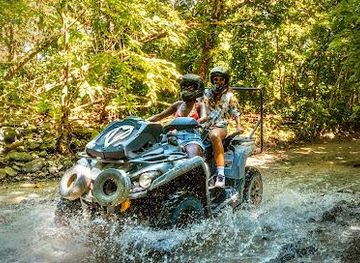
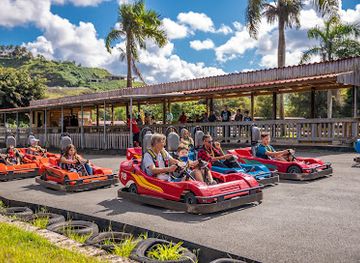
Carabalí Rainforest Park
Experience the thrill of adventure at Carabalí Rainforest Park in Luquillo, Puerto Rico, where nature meets excitement with ATV rides, horseback tours, and go-kart racing.
12 min drive · 4.0 km from city centre
-
Beach
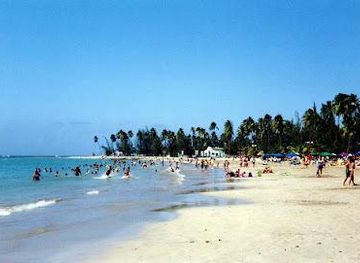
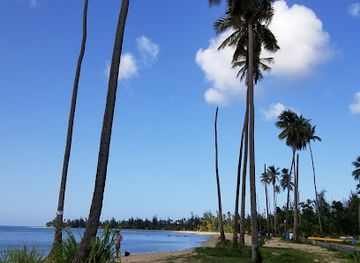
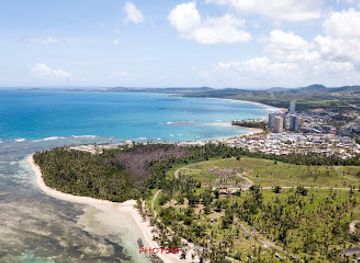
Liquillo Beach
Experience the beauty of Luquillo Beach, where golden sands meet vibrant culture and breathtaking nature in Puerto Rico.
6 min drive · 2.0 km from city centre
-
Tourist attraction
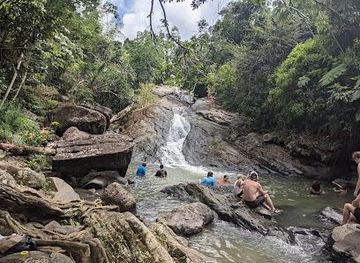
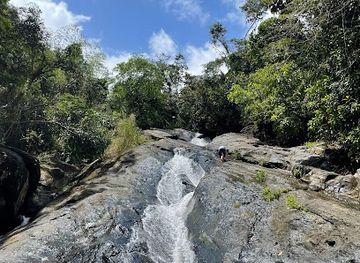
Las Pailas
Explore the breathtaking beauty of Las Pailas, a stunning natural attraction in Luquillo, Puerto Rico, renowned for its unique geological formations and serene landscapes.
10 min drive · 3.3 km from city centre
-
Visitor center
El Portal de El Yunque Visitor Center - El Yunque National Forest
Explore the enchanting El Portal de El Yunque Visitor Center, your gateway to the lush landscapes and vibrant ecosystems of El Yunque National Forest.
15 min drive · 4.9 km from city centre
Best landmarks in Luquillo
Luquillo’s most recognisable built landmark is Parroquia San José, the parish church beside the town’s central civic area, representing the Spanish colonial pattern in which religious and public life developed around a plaza. The surrounding town square provides a modest but useful point of orientation, with low-rise streets reflecting Luquillo’s scale as a historic municipality rather than a major city. Along the coast, the Luquillo kiosks have become a cultural landmark in their own right: their colourful, informal buildings embody the meeting of roadside commerce, Puerto Rican cooking and beach recreation. Balneario La Monserrate is significant less for monumental architecture than for its role in public life, serving generations of residents and visitors as a shared coastal space. Beyond the town, the forest roads, recreation structures and mountain landscapes associated with El Yunque form a powerful natural landmark, although the national forest is a regional protected area rather than a single site within Luquillo’s built centre.
-
Theme park
Carabalí Rainforest Park
Discover adventure and nature at Carabalí Rainforest Park in Luquillo, Puerto Rico. Enjoy ATV rides, horseback trails, and more in a stunning rainforest.
12 min drive · 4.0 km from city centre
-
Restaurant
Wepa Arepa
Discover Wepa Arepa in Luquillo for an authentic taste of Puerto Rican cuisine, specializing in delicious arepas and local flavors.
5 min drive · 1.8 km from city centre
-
Beach
Liquillo Beach
Experience the beauty of Luquillo Beach, a tropical paradise in Puerto Rico known for its golden sands, vibrant food scene, and stunning sunsets.
6 min drive · 2.0 km from city centre
-
Tourist attraction
Las Pailas
Experience the excitement of natural water slides and the serene beauty of Puerto Rico's Las Pailas, a must-see attraction for every traveler.
10 min drive · 3.3 km from city centre
Explore Luquillo on the map
Plan your Luquillo trip on one map. See where the top attractions, landmarks, restaurants, bars and hotels are, find what's near where you're staying, and book hotels and experiences in a few clicks.
Best hotels in Luquillo
Best restaurants in Luquillo
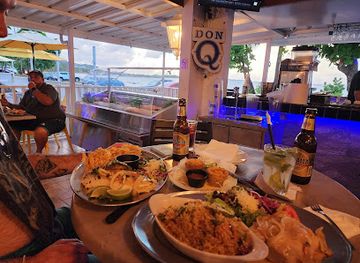
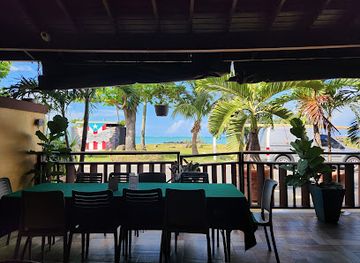
Luquillo’s food culture is closely associated with the kiosk strip near the coast, where small family-run establishments and casual restaurants serve Puerto Rican cooking in an informal, sociable setting. Menus commonly draw on plantains, pork, seafood, rice, root vegetables and spices, with dishes such as mofongo, alcapurrias, bacalaitos and other fritters appearing alongside grilled fish, shrimp and contemporary interpretations of island cuisine. The kiosks vary considerably: some are intimate counters, while others have larger dining rooms, bars or live music. In the town and along the main roads, visitors also find bakeries, cafés and everyday eateries serving breakfast, sandwiches and traditional plates. Luquillo’s position between the Atlantic and agricultural interior helps explain the prominence of seafood and tropical produce, while its links with wider Puerto Rico bring in influences from across the island. Dining here is generally relaxed, generous and shaped by local custom rather than formal gastronomy.
-
Seafood
La Parrilla
Experience culinary excellence at La Parrilla in Luquillo - where fresh seafood meets savory steaks against stunning ocean views.
6 min drive · 1.9 km from city centre
-
Mexican
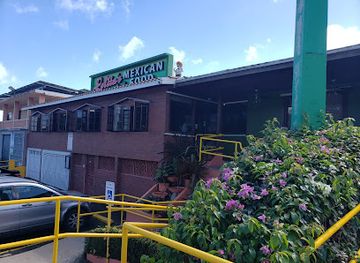
Lolita's Mexican Food
Experience authentic Mexican cuisine at Lolita's Mexican Food in Luquillo – where vibrant flavors meet warm hospitality.
14 min drive · 4.5 km from city centre
-
Restaurant
Wepa Arepa
Experience authentic Puerto Rican flavors at Wepa Arepa, a vibrant eatery in Luquillo known for its delicious arepas and lively atmosphere.
5 min drive · 1.8 km from city centre
-
Restaurant
Terruño
Discover Terruño in Luquillo – where authentic Puerto Rican cuisine meets artisanal flair amidst breathtaking views.
6 min drive · 1.9 km from city centre

Best bars in Luquillo
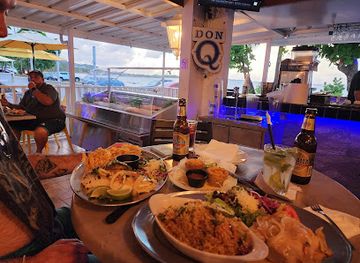
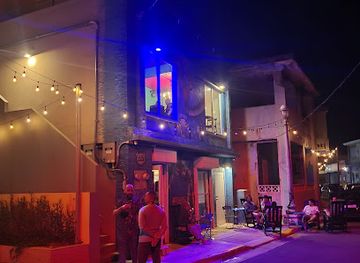
Luquillo’s evening life centres on the kiosk district and coastal restaurants rather than a large concentration of nightclubs. After sunset, some establishments become relaxed bars where locals and visitors gather over rum-based drinks, beer, music and late meals, with the atmosphere ranging from quiet conversation to lively weekend gatherings. Live music and dancing may feature at individual venues or during local events, but schedules and opening patterns can change. In the town centre, the public square and surrounding streets offer a more subdued evening setting, while larger entertainment options are more likely to be found in nearby Río Grande, Fajardo or the San Juan area. The local rhythm is informal and social: dinner can stretch into drinks, and the tropical setting encourages open-air evenings. Visitors should arrange transport before drinking, as late-night public transport is limited and distances between coastal venues can be inconvenient on foot.
-
Seafood
La Parrilla
Discover the vibrant flavors of Puerto Rico at La Parrilla, where seafood and steak come together in a stunning coastal setting.
6 min drive · 1.9 km from city centre
-
Grill
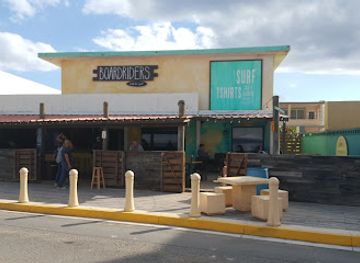
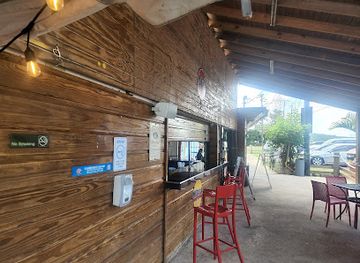
Boardrider's Surf Bar and Grill
Experience the vibrant surf culture at Boardrider's Surf Bar and Grill, where delicious food meets stunning beachfront views in Luquillo, Puerto Rico.
5 min drive · 1.6 km from city centre
-
Restaurant
El Hamberguito & Steak House
Discover the vibrant flavors of Puerto Rican cuisine at El Hamberguito & Steak House, a top-rated dining destination in Luquillo.
12 min drive · 3.8 km from city centre
-
Puerto Rican
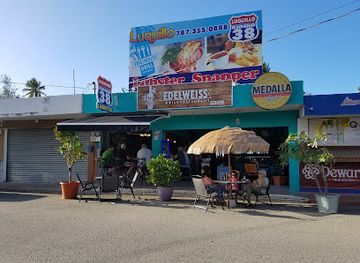
Edelweiss Bar & Grill
Savor delicious Puerto Rican cuisine at Edelweiss Bar & Grill, a vibrant seafood haven with stunning views in Luquillo.
5 min drive · 1.8 km from city centre
Best nightclubs in Luquillo
Luquillo’s evening life centres on the kiosk district and coastal restaurants rather than a large concentration of nightclubs. After sunset, some establishments become relaxed bars where locals and visitors gather over rum-based drinks, beer, music and late meals, with the atmosphere ranging from quiet conversation to lively weekend gatherings. Live music and dancing may feature at individual venues or during local events, but schedules and opening patterns can change. In the town centre, the public square and surrounding streets offer a more subdued evening setting, while larger entertainment options are more likely to be found in nearby Río Grande, Fajardo or the San Juan area. The local rhythm is informal and social: dinner can stretch into drinks, and the tropical setting encourages open-air evenings. Visitors should arrange transport before drinking, as late-night public transport is limited and distances between coastal venues can be inconvenient on foot.
-
Grill
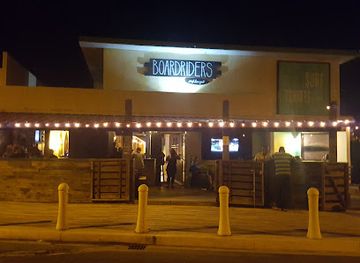
Boardrider's Surf Bar and Grill
Experience the vibrant flavors of Puerto Rico at Boardrider's Surf Bar and Grill, where beach vibes meet gourmet dining in a stunning oceanfront setting.
5 min drive · 1.6 km from city centre
-
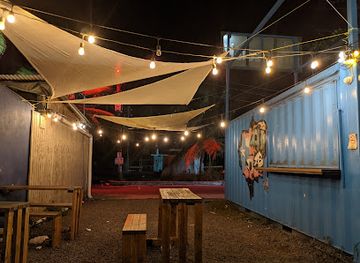
Bar
El Flamboyán
Experience the vibrant nightlife at El Flamboyán, a lively bar in Luquillo offering unique cocktails and a friendly atmosphere.
5 min drive · 1.6 km from city centre
-
Bar
MojitoLab
Discover the vibrant flavors of MojitoLab in Luquillo, Puerto Rico, where refreshing cocktails and a lively atmosphere await.
5 min drive · 1.8 km from city centre
-
Lounge
C Note Jazz Club
Discover the vibrant rhythms of live jazz at C Note Jazz Club in Luquillo, where every night offers a unique musical experience in a cozy lounge setting.
5 min drive · 1.5 km from city centre

Best shops in Luquillo
Shopping in Luquillo is modest and local in character, with the greatest interest lying in small businesses, food stalls and informal retail around the town and kiosk area rather than large commercial centres. Visitors may find beachwear, souvenirs, snacks, locally made products and Puerto Rican food specialities, while roadside stands and nearby markets can offer tropical fruit and everyday provisions. The kiosks are primarily places to eat, but their small counters and independent businesses contribute to the area’s retail atmosphere. For broader shopping, including supermarkets, pharmacies and more substantial retail choices, nearby Río Grande, Fajardo and the San Juan metropolitan area provide greater selection. When buying crafts, look for items with clear local provenance rather than assuming that every souvenir reflects Luquillo or Puerto Rico. Food products, coffee, sauces, sweets and rum-related gifts are practical reminders of the island’s culinary culture, while beach and forest equipment is useful for visitors planning outdoor days.
-
Supermarket
Amigo
Discover the vibrant flavors of Luquillo at Amigo, your local supermarket offering fresh produce, baked goods, and a taste of Puerto Rican culture.
15 min walk · 1.2 km from city centre
-
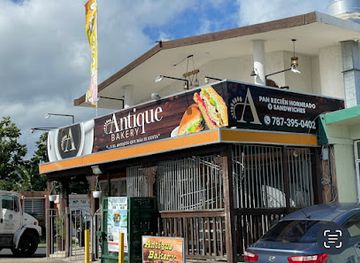
Bakery
Antique Bakery
Experience the best of Puerto Rican baked goods at Antique Bakery in Luquillo, where every bite is a step into local culinary tradition.
12 min walk · 1.0 km from city centre
-
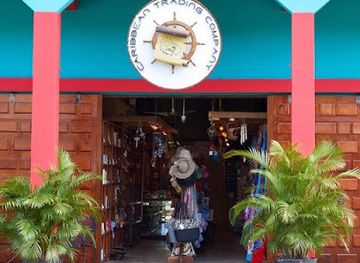
Gift shop
Caribbean Trading Company
Explore the Caribbean Trading Company for a unique selection of gifts, cigars, and local treasures in the heart of Río Grande, Puerto Rico.
14 min drive · 4.6 km from city centre
-
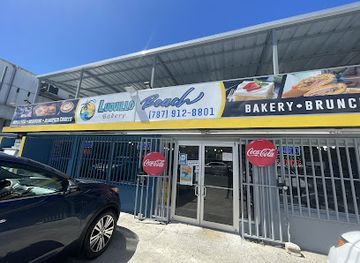
Bakery
Luquillo Beach Bakery Brunch & Lunch
Discover the rich flavors of Puerto Rico at Luquillo Beach Bakery, where freshly baked delights meet a vibrant coastal ambiance.
7 min drive · 2.3 km from city centre

Get your free copy of our complete guide to Luquillo, delivered straight to you.
Everything on this page, from attractions and restaurants to essentials and local phrases, in one PDF you can read offline, print or share.
Already have an account? Sign in
Your Luquillo guide is ready.
We'll send it to · Not you? Sign out

Getting your guide ready…
We are putting together a fresh copy of the Luquillo guide. This can take up to a minute.
This can take a few moments. If your browser asks, choose Allow so the download can start. You'll find the guide in your Downloads folder.
Nothing happened? Download it again
Sorry, the guide is taking longer than usual. Please try again in a minute, or get it by email instead.
Luquillo essentials
Currency and Payment
Safety
Emergency Situations
Do's and Don'ts
Local Tips
From Eve
Local phrases worth knowing
You don't need to get them perfect. A few words go a long way, and locals appreciate the effort.
Basics
| English | Local | Say it |
|---|---|---|
| Hello | Hola | [oh-lah] |
| Goodbye | Adiós | [ah-dee-ohs] |
| Yes | Sí | [see] |
| No | No | [noh] |
| Please/You're welcome | Por favor/De nada | [por fah-bor/deh nah-dah] |
| Thank you | Gracias | [grah-seeahs] |
| Excuse me/Sorry | Perdón/Lo siento | [pair-dohn/loh see-ehn-toh] |
| How are you? | ¿Cómo estás? | [koh-moh ehs-tahs] |
| Fine. And you? | Bien. ¿Y tú? | [byen. ee too] |
| Do you speak English? | ¿Hablas inglés? | [ah-blahs een-glays] |
| I don't understand | No entiendo | [noh ehn-tee-ehn-doh] |
Eating & Drinking
| English | Local | Say it |
|---|---|---|
| I'd like to see the menu, please | Me gustaría ver el menú, por favor | [meh goo-stah-ree-ah vehr ehl meh-noo, por fah-bor] |
| I don't eat meat | No como carne | [noh koh-moh kahr-neh] |
| Cheers! | ¡Salud! | [sah-lood] |
| I would like to pay, please | Me gustaría pagar, por favor | [meh goo-stah-ree-ah pah-gahr, por fah-bor] |
Emergencies
| English | Local | Say it |
|---|---|---|
| Help! | ¡Ayuda! | [ah-yoo-dah] |
| Go away! | ¡Vete! | [veh-teh] |
| Call the Police! | ¡Llama a la Policía! | [yah-mah ah lah poh-lee-see-ah] |
| Call a doctor! | ¡Llama a un médico! | [yah-mah ah oon meh-dee-koh] |
| I'm lost | Estoy perdido/a | [ehs-toy pair-dee-doh/ah] |
| I'm ill | Estoy enfermo/a | [ehs-toy ehn-fehr-moh/ah] |
Shopping
| English | Local | Say it |
|---|---|---|
| I'd like to buy... | Me gustaría comprar... | [meh goo-stah-ree-ah kohm-prahr] |
| I'm just looking | Solo estoy mirando | [soh-loh ehs-toy mee-rahn-doh] |
| How much is it? | ¿Cuánto cuesta? | [kwan-toh kwes-tah] |
| That's too expensive | Eso es demasiado caro | [eh-soh ehs deh-mah-see-ah-doh kah-roh] |
| Can you lower the price? | ¿Puedes bajar el precio? | [pweh-dehs bah-har ehl pree-syoh] |
Time & Numbers
| English | Local | Say it |
|---|---|---|
| What time is it? | ¿Qué hora es? | [keh oh-rah ehs] |
| It's one o'clock | Es la una en punto | [ehs lah oo-nah ehn poon-toh] |
| Half past (10) | Media hora (las diez y media) | [meh-dee-ah oh-rah (lahs dyehs ee meh-dee-ah)] |
| Morning | Mañana | [mah-nyah-nah] |
| Afternoon | Tarde | [tahr-deh] |
| Evening | Noche | [noh-cheh] |
| Yesterday | Ayer | [ah-yehr] |
| Today | Hoy | [oy] |
| Tomorrow | Mañana | [mah-nyah-nah] |
| 1 | Uno | [oo-noh] |
| 2 | Dos | [dohs] |
| 3 | Tres | [trehs] |
| 4 | Cuatro | [kwah-troh] |
| 5 | Cinco | [seen-koh] |
| 6 | Seis | [seys] |
| 7 | Siete | [syeh-teh] |
| 8 | Ocho | [oh-choh] |
| 9 | Nueve | [nweh-veh] |
| 10 | Diez | [dyehs] |
Transport & Directions
| English | Local | Say it |
|---|---|---|
| Where's a/the...? | ¿Dónde está...? | [dohn-deh ehs-tah] |
| What's the address? | ¿Cuál es la dirección? | [kwal ehs lah dee-rehk-syohn] |
| Can you show me (on the map)? | ¿Puedes mostrarme (en el mapa)? | [pweh-dehs mohs-trahr-meh (ehn ehl mah-pah)] |
| When's the next (bus)? | ¿Cuándo es el próximo (autobús)? | [kwan-doh ehs ehl proh-ksy-moh (ow-toh-boos)] |
| A ticket (to ....) | Un boleto (para ....) | [oon boh-leh-toh (pah-rah)] |
History of Luquillo
Taíno Roots and Coastal Settlement
Before Spanish colonisation, the north-eastern coast of Puerto Rico was inhabited by Taíno communities whose lives were connected to fishing, farming and the island’s rivers and forests. The name Luquillo is commonly linked with Loquillo, a Taíno cacique associated with the region, although accounts of the name’s origin vary. The coastline and foothills later became part of the Spanish colonial landscape, shaped by agricultural estates, livestock and access to maritime routes. Luquillo’s geography was decisive from the beginning: fertile land lay between the Atlantic and the forested mountains, while nearby waterways supported settlement and cultivation.
Spanish Colonial Luquillo
Luquillo was formally established as a municipality in 1797 during the late Spanish colonial period. Its development followed a pattern familiar across eastern Puerto Rico, with a central settlement, a parish community and rural lands devoted to agriculture. Sugar cane, coffee, plantains and other crops influenced the local economy at different times, while the coast remained important for fishing and small-scale transport. The town’s low-rise form and civic centre still reflect this history, even though later roads, tourism and suburban growth have altered the surrounding landscape.
Agriculture, Labour and Community
During the nineteenth and early twentieth centuries, Luquillo’s social and economic life was closely tied to rural production. Plantation agriculture and small farms connected local households to wider markets, while labourers, artisans, fishers and merchants formed the community around the town and its countryside. Like other Puerto Rican municipalities, Luquillo experienced the pressures of changing land use, economic dependency and migration. The survival of food traditions, family businesses and neighbourhood relationships reflects this rural past. Local cooking, especially the use of plantains, seafood, pork and root vegetables, carries the imprint of both agricultural abundance and coastal life.
Roads, Forest and Modern Connections
Improved roads and the expansion of regional transport strengthened Luquillo’s links with San Juan, Río Grande, Fajardo and the rest of eastern Puerto Rico. At the same time, growing public interest in the island’s rainforests brought the Luquillo Mountains into a broader conservation and tourism story. The forest now known as El Yunque National Forest became one of Puerto Rico’s most recognised natural areas, with access routes and recreation sites near the municipality. Luquillo consequently developed a dual identity: a coastal town serving local residents and beach visitors, and a gateway for journeys into a protected tropical landscape.
The Kiosks and Coastal Tourism
In the twentieth century, Luquillo’s beaches and roadside food stalls became increasingly important to domestic recreation and visitor culture. The kiosks grew into a recognisable strip of small restaurants and bars where Puerto Rican cooking could be enjoyed beside the main coastal route. Tourism did not erase the town’s local identity; instead, it added a public stage for dishes, music and social customs rooted in the surrounding communities. Contemporary Luquillo remains shaped by this balance between conservation, beach recreation, everyday residential life and a culinary culture that welcomes visitors without resembling a large resort city.
Luquillo in Photos
Browse through our photo collection highlighting the charm and character of the destination.
Cities near Luquillo
The closest cities to Luquillo, if you have time for more than one stop.
-

-

-

-

-


Swipe for more cities
Explore more

Explore more of Puerto Rico
Discover Puerto Rico, where vibrant culture, stunning beaches, and rich history create an unforgettable Caribbean experience. Perfect for adventurers and relaxation seekers alike.
Explore Puerto Rico